
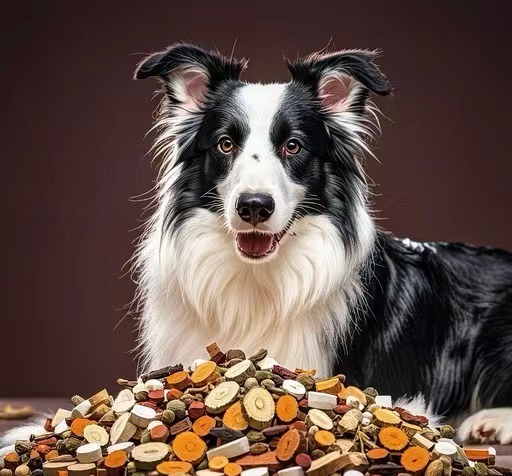
Embracing Ancient Healing: Traditional Chinese Medicine Offers New Avenues for Treating Bone Cancer in Middle-Aged Dogs

Embracing Ancient Healing: Traditional Chinese Medicine Offers New Avenues for Treating Bone Cancer in Middle-Aged Dogs

Bone cancer in middle-aged dogs, particularly osteosarcoma, is a significant health concern that affects countless canines and their owners worldwide. In the quest for more effective treatments, Traditional Chinese Medicine (TCM) is emerging as a beacon of hope. This article explores how the ancient practices of TCM are providing new pathways for treating bone cancer in middle-aged dogs.

Understanding Canine Bone Cancer

Bone cancer, most commonly osteosarcoma, is a severe and often aggressive disease, predominantly affecting larger breeds of middle-aged dogs. It is characterized by rapid tumor growth, primarily in the limbs, and can be challenging to treat with conventional methods alone.

The Potential of TCM in Canine Oncology

TCM offers a holistic approach to health and disease, focusing on balancing the body’s energies and enhancing its natural healing capabilities. This philosophy is increasingly being applied to veterinary oncology, with promising results in the treatment of canine bone cancer.

Key Elements of TCM in Cancer Treatment

  1. Herbal Medicine: TCM utilizes a variety of herbs known for their healing properties. Herbs like Huang Qi (Astragalus) and Yun Zhi (Turkey Tail mushroom) are used for their potential to boost the immune system and combat tumor growth.
  2. Acupuncture: Often used for pain relief, acupuncture can also enhance the overall well-being of dogs with cancer, potentially alleviating symptoms and improving quality of life.
  3. Diet and Nutrition: TCM emphasizes the importance of a balanced diet tailored to the dog’s specific needs, which can support their overall health and resilience during cancer treatment.

Integrating TCM with Conventional Cancer Treatments

The most effective approach in treating canine bone cancer often involves a combination of TCM and conventional treatments like surgery, chemotherapy, and radiation. This integrative approach aims to maximize the effectiveness of treatment, reduce side effects, and improve the dog’s quality of life.

Research and Case Studies on TCM in Canine Bone Cancer

Emerging studies and anecdotal evidence suggest that TCM can play a valuable role in treating bone cancer in dogs. Case studies have shown improved outcomes, including longer survival times and better quality of life when TCM is integrated with conventional treatments.

The Future of Canine Cancer Treatment

The use of TCM in treating canine bone cancer represents an exciting development in veterinary medicine. It offers a more comprehensive approach to treatment, focusing not only on fighting the cancer but also on supporting the overall health and well-being of the dog.

Harnessing the power of TCM provides new hope for middle-aged dogs battling bone cancer. As veterinary medicine continues to evolve, the integration of ancient wisdom and modern science paves the way for more effective and compassionate cancer treatments.

Merging Ancient Wisdom with Modern Science: Tackling Canine Osteosarcoma Through Traditional Chinese Medicine

Merging Ancient Wisdom with Modern Science: Tackling Canine Osteosarcoma Through Traditional Chinese Medicine

In the realm of veterinary medicine, the treatment of canine osteosarcoma, especially in large breeds, has been a persistent challenge. Bridging the gap between age-old practices and contemporary science, Traditional Chinese Medicine (TCM) offers a complementary approach to conventional methods. This article delves into how TCM is being employed to confront osteosarcoma in large breed dogs, blending traditions for better outcomes.

Understanding Canine Osteosarcoma

Osteosarcoma is a type of bone cancer predominantly seen in large and giant breed dogs. It is characterized by the aggressive growth of tumors, primarily in the limbs. The conventional treatment protocol often involves surgery, chemotherapy, or radiation, which can be intensive and taxing for the animal.

The TCM Perspective on Canine Osteosarcoma

TCM focuses on restoring balance and enhancing the body’s natural healing abilities. In the context of canine osteosarcoma, TCM aims to strengthen the dog’s overall constitution, support immune function, and manage symptoms, thus complementing conventional cancer treatments.

Key Chinese Herbs in Osteosarcoma Treatment

Several herbs are prominent in TCM for their purported anti-cancer properties:

  • Huang Qi (Astragalus): Known for boosting the immune system and potentially inhibiting tumor growth.
  • Yun Zhi (Turkey Tail mushroom): Contains polysaccharides that are believed to enhance immune responses.
  • Bai Hua She She Cao (Hedyotis): Traditionally used for its anti-tumor effects.

These herbs are often administered in conjunction with conventional treatments to optimize the dog’s response to therapy.

Integrating TCM with Conventional Veterinary Practices

The integration of TCM in treating osteosarcoma involves a holistic strategy. While not a replacement for surgery or chemotherapy, TCM can be an adjunct, potentially reducing side effects, enhancing the effectiveness of conventional treatments, and improving the quality of life for the canine patient.

The Role of Diet and Lifestyle in TCM

TCM also emphasizes the importance of diet and lifestyle in maintaining health and fighting disease. A diet tailored to support a dog with osteosarcoma, coupled with a stress-free environment, can significantly contribute to the overall treatment plan.

Research and Case Studies on TCM in Canine Osteosarcoma

Emerging research and case studies provide insights into the effectiveness of TCM in treating canine osteosarcoma. These studies often highlight improved outcomes, better tolerance to conventional treatments, and enhanced quality of life.

By bridging traditions and using TCM in conjunction with modern veterinary science, we can offer a more rounded and potentially effective approach to treating osteosarcoma in large breed dogs. As research continues to unfold, this integrative approach might well become a mainstay in veterinary oncology, providing hope and improved care for our canine companions.

Green yin-yang logo with TCMVET
Privacy Overview

This website uses cookies so that we can provide you with the best user experience possible. Cookie information is stored in your browser and performs functions such as recognising you when you return to our website and helping our team to understand which sections of the website you find most interesting and useful.