
by TCMVET | May 9, 2024 | pet Chinese herbal medicine
In recent years, pet owners and veterinarians alike are increasingly turning to Traditional Chinese Veterinary Medicine (TCVM) to complement conventional cancer treatments. TCVM offers a holistic approach to health, emphasizing balance and natural healing. This article explores how TCVM is used to manage and treat cancer in pets naturally, focusing on its principles, methods, and benefits.
Principles of TCVM in Cancer Management
Yin and Yang: TCVM is based on the balance of Yin (cooling, passive) and Yang (warming, active) energies in the body. Cancer is often viewed as a condition of excessive Yang, and treatments aim to restore balance between these forces.
Qi (Energy) and Blood: A healthy flow of Qi and blood is essential for health. TCVM treatments often aim to enhance Qi flow and strengthen the blood to help the body resist cancer and cope with the side effects of conventional cancer treatments.
TCVM Treatment Modalities for Cancer
Acupuncture: Used to stimulate specific points on the body to enhance Qi flow, reduce pain, and improve vitality. Acupuncture is particularly beneficial for managing pain and improving the quality of life in pets with cancer.
Herbal Medicine: A cornerstone of TCVM, herbal formulas are customized to address individual symptoms and the specific type of cancer. Herbs like Huang Qi (Astragalus) and Ling Zhi (Reishi mushrooms) are known for their immune-boosting and anti-tumor properties.
Food Therapy: Diet plays a crucial role in TCVM. Food therapy involves using specific foods that have properties to counteract the type of cancer. For example, cooling foods like rabbit and duck are often recommended for pets with inflammatory cancers.
Integrating TCVM with Conventional Cancer Treatments
While TCVM can be used as a standalone treatment, it is often most effective when combined with conventional methods like surgery, chemotherapy, and radiation. This integrative approach can help minimize side effects, improve overall well-being, and extend the quality of life for pets with cancer.
Benefits of TCVM for Pets with Cancer
Enhanced Quality of Life: TCVM focuses on improving the quality of life, not just treating the disease. Pets often show improved appetite, energy levels, and pain management through these natural therapies.
Personalized Treatments: Unlike one-size-fits-all approaches, TCVM considers the unique condition and temperament of each pet, allowing for more tailored and effective treatment plans.
Supporting Immune System: Many TCVM practices and herbs are known to support and enhance the immune system, crucial for pets undergoing cancer treatment.
Considerations and Choosing a Practitioner
Choosing a qualified TCVM practitioner is crucial. Look for veterinarians who have specific training and certification in TCVM. It’s also important to maintain open communication between your regular veterinarian and your TCVM practitioner to ensure a coordinated and safe treatment plan.

by TCMVET | Mar 21, 2024 | Dog Cancer & Tumors
The realm of veterinary medicine is evolving, and one of the most significant advancements is the integration of Western and Eastern medical practices, particularly in treating complex conditions like mediastinal tumors in animals. This holistic approach not only enhances treatment efficacy but also improves the overall quality of life for our furry companions.
Understanding Mediastinal Tumors in Pets
Mediastinal tumors, found in the area between the lungs, can be a serious health concern for pets. These tumors include thymomas, lymphomas, and other less common types. Symptoms often include respiratory distress, coughing, and general lethargy. Traditional Western veterinary medicine offers diagnostic and treatment modalities such as surgery, chemotherapy, and radiation therapy.
The Eastern Approach: Traditional Chinese Veterinary Medicine (TCVM)
TCVM is an ancient practice that views disease as an imbalance in the body’s natural energy flow. In the context of mediastinal tumors, TCVM aims to restore balance and strengthen the body’s ability to heal itself. This is achieved through various methods, including herbal medicine, acupuncture, and dietary adjustments.
Key Principles of Integrative Medicine
- Holistic Diagnosis and Treatment: Considering the pet’s entire health, lifestyle, and environment, not just the symptoms of the tumor.
- Combination of Therapies: Utilizing Western treatments for their precision and Eastern methods for their holistic healing properties.
- Personalized Care: Every pet is unique, and so should be their treatment plan, combining various elements from both medical traditions.
Herbal Remedies and Acupuncture
Specific herbs like Astragalus, Ginseng, and Turmeric are known for their immune-boosting and anti-inflammatory properties. Acupuncture is used to relieve pain, improve immune response, and enhance overall well-being.
The Role of Diet in TCVM
Diet is a crucial aspect of TCVM. Foods that support immune health and are easy to digest are often recommended for pets with mediastinal tumors. This might include a combination of high-quality commercial food and fresh, natural ingredients.
The Benefits of Integrative Medicine
This integrative approach offers several benefits:
- Reduced side effects from conventional treatments.
- Improved overall health and well-being.
- Personalized care plans that address the unique needs of each pet.
The integration of Western and Eastern medicine for treating mediastinal tumors in animals represents a significant step forward in veterinary care. This approach allows for more comprehensive and compassionate care, ensuring that our pets not only live longer but also have a better quality of life.

by TCMVET | Mar 21, 2024 | Dog Cancer & Tumors
In the realm of veterinary medicine, the diagnosis and treatment of mediastinal tumors represent a significant challenge. These tumors, which are located in the mediastinum — the area between the lungs — can include a range of conditions such as thymomas, lymphomas, and other less common neoplasms like hemangiosarcoma (HSA) and mesothelioma. However, a unique approach that combines the precision of modern veterinary science with the wisdom of traditional Chinese medicine, particularly herbal remedies, offers a promising perspective for pet owners and veterinarians alike.
Understanding Mediastinal Tumors
Mediastinal tumors can manifest through various clinical symptoms in animals, predominantly respiratory issues due to the mass effect of the tumor. These symptoms can range from exercise intolerance to acute respiratory distress. Additional complications like pleural effusion (fluid in the chest cavity) and paraneoplastic syndromes (PNS) such as hypercalcemia in lymphoma and regurgitation in thymoma due to esophageal compression are also common.
The Role of Chinese Herbal Medicine
Traditional Chinese Veterinary Medicine (TCVM) has a history that dates back thousands of years, with the foundational belief that health is a state of balance within the body. When it comes to treating conditions like mediastinal tumors, TCVM primarily focuses on restoring this balance and enhancing the body’s natural healing capabilities.
Chinese herbal medicine, a key component of TCVM, uses a combination of herbs to address specific symptoms and underlying imbalances. Unlike Western medicine, which often targets the tumor directly through methods like chemotherapy, Chinese herbs work by supporting the organ systems, boosting immunity, and improving overall well-being.
Integrating Western and Eastern Approaches
The integration of Western and Eastern medical practices offers a holistic approach to treating mediastinal tumors. While Western medicine excels in diagnosing and providing targeted treatments, Chinese herbal medicine can complement these methods by mitigating side effects, enhancing the body’s resilience, and addressing symptoms that Western treatments might overlook.
Specific Herbs and Their Uses
Herbs such as Astragalus (Huang Qi) and Ginseng (Ren Shen) are known for their immune-boosting properties. Others like Sargassum (Hai Zao) may help in managing fluid accumulation in cases of pleural effusion. The precise selection of herbs depends on the individual animal’s diagnosis and overall constitution.
The integration of Chinese herbal medicine into the treatment of mediastinal tumors in veterinary medicine is an avenue ripe with potential. This approach not only provides a new perspective on treatment but also emphasizes the importance of holistic care in the health and well-being of animals.

by TCMVET | Mar 13, 2024 | Dog Cancer & Tumors
Fibrosarcomas, a challenging form of cancer in dogs, require a multi-faceted approach to treatment. Alongside conventional veterinary methods, Traditional Chinese Veterinary Medicine (TCVM), especially herbal medicine, has emerged as a complementary approach. This article explores fibrosarcomas in dogs and the role of Chinese herbal medicine in their treatment.
Understanding Fibrosarcomas in Dogs Fibrosarcomas are malignant tumors that arise from fibrous connective tissue. In dogs, these tumors can occur anywhere in the body but are commonly found in the skin and subcutaneous tissues. They are characterized by their rapid growth and potential to metastasize, making early detection and treatment essential.
Conventional Treatment Methods The traditional approach to treating fibrosarcomas in dogs typically involves surgery, chemotherapy, and radiation therapy. These methods aim to remove or shrink the tumor and prevent its spread.
The Role of Traditional Chinese Herbal Medicine TCVM, which includes herbal medicine, acupuncture, and dietary therapy, has been used for centuries to treat various ailments in humans and animals. In the context of fibrosarcomas in dogs, Chinese herbal medicine is used as a complementary therapy.
- Herbal Compounds: Specific herbal compounds are chosen for their properties that align with cancer treatment, such as anti-tumor, anti-inflammatory, and immune-boosting effects.
- Individualized Treatment: Herbal treatments are tailored to the individual dog’s condition, considering factors like the tumor’s location, the dog’s overall health, and the stage of cancer.
- Supportive Care: Herbs can also play a role in supporting the dog’s general health, mitigating side effects of conventional treatments, and improving quality of life.
Integrating Herbal Medicine with Conventional Treatments Integrating herbal medicine with conventional treatments requires a collaborative approach between a veterinarian and a TCVM practitioner. This integration aims to use the strengths of both approaches for a more holistic treatment strategy.
Research and Case Studies Emerging research supports the use of certain herbal remedies in enhancing the efficacy of conventional cancer treatments and improving survival rates in dogs with fibrosarcomas. Case studies have shown promising results, although more research is needed.
Understanding fibrosarcomas in dogs and integrating TCVM, particularly herbal medicine, with conventional treatments, offers a promising complementary approach. This integrated method can potentially improve outcomes, reduce side effects, and enhance the quality of life for dogs battling this form of cancer.
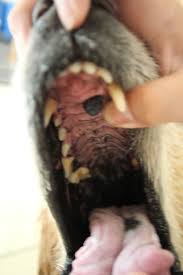
by TCMVET | Mar 6, 2024 | pet Chinese herbal medicine
In recent years, the incidence of melanoma in dogs, particularly in pigmented breeds, has been on the rise, leading to an increased interest in diverse treatment methods, including Traditional Chinese Veterinary Medicine (TCVM). This article explores the integration of Chinese herbs in treating canine melanoma, a step towards holistic pet healthcare.
The Prevalence of Canine Melanoma
Canine melanoma is a common cancer, primarily affecting the skin, oral cavity, and other areas. Despite advanced treatments like surgery and chemotherapy, there’s a growing interest in complementary therapies, including TCVM, which has been used for centuries in human medicine and is gaining traction in veterinary care.
Chinese Herbal Medicine: An Overview
Chinese herbal medicine utilizes natural plants and herbs, focusing on restoring balance in the body. In the context of canine melanoma, these herbs are believed to support the immune system, inhibit tumor growth, and alleviate symptoms associated with conventional cancer treatments.
Potential Herbal Remedies for Canine Melanoma
- Yunnan Baiyao: Known for its wound-healing and hemostatic properties, potentially beneficial in reducing bleeding in tumors.
- Astragalus (Huang Qi): Boosts the immune system and may enhance the efficacy of chemotherapy.
- Scutellaria baicalensis (Huang Qin): Contains anti-inflammatory and anti-tumor properties, which might be beneficial in cancer care.
Integrating Chinese Herbs with Conventional Treatments
The combination of Chinese herbs and conventional treatments such as surgery, chemotherapy, or radiation can provide a more holistic approach. It’s crucial to consult with a veterinarian experienced in both Western and TCVM for a tailored treatment plan.
The integration of Traditional Chinese Herbal Medicine in treating canine melanoma represents a promising area in veterinary medicine, offering a complementary approach to enhance pet health and wellbeing.
