by TCMVET | Dec 7, 2024 | Dog Cancer & Tumors
Discovering a large abdominal mass in a dog can be alarming for any pet owner. While it is natural to worry, understanding the potential causes, symptoms, and treatment options can empower you to make informed decisions about your dog’s health.
What is an Abdominal Mass?
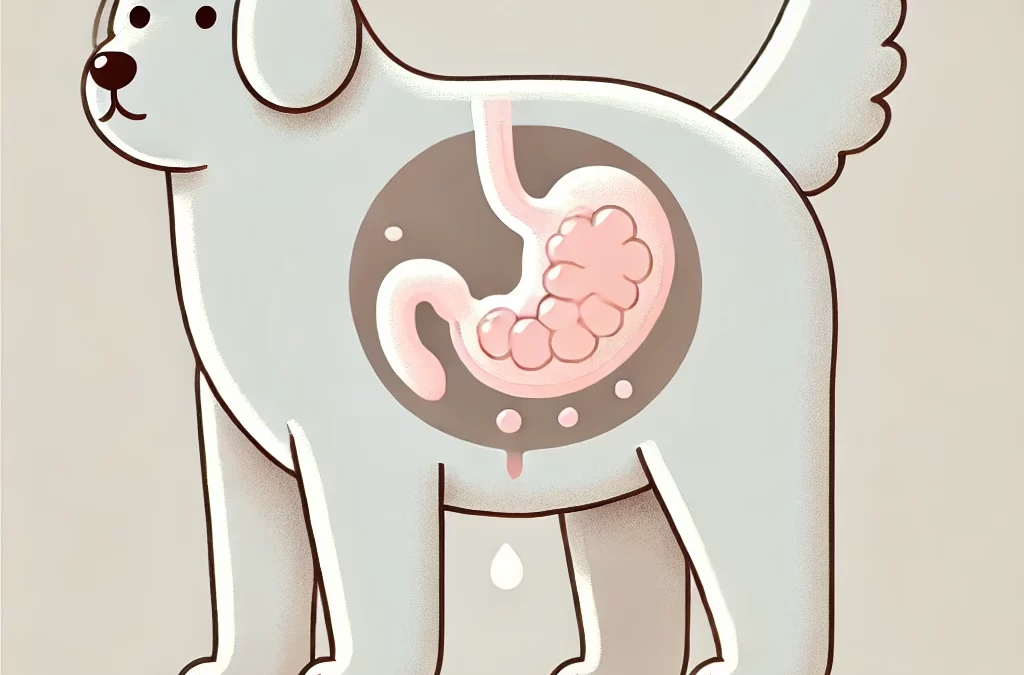
An abdominal mass is an abnormal growth in the stomach area that may arise from organs such as the liver, spleen, intestines, or even surrounding tissues. These masses can vary significantly in size and may be benign (non-cancerous) or malignant (cancerous).
Common Causes of Abdominal Masses
- Benign Growths
- Lipomas: Fatty tumors that are generally harmless.
- Cysts: Fluid-filled sacs that may grow over time but are typically non-threatening.
- Malignant Tumors
- Hemangiosarcoma: A common cancer affecting the spleen.
- Lymphoma: Affects lymph nodes and can spread to the abdomen.
- Carcinomas: Tumors arising from epithelial tissues of internal organs.
- Other Causes
- Abscesses: Infections that lead to pus-filled pockets.
- Organ Enlargement: Conditions like liver disease can mimic mass growth.
Symptoms to Watch For
Early detection can significantly impact outcomes. Look for:
- Swollen or distended abdomen
- Weight loss or reduced appetite
- Vomiting or diarrhea
- Lethargy or signs of discomfort
- Difficulty breathing due to abdominal pressure
Diagnosis
Diagnosing an abdominal mass requires a veterinarian’s expertise. Procedures may include:
- Physical Examination: Palpating the abdomen to detect unusual growths
- Imaging Tests: Ultrasound or X-rays to determine the size, location, and nature of the mass
- Biopsy or Fine Needle Aspiration: Collecting tissue samples for analysis
- Blood Tests: Checking for related health conditions
Treatment Options
The treatment depends on the mass’s type and location:
- Surgical Removal: Often the first line of action for operable masses
- Chemotherapy or Radiation: Used for malignant growths, especially if surgery isn’t possible
- Palliative Care: Focuses on maintaining comfort if the condition is untreatable
Proactive Steps for Pet Owners
- Routine Check-ups: Regular veterinary visits can help catch problems early
- Monitor Symptoms: Keep an eye on any changes in your dog’s behavior or appetite
- Proper Nutrition: A balanced diet supports overall health and recovery
- Second Opinions: Don’t hesitate to consult another vet for complex cases
Large abdominal masses in dogs are a serious concern, but with timely veterinary care and proper management, many dogs can achieve good outcomes. Always work closely with your vet to determine the best course of action for your furry friend.

by TCMVET | Nov 30, 2024 | Dog Cancer & Tumors
When it comes to our furry companions, nothing is more heart-wrenching than the diagnosis of a mammary mass. The very word “mass” strikes fear, conjuring images of cancer and invasive treatments. But what if there was more to mammary mass removal in dogs than just the surgical procedure? What if the healing process could encompass not only the physical act of removing the mass but also embrace a holistic, integrative approach that promotes true wellness?
In this article, we’ll explore how mammary mass removal is evolving, pushing the boundaries of conventional veterinary medicine to offer a comprehensive solution for dogs facing this condition.
The Mammary Mass Mystery: Understanding the Basics
Mammary masses are relatively common in female dogs, especially those that have not been spayed. While many masses are benign, some may be malignant, leading to a higher concern for cancer. In fact, approximately 50% of mammary tumors in dogs are cancerous, making early detection and prompt treatment vital.
Traditionally, the primary treatment for mammary masses has been surgical removal, often followed by chemotherapy or radiation if the mass is found to be malignant. This approach is still widely used, but with a growing interest in alternative and complementary therapies, the scope of treatment has expanded.
Surgery: A Foundation, Not the Whole Solution
Surgical removal remains the cornerstone of mammary mass treatment. The goal is to excise the mass completely, reducing the risk of the cancer spreading. However, the act of surgery alone does not guarantee long-term health. The real work begins after the incision has healed.
It’s here that an integrative approach comes into play.
Integrating Holistic Care: The Power of Prevention and Support
While surgery addresses the immediate physical concern, what many dog owners are now discovering is that post-operative care can be just as important in slowing recurrence and promoting overall health. The role of diet, lifestyle, and natural therapies is coming to the forefront as essential components of recovery.
1. Diet and Nutrition: Fueling the Body’s Defenses
Post-surgery, a balanced diet becomes crucial. Research suggests that certain nutrients can support immune function and help fight off cancerous cells. Omega-3 fatty acids (found in fish oil) have anti-inflammatory properties, while antioxidants (such as vitamins C and E) can protect healthy cells from oxidative stress.
Some experts even recommend a raw food diet or an anti-cancer diet for dogs with a history of mammary tumors. These diets emphasize lean meats, vegetables, and herbs that may help strengthen the dog’s immune system and reduce inflammation.
2. Herbal Supplements and Natural Remedies: A Holistic Touch
In addition to conventional treatments, many holistic veterinarians advocate for herbal supplements that can aid in healing. Adaptogenic herbs like ashwagandha or turmeric are known for their anti-inflammatory and immune-boosting properties. Additionally, lignans, found in flax seeds, are often recommended for their potential to inhibit the growth of cancer cells.
These natural remedies can be used alongside traditional treatments to help balance the body’s systems and improve overall vitality.
3. Mind-Body Connection: Stress Reduction and Emotional Healing
A dog’s emotional well-being should not be underestimated in the healing process. Research increasingly supports the idea that stress, anxiety, and negative emotions can affect the body’s ability to recover from illness. Offering a calm, loving environment with plenty of rest and affection can help reduce your dog’s stress levels, allowing their body to heal more effectively.
Massage therapy, gentle exercise, and even canine acupuncture are also being explored as ways to promote circulation, reduce pain, and encourage overall wellness during recovery.
Early Detection and Proactive Care: Prevention is Key
Prevention of future mammary masses or recurrence hinges on early detection. Regular vet check-ups, along with routine mammary gland exams (either during grooming or through veterinary visits), can help catch abnormalities early. For dogs at higher risk—those who haven’t been spayed or have had previous tumors—owners should be vigilant and proactive about any changes in the mammary glands.
In addition, spaying before the first heat cycle has been shown to reduce the risk of mammary tumors in dogs, making it an important consideration for pet owners.
What’s Next? The Future of Mammary Mass Treatment
As veterinary care continues to evolve, the approach to mammary mass removal is becoming increasingly multifaceted. While surgery remains a critical tool, it is no longer the sole focus of treatment. The integration of holistic care practices, early detection, and preventative measures offer a more comprehensive strategy to combat mammary masses and promote overall health in dogs.
By embracing a well-rounded approach that nurtures both the body and the mind, we can ensure that our furry friends have the best chance at a long, healthy, and happy life after mammary mass removal.
Key Takeaways
- Surgery remains essential for mammary mass removal but should be followed by supportive care.
- Diet plays a pivotal role in recovery, with anti-inflammatory and immune-boosting foods helping the healing process.
- Holistic therapies, including herbal remedies and acupuncture, can enhance recovery and overall health.
- Stress reduction and emotional well-being are key components of the healing process.
- Early detection and spaying are crucial for preventing mammary masses and cancers in the future.
By thinking beyond the scalpel and embracing a holistic approach, we give our dogs not only the best chance at recovery but also a path to a richer, fuller life.

by TCMVET | Nov 15, 2024 | Dog Cancer & Tumors
When it comes to our furry companions, their health often hinges on how quickly we can detect and respond to signs of illness. Leukemia in dogs, a form of cancer that targets the blood cells, is no exception. This silent adversary often begins with subtle changes that many pet parents overlook. Here, we dive into the early signs of leukemia in dogs, presenting them in a way that helps you decode the mystery before it’s too late.
What is Leukemia in Dogs?
Leukemia is a cancer of the blood and bone marrow. It occurs when white blood cells (leukocytes) begin to multiply uncontrollably, disrupting the body’s normal immune and circulatory functions. While the term might sound ominous, catching it early significantly improves your dog’s chances of responding to treatment.
The Overlooked Symptoms: Early Clues You Shouldn’t Ignore
Leukemia can present in two forms: acute and chronic. Acute leukemia progresses rapidly, while chronic leukemia is slower and may go unnoticed for months. Here’s what to watch for:
1. Unexplained Fatigue
Does your normally energetic dog seem lethargic? Are they sleeping more than usual or appearing less interested in their favorite activities? While it’s easy to chalk this up to aging or weather changes, persistent fatigue could be an early sign of leukemia.
2. Pale or Discolored Gums
Healthy gums should be a vibrant pink. If your dog’s gums appear pale, white, or grayish, it might indicate anemia—a common consequence of leukemia. Perform regular gum checks as part of your dog’s health routine.
3. Frequent Infections
Leukemia compromises the immune system, making your dog susceptible to recurrent infections. If your dog is battling ear infections, urinary tract infections, or other issues more frequently than usual, leukemia could be the underlying cause.
4. Swollen Lymph Nodes
Lymph nodes, located under the jaw and near the armpits, are your dog’s immune system hubs. Swelling in these areas can be an early red flag for leukemia or other blood-related conditions.
5. Loss of Appetite and Weight
Dogs with leukemia may lose interest in food, leading to unexplained weight loss. A sudden shift in eating habits is always a cause for concern and should prompt a visit to the vet.
6. Mild Bleeding or Bruising
Keep an eye out for unexplained bruises or prolonged bleeding after minor cuts. Leukemia often impacts the blood’s ability to clot, making injuries more noticeable.
7. Low Tolerance for Exercise
If your dog starts panting heavily after short walks or avoids physical activity altogether, this could signal a decrease in oxygen-carrying red blood cells—a hallmark of leukemia.
8. Fever Without Cause
Unexplained fevers may occur due to your dog’s body attempting to fight off infections brought on by weakened immunity.
How to Confirm Suspicion
If you notice any combination of these signs, it’s crucial to consult a veterinarian. Leukemia cannot be diagnosed based on symptoms alone. Your vet may recommend tests such as:
- Complete Blood Count (CBC): Identifies abnormalities in red and white blood cells.
- Bone Marrow Biopsy: Confirms the presence and type of leukemia.
- X-rays or Ultrasound: Detects any organ enlargement or abnormalities.
Early Intervention: A Game-Changer
While leukemia is a serious diagnosis, early detection offers hope. Treatment options include chemotherapy, targeted medications, and supportive care like blood transfusions and immune-boosting supplements.
Alternative therapies, such as herbal remedies and dietary adjustments, may also help improve your dog’s quality of life. For example, incorporating medicinal mushrooms like Reishi or Shiitake can support the immune system, while turmeric offers anti-inflammatory benefits. Always consult your vet before introducing new supplements.
Preventing Leukemia: Can You Reduce Risk?
While the exact causes of leukemia are unknown, minimizing exposure to toxins and maintaining a balanced diet can support overall health. Avoid pesticides, provide clean drinking water, and opt for high-quality, nutrient-rich dog food.
When in Doubt, Trust Your Instincts
As pet parents, we often sense when something isn’t right. If your dog seems off, trust your intuition and seek medical advice. Early intervention can make all the difference in managing leukemia and giving your dog the best chance at a longer, healthier life.
By staying vigilant and proactive, you can ensure that leukemia doesn’t stand a chance against your love and dedication. Always keep your dog’s wellness in focus, and remember—the smallest changes can often signal the biggest threats.

by TCMVET | Nov 15, 2024 | Dog Cancer & Tumors
Discovering a lump on your dog can be alarming, but it doesn’t have to be a reason for panic. While some lumps may indicate serious health issues, many are benign and manageable. In this article, we’ll explore creative and innovative ways to address dog lumps, combining traditional veterinary care with holistic solutions to ensure your furry friend’s well-being.
Understanding the Lump: Knowledge is Power
Before diving into solutions, it’s crucial to understand the nature of the lump. Common types include:
- Lipomas: Fatty tumors, often harmless.
- Cysts: Fluid-filled sacs that may require drainage.
- Mast Cell Tumors: Require immediate attention due to their potential malignancy.
- Abscesses: Usually the result of infections.
Pro Tip: Not all lumps are the same, so a vet visit is your first step to proper diagnosis.
Step 1: The Conventional Approach
Veterinary care provides a solid foundation for managing lumps. Here’s what to expect:
- Biopsy or Fine Needle Aspiration (FNA): To determine the lump’s nature.
- Surgical Removal: Recommended for malignant or bothersome lumps.
- Medication: Antibiotics or anti-inflammatory drugs for infections or irritation.
Step 2: Think Beyond Surgery
Surgery isn’t always the only option. For small, benign lumps, consider less invasive measures:
- Cryotherapy: Freezing the lump to reduce its size.
- Laser Therapy: Effective for certain skin masses with minimal scarring.
- Natural Absorption: In some cases, the body may absorb small cysts or benign lumps over time.
Step 3: Holistic Remedies and Lifestyle Changes
Integrating natural solutions can enhance your dog’s recovery and overall health:
1. Nutrition as Medicine
A nutrient-rich diet boosts immunity and overall health, potentially slowing lump growth. Focus on:
- Antioxidants: Blueberries, spinach, and turmeric combat inflammation.
- Omega-3 Fatty Acids: Found in fish oil, these support healthy skin and reduce inflammation.
2. Herbal and Natural Supplements
Certain herbs and natural remedies can support healing:
- Chuanxiong (Szechuan Lovage): Known for improving circulation, it may help reduce lump size.
- Essiac Tea: A blend of herbs believed to support the immune system.
- CBD Oil: Anti-inflammatory properties can help with pain and swelling.
3. Massage Therapy
Gentle massage around the lump (if recommended by your vet) can improve lymphatic drainage, reducing swelling and discomfort.
4. Acupuncture
Used for centuries in traditional Chinese medicine, acupuncture can enhance the body’s natural healing process.
Step 4: When to Seek a Second Opinion
If a lump doesn’t shrink with treatment, or if it grows rapidly, it’s wise to seek another vet’s opinion. Cutting-edge options like targeted immunotherapy and precision medicine are becoming more accessible in veterinary care.
Step 5: Preventive Measures
The best way to deal with lumps is to prevent them in the first place:
- Routine Checkups: Early detection can make all the difference.
- Weight Management: Obesity is linked to an increased risk of lipomas.
- Regular Exercise: Improves circulation and boosts the immune system.
Beyond Physical Health: Address Emotional Well-being
Dogs are highly perceptive creatures, and their emotional health often impacts their physical state. Providing a stress-free, loving environment can enhance your dog’s overall health and ability to recover.
Embracing a Partnership with Your Vet
The road to managing dog lumps is a journey best taken with a trusted veterinarian. By combining traditional care with innovative, natural remedies, you can provide your dog with the best chance for a long, happy life.
A Final Thought
Every lump has a story, but it doesn’t have to define your dog’s future. By approaching the situation holistically, staying informed, and taking proactive steps, you can turn a potentially worrisome discovery into an opportunity to strengthen your bond with your furry companion.
by TCMVET | Nov 12, 2024 | Dog Cancer & Tumors
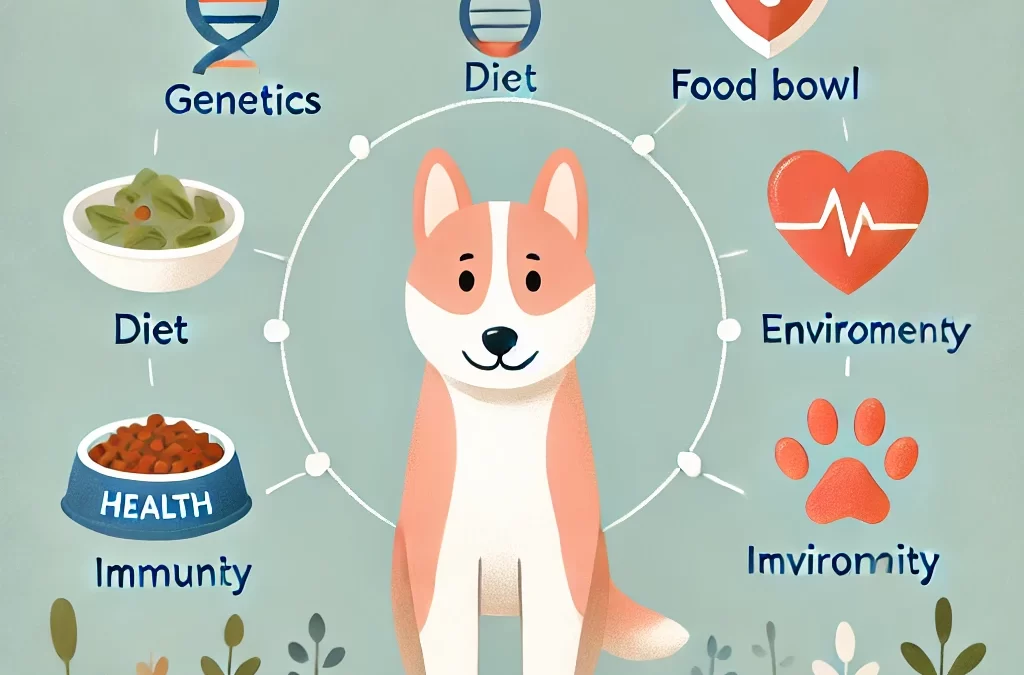
Cancer is one of the most challenging diseases for humans and pets alike, and it’s particularly heartbreaking when it affects our beloved dogs. But understanding why and how cancer develops in dogs can shed light on prevention and provide insight into early detection. While there’s no surefire way to prevent cancer, let’s explore the main contributing factors, emerging research, and ways we can help reduce risks.
1. Genetics: The Influence of Breed and Family History
Some breeds have a higher predisposition to cancer. For example, breeds like Golden Retrievers, Boxers, and Rottweilers are genetically inclined to develop certain cancers. Research suggests that inherited genetic mutations play a significant role in these tendencies. A study published in Canine Genetics and Epidemiology revealed that particular breeds have shared genetic traits that make them more susceptible to tumors. As a result, a dog’s lineage can increase its risk, meaning pet parents of certain breeds need to be extra vigilant with regular vet check-ups.
2. Environmental Factors: Carcinogens and Everyday Toxins
Dogs are exposed to environmental toxins just like humans. Common culprits include secondhand smoke, certain cleaning products, pesticides, and pollution. Dogs, with their close contact with floors and outdoor surfaces, can easily ingest or inhale harmful substances, unknowingly bringing toxins into their bodies. There is also mounting evidence that shows a direct correlation between exposure to specific carcinogens and increased cancer risks in dogs.
Actionable Insight: To minimize exposure, consider choosing natural cleaning products, avoiding smoking around pets, and ensuring your dog’s play areas are free from pesticides.
3. Diet: The Role of Nutrition in Cancer Prevention
What a dog eats can have profound effects on their health, influencing everything from immune function to cellular health. Poor-quality food, high in fillers and artificial additives, can contribute to cellular mutations and inflammation, potentially leading to cancer. On the other hand, a balanced diet rich in antioxidants, omega fatty acids, and natural proteins can support cellular repair and immune defenses.
Dietary Recommendation: Consider switching to high-quality, organic, or even home-cooked meals tailored to meet your dog’s nutritional needs. Always consult with a veterinarian for guidance on the best diet.
4. Hormonal Influences and Reproductive Health
Hormones are powerful chemical messengers in the body, and they can influence tumor growth. Studies have shown that spaying or neutering at the appropriate age can reduce the risk of certain cancers, such as mammary or testicular cancers. However, the timing of these procedures is essential, as early spaying or neutering has been linked with an increased risk of other cancers, such as osteosarcoma.
Balanced Decision: Talk with your vet about the best time for spaying or neutering your dog, as timing may vary depending on breed and individual health.
5. Infections and Viruses
Certain infections and viruses are known to be carcinogenic. In dogs, viruses like the canine papillomavirus can cause warts that may develop into malignant tumors in rare cases. Additionally, infections that cause chronic inflammation can lead to cellular changes and mutations over time, potentially leading to cancer.
6. Aging: The Inevitable Factor
Age is one of the most significant risk factors for cancer in dogs. With improvements in veterinary care, dogs are living longer, and with age comes an increased likelihood of cancer. As a dog’s cells age, the mechanisms for repairing DNA damage can become less efficient, making it easier for cancerous mutations to occur.
Preventative Steps and Lifestyle Changes for a Healthier Life
While not all cases of cancer are preventable, certain lifestyle adjustments can help reduce risks. Here are some preventative measures that could promote long-term health:
- Routine Veterinary Care: Regular check-ups help detect any abnormal growths or early warning signs.
- Healthy Diet Choices: Choose food high in essential nutrients, free of artificial additives and fillers.
- Maintain a Clean Environment: Use non-toxic products and avoid exposing your dog to harmful chemicals.
- Exercise Regularly: Keeping your dog active supports a robust immune system, vital for fighting off diseases.
Conclusion: Knowledge as Our Best Defense
Understanding the factors that contribute to cancer in dogs can help us make informed choices and, where possible, reduce the risk. While genetics and age are beyond our control, we can take steps to ensure our dogs lead healthier, longer lives. By remaining vigilant, prioritizing quality care, and fostering a toxin-free environment, we can give our dogs the best chance at a cancer-free life.
