by TCMVET | Mar 7, 2024 | Dog Cancer & Tumors
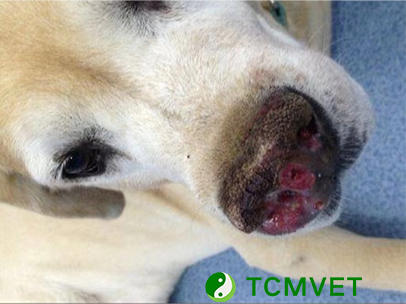
Squamous Cell Carcinoma (SCC) is one of the most common types of cancer affecting pets, particularly dogs and cats. This malignant tumor arises from squamous cells, which are found in the skin and mucous membranes. While treatment options are available, prevention and early detection remain key factors in effectively managing this disease. This article will explore the various strategies and measures pet owners can take to prevent SCC in their pets and the importance of early detection.
1. Understanding Risk Factors:
Knowledge of the risk factors is crucial in preventing SCC. Pets with light-colored or thin coats, and those who spend a considerable amount of time outdoors are at a higher risk due to increased sun exposure. Certain breeds may also be predisposed to this condition. Awareness of these risk factors helps in implementing effective preventive measures.
2. Limiting Sun Exposure:
Since UV radiation from the sun can lead to SCC, especially in areas with less fur such as the ears, nose, and belly, it’s essential to limit your pet’s exposure to intense sunlight. Using pet-safe sunscreens, providing shaded areas, and avoiding outdoor activities during peak sunlight hours can significantly reduce the risk.
3. Regular Veterinary Check-ups:
Regular check-ups with a veterinarian are vital for early detection. These check-ups often include thorough physical examinations that can help identify any early signs of SCC, such as unusual growths or lesions on the skin.
4. Self-Examination of Your Pet:
Pet owners should regularly examine their pets for any signs of SCC. This includes looking for new lumps, sores, or lesions, particularly in sun-exposed areas, and noting any changes in existing moles or spots. Early stages of SCC might appear as small, crusty, or scaly patches.
5. Diet and Nutrition:
A healthy diet rich in antioxidants can help boost a pet’s immune system. Some studies suggest that a diet rich in certain nutrients like omega-3 fatty acids, vitamins A, C, and E might help in reducing the risk of cancer. Always consult with a veterinarian for dietary recommendations tailored to your pet’s specific needs.
6. Spaying/Neutering:
For certain types of SCC, especially those associated with the reproductive organs, spaying or neutering your pet can reduce the risk. This is particularly significant for female dogs and cats, as spaying them can help prevent types of SCC linked to the genital area.
7. Environmental Management:
Minimizing exposure to environmental carcinogens is essential. This includes tobacco smoke, certain chemicals, and pesticides, all of which may contribute to the development of SCC.
8. Early Veterinary Intervention:
If any signs of SCC are detected during self-examinations, it’s crucial to seek veterinary advice immediately. Early intervention can lead to more effective treatment and a better overall prognosis.
Preventing SCC in pets involves a combination of minimizing risk factors, maintaining a healthy lifestyle, and regular medical check-ups for early detection. By understanding the risk factors, implementing preventive measures, and being vigilant about any changes in their pets’ health, owners can play a critical role in protecting their pets from this common form of cancer. Remember, early detection and prompt treatment are the keys to successfully managing SCC in pets.
by TCMVET | Mar 6, 2024 | Dog Cancer & Tumors
Melanoma, a serious form of cancer, is not just a human affliction but also affects our beloved pets, particularly dogs and to a lesser extent, cats. This article aims to educate pet owners about melanoma in pets, focusing on early detection, treatment options, and preventative measures.
Early Detection and Symptoms
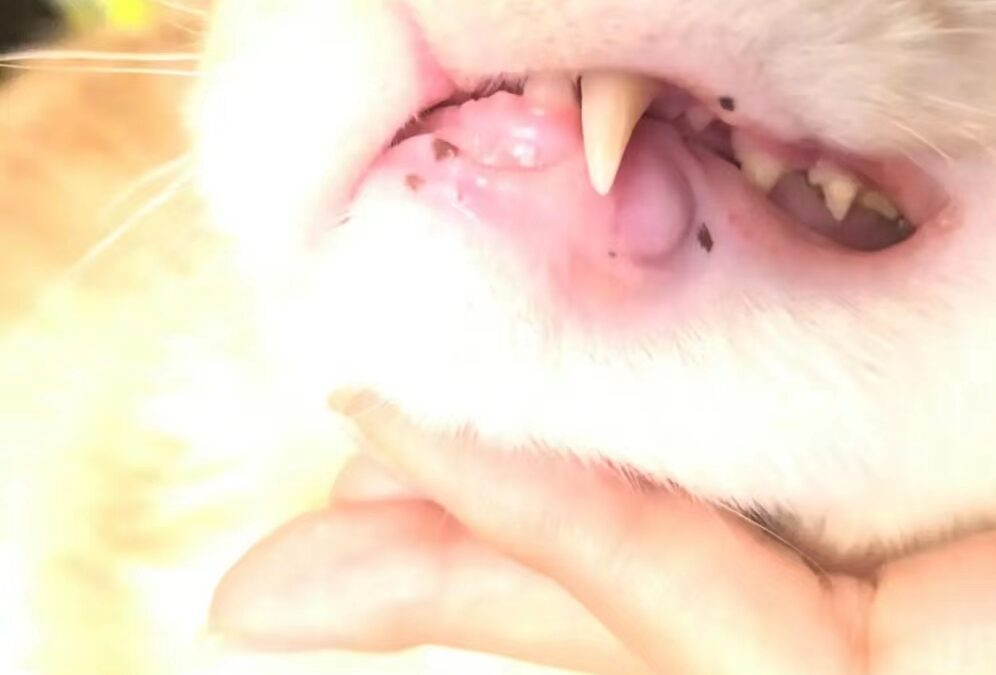
Understanding Symptoms: Pet owners should look for unusual growths or changes in their pet’s skin, oral cavity, nail beds, and eyes. In dogs, melanomas often appear as small, dark-colored lumps, while in cats, they are less common but usually more aggressive.
Regular Veterinary Check-ups: Routine check-ups can help in early detection, which is crucial for successful treatment. Veterinarians can perform thorough examinations, especially in breeds predisposed to melanoma.
Treatment Options
Surgical Removal: The primary treatment for localized tumors, aiming to remove the cancer completely.
Radiation and Chemotherapy: These are options when surgical removal isn’t feasible or in cases of metastasis.
Immunotherapy: A newer approach, like the canine melanoma vaccine, which stimulates the pet’s immune system to fight cancer.
Preventative Measures
Sun Protection: While less common, UV light can contribute to melanoma. Protecting pets from excessive sun exposure, particularly those with less hair or lighter skin, is advisable.
Awareness and Education: Being aware of the breeds at higher risk and educating oneself about the signs and treatment options can significantly impact outcomes.

by TCMVET | Jan 31, 2024 | Dog Cancer & Tumors
Canine mammary tumors represent a significant health challenge in the world of veterinary medicine, particularly in unsprayed female dogs. This article delves into the nature of these tumors, their prevalence, and the complexities surrounding their diagnosis and treatment.
Prevalence Among Certain Breeds: Mammary tumors are most commonly found in unsprayed female dogs, especially in toy breeds such as Poodles, Cocker Spaniels, and German Shepherds. Understanding the breed-specific risks is crucial for early detection and prevention.
Age Factor and Late Onset: These tumors usually manifest in older dogs, typically over the age of ten. This late onset underscores the importance of regular health check-ups for aging pets.
Growth and Symptoms of Mammary Tumors: The growth rate of mammary tumors can vary, and symptoms are often difficult to detect. Unlike other cancers, dogs do not always exhibit clear signs, making vigilance and regular veterinary check-ups essential.
Concerns of Metastasis: A significant concern with canine mammary tumors is their rapid spread to the lungs and lymph nodes. Understanding the metastatic nature of these tumors is key to managing the condition effectively.
Genetic Susceptibility and Unknown Etiology: While genetic susceptibility plays a major role in the development of mammary tumors in dogs, the complete understanding of their etiology remains uncertain. Ongoing research continues to uncover more about these tumors and their triggers.
Classification and Grading of Canine Mammary Tumors: Canine mammary tumors are classified into various types, including adenocarcinoma, solid carcinoma, and spindle cell carcinoma. Grading and classification are vital for determining the appropriate treatment plan.
Mammary Tumors and Developmental Abnormalities: The relationship between mammary tumors and developmental abnormalities in dogs is an area of ongoing research, offering insights into the prevention and management of this condition.
Canine mammary tumors present a complex challenge in veterinary medicine. Through continuous research and advancements in veterinary oncology, there is hope for more effective treatments and better management strategies for our canine companions.

by TCMVET | Jan 25, 2024 | Dog Cancer & Tumors
When it comes to canine health, the occurrence of tumors and lipomas can be a source of significant concern for dog owners. This article aims to provide comprehensive insights into the nature of these growths, offering guidance on identification, treatment, and management, to ensure the well-being of our four-legged friends.
Understanding Canine Tumors and Lipomas
Canine tumors can be benign or malignant, and they vary greatly in terms of severity and treatment. Lipomas, specifically, are a common type of benign tumor in dogs, typically manifesting as soft, fatty lumps under the skin.
Types of Canine Tumors
- Benign Tumors: These include lipomas, which are fatty tumors often found in middle-aged and overweight dogs. They are generally harmless unless they hinder movement or functionality.
- Malignant Tumors: Malignant tumors, such as mast cell tumors, osteosarcomas, and lymphomas, are more serious and can spread to other parts of the body.
Symptoms and Diagnosis
The symptoms of canine tumors vary based on the type and location. Common signs include visible lumps, swelling, sudden weight loss, or changes in behavior. Diagnosis often involves a physical examination, imaging tests, and biopsies.
Treatment Options
- Surgical Removal: Surgery is a common treatment for many types of tumors, especially if they are causing discomfort or are malignant.
- Radiation and Chemotherapy: These treatments are options for certain types of cancerous tumors.
- Medication: In some cases, medication can help to manage symptoms or slow the growth of the tumor.
- Observation: For benign tumors like lipomas, veterinarians may recommend a watch-and-wait approach, monitoring the tumor for changes.
Lifestyle and Dietary Changes
Maintaining a healthy lifestyle is crucial in managing and preventing tumors. This includes a balanced diet, regular exercise, and keeping your dog at a healthy weight. Some studies suggest that certain dietary changes might help in reducing the risk of tumor development.
The Importance of Regular Veterinary Check-Ups
Regular check-ups are vital for early detection and treatment of canine tumors. Early intervention often leads to a better prognosis, especially with malignant tumors.
Conclusion
Understanding the various aspects of canine tumors and lipomas is essential for any dog owner. While the presence of a tumor can be alarming, many are treatable, and even with more serious conditions, there are options available to manage your dog’s health effectively. Regular veterinary care, a healthy lifestyle, and staying informed are key to ensuring the longevity and well-being of your beloved pet.

by TCMVET | Jan 25, 2024 | Food & Health
Heartworms in dogs are a grave concern for pet owners, posing a significant health risk to our beloved companions. This article delves into the world of home remedies, offering a natural approach to prevent and manage this serious condition. While not a substitute for veterinary care, these remedies can play a supportive role in your dog’s health regimen.
Understanding Heartworm Disease in Dogs
Heartworm disease is caused by the parasite Dirofilaria immitis, transmitted through mosquito bites. These worms reside in the heart, lungs, and blood vessels of infected dogs, leading to serious health issues, including heart failure and lung disease. Early detection and prevention are crucial.
Home Remedies for Heartworm Prevention
- Mosquito Repellent: Since heartworms are transmitted by mosquitoes, using natural repellents can be a first line of defense. Essential oils like citronella, eucalyptus, and neem oil are known to deter mosquitoes when applied safely to your dog’s coat.
- Herbal Supplements: Certain herbs are believed to have properties that can help prevent heartworm infection. Herbs like hawthorn and garlic have been suggested for their potential health benefits, though their effectiveness is not scientifically proven and should be used cautiously.
- Dietary Management: A strong immune system can help dogs resist heartworms. Feeding your dog a diet rich in antioxidants, including fresh fruits and vegetables, can boost their immune system.
- Regular Exercise: Maintaining your dog’s health through regular exercise can help their body better resist infections and diseases, including heartworms.
- Preventive Care: While not a ‘home remedy’ per se, ensuring your dog receives regular veterinary check-ups and preventive medications remains the most effective way to protect against heartworms.
A Balanced Approach to Treatment
It’s important to note that while home remedies can support your dog’s health, they are not a substitute for professional veterinary care. Regular check-ups, preventive medications, and prompt treatment for heartworm disease are essential.
Conclusion
Exploring home remedies for heartworm prevention in dogs offers a natural and proactive approach to pet health. However, it’s crucial to balance these remedies with professional veterinary advice and treatment. By combining the best of both worlds, you can ensure your furry friend stays happy, healthy, and heartworm-free.
