
por TCMVE | Jun 7, 2024 | Cáncer y tumores en perros
Ovarian cancer in dogs, though rare, is a serious condition that requires attention. Early detection can greatly improve the prognosis and quality of life for affected dogs. In this article, we’ll explore the causes and early signs of ovarian cancer in dogs, providing valuable information to help you recognize and address this condition promptly.
Causes of Ovarian Cancer in Dogs
Factores genéticos
Genetics play a significant role in the development of ovarian cancer in dogs. Certain breeds are more prone to cancer due to inherited genetic mutations. Breeds such as Golden Retrievers, Boxers, and German Shepherds have shown higher incidences of various cancers, including ovarian cancer.
Hormonal Imbalances
Hormonal imbalances can contribute to ovarian cancer in dogs. Unspayed female dogs are at a higher risk due to prolonged exposure to estrogen. Spaying your dog can significantly reduce the risk by eliminating the primary source of estrogen.
Edad
Older dogs are more commonly diagnosed with ovarian cancer. As dogs age, their cells are more likely to undergo mutations that can lead to cancer. Regular veterinary check-ups are crucial for early detection, especially as your dog gets older.
Environmental Exposure
Exposure to environmental toxins and carcinogens can increase the risk of ovarian cancer in dogs. This includes exposure to secondhand smoke, pesticides, and industrial chemicals. Keeping your dog’s environment clean and minimizing exposure to harmful substances can help reduce this risk.
Early Signs of Ovarian Cancer in Dogs
Recognizing the early signs of ovarian cancer in dogs is essential for timely intervention. Here are some common symptoms to watch for:
Abdominal Swelling
One of the most noticeable early signs of ovarian cancer in dogs is abdominal swelling. This can result from the tumor itself or from fluid accumulation in the abdomen (ascites). If your dog’s abdomen appears unusually enlarged, seek veterinary care immediately.
Lethargy and Weakness
Dogs with ovarian cancer often exhibit lethargy and weakness. They may become less active, sleep more than usual, and lose interest in their favorite activities. This change in behavior can be subtle but is significant.
Pérdida de peso
Unexplained weight loss is another early sign of ovarian cancer in dogs. Despite having a normal or increased appetite, affected dogs may lose weight due to metabolic changes caused by the cancer.
Changes in Appetite
Changes in appetite, including both increased and decreased eating habits, can indicate ovarian cancer. Some dogs may refuse food altogether, while others may seem hungrier than usual but still lose weight.
Vomiting and Diarrhea
Gastrointestinal issues such as vomiting and diarrhea are common in dogs with ovarian cancer. These symptoms can be intermittent or persistent and are often accompanied by other signs of illness.
Abnormal Vaginal Discharge
In female dogs, abnormal vaginal discharge can be an early sign of ovarian cancer. This discharge may be bloody or pus-like and can occur regardless of the dog’s reproductive status.
Cambios de comportamiento
Behavioral changes, such as increased irritability or depression, can also be early indicators of ovarian cancer in dogs. These changes often result from the discomfort and pain caused by the tumor.
Conclusión
Understanding the causes and early signs of ovarian cancer in dogs is essential for pet owners. Early detection and intervention can make a significant difference in the outcome for affected dogs. If you notice any of the symptoms mentioned above, consult your veterinarian for a thorough examination and appropriate diagnostic tests.
By staying informed and vigilant, you can help ensure your dog receives the best possible care and maintain their quality of life. Remember, regular veterinary check-ups and preventive measures, such as spaying, play a vital role in safeguarding your dog’s health against ovarian cancer.
For more information on dog health and holistic treatments, visit our blog at TCMVET, where we provide cutting-edge research and insights into natural supplements and cancer care for pets.

por TCMVE | Jun 7, 2024 | Cáncer y tumores en perros
As a pet owner, discovering a sudden lump under your dog’s skin can be alarming. These unexpected growths can vary in size, shape, and texture, and while some may be harmless, others can indicate serious health issues. This article will guide you through understanding the potential causes of sudden lumps, the importance of early detection, and the treatment options available.
Common Causes of Sudden Lumps in Dogs
- Lipomas: These are benign fatty tumors commonly found in older dogs. They are generally soft, movable, and painless.
- Cysts: These fluid-filled sacs can form due to blocked hair follicles or oil glands. They may rupture and need medical attention.
- Abscesos: Infections can lead to abscesses, which are painful, pus-filled lumps often caused by bites, scratches, or wounds.
- Hematomas: These are blood-filled swellings resulting from trauma or injury, often seen in the ears or other areas prone to bruising.
- Tumores de mastocitos: These cancerous lumps can appear suddenly and grow quickly. They require immediate veterinary assessment and treatment.
- Sebaceous Adenomas: These are benign tumors arising from sebaceous glands, often appearing as wart-like lumps on the skin.
Importancia de la detección temprana
Early detection of lumps in dogs is crucial for several reasons:
- Preventing Complications: Identifying lumps early can prevent them from growing or causing other health issues.
- Determining Malignancy: Early diagnosis helps determine if a lump is benign or malignant, allowing for prompt treatment if needed.
- Improving Prognosis: Timely intervention can improve the prognosis for dogs with cancerous lumps, increasing the chances of successful treatment.
Steps to Take if You Discover a Lump
- Observe the Lump: Note the size, shape, texture, and any changes over time. Keep track of any other symptoms your dog may exhibit, such as lethargy, loss of appetite, or changes in behavior.
- Consult Your Veterinarian: Schedule an appointment with your vet to have the lump examined. Your vet may perform a fine needle aspiration (FNA) or biopsy to determine the nature of the lump.
- Follow Through with Recommended Tests: Depending on the initial findings, additional tests such as blood work, X-rays, or ultrasound may be necessary to get a complete picture of your dog’s health.
Treatment Options for Sudden Lumps
The treatment for lumps in dogs varies depending on the underlying cause:
- Extirpación quirúrgica: Benign and malignant tumors may require surgical excision. In some cases, this is curative, while in others, it may be part of a broader treatment plan.
- Medicamentos: Antibiotics or anti-inflammatory medications may be prescribed for infections or abscesses. For some tumors, chemotherapy or radiation therapy might be recommended.
- Holistic and Natural Treatments: Supplements like TCMVET Baituxiao and Turkey Tail mushrooms have shown promise in managing tumors naturally and supporting overall pet health. Always consult your vet before starting any new treatment regimen.
Preventive Measures and Monitoring
- Revisiones periódicas: Schedule regular veterinary check-ups to monitor your dog’s health and catch any potential issues early.
- Healthy Diet and Exercise: Maintain a balanced diet and regular exercise routine for your dog to support their overall health and immune system.
- Regular Grooming and Inspections: Regular grooming and skin inspections can help you notice any new lumps or changes in your dog’s skin condition.
Conclusión
While discovering a sudden lump under your dog’s skin can be concerning, understanding the potential causes and seeking prompt veterinary advice can make a significant difference in your pet’s health. Early detection and appropriate treatment are key to managing these lumps effectively. Remember to stay vigilant, consult your vet, and explore all treatment options, including natural supplements, to ensure the best care for your furry friend.
Tags: Dog Health, Sudden Lumps in Dogs, Lipomas in Dogs, Canine Cysts, Dog Abscess Treatment, Mast Cell Tumors in Dogs, Veterinary Oncology, Holistic Treatments for Dogs, Natural Supplements for Dogs, TCMVET Baituxiao, Turkey Tail Mushrooms for Dogs.

por TCMVE | Jun 7, 2024 | Cáncer y tumores en perros
Stomach cancer in dogs, though relatively rare, can be a devastating diagnosis for pet owners. Early detection and comprehensive care are crucial in managing this disease. In this article, we will explore the symptoms, diagnosis, and treatment options for stomach cancer in dogs, providing valuable insights to help pet owners navigate this challenging journey.
Symptoms of Stomach Cancer in Dogs
Stomach cancer, also known as gastric cancer, often presents with subtle and non-specific symptoms that can be easily overlooked. Recognizing these signs early can significantly improve the prognosis for your furry friend. Common symptoms include:
- Pérdida de apetito: A noticeable decrease in your dog’s interest in food is often one of the first signs.
- Pérdida de peso: Rapid or unexplained weight loss can be a cause for concern.
- Vómitos: Frequent vomiting, especially if it contains blood, should be addressed immediately.
- Letargo: A general lack of energy and enthusiasm for activities they once enjoyed.
- Abdominal Pain: Signs of discomfort when their abdomen is touched or a change in posture to avoid pressure on the stomach.
Diagnosing Stomach Cancer in Dogs
If you observe any of the aforementioned symptoms, it is essential to consult a veterinarian promptly. The diagnostic process may involve several steps to confirm the presence of stomach cancer:
- Examen físico: The vet will conduct a thorough physical check-up to identify any abnormalities.
- Blood Tests: These tests can help identify any underlying issues and provide insight into the dog’s overall health.
- Imágenes: X-rays, ultrasounds, and endoscopic examinations can reveal tumors or irregularities in the stomach.
- Biopsia: A definitive diagnosis often requires a biopsy, where a small sample of stomach tissue is taken for laboratory analysis.
Treatment Options for Stomach Cancer in Dogs
The treatment plan for stomach cancer in dogs depends on various factors, including the stage of the cancer, the dog’s overall health, and the specific type of tumor. Common treatment options include:
- Cirugía: Surgical removal of the tumor is often the most effective treatment, especially if the cancer is detected early and is localized.
- Quimioterapia: This can be used in conjunction with surgery or as a standalone treatment to manage cancer cells and prevent further spread.
- Radioterapia: Less commonly used for stomach cancer, radiation therapy may still be an option depending on the tumor’s location and size.
- Holistic Treatments: Integrative approaches, such as dietary changes, herbal supplements like TCMVET Baituxiao, and acupuncture, can support conventional treatments and enhance the dog’s quality of life.
- 姑息治疗:在严重的情况下,重点可能会转移到姑息治疗,以确保狗保持舒适且无痛。
Preventing Stomach Cancer in Dogs
While it is not always possible to prevent stomach cancer, maintaining your dog’s overall health through a balanced diet, regular exercise, and routine veterinary check-ups can reduce the risk of many diseases, including cancer. Additionally, being vigilant about any changes in your dog’s behavior or health and seeking prompt veterinary care can aid in early detection and treatment.
Conclusión
Stomach cancer in dogs is a serious condition that requires prompt attention and a comprehensive treatment approach. By understanding the symptoms, diagnostic procedures, and treatment options, pet owners can play a crucial role in managing their dog’s health and well-being. If you suspect your dog may have stomach cancer, consult with a veterinarian immediately to explore the best course of action.
For more information on natural supplements and holistic treatments for dogs with cancer, visit our blog at TCMVET. We are dedicated to providing the latest research and resources to help you support your pet’s health naturally.

por TCMVE | Jun 7, 2024 | Cáncer y tumores en perros
El linfoma es un cáncer frecuente y agresivo que afecta al sistema linfático, incluidos los ganglios linfáticos, el bazo y la médula ósea. Aunque a menudo se utilizan tratamientos convencionales como la quimioterapia y la radioterapia, muchos propietarios de mascotas están explorando enfoques naturales y holísticos para controlar y tratar esta enfermedad. Este artículo profundiza en diversos tratamientos naturales que pueden complementar los métodos tradicionales, con el objetivo de mejorar la calidad de vida y, potencialmente, los resultados de los perros diagnosticados de linfoma.
Entender el linfoma canino
El linfoma en perros es un tipo de cáncer que se origina en los linfocitos, un tipo de glóbulo blanco crucial para el sistema inmunitario. Puede manifestarse de varias formas, siendo la más común el linfoma multicéntrico, que afecta a múltiples ganglios linfáticos. Los síntomas suelen incluir inflamación de los ganglios linfáticos, letargo, pérdida de peso y pérdida de apetito. El diagnóstico precoz y un plan de tratamiento integral son vitales para gestionar la enfermedad con eficacia.
Tratamientos convencionales para el linfoma
Los tratamientos tradicionales del linfoma canino suelen consistir en quimioterapia, cuyo objetivo es reducir el tamaño del tumor y prolongar la vida del perro. Aunque la quimioterapia puede ser eficaz, a menudo conlleva efectos secundarios como náuseas, vómitos y debilitamiento de la función inmunitaria. Esto ha llevado a muchos propietarios a buscar tratamientos naturales complementarios para ayudar a sus perros durante y después de la terapia convencional.
Tratamientos Naturales y Holísticos
- Dieta y nutrición:
- Dieta antiinflamatoria: Una dieta rica en alimentos antiinflamatorios puede ayudar a controlar los síntomas y mejorar la salud en general. Incorpore verduras frescas, carnes magras y ácidos grasos omega-3 procedentes de fuentes como el aceite de pescado.
- Dieta baja en carbohidratos: Dado que las células cancerosas se alimentan de azúcares, una dieta baja en carbohidratos puede ayudar a matar de hambre a las células cancerosas y ralentizar su crecimiento.
- Herbal Supplements:
- TCMVET Baituxiao: Esta fórmula a base de hierbas ha demostrado ser prometedora en el control del crecimiento del tumor y la mejora de la vitalidad en perros con linfoma. Está diseñado para apoyar el sistema inmunológico y promover la salud en general.
- Cola de Pavo Setas: Conocidas por sus propiedades inmunoestimulantes, las setas de cola de pavo pueden ayudar a mejorar la capacidad del organismo para combatir el cáncer. Contienen polisaccaropéptidos, que se cree que inhiben el crecimiento tumoral.
- Holistic Therapies:
- Acupuntura: Esta antigua práctica china puede ayudar a aliviar el dolor y mejorar el flujo de energía dentro del cuerpo. Suele utilizarse para controlar los efectos secundarios de la quimioterapia y mejorar la calidad de vida del perro.
- Massage Therapy: Los masajes regulares pueden reducir el estrés, mejorar la circulación y reforzar el sistema inmunitario. También proporciona confort y relajación a los perros sometidos a tratamiento oncológico.
- Antioxidantes y vitaminas:
- Vitamina C y E: Estos antioxidantes pueden ayudar a combatir el estrés oxidativo y reforzar el sistema inmunitario. También pueden reducir los efectos secundarios de los tratamientos convencionales contra el cáncer.
- Betaglucanos: Los betaglucanos, presentes en setas como el maitake y el shiitake, refuerzan la respuesta inmunitaria y han demostrado su potencial para combatir las células cancerosas.
- Cambios en el estilo de vida:
- Ejercicio regular: El ejercicio suave y regular ayuda a mantener la masa muscular y la salud general. También mejora el estado de ánimo y los niveles de energía del perro.
- Reducción de estrés: Crear un entorno tranquilo y libre de estrés es crucial. El estrés puede debilitar el sistema inmunitario y dificultar la lucha contra el cáncer.
Integrar los tratamientos naturales con los convencionales
Aunque los tratamientos naturales y holísticos pueden ofrecer numerosos beneficios, no deben sustituir a la atención veterinaria convencional. Por el contrario, deben integrarse en un plan de tratamiento integral desarrollado por su veterinario. Consulte siempre a un oncólogo veterinario antes de iniciar cualquier nuevo régimen de tratamiento para asegurarse de que es seguro y adecuado para la enfermedad específica de su perro.
Conclusión
El linfoma en perros es un diagnóstico difícil, pero una combinación de tratamientos convencionales y naturales puede proporcionar esperanza y mejorar la calidad de vida de las mascotas afectadas. Mediante la incorporación de una dieta equilibrada, suplementos de hierbas, terapias holísticas y cambios en el estilo de vida, los dueños de mascotas pueden ayudar a sus perros a superar el cáncer. Trabaje siempre en estrecha colaboración con su veterinario para diseñar el mejor plan de tratamiento posible para su peludo amigo.
Al centrarnos en enfoques naturales y holísticos junto con los tratamientos convencionales, podemos ofrecer a nuestros perros una mejor oportunidad de vivir una vida más sana y feliz a pesar de su diagnóstico de linfoma.

por TCMVE | Jun 6, 2024 | Cáncer y tumores en perros
Cancer in dogs is a growing concern for pet owners worldwide. While traditional treatments like surgery, chemotherapy, and radiation therapy are commonly used, there is increasing interest in the potential benefits of Chinese herbs. These natural supplements can help alleviate cancer symptoms and enhance overall health. This article explores the key Chinese herbal anti-cancer supplements and introduces the highly regarded TCMVET products.
The Benefits of Chinese Herbal Supplements
Chinese herbs have been used for thousands of years, offering a wealth of clinical experience and proven efficacy. They work by naturally enhancing the immune system, reducing the spread of cancer cells, and improving the overall vitality of dogs. Here are some of the top Chinese herbal supplements for dogs with cancer:
1. Seta Reishi (Ganoderma lucidum)
Reishi mushroom, known for its immune-boosting properties, can help improve the body’s resistance to cancer. It contains polysaccharides and triterpenoids that have anti-tumor effects and can enhance the efficacy of chemotherapy.
2. Turkey Tail Mushroom (Trametes versicolor)
Turkey Tail is renowned for its potent anti-cancer properties. It contains PSK (polysaccharide-K) and PSP (polysaccharide-peptide), which have been shown to inhibit cancer growth and improve survival rates in dogs.
3. Astragalus (Astragalus membranaceus)
Astragalus is an adaptogen that supports the immune system, enhances energy levels, and combats fatigue. It helps increase the body’s natural ability to fight cancer cells and works synergistically with conventional treatments.
4. Huang Qi (Astragalus propinquus)
Similar to Astragalus, Huang Qi strengthens the immune system and increases the production of white blood cells, which are crucial in the fight against cancer. It also helps in detoxifying the body and promoting overall well-being.
5. Curcumina (de cúrcuma)
Curcumin is the active ingredient in turmeric, known for its anti-inflammatory and anti-cancer properties. It can help reduce tumor growth and improve the overall health of dogs undergoing cancer treatment.
TCMVET: A Trusted Source for Herbal Supplements
TCMVET offers a range of herbal supplements specifically designed for pets. Their products combine traditional Chinese medicine principles with modern scientific research to create effective and safe treatments for dogs with cancer. TCMVET Baituxiao, for instance, has shown remarkable results in reducing tumor size and improving the vitality and mood of pets. Pet owners have reported significant improvements in their dogs’ conditions, including better appetite, increased energy, and a reduction in tumor-related symptoms.
Conclusión
Incorporating Chinese herbal supplements into your dog’s cancer treatment plan can provide numerous benefits, from boosting the immune system to directly combating cancer cells. With trusted products like TCMVET, you can support your dog’s health and enhance their quality of life. Always consult with your veterinarian before starting any new supplement regimen to ensure the best care for your furry friend.
por TCMVE | Jun 5, 2024 | Cáncer y tumores en perros
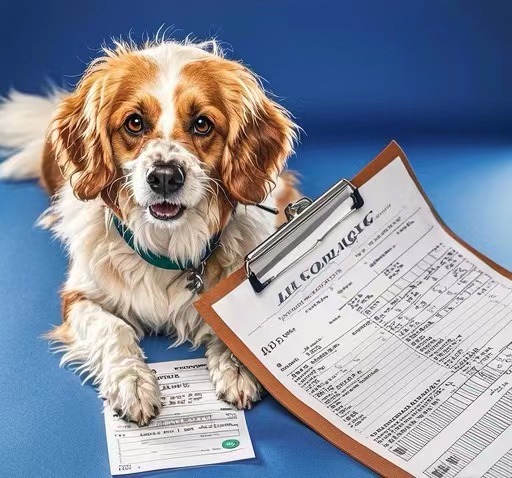
When a beloved pet is diagnosed with cancer, the first concern for many pet owners is their dog’s health and well-being. However, the cost of treatment, especially chemotherapy, can be a significant concern as well. In this article, we will explore the factors affecting the cost of chemotherapy for dogs, what to expect during treatment, and how to manage these expenses.
What is Chemotherapy for Dogs?
Chemotherapy is a type of cancer treatment that uses drugs to destroy cancer cells. In dogs, chemotherapy can be used to treat various types of cancer, including lymphoma, mast cell tumors, and osteosarcoma. The goal is to control or eliminate the cancer while maintaining the best possible quality of life for the pet.
Factors Affecting the Cost of Chemotherapy for Dogs
Several factors can influence the cost of chemotherapy for dogs, including:
- Type of Cancer: Different types of cancer require different chemotherapy protocols. Some cancers may need more intensive treatment than others.
- Size of the Dog: Larger dogs require higher doses of chemotherapy drugs, which can increase the overall cost.
- Frequency of Treatments: The number of chemotherapy sessions needed can vary. Some dogs may require weekly treatments, while others might need them less frequently.
- Ubicación: The cost of veterinary care can vary significantly depending on where you live. Urban areas tend to have higher costs compared to rural areas.
- Veterinary Oncologist vs. General Veterinarian: Specialized care from a veterinary oncologist may cost more than treatment from a general veterinarian.
Average Cost of Chemotherapy for Dogs
On average, the cost of chemotherapy for dogs can range from $150 to $500 per session. For a full course of treatment, pet owners can expect to pay between $3,000 and $5,000. However, this cost can be higher or lower depending on the factors mentioned above.
What to Expect During Chemotherapy
Chemotherapy for dogs is typically administered in a veterinary clinic. The process involves:
- Initial Consultation: A thorough examination and diagnostic tests to determine the appropriate chemotherapy protocol.
- Treatment Sessions: Chemotherapy drugs are administered via injection or oral medication. Sessions can last from 30 minutes to a few hours.
- Monitoring: Regular check-ups to monitor the dog’s response to treatment and adjust the protocol as needed.
Managing the Cost of Chemotherapy
While the cost of chemotherapy can be daunting, there are several ways to manage these expenses:
- Pet Insurance: If you have pet insurance, check if it covers cancer treatments. Some policies include chemotherapy and related costs.
- Payment Plans: Many veterinary clinics offer payment plans to help spread out the cost of treatment over time.
- Financial Assistance: Organizations such as The Pet Fund and The Magic Bullet Fund offer financial assistance for pet cancer treatments.
- Crowdfunding: Platforms like GoFundMe can help you raise money to cover your dog’s medical expenses.
Alternative and Complementary Treatments
In addition to chemotherapy, some pet owners explore alternative treatments to support their dog’s health. Natural supplements, like TCMVET Baituxiao, have been reported to help manage tumors and improve vitality. Always consult with your veterinarian before adding any supplements to your dog’s treatment plan.
Conclusión
Chemotherapy can be a lifesaving treatment for dogs with cancer, but it does come with significant costs. Understanding the factors that influence these costs and exploring various options to manage expenses can help ensure that your dog receives the best possible care. Always discuss with your veterinarian to create a treatment plan that fits both your pet’s needs and your budget.
