por TCMVET | Dic 7, 2024 | Cáncer y Tumores en Perros
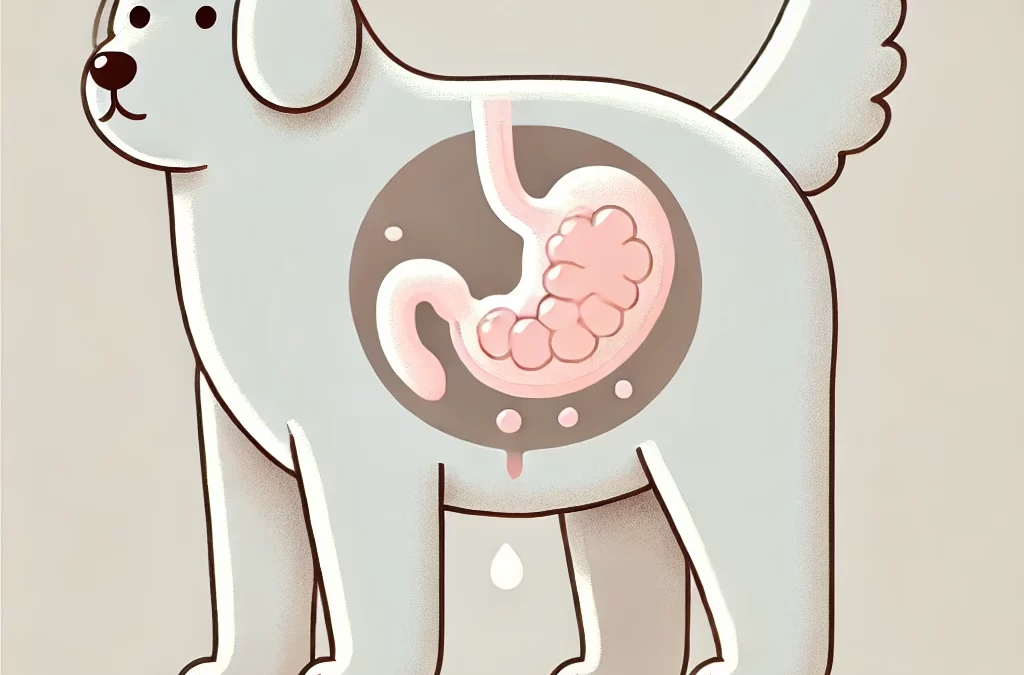
Discovering a large abdominal mass in a dog can be alarming for any pet owner. While it is natural to worry, understanding the potential causes, symptoms, and treatment options can empower you to make informed decisions about your dog’s health.
What is an Abdominal Mass?
An abdominal mass is an abnormal growth in the stomach area that may arise from organs such as the liver, spleen, intestines, or even surrounding tissues. These masses can vary significantly in size and may be benign (non-cancerous) or malignant (cancerous).
Common Causes of Abdominal Masses
- Benign Growths
- Lipomas: Fatty tumors that are generally harmless.
- Cysts: Fluid-filled sacs that may grow over time but are typically non-threatening.
- Tumores Malignos
- Hemangiosarcoma: A common cancer affecting the spleen.
- Lymphoma: Affects lymph nodes and can spread to the abdomen.
- Carcinomas: Tumors arising from epithelial tissues of internal organs.
- Other Causes
- Abscesses: Infections that lead to pus-filled pockets.
- Organ Enlargement: Conditions like liver disease can mimic mass growth.
Síntomas a tener en cuenta
Early detection can significantly impact outcomes. Look for:
- Abdomen hinchado o distendido
- Pérdida de peso o apetito reducido
- Vómitos o diarrea
- Lethargy or signs of discomfort
- Difficulty breathing due to abdominal pressure
Diagnóstico
Diagnosing an abdominal mass requires a veterinarian’s expertise. Procedures may include:
- Examen Físico: Palpating the abdomen to detect unusual growths
- Pruebas de imagen: Ultrasound or X-rays to determine the size, location, and nature of the mass
- Biopsy or Fine Needle Aspiration: Collecting tissue samples for analysis
- Análisis de Sangre: Checking for related health conditions
Opciones de tratamiento
The treatment depends on the mass’s type and location:
- Extracción Quirúrgica: Often the first line of action for operable masses
- Quimioterapia o Radiación: Used for malignant growths, especially if surgery isn’t possible
- Cuidados Paliativos: Focuses on maintaining comfort if the condition is untreatable
Proactive Steps for Pet Owners
- Chequeos de rutina: Regular veterinary visits can help catch problems early
- Monitorear Síntomas: Keep an eye on any changes in your dog’s behavior or appetite
- El cáncer es una enfermedad caracterizada por el crecimiento descontrolado de células.: A balanced diet supports overall health and recovery
- Segundas Opiniones: Don’t hesitate to consult another vet for complex cases
Large abdominal masses in dogs are a serious concern, but with timely veterinary care and proper management, many dogs can achieve good outcomes. Always work closely with your vet to determine the best course of action for your furry friend.

por TCMVET | Dic 6, 2024 | Cáncer y Tumores en Perros
When a beloved pet is diagnosed with cancer, it can be a challenging journey for any pet owner. Exploring the right treatment options and supplements becomes crucial in ensuring their comfort and quality of life. Among the myriad of pet cancer supplements available online, TCMVET Baituxiao stands out as a natural, effective option designed to help manage and combat tumor growth in dogs and cats.
Understanding the Role of Cancer Supplements in Pet Care
Cancer in pets often leads to physical discomfort, reduced energy levels, and decreased immunity. While conventional treatments like surgery, chemotherapy, or radiation can be effective, they are often accompanied by high costs and potential side effects. This is where natural supplements can play a supportive role, aiming to:
- Enhance the immune system.
- Slow tumor growth.
- Improve overall well-being and energy levels.
- Reduce inflammation and discomfort.
By combining traditional therapies with scientifically-backed supplements, you can give your pet the best chance at a healthier and more comfortable life.
¿Qué es TCMVET Baituxiao?
TCMVET Baituxiao is a specialized herbal formula rooted in the principles of Traditional Chinese Medicine (TCM). Developed specifically for pets, it leverages the power of natural ingredients to:
- Reduce Tumor Growth: Its unique blend targets abnormal cell proliferation, helping to slow the growth of tumors.
- Support Overall Health: With its immune-boosting properties, it enhances your pet’s natural defenses.
- Ease Symptoms: Baituxiao can reduce inflammation and improve energy, ensuring your pet remains active and happy.
Why Choose TCMVET Baituxiao?
- Ingredientes naturales: Free from synthetic additives, Baituxiao uses herbal components that are gentle on your pet’s body.
- Veterinarian-Approved: Many vets support its use as part of an integrative treatment plan for pets with tumors.
- Scientifically Formulated: Combining modern research with TCM expertise, TCMVET Baituxiao is carefully crafted for safety and efficacy.
Cómo Usar TCMVET Baituxiao
Using TCMVET Baituxiao is simple and convenient. It can be administered orally or mixed with food for easy consumption. Dosages are adjusted based on your pet’s size and specific health needs, ensuring optimal results. Always consult your veterinarian before introducing any new supplement to your pet’s routine.
Where to Buy TCMVET Baituxiao Online
You can purchase TCMVET Baituxiao conveniently online through platforms like Amazon, Shopify, or directly from the TCMVET website. With fast shipping options, including fulfillment from Amazon warehouses, you can start your pet’s journey to better health quickly and hassle-free.
Testimonios de Dueños de Mascotas
Pet owners who have used TCMVET Baituxiao often share heartwarming success stories. Many have reported noticeable improvements in their pets’ energy levels, reduced tumor sizes, and a higher quality of life.
Tips for Choosing the Right Pet Cancer Supplement
When looking for effective cancer supplements online, consider the following:
- Safety and Ingredients: Opt for products with natural, pet-safe components.
- Reviews and Recommendations: Look for feedback from other pet owners.
- Ease of Administration: Choose supplements that are easy to give to your pet.
- Expert Guidance: Consult your vet to ensure the supplement aligns with your pet’s treatment plan.
Conclusión
Navigating a pet cancer diagnosis is never easy, but with the right tools and supplements like TCMVET Baituxiao, you can provide your pet with comfort, care, and improved well-being. By purchasing effective cancer supplements online, you can take a proactive step in managing your pet’s health journey. Explore TCMVET Baituxiao today and see the difference it can make for your furry friend.

por TCMVET | Dic 6, 2024 | Cáncer y Tumores en Perros
Ovarian cancer in dogs is a rare and often silent intruder, subtly weaving its way into the lives of our beloved pets. Unlike more common canine cancers, ovarian cancer doesn’t always present overt symptoms in its early stages, making it a challenge for even the most vigilant pet owners to detect. This article dives deep into this under-discussed topic, shedding light on the symptoms and early warning signs that every dog owner should know.
Understanding Ovarian Cancer in Dogs
Ovarian cancer arises from abnormal growth in the ovaries, often in middle-aged or older unspayed females. The condition is rare due to the increasing practice of spaying, which significantly reduces the risk. However, for intact dogs, the danger remains—a silent predator lurking within.
Early Symptoms: The Whisper of Disease
Ovarian cancer symptoms often overlap with other health issues, making early detection tricky. Here are the subtle signs that might hint at a deeper problem:
- Abnormal Heat Cycles
If your dog’s estrus cycles become irregular, prolonged, or unexpectedly cease, it could indicate ovarian abnormalities.
- Enlarged Abdomen
Fluid accumulation (ascites) or a growing tumor may cause noticeable swelling in your dog’s abdomen.
- Cambios de Comportamiento
Lethargy, irritability, or restlessness may signal discomfort or pain caused by internal changes.
- Loss of Appetite and Weight
A lack of interest in food, paired with unexplained weight loss, often serves as an early red flag.
- Discharge or Bleeding
Vaginal discharge, particularly if it is unusual or occurs outside of the typical heat cycle, warrants immediate veterinary attention.
Advanced Symptoms: When Silence Breaks
As ovarian cancer progresses, more noticeable and severe symptoms may arise:
- Difficulty Breathing: This can occur if the cancer metastasizes to the lungs.
- Lameness: A sign of metastasis to the bones.
- Visible Masses: Palpable growths in the abdomen or surrounding areas.
- Severe Lethargy and Weakness: Indicative of systemic spread and declining health.
Diagnosis: The Importance of Early Detection
Ovarian cancer is most effectively diagnosed through a combination of diagnostic imaging (ultrasound or X-rays) and blood tests. A biopsy or fine-needle aspiration of suspicious masses can confirm the presence of cancer. Regular veterinary check-ups, especially for unspayed dogs, are critical for early detection.
Prevention and Spaying: A Lifesaving Step
The single most effective way to prevent ovarian cancer in dogs is spaying. This not only eliminates the risk of ovarian cancer but also reduces the chances of other reproductive cancers and diseases, such as pyometra.
Holistic Care for Canine Cancer
For dogs diagnosed with ovarian cancer, holistic care can complement conventional treatments like surgery, chemotherapy, or radiation. Incorporating anti-inflammatory diets, immune-boosting supplements, and stress-reducing therapies can enhance your pet’s quality of life.
- Soporte Herbal: Consider supplements like turmeric or milk thistle, known for their anti-inflammatory and detoxifying properties.
- Ajustes dietéticos: A high-protein, low-carbohydrate diet may help slow cancer growth.
- Emotional Care: Never underestimate the power of love, attention, and comfort during this challenging time.
The Unwavering Bond
While the diagnosis of ovarian cancer in dogs can be heartbreaking, it also serves as a poignant reminder of the deep bond we share with our furry companions. Every symptom, every sign, and every action we take is a testament to the unconditional love that defines our relationship with them.
By understanding the subtle signs of ovarian cancer and taking proactive measures, we can better protect our canine companions, ensuring they live their happiest, healthiest lives. After all, they deserve nothing less than our very best.

por TCMVET | Dic 5, 2024 | Cáncer y Tumores en Perros
Abnormal growths in a dog’s lower intestines can cause significant health concerns, ranging from discomfort to life-threatening conditions. These growths, often located in the rectum or colon, can be benign or malignant. Understanding their causes, symptoms, and treatment options is crucial for timely intervention.
Common Types of Growths
- Pólipos
- Polyps are benign growths that develop in the lining of the intestines.
- They may cause minor bleeding, diarrhea, or constipation.
- If untreated, polyps can sometimes transform into malignant tumors.
- Adenocarcinoma
- A malignant tumor affecting the glandular cells lining the intestine.
- This is one of the most aggressive types of lower intestinal cancers.
- Early detection is critical for effective treatment.
- Leiomyosarcoma
- A rare type of cancer that originates in the smooth muscle of the intestines.
- It can cause obstruction and severe digestive issues.
- Hemangiomas and Hemangiosarcomas
- These vascular tumors can either be benign (hemangiomas) or malignant (hemangiosarcomas).
- They often lead to bleeding and anemia.
Symptoms of Abnormal Growths
Dogs with abnormal growths in the lower intestines may exhibit the following symptoms:
- Blood in Stool: Bright red or tar-like black stool.
- Straining to Defecate: Difficulty or pain during bowel movements.
- Changes in Stool Shape: Narrow or ribbon-like stool due to obstruction.
- Diarrhea or Constipation: Persistent changes in bowel habits.
- Pérdida de peso: Unexplained loss of weight and appetite.
- Vomiting or Lethargy: Indications of gastrointestinal distress.
Causas y factores de riesgo
While the exact cause of abnormal growths varies, some contributing factors include:
- Diet: Poor-quality or processed diets may contribute to inflammation and tumor development.
- Age and Genetics: Older dogs and certain breeds like Boxers and German Shepherds are more prone to intestinal tumors.
- Chronic Inflammation: Conditions like colitis may predispose dogs to growths.
- Exposure to Toxins: Environmental toxins and carcinogens can increase cancer risk.
Diagnóstico
Veterinarians use a combination of methods to diagnose intestinal growths:
- Examen Físico: Palpation to identify masses.
- Imágenes: X-rays, ultrasounds, or CT scans to visualize growths.
- Endoscopy: Insertion of a camera to examine the intestines and collect tissue samples.
- Biopsia: Lab analysis of tissue to determine if the growth is benign or malignant.
Opciones de tratamiento
The treatment approach depends on the type and severity of the growth:
- Extirpación Quirúrgica: Polyps and localized tumors can often be removed surgically.
- Chemotherapy or Radiation Therapy: Used for malignant growths, particularly adenocarcinoma.
- Dietary Management: High-fiber or prescription diets to manage symptoms.
- Cuidado Paliativo: Pain relief and quality-of-life management for advanced cases.
Prevención y Monitoreo
- Chequeos Regulares: Routine veterinary visits can help detect growths early.
- Healthy Diet: A diet rich in natural, high-quality ingredients can reduce inflammation.
- Screening in At-Risk Breeds: Periodic screenings for breeds prone to intestinal issues.
When to See a Vet
If your dog shows signs of rectal bleeding, chronic digestive problems, or significant changes in stool, it’s essential to consult a veterinarian promptly. Early diagnosis and treatment can dramatically improve outcomes.
By staying informed and proactive, pet owners can better safeguard their dogs’ health and address potential problems before they escalate.

por TCMVET | Dic 5, 2024 | Cáncer y Tumores en Perros
El cáncer sigue siendo una de las principales causas de muerte en perros en todo el mundo. Si bien la predisposición genética a menudo acapara la atención en las discusiones, una exploración más profunda revela que los factores ambientales podrían desempeñar un papel mucho mayor de lo que se creía anteriormente. Profundicemos en este tema y descubramos algunas verdades sorprendentes sobre la verdadera causa número uno del cáncer en perros.
Más allá de la genética: los desencadenantes ambientales toman el centro del escenario
Es fácil culpar al cáncer de la genética. Después de todo, ciertas razas como los Golden Retrievers y los Boxers son más propensas a desarrollar cánceres como el linfoma o los tumores de células madre. Sin embargo, los expertos apuntan cada vez más a carcinógenos ambientales como el principal impulsor del cáncer canino. Estos incluyen:
- Exposición química: Los pesticidas, herbicidas y agentes de limpieza del hogar exponen a los perros a productos químicos dañinos a diario. Muchos de estas sustancias contienen carcinógenos que pueden acumularse en el cuerpo con el tiempo.
- Dietas procesadas: El alimento seco y la comida enlatada a menudo contienen conservantes, colorantes artificiales e ingredientes de baja calidad que pueden contribuir a la inflamación a largo plazo y al daño celular.
- Contaminación del aire: Los perros, con su agudo sentido del olfato, inhalan más toxinas ambientales que los humanos. El aire contaminado, el humo del cigarrillo y las emisiones de vehículos son solo algunos de los culpables.
- Sobrevacunación: Si bien las vacunas son esenciales, la sobrevacunación se ha relacionado con ciertos cánceres, como los sarcomas en el sitio de inyección. Adaptar los calendarios de vacunación a las necesidades específicas de su perro es crucial.
Inflamación: el catalizador silencioso
La inflamación crónica es otro factor crítico. Desde alergias no tratadas hasta la obesidad, la inflamación crea la tormenta perfecta para que las células cancerosas prosperen. Esto subraya la importancia de un enfoque holístico para la salud canina, abordando tanto los factores físicos como los estresores ambientales.
La prevención es la mejor medicina
Si los desencadenantes ambientales son la causa número uno del cáncer en perros, las estrategias preventivas son nuestra mejor defensa. Aquí hay algunas acciones que los dueños de mascotas pueden tomar:
- Cambiar a dietas naturales: Opta por alimentos frescos y enteros libres de conservantes. Incorpora ingredientes que combaten el cáncer como la cúrcuma, los arándanos y el brócoli en la dieta de tu perro.
- Filtrar su agua: Proporcione agua filtrada para reducir la exposición a metales pesados y toxinas.
- Limitar el uso de productos químicos: Reemplace los productos de limpieza tóxicos con alternativas seguras para mascotas y reduzca el uso de pesticidas en su hogar y jardín.
- Desintoxicación rutinaria: Considere desintoxicantes naturales como el cardo mariano o la chlorella para ayudar a eliminar toxinas del cuerpo de su perro.
- Chequeos Regulares: La detección temprana es clave. Realice chequeos mensuales para detectar bultos y crecimientos anormales, y visite a su veterinario anualmente para exámenes exhaustivos.
El papel de la medicina holística
Las terapias naturales son cada vez más populares entre los dueños de perros que buscan combatir el cáncer. Desde la acupuntura hasta suplementos herbales como TCMVET Baituxiao, estos tratamientos tienen como objetivo reducir la inflamación, aumentar la inmunidad y promover el bienestar general. Tales enfoques, combinados con cambios en el estilo de vida, ofrecen una forma prometedora de prevenir y manejar el cáncer en los perros.
Un llamado a la acción: protegiendo a nuestros mejores amigos
Como cuidadores, tenemos el poder de minimizar la exposición de nuestros perros a factores que causan cáncer. Al centrarnos en la prevención, la nutrición y las terapias naturales, podemos reducir significativamente el riesgo de cáncer y extender la vida de nuestros compañeros peludos. Tomemos la iniciativa de cuestionar creencias antiguas, adoptar nuevas prácticas y salvaguardar el bienestar de nuestras queridas mascotas.

por TCMVET | Dic 4, 2024 | Cáncer y Tumores en Perros
Heart base tumors, though less commonly discussed than other canine cancers, pose significant health challenges for affected dogs. These tumors originate near the base of the heart and often remain undetected until they grow large enough to interfere with heart function. Understanding this silent yet serious condition can help dog owners take proactive steps toward diagnosis and treatment.
What Are Heart Base Tumors?
Heart base tumors are growths that form in or around the base of the heart, typically near vital structures such as the aorta or pulmonary artery. The two most common types are:
- Chemodectomas (Paragangliomas): Slow-growing tumors arising from chemoreceptor cells that regulate blood oxygen levels.
- Ectopic Thyroid Tumors: Rare tumors originating from thyroid tissue located near the heart.
Both types can compress the heart or adjacent structures, leading to significant cardiovascular complications.
Breeds Predisposed to Heart Base Tumors
While any dog can develop these tumors, certain breeds are more susceptible due to genetic predisposition. These include:
- Boxers
- Bulldogs
- Terriers de Boston
These breeds often display symptoms later in life, with the condition frequently diagnosed in middle-aged to senior dogs.
Signs and Symptoms: The Subtle Warnings
Heart base tumors are often asymptomatic in their early stages, making early detection challenging. However, as they grow, the following symptoms may appear:
- Exercise Intolerance: Difficulty performing activities the dog once enjoyed.
- Coughing: Caused by fluid accumulation or pressure on the trachea.
- Fainting (Syncope): Resulting from disrupted blood flow.
- Swollen Abdomen: Due to fluid buildup (ascites) from heart failure.
- Dificultades para Respirar: Indicating compression of the lungs or airways.
These symptoms often mimic other cardiac or respiratory conditions, complicating diagnosis.
Innovative Diagnostic Approaches
Traditional diagnostic methods, such as X-rays and echocardiograms, remain valuable, but new technologies are advancing the field:
- CT and MRI Scans: Provide detailed imaging of the tumor and surrounding structures.
- Biopsy with Fine Needle Aspiration: Helps determine the tumor type and inform treatment plans.
- Genetic Testing: Emerging tools may identify predispositions in certain breeds.
Treatment Options: A Tailored Approach
Treatment for heart base tumors depends on factors such as tumor type, size, and the dog’s overall health. Options include:
- Extirpación Quirúrgica: Effective for small, localized tumors but carries risks due to the proximity to vital structures.
- Terapia de Radiación: Often used for inoperable tumors to slow growth and alleviate symptoms.
- Cuidado Paliativo: Includes medications like diuretics to manage symptoms such as fluid retention.
Natural Therapies: Complementary Solutions
For owners seeking alternative approaches, natural therapies may complement conventional treatments:
- Suplementos Herbales: Formulas like astragalus and turmeric may support immune health and reduce inflammation.
- Acupuntura: Can improve circulation and alleviate pain in affected dogs.
- Soporte Nutricional: Diets rich in antioxidants and omega-3 fatty acids may bolster overall health.
While natural therapies can be beneficial, they should always be discussed with a veterinarian to ensure they do not interfere with standard treatments.
Pronóstico: Qué Esperar
The prognosis for dogs with heart base tumors varies widely. Chemodectomas are generally slow-growing, and dogs may live months or even years with proper management. However, aggressive or inoperable tumors may lead to a shorter lifespan. Regular monitoring and timely intervention are key to improving outcomes.
A Call to Action: Raising Awareness
Heart base tumors remain an under-recognized threat in veterinary medicine. Increased awareness can lead to earlier diagnosis and better outcomes for affected dogs. Owners of at-risk breeds should prioritize regular check-ups and advocate for advanced diagnostics if cardiac issues are suspected.
Conclusión
Heart base tumors are a complex and challenging condition, but knowledge is power. By understanding the risks, symptoms, and available treatments, dog owners can provide the best possible care for their furry companions. Together, we can shed light on this silent threat and offer hope to dogs and their families.
