por TCMVET | Nov 12, 2024 | Cáncer y Tumores en Perros
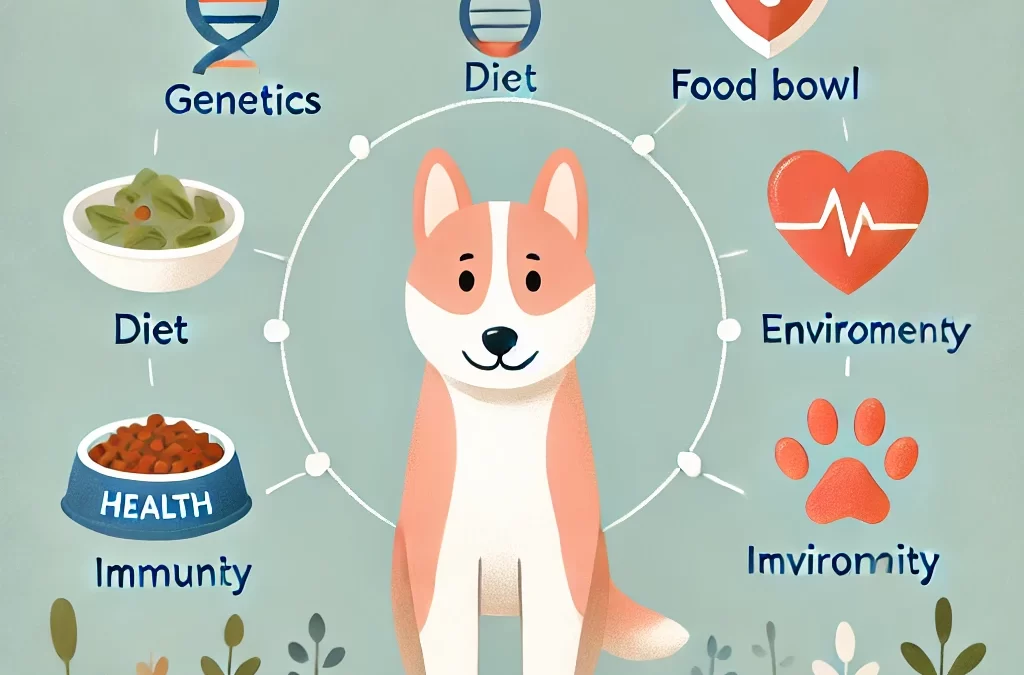
El cáncer es una de las enfermedades más desafiantes para los humanos y las mascotas por igual, y es particularmente desgarrador cuando afecta a nuestros queridos perros. Pero entender por qué y cómo se desarrolla el cáncer en los perros puede arrojar luz sobre la prevención y proporcionar información sobre la detección temprana. Si bien no hay una forma infalible de prevenir el cáncer, exploremos los principales factores contribuyentes, la investigación emergente y las formas en que podemos ayudar a reducir los riesgos.
1. Genética: La influencia de la raza y la historia familiar
Algunas razas tienen una mayor predisposición al cáncer. Por ejemplo, razas como los Golden Retrievers, los Boxers y los Rottweilers están genéticamente inclinadas a desarrollar ciertos tipos de cáncer. La investigación sugiere que las mutaciones genéticas heredadas juegan un papel significativo en estas tendencias. Un estudio publicado en Genética Canina y Epidemiología reveló que ciertas razas tienen rasgos genéticos compartidos que las hacen más susceptibles a tumores. Como resultado, la ascendencia de un perro puede aumentar su riesgo, lo que significa que los dueños de mascotas de ciertas razas deben estar especialmente atentos con chequeos veterinarios regulares.
2. Factores Ambientales: Carcinógenos y Toxinas Cotidianas
Los perros están expuestos a toxinas ambientales al igual que los humanos. Los culpables comunes incluyen el humo de segunda mano, ciertos productos de limpieza, pesticidas y contaminación. Los perros, con su contacto cercano con suelos y superficies exteriores, pueden ingerir o inhalar fácilmente sustancias nocivas, llevando sin saberlo toxinas a sus cuerpos. También hay evidencia creciente que muestra una correlación directa entre la exposición a carcinógenos específicos y el aumento de riesgos de cáncer en los perros.
Perspectiva Accionable: Para minimizar la exposición, considere elegir productos de limpieza naturales, evitar fumar alrededor de las mascotas y asegurarse de que las áreas de juego de su perro estén libres de pesticidas.
3. Dieta: El papel de la nutrición en la prevención del cáncer
Lo que come un perro puede tener efectos profundos en su salud, influyendo en todo, desde la función inmunológica hasta la salud celular. La comida de mala calidad, alta en rellenos y aditivos artificiales, puede contribuir a mutaciones celulares e inflamación, lo que potencialmente lleva al cáncer. Por otro lado, una dieta equilibrada rica en antioxidantes, ácidos grasos omega y proteínas naturales puede apoyar la reparación celular y las defensas inmunológicas.
Recomendación Dietética: Considere cambiar a comidas de alta calidad, orgánicas o incluso caseras adaptadas a las necesidades nutricionales de su perro. Siempre consulte con un veterinario para obtener orientación sobre la mejor dieta.
4. Influencias Hormonales y Salud Reproductiva
Las hormonas son poderosos mensajeros químicos en el cuerpo, y pueden influir en el crecimiento de tumores. Los estudios han demostrado que la esterilización o castración a la edad adecuada puede reducir el riesgo de ciertos tipos de cáncer, como el cáncer mamario o testicular. Sin embargo, el momento de estos procedimientos es esencial, ya que la esterilización o castración temprana se ha relacionado con un mayor riesgo de otros tipos de cáncer, como el osteosarcoma.
Decisión Equilibrada: Hable con su veterinario sobre el mejor momento para esterilizar o castrar a su perro, ya que el momento puede variar según la raza y la salud individual.
5. Infecciones y Virus
Ciertas infecciones y virus son conocidos por ser carcinogénicos. En los perros, virus como el papilomavirus canino pueden causar verrugas que pueden desarrollarse en tumores malignos en casos raros. Además, las infecciones que causan inflamación crónica pueden llevar a cambios celulares y mutaciones con el tiempo, lo que potencialmente lleva al cáncer.
6. Envejecimiento: El Factor Inevitable
La edad es uno de los factores de riesgo más significativos para el cáncer en los perros. Con las mejoras en la atención veterinaria, los perros están viviendo más tiempo, y con la edad viene una mayor probabilidad de cáncer. A medida que las células de un perro envejecen, los mecanismos para reparar el daño en el ADN pueden volverse menos eficientes, lo que facilita que ocurran mutaciones cancerosas.
Pasos Preventivos y Cambios en el Estilo de Vida para una Vida Más Saludable
Si bien no todos los casos de cáncer son prevenibles, ciertos ajustes en el estilo de vida pueden ayudar a reducir los riesgos. Aquí hay algunas medidas preventivas que podrían promover la salud a largo plazo:
- Atención Veterinaria de Rutina: Los chequeos regulares ayudan a detectar cualquier crecimiento anormal o signos de advertencia temprana.
- Opciones de Dieta Saludable: Elija alimentos ricos en nutrientes esenciales, libres de aditivos y rellenos artificiales.
- Mantenga un Ambiente Limpio: Use productos no tóxicos y evite exponer a su perro a productos químicos dañinos.
- Ejercicio Regular: Mantener a su perro activo apoya un sistema inmunológico robusto, vital para combatir enfermedades.
Conclusión: El Conocimiento como Nuestra Mejor Defensa
Comprender los factores que contribuyen al cáncer en los perros puede ayudarnos a tomar decisiones informadas y, cuando sea posible, reducir el riesgo. Si bien la genética y la edad están más allá de nuestro control, podemos tomar medidas para asegurar que nuestros perros lleven vidas más saludables y largas. Al permanecer vigilantes, priorizar la atención de calidad y fomentar un ambiente libre de toxinas, podemos darle a nuestros perros la mejor oportunidad de una vida libre de cáncer.

por TCMVET | 11 de nov, 2024 | Cáncer y Tumores en Perros
A diagnosis of a splenic tumor in a beloved dog can be heart-wrenching, as these tumors often pose a serious health risk. However, gaining an understanding of the types of splenic tumors, survival rates, and potential treatments can help dog parents make the best choices for their pet’s wellbeing. In this article, we’ll explore splenic tumors in dogs from a fresh perspective, focusing on the realities and options that can provide both clarity and hope.
1. What Are Splenic Tumors?
- Hemangiosarcoma: A malignant and aggressive tumor type, hemangiosarcoma is unfortunately common in canine spleens and often spreads rapidly to other organs.
- Hemangioma and Splenic Masses: Benign tumors and masses can also form on the spleen. Though these do not spread like hemangiosarcoma, they can rupture, leading to internal bleeding.
- Linfoma: This type, arising in the lymphatic system, may also affect the spleen, adding complexity to the condition.
2. Recognizing Symptoms Early
- Subtle Symptoms: Splenic tumors are often asymptomatic until they reach an advanced stage. Symptoms may include lethargy, loss of appetite, and weight loss.
- Acute Crisis: In cases where the tumor ruptures, symptoms can escalate rapidly. Pale gums, collapse, abdominal swelling, and labored breathing may signal internal bleeding, requiring immediate veterinary attention.
3. Survival Rates and What They Mean
- Splenic Hemangiosarcoma: With hemangiosarcoma, the prognosis is often guarded due to its aggressive nature. Median survival rates with surgery alone can range from 2-3 months.
- With Chemotherapy: Combining surgery with chemotherapy can extend survival, sometimes offering 6-12 months, depending on the individual dog’s response.
- Benign Tumors and Masses: Survival rates for benign masses are considerably more optimistic, as surgical removal can often provide a complete solution without recurrence.
4. Exploring Treatment Options
- Intervención Quirúrgica: Splenectomy, or removal of the spleen, is the most common treatment for splenic tumors. It can provide immediate relief from symptoms and prevent further complications from a ruptured mass.
- Quimioterapia: This is often recommended for malignant tumors like hemangiosarcoma to control the spread, though it may not be curative. Some dogs tolerate chemotherapy well, showing few side effects.
- Terapias Alternativas: Many pet parents explore natural supplements like medicinal mushrooms, which may boost immune function. While these aren’t substitutes for surgery or chemotherapy, they can serve as complementary support.
5. Providing a Good Quality of Life
- Managing Pain and Comfort: Pain management is essential to ensure a good quality of life. Veterinarians often recommend pain relief medications or even acupuncture.
- Dieta y Nutrición: Providing a balanced diet rich in antioxidants and immune-boosting supplements can support overall health, especially during treatment or recovery.
- Low-Stress Environment: Minimizing stress through a calm and familiar environment can make a big difference, helping your dog feel comfortable and secure.
6. Why There’s Still Hope
- Promising Research: Ongoing research into canine cancers, especially hemangiosarcoma, may lead to better treatments and outcomes.
- New Therapies: Immunotherapy and targeted treatments are in development, with some showing early promise in trials. Although these are not yet widely available, they offer hope for the future.
- Stories of Resilience: Many dogs with splenic tumors defy the odds and live longer than expected, especially with attentive care and timely treatment.
7. How to Support Your Dog’s Journey
- Orientación Veterinaria: Building a strong relationship with your veterinarian is crucial. They can tailor a treatment plan and provide resources for managing your dog’s condition.
- Support Communities: Many online support groups exist for dog parents dealing with cancer, offering encouragement, advice, and shared experiences that can be incredibly uplifting.
Conclusión
Splenic tumors in dogs present unique challenges, but with prompt diagnosis, informed decisions, and compassionate care, many dogs maintain a good quality of life. While survival rates vary, staying proactive and hopeful can make all the difference. Remember, each journey is unique, and by supporting your dog through every step, you’re giving them the love and care they deserve.

por TCMVET | 11 de nov, 2024 | Cáncer y Tumores en Perros
Cuando los padres de perros descubren un bulto en la garganta de su amigo peludo, es natural sentirse preocupados. Si bien algunos bultos pueden ser inofensivos, otros podrían indicar problemas de salud graves. Este artículo profundiza en lo que estos bultos podrían significar, cómo identificar los signos preocupantes y los pasos proactivos a seguir.
1. ¿Por qué se desarrollan bultos en las gargantas de los perros?
- Causas Comunes: Los crecimientos benignos, como los lipomas o quistes, a menudo son inofensivos pero a veces pueden aparecer cerca de la garganta.
- Infecciones o Inflamación: Los ganglios linfáticos inflamados podrían indicar una infección o respuesta inmune.
- Tumores: Tanto los tumores benignos como los malignos pueden desarrollarse en la garganta, afectando los tejidos y órganos cercanos.
2. Tipos de Bultos que Podrías Notar
- Lipomas: Blandos y fácilmente móviles, generalmente indoloros.
- Linfadenopatía: Ganglios linfáticos inflamados que se sienten firmes y a menudo son simétricos.
- Tumores Malignos: Bultos firmes y fijos que pueden causar molestias o dificultad para tragar.
3. Reconociendo Síntomas Más Allá del Bulto
- Dificultad para Tragar: Esto podría ser un indicador de un crecimiento que afecta el esófago o los músculos circundantes.
- Tos o Arcadas: Si el bulto presiona contra la vía aérea, podría causar síntomas respiratorios.
- Cambio en el apetito o pérdida de peso: Una preocupación seria si se combina con un bulto persistente en la garganta.
4. ¿Cuándo deberías estar preocupado?
- Crecimiento rápido: Si el bulto crece rápidamente, es esencial que lo revise un veterinario.
- Dolor y sensibilidad: Incomodidad o un cambio en el comportamiento, como alejarse del contacto, justifica una revisión más cercana.
- Otros síntomas: Letargo inexplicado, tos persistente o cambios vocales pueden señalar un problema subyacente.
5. Diagnóstico: Qué esperar en el veterinario
- Examen Físico: El veterinario palpará el área para evaluar el tamaño, la textura y la movilidad.
- Pruebas de imagen: Radiografías o ecografías proporcionan una vista de la profundidad del bulto y su proximidad a otros órganos.
- Biopsia: La prueba más definitiva, donde se toma una muestra y se examina en busca de células anormales.
6. Opciones de tratamiento
- Espera vigilante: Para bultos benignos, el veterinario puede sugerir monitorear en lugar de intervención inmediata.
- Extracción Quirúrgica: Si el bulto interfiere con las actividades diarias o representa un riesgo para la salud, la cirugía es una opción común.
- Suplementos y terapias naturales: Los suplementos antiinflamatorios o el apoyo herbal pueden beneficiar algunas condiciones.
- Quimioterapia o Radiación: Para tumores malignos, los veterinarios pueden recomendar tratamientos de oncología.
7. Prevención y Monitoreo
- Chequeos regulares: Las visitas rutinarias al veterinario pueden detectar crecimientos inusuales temprano.
- Monitoreo en Casa: Siente suavemente la garganta de tu perro y otras áreas en busca de bultos. Lleva un registro si ocurren cambios.
- Dieta Saludable y Suplementos: Los alimentos ricos en nutrientes y los suplementos que refuerzan el sistema inmunológico pueden ayudar a reducir el riesgo de ciertos tumores.
Conclusión
Aunque encontrar un bulto en la garganta de tu perro puede ser inquietante, el cuidado proactivo y la comprensión de las posibles causas pueden brindar tranquilidad. Siempre consulta a un veterinario para obtener asesoramiento profesional y recuerda que no todos los bultos son peligrosos. Al mantenerte alerta, estás tomando las mejores medidas para asegurar la salud y felicidad de tu perro.

por TCMVET | Nov 8, 2024 | Cáncer y Tumores en Perros
Dogs hold a cherished place in our lives, embodying loyalty, companionship, and boundless joy. However, certain breeds are genetically predisposed to cancer, making it a significant concern for many dog owners. Understanding which breeds are more susceptible to cancer and why can help owners be more vigilant and proactive in managing their pet’s health.
The Breeds at Higher Risk
While cancer can affect any dog, some breeds show a higher incidence due to their genetic makeup. Here are a few breeds known to be more prone to cancer:
- Golden Retrievers: One of the most beloved dog breeds, Golden Retrievers, unfortunately, have one of the highest cancer rates. Hemangiosarcoma and lymphoma are particularly common in this breed.
- Boxers: Known for their playful and energetic nature, Boxers are prone to developing mast cell tumors and lymphoma. Early detection and regular check-ups are crucial for this breed.
- Rottweilers: Rottweilers are susceptible to osteosarcoma, an aggressive type of bone cancer. Their large size and genetic predispositions make them particularly vulnerable.
- Bernese Mountain Dogs: This breed is admired for its gentle nature but has a high risk of histiocytic sarcoma. Owners should monitor for any unusual lumps or behavioral changes.
- Pastores Alemanes: Renowned for their intelligence and loyalty, German Shepherds can develop hemangiosarcoma and other cancers. Their large size and genetic line contribute to their predisposition.
Understanding the Genetic Link
The genetic component plays a significant role in why certain breeds are more prone to cancer. Selective breeding, while often aimed at enhancing desirable traits, can inadvertently pass on genes that predispose dogs to various cancers. Genetic mutations, hereditary syndromes, and breed-specific predispositions are factors that contribute to the increased risk.
Recognizing the Signs
Early detection can make a significant difference in treatment outcomes. Here are some key symptoms owners should look out for:
- Pérdida de peso inexplicada
- Lethargy or decreased interest in activities
- Persistent lumps or growths
- Changes in eating or drinking habits
- Panting or difficulty breathing, especially at night
Preventive Measures and Proactive Care
While some cancers cannot be prevented, owners can take steps to reduce risks and promote overall health:
- Regular Veterinary Check-Ups: Routine visits can help catch potential issues early.
- Balanced Diet and Exercise: Maintaining a healthy weight and ensuring proper nutrition can support the immune system.
- Genetic Testing: For breeds with a high risk, genetic testing can provide insights into potential predispositions.
- Awareness of Breed-Specific Risks: Knowing the risks allows owners to be more observant and proactive in their care.
A Call for Research and Awareness
Ongoing research into canine cancer aims to better understand the genetic and environmental factors that contribute to these conditions. Awareness campaigns and funding for veterinary oncology are essential in advancing treatment options and preventive strategies.
Conclusión
Owning a dog from a breed that is prone to cancer does not mean inevitable heartache; rather, it emphasizes the importance of knowledge and preparedness. By understanding the risks, recognizing the signs, and maintaining proactive care, owners can provide their beloved companions with a higher quality of life and more precious moments together.

por TCMVET | Nov 8, 2024 | Cáncer y Tumores en Perros
Dogs hold a cherished place in our lives, embodying loyalty, companionship, and boundless joy. However, when a dog is diagnosed with cancer, the experience becomes an emotional and physical challenge, not just for the animal but for the owners as well. One often overlooked but significant symptom seen in dogs with cancer is panting at night. This behavior, subtle yet distressing, offers insights into the dog’s condition that may guide owners and veterinarians toward better care and management.
The Science Behind Panting
Panting is a natural behavior in dogs used primarily for regulating body temperature. However, when it becomes excessive or occurs at unusual times—such as during the night—it may signal underlying health concerns. In dogs with cancer, nighttime panting can stem from a variety of sources, including pain, anxiety, medication side effects, or disruptions in normal metabolic functions.
Unmasking the Causes
- Dolor y Malestar: Pain is one of the primary reasons a dog with cancer might pant more frequently at night. Certain types of cancer, such as osteosarcoma or aggressive tumors, can cause significant discomfort, which may worsen when the dog lies down or becomes less active.
- Medication Side Effects: Chemotherapy, pain management drugs, or corticosteroids often play a role in cancer treatment but can have side effects. Corticosteroids, for instance, may lead to increased thirst and panting as a result of hormonal changes in the body.
- Anxiety and Restlessness: Cancer can alter a dog’s behavior, leading to anxiety, especially at night when they are left to cope with discomfort in silence. The panting could be a manifestation of restlessness or unease as the dog struggles to find comfort.
- Metabolic Disruptions: Tumors and the associated cancer treatments can affect metabolic processes, leading to an increase in the dog’s respiratory rate. This disruption can trigger panting as the body attempts to maintain balance.
How to Identify When Panting is a Concern
While occasional panting is not necessarily alarming, recognizing patterns can help distinguish between normal behavior and a potential red flag. Owners should take note if the panting:
- Occurs almost exclusively at night
- Persists despite cooling measures, such as a fan or a cooler sleeping area
- Is accompanied by other symptoms such as whimpering, restlessness, or excessive thirst
Steps for Alleviating Nighttime Panting
- Manejo del Dolor: Consult your veterinarian about the most effective pain relief options. These may include adjusting the dosage or type of medication to ensure comfort without excessive side effects.
- Calming Techniques: Create a serene environment with minimal disturbances. Calming aids like dog-safe essential oil diffusers, soft music, or anxiety wraps can make a significant difference.
- Review Medication Plans: If panting seems to worsen after starting or changing a medication, discuss alternatives with your vet. Sometimes, minor adjustments can improve the dog’s nighttime comfort.
- Chequeos Regulares: Ensure consistent veterinary visits to monitor the progression of the disease and adjust care plans as needed.
Support Beyond the Symptoms
Nighttime panting is not just a symptom to address—it’s a communication from your dog that they may need extra support. Beyond medical interventions, fostering emotional well-being is vital. Gentle petting, talking to them in a soothing voice, and staying close by during difficult nights can be invaluable.
A Heartfelt Approach to Care
The journey with a dog diagnosed with cancer is unpredictable, filled with both hope and challenges. Addressing symptoms like nighttime panting requires patience, attention, and collaboration with your veterinary team. By understanding the underlying causes and responding with tailored strategies, you can create a more comfortable and loving experience for your cherished companion during this challenging time.

por TCMVET | Nov 8, 2024 | Cáncer y Tumores en Perros
Introducción
In the vast realm of veterinary medicine, certain conditions lurk in obscurity, eluding even the most seasoned practitioners. Splenic stromal sarcoma in dogs is one such enigma—a rare cancer originating from the connective tissue of the spleen. Unlike the more commonly diagnosed hemangiosarcoma, splenic stromal sarcoma remains a shadowy adversary, often undetected until it reaches an advanced stage.
Rethinking Diagnosis: Beyond the Conventional
Traditional diagnostic methods for splenic tumors rely heavily on imaging techniques like ultrasound and radiography, which may not distinguish stromal sarcomas from other splenic masses effectively. To revolutionize diagnosis:
- Molecular Imaging: Utilizing PET scans with specialized tracers can highlight metabolic activity specific to stromal sarcoma cells.
- Liquid Biopsies: Detecting circulating tumor DNA (ctDNA) in the bloodstream offers a non-invasive diagnostic avenue and real-time monitoring of tumor dynamics.
- Artificial Intelligence (AI): Implementing AI algorithms to analyze imaging data can enhance the detection and characterization of splenic masses, improving diagnostic accuracy.
Personalized Medicine: Tailoring Treatment to the Tumor
The heterogeneity of splenic stromal sarcoma necessitates individualized treatment strategies. Embracing personalized medicine involves:
- Genomic Profiling: Sequencing the tumor’s genetic material to identify mutations and aberrant pathways provides targets for tailored therapies.
- Terapias Dirigidas: Drugs designed to interfere with specific molecules involved in tumor growth can be more effective and less toxic than conventional chemotherapy.
- Inmunoterapia: Stimulating the dog’s immune system to recognize and attack cancer cells offers a promising frontier, leveraging vaccines or checkpoint inhibitors.
Collaborative Research: Bridging Gaps in Knowledge
Advancing our understanding of splenic stromal sarcoma requires a concerted effort:
- Cross-Species Studies: Comparing canine stromal sarcomas with human counterparts can uncover common mechanisms and therapeutic targets.
- Veterinary Oncogenomics Consortia: Establishing collaborative networks to share data and resources accelerates research and fosters innovation.
- Clinical Trials: Encouraging participation in clinical trials expands treatment options for dogs and contributes valuable data to the scientific community.
Ethical Considerations and Owner Involvement
Innovative treatments and research endeavors must be balanced with ethical considerations:
- Informed Consent: Owners should be fully informed about the potential risks and benefits of novel diagnostics and treatments.
- Quality of Life Assessments: Prioritizing the well-being of the canine patient ensures that interventions align with compassionate care principles.
- Data Privacy: Safeguarding the genetic and medical data collected during research protects the privacy of both pets and owners.
Conclusión
Splenic stromal sarcoma in dogs challenges us to push the boundaries of veterinary medicine. By embracing advanced diagnostics, personalized therapies, and collaborative research, we can transform our approach to this rare cancer. This journey not only holds promise for improving outcomes in canine patients but also enriches the broader understanding of sarcomas across species.
