por TCMVET | 11 de sep, 2024 | Cáncer y Tumores en Perros
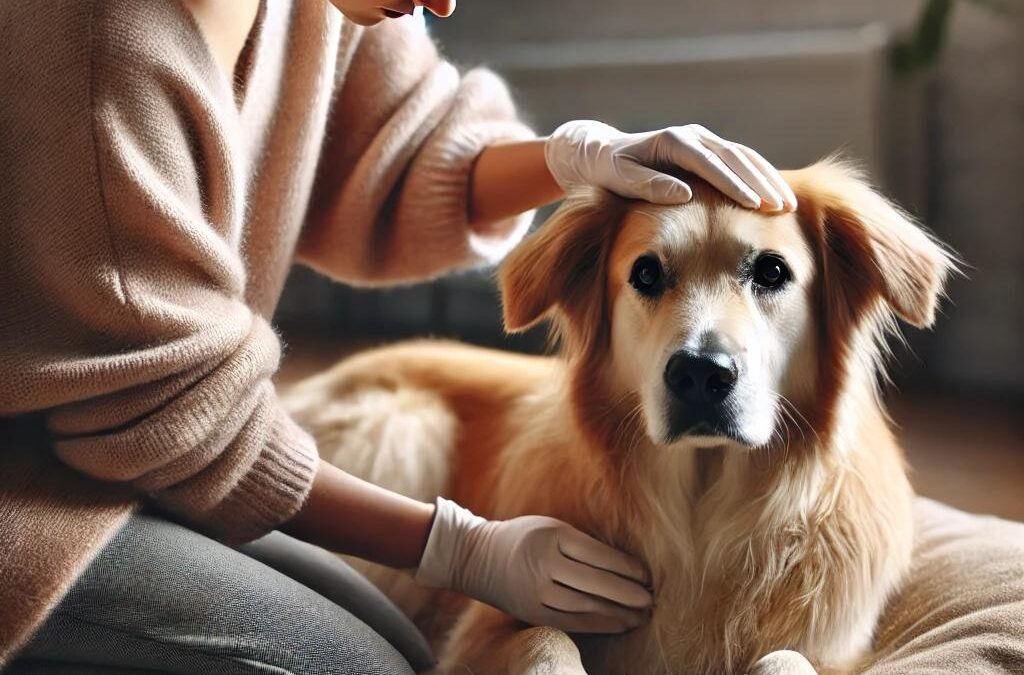
Cancer is one of the leading causes of death in dogs, with the Flint Animal Cancer Center reporting that up to 50% of dogs succumb to the disease. Just like in humans, early detection is critical in increasing the chances of successful treatment. While many symptoms can be caused by other conditions, recognizing potential warning signs early on could make a big difference in your dog’s prognosis.
Key Signs and Symptoms of Canine Cancer
Here are some of the most common signs of cancer in dogs. If you notice any of these symptoms, it’s important to schedule a veterinary visit to rule out any serious conditions.
1. Collapsing or Weakness
Sudden weakness, lethargy, or collapsing can be a sign of a serious health issue, including cancer. Large breed dogs are particularly prone to tumors of the spleen, which can cause these symptoms. Even if your dog seems to recover quickly, it’s essential to have them checked by a vet immediately.
2. Unusual Lumps and Bumps
Lumps and swellings that don’t go away or continue to grow can be a sign of tumors. Not all lumps are cancerous, but it’s important to have any abnormal growths examined to rule out malignancy.
3. Abnormal Discharges
Any unusual discharge, including bleeding, vomiting, diarrhea, or pus, could be an indicator of an underlying health issue, including cancer. If your dog shows these symptoms, consult your veterinarian for an evaluation.
4. Weight Loss or Loss of Appetite
A sudden lack of interest in food and noticeable weight loss can signal serious illness. If your dog’s appetite decreases without an obvious cause, such as a change in food or routine, it’s time to consult your vet.
5. Difficulty Breathing, Urinating, Defecating, Eating, or Swallowing
When everyday functions like breathing, eating, or going to the bathroom become a challenge for your dog, it could indicate a more serious health issue. Tumors can block airways, digestive tracts, or urinary pathways, so these symptoms should not be ignored.
6. Pain or Sensitivity
If your dog becomes sensitive to touch, limps, or avoids physical activity, they may be in pain. While joint issues or arthritis can cause similar symptoms, it’s worth investigating if cancer could be the underlying cause.
While many of these symptoms can be related to non-cancerous conditions, early detection of cancer in dogs can be crucial for successful treatment. If your dog shows any of these signs, don’t hesitate to seek veterinary attention. Regular check-ups and staying vigilant about your dog’s health can make all the difference.

por TCMVET | 11 de sep, 2024 | Cáncer y Tumores en Perros
Aunque es bien sabido que fumar y el humo de segunda mano son perjudiciales para los humanos, muchos dueños de mascotas no se dan cuenta de los riesgos significativos que representa para sus compañeros peludos y emplumados. Las mascotas expuestas al humo y sus residuos tienen un riesgo mucho mayor de varios problemas de salud, incluidos problemas respiratorios, irritación de la piel y los ojos, e incluso cáncer. Proteger a su mascota de los peligros del humo de segunda mano es tan importante como salvaguardar la salud humana.
El impacto del humo de segunda mano en las mascotas
Todas las mascotas, no solo los perros, son vulnerables a los efectos nocivos del humo de segunda mano. Cuando las mascotas inhalan humo, o cuando los residuos de humo se adhieren a su pelaje, plumas o superficies circundantes, están expuestas a miles de productos químicos dañinos. Esta exposición ocurre cada vez que se acicalan, lamen la piel de un fumador o simplemente respiran el aire contaminado en su hogar.
Los residuos dañinos persisten en el medio ambiente
Uno de los hechos menos conocidos sobre fumar es que incluso después de que el humo se disipa, los residuos dañinos permanecen en la ropa, alfombras, muebles y el pelaje o plumas de las mascotas. Este residuo pegajoso y aceitoso contiene más de 7,000 productos químicos, algunos de los cuales pueden volver a liberarse en el aire o ser consumidos por las mascotas. Esto significa que las mascotas en un hogar donde se fuma están expuestas a toxinas peligrosas todos los días.
Riesgos para la salud de perros y gatos
Diferentes mascotas enfrentan diferentes riesgos para la salud dependiendo de su raza y nivel de exposición.
1. Perros
- Los perros expuestos al humo de segunda mano tienen el doble de probabilidades de desarrollar cáncer de pulmón o nasal en comparación con los perros en entornos libres de humo.
- Las razas de hocico largo, como los Galgos, Borzois y Doberman, tienen un mayor riesgo de desarrollar cáncer de nariz porque las partículas de humo pueden quedar atrapadas en sus pasajes nasales.
- Las razas de hocico corto y medio, como los Pugs, Bulldogs, Beagles y Spaniels de Brittany, tienen un mayor riesgo de cáncer de pulmón debido a sus pasajes nasales más cortos, lo que permite que más humo llegue a sus pulmones.
2. Gatos
- Los gatos expuestos a entornos de fumadores tienen tres veces más probabilidades de ser diagnosticados con cáncer, particularmente cánceres orales y linfoma. Este aumento de riesgo se debe al hecho de que los gatos se acicalan con frecuencia, ingiriendo residuos de humo que se han asentado en su pelaje.
Protegiendo a sus mascotas del humo de segunda mano
La mejor manera de proteger a sus mascotas de los efectos nocivos del humo de segunda mano es mantener un ambiente libre de humo. Si fuma, considere hacerlo afuera, lejos de sus mascotas, y evite fumar en espacios donde pasan su tiempo. La limpieza regular de su hogar, muebles y la cama de sus mascotas también puede ayudar a minimizar la exposición a residuos de humo dañinos. Al tomar estas medidas, puede garantizar un ambiente más saludable y seguro para sus queridas mascotas.

por TCMVET | 10 de sep, 2024 | Cáncer y Tumores en Perros
Weight gain in dogs is often attributed to overeating or lack of exercise, but when it’s paired with an enlarged abdomen, it could be a sign of something more serious. Abdominal tumors are a relatively common cause of rapid weight gain and bloating in dogs, and early detection is key to successful treatment. In this article, we’ll explore the potential causes behind an enlarged abdomen and weight gain in dogs, and why monitoring these changes is crucial for your pet’s health.
What Causes Weight Gain and an Enlarged Abdomen in Dogs?
Weight gain in dogs can happen for a variety of reasons, ranging from simple overeating to more serious underlying health issues. When you notice your dog’s belly becoming visibly larger and their weight increasing rapidly, it’s important to look deeper into the potential causes.
Some possible reasons include:
- Overeating and Lack of Exercise: The most common cause of weight gain is excessive calorie intake paired with insufficient physical activity. However, this typically leads to gradual weight gain rather than a rapid change in weight or belly size.
- Hypothyroidism: A condition where the thyroid gland does not produce enough hormones, leading to a slower metabolism. Dogs with hypothyroidism may gain weight quickly despite eating the same amount of food.
- Fluid Retention: Certain medical conditions can cause fluid to build up in your dog’s abdomen, leading to a bloated appearance. Heart disease, liver disease, or kidney failure can all cause fluid accumulation (ascites) in the abdominal cavity.
- Pregnancy: In unspayed female dogs, weight gain and an enlarged belly could be due to pregnancy.
- Tumores Abdominales: Perhaps the most concerning cause of a rapidly enlarging abdomen is an abdominal tumor. These tumors can grow quickly and cause your dog’s belly to swell. In some cases, the tumor itself increases your dog’s weight, even though they may be losing muscle mass elsewhere.
Abdominal Tumors and Cancer in Dogs
Abdominal tumors are one of the more serious causes of an enlarged belly in dogs. These tumors can form on the liver, spleen, kidneys, or other organs within the abdominal cavity. Some of the most common cancers that result in abdominal tumors include:
- Hemangiosarcoma: A type of cancer that affects blood vessels and often develops on the spleen or liver.
- Linfoma: A cancer of the lymphatic system that can cause swelling in the abdomen.
- Liver Tumors: Tumors in the liver can cause significant swelling and weight gain due to fluid retention or the growth of the tumor itself.
Abdominal tumors can lead to rapid weight gain due to fluid buildup or the mass of the tumor, and in some cases, they may cause discomfort, loss of appetite, and lethargy. Unfortunately, cancer is often not detected until the tumor has grown large enough to be visible, which is why it’s essential to monitor changes in your dog’s weight and belly size closely.
Other Symptoms to Watch For
In addition to weight gain and a swollen belly, there are other signs that may indicate a more serious issue like cancer:
- Falta de apetito: Despite gaining weight, your dog may seem uninterested in food.
- Letargo: A noticeable decrease in energy or unwillingness to exercise.
- Discomfort or pain: Your dog may seem uncomfortable when their belly is touched or show signs of pain when moving.
- Vómitos o diarrea: Digestive issues can also be a sign of tumors or other abdominal conditions.
When to See a Vet
If your dog is experiencing rapid weight gain, an enlarged abdomen, or any of the symptoms mentioned above, it’s crucial to seek veterinary care immediately. Your veterinarian will likely perform a physical examination, blood tests, and possibly imaging such as X-rays or ultrasounds to determine the cause of the weight gain and swelling.
Early detection is critical in managing abdominal tumors and other conditions, so don’t wait to address these changes in your dog’s health.
How to Help Your Dog
If your dog is diagnosed with an abdominal tumor or other serious condition, your veterinarian will discuss the available treatment options. These may include surgery, chemotherapy, or palliative care depending on the type and stage of the disease.
In the meantime, keep an eye on your dog’s diet and exercise levels. While cancer and other medical conditions may cause weight gain, maintaining a balanced diet and regular exercise routine is still important for overall health.
Weight gain paired with an enlarged abdomen in dogs is not something to take lightly, especially when it occurs rapidly. While many cases may be due to overeating or other less serious conditions, the possibility of abdominal tumors or cancer should not be ignored. Regular checkups and early intervention are key to ensuring your dog’s well-being and longevity. If you notice any sudden changes in your dog’s weight or belly size, make sure to consult your vet immediately.

por TCMVET | 10 de sep, 2024 | Cáncer y Tumores en Perros
A medida que los perros envejecen, es normal que disminuyan un poco su actividad. Sin embargo, una disminución repentina o notable en el nivel de actividad de su perro podría ser un signo de que algo está mal. Una posible causa detrás de esta letargia es el cáncer, que puede afectar en gran medida la energía y el bienestar general de un perro. Comprender la relación entre los cambios en los niveles de actividad y los problemas de salud potenciales es crucial para un diagnóstico y tratamiento temprano.
Letargia repentina: Cuándo preocuparse
La letargia es a menudo uno de los primeros signos de que algo está mal con la salud de su perro. Los perros que normalmente son juguetones y enérgicos pueden de repente perder interés en el ejercicio, paseos o tiempo de juego. Si bien es cierto que los perros mayores tienden a disminuir su actividad de forma natural, un descenso significativo o rápido en los niveles de energía no es algo que se deba ignorar.
Aquí hay algunos signos a los que prestar atención:
- Interés reducido en actividades físicas como correr, buscar o jugar.
- Dormir más de lo habitual o parecer cansado incluso después de un esfuerzo leve.
- Reticencia a salir a pasear o participar en sus rutinas habituales.
- Dificultad para levantarse o moverse, especialmente cuando no hay una lesión obvia.
Estos cambios podrían no estar solo relacionados con el envejecimiento. De hecho, si la letargia aparece rápidamente o sin una causa clara, podría ser un indicador de un problema más serio, como el cáncer.
Cáncer y su impacto en el nivel de actividad
El cáncer puede causar una variedad de síntomas en los perros, uno de los cuales es un cambio marcado en su nivel de actividad. A medida que el cáncer progresa, la enfermedad puede causar incomodidad, fatiga o incluso dolor, haciendo que su perro esté menos dispuesto o capaz de moverse. Los tumores, la inflamación y la disfunción orgánica pueden contribuir a la disminución de la energía y la falta de interés en actividades regulares.
Los perros que sufren de cáncer también pueden mostrar otros signos como pérdida de peso, pérdida de apetito o bultos inusuales. Cuando estos síntomas ocurren junto con la letargia, es importante consultar a un veterinario para un examen exhaustivo.
Otras causas de letargia en perros
Si bien el cáncer es una preocupación seria, es importante recordar que la letargia también puede ser causada por una variedad de otras condiciones. Algunas razones potenciales incluyen:
- Infecciones o enfermedades como infecciones virales o bacterianas.
- Dolor por artritis o problemas articulares.
- Problemas cardíacos que reducen la resistencia de tu perro.
- Trastornos metabólicos como hipotiroidismo o diabetes.
- Problemas digestivos que hacen que tu perro se sienta mal.
Debido a que la letargia es un síntoma de muchas condiciones de salud diferentes, es esencial que tu perro sea revisado por un veterinario para determinar la causa exacta.
Cuándo Visitar al Veterinario
Si notas que el nivel de actividad de tu perro ha cambiado repentinamente o drásticamente, es hora de consultar con tu veterinario. Cuanto antes detectes problemas de salud potenciales, mejor será la oportunidad de un tratamiento exitoso, especialmente en el caso del cáncer.
Tu veterinario probablemente realizará un examen físico, realizará pruebas diagnósticas como análisis de sangre y posiblemente recomendará imágenes como radiografías o ecografías para determinar la causa subyacente de la letargia de tu perro. Si se detecta cáncer, tu veterinario discutirá las opciones de tratamiento disponibles, incluyendo cirugía, quimioterapia o cuidados paliativos, dependiendo del tipo y etapa de la enfermedad.
Cómo Apoyar a Su Perro
Ya sea que la letargia de tu perro se deba al cáncer, al envejecimiento o a otra condición médica, hay formas en las que puedes ayudar a apoyar sus niveles de energía y su bienestar general:
- Asegúrate de una dieta equilibrada que satisfaga sus necesidades nutricionales.
- Mantén a tu perro hidratado, ya que la deshidratación puede agravar la fatiga.
- Proporciona un espacio de descanso cómodo para ayudarles a recuperar su fuerza.
- Consulta con tu veterinario sobre suplementos o medicamentos apropiados para ayudar a manejar el dolor o la incomodidad.
Un cambio repentino en el nivel de actividad de tu perro puede ser una señal de alerta para problemas de salud subyacentes, incluido el cáncer. Si bien es natural que los perros disminuyan su actividad a medida que envejecen, una disminución inexplicada en la energía o letargia justifica una visita al veterinario. Un diagnóstico y tratamiento tempranos son cruciales para manejar condiciones serias, por lo que estar atento al comportamiento de tu perro puede ayudar a asegurar su salud y felicidad.

por TCMVET | 10 de sep, 2024 | Cáncer y Tumores en Perros
Chaga mushroom, a peculiar fungus found on birch trees in cold climates, has been gaining popularity as a potential natural remedy for various health issues, including cancer. While its rough, blackened appearance might seem unattractive, its health benefits have sparked interest in both human and veterinary medicine. Could this strange mushroom be a miracle cure for canine cancer?
What is Chaga Mushroom?
Chaga (Inonotus obliquus) is a parasitic fungus that primarily grows on birch trees in northern regions such as Siberia, Alaska, and Canada. It has been used in traditional medicine for centuries, particularly in Russia and Eastern Europe, where it’s revered for its ability to boost the immune system, fight inflammation, and support overall health.
Rich in antioxidants, Chaga contains compounds like polysaccharides, beta-glucans, and triterpenoids, all of which contribute to its potential healing properties. In humans, Chaga is used to enhance immune function and has been investigated for its anti-cancer properties. But how does it work for dogs?
Chaga Mushroom and Canine Cancer
Canine cancer is a devastating diagnosis for any pet owner. Traditional treatments like chemotherapy and radiation often come with significant side effects, leading many dog owners to seek alternative or supplementary therapies. This is where Chaga mushroom comes in.
1. Immune System Boosting: One of Chaga’s primary benefits is its ability to enhance immune system function. The beta-glucans in Chaga stimulate the immune response, helping the body to fight cancer cells more effectively. For dogs undergoing cancer treatment, a stronger immune system can support recovery and improve overall well-being.
2. Anti-Inflammatory Properties: Chronic inflammation is linked to cancer growth in both humans and animals. Chaga’s powerful anti-inflammatory properties may help reduce the inflammation associated with cancer, potentially slowing down tumor progression in dogs.
3. Antioxidants for Fighting Free Radicals: Chaga is packed with antioxidants, particularly superoxide dismutase (SOD), which helps neutralize free radicals. Free radicals can damage cells and contribute to cancer development, so reducing their impact may protect your dog’s health.
Is Chaga Safe for Dogs?
While Chaga mushroom shows promise as a natural remedy for canine cancer, it’s important to consult your veterinarian before adding any supplements to your dog’s diet. Each dog is unique, and what works for one may not be suitable for another, especially if your dog is undergoing cancer treatments like chemotherapy or radiation.
Chaga supplements for dogs are available in various forms, including powders and tinctures. Always ensure the product is sourced from high-quality, organic Chaga to avoid contamination with harmful substances. Additionally, follow dosage recommendations carefully to prevent potential side effects such as digestive upset or liver strain.
How to Administer Chaga to Dogs
If your veterinarian approves Chaga as part of your dog’s cancer care plan, you can typically add it to their food or administer it in tincture form. Many dog owners report improvements in their dogs’ energy levels, appetite, and overall health after introducing Chaga into their diet.
Chaga mushroom is not a magical cure-all, but it holds significant potential as a complementary treatment for canine cancer. Its immune-boosting, anti-inflammatory, and antioxidant properties make it a promising natural remedy for supporting dogs through their cancer journey. However, always work closely with your veterinarian to ensure that Chaga is safe and appropriate for your pet’s specific needs.

por TCMVET | 10 de sep, 2024 | Cáncer y Tumores en Perros
Keeping your dog at a healthy weight is about more than just mobility and overall well-being—it’s also a crucial aspect of cancer prevention. Studies show that obesity in dogs significantly increases the risk of cancer, primarily due to the chronic inflammation associated with excess body fat. By maintaining an ideal weight through a balanced diet and regular exercise, you can help reduce your dog’s risk of developing cancer while promoting a longer, healthier life.
The Link Between Obesity and Cancer in Dogs
Excess body fat in dogs can trigger a cascade of health problems, from joint issues to heart disease, but one of the lesser-known risks is cancer. Research published in the Veterinary Journal highlights the correlation between obesity and an increased likelihood of certain types of cancers in dogs, including mammary tumors and bladder cancer. Chronic inflammation caused by excessive fat tissue is believed to be a key driver of this increased risk. Inflammation creates an environment in which abnormal cells can grow, increasing the chance of cancer development.
Dogs that are overweight or obese also experience higher levels of oxidative stress and hormone imbalances, both of which contribute to cancer formation. Hormones like insulin and leptin, which are affected by obesity, play a role in cell growth and proliferation, potentially leading to tumor formation.
How to Maintain a Healthy Weight for Cancer Prevention
The good news is that maintaining your dog’s weight within a healthy range is an effective way to reduce cancer risk and improve overall health. Here are some key strategies for keeping your dog fit and healthy:
- Dieta equilibrada: Work with your veterinarian to establish a diet that is tailored to your dog’s needs. This should include high-quality, nutrient-dense food that provides the right balance of proteins, fats, and carbohydrates. Avoid overfeeding and focus on portion control to prevent weight gain.
- Ejercicio Regular: Exercise plays a critical role in maintaining a healthy weight. Make sure your dog gets daily physical activity, whether through walks, playtime, or other forms of exercise suited to their age and energy levels. Physical activity helps burn calories, improve metabolism, and reduce the buildup of excess fat.
- Monitor Weight and Body Condition: Regularly check your dog’s weight and body condition to ensure they are staying within a healthy range. Your veterinarian can help assess your dog’s body condition score (BCS) and recommend adjustments to their diet or exercise routine if needed.
- Limit Treats and Snacks: While it can be tempting to reward your dog with treats, it’s important to limit them, especially if your dog is prone to weight gain. Look for healthy treat options, or use vegetables like carrots as low-calorie alternatives.
- Schedule Regular Vet Checkups: Regular veterinary visits are essential for monitoring your dog’s overall health and weight. Your vet can help track your dog’s progress and make recommendations for diet or exercise changes as needed.
Benefits of Maintaining a Healthy Weight Beyond Cancer Prevention
In addition to reducing the risk of cancer, maintaining a healthy weight offers numerous other health benefits for your dog:
- Improved Joint Health: Dogs that maintain a healthy weight are less likely to suffer from joint issues like arthritis, as there is less strain on their bones and joints.
- Better Cardiovascular Health: Weight management supports heart health, reducing the risk of heart disease and hypertension in dogs.
- Enhanced Longevity: Studies have shown that dogs at a healthy weight tend to live longer than their overweight counterparts. By keeping your dog fit, you’re likely adding years to their life.
- Increased Energy and Quality of Life: Dogs that are at an ideal weight tend to be more energetic and have a better overall quality of life. They are more active, agile, and able to enjoy daily activities without the burden of excess weight.
Maintaining your dog’s weight within a healthy range is one of the most effective ways to reduce their risk of cancer and other chronic health issues. By focusing on a balanced diet, regular exercise, and ongoing veterinary care, you can help your dog lead a healthier, happier, and longer life. The proactive steps you take today can significantly impact your dog’s well-being in the future, making weight management a key component of cancer prevention.
