
por TCMVET | Feb 26, 2024 | Cáncer y Tumores en Perros
In today’s world, more pet owners are seeking natural and holistic approaches to support the health and well-being of their beloved furry companions. As our understanding of traditional medicine grows, so does our appreciation for the healing power of nature. When it comes to addressing common health concerns such as tumors and cancers in companion animals, natural herbal supplements offer a promising avenue for support.
Companion animals, much like humans, can be affected by tumors and cancers that may arise in various organs and tissues of their bodies. Especially as our furry friends age, the likelihood of encountering these health challenges increases. While conventional treatments like surgery, chemotherapy, and radiation therapy remain viable options, many pet owners are turning to complementary and alternative therapies to augment their pets’ care.
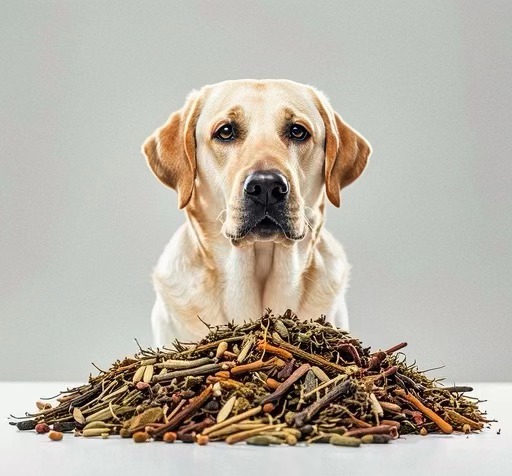
Chinese herbal medicine, with its rich history and emphasis on holistic healing, has gained traction as a complementary approach to conventional veterinary care. Herbal formulas, carefully prepared and processed, offer a gentle yet effective means of alleviating pain, boosting immunity, and promoting overall health and recovery in companion animals.
One of the key advantages of using natural herbal supplements is their minimal risk of side effects or toxic reactions in pets. Unlike some chemical treatments, which may cause adverse effects or discomfort, herbal remedies are generally well-tolerated and can be safely integrated into a pet’s wellness routine.
Moreover, natural herbal supplements often target not just the symptoms but also the underlying imbalances or dysfunctions in the body. By addressing the root causes of health issues, herbal medicine aims to restore balance and support the body’s innate healing mechanisms.
When exploring herbal supplements for companion animals, it’s essential to prioritize quality and authenticity. Look for products sourced from reputable suppliers who adhere to strict standards of cultivation, harvesting, and processing. Wild-crafted herbs, harvested sustainably from their natural habitats, are often preferred for their purity and potency.
In addition to supporting specific health concerns such as tumors and cancers, herbal supplements can also contribute to overall preventive care and wellness maintenance in pets. Regular use of herbal tonics or supplements may help strengthen the immune system, improve vitality, and enhance longevity in our furry friends.
As responsible pet owners, it’s crucial to consult with qualified veterinarians or holistic practitioners when incorporating herbal supplements into our pets’ health regimen. These professionals can offer guidance on proper dosage, administration, and monitoring to ensure the best possible outcomes for our animal companions.
the use of natural herbal supplements holds great promise in empowering the health and well-being of companion animals. By embracing the wisdom of traditional medicine and harnessing the healing power of nature, we can support our furry friends on their journey to optimal health and vitality.
por TCMVET | Feb 24, 2024 | Cáncer y Tumores en Perros
Title: “Harnessing Ancient Wisdom for Modern Health: The Role of Traditional Chinese Herbal Medicine in Treating Canine Hepatocellular Carcinoma”
In the realm of veterinary medicine, the integration of conventional treatments with traditional practices, such as Chinese herbal medicine, is an emerging trend offering new hope to canine patients suffering from serious conditions like hepatocellular carcinoma (HCC). This article delves into the innovative approach of combining traditional Chinese herbal remedies with modern veterinary practices to treat HCC in dogs.
Understanding Hepatocellular Carcinoma in Dogs
Hepatocellular carcinoma, a malignant tumor affecting the liver’s epithelial tissue, is a significant health concern in canines. Accounting for about half of all liver cancers in dogs, HCC presents symptoms such as loss of appetite, weakness, diarrhea, weight loss, enlarged liver, and vomiting. While the exact causes remain unclear, environmental factors, diet, toxins, and genetic predisposition are believed to play crucial roles.
Traditional Chinese Herbal Medicine: An Overview
Chinese herbal medicine, a cornerstone of Traditional Chinese Medicine (TCM), has been used for thousands of years to treat various ailments in humans and animals. This practice involves using specific herbs and natural substances, often in combination, to restore balance and health. The philosophy behind TCM is to treat the whole patient, not just the symptoms, which aligns well with holistic veterinary practices.
Integrating Chinese Herbs into Canine Cancer Treatment
The integration of Chinese herbal medicine into canine cancer treatment is based on the principle of using natural compounds to support the body’s healing processes. These herbs are believed to possess properties that can help detoxify the body, strengthen the immune system, and improve overall health. For dogs with HCC, certain herbs may target liver health specifically, aiding in the reduction of tumor growth and alleviating symptoms.
Potential Benefits and Considerations
The potential benefits of using Chinese herbs in treating HCC in dogs include:
- Enhanced Quality of Life: By reducing symptoms and improving general well-being, these herbs can enhance the quality of life for canine patients.
- Complementary Treatment: Used alongside conventional treatments like chemotherapy, Chinese herbs may enhance efficacy and reduce side effects.
- Holistic Approach: This method considers the dog’s overall health, leading to a more comprehensive treatment strategy.
However, it’s crucial for pet owners to consult with a veterinarian experienced in both conventional and herbal medicine. The correct dosage and formulation of herbs are vital, and professional guidance is necessary to avoid any potential interactions with other treatments.
Real-World Applications and Case Studies
Several case studies and anecdotal reports suggest the effectiveness of Chinese herbal medicine in managing canine HCC. Veterinarians who practice integrative medicine have observed improvements in liver function, reduced tumor sizes, and extended survival times in dogs treated with these herbs.
The integration of traditional Chinese herbal medicine into the treatment of canine hepatocellular carcinoma represents a convergence of ancient wisdom and modern science. It offers a promising complementary approach that may improve outcomes and quality of life for our canine companions battling liver cancer. As with any medical treatment, it’s essential to proceed under the guidance of a qualified veterinarian, ensuring the safest and most effective care for your pet.

por TCMVET | 22 de febrero de 2024 | Cáncer y Tumores en Perros
The field of veterinary oncology is increasingly embracing integrative approaches, combining conventional Western treatments with traditional Eastern therapies like Chinese herbal medicine. This integration aims to enhance the efficacy of treatments, particularly in challenging cases like canine pancreatic cancer. This article delves into the role of Chinese herbal treatments in canine pancreatic cancer, evaluating their efficacy and potential benefits as part of an integrative oncology approach.
Understanding Canine Pancreatic Cancer: Pancreatic cancer in dogs is a serious and often aggressive disease, characterized by the rapid growth of malignant tumors in the pancreas. Symptoms may include loss of appetite, weight loss, vomiting, and lethargy. Conventional treatments typically involve surgery, chemotherapy, and radiation, but these can have limited success and significant side effects.
The Rise of Integrative Oncology in Veterinary Medicine: Integrative oncology combines traditional veterinary treatments with complementary therapies like Chinese herbal medicine. This approach aims to provide a more holistic treatment, focusing on the overall well-being of the pet, not just the cancer itself. It’s gaining popularity as pet owners and veterinarians seek out more comprehensive treatment options.
Chinese Herbal Medicine in Canine Pancreatic Cancer: Chinese herbal medicine has been used for centuries in human medicine and is now finding its place in veterinary care. These herbs are believed to possess properties that can help fight cancer, boost the immune system, and improve quality of life. Key herbs used include Huang Qi (Astragalus), which is known for its immune-boosting properties, and Bai Hua She She Cao (Hedyotis diffusa), reputed for its anti-tumor effects.
Evaluating the Efficacy of Chinese Herbal Treatments: Several studies and anecdotal evidence suggest that Chinese herbal treatments can be beneficial in managing canine pancreatic cancer. These benefits may include slowed tumor growth, reduced side effects from conventional treatments, and improved overall quality of life. However, it is important to note that the efficacy of these treatments can vary and more scientific research is needed to fully understand their benefits and limitations.
Integrating Chinese Herbal Medicine with Conventional Treatments: In integrative oncology, Chinese herbal treatments are used in conjunction with conventional therapies. This approach aims to enhance the effectiveness of standard treatments, manage side effects, and maintain the pet’s quality of life. It’s important that this integration is overseen by a veterinarian skilled in both conventional and herbal medicine.
Integrative oncology represents a significant advancement in the treatment of canine pancreatic cancer, offering a more comprehensive approach to care. The use of Chinese herbal treatments as part of this approach shows promise in enhancing treatment efficacy and improving the quality of life for dogs with this challenging disease. As research in this area continues to grow, it will provide a deeper understanding of the role and benefits of these traditional remedies in veterinary medicine.

por TCMVET | 22 de febrero de 2024 | Cáncer y Tumores en Perros
The field of veterinary oncology is witnessing a paradigm shift with the integration of Traditional Chinese Medicine (TCM), particularly Chinese herbal medicine, in treating various forms of cancer. One area where this approach shows significant promise is in combating aggressive pancreatic neoplasms in dogs. This article explores the potential of Chinese herbal medicine in revolutionizing canine cancer care, offering new hope and avenues for treatment.
Understanding Aggressive Pancreatic Neoplasms in Dogs: Pancreatic neoplasms, or tumors, in dogs can be highly aggressive and often fatal. These tumors are notorious for their rapid growth and the high potential for metastasis. Symptoms may include abdominal pain, weight loss, lethargy, and in more advanced cases, jaundice. Traditional treatment options, such as surgery, chemotherapy, and radiation, offer limited success and can be associated with significant side effects.
The Emergence of Chinese Herbal Medicine in Canine Oncology: Chinese herbal medicine, a key component of TCM, has been used for centuries to treat a variety of ailments in humans. Its principles are now being applied to veterinary medicine, focusing on restoring balance in the body and enhancing natural healing processes. In the context of canine pancreatic cancer, these herbs are believed to help inhibit tumor growth, reduce inflammation, and boost the immune system.
Key Chinese Herbs and Their Potential Benefits: Herbs such as Huang Qi (Astragalus), Bai Hua She She Cao (Hedyotis diffusa), and Ban Zhi Lian (Scutellaria barbata) are known for their anti-cancer properties. Turmeric, with its active compound curcumin, is recognized for its anti-inflammatory and anti-oxidant effects, which may be beneficial in cancer care. These herbs are thought to target the cancer cells while minimizing damage to healthy cells, a significant advantage over conventional therapies.
Integrating Chinese Herbal Medicine with Conventional Treatments: The integration of Chinese herbal medicine into the treatment plan for canine pancreatic cancer involves a synergistic approach. The aim is to use these herbs alongside conventional treatments to enhance their effectiveness, mitigate side effects, and improve the overall quality of life of the affected dogs. This integrative approach is tailored to each individual dog’s condition and requires the guidance of a veterinarian skilled in both herbal and conventional oncology.
Clinical Evidence and Research: While the research on Chinese herbal medicine in veterinary oncology is still in its nascent stages, several studies and anecdotal evidence have shown positive outcomes. Dogs treated with a combination of Chinese herbs and conventional therapies have shown improvements in symptoms, slowed tumor growth, and, in some cases, extended survival times. However, more extensive and controlled studies are needed to fully substantiate these findings.
The potential of Chinese herbal medicine in treating aggressive pancreatic neoplasms in dogs represents a significant advance in canine cancer care. This approach not only offers an alternative to conventional treatments but also a more holistic path to managing cancer. For pet owners interested in exploring this option, it is crucial to consult with a veterinarian experienced in integrative medicine to ensure the best possible outcome for their furry companions.

por TCMVET | 22 de febrero de 2024 | Cáncer y Tumores en Perros
In the realm of veterinary medicine, the battle against canine pancreatic cancer poses significant challenges due to the aggressive nature of the disease. However, the integration of ancient practices with modern science is opening new frontiers in treatment options. This article explores the role of Chinese herbs in combating canine pancreatic cancer, highlighting how these time-honored remedies are being used to address modern veterinary challenges.
Understanding Canine Pancreatic Cancer: Pancreatic cancer in dogs is a serious condition characterized by the growth of malignant tumors in the pancreas. This type of cancer is particularly aggressive and often diagnosed in advanced stages. Symptoms may include loss of appetite, weight loss, lethargy, and abdominal pain. While traditional treatments such as surgery, chemotherapy, and radiation are available, their effectiveness can be limited, and they often come with significant side effects.
The Emergence of Chinese Herbal Medicine in Veterinary Oncology: Chinese Herbal Medicine (CHM), a key component of Traditional Chinese Medicine (TCM), has been practiced for thousands of years. In recent times, its application in veterinary oncology has gained attention as a complementary approach to conventional cancer treatments. CHM is based on the concept of balancing the body’s energy, or Qi, and focuses on enhancing the body’s natural healing abilities.
Key Chinese Herbs and Their Benefits: Some of the herbs commonly used in TCM for cancer treatment include:
- Huang Qi (Astragalus): Known for its immune-boosting and anti-tumor properties.
- Bai Hua She She Cao (Hedyotis diffusa): Believed to possess anti-cancer effects.
- Ling Zhi (Reishi Mushroom): Used for its potential to enhance the immune system and inhibit tumor growth.
- Jiaogulan (Gynostemma): Recognized for its antioxidant properties and ability to protect cells.
Integrating Chinese Herbs with Conventional Cancer Treatments: Integrating CHM with conventional treatments offers a holistic approach to canine pancreatic cancer care. This integration aims to enhance the effectiveness of traditional treatments, reduce side effects, and improve the overall quality of life for dogs undergoing cancer therapy. It is crucial that such integrative treatments are conducted under the guidance of veterinarians who are experienced in both CHM and conventional oncology.
Clinical Evidence and Research: While research on CHM in veterinary oncology is still in its nascent stages, several studies and anecdotal evidence suggest that dogs treated with CHM in conjunction with conventional therapies show improvements in quality of life and, in some cases, slower disease progression. Further research and clinical trials are needed to establish standardized treatment protocols and fully understand the efficacy of CHM in treating canine pancreatic cancer.
The use of Chinese herbs in the fight against canine pancreatic cancer represents a unique blend of ancient wisdom and modern medical practices. This integrative approach not only offers hope for better management of this challenging disease but also underscores the potential of holistic treatments in veterinary medicine. Pet owners considering this approach should consult with veterinarians skilled in both traditional and herbal medicine to ensure the best possible care for their pets.

por TCMVET | 22 de febrero de 2024 | Cáncer y Tumores en Perros
El cáncer pancreático canino, una enfermedad compleja y a menudo agresiva, no solo desafía la salud de nuestras queridas mascotas, sino que también conduce a síntomas debilitantes como la debilidad. En un enfoque innovador de la atención veterinaria, el uso de remedios herbales chinos está surgiendo como un método prometedor para abordar estos desafíos. Este artículo explora la integración de la medicina herbal china tradicional en la mitigación de la debilidad asociada con el cáncer pancreático canino, marcando una mezcla de tradición e innovación en la práctica veterinaria.
Comprendiendo el cáncer pancreático canino: El cáncer pancreático en perros se caracteriza por el crecimiento de tumores malignos en el páncreas. Esta condición puede llevar a una multitud de síntomas, incluyendo debilidad severa, pérdida de apetito, pérdida de peso y problemas digestivos. Los tratamientos tradicionales occidentales generalmente se centran en la cirugía, la quimioterapia o la radioterapia, pero estos pueden ser a menudo duros y pueden no abordar adecuadamente todos los síntomas, particularmente la debilidad generalizada que afecta la calidad de vida de los pacientes caninos.
El papel de la medicina herbal china: La medicina tradicional china (MTC) se ha utilizado durante siglos para tratar diversas dolencias en humanos, y sus principios ahora se están aplicando en la medicina veterinaria. La MTC se centra en restaurar el equilibrio del Qi (energía vital) en el cuerpo y potenciar las capacidades naturales de curación del organismo. En el contexto del cáncer pancreático canino, se emplean remedios herbales chinos para fortalecer el cuerpo, aumentar los niveles de energía y aliviar síntomas como la debilidad.
Principales hierbas chinas utilizadas en el tratamiento: Hierbas como Ren Shen (Ginseng), conocidas por aumentar la energía y la vitalidad, y Huang Qi (Astrágalo), renombradas por sus propiedades inmunoestimulantes, se utilizan comúnmente en el tratamiento de la debilidad en perros con cáncer. Otras hierbas como Dang Gui (Angelica Sinensis) y Bai Zhu (Atractylodes) se utilizan por sus efectos nutritivos y fortalecedores. Es importante señalar que estas hierbas deben ser administradas bajo la guía de un veterinario experimentado en medicina herbal.
Integrando hierbas chinas con tratamientos convencionales: La integración de remedios herbales chinos con tratamientos convencionales contra el cáncer ofrece un enfoque integral para manejar el cáncer pancreático canino. Esta estrategia holística tiene como objetivo no solo tratar el cáncer, sino también mitigar los efectos secundarios de los tratamientos convencionales y abordar síntomas como la debilidad. El objetivo es mejorar el bienestar general y la calidad de vida de los perros que se someten a tratamiento contra el cáncer.
Evidencia clínica e investigación: Si bien el campo de la integración de la medicina herbal china en la oncología veterinaria aún está en crecimiento, varios estudios de caso y evidencia anecdótica sugieren que los perros que reciben tratamientos herbales junto con terapias convencionales exhiben menos debilidad y mejor salud general. Sin embargo, se necesita más investigación científica para comprender completamente la eficacia y el uso óptimo de estos remedios herbales en el tratamiento del cáncer pancreático canino.
El uso de remedios herbales chinos en el tratamiento de la debilidad causada por el cáncer pancreático canino representa un paso significativo de la tradición a la innovación en la medicina veterinaria. Este enfoque no solo ofrece un guiño a las prácticas de curación antiguas, sino que también abre nuevas avenidas en la atención integral y holística de la salud animal. Para los dueños de mascotas que exploran esta opción, consultar con un veterinario capacitado tanto en medicina convencional como herbal es crucial para asegurar la mejor atención para sus compañeros peludos.
