par TCMVET | Juin 5, 2024 | Cancer et tumeurs chez le chien
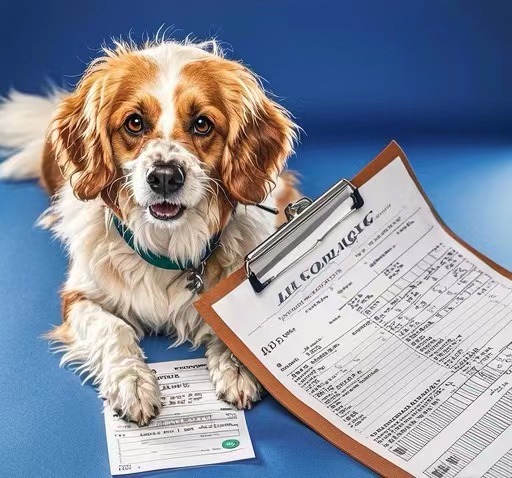
When a beloved pet is diagnosed with cancer, the first concern for many pet owners is their dog’s health and well-being. However, the cost of treatment, especially chemotherapy, can be a significant concern as well. In this article, we will explore the factors affecting the cost of chemotherapy for dogs, what to expect during treatment, and how to manage these expenses.
What is Chemotherapy for Dogs?
Chemotherapy is a type of cancer treatment that uses drugs to destroy cancer cells. In dogs, chemotherapy can be used to treat various types of cancer, including lymphoma, mast cell tumors, and osteosarcoma. The goal is to control or eliminate the cancer while maintaining the best possible quality of life for the pet.
Factors Affecting the Cost of Chemotherapy for Dogs
Several factors can influence the cost of chemotherapy for dogs, including:
- Type of Cancer: Different types of cancer require different chemotherapy protocols. Some cancers may need more intensive treatment than others.
- Size of the Dog: Larger dogs require higher doses of chemotherapy drugs, which can increase the overall cost.
- Frequency of Treatments: The number of chemotherapy sessions needed can vary. Some dogs may require weekly treatments, while others might need them less frequently.
- Emplacement : The cost of veterinary care can vary significantly depending on where you live. Urban areas tend to have higher costs compared to rural areas.
- Veterinary Oncologist vs. General Veterinarian: Specialized care from a veterinary oncologist may cost more than treatment from a general veterinarian.
Average Cost of Chemotherapy for Dogs
On average, the cost of chemotherapy for dogs can range from $150 to $500 per session. For a full course of treatment, pet owners can expect to pay between $3,000 and $5,000. However, this cost can be higher or lower depending on the factors mentioned above.
What to Expect During Chemotherapy
Chemotherapy for dogs is typically administered in a veterinary clinic. The process involves:
- Initial Consultation: A thorough examination and diagnostic tests to determine the appropriate chemotherapy protocol.
- Treatment Sessions: Chemotherapy drugs are administered via injection or oral medication. Sessions can last from 30 minutes to a few hours.
- Monitoring: Regular check-ups to monitor the dog’s response to treatment and adjust the protocol as needed.
Managing the Cost of Chemotherapy
While the cost of chemotherapy can be daunting, there are several ways to manage these expenses:
- Pet Insurance: If you have pet insurance, check if it covers cancer treatments. Some policies include chemotherapy and related costs.
- Payment Plans: Many veterinary clinics offer payment plans to help spread out the cost of treatment over time.
- Financial Assistance: Organizations such as The Pet Fund and The Magic Bullet Fund offer financial assistance for pet cancer treatments.
- Crowdfunding: Platforms like GoFundMe can help you raise money to cover your dog’s medical expenses.
Alternative and Complementary Treatments
In addition to chemotherapy, some pet owners explore alternative treatments to support their dog’s health. Natural supplements, like TCMVET Baituxiao, have been reported to help manage tumors and improve vitality. Always consult with your veterinarian before adding any supplements to your dog’s treatment plan.
Conclusion
Chemotherapy can be a lifesaving treatment for dogs with cancer, but it does come with significant costs. Understanding the factors that influence these costs and exploring various options to manage expenses can help ensure that your dog receives the best possible care. Always discuss with your veterinarian to create a treatment plan that fits both your pet’s needs and your budget.

par TCMVET | Juin 5, 2024 | Cancer et tumeurs chez le chien
Cordyceps, a unique and powerful medicinal mushroom, has been used in traditional medicine for centuries. Recently, its potential benefits for dogs with cancer have garnered attention among pet owners and veterinarians. This article delves into how Cordyceps can support dogs battling cancer, offering a holistic and natural approach to their care.
Understanding Cordyceps
Cordyceps is a genus of parasitic fungi that grows on insect larvae. The most well-known species, Cordyceps sinensis and Cordyceps militaris, are highly valued for their medicinal properties. These mushrooms are rich in bioactive compounds, including polysaccharides, nucleosides, and sterols, which contribute to their therapeutic effects.
How Cordyceps Benefits Dogs with Cancer
- Boosting the Immune SystemOne of the most critical aspects of fighting cancer is a robust immune system. Cordyceps is known for its immunomodulatory properties, which help enhance the body’s natural defenses. For dogs with cancer, this means a better ability to fight off cancer cells and resist infections that may arise due to a weakened immune system.
- Anti-Tumor EffectsStudies have shown that Cordyceps has anti-tumor properties. The bioactive compounds in Cordyceps can inhibit the growth and spread of cancer cells, potentially slowing down the progression of the disease in dogs. This can be particularly beneficial when used alongside conventional treatments like chemotherapy and radiation.
- Reducing InflammationChronic inflammation is a common issue in dogs with cancer, contributing to pain and discomfort. Cordyceps has potent anti-inflammatory properties, which can help alleviate these symptoms, improving your dog’s quality of life.
- Enhancing Energy LevelsDogs with cancer often experience fatigue and decreased energy levels. Cordyceps is known for its ability to enhance stamina and reduce fatigue, helping your dog maintain a more active and happy lifestyle during their treatment.
- Supporting Liver and Kidney FunctionCancer treatments can be taxing on a dog’s liver and kidneys. Cordyceps has hepatoprotective and nephroprotective properties, meaning it can help protect and support the functioning of these vital organs, ensuring your dog’s body can better handle the stress of treatment.
How to Incorporate Cordyceps into Your Dog’s Diet
Before adding any supplement to your dog’s diet, it is crucial to consult with your veterinarian. They can provide guidance on the appropriate dosage and ensure it does not interfere with any current treatments. Cordyceps supplements are available in various forms, including powders, capsules, and tinctures, making it easy to incorporate into your dog’s regular meals.
Why Choose Natural Supplements Like Cordyceps?
Opting for natural supplements like Cordyceps can provide a holistic approach to cancer care for your dog. These supplements often have fewer side effects compared to conventional treatments and can complement the overall treatment plan, enhancing your dog’s well-being and quality of life.
Conclusion
Cordyceps offers a promising natural supplement for dogs with cancer, providing multiple benefits that can support their immune system, reduce inflammation, and enhance energy levels. By incorporating Cordyceps into your dog’s cancer care regimen, you can take a holistic approach that complements traditional treatments and improves your furry friend’s quality of life. Always consult with your veterinarian before starting any new supplement to ensure it is safe and appropriate for your dog’s specific health needs.

par TCMVET | Juin 5, 2024 | Cancer et tumeurs chez le chien
Oral malignant melanoma is one of the most common types of cancer found in dogs, particularly affecting their mouths and surrounding tissues. This aggressive form of cancer requires prompt attention to ensure the best possible outcome for your beloved pet. In this article, we will explore the symptoms, diagnostic methods, and treatment options for oral malignant melanoma in dogs, providing you with comprehensive information to help you navigate this challenging condition.
What is Oral Malignant Melanoma?
Oral malignant melanoma is a type of cancer that originates in the pigment-producing melanocytes in a dog’s mouth. This cancer can occur in various areas, including the gums, tongue, palate, and lips. Due to its aggressive nature, it can quickly invade surrounding tissues and spread to other parts of the body, such as lymph nodes, lungs, and bones.
Symptoms of Oral Malignant Melanoma in Dogs
Early detection is crucial for managing oral malignant melanoma effectively. Here are some common symptoms to watch for:
- Bad Breath (Halitosis): Persistent bad breath is often one of the first signs.
- Oral Bleeding: Unexplained bleeding from the mouth can indicate a tumor.
- Difficulty Eating or Swallowing: Dogs may show reluctance to eat or have trouble swallowing.
- Facial Swelling: Visible swelling on the face or around the mouth.
- Loose Teeth: Teeth may become loose or fall out due to the tumor’s growth.
- Weight Loss: Sudden or unexplained weight loss can be a sign of advanced disease.
- Visible Tumors: Dark-colored masses or lumps in the mouth.
Diagnosing Oral Malignant Melanoma in Dogs
If you notice any of the above symptoms in your dog, it is essential to seek veterinary care immediately. A veterinarian will perform a thorough examination and may recommend the following diagnostic tests:
- Biopsie : A tissue sample is taken from the tumor for histopathological examination to confirm the presence of cancer cells.
- X-rays and Imaging: X-rays, CT scans, or MRI scans help determine the extent of the tumor and its spread to other parts of the body.
- Des analyses de sang: Routine blood work can assess overall health and organ function.
- Fine Needle Aspiration: A sample of cells is taken from nearby lymph nodes to check for metastasis.
Treatment Options for Oral Malignant Melanoma in Dogs
The treatment plan for oral malignant melanoma depends on the tumor’s size, location, and stage. Common treatment options include:
- Chirurgie : Surgical removal of the tumor is often the first line of treatment. In some cases, partial jaw removal (mandibulectomy or maxillectomy) may be necessary.
- Radiothérapie : Radiation can be used to shrink tumors before surgery or to target any remaining cancer cells post-surgery.
- Chimiothérapie : Chemotherapy may be recommended in cases where the cancer has spread or as an adjunct to other treatments.
- Immunothérapie : Newer treatments, such as the melanoma vaccine, can help stimulate the dog’s immune system to fight cancer cells.
- Soins palliatifs : In advanced cases, palliative care focuses on managing pain and maintaining quality of life.
Preventive Measures and Early Detection
While it is challenging to prevent oral malignant melanoma entirely, regular veterinary check-ups and maintaining good oral hygiene can help detect issues early. Here are some preventive tips:
- Routine Oral Exams: Regular dental check-ups can help identify abnormalities early.
- Home Monitoring: Regularly check your dog’s mouth for any unusual lumps, discoloration, or changes in appearance.
- Healthy Diet: A balanced diet supports overall health and can strengthen the immune system.
- Avoid Sun Exposure: Limit your dog’s exposure to direct sunlight, as UV radiation can increase the risk of melanoma.
Conclusion
Oral malignant melanoma in dogs is a serious and aggressive cancer that requires immediate attention. By understanding the symptoms, seeking prompt veterinary care, and exploring various treatment options, you can give your dog the best chance at a positive outcome. Regular monitoring and preventive care play crucial roles in early detection and management of this condition. Always consult with your veterinarian for personalized advice and treatment plans tailored to your dog’s specific needs.
By following these guidelines, you can ensure that your dog’s health is prioritized, and you can navigate the challenges of oral malignant melanoma with confidence and care.

par TCMVET | Juin 5, 2024 | Cancer et tumeurs chez le chien
Synovial sarcoma in dogs is a rare and aggressive type of cancer that affects the synovial tissues around joints. Early detection and proper treatment are crucial for managing this disease. This article provides detailed information on synovial sarcoma in dogs, including its causes, symptoms, diagnosis, and treatment options.
Understanding Synovial Sarcoma
Synovial sarcoma is a malignant tumor that arises from the synovial membrane, which lines the joints and tendon sheaths. It is a soft tissue sarcoma that can occur in various parts of the body but is most commonly found in the limbs near the joints.
Causes of Synovial Sarcoma in Dogs
The exact cause of synovial sarcoma in dogs is not well understood, but several factors may contribute to its development:
- Genetics: Some breeds may have a higher predisposition to developing this type of cancer.
- Âge: Middle-aged to older dogs are more commonly affected.
- Previous Injuries: Chronic inflammation or previous injuries to the joint areas might increase the risk.
Symptoms of Synovial Sarcoma in Dogs
Recognizing the symptoms of synovial sarcoma early can lead to more effective treatment. Key symptoms include:
- Boiterie: Persistent limping or reluctance to use a limb is a common sign.
- Gonflement: Visible swelling around the joints, which may be accompanied by pain and tenderness.
- Decreased Mobility: Difficulty in moving, jumping, or climbing stairs.
- Palpable Mass: A noticeable lump or mass near a joint.
- Loss of Appetite and Weight: General signs of illness such as reduced appetite and weight loss.
Diagnosing Synovial Sarcoma in Dogs
If you notice any of the above symptoms, it’s essential to seek veterinary attention promptly. Diagnostic steps include:
- Examen physique: A thorough examination of the affected area to assess pain, swelling, and mobility.
- Imagerie: X-rays, CT scans, or MRIs to visualize the tumor and determine its size and extent.
- Biopsie: Taking a tissue sample from the mass for histopathological examination to confirm the diagnosis.
- Blood Tests: To check overall health and organ function.
Treatment Options for Synovial Sarcoma in Dogs
The treatment plan for synovial sarcoma depends on the tumor’s size, location, and stage. Common treatment methods include:
- Chirurgie: The primary treatment involves surgical removal of the tumor. In some cases, limb amputation may be necessary to ensure complete removal.
- Radiothérapie: Used to destroy remaining cancer cells post-surgery or when surgery is not feasible.
- Chimiothérapie: May be recommended to treat metastasis or if the tumor is inoperable.
- Soins palliatifs: Focuses on providing relief from symptoms and improving the quality of life in advanced cases.
Preventing Synovial Sarcoma in Dogs
While not all cases of synovial sarcoma can be prevented, maintaining your dog’s overall health can help reduce the risk:
- Contrôles réguliers: Routine veterinary visits for early detection of any abnormalities.
- Healthy Diet and Exercise: Ensuring a balanced diet and regular exercise to support joint health and immune function.
- Contrôle: Keep an eye on your dog’s mobility and any signs of discomfort or swelling around the joints.
Conclusion
Synovial sarcoma in dogs is a serious condition that requires prompt attention and appropriate treatment. Understanding the symptoms and seeking early veterinary care can significantly improve your dog’s prognosis. By staying informed and proactive, you can help ensure your furry friend receives the best possible care.

par TCMVET | Juin 5, 2024 | Cancer et tumeurs chez le chien
When it comes to our furry companions, ensuring their health and well-being is a top priority. As pet owners, facing the news of a cancer diagnosis can be overwhelming and heartbreaking. However, there are holistic approaches and effective supplements that can support your pet’s health journey. In this article, we explore the world of pet cancer supplements available online, emphasizing the remarkable benefits of TCMVET Baituxiao.
The Rise of Holistic Pet Care
In recent years, holistic pet care has gained immense popularity among pet owners. This approach focuses on treating the whole animal, considering their physical, emotional, and environmental well-being. Holistic pet care includes natural supplements, dietary adjustments, and alternative therapies designed to support the body’s healing processes.
Why Choose Natural Supplements for Pet Cancer?
Natural supplements offer numerous benefits for pets diagnosed with cancer. These supplements can:
- Boost the Immune System: Strengthening the immune system helps your pet fight off cancer cells more effectively.
- Reduce Tumor Growth: Certain natural ingredients have been shown to slow down the growth of tumors.
- Improve Quality of Life: Supplements can enhance your pet’s energy levels, appetite, and overall mood, making their cancer journey more comfortable.
- Minimal Side Effects: Compared to conventional treatments, natural supplements typically have fewer side effects, making them a gentler option for your pet.
Introducing TCMVET Baituxiao: A Proven Solution
Among the myriad of natural supplements available, TCMVET Baituxiao stands out for its effectiveness and quality. This herbal formula is specifically designed to manage tumors and enhance vitality in pets.
Key Benefits of TCMVET Baituxiao:
- Tumor Management: Baituxiao has been formulated to reduce the size and growth rate of tumors in pets.
- Boosts Vitality: Pets using Baituxiao often exhibit increased energy levels and improved spirits, leading to a better quality of life.
- Ingrédients naturels : Made from high-quality herbal ingredients, Baituxiao offers a natural and safe approach to pet health.
Success Stories from Pet Owners
Pet owners worldwide have shared their success stories with TCMVET Baituxiao. One Labrador’s mammary tumor stopped growing and even shrank after starting on Baituxiao, with the dog becoming more playful and in better spirits. An elderly cat with a skin tumor showed significant improvement, avoiding the need for surgery and enjoying a more active life. These testimonials highlight the transformative impact of Baituxiao on pets’ health and well-being.
Where to Buy Pet Cancer Supplements Online
When looking for effective pet cancer supplements online, it’s essential to choose reputable sources. Ensure that the products are made from high-quality, natural ingredients and have positive reviews from other pet owners. TCMVET Baituxiao is available through trusted online platforms, providing a convenient way to support your pet’s health journey.
Conclusion
Facing a cancer diagnosis in your pet is challenging, but with the right approach, you can make a significant difference in their quality of life. Embracing holistic pet care and incorporating effective supplements like TCMVET Baituxiao can offer your pet the support they need. Explore the world of natural pet cancer supplements online and take a step towards a healthier, happier life for your beloved companion.
