
oleh TCMVET | Des 20, 2024 | Kanker & Tumor Anjing
Cancer in dogs has long been a subject of concern for pet owners. While it’s natural to feel overwhelmed when faced with this diagnosis, understanding the causes can offer insights into prevention and care. This article delves into the potential reasons behind cancer in dogs, shedding light on genetic, environmental, and lifestyle factors.
Genetic Predisposition: A Silent Driver
One of the primary reasons dogs develop cancer is genetics. Certain breeds are more prone to cancer due to inherited traits. For instance, Golden Retrievers, Boxers, and Rottweilers are known to have a higher likelihood of developing cancers such as lymphoma and osteosarcoma. This genetic predisposition highlights the importance of responsible breeding practices to minimize the risk.
Environmental Toxins: Invisible Threats
Dogs are often exposed to environmental toxins without their owners realizing it. Pesticides, herbicides, secondhand smoke, and even household cleaning products can contribute to the development of cancer. Prolonged exposure to these harmful substances can trigger mutations in cells, eventually leading to tumor growth.
Diet and Obesity: Feeding the Risk
A poor diet lacking essential nutrients or high in processed foods can weaken a dog’s immune system, making them more susceptible to cancer. Obesity further compounds the issue by creating an inflammatory environment in the body. Maintaining a balanced diet rich in antioxidants and avoiding overfeeding can significantly reduce the risk.
Aging: A Natural Factor
As dogs age, their cells undergo wear and tear, increasing the likelihood of cancer. Older dogs often experience a decline in immune function, which allows abnormal cells to proliferate unchecked. This makes regular veterinary check-ups essential for early detection and intervention.
Over-Vaccination and Medical Factors
Some studies suggest that over-vaccination or unnecessary medical procedures could play a role in increasing cancer risk. While vaccines are crucial for preventing diseases, excessive or poorly timed vaccinations might stress a dog’s immune system. Always consult with a trusted veterinarian to tailor a vaccination plan suited to your dog’s needs.
Sun Exposure and UV Damage
For dogs with light-colored fur or thin coats, excessive sun exposure can lead to skin cancer, particularly in areas with little pigmentation. Protecting your dog with pet-safe sunscreen or limiting outdoor activities during peak sunlight hours can help.
How to Minimize Risk
- Nutrisi Seimbang: Provide a high-quality diet tailored to your dog’s age, breed, and activity level. Include natural sources of antioxidants, such as blueberries and carrots.
- Batasi Paparan Toksin: Use pet-safe cleaning products and avoid exposing your dog to pesticides or tobacco smoke.
- Latihan rutin: Maintain a healthy weight through regular physical activity.
- Routine Vet Visits: Schedule annual check-ups and screenings to detect potential health issues early.
- Tailored Vaccination Plans: Work with your veterinarian to develop a vaccination schedule that fits your dog’s lifestyle and health profile.
Menutup Pikiran
Cancer in dogs is a complex disease influenced by a mix of genetic, environmental, and lifestyle factors. While it’s impossible to eliminate all risks, taking proactive measures can significantly reduce the likelihood of cancer. By staying informed and attentive, pet owners can provide their furry companions with the best possible care and quality of life.

oleh TCMVET | Des 18, 2024 | Kanker & Tumor Anjing
Lymphoma is one of the most common cancers in dogs, and while it can often be managed with treatments like chemotherapy, there comes a point where the disease may progress despite interventions. Recognizing the signs that your dog is nearing the end of their journey can help you provide comfort and make informed decisions about their care. Here’s a guide to understanding the signs of late-stage lymphoma and how to support your beloved pet during this difficult time.
Memahami Limfoma Anjing
Lymphoma affects the lymphatic system, which is part of the immune system. It can manifest in different parts of the body, including the lymph nodes, spleen, liver, and gastrointestinal tract. The progression of the disease varies, but as it advances, the body becomes increasingly compromised, leading to significant physical and behavioral changes.
Signs Your Dog May Be Dying from Lymphoma
Severe fatigue and lethargy
Dogs with advanced lymphoma often exhibit extreme tiredness. Your once-active pet may spend most of their day sleeping or lying down, showing little interest in activities they used to enjoy.
Sulit bernafas
Lymphoma in the chest can cause fluid buildup around the lungs, making it hard for your dog to breathe. Signs include rapid breathing, shallow breaths, or labored effort.
Kehilangan selera makan
A dying dog may refuse to eat or drink, indicating that their body is shutting down. Even their favorite treats might go untouched.
Weight loss and muscle wasting
As the disease progresses, significant weight loss and muscle wasting (cachexia) become evident. The dog’s ribs and spine may become more pronounced.
Pembengkakan kelenjar getah bening
While swollen lymph nodes are a hallmark sign of lymphoma, their size may increase dramatically as the disease nears its final stages.
Muntah dan diare
If lymphoma affects the gastrointestinal tract, your dog may experience chronic vomiting, diarrhea, or both. These symptoms can lead to dehydration and further weaken the body.
Pain and discomfort
Your dog may exhibit signs of pain, such as whimpering, difficulty lying down, or reluctance to move. Pain may result from organ damage, inflammation, or pressure caused by tumors.
Changes in behavior
Dogs often become withdrawn as they near the end of life. They may avoid interaction, seek solitude, or appear disoriented.
How to Support Your Dog During This Time
Consult with your veterinarian to ensure your dog is receiving adequate pain management and palliative care. Medications like anti-nausea drugs, appetite stimulants, and pain relievers can improve your dog’s comfort.
Create a quiet and peaceful environment where your dog can rest without disturbance. Provide soft bedding and keep their favorite items nearby.
Offer small amounts of easily digestible food if your dog is willing to eat. Hydration is also important, but do not force them to drink.
Spend quality time with your pet, offering gentle affection and reassurance. Being present can provide immense comfort for both you and your dog.
Consider humane euthanasia if your dog’s quality of life declines significantly. While it’s a difficult decision, it can be a compassionate way to alleviate their suffering.
Kesimpulan
Recognizing the signs that your dog may be dying from lymphoma allows you to focus on their comfort and well-being. Each dog’s journey is unique, and your love and care during this time will make a meaningful difference in their final days.
oleh TCMVET | Des 18, 2024 | Kanker & Tumor Anjing
Pendahuluan: Musuh Diam dalam Perawatan Kanker Anjing
Kanker kakeksia, sindrom metabolik kompleks yang ditandai dengan penurunan berat badan yang parah dan pemborosan otot, adalah kondisi diam namun mematikan yang mempengaruhi banyak anjing dengan kanker. Sering kali terabaikan oleh penyakit utama, kakeksia secara signifikan mempengaruhi kualitas hidup, respons terhadap pengobatan, dan kelangsungan hidup keseluruhan hewan peliharaan yang terkena. Memahami dan menangani kondisi ini sangat penting untuk perawatan kanker holistik pada anjing.
What is Cancer Cachexia?
Kanker kakeksia lebih dari sekadar penurunan berat badan. Ini adalah kondisi multifaktorial yang dipicu oleh interaksi peradangan sistemik, disfungsi metabolik, dan tuntutan metabolik tumor. Fitur kunci termasuk:
- Kehilangan Massa Otot: Tidak seperti kelaparan sederhana, kakeksia menyebabkan kehilangan otot yang tidak dapat dibalik hanya dengan peningkatan asupan kalori.
- Appetite Changes: Anjing mungkin menunjukkan minat yang berkurang terhadap makanan (anoreksia) atau preferensi rasa yang berubah.
- Peradangan Sistemik: Peradangan yang disebabkan oleh tumor memperburuk ketidakseimbangan metabolik, semakin memperburuk kondisi.
Mengapa Kanker Kakeksia Terjadi pada Anjing?
Mekanisme pasti dari kanker kakeksia kompleks dan bervariasi tergantung pada jenis dan tahap kanker. Faktor-faktor yang berkontribusi terhadap kondisi ini termasuk:
- Tumor Metabolism: Tumor tertentu mengeluarkan zat yang mengganggu proses metabolik normal, menyebabkan pemecahan otot dan lemak.
- Sitokin dan Hormon: Peningkatan kadar sitokin pro-inflamasi (misalnya, TNF-alpha) dan ketidakseimbangan hormonal memainkan peran penting dalam memicu kakeksia.
- Kekurangan Gizi: Penurunan asupan makanan dan penyerapan nutrisi yang terganggu memperburuk kondisi anjing.
Mengenali Kanker Kakeksia pada Anjing
Deteksi dini adalah kunci untuk mengelola kanker kakeksia. Cari tanda-tanda ini:
- Penurunan berat badan yang tidak dapat dijelaskan meskipun asupan makanan cukup
- Pemborosan otot, terutama di sekitar tulang belakang dan kaki belakang
- Kelelahan dan tingkat aktivitas yang berkurang
- Perubahan nafsu makan atau perilaku makan
Strategi Manajemen Inovatif
Meskipun tidak ada solusi yang cocok untuk semua, pendekatan multimodal dapat membantu mengelola kakeksia pada anjing. Berikut adalah beberapa strategi yang muncul:
- Dukungan Nutrisi Kustom: Diet yang kaya akan protein berkualitas tinggi, asam lemak omega-3, dan asam amino tertentu seperti glutamin dapat membantu mempertahankan massa otot.
- Appetite Stimulants: Obat-obatan seperti mirtazapine atau capromorelin dapat meningkatkan nafsu makan dan asupan makanan.
- Anti-Inflammatory Therapies: Suplemen omega-3 dan obat yang menargetkan jalur inflamasi dapat mengurangi aktivitas sitokin.
- Modulator Metabolik: Penelitian tentang obat-obatan seperti anamorelin dan mimetik ghrelin menunjukkan janji dalam membalikkan pemborosan otot.
Peran Pengobatan Integratif
Terapi alami, seperti Pengobatan Tradisional Tiongkok (TCM), telah menunjukkan potensi dalam meredakan gejala. Herbal seperti astragalus dan ginseng dapat mendukung fungsi imun dan tingkat energi, sementara akupunktur dapat meningkatkan nafsu makan dan mengurangi peradangan.
Melihat ke Depan: Kebutuhan untuk Penelitian Lebih Lanjut
Meskipun ada kemajuan, kakeksia kanker tetap kurang diteliti dalam kedokteran hewan. Upaya kolaboratif antara dokter hewan, peneliti, dan pemilik hewan peliharaan sangat penting untuk mengembangkan terapi baru dan meningkatkan hasil bagi anjing yang terkena.
Kesimpulan: Harapan Melalui Inovasi
Meskipun kakeksia kanker menghadirkan tantangan signifikan, kemajuan dalam memahami dan mengelola kondisi ini menawarkan harapan. Dengan mengadopsi pendekatan holistik dan proaktif, kita dapat meningkatkan kualitas hidup anjing yang berjuang melawan kanker dan membantu mereka menikmati tahun-tahun emas mereka dengan martabat dan kenyamanan.
oleh TCMVET | Des 16, 2024 | Kanker & Tumor Anjing
Oral malignant melanoma (OMM) in dogs is a stealthy adversary. Known for its aggressive nature and rapid spread, it’s a diagnosis that strikes fear into the hearts of pet owners. But OMM is more than just a medical condition—it’s a call to action for pet parents to embrace vigilance, innovation, and holistic care. Let’s dive into this challenging topic with a fresh lens, exploring both science and hope.
What Is Oral Malignant Melanoma?
Oral malignant melanoma is a type of cancer that originates in the melanocytes—cells responsible for pigment production in the skin and mucous membranes. While it most commonly appears in the mouth, this cancer doesn’t stop there. It’s notorious for its ability to invade nearby tissues and metastasize to distant organs like the lungs and lymph nodes.
This condition is most prevalent in middle-aged to older dogs, particularly breeds with dark-pigmented gums, such as Cocker Spaniels, Chow Chows, and Scottish Terriers. Despite its grim reputation, understanding OMM’s signs and treatment options can empower owners to make informed decisions.
Recognizing the Signs
Oral malignant melanoma often goes unnoticed until it’s advanced, making regular oral check-ups critical. Common signs include:
- A dark or irregular mass in the mouth, gums, or lips.
- Bleeding, foul breath, or drooling.
- Difficulty eating, chewing, or swallowing.
- Facial swelling or enlarged lymph nodes.
If you spot any of these symptoms, consult your veterinarian immediately. Early detection can significantly impact outcomes.
Beyond Traditional Treatments: Embracing Innovation
Conventional treatments for OMM include surgery, radiation therapy, and chemotherapy. While effective in many cases, these options aren’t always accessible or affordable. Here are some innovative and integrative approaches gaining attention:
- Immunotherapy Vaccines: A game-changer in oncology, OMM-specific vaccines, like the canine melanoma vaccine (ONCEPT®), stimulate the dog’s immune system to fight cancer cells. This cutting-edge treatment has shown promise in extending survival times.
- Photodynamic Therapy (PDT): This technique uses light-activated drugs to destroy cancer cells selectively, sparing surrounding healthy tissue. It’s a less invasive option for certain cases.
- Holistic Supplements: Natural supplements like curcumin (found in turmeric), medicinal mushrooms, and omega-3 fatty acids are being explored for their anti-inflammatory and immune-boosting properties. Always consult a vet before incorporating supplements.
The Role of Diet in Recovery
A cancer diagnosis calls for a shift in dietary strategies. Dogs battling OMM benefit from a diet tailored to their metabolic needs. Focus on:
- High-quality proteins: Lean meats and fish to maintain muscle mass.
- Healthy fats: Omega-3 fatty acids to combat inflammation and support overall health.
- Low-carbohydrate options: Cancer cells thrive on sugar; limiting carbs can help slow their growth.
Homemade, vet-approved meals can be a great way to ensure your dog receives optimal nutrition.
Emotional and Practical Support for Pet Parents
Caring for a dog with OMM is as emotionally demanding as it is challenging. Here’s how to navigate this journey:
- Create a daily care routine: Establishing consistency can help reduce stress for both you and your dog.
- Seek community support: Online forums and local support groups for pet owners dealing with canine cancer can provide comfort and valuable insights.
- Explore palliative care options: If curative treatment isn’t an option, focus on pain management and improving your dog’s quality of life.
Sekilas Harapan
While oral malignant melanoma in dogs is a formidable foe, advancements in veterinary medicine and integrative care are changing the narrative. Early detection, innovative treatments, and a focus on holistic well-being are empowering pet parents to fight back against this disease.
Your dog’s diagnosis doesn’t define the journey—it’s a chapter in the story of their resilience, love, and the bond you share. Keep asking questions, seeking solutions, and cherishing every moment.
oleh TCMVET | Des 16, 2024 | Kanker & Tumor Anjing
Discovering a lump on your dog’s stomach can be alarming. As pet owners, our first instinct is often worry—but not all lumps are dangerous. In fact, many are benign and manageable with proper care. To help you navigate this situation, here’s a fresh perspective on understanding, identifying, and addressing stomach lumps in dogs.
What Exactly Is a Stomach Lump?
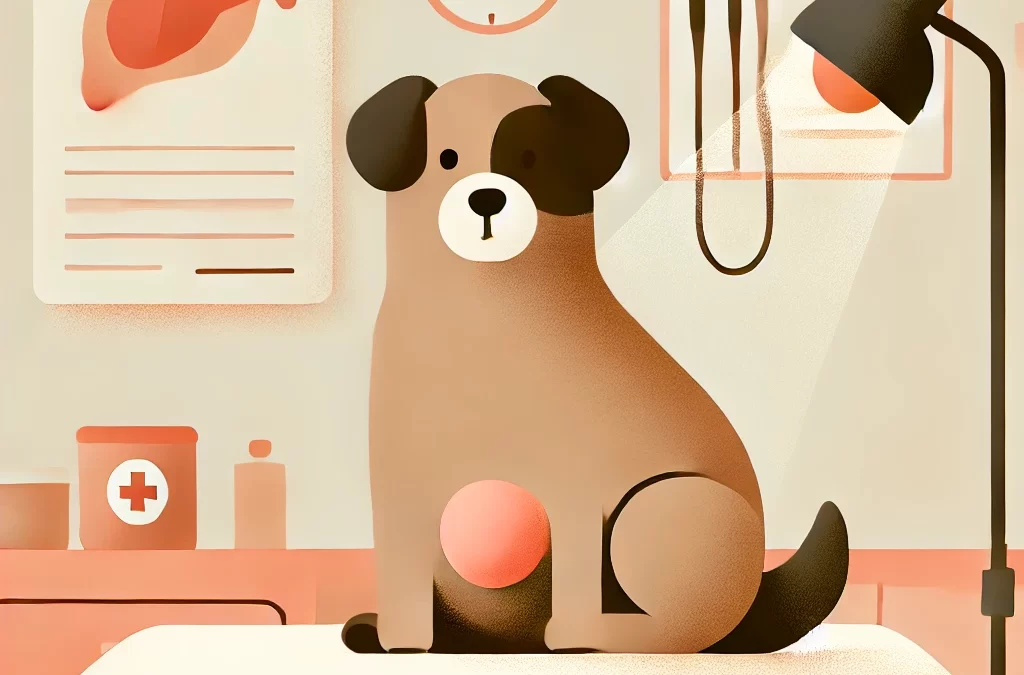
A stomach lump in dogs refers to any abnormal mass or swelling in the abdominal area. These can vary in size, shape, and texture—some feel soft and movable, while others may be firm or attached to underlying tissues.
The key to handling such lumps lies in observation and timely action. Before jumping to conclusions, let’s explore the most common causes behind these growths.
Common Causes of Stomach Lumps
- Lipomas (Fatty Tumors): These are benign, soft, and slow-growing lumps commonly found in older dogs. Lipomas rarely pose a health risk and are usually more of a cosmetic issue.
- Hematomas or Abscesses: If your dog recently experienced trauma, the lump could be a hematoma (a collection of blood under the skin) or an abscess caused by an infection. These are often warm and tender to the touch.
- Hernias: Hernias occur when internal tissues or organs push through a weak spot in the abdominal wall. They may feel soft and reduce when pressed gently.
- Tumor Ganas: Unfortunately, some lumps are cancerous. Mast cell tumors, soft tissue sarcomas, and other malignancies often require prompt veterinary attention and treatment.
- Cysts or Sebaceous Gland Growths: These are often fluid-filled sacs or clogged glands that can appear on your dog’s stomach. They’re generally harmless but may require draining or minor surgery if they grow too large.
Signs That Require Immediate Attention
While not all stomach lumps are a cause for concern, certain symptoms signal the need for an urgent vet visit:
- The lump grows rapidly in size.
- Your dog appears in pain when the area is touched.
- The lump is hard, immovable, or irregularly shaped.
- There is redness, swelling, or discharge from the area.
- Your dog shows signs of lethargy, appetite loss, or other systemic issues.
What to Do If You Discover a Lump
- Monitor the Lump: Keep track of its size, texture, and behavior. Taking photos every few days can help you note any changes.
- Schedule a Vet Visit: Your veterinarian can perform a physical exam and may recommend diagnostic tests such as a fine-needle aspiration, biopsy, or ultrasound to determine the lump’s nature.
- Consider Treatment Options: Depending on the diagnosis, your vet might suggest observation, medication, surgery, or other therapies. For benign growths like lipomas, treatment may not be necessary unless the lump causes discomfort.
- Explore Natural Remedies (With Vet Approval): For non-malignant growths, some pet owners turn to natural supplements like turmeric, omega-3 fatty acids, or herbal treatments that promote overall immune health. Always consult your vet before introducing any new supplement.
Prevention Tips for a Healthy Dog
- Pemeriksaan Reguler: Early detection is key to managing lumps effectively. Regular visits to the vet ensure any changes are addressed promptly.
- Diet seimbang: A nutrient-rich diet can support your dog’s overall health and immunity.
- Maintain a Healthy Weight: Obesity increases the risk of fatty tumors and other health issues. Keep your dog active and at an ideal weight.
- Skin Care: Regular grooming and inspection of your dog’s coat and skin can help you spot abnormalities early.
A Word of Comfort
Not every lump is life-threatening, and advances in veterinary medicine have made diagnosis and treatment more effective than ever. By staying observant and proactive, you can ensure your dog remains happy and healthy.
If you notice a stomach lump, take a deep breath and reach out to your veterinarian. Together, you’ll find the best path forward for your furry companion.
Tags: dog stomach lump, causes of lumps in dogs, dog lump treatment, dog health care, benign tumors in dogs, natural remedies for dogs
oleh TCMVET | Des 14, 2024 | Kanker & Tumor Anjing
Pertumbuhan abnormal di usus bagian bawah anjing, meskipun tidak seumum masalah kesehatan lainnya, adalah fenomena yang mengkhawatirkan yang sering tidak terlihat. Pertumbuhan ini, yang dapat berkisar dari polip jinak hingga tumor ganas, mempengaruhi pencernaan anjing, kenyamanan secara keseluruhan, dan kesehatan jangka panjang. Memahami penyebab, tanda, dan pilihan pengobatan mereka sangat penting untuk memastikan kualitas hidup yang lebih baik bagi teman berbulu Anda.
Apa Itu Pertumbuhan Abnormal di Usus Bagian Bawah?
Istilah “pertumbuhan abnormal” mencakup berbagai kondisi yang mempengaruhi saluran usus bagian bawah, yang meliputi kolon, rektum, dan anus. Pertumbuhan ini mungkin berupa:
- Polip: Pertumbuhan jinak, non-kanker yang dapat menyebabkan ketidaknyamanan tetapi jarang menyebar.
- Adenokarsinoma: Tumor ganas yang berasal dari sel-sel kelenjar, seringkali agresif dan invasif.
- Leiomiosarkoma: Pertumbuhan ganas yang jarang terjadi yang mempengaruhi lapisan otot polos usus.
- Limfoma: Kanker yang mempengaruhi jaringan limfatik di usus, umum pada anjing dengan predisposisi terhadap penyakit gastrointestinal.
Penyebab Pertumbuhan Usus Bagian Bawah pada Anjing
Penyebab yang tepat bervariasi, tetapi beberapa faktor berkontribusi pada perkembangan pertumbuhan abnormal:
- Age: Anjing yang lebih tua lebih rentan terhadap tumor usus karena penuaan sel dan mutasi.
- Predisposisi Ras: Ras seperti German Shepherd dan Collie memiliki risiko lebih tinggi terhadap kanker gastrointestinal.
- Diet dan Lingkungan: Diet berkualitas rendah, paparan racun, atau iritasi usus kronis dapat menyebabkan pertumbuhan sel abnormal.
- Peradangan Kronis: Kondisi seperti penyakit radang usus (IBD) menciptakan lingkungan yang subur untuk pertumbuhan abnormal.
Tanda dan Gejala yang Harus Diwaspadai
Pertumbuhan abnormal di usus bagian bawah sering kali menunjukkan gejala yang halus atau ambigu, membuat deteksi dini menjadi tantangan. Tanda-tanda kunci meliputi:
- Diare Kronis: Tinja yang longgar secara terus-menerus, sering disertai lendir atau darah.
- Sembelit atau Kesulitan Buang Air Besar: Kesulitan buang air besar akibat penyumbatan yang disebabkan oleh pertumbuhan.
- Darah dalam Tinja (Hematochezia): Darah merah cerah atau gelap, seperti tar, adalah indikator umum.
- Nyeri Perut: Anjing mungkin menunjukkan tanda-tanda seperti mengeluh, gelisah, atau postur membungkuk.
- Weight Loss: Unexplained weight loss despite a normal appetite.
- Lethargy and Weakness: Penurunan tingkat energi akibat anemia atau efek sistemik dari pertumbuhan.
Diagnosis: Mengungkap Masalah Tersembunyi
Mendiagnosis pertumbuhan di usus bagian bawah memerlukan kombinasi pemeriksaan klinis dan diagnostik lanjutan:
- Pemeriksaan fisik: Pemeriksaan rektal dapat mengungkap pertumbuhan yang dapat diraba di saluran bawah.
- Pencitraan: Rontgen, ultrasound, atau CT scan membantu memvisualisasikan tumor dan lokasinya.
- Endoskopi: Kamera yang dimasukkan ke dalam usus besar dapat mengidentifikasi dan kadang-kadang melakukan biopsi jaringan abnormal.
- Biopsi: Sampel jaringan mengonfirmasi apakah pertumbuhan tersebut jinak atau ganas, yang memandu pengobatan.
Opsi Pengobatan: Disesuaikan untuk Setiap Kasus
Pengobatan bervariasi tergantung pada jenis, lokasi, dan tahap pertumbuhan:
- Operasi pengangkatan: Pengobatan lini pertama untuk pertumbuhan lokal, terutama polip jinak atau tumor ganas kecil.
- Kemoterapi: Direkomendasikan untuk kanker yang telah bermetastasis atau tidak dapat diangkat sepenuhnya secara bedah.
- Terapi radiasi: Digunakan bersamaan dengan pembedahan untuk tumor agresif.
- Perawatan paliatif: Fokus pada manajemen nyeri dan meningkatkan kenyamanan anjing dalam kasus lanjut atau yang tidak dapat diobati.
Dukungan Holistik untuk Kesehatan Pencernaan
Sementara pengobatan medis menangani kondisi utama, pendekatan holistik dapat memberikan dukungan tambahan:
- Diet Tinggi Serat: Mendorong pencernaan yang lebih lancar dan mengurangi iritasi di usus bagian bawah.
- Probiotik: Meningkatkan flora usus dan mendukung kesehatan usus secara keseluruhan.
- Kunyit (Kurkumin): Dikenal karena sifat anti-inflamasi dan potensi anti-kanker.
- Minyak CBD: Membantu mengurangi peradangan dan nyeri, meningkatkan kualitas hidup anjing.
Tindakan Pencegahan: Mengurangi Risiko
Meskipun tidak semua pertumbuhan dapat dicegah, ada langkah-langkah yang dapat Anda ambil untuk menurunkan risiko anjing Anda:
- Pemeriksaan Reguler: Pemeriksaan veteriner tahunan membantu menangkap kelainan lebih awal.
- Diet Berkualitas Tinggi: Menyediakan makanan seimbang dan bergizi untuk meminimalkan stres gastrointestinal.
- Memantau Kesehatan Kotoran: Perhatikan perubahan pada kotoran dan kebiasaan buang air anjing Anda.
- Batasi Paparan Toksin: Hindari memberi makanan berkualitas rendah atau mengekspos anjing Anda pada bahan kimia berbahaya.
Beban Emosional pada Orang Tua Hewan Peliharaan
Merawat anjing dengan pertumbuhan usus bisa sangat melelahkan secara emosional. Sangat wajar merasa cemas atau kewalahan, tetapi ingatlah Anda tidak sendirian. Banyak sumber daya, termasuk kelompok dukungan dan profesional veteriner, dapat membimbing Anda melalui perjalanan ini.
Kesimpulan: Pengetahuan adalah Kekuatan
Pertumbuhan abnormal di usus bagian bawah anjing mungkin terlihat menakutkan, tetapi dengan deteksi dini dan perawatan proaktif, banyak anjing dapat menjalani kehidupan yang memuaskan. Tetap waspada, cari nasihat veteriner secara teratur, dan berikan perawatan terbaik untuk teman berkaki empat Anda.
