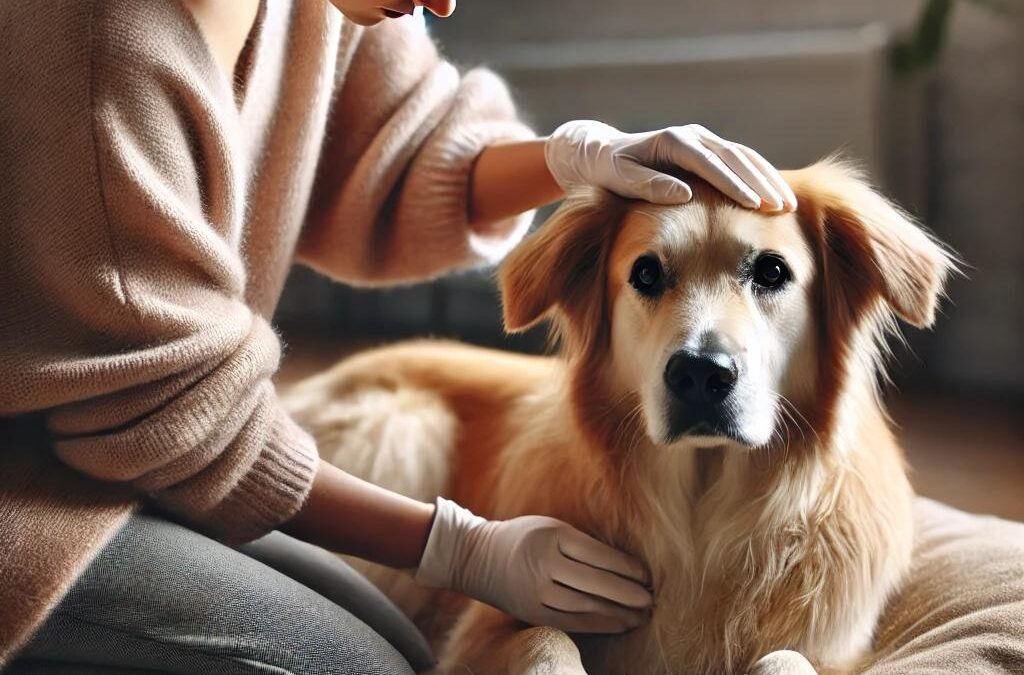
執筆者 TCMVET | 2024年9月11日 | 犬の癌と腫瘍
癌は犬の死亡原因の主要な要因の一つであり、フリント動物癌センターによると、50%の犬がこの病気で亡くなると報告されています。人間と同様に、早期発見は治療の成功率を高めるために重要です。多くの症状は他の病状によって引き起こされる可能性がありますが、早期に潜在的な警告サインを認識することが、犬の予後に大きな違いをもたらすことがあります。.
犬の癌の主な兆候と症状
ここでは、犬における癌の最も一般的な兆候のいくつかを紹介します。これらの症状のいずれかに気付いた場合は、深刻な病状を除外するために獣医の診察を受けることが重要です。.
1. 倒れることや虚弱
突然の虚弱、無気力、または倒れることは、癌を含む深刻な健康問題の兆候である可能性があります。大型犬は脾臓の腫瘍に特にかかりやすく、これらの症状を引き起こすことがあります。犬がすぐに回復したように見えても、すぐに獣医に診てもらうことが重要です。.
2. 異常な塊や腫れ
消えないまたは成長し続ける塊や腫れは、腫瘍の兆候である可能性があります。すべての塊が癌性であるわけではありませんが、悪性を除外するために異常な成長を検査してもらうことが重要です。.
3. 異常な分泌物
出血、嘔吐、下痢、または膿を含む異常な分泌物は、癌を含む基礎的な健康問題の指標である可能性があります。犬がこれらの症状を示した場合は、評価のために獣医に相談してください。.
4. 体重減少または食欲不振
突然の食べ物への興味の喪失と顕著な体重減少は、深刻な病気の兆候である可能性があります。犬の食欲が明らかな原因(食事やルーチンの変更など)なしに減少した場合は、獣医に相談する時です。.
5. 呼吸、排尿、排便、食事、または飲み込みの困難
呼吸、食事、またはトイレに行くといった日常的な機能が犬にとって挑戦となる場合、より深刻な健康問題を示している可能性があります。腫瘍は気道、消化管、または尿路を塞ぐことがあるため、これらの症状を無視してはいけません。.
6. 痛みや敏感さ
犬が触れられることに敏感になったり、足を引きずったり、身体活動を避けたりする場合、痛みを感じている可能性があります。関節の問題や関節炎が同様の症状を引き起こすことがありますが、癌が根本的な原因である可能性を調査する価値があります。.
これらの症状の多くは非癌性の状態に関連している可能性がありますが、犬の癌の早期発見は治療の成功にとって重要です。犬がこれらの兆候を示した場合は、ためらわずに獣医の注意を求めてください。定期的な健康診断と犬の健康に対する警戒を怠らないことが、すべての違いを生むことがあります。.

執筆者 TCMVET | 2024年9月11日 | 犬の癌と腫瘍
喫煙や受動喫煙が人間に有害であることは広く知られていますが、多くのペットオーナーは、これが彼らの毛むくじゃらや羽のある仲間に与える重大なリスクを認識していません。煙やその残留物にさらされたペットは、呼吸器の問題、皮膚や目の刺激、さらには癌を含むさまざまな健康問題のリスクがはるかに高くなります。受動喫煙の危険からペットを守ることは、人間の健康を守ることと同じくらい重要です。.
ペットに対する受動喫煙の影響
すべてのペット、犬だけでなく、受動喫煙の有害な影響にさらされています。ペットが煙を吸い込んだり、煙の残留物が毛や羽、周囲の表面に付着したりすると、彼らは数千の有害な化学物質にさらされます。この曝露は、彼らが自分自身を手入れしたり、喫煙者の肌を舐めたり、単に自宅の汚染された空気を吸ったりするたびに発生します。.
有害な残留物が環境に残る
喫煙に関するあまり知られていない事実の一つは、煙が消えた後でも、有害な残留物が衣服、カーペット、家具、ペットの毛や羽に残ることです。この粘着性のある油っぽい残留物には7,000以上の化学物質が含まれており、その一部は空気中に再放出されたり、ペットが摂取したりする可能性があります。つまり、喫煙家庭のペットは毎日危険な毒素にさらされているのです。.
犬と猫の健康リスク
異なるペットは、品種や曝露レベルに応じて異なる健康リスクに直面します。.
1. 犬
- 受動喫煙にさらされた犬は、煙のない環境にいる犬と比べて、肺癌や鼻癌を発症する可能性が2倍になります。.
- グレイハウンド、ボルゾイ、ドーベルマン・ピンシャーなどの長鼻種は、煙の粒子が鼻腔に閉じ込められるため、鼻癌を発症するリスクが高くなります。.
- パグ、ブルドッグ、ビーグル、ブリタニースパニエルなどの短鼻および中鼻種は、短い鼻腔のために肺癌のリスクが高く、より多くの煙が肺に到達します。.
2. 猫
- 喫煙環境にさらされた猫は、特に口腔癌やリンパ腫の診断を受ける可能性が3倍高くなります。このリスクの増加は、猫が頻繁に自分を手入れし、毛に沈着した煙の残留物を摂取するためです。.
受動喫煙からペットを守る
受動喫煙の有害な影響からペットを守る最良の方法は、煙のない環境を維持することです。喫煙する場合は、ペットから離れた屋外で行うことを検討し、彼らが過ごす場所での喫煙を避けてください。自宅、家具、ペットの寝具を定期的に掃除することも、有害な煙の残留物への曝露を最小限に抑えるのに役立ちます。これらのステップを踏むことで、愛するペットのためにより健康で安全な環境を確保できます。.

執筆者 TCMVET | 2024年9月10日 | 犬の癌と腫瘍
Weight gain in dogs is often attributed to overeating or lack of exercise, but when it’s paired with an enlarged abdomen, it could be a sign of something more serious. Abdominal tumors are a relatively common cause of rapid weight gain and bloating in dogs, and early detection is key to successful treatment. In this article, we’ll explore the potential causes behind an enlarged abdomen and weight gain in dogs, and why monitoring these changes is crucial for your pet’s health.
What Causes Weight Gain and an Enlarged Abdomen in Dogs?
Weight gain in dogs can happen for a variety of reasons, ranging from simple overeating to more serious underlying health issues. When you notice your dog’s belly becoming visibly larger and their weight increasing rapidly, it’s important to look deeper into the potential causes.
Some possible reasons include:
- Overeating and Lack of Exercise: The most common cause of weight gain is excessive calorie intake paired with insufficient physical activity. However, this typically leads to gradual weight gain rather than a rapid change in weight or belly size.
- Hypothyroidism: A condition where the thyroid gland does not produce enough hormones, leading to a slower metabolism. Dogs with hypothyroidism may gain weight quickly despite eating the same amount of food.
- Fluid Retention: Certain medical conditions can cause fluid to build up in your dog’s abdomen, leading to a bloated appearance. Heart disease, liver disease, or kidney failure can all cause fluid accumulation (ascites) in the abdominal cavity.
- Pregnancy: In unspayed female dogs, weight gain and an enlarged belly could be due to pregnancy.
- Abdominal Tumors: Perhaps the most concerning cause of a rapidly enlarging abdomen is an abdominal tumor. These tumors can grow quickly and cause your dog’s belly to swell. In some cases, the tumor itself increases your dog’s weight, even though they may be losing muscle mass elsewhere.
Abdominal Tumors and Cancer in Dogs
Abdominal tumors are one of the more serious causes of an enlarged belly in dogs. These tumors can form on the liver, spleen, kidneys, or other organs within the abdominal cavity. Some of the most common cancers that result in abdominal tumors include:
- 血管肉腫: A type of cancer that affects blood vessels and often develops on the spleen or liver.
- リンパ腫: A cancer of the lymphatic system that can cause swelling in the abdomen.
- Liver Tumors: Tumors in the liver can cause significant swelling and weight gain due to fluid retention or the growth of the tumor itself.
Abdominal tumors can lead to rapid weight gain due to fluid buildup or the mass of the tumor, and in some cases, they may cause discomfort, loss of appetite, and lethargy. Unfortunately, cancer is often not detected until the tumor has grown large enough to be visible, which is why it’s essential to monitor changes in your dog’s weight and belly size closely.
Other Symptoms to Watch For
In addition to weight gain and a swollen belly, there are other signs that may indicate a more serious issue like cancer:
- Lack of appetite: Despite gaining weight, your dog may seem uninterested in food.
- 無気力: A noticeable decrease in energy or unwillingness to exercise.
- Discomfort or pain: Your dog may seem uncomfortable when their belly is touched or show signs of pain when moving.
- 嘔吐または下痢: Digestive issues can also be a sign of tumors or other abdominal conditions.
獣医に相談するタイミング
If your dog is experiencing rapid weight gain, an enlarged abdomen, or any of the symptoms mentioned above, it’s crucial to seek veterinary care immediately. Your veterinarian will likely perform a physical examination, blood tests, and possibly imaging such as X-rays or ultrasounds to determine the cause of the weight gain and swelling.
Early detection is critical in managing abdominal tumors and other conditions, so don’t wait to address these changes in your dog’s health.
How to Help Your Dog
If your dog is diagnosed with an abdominal tumor or other serious condition, your veterinarian will discuss the available treatment options. These may include surgery, chemotherapy, or palliative care depending on the type and stage of the disease.
In the meantime, keep an eye on your dog’s diet and exercise levels. While cancer and other medical conditions may cause weight gain, maintaining a balanced diet and regular exercise routine is still important for overall health.
Weight gain paired with an enlarged abdomen in dogs is not something to take lightly, especially when it occurs rapidly. While many cases may be due to overeating or other less serious conditions, the possibility of abdominal tumors or cancer should not be ignored. Regular checkups and early intervention are key to ensuring your dog’s well-being and longevity. If you notice any sudden changes in your dog’s weight or belly size, make sure to consult your vet immediately.

執筆者 TCMVET | 2024年9月10日 | 犬の癌と腫瘍
As dogs age, it’s normal for them to slow down a bit. However, a sudden or noticeable decrease in your dog’s activity level could be a sign that something is wrong. One potential cause behind this lethargy is cancer, which can greatly affect a dog’s energy and overall well-being. Understanding the link between changes in activity levels and potential health issues is crucial for early diagnosis and treatment.
Sudden Lethargy: When to Be Concerned
Lethargy is often one of the first signs that something is wrong with your dog’s health. Dogs that are normally playful and energetic may suddenly become uninterested in exercise, walks, or playtime. While it’s true that older dogs tend to slow down naturally, a significant or rapid decline in energy levels isn’t something to ignore.
Here are some signs to watch for:
- Reduced interest in physical activities such as running, fetching, or playing.
- Sleeping more than usual or appearing tired even after mild exertion.
- Reluctance to go for walks or engage in their usual routines.
- Difficulty getting up or moving around, especially when there is no obvious injury.
These changes might not just be related to aging. In fact, if the lethargy comes on quickly or without a clear cause, it could be an indicator of a more serious issue, such as cancer.
Cancer and Its Impact on Activity Level
Cancer can cause a variety of symptoms in dogs, one of which is a marked change in their activity level. As cancer progresses, the disease may cause discomfort, fatigue, or even pain, making your dog less willing or able to move. Tumors, inflammation, and organ dysfunction can all contribute to decreased energy and a lack of interest in regular activities.
Dogs suffering from cancer may also exhibit other signs such as weight loss, loss of appetite, or unusual lumps. When these symptoms occur alongside lethargy, it’s important to consult a veterinarian for a thorough examination.
Other Causes of Lethargy in Dogs
While cancer is a serious concern, it’s important to remember that lethargy can also be caused by a range of other conditions. Some potential reasons include:
- Infections or illnesses such as viral or bacterial infections.
- Pain from arthritis or joint issues.
- Heart problems that reduce your dog’s stamina.
- Metabolic disorders such as hypothyroidism or diabetes.
- 消化器系の問題 that leave your dog feeling unwell.
Because lethargy is a symptom of many different health conditions, it’s essential to have your dog checked by a vet to determine the exact cause.
獣医を訪れるべき時
If you notice that your dog’s activity level has changed suddenly or dramatically, it’s time to consult with your veterinarian. The earlier you catch potential health issues, the better the chance for successful treatment, especially in the case of cancer.
Your vet will likely perform a physical exam, run diagnostic tests such as blood work, and possibly recommend imaging like X-rays or ultrasounds to determine the underlying cause of your dog’s lethargy. If cancer is detected, your vet will discuss the available treatment options, including surgery, chemotherapy, or palliative care, depending on the type and stage of the disease.
How to Support Your Dog
Whether your dog’s lethargy is due to cancer, aging, or another medical condition, there are ways you can help support their energy levels and overall well-being:
- Ensure a balanced diet that meets their nutritional needs.
- Keep them hydrated, as dehydration can exacerbate fatigue.
- Provide a comfortable resting space to help them recover their strength.
- Consult with your vet about appropriate supplements or medications to help manage pain or discomfort.
A sudden change in your dog’s activity level can be a red flag for underlying health issues, including cancer. While it’s natural for dogs to slow down as they age, an unexplained decrease in energy or lethargy warrants a trip to the vet. Early diagnosis and treatment are crucial for managing serious conditions, so keeping an eye on your dog’s behavior can help ensure their health and happiness.

執筆者 TCMVET | 2024年9月10日 | 犬の癌と腫瘍
チャガマッシュルームは、寒冷地の白樺の木に見られる特異な真菌で、癌を含むさまざまな健康問題に対する潜在的な自然療法として人気が高まっています。その粗く黒ずんだ外観は魅力的ではないかもしれませんが、その健康上の利点は人間と獣医療の両方で関心を呼んでいます。この奇妙なキノコは犬の癌に対する奇跡の治療法となるのでしょうか?
チャガマッシュルームとは?
チャガ(Inonotus obliquus)は、シベリア、アラスカ、カナダなどの北部地域の白樺の木に主に生育する寄生性の真菌です。特にロシアや東ヨーロッパでは、免疫系を強化し、炎症と戦い、全体的な健康をサポートする能力が評価され、何世紀にもわたって伝統医学で使用されてきました。.
抗酸化物質が豊富なチャガは、ポリサッカライド、ベータグルカン、トリテルペノイドなどの化合物を含んでおり、これらはその潜在的な治癒特性に寄与しています。人間において、チャガは免疫機能を高めるために使用され、抗癌特性についても調査されています。しかし、犬にはどのように作用するのでしょうか?
チャガマッシュルームと犬の癌
犬の癌は、どのペットオーナーにとっても壊滅的な診断です。化学療法や放射線治療などの従来の治療法は、しばしば重大な副作用を伴い、多くの犬の飼い主が代替療法や補完療法を求めることになります。ここでチャガマッシュルームが登場します。.
1. 免疫系の強化: チャガの主な利点の一つは、免疫系の機能を強化する能力です。チャガに含まれるベータグルカンは免疫反応を刺激し、体が癌細胞とより効果的に戦うのを助けます。癌治療を受けている犬にとって、より強い免疫系は回復をサポートし、全体的な健康を改善することができます。.
2. 抗炎症特性: 慢性的な炎症は、人間と動物の両方で癌の成長に関連しています。チャガの強力な抗炎症特性は、癌に関連する炎症を軽減し、犬の腫瘍の進行を遅らせる可能性があります。.
3. フリーラジカルと戦うための抗酸化物質: チャガは抗酸化物質が豊富で、特にスーパーオキシドジスムターゼ(SOD)が含まれており、フリーラジカルを中和するのに役立ちます。フリーラジカルは細胞を損傷し、癌の発生に寄与する可能性があるため、その影響を減少させることは犬の健康を守るかもしれません。.
チャガは犬にとって安全ですか?
チャガマッシュルームは犬の癌に対する自然療法としての可能性を示していますが、犬の食事にサプリメントを追加する前に獣医に相談することが重要です。犬はそれぞれユニークであり、ある犬に効果的なものが別の犬には適さない場合があります。特に、犬が化学療法や放射線治療を受けている場合は注意が必要です。.
犬用のチャガサプリメントは、粉末やチンキなどさまざまな形態で入手可能です。常に高品質の有機チャガから調達された製品を確認し、有害物質による汚染を避けてください。また、消化不良や肝臓への負担などの潜在的な副作用を防ぐために、用量の推奨を注意深く守ってください。.
犬にチャガを与える方法
獣医が犬の癌ケアプランの一部としてチャガを承認した場合、通常は食事に加えたり、チンキの形で投与したりすることができます。多くの犬の飼い主は、チャガを食事に取り入れた後、犬のエネルギーレベル、食欲、全体的な健康が改善されたと報告しています。.
チャガマッシュルームは魔法の万能薬ではありませんが、犬の癌に対する補完的な治療法として大きな可能性を秘めています。その免疫強化、抗炎症、抗酸化特性は、犬が癌の旅を支えるための有望な自然療法となります。しかし、常に獣医と密接に連携し、チャガがペットの特定のニーズに対して安全で適切であることを確認してください。.

執筆者 TCMVET | 2024年9月10日 | 犬の癌と腫瘍
犬を健康的な体重に保つことは、移動性や全体的な健康だけでなく、癌予防の重要な側面でもあります。研究によると、犬の肥満は癌のリスクを大幅に増加させ、主に過剰な体脂肪に関連する慢性炎症が原因です。バランスの取れた食事と定期的な運動を通じて理想的な体重を維持することで、犬の癌発症リスクを減らし、より長く健康的な生活を促進することができます。.
犬における肥満と癌の関連性
犬の過剰な体脂肪は、関節の問題から心臓病までの健康問題の連鎖を引き起こす可能性がありますが、あまり知られていないリスクの一つが癌です。発表された研究は 獣医学ジャーナル において、肥満と犬の特定のタイプの癌、特に乳腺腫瘍や膀胱癌の発生可能性の増加との相関関係を強調しています。過剰な脂肪組織によって引き起こされる慢性炎症が、このリスクの増加の主要な要因であると考えられています。炎症は異常な細胞が成長できる環境を作り出し、癌の発生の可能性を高めます。.
肥満または過体重の犬は、酸化ストレスやホルモンの不均衡が高く、これらは癌の形成に寄与します。肥満の影響を受けるインスリンやレプチンのようなホルモンは、細胞の成長と増殖に関与し、腫瘍形成につながる可能性があります。.
癌予防のための健康的な体重を維持する方法
良いニュースは、犬の体重を健康的な範囲内に保つことが、癌リスクを減少させ、全体的な健康を改善する効果的な方法であるということです。犬を健康でフィットに保つためのいくつかの重要な戦略を以下に示します:
- バランスの取れた食事: 獣医師と協力して、犬のニーズに合わせた食事を確立します。これには、適切なバランスのタンパク質、脂肪、炭水化物を提供する高品質で栄養価の高い食べ物が含まれるべきです。過剰な給餌を避け、体重増加を防ぐためにポーションコントロールに焦点を当てます。.
- 定期的な運動: 運動は健康的な体重を維持する上で重要な役割を果たします。犬が毎日身体活動を行うようにし、散歩や遊び、年齢やエネルギーレベルに適した他の運動形式を通じて行います。身体活動はカロリーを燃焼させ、代謝を改善し、過剰な脂肪の蓄積を減少させるのに役立ちます。.
- 体重と体調を監視する: 定期的に犬の体重と体調をチェックして、健康的な範囲内に留まっていることを確認します。獣医師は犬の体調スコア(BCS)を評価し、必要に応じて食事や運動ルーチンの調整を推奨するのを手伝ってくれます。.
- おやつとスナックを制限する: 犬におやつを与えることは魅力的ですが、特に犬が体重増加しやすい場合は制限することが重要です。健康的なおやつの選択肢を探すか、低カロリーの代替品としてニンジンなどの野菜を使用します。.
- 定期的な獣医の健康診断をスケジュールする: 定期的な獣医の訪問は、犬の全体的な健康と体重を監視するために不可欠です。獣医は犬の進捗を追跡し、必要に応じて食事や運動の変更を推奨するのを手伝ってくれます。.
癌予防を超えた健康的な体重を維持することの利点
癌のリスクを減少させるだけでなく、健康的な体重を維持することは、犬にとって他にも多くの健康上の利点を提供します:
- 関節の健康の改善: 健康的な体重を維持している犬は、関節や骨にかかる負担が少ないため、関節の問題(例えば関節炎)に悩まされる可能性が低くなります。.
- より良い心血管の健康: 体重管理は心臓の健康をサポートし、犬の心臓病や高血圧のリスクを減少させます。.
- 寿命の延長: 健康的な体重の犬は、過体重の犬よりも長生きする傾向があることが研究で示されています。犬を健康に保つことで、彼らの寿命を延ばすことができるでしょう。.
- エネルギーと生活の質の向上: 理想的な体重の犬は、よりエネルギッシュで全体的な生活の質が向上する傾向があります。彼らはより活動的で、敏捷性があり、余分な体重の負担なしに日常の活動を楽しむことができます。.
犬の体重を健康的な範囲内に維持することは、癌やその他の慢性的な健康問題のリスクを減少させる最も効果的な方法の一つです。バランスの取れた食事、定期的な運動、継続的な獣医ケアに焦点を当てることで、犬がより健康で幸せで長生きできるように手助けできます。今日あなたが取る積極的なステップは、将来の犬の健康に大きな影響を与える可能性があり、体重管理は癌予防の重要な要素となります。.
