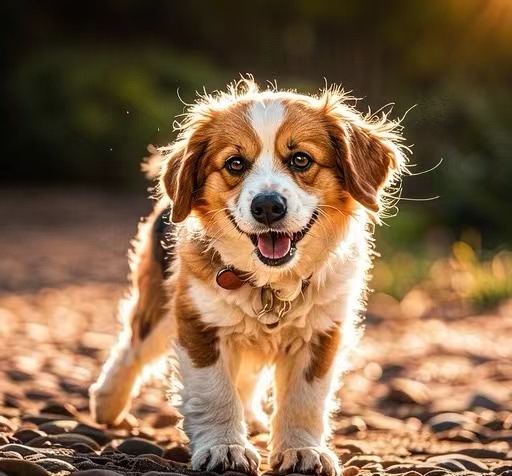
Non-Cancerous Lump on Dog: Identification and Care
As pet owners, discovering a lump on your dog can be alarming. However, it’s important to note that not all lumps are cancerous. In fact, many lumps on dogs are benign. Understanding the nature of these lumps and how to manage them can help you care for your pet better and reduce unnecessary anxiety.
Key Characteristics of Non-Cancerous Lumps
Non-cancerous lumps often have the following characteristics:
- Slow Growth: These lumps typically grow slowly, sometimes over months or even years before showing significant changes.
- Good Mobility: Benign lumps are usually soft and can move easily under the skin, rather than being fixed in one spot.
- Painless: Most benign lumps do not cause pain or discomfort to the dog unless they are located in a sensitive area.
- Regular Shape: These lumps generally have smooth and regular edges.
Common Types of Non-Cancerous Lumps
1. Lipomas
Lipomas are the most common type of non-cancerous lump, often found in older dogs. They are made up of fat cells, are soft to the touch, and can move easily. Lipomas typically do not cause pain or discomfort.
2. Sebaceous Cysts
Sebaceous cysts are small sacs filled with fluid or semi-solid material, formed from skin cells. These cysts are usually harmless but may require treatment if they rupture or become infected.
3. Scar Tissue
Scar tissue can form lumps following an injury. These lumps are generally harmless but should be monitored for any changes.
How to Handle Non-Cancerous Lumps
While non-cancerous lumps are typically harmless, regular monitoring and veterinary checks are essential to ensure they do not grow or change. Here are some tips on managing these lumps:
- 定期検診: Examine your dog’s skin monthly to look for new lumps or changes in existing ones.
- Keep Records: Document the size, shape, and location of any lumps to provide detailed information during vet visits.
- Consult Your Vet: If you find any lump, it’s best to consult your veterinarian. They may perform a fine needle aspiration or biopsy to determine the nature of the lump.
結論
Non-cancerous lumps on dogs are often harmless but require attention and care. By regularly checking your dog and consulting with your veterinarian, you can ensure your pet remains healthy and promptly address any issues. Remember, attention to detail and timely action are key to managing your pet’s health effectively.