
에 의해서 TCMVET | 2025년 2월 6일 | 개 암 및 종양
개의 비장 종양은 종종 “침묵의 살인자” 라고 불리며, 오랜 시간 동안 발견되지 않고 자라며, 의학적 응급 상황이 될 때까지 최소한의 증상을 나타냅니다. 많은 반려동물 주인들은 갑작스러운 내부 출혈이 발생할 때 비장 종양이 있다는 것을 깨닫습니다. 개의 비장 종양에 대한 위험, 징후 및 치료 옵션을 이해하는 것은 조기 발견 및 개입에 매우 중요합니다.
개의 비장 종양이란 무엇인가요?
비장은 혈액 여과, 면역 기능 및 철 재활용을 돕는 중요한 기관입니다. 비장에서 발생하는 종양은 양성(비암성) 또는 악성(암성). 일 수 있습니다. 개에서 가장 흔한 비장 종양의 유형은 다음과 같습니다:
- Hemangioma – 혈관으로 구성된 양성 종양입니다.
- 혈관육종(Hemangiosarcoma, HSA) – 혈관 세포에서 발생하며 다른 장기로 전이될 위험이 높은 매우 공격적인 암입니다.
- 림프종 – 림프계에 영향을 미치고 비장을 포함할 수 있는 암의 일종입니다.
- 비장 결절 과형성 – 비장이 비정상적인 결절을 형성하지만 여전히 파열되어 출혈을 일으킬 수 있는 비암성 상태입니다.
이 중에서, 혈관육종 가장 위험하며 비장 종양의 큰 비율을 차지합니다. 특히 골든 리트리버, 저먼 셰퍼드, 래브라도 리트리버와 같은 품종에서 흔합니다..
개의 비장 종양 증상
비장 종양의 조기 발견은 많은 개가 종양이 상당히 자라거나 파열될 때까지 무증상으로 남아 있기 때문에 어렵습니다. 주의해야 할 몇 가지 징후는 다음과 같습니다:
- 무기력함이나 쇠약함 – 당신의 개는 평소보다 피곤해 보이고 덜 활동적일 수 있습니다.
- 창백한 잇몸 – 내부 출혈로 인한 빈혈의 징후입니다.
- 갑작스러운 쓰러짐 – 종양이 파열되어 내부 출혈을 일으킬 경우 발생할 수 있습니다.
- 부풀어 오른 복부 – 부풀어 오른 배는 성장하는 종양이나 내부 출혈을 나타낼 수 있습니다.
- 식욕부진 및 체중감소 – 식사와 체중의 점진적인 감소.
- 빠른 호흡 또는 증가된 심박수 – 낮은 혈액량 또는 산소 부족의 징후입니다.
만약 당신의 개가 이러한 증상 중 하나라도 보인다면, 즉시 수의사의 진료를 받으세요, 특히 그들이 쓰러지거나 잇몸이 창백할 경우.
비장 종양은 어떻게 진단되나요?
수의사는 일반적으로 비장 종양을 진단하기 위해 다음 방법을 사용합니다:
- 신체 검사 – 부풀어 오른 복부나 빈혈의 징후를 확인합니다.
- 초음파 – 비장 내부의 덩어리를 시각화하는 데 도움이 됩니다.
- 엑스레이 – 비장이 커지거나 전이의 징후를 보여줄 수 있습니다.
- Blood Tests – 빈혈, 비정상적인 백혈구 수 및 장기 기능 변화 감지.
- 세침 흡인 또는 생검 – 종양이 양성인지 악성인지 판단하는 데 도움이 됩니다.
많은 경우, 확정적인 진단은 비장이 외과적으로 제거되고 검사된 후에만 이루어질 수 있습니다.
개 비장 종양에 대한 치료 옵션
1. 수술 (비장 절제술)
비장 종양이 발견되면 가장 일반적인 치료는 비장 절제술(비장 외과적 제거)입니다.. 개는 비장 없이 살 수 있지만, 종양이 악성인 경우 수술만으로는 암 진행을 멈추기에 충분하지 않은 경우가 많습니다.
2. Chemotherapy
18. 건강한 성인 영어 세터를 위해 혈관육종, 수술 후 암 확산을 늦추기 위해 화학요법이 권장될 수 있습니다. 그러나 예후는 여전히 좋지 않으며, 평균 생존 기간은 3개월에서 6개월입니다. 치료를 받더라도.
3. 자연 및 전체론적 지원
일부 애완동물 주인은 자연 요법을 탐색합니다. 개의 면역 체계와 삶의 질을 지원하기 위해. 잠재적인 옵션에는 다음이 포함됩니다:
- 약용 버섯(터키 테일 및 영지와 같은) – 면역 기능을 지원하는 데 도움이 될 수 있습니다.
- TCM(전통 중국 의학) 허브 – 일부 허브 혼합물은 바이투샤오, 종양 치료에 사용되어 왔습니다.
- 식이 변화 – 고단백, 항염증 식단이 전반적인 건강을 지원할 수 있습니다.
이러한 옵션은 15. 일부 개가 전통적인 치료나 완화 치료 중에 더 나아지도록 도울 수 있습니다., 웰빙을 향상시키고 질병 진행을 늦출 수 있습니다.
비장 종양을 예방할 수 있나요?
비장 종양을 예방할 수 있는 보장된 방법은 없지만, 반려동물 소유자는 위험을 줄이기 위한 조치를 취할 수 있습니다:
- 정기 수의사 검진 – 고위험 품종에서 정기적인 검사와 초음파를 통한 조기 발견.
- 발암 물질 노출 피하기 – 농약, 간접 흡연 및 저품질 반려동물 사료에 대한 노출을 줄입니다.
- 면역 건강 지원 – 항산화제가 포함된 균형 잡힌 식단이 세포 손상을 예방하는 데 도움이 될 수 있습니다.
마지막 생각들
개의 비장 종양은 심각한 건강 문제이며, 특히 혈관육종, 생명을 위협하는 상황이 될 때까지 종종 발견되지 않습니다. 정기적인 수의사 검진, 미세한 증상에 대한 인식, 그리고 개가 고통의 징후를 보일 경우 신속하게 행동하는 것이 중요한 차이를 만들 수 있습니다. 개가 비장 종양 진단을 받았다면, 반려동물의 삶의 질을 위한 최선의 조치를 결정하기 위해 수의사와 치료 옵션에 대해 논의하세요.
정보를 유지하고 적극적으로 대처함으로써, 반려동물 소유자는 이 어려운 시기에 개에게 가능한 최상의 돌봄과 지원을 제공할 수 있습니다.

에 의해서 TCMVET | 2025년 2월 6일 | 개 암 및 종양
Cancer is a growing concern for pet owners, especially those with multiple dogs. When a dog in the household is diagnosed with cancer, a common question arises: Is canine cancer contagious? Understanding the nature of cancer and how it spreads can help pet owners take appropriate precautions while providing the best care for their furry companions.
Is Cancer Contagious in Dogs?
The simple answer is no—most forms of cancer in dogs are not contagious. Unlike infectious diseases caused by viruses or bacteria, cancer is the uncontrolled growth of abnormal cells within an individual’s body. It does not spread from one dog to another through direct contact, shared food bowls, or proximity.
However, there are rare exceptions, such as transmissible venereal tumors (TVT), which can spread through direct contact, particularly during mating. TVT is one of the only naturally occurring transmissible cancers in dogs, and it mainly affects stray or unneutered dogs. Apart from this, conventional cancers such as lymphoma, osteosarcoma, and mast cell tumors cannot be transmitted between dogs.
Can Cancer Be Influenced by Environmental Factors?
While cancer itself is not contagious, dogs living in the same household may share common environmental risks that could contribute to cancer development. These include:
- Exposure to secondhand smoke – Dogs in smoking households have a higher risk of developing lung cancer and nasal tumors.
- Toxic chemicals – Pesticides, herbicides, and household cleaning products may increase the risk of cancer in pets.
- Diet and obesity – Poor diet and obesity-related inflammation can contribute to the development of cancer over time.
- Genetics – If multiple dogs in a household are from the same bloodline or breed, they may have a genetic predisposition to certain cancers.
What Should Multi-Dog Owners Do?
Even though cancer is not contagious, pet owners should take certain precautions to ensure the health and well-being of all their dogs:
1. Maintain a Healthy Environment
- Keep your home free of harmful toxins, including cigarette smoke and harsh chemicals.
- Avoid using pesticides and herbicides in areas where your dogs play.
2. Support a Nutritious Diet
- Feed all dogs a balanced, high-quality diet with fresh, natural ingredients.
- Consider supplements that support immune health, such as omega-3 fatty acids and antioxidants.
3. Monitor for Symptoms in Other Dogs
- Regularly check for lumps, swelling, weight loss, or behavioral changes.
- Schedule annual veterinary check-ups and routine cancer screenings, especially for senior dogs or breeds prone to cancer.
4. Provide Emotional Support
- If one dog is diagnosed with cancer, other dogs in the household may experience stress or behavioral changes.
- Maintain a stable routine and provide comfort to all pets in the home.
5. Consult a Veterinarian
- If you have concerns about cancer risks in your home, consult your vet for personalized advice on prevention and early detection.
결론
Canine cancer is not contagious, but shared environmental factors and genetic predispositions may influence cancer risks in multiple dogs within a household. By maintaining a healthy home, providing proper nutrition, and staying vigilant for symptoms, pet owners can help their dogs live longer, healthier lives. If one of your dogs is diagnosed with cancer, offering love, comfort, and appropriate medical care is the best way to support them while ensuring the well-being of your entire pack.
에 의해서 TCMVET | 1월 26, 2025 | 개 암 및 종양
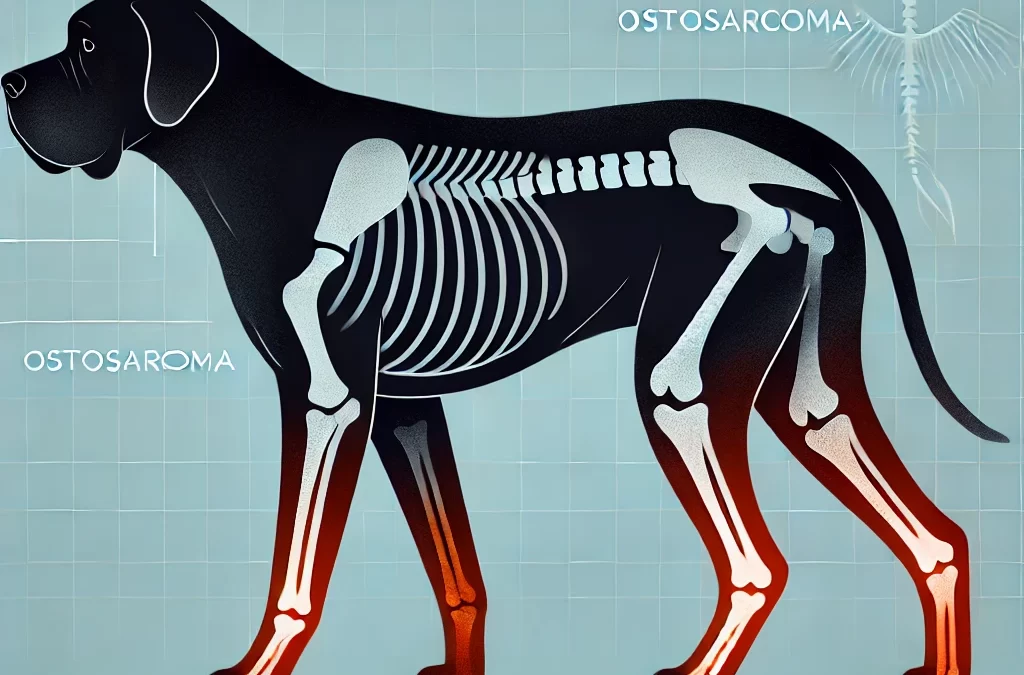
Osteosarcoma (OSA) is the most common primary bone cancer in dogs, and it disproportionately affects large and giant breeds. With its aggressive nature and rapid metastasis, this cancer presents a significant challenge for pet owners. However, understanding the risk factors and adopting preventive strategies can make a difference. This article explores why large dogs are more vulnerable to osteosarcoma and what proactive steps owners can take to minimize the risk.
Why Are Large and Giant Breeds More Susceptible to Osteosarcoma?
- Rapid Growth and Bone Development
Large and giant breed dogs grow quickly during their early months, putting stress on their bones. This rapid growth may lead to micro-damages in bone structures, creating a predisposition for cancerous mutations.
- 유전적 요인
Certain breeds have a genetic predisposition to osteosarcoma. Commonly affected breeds include:
- Great Dane
- Saint Bernard
- Irish Wolfhound
- 로트와일러
- Greyhound
- 래브라도 리트리버
- 골든 리트리버
- Limb Length and Bone Stress
Taller dogs with long limbs are more prone to bone stress. Osteosarcoma frequently occurs in weight-bearing bones like the radius, ulna, humerus, and femur.
- Hormonal Influence and Spaying/Neutering
Studies suggest that early spaying or neutering, particularly before skeletal maturity, may increase osteosarcoma risk. This is believed to be linked to the removal of sex hormones, which play a role in bone growth regulation.
- Chronic Inflammation and Bone Trauma
Repeated trauma, previous fractures, or orthopedic surgeries may increase cancer susceptibility in dogs, especially in breeds already predisposed to osteosarcoma.
How to Reduce the Risk of Osteosarcoma in Large Dogs
- Controlled Growth During Puppyhood
- Avoid high-calorie, rapid-growth diets that put excessive strain on developing bones.
- Feed large breed puppies specially formulated food that promotes steady, controlled growth.
- Balanced Diet with Antioxidants
- Incorporate foods rich in omega-3 fatty acids, turmeric, and antioxidants to combat inflammation and oxidative stress.
- A diet with controlled calcium and phosphorus levels supports bone health without overgrowth.
- Responsible Spaying and Neutering
- Consider delaying sterilization until the dog has reached skeletal maturity (typically around 18-24 months for large breeds).
- Discuss alternative sterilization options with a veterinarian to balance cancer risk with reproductive health.
- Regular Exercise Without Excessive Strain
- Low-impact activities like swimming and controlled walks help maintain bone and joint health.
- Avoid excessive jumping and repetitive high-impact activities, particularly in young dogs.
- Early Detection and Routine Checkups
- Regular veterinary screenings help detect subtle bone changes early.
- Owners should monitor for signs such as limping, swelling in limbs, persistent pain, or sudden difficulty in movement.
- Supplements for Bone Strength
- Glucosamine & Chondroitin: Supports joint and bone integrity.
- Vitamin D & K2: Helps with calcium absorption and bone density.
- Curcumin & Medicinal Mushrooms: Exhibits anti-inflammatory and potential anti-cancer properties.
- Avoidance of Environmental Toxins
- Reduce exposure to known carcinogens, including pesticides, tobacco smoke, and processed pet foods with artificial additives.
마지막 생각들
While large and giant breed dogs are at higher risk for osteosarcoma, preventative care can play a significant role in reducing this threat. A well-balanced diet, controlled exercise, responsible breeding, and regular health monitoring can help pet owners manage risks effectively. Being proactive not only improves a dog’s longevity but also enhances their overall quality of life. If you notice any signs of lameness or swelling, consult a veterinarian as early diagnosis is crucial for improving outcomes.
에 의해서 TCMVET | 1월 26, 2025 | 개 암 및 종양
Melanoma is one of the most concerning cancers in dogs, often appearing in the mouth, skin, nail beds, and even the eyes. While all dogs can develop melanoma, certain breeds are genetically predisposed due to their pigmentation, skin characteristics, and other biological factors. This article explores which dog breeds are more susceptible to melanoma, the role of environmental factors, and how pet owners can take preventive measures.
Why Are Some Breeds More Prone to Melanoma?
Melanoma arises from melanocytes, the pigment-producing cells in a dog’s body. The following factors contribute to an increased risk in certain breeds:
- 유전적 소인 – Some breeds inherit a higher likelihood of abnormal melanocyte growth.
- Pigmentation & coat color – Dogs with dark pigmentation, particularly black-coated breeds, are often more prone to oral melanoma. Conversely, lightly pigmented dogs are more susceptible to skin melanoma in sun-exposed areas.
- Environmental triggers – Prolonged sun exposure, immune system function, and even diet can influence the development of melanoma in dogs.
Breeds with Higher Risk of Melanoma
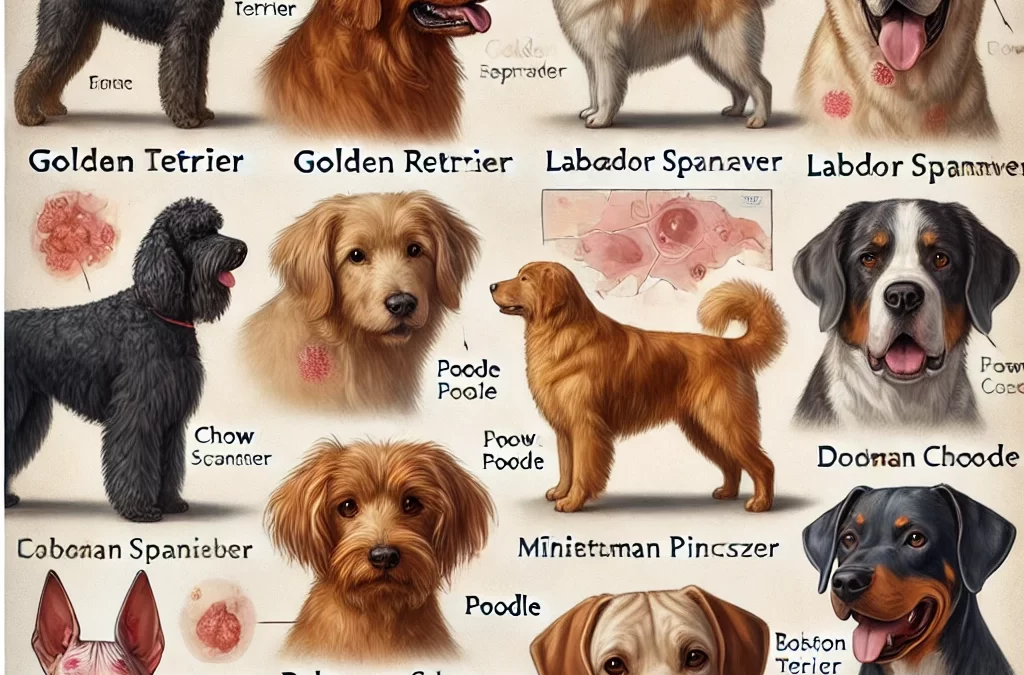
Research and veterinary case studies suggest that the following breeds have a higher risk of developing melanoma:
- Scottish Terrier – Often linked to skin melanoma, especially in sun-exposed areas.
- 골든 리트리버 – Prone to various cancers, including melanoma, particularly in their mouths.
- 래브라도 리트리버 – Increased cases of oral melanoma have been reported.
- Cocker Spaniel – Higher occurrence of melanoma, particularly in the eyes (ocular melanoma).
- 차우 차우 – Their dark pigmentation increases susceptibility to oral melanoma.
- Poodle – Miniature and standard Poodles have been diagnosed with nail bed melanoma.
- Dachshund – More likely to develop skin melanoma due to genetic factors.
- Doberman Pinscher – Higher incidence of oral and nail bed melanomas.
- Miniature Schnauzer – Prone to both skin and oral melanoma.
- Boston Terrier – Increased risk of skin melanoma, especially in lighter-colored individuals.
Environmental & Lifestyle Factors That Increase Risk
Even if a dog is not from a high-risk breed, external factors can still influence melanoma development:
- 일광 노출 – Dogs with lighter skin or thin fur are at risk of UV-induced skin melanoma.
- Oral hygiene – Poor dental care can contribute to inflammation, potentially increasing oral melanoma risks.
- 나이 – Older dogs are more prone to cellular mutations that lead to melanoma.
- Toxins & diet – Chemical exposure and a lack of antioxidants in a dog’s diet may play a role in cancer susceptibility.
Preventive Measures for Dog Owners
- Routine vet check-ups – Early detection is crucial, especially for high-risk breeds.
- Oral and skin examinations – Regularly check inside your dog’s mouth, paws, and skin for unusual growths.
- Sunscreen protection – Light-skinned dogs should avoid excessive sun exposure, and pet-safe sunscreen can help.
- A balanced diet – Antioxidants and omega-3 fatty acids can support immune function and reduce inflammation.
- Maintain oral health – Brushing your dog’s teeth and providing dental chews may lower oral melanoma risks.
마지막 생각들
While melanoma is an aggressive cancer, awareness of breed-specific risks and proactive care can help in early detection and prevention. Regular check-ups, a healthy diet, and vigilant monitoring can make a significant difference in a dog’s health. If you notice any unusual lumps, especially in your dog’s mouth, seek veterinary advice as soon as possible.

에 의해서 TCMVET | 1월 22, 2025 | 개 암 및 종양
As pet owners seek alternatives to conventional cancer treatments like surgery, chemotherapy, and radiation, 한의학(TCM) has emerged as a promising complementary approach for dogs with tumors. TCM views cancer as an imbalance in the body’s vital energy (기) and aims to restore harmony through herbal medicine, acupuncture, and dietary therapy. But how effective is it? And how can we integrate these treatments into a holistic cancer care plan for dogs?
This article challenges conventional views on canine cancer treatment by diving deep into the ancient wisdom of TCM, merging it with modern veterinary insights to offer a fresh perspective on natural healing.
1. Understanding Cancer in Dogs from a TCM Perspective
In Western medicine, cancer is seen as uncontrolled cell growth often triggered by genetic, environmental, or dietary factors. TCM, however, interprets tumors differently:
- Stagnation of Qi and Blood: Tumors form when energy and blood become blocked, preventing proper circulation.
- Accumulation of Dampness and Phlegm: Excessive moisture in the body can condense into masses.
- Kidney and Spleen Deficiency: Weak organ function can lead to toxin buildup, reducing the body’s ability to clear abnormal cells.
TCM treatment focuses on removing blockages, strengthening organ function, and boosting immunity rather than simply destroying cancer cells.
2. Herbal Medicine: A Natural Approach to Tumor Reduction
Chinese herbal formulas for cancer aim to shrink tumors, enhance immune function, and support organ health. Some commonly used herbs include:
- Baituxiao (白兔肖): Known for its ability to inhibit tumor growth, clear heat, and detoxify the body.
- Huang Qi (黄芪, Astragalus): Strengthens immunity and improves energy flow, often used alongside conventional treatments.
- Ban Zhi Lian (半枝莲, Scutellaria Barbata): Has anti-cancer properties and supports liver health.
- Ling Zhi (灵芝, Reishi Mushroom): A powerful adaptogen that enhances immune response and reduces inflammation.
- Dang Gui (当归, Angelica Sinensis): Promotes blood circulation and prevents Qi stagnation, commonly used for tumors involving the skin or muscles.
These herbs are often prescribed in formulas tailored to a dog’s specific constitution and tumor type, making personalized treatment essential.
3. Acupuncture: Pain Management and Healing Activation
Acupuncture is widely used in human cancer patients to relieve pain and improve well-being, and the same principles apply to dogs. This practice works by stimulating specific meridian points, which:
- Reduce inflammation and pain
- Boost circulation to help shrink tumors
- Support the immune system to slow cancer progression
- Improve digestion and energy levels in weakened dogs
Acupuncture sessions are non-invasive and well-tolerated by most dogs. Many pet owners notice improvements in their dog’s mobility, comfort, and appetite after treatment.
4. Dietary Therapy: Healing Through Food
Food is medicine in TCM, and dietary adjustments play a critical role in 암에 걸린 개를 지원. The goal is to reduce inflammation, nourish Qi, and prevent tumor growth through balanced nutrition.
추천 음식:
- Lean proteins: Duck, rabbit, and fish are preferred over red meat, which can be inflammatory.
- Anti-inflammatory vegetables: Carrots, broccoli, and mushrooms like shiitake and maitake.
- Healthy grains: Millet, quinoa, and barley, which strengthen the digestive system.
- Bone broth: Supports digestion and provides essential minerals.
Foods to Avoid:
- Processed foods with artificial additives
- Excessive fatty or greasy foods, which contribute to Dampness
- Sugary treats, as sugar is believed to feed tumor growth
A carefully tailored diet, combined with herbs and acupuncture, can help maintain energy levels and improve a dog’s overall resilience against cancer.
5. Integrating TCM with Conventional Treatments
While TCM offers powerful tools for managing canine tumors, it works best when combined with Western veterinary care. Many veterinarians now adopt an 통합적 접근, using TCM alongside surgery, radiation, or chemotherapy to:
- Reduce side effects of conventional treatments
- Strengthen the dog’s body against cancer recurrence
- Improve overall comfort and longevity
6. When to Consider TCM for a Dog with Cancer
TCM is particularly beneficial when:
- Surgery is not an option due to the tumor’s location or the dog’s age.
- The dog experiences severe side effects from chemotherapy or radiation.
- 목표는 완화 치료 to extend quality of life rather than cure the cancer.
Since every dog responds differently, working with a TCM-trained veterinarian ensures a safe and effective treatment plan.
A Holistic Future for Canine Cancer Care
Traditional Chinese Medicine provides a gentle yet powerful approach to treating canine tumors by addressing the root cause rather than just the symptoms. By incorporating herbal medicine, acupuncture, and dietary therapy, pet owners can enhance their dog’s well-being and offer a compassionate, natural path to healing.
Cancer treatment should not just focus on prolonging life but on improving the quality of each day. With the right balance of TCM and Western medicine, dogs can enjoy a more comfortable, fulfilling journey, even when facing a cancer diagnosis.

에 의해서 TCMVET | 1월 22, 2025 | 개 암 및 종양
Bone cancer, particularly 골육종, is one of the most aggressive cancers in dogs. It causes intense pain, often stemming from tumor growth, inflammation, and bone damage, and can lead to complications like fractures or metastasis to the lungs. For pet owners, the challenge lies in managing this pain while ensuring their dog’s life remains as fulfilling and comfortable as possible.
Here, we explore innovative approaches to pain relief and lifestyle enhancement for dogs with bone cancer, combining traditional treatments, natural remedies, and practical lifestyle adjustments.
Understanding Pain in Dogs with Bone Cancer
The pain associated with bone cancer comes from multiple sources:
- Tumor growth: The cancer cells invade healthy bone tissue, causing structural instability.
- Inflammation: The body’s response to cancer often triggers swelling and discomfort.
- Microfractures: As the bone weakens, even normal activity can result in painful fractures.
Recognizing the signs of pain is crucial. Dogs often exhibit:
- Limping or avoiding putting weight on an affected limb
- Restlessness, particularly at night
- Excessive licking or chewing of the affected area
- Loss of appetite and general lethargy
- Sensitivity or irritability when touched
Effective Pain Management Options
Managing pain is the cornerstone of care for dogs with bone cancer. Options include:
- Medications for Pain Relief
- Non-Steroidal Anti-Inflammatory Drugs (NSAIDs): These reduce inflammation and provide moderate pain relief.
- Opioids: Medications like tramadol or morphine are often prescribed for severe pain.
- Bisphosphonates: These drugs help reduce bone breakdown and may alleviate pain.
- Palliative Radiation Therapy
Radiation can shrink tumors and reduce inflammation, providing significant pain relief. It’s particularly effective when surgery is not an option.
- Amputation or Limb-Sparing Surgery
In some cases, removing the affected limb or performing surgery to stabilize the bone can drastically reduce pain and improve mobility.
- Integrative and Natural Therapies
- 침술: Proven to help manage chronic pain and improve overall comfort.
- CBD 오일: Cannabidiol can reduce pain and inflammation while promoting relaxation. Always consult your vet for appropriate dosing.
- Turmeric or Curcumin Supplements: These natural anti-inflammatories can complement conventional treatments.
삶의 질 향상
Pain management is just one part of the equation. To improve your dog’s daily life, consider:
- Adjusting Their Living Space
Provide soft bedding and ensure they have easy access to food, water, and outdoor areas. Consider ramps or non-slip rugs to make movement safer.
- 충격이 적은 운동
Gentle walks or swimming (if possible) can help maintain muscle strength and prevent stiffness. Monitor your dog closely to avoid overexertion.
- 영양지원
- High-protein diets can help maintain muscle mass.
- Anti-inflammatory foods like fish oil or omega-3 fatty acids can support joint and bone health.
- Avoid highly processed treats or kibble, as these may exacerbate inflammation.
- 정신적 자극
Keep your dog engaged with puzzles, gentle play, or interactive toys to support their emotional well-being.
When to Seek Help
It’s essential to regularly assess your dog’s condition with a veterinarian. Look out for signs that their pain may be worsening, such as persistent refusal to eat, increased lethargy, or vocalizations of discomfort. In advanced stages, discussing humane options like palliative care or euthanasia may become necessary.
A Holistic Approach to Care
By combining modern medicine with holistic and lifestyle interventions, you can significantly alleviate your dog’s pain while enhancing their overall quality of life. Every dog’s journey is unique, and with the right care, even dogs facing bone cancer can experience meaningful and joyful moments with their families.
Remember, your love and attentiveness make all the difference.
