
에 의해서 TCMVET | 2025년 1월 21일 | 개 암 및 종양
사랑하는 개가 종양 진단을 받으면 많은 반려동물 주인들이 어려운 질문에 직면합니다: 수술 없이 내 개는 얼마나 오래 살 수 있을까요? 그 대답은 간단하지 않으며, 생존 시간은 종양의 종류, 크기, 위치 및 전반적인 건강 상태 등 여러 요인에 따라 달라집니다. 이 기사에서는 다양한 종양 유형, 대체 치료 접근법 및 수술 개입 없이 개의 삶의 질을 향상시키는 방법을 탐구합니다.
1. 종양 유형 및 예후 이해하기
모든 종양이 생명을 위협하는 것은 아닙니다. 일부는 천천히 성장하고 거의 해를 끼치지 않지만, 다른 일부는 주변 조직을 빠르게 침범할 수 있습니다. 주요 범주는 다음과 같습니다:
- 양성 종양: 일반적으로 느리게 성장하고 비침습적입니다. 예를 들어 지방종(지방 종양)과 양성 유선 종양이 있습니다. 양성 종양이 있는 개는 종종 수술 없이 정상적인 수명을 살 수 있습니다.
- 악성 종양: 이러한 종양은 공격적이며 다른 장기로 전이될 수 있습니다(전이). 예를 들어 골육종(뼈암), 혈관육종(혈관암) 및 비만세포종양이 있습니다. 치료 없이 생존 기대 수명은 암의 단계에 따라 몇 주에서 몇 달까지 다양할 수 있습니다.
- 국소 종양: 일부 피부 종양과 같이 한 영역에 국한된 종양은 수명에 큰 영향을 미치지 않을 수 있지만 시간이 지남에 따라 불편함이나 합병증을 유발할 수 있습니다.
2. 생존 시간에 영향을 미치는 요인
개가 수술 없이 종양과 함께 얼마나 오래 살 수 있는지는 여러 요인에 따라 결정됩니다:
- 종양 성장 속도: 혈관육종과 같은 빠르게 성장하는 종양은 몇 달 내에 생명을 위협할 수 있지만, 느리게 성장하는 종양은 심각한 문제를 일으키는 데 몇 년이 걸릴 수 있습니다.
- 종양 위치: 간, 폐 또는 뇌와 같은 중요한 장기에 있는 종양은 피부나 연조직에 있는 종양보다 훨씬 빠르게 심각한 증상을 유발할 수 있습니다.
- 전이: 암이 신체의 다른 부분으로 전이된 경우 생존 시간은 일반적으로 짧습니다.
- 일반 건강: 면역 체계가 강하고 전반적인 건강이 좋은 개는 기저 질환이 있는 개보다 종양을 더 잘 견딜 수 있습니다.
3. 대체 및 보조 요법
수술을 피하기로 선택한 사람들을 위해 증상을 관리하고 종양 진행을 늦출 수 있는 대체 치료법이 있습니다:
- 전체론적 및 허브 요법: 강황, 황기, 약용 버섯(영지, 칠면조 꼬리)과 같은 일부 허브는 면역 기능을 지원하고 염증을 줄이는 데 도움이 될 수 있습니다.
- 식이요법 조정: 저탄수화물 고지방 식단은 암세포 성장 속도를 늦추는 데 도움이 될 수 있으며, 암은 포도당에서 번성합니다.
- CBD 오일 및 자연 통증 완화: 많은 반려동물 주인들은 CBD 오일이 염증을 줄이고, 통증을 관리하며, 전반적인 웰빙을 개선하는 데 도움이 된다고 보고합니다.
- 침술 및 물리 치료: 이러한 치료는 이동성을 유지하고, 불편함을 줄이며, 개의 삶의 질을 향상시키는 데 도움이 될 수 있습니다.
4. 삶의 질 모니터링
수술이 옵션이 아닐 경우, 편안함과 삶의 질에 집중하는 것이 필수적입니다. 상태가 악화되고 있음을 나타내는 징후는 다음과 같습니다:
- Loss of Appetite: 음식을 거부하거나 급격히 체중이 줄어드는 개는 추가적인 지원 치료가 필요할 수 있습니다.
- Difficulty Breathing: 폐에 영향을 미치거나 기도를 압박하는 종양은 호흡을 어렵게 만들 수 있습니다.
- Persistent Pain or Discomfort: 통증 완화제가 더 이상 효과가 없다면, 수의사와 함께 완화 치료나 안락사에 대해 논의할 때일 수 있습니다.
- 무기력 및 고립: 개가 더 이상 활동을 즐기지 않거나 상호작용에서 물러나면, 이는 건강이 악화되고 있음을 나타낼 수 있습니다.
5. 어려운 결정을 내릴 때
일부 개는 종양이 있는 상태에서 몇 달 또는 몇 년을 살 수 있지만, 다른 개는 빠른 악화를 경험할 수 있습니다. 언제 개입하거나 인도적인 안락사가 가장 친절한 선택인지 평가하는 데 신뢰할 수 있는 수의사와 상담하는 것이 중요합니다.
결론
종양이 있는 개의 기대 수명은 여러 요인에 따라 다르지만, 적절한 치료를 받으면 많은 개가 수술 없이도 편안하게 계속 살 수 있습니다. 통증 관리, 식이 지원 및 전체론적 치료를 제공함으로써 반려동물 부모는 개가 가능한 한 많은 질 높은 시간을 즐길 수 있도록 할 수 있습니다. 핵심은 변화를 면밀히 모니터링하고 필요할 때 공격적인 개입보다 편안함을 우선시하는 것입니다.

에 의해서 TCMVET | 2025년 1월 21일 | 개 암 및 종양
사랑하는 개가 말기 암과 싸우는 모습을 지켜보는 것은 감정적이고 가슴 아픈 여정입니다. 치료가 불가능할 수 있지만, 그들의 편안함을 향상시키고, 통증을 완화하며, 남은 삶의 질을 개선할 수 있는 방법이 있습니다. 이 기사는 말기 암에 걸린 개를 지원하기 위한 실용적이고, 자비로운, 심지어 대체적인 접근 방식을 탐구합니다.
1. 통증 관리의 우선순위
통증 완화는 말기 암 치료의 초석입니다. 전통적인 통증 관리 옵션에는 다음이 포함됩니다:
- 처방 통증 약물 – NSAIDs(비스테로이드성 항염증제)와 오피오이드(예: 트라마돌)는 통증을 효과적으로 관리하는 데 도움을 줍니다.
- 보조 요법 – 신경통에 대한 가바펜틴과 NMDA 길항제로서의 아만타딘은 다른 진통제와 결합할 때 편안함을 개선할 수 있습니다.
- CBD 오일 및 허브 요법 – 많은 반려동물 주인들이 염증과 통증을 자연스럽게 줄이기 위해 풀 스펙트럼 CBD 오일, 강황, 보스웰리아를 찾습니다.
2. 활력을 강화하기 위한 영양 지원
암 지원을 위해 맞춤화된 식단은 진행 속도를 늦추고 전반적인 웰빙을 개선할 수 있습니다. 고려해 보세요:
- 고품질 단백질 – 기름기 없는 육류와 생선은 근육 유지를 위한 필수 아미노산을 제공합니다.
- 건강한 지방 – 생선 기름의 오메가-3 지방산은 염증을 줄이는 데 도움을 주며 종양 성장 속도를 늦출 수 있습니다.
- 저탄수화물, 고섬유질 식단 – 암 세포는 설탕에서 번성하므로 탄수화물 섭취를 줄이는 것이 진행 속도를 늦추는 데 도움이 될 수 있습니다.
- 천연 보충제 – 칠면조 꼬리와 영지와 같은 약용 버섯, 그리고 황기와 같은 중국 허브는 면역 지원을 제공할 수 있습니다.
3. 편안함과 이동성을 위한 전체론적 요법
약물과 식단을 넘어, 전체론적 치료는 추가적인 완화를 제공할 수 있습니다:
- 침술 – 통증을 줄이고, 이동성을 개선하며, 에너지 균형을 자극하는 데 도움을 줍니다.
- 마사지 테라피 – 부드러운 마사지는 혈액 순환을 개선하고 경직을 완화합니다.
- 수치료 – 따뜻한 물 치료는 관절 압력을 완화하고 부드러운 운동을 촉진합니다.
- 에너지 치유 및 레이키 – 일부 애완동물 주인은 이완과 스트레스 완화를 위해 에너지 치유를 탐색합니다.
4. 편안한 환경 만들기
개의 생활 공간을 조정하면 큰 차이를 만들 수 있습니다:
- 부드러운 침대 및 정형외과 지지대 – 메모리 폼 침대는 압력 궤양과 관절 통증을 줄여줍니다.
- 온도 조절 – 나이가 많고 아픈 개는 온도 조절에 어려움을 겪으므로 겨울에는 따뜻하게, 여름에는 시원하게 유지하는 것이 필수적입니다.
- 스트레스 최소화 – 익숙한 향기가 있는 조용하고 차분한 환경은 불안과 통증을 완화하는 데 도움이 될 수 있습니다.
5. 소화 문제 및 수분 관리
암은 메스꺼움, 설사 및 식욕 감소를 초래할 수 있습니다. 이러한 증상을 해결하면 웰빙이 향상됩니다:
- Appetite Stimulants – 미르타자핀과 같은 약물은 식사를 장려할 수 있습니다.
- 수제 뼈 육수 – 위에 부드럽고, 영양소가 풍부하며, 수분을 공급합니다.
- 프로바이오틱스 및 소화 효소 – 장 건강을 지원하고 소화를 돕습니다.
- 자주 수분 공급 – 충분한 수분 섭취를 보장하면 탈수를 예방하고 신장 기능을 지원합니다.
6. 정서적 지원 및 유대감 형성 순간
당신의 존재는 개가 마지막 단계에서 가장 큰 위안 중 하나입니다. 함께 시간을 보내세요:
- 좋아하는 활동에 참여하세요 – 짧은 산책, 자동차 여행, 또는 조용한 포옹 세션이 기쁨을 가져올 수 있습니다.
- 당신의 개와 이야기하세요 – 당신의 목소리 소리는 안심과 진정 효과가 있습니다.
- 두려움 없이 존재하세요 – 개는 감정을 느끼므로 평화롭고 사랑스러운 에너지를 유지하는 것이 그들이 안전하다고 느끼도록 도와줍니다.
7. 작별 인사를 해야 할 때 알기
가장 어려운 결정 중 하나는 안락사가 가장 자비로운 선택인지 판단하는 것입니다. 고려하세요:
- HHHHHMM 척도 – 앨리스 비야라보스 박사가 개발한 이 삶의 질 평가 척도는 아픔, 배고픔, 수분, 위생, 행복, 이동성, 그리고 나쁜 날보다 좋은 날이 더 많은지를 측정합니다.
- 수의사 호스피스 및 가정에서의 안락사 – 많은 수의사들이 익숙한 환경에서 평화로운 전환을 허용하기 위해 가정 서비스를 제공합니다.
- 당신의 개의 말을 들어주세요 – 태도 변화, 약물에도 불구하고 지속적인 통증, 또는 식욕의 완전한 상실은 시간이 되었음을 나타낼 수 있습니다.
결론
말기 암에 걸린 개를 돌보는 것은 사랑, 헌신, 그리고 연민으로 가득 찬 깊은 경험입니다. 통증 관리, 영양 지원, 전체론적 치료, 그리고 정서적 웰빙에 집중함으로써 반려동물 부모는 개의 남은 날들이 편안함과 존엄으로 가득 차도록 할 수 있습니다. 완화 치료를 선택하든 결국 작별 인사를 해야 하는 어려운 결정을 내리든 목표는 동일합니다: 유대감을 존중하고 가능한 최고의 삶의 질을 제공하는 것입니다.
에 의해서 TCMVET | 1월 20, 2025 | 개 암 및 종양
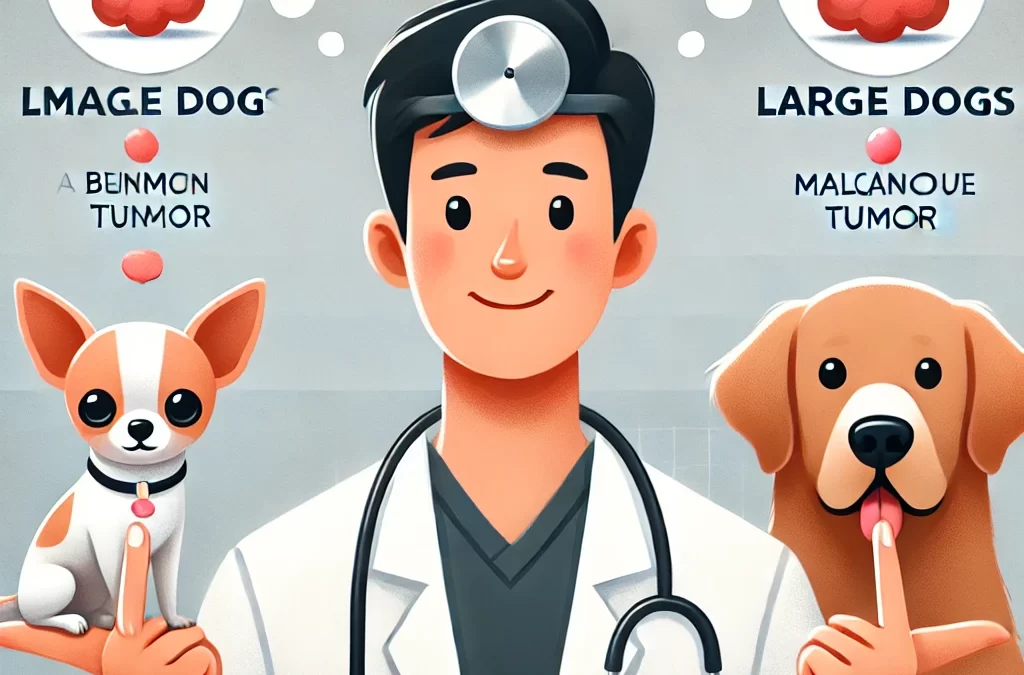
When it comes to cancer and tumor development in dogs, size matters—literally. Small and large breeds have different genetic predispositions, metabolic rates, and immune responses, all of which contribute to variations in how tumors develop, progress, and respond to treatment. If you’re a pet parent concerned about your dog’s health, understanding these differences can help you make informed decisions about prevention, early detection, and treatment.
1. The Genetic Factor: Breed-Specific Tumor Risks
Some cancers are more common in certain breeds, and a dog’s size often plays a role in this predisposition.
- Large Breeds: Dogs like Golden Retrievers, Great Danes, and Rottweilers are more likely to develop osteosarcoma (bone cancer), hemangiosarcoma (blood vessel cancer), and lymphoma. These cancers tend to be aggressive and often metastasize quickly.
- Small Breeds: Breeds like Poodles, Dachshunds, and Chihuahuas are more prone to benign tumors such as lipomas and papillomas, but they can also develop mammary tumors and bladder cancer.
The difference is not just in the type of tumors but also in how these cancers behave and respond to treatment.
2. Tumor Growth Rate and Behavior
Tumor progression varies significantly between small and large dogs due to differences in growth rates and cell metabolism.
- Faster Growth in Large Dogs: Larger breeds grow rapidly as puppies, and this rapid cell division may contribute to a higher risk of developing malignant tumors later in life. Their tumors also tend to be more aggressive.
- Slower Growth in Small Dogs: While tumors in small breeds may develop more slowly, they are still a concern. 양성 종양 like lipomas are common but may interfere with mobility if they grow too large. Additionally, small dogs can still develop malignant tumors, such as 비만 세포 종양, which can spread if left untreated.
3. Life Expectancy and Tumor Onset
Large dogs tend to have shorter lifespans than small dogs, and this impacts tumor development timelines.
- Early-Onset Cancers in Large Dogs: Since large breeds age faster, they are more likely to develop cancer at a younger age—often between 6 to 8 years old. This means owners should begin cancer screenings and preventive care early.
- Later-Onset Tumors in Small Dogs: Small breeds may not show signs of cancer until their senior years (10+ years old), which means long-term monitoring is essential.
Understanding these timelines can help pet owners schedule vet checkups at the right time to catch potential tumors early.
4. Diagnosis and Treatment Challenges
When diagnosing and treating tumors, size plays a role in both detection and the ability to perform procedures.
- Surgical Considerations: Large dogs can better tolerate some surgeries due to their larger body mass, but removing tumors in weight-bearing bones (like with osteosarcoma) can be challenging. Small dogs, on the other hand, may struggle with anesthesia risks, especially if they are very tiny.
- Chemotherapy and Medication Differences: Dosing for chemotherapy is weight-dependent, and larger dogs often require higher drug doses, increasing treatment costs. Small dogs, despite needing lower doses, may experience stronger side effects due to their delicate systems.
5. Prevention and Early Detection Strategies
Regardless of size, early detection is crucial. Here’s what dog owners can do:
- Routine Veterinary Checkups: Regular exams help catch tumors before they grow too large.
- Physical Checks at Home: Running your hands over your dog’s body weekly can help detect unusual lumps.
- Breed-Specific Cancer Screenings: Large breeds should have early X-rays and ultrasounds, while small breeds may benefit from skin and bladder screenings.
- 다이어트 및 생활 방식 조정: A balanced diet, regular exercise, and weight management can help support overall health and potentially reduce cancer risks.
마지막 생각들
While tumors affect both small and large dogs, their differences in genetics, tumor behavior, and treatment options mean pet owners need tailored care strategies. Large dogs are more prone to aggressive cancers at younger ages, while small dogs may develop slower-growing tumors later in life. By understanding these distinctions and prioritizing early detection, dog owners can improve their pets’ quality of life and potentially extend their time together.
에 의해서 TCMVET | 1월 20, 2025 | 개 암 및 종양
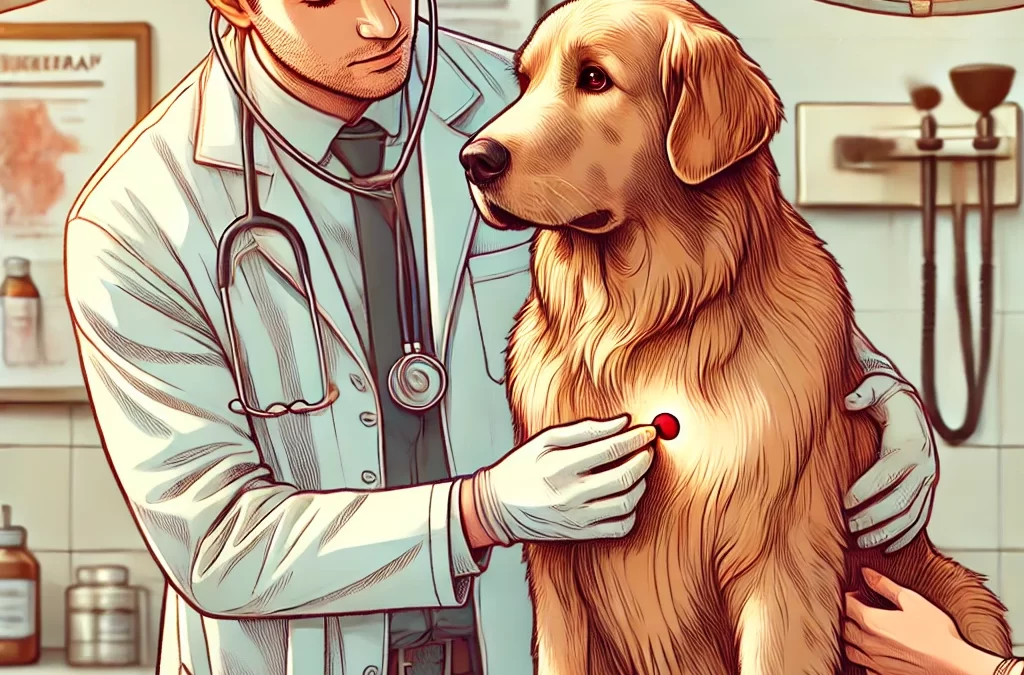
Picture this: You’ve just given your dog a much-deserved belly rub after a fun-filled walk. Suddenly, your fingertips brush against a small bump you’ve never noticed before. Cue the suspenseful music—Has an alien invader (read: malignant tumor) set up camp, or is it just a harmless squatter (benign growth) chilling under your dog’s skin? Before you sound the alarm or shrug it off, let’s shed some light on how to decode these mysterious new tenants in your furry friend’s body.
1. “Growth CSI”: Forensic Clues That Matter
Think of yourself as the detective in a high-stakes crime drama. Your job is to gather all the evidence:
- Texture and Mobility: Malignant tumors often feel irregular and may adhere to surrounding tissues, while benign lumps tend to be smoother and more mobile.
- Rate of Growth: Is that bump rapidly inflating like a balloon, or has it remained the same size over weeks or months? Faster growth can point to malignancy.
- Associated Symptoms: Changes in appetite, lethargy, weight loss, or localized pain might be extra red flags that require immediate attention.
The key takeaway? Don’t jump to conclusions just from how the lump feels. But do keep your “detective notebook” updated with observations.
2. Scientific Intel: Diagnostic Tests Reveal the Truth
Just like any good thriller, you’ll need a qualified partner to crack the case. In this episode, it’s your trusted veterinarian, armed with high-tech tools and a keen eye for detail:
- 미세 바늘 흡인(FNA): A quick, minimally invasive test that can provide immediate cellular clues. Think of it as collecting “fingerprints” of the lump’s identity.
- 생검: Sometimes, a closer look is needed—like analyzing a suspect’s DNA. A biopsy offers a deeper dive into the tissue’s structure and cell behavior.
- 영상 도구: X-rays, ultrasounds, or MRIs act as the detective’s magnifying glass, spotting hidden clues about the growth’s boundaries and potential spread.
3. Tumor or Benign Growth? Understanding the Verdict
After collecting evidence and running tests, the verdict will be in. Malignant tumors—our “alien invaders”—carry the risk of infiltration and metastasis. This often calls for prompt, sometimes aggressive, treatment, which may include surgery, chemotherapy, or radiation. Benign growths—our “harmless squatters”—generally grow slowly and stay confined, but that doesn’t mean you can always ignore them. Some benign masses can still press on vital organs or become ulcerated over time, necessitating removal or periodic monitoring.
4. Crafting a Treatment Masterplan
Whether the diagnosis is a harmless squatter or a confirmed alien invader, having a solid game plan is non-negotiable:
- 외과적 제거: Often the first line of defense—like evicting a bad tenant.
- Medications & Therapies: Chemotherapy, targeted therapy, or immunotherapy can tip the scales in your dog’s favor if the tumor is malignant.
- 라이프 스타일 조정: From specialized diets to gentle exercise routines, holistic support helps your dog feel their best throughout treatment.
- 지속적인 모니터링: Think of this as your perimeter patrol to ensure no suspicious lumps return or appear elsewhere.
5. Celebrating the Wins and Sharing the Journey
Finding a new lump can be a scary twist in your beloved pet’s story. Yet remember: not every bump is a doom-and-gloom scenario. Armed with vigilance and a proactive approach, you can turn this “alien vs. squatter” mystery into a manageable subplot in your dog’s life adventure. Share updates with your vet, celebrate small victories (a stable lump, successful surgery, good energy levels), and cherish each tail wag along the way.
Because at the end of the day, every detective story worth telling concludes with hope—and maybe a few extra treats for the world’s best sidekick, your dog.

에 의해서 TCMVET | 1월 18, 2025 | 개 암 및 종양
Cancer in dogs is a formidable challenge, often diagnosed too late for effective intervention. Traditional diagnostic tools such as biopsies and imaging have their limitations—they can be invasive, costly, or incapable of detecting tumors at early stages. Enter tumor biomarkers: molecular signatures found in blood, urine, or tissue that offer a game-changing approach to canine oncology. With advancements in veterinary medicine paralleling breakthroughs in human oncology, the race is on to develop reliable, non-invasive biomarkers for early detection, real-time monitoring, and personalized treatment strategies.
1. What Are Tumor Biomarkers, and Why Do They Matter?
Tumor biomarkers are measurable biological substances that indicate the presence, progression, or response to treatment of cancer. These can be:
- Proteins and Enzymes: Elevated levels of specific proteins, such as C-reactive protein (CRP) or thymidine kinase 1 (TK1), may indicate malignancies.
- Circulating Tumor DNA (ctDNA): Fragments of tumor-derived DNA found in the bloodstream offer insights into genetic mutations and tumor burden.
- Exosomes and MicroRNAs (miRNAs): Tiny extracellular vesicles and non-coding RNAs are emerging as promising tools for cancer detection and prognosis.
The ability to detect cancer before it becomes clinically evident could drastically improve treatment outcomes and quality of life for dogs.
2. The Biomarker Revolution: From Concept to Clinical Application
2.1. Early Detection: The Ultimate Game-Changer
Early-stage cancer is often asymptomatic, making routine screening a challenge. Biomarkers can fill this gap by identifying malignancies long before symptoms appear.
- Canine-Specific CRP and TK1: Elevated levels have been linked to lymphoma, hemangiosarcoma, and mast cell tumors.
- Serum microRNAs: Certain miRNA profiles correlate strongly with osteosarcoma and mammary tumors, paving the way for routine blood tests to detect high-risk cases.
2.2. Prognostic Insights: Predicting Outcomes with Precision
Not all tumors behave the same way. Biomarkers help veterinarians differentiate between aggressive cancers and slow-growing neoplasms, allowing for tailored treatment strategies.
- Ki-67 and PCNA (Proliferation Markers): High expression levels suggest rapid tumor growth and a poorer prognosis.
- LDH (Lactate Dehydrogenase): Elevated LDH levels often indicate metastasis in hemangiosarcoma, guiding treatment intensity.
2.3. Therapeutic Monitoring: Real-Time Treatment Adjustments
Biomarkers allow for non-invasive tracking of tumor response, enabling veterinarians to tweak treatments dynamically.
- Circulating Tumor DNA (ctDNA): Monitoring ctDNA levels can indicate how well a dog is responding to chemotherapy or radiation.
- Exosome Profiling: Changes in exosomal cargo composition post-treatment provide clues about residual disease and relapse risk.
3. Cutting-Edge Technologies Shaping the Future of Canine Oncology
3.1. Artificial Intelligence (AI) Meets Biomarkers
AI-powered diagnostic tools are now being trained to analyze biomarker patterns, offering near-instant, highly accurate assessments. Imagine an AI-driven blood test that predicts cancer risk before clinical signs emerge!
3.2. Liquid Biopsy: The End of Invasive Diagnostics?
Liquid biopsy, which detects ctDNA and exosomal markers, is poised to revolutionize cancer diagnostics. Unlike traditional biopsies, it offers a minimally invasive, real-time snapshot of tumor evolution.
3.3. Personalized Medicine for Dogs
As biomarker research advances, veterinarians may soon have access to biomarker-driven decision-making, selecting the best chemotherapy, immunotherapy, or targeted treatments based on a dog’s unique tumor profile.
4. Challenges and Ethical Considerations
Despite its promise, biomarker-based diagnostics face hurdles:
- Standardization Issues: Biomarker levels can vary due to breed, age, and concurrent diseases.
- Cost vs. Accessibility: Advanced biomarker tests are still expensive and not widely available.
- False Positives and Negatives: No biomarker test is 100% foolproof—further refinement is needed to ensure reliability.
5. Conclusion: The Dawn of a New Era in Canine Cancer Care
Tumor biomarkers are no longer just theoretical tools—they are rapidly becoming integral to canine cancer diagnosis, prognosis, and treatment. By embracing this molecular revolution, veterinary medicine is stepping into a future where cancer is detected earlier, treated more precisely, and monitored with unprecedented accuracy.
As technology evolves, the dream of a simple blood test that screens for multiple canine cancers could soon be a reality, giving dogs and their owners the precious gift of more time and better quality of life.

에 의해서 TCMVET | 1월 18, 2025 | 개 암 및 종양
The world of veterinary oncology is witnessing a dramatic shift as cutting-edge technology and visionary research converge to transform our approach to canine brain tumors. While conventional diagnostic methods and traditional treatment modalities have long guided practitioners, a new era of innovation promises to redefine clinical outcomes and enhance our understanding of these complex conditions. Below, we explore how state-of-the-art diagnostic tools, artificial intelligence, and the growing influence of stereotactic radiosurgery (SRS) are pushing the boundaries of canine neuro-oncology.
- From Symptoms to Suspicion: The Evolving Diagnostic Landscape
1.1. Recognizing the Unusual
Historically, detecting canine brain tumors hinged on recognizing subtle neurological signs—such as persistent head tilt, ataxia, and changes in behavior or appetite. While these red flags remain crucial, advanced imaging and data analytics are offering a more nuanced perspective. Practitioners are now better able to differentiate between inflammatory conditions, infections, and neoplasms thanks to high-resolution imaging and refined diagnostic algorithms.
1.2. The Rise of Advanced Imaging
• High-Field MRI: Considered the gold standard for visualizing intracranial lesions, high-field MRI provides detailed images of soft tissue and lesion boundaries. The latest MRI sequences, including functional MRI (fMRI) and diffusion tensor imaging (DTI), can delve deeper into tumor biology, revealing microstructural changes before macroscopic abnormalities appear.
• Magnetic Resonance Spectroscopy (MRS): MRS offers molecular-level insights by assessing metabolic changes within the tumor. Elevated choline and lactate peaks, for instance, can serve as early warning signs of malignancy or aggressive growth.
• AI-Assisted Image Analysis: Innovative algorithms driven by artificial intelligence are making it possible to detect and quantify tumor growth with remarkable speed and accuracy. These tools can integrate clinical data, imaging markers, and histopathological findings to predict a tumor’s likely progression or response to treatment.
1.3. Biopsy and Beyond
Though imaging technology has evolved considerably, histopathological confirmation remains a mainstay of definitive diagnosis. Stereotactic biopsy techniques minimize invasiveness, lowering complications and accelerating recovery. In the near future, liquid biopsy—analyzing circulating tumor cells or tumor DNA in the bloodstream—could further reduce the need for invasive procedures, paving the way for real-time tumor monitoring and dynamic treatment adjustments.
- The Quantum Leap: Stereotactic Radiosurgery
2.1. Breaking the Mold of Conventional Radiotherapy
For decades, external beam radiotherapy was the de facto approach to treat inoperable or surgically challenging brain tumors in dogs. While effective in certain cases, it often involved multiple sessions over several weeks. Enter Stereotactic Radiosurgery (SRS)—a precision-driven technique that delivers a concentrated radiation dose to the tumor in one or just a few sessions, minimizing damage to surrounding healthy tissue.
2.2. Hallmarks of SRS
• Pinpoint Precision: Advanced imaging and computerized treatment planning ensure the radiation beam targets only the tumor, sparing surrounding structures.
• Reduced Treatment Sessions: Many canine SRS protocols require fewer visits, thereby reducing stress for both the pet and its owner.
• Rapid Symptom Relief: High-dose radiation frequently shrinks the tumor more quickly, offering faster symptom control compared to traditional fractionated radiotherapy.
• Minimal Side Effects: The focused approach translates to fewer radiation-related complications, such as skin irritation or hair loss.
2.3. Cutting-Edge Equipment
Veterinary hospitals increasingly employ systems once reserved for human medicine, such as Gamma Knife and CyberKnife units. These devices rely on hundreds of convergent radiation beams or a robotic arm capable of delivering high-dose radiation from multiple angles—ensuring unparalleled accuracy and control.
2.4. Integrating SRS with Other Modalities
Stereotactic radiosurgery is no longer an isolated procedure. Many specialists advocate a multimodal approach, combining:
• Chemotherapy or targeted therapy to tackle microscopic disease and distant metastases.
• Immunotherapy to enhance the body’s innate ability to detect and destroy cancer cells.
• Nutritional support and rehabilitation to improve overall well-being, expedite recovery, and maintain muscle mass.
- The Road Ahead: Challenges and Opportunities
3.1. Financial and Logistical Considerations
High-end technology—such as specialized radiotherapy machines—demands significant financial outlay. Consequently, not all veterinary centers can offer SRS, limiting accessibility. However, as technology matures and more clinics adopt advanced equipment, costs may decrease.
3.2. Pushing Research Boundaries
Long-term outcome data and large-scale clinical trials remain relatively scarce in veterinary medicine. By cultivating multidisciplinary collaborations between veterinarians, oncologists, radiologists, and medical physicists, the field can gather robust evidence on the safety, efficacy, and optimal protocols for SRS in dogs.
3.3. Personalized Medicine and Beyond
Molecular profiling, genetic testing, and digital health records are merging to create a more personalized medicine environment in veterinary care. Future innovations might incorporate real-time biomarker tracking to adapt treatment strategies on the fly—potentially revolutionizing canine neuro-oncology in ways we can barely imagine today.
- 결론
Diagnosing and treating brain tumors in dogs has never been more sophisticated, nor more hopeful. The fusion of high-precision imaging, AI-driven analytics, and stereotactic radiosurgery is redefining what’s possible in veterinary oncology. While significant challenges remain—from ensuring widespread accessibility to gathering large-scale evidence—the collective momentum points to a brighter future for canine patients with brain tumors.
By embracing these new frontiers, we elevate not only the standard of care in canine neuro-oncology but also the broader mission of veterinary medicine itself: maximizing the health, comfort, and longevity of our beloved companions. As SRS and other groundbreaking therapies gain traction, what once seemed like a distant possibility is rapidly becoming the new norm—offering dogs with brain tumors a truly remarkable second chance at life.
