

Suplementos Naturais para Cães com Câncer podem fornecer nutrição de suporte durante o tratamento, mas nunca devem substituir o diagnóstico veterinário, cirurgia, quimioterapia, radiação ou medicação prescrita. A abordagem mais segura é um plano individualizado que considere o tipo de câncer do seu cão, o cronograma de tratamento, a dieta atual, a função dos órgãos, os medicamentos e a qualidade de vida geral. Alguns suplementos podem ajudar a apoiar o apetite, a digestão, a mobilidade ou o bem-estar geral, enquanto outros podem interferir no tratamento ou causar danos.
Índice
Compreendendo o suporte natural para câncer em cães
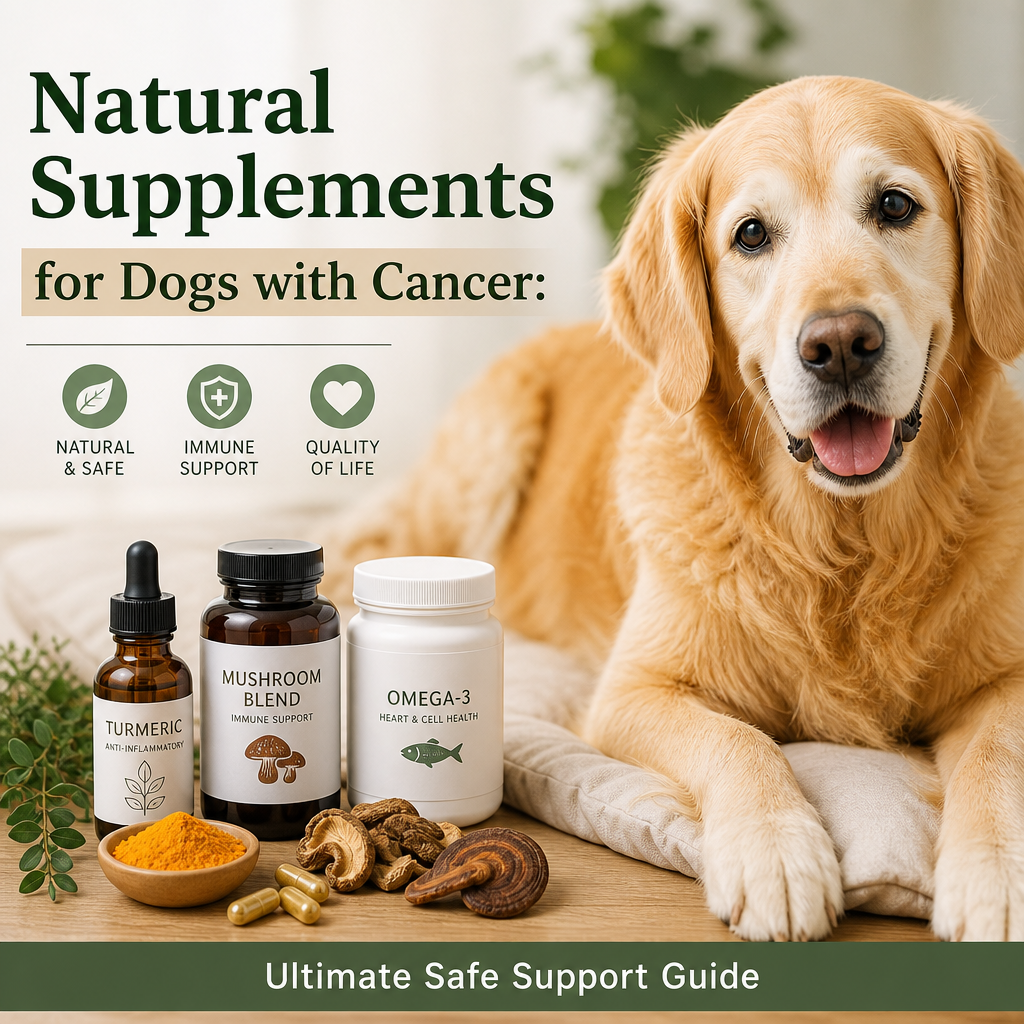
O câncer afeta os cães de maneiras diferentes. Um tumor em crescimento pode alterar o metabolismo, reduzir o apetite, aumentar a inflamação ou causar dor e fadiga. Os tratamentos para câncer também podem criar efeitos colaterais, como náuseas, diarreia, irritação bucal e baixa energia. O suporte natural para câncer em cães é destinado a complementar o cuidado profissional, ajudando a manter a nutrição, a hidratação, o conforto e a força.
“Natural” não significa automaticamente seguro. Ervas e suplementos concentrados contêm compostos ativos que podem afetar a coagulação do sangue, as enzimas hepáticas, a pressão arterial, a atividade imunológica e a absorção de medicamentos. Um produto também pode variar em qualidade, pureza e dosagem. Sempre discuta um suplemento com seu veterinário ou um oncologista veterinário certificado antes de introduzi-lo.
Para famílias que buscam uma visão holística mais ampla, este guia sobre como remédios naturais podem apoiar cães com câncer pode ajudar a colocar o cuidado de suporte em contexto.
Quando os proprietários pesquisam pela primeira vez suplementos naturais para cães com câncer, o objetivo é muitas vezes simples: ajudar o cão a se sentir melhor sem complicar o tratamento. Esse objetivo é razoável, mas funciona melhor quando a escolha do suplemento é baseada em evidências, qualidade do produto e monitoramento contínuo, em vez de alegações de marketing.
Suplementos para câncer canino que os veterinários podem considerar
Suplementos Naturais para Cães com Câncer são mais úteis quando são escolhidos para um objetivo específico. Um suplemento pode apoiar o conforto, a digestão ou a nutrição, mas deve se encaixar no plano de tratamento geral, em vez de distrair dele. Abaixo estão várias categorias que os veterinários podem considerar em casos selecionados.
Nem todo cão precisa da mesma abordagem. Um cão jovem com bom apetite pode precisar de um plano muito diferente de um cão idoso perdendo massa muscular durante a quimioterapia. É por isso que os suplementos naturais para cães com câncer devem ser selecionados caso a caso, e não como uma rotina única para todos.
Ácidos gordurosos de omega-3
O óleo de peixe fornece EPA e DHA, dois ácidos graxos ômega-3 comumente usados para apoiar o equilíbrio inflamatório e a saúde da pele, pelagem e cardiovascular. Em alguns cães com câncer, suplementos naturais para cães com câncer, como ômega-3, podem ser incluídos como parte de um plano nutricional mais amplo, especialmente quando manter a massa corporal magra e o apetite é uma preocupação.
Escolha um produto de qualidade veterinária com quantidades de EPA e DHA claramente listadas, em vez de confiar apenas na quantidade total de óleo de peixe. Os efeitos colaterais potenciais incluem fezes soltas, vômito ou um odor desagradável. O óleo de peixe também pode afetar a função plaquetária, portanto, é necessário ter cautela extra antes da cirurgia ou quando um cão toma medicamentos anticoagulantes ou antiplaquetários.
Para cães que toleram bem, os ômega-3 são frequentemente uma das opções de suporte mais práticas, pois são fáceis de medir e relativamente fáceis de ajustar. Mesmo assim, eles ainda devem ser revisados com a equipe de cuidados, especialmente se o cão tiver um distúrbio hemorrágico ou já estiver tomando múltiplos medicamentos.
Cogumelos medicinais
Cogumelos como o cogumelo do peru, reishi, maitake e shiitake contêm compostos que podem influenciar a atividade imunológica. O cogumelo do peru recebeu interesse particular na pesquisa veterinária sobre câncer, embora as evidências permaneçam limitadas e os resultados possam depender do produto, dosagem, tipo de câncer e plano de tratamento.
Extratos de cogumelos devem vir de fabricantes respeitáveis que fornecem ingredientes padronizados e testes independentes. Evite cogumelos colhidos na natureza ou produtos com rótulos vagos. Cães com doenças autoimunes, problemas hepáticos ou cronogramas complexos de medicação podem exigir precauções adicionais.
Os proprietários às vezes assumem que um produto de cogumelo “natural” é automaticamente suave, mas extratos concentrados são biologicamente ativos. Se um cão já estiver apresentando apetite ruim ou desconforto digestivo, a equipe veterinária pode querer introduzir qualquer suplemento de cogumelo lentamente e avaliar se realmente melhora o conforto, a energia ou o comportamento alimentar.
Probióticos e suporte digestivo
Probióticos podem ajudar alguns cães a manter um microbioma intestinal equilibrado, especialmente durante períodos de estresse, mudança na dieta ou uso de antibióticos. Eles podem ser úteis quando o tratamento do câncer causa leve desconforto digestivo, mas não são apropriados para todos os pacientes. Cães gravemente doentes ou imunocomprometidos requerem orientação veterinária antes de receber produtos microbianos vivos.
Um probiótico veterinário deve identificar cepas específicas e contagens viáveis. Fontes de fibra, incluindo certos prebióticos, também podem apoiar a digestão, mas em excesso podem piorar gases ou diarreia. Introduza suplementos digestivos gradualmente e monitore a qualidade das fezes. Em alguns cães, suplementos naturais para cães com câncer são mais benéficos quando a digestão melhora o suficiente para manter as refeições consistentes.
O suporte digestivo também pode ser útil quando o tratamento altera o gosto, o apetite ou a tolerância alimentar. Se um suplemento causar inchaço, fezes mais moles ou redução na alimentação, não está ajudando e deve ser revisado prontamente. Os melhores produtos de suporte são aqueles que tornam os cuidados diários mais fáceis, em vez de adicionar outro problema.
Antioxidantes e vitaminas
Antioxidantes são encontrados em muitas frutas, vegetais e suplementos. No entanto, produtos de antioxidantes em altas doses requerem cuidados especiais durante a quimioterapia ou radiação, pois alguns tratamentos dependem parcialmente de danos oxidativos às células cancerígenas. O efeito da suplementação pode variar com o medicamento específico, o objetivo do tratamento e o tempo.
Uma dieta comercial completa e balanceada geralmente fornece vitaminas e minerais essenciais. Adicionar vitamina A extra, vitamina D, selênio ou outros nutrientes concentrados sem orientação profissional pode causar toxicidade. Testes de sangue podem ser necessários antes de corrigir uma deficiência suspeita.
Por essa razão, antioxidantes não são um complemento casual. Um veterinário pode recomendá-los em um contexto específico, mas não como uma escolha padrão. Se o plano de tratamento mudar, o plano de suplementação pode precisar mudar também.
Suplementos para articulações e mobilidade
Cães com câncer podem se tornar menos ativos devido à dor, fraqueza, artrite ou efeitos colaterais do tratamento. Ingredientes como glucosamina, condroitina, mexilhão de lábio verde e colágeno tipo II não desnaturado são frequentemente usados para suporte articular. Esses produtos não tratam o câncer, mas podem ajudar a manter a mobilidade em cães selecionados.
Procure produtos com listas de ingredientes transparentes e orientações de dosagem apropriadas. O mexilhão de lábio verde e outros ingredientes marinhos podem causar desconforto digestivo ou reações alérgicas em cães sensíveis.
O suporte à mobilidade é importante porque um cão que pode se mover confortavelmente é mais propenso a continuar comendo, fazendo suas necessidades e descansando bem. Mesmo melhorias modestas no movimento podem facilitar os cuidados diários em casa para toda a família.
Suplementos que requerem cautela particular
Vários produtos populares podem criar riscos significativos. Cúrcuma e curcumina podem afetar a coagulação e o metabolismo de medicamentos. Alho e produtos concentrados de cebola podem danificar as células vermelhas do sangue. Vitamina D em altas doses pode causar anomalias perigosas de cálcio. Comfre, kava, chaparral e certas misturas herbais concentradas podem prejudicar o fígado. Produtos de CBD podem causar sedação, diarreia ou alterações nas enzimas hepáticas, e a qualidade do produto pode ser inconsistente.
Óleos essenciais não devem ser administrados internamente, a menos que especificamente prescritos por um veterinário. Muitos são tóxicos para cães quando ingeridos ou aplicados em níveis concentrados. Evite produtos que prometem “curar” câncer, dissolver tumores ou substituir o tratamento convencional. Tais alegações são sinais de alerta de suporte científico fraco.
Esta é uma das razões pelas quais as famílias devem ter cuidado ao comparar suplementos naturais para cães com câncer online. Uma revisão de produto pode parecer convincente, mas não pode substituir um plano individualizado baseado no diagnóstico do seu cão, trabalho laboratorial e lista de medicamentos.
Quando em dúvida, use referências veterinárias confiáveis e fontes primárias em vez de conselhos de redes sociais. Para uma visão geral de segurança geral, o Biblioteca de medicamentos dos hospitais VCA é um lugar útil para aprender mais sobre medicamentos veterinários comuns e por que as interações de suplementos são importantes.
Como escolher um suplemento seguro
Suplementos Naturais para Cães com Câncer devem ser escolhidos com o mesmo cuidado que você usaria para qualquer parte do tratamento do câncer. Comece esclarecendo o objetivo. O objetivo é melhorar o apetite, reduzir o desconforto digestivo, apoiar as articulações ou ajudar a preservar a condição corporal? Um objetivo claro facilita a decisão sobre se um suplemento vale a pena ser experimentado.
Em seguida, verifique o rótulo cuidadosamente. Procure a lista completa de ingredientes, a quantidade por dose, a forma ativa do ingrediente e quaisquer avisos sobre cirurgia, gravidez, doença hepática ou interações medicamentosas. Produtos que se escondem atrás de misturas proprietárias vagas podem dificultar saber o que o cão está realmente recebendo.
A qualidade do produto é tão importante quanto o próprio ingrediente. Procure fabricantes que forneçam testes de terceiros, números de lote e fontes transparentes. Produtos formulados por veterinários podem ser mais fáceis de avaliar porque são projetados com a dosagem canina em mente.
Também é prudente introduzir um produto de cada vez. Dessa forma, se seu cão desenvolver vômito, fezes moles, coceira, letargia ou apetite reduzido, você pode identificar a causa provável mais facilmente. Uma abordagem gradual é especialmente importante quando suplementos naturais para cães com câncer estão sendo usados juntamente com medicamentos prescritos.
Por fim, revise a lista completa de medicamentos antes de iniciar qualquer coisa nova. Mesmo um suplemento bem-intencionado pode ser um problema se alterar a coagulação do sangue, modificar a sedação ou interferir no metabolismo da quimioterapia. O suplemento mais seguro não é aquele com a promessa mais alta; é aquele que se encaixa na situação do cão.
A nutrição é mais importante do que um suplemento
Muitos proprietários se concentram primeiro nos suplementos, mas a qualidade da comida e a ingestão de calorias geralmente importam mais. Um cão perdendo peso ou massa muscular precisa de energia, proteína e palatabilidade suficientes antes que qualquer produto adicional possa fazer uma diferença real. Em muitos casos, melhorar a dieta é mais eficaz do que adicionar mais cápsulas ou pós.
Cães com câncer podem precisar de refeições mais frequentes, comida aquecida, uma textura mais macia ou uma dieta prescrita projetada para sua condição. Alguns precisam de controle de náusea antes que possam comer confortavelmente. Outros se beneficiam de aumentar cuidadosamente as calorias sem sobrecarregar o estômago. Esses ajustes práticos podem ter um impacto maior do que qualquer suplemento único.
A hidratação é igualmente importante. Água fresca deve estar disponível o tempo todo, e alguns cães se saem melhor com coberturas estilo caldo ou refeições ricas em umidade, se aprovadas pelo veterinário. Se um cão não está comendo, vomitando ou bebendo mal, o atendimento veterinário urgente é mais importante do que qualquer plano de suplemento.
Suplementos Naturais para Cães com Câncer podem ser úteis apenas quando a base é forte. Se a dieta não está atendendo às necessidades básicas, o suplemento está sendo solicitado a fazer demais. Abordar náusea, dor e ingestão de calorias primeiro geralmente cria a melhor oportunidade para o cuidado de suporte funcionar.
Monitoramento e comunicação veterinária
Uma vez que um suplemento é iniciado, monitore seu cachorro de perto para mudanças no apetite, qualidade das fezes, energia, sede, urinação e comportamento. Pequenas mudanças importam, especialmente quando o cachorro está recebendo terapia contra o câncer. Mantenha um registro simples para que você possa dizer se o produto está ajudando ou causando um problema.
Agende check-ins regulares com a equipe veterinária e traga o rótulo do produto para as consultas. Compartilhe tudo o que seu cachorro recebe, incluindo guloseimas, mastigações, pós, óleos e produtos herbais. Algumas das interações mais sérias acontecem quando um suplemento é adicionado silenciosamente em casa e ninguém percebe que faz parte do quadro completo de medicação.
Se seu cachorro está se preparando para cirurgia, começando um novo medicamento ou apresentando novos sintomas, pergunte se o suplemento deve ser pausado. O tempo importa. Mesmo produtos de suporte podem se tornar arriscados na fase errada do tratamento, razão pela qual suplementos naturais para cães com câncer precisam de revisão contínua em vez de uma decisão única.
Os proprietários geralmente querem uma resposta simples de sim ou não, mas o cuidado com o câncer raramente é tão direto. Um suplemento pode ser razoável para um cachorro e inadequado para outro. Os melhores resultados geralmente vêm de uma comunicação aberta, observação cuidadosa e disposição para ajustar quando as necessidades do cachorro mudam.
Usados de forma ponderada, suplementos naturais para cães com câncer podem fazer parte de um plano de cuidado compassivo. Eles não são curas, e não são substitutos para tratamento médico, mas os produtos de suporte certos podem ajudar alguns cães a comer melhor, se sentir mais confortáveis e manter a força durante um período difícil.