
por TCMVET | nov 26, 2024 | Câncer e Tumores em Cães
When a pet parent hears the word “tumor,” it’s like a punch to the gut. The questions come flooding in: Is it cancerous? Will my dog be okay? And most importantly, what can I do to help? While modern veterinary medicine offers various treatments, many owners are turning to natural, holistic approaches to complement traditional care. Let’s explore some innovative and lesser-known options to help manage and potentially shrink tumors in dogs.
The Nature of Tumors in Dogs
Tumors in dogs can range from benign lipomas to malignant cancers like mast cell tumors or osteosarcomas. The treatment plan depends on the type, size, and stage of the tumor, but addressing it often involves a mix of conventional treatments (like surgery or chemotherapy) and supportive therapies to boost overall health.
But here’s the catch: not all treatments have to be invasive or synthetic. Nature has provided us with a treasure trove of resources that may help shrink tumors while supporting your dog’s well-being.
Nutritional Support: Food as Medicine
- Mushroom Powerhouses
Medicinal mushrooms like shiitake, reishi, e turkey tail are rich in beta-glucans, which can help regulate the immune system and may slow tumor growth. Studies in veterinary oncology suggest that these fungi can reduce the progression of certain cancers. A sprinkle of powdered mushroom supplements in your dog’s food could be a game-changer.
- Golden Paste (Turmeric Blend)
Turmeric is known for its active compound, curcumin, a powerful anti-inflammatory and antioxidant. Curcumin has been shown to disrupt cancer cell growth in some studies. Mix turmeric powder with coconut oil and black pepper to create a dog-friendly golden paste.
- Ácidos Graxos Ômega-3
Found in fish oil or flaxseed, omega-3s are natural anti-inflammatories that can slow the growth of tumors and support overall health. Add it to your dog’s meals for a simple yet impactful dietary boost.
Natural Supplements for Tumor Management
- Óleo de CBD
Cannabidiol (CBD) has gained traction for its potential anti-tumor effects. It’s believed to induce apoptosis (programmed cell death) in cancer cells and reduce inflammation. Always choose a pet-specific CBD oil that’s free from THC and consult your vet for the right dosage.
- Essiac Tea
A blend of herbs including burdock root, slippery elm, and sheep sorrel, Essiac tea has long been used as a natural remedy for tumors. It’s available in liquid or capsule form and is believed to help detoxify the body and shrink abnormal growths.
- Chuanxiong (Lovage de Sichuan)
A lesser-known but potent traditional Chinese herb, Chuanxiong has properties that improve circulation and reduce inflammation. Some holistic vets recommend it as part of an herbal protocol for managing tumors.
Holistic Therapies
- Acupuntura
While not directly shrinking tumors, acupuncture can improve blood flow, reduce pain, and enhance the efficacy of other treatments. It’s a great addition to a multi-faceted care plan.
- Hyperbaric Oxygen Therapy (HBOT)
Tumors thrive in low-oxygen environments. Hyperbaric oxygen therapy saturates the body with oxygen, potentially slowing tumor growth and aiding in healing.
Ajustes no Estilo de Vida
- Dietary Overhaul
A low-carb, high-protein diet can starve certain tumors that rely on sugar for growth. Consider a raw or cooked diet tailored to your dog’s specific needs.
- Redução do Estresse
Chronic stress can suppress the immune system, making it harder for your dog to fight off diseases. Ensure your dog’s environment is calm and enriched with activities they enjoy.
- Detoxifying the Environment
Reduce exposure to harmful chemicals like pesticides, synthetic air fresheners, and processed foods. These environmental toxins can burden your dog’s system, making recovery more challenging.
The Power of Combining Modern and Natural Approaches
While natural therapies offer incredible benefits, they’re not a standalone solution for all dogs. Partnering with a vet who understands integrative care is crucial. This ensures your dog receives the best of both worlds: the life-saving power of modern medicine and the gentle support of natural remedies.
Uma Perspectiva Esperançosa
The journey of helping your dog through a tumor diagnosis can feel daunting, but remember: you’re not alone. With a blend of dietary changes, natural supplements, and holistic therapies, you can give your dog a fighting chance while improving their quality of life.
Sometimes, the smallest changes—a dash of turmeric, a spoonful of mushroom powder, or a drop of CBD—can make the biggest difference.

por TCMVET | nov 25, 2024 | Câncer e Tumores em Cães
Osteossarcoma, um câncer ósseo altamente agressivo, muitas vezes assusta os donos de cães. Tratamentos convencionais como amputação e quimioterapia, embora comuns, podem ser financeiramente e emocionalmente desgastantes. No entanto, terapias naturais estão ganhando espaço por seu potencial de melhorar a qualidade de vida, aliviar sintomas e apoiar os processos de cura do corpo. Abaixo, exploramos uma variedade de tratamentos naturais inovadores adaptados ao osteossarcoma canino.
Compreendendo o Osteossarcoma em Cães
O osteossarcoma geralmente afeta raças grandes e gigantes, atingindo os membros. É caracterizado pelo rápido crescimento do tumor e um alto risco de metástase para os pulmões. A detecção precoce e uma abordagem de tratamento multifacetada podem melhorar significativamente a qualidade de vida de um cão.
Tratamentos Naturais para Apoiar a Jornada do Seu Cão
1. Remédios Herbais para Controle da Dor
O controle natural da dor pode reduzir a dependência de produtos farmacêuticos, que muitas vezes têm efeitos colaterais. Considere estas ervas:
- Boswellia Serrata: Conhecida por suas propriedades anti-inflamatórias, esta resina reduz o inchaço e melhora a mobilidade.
- Cúrcuma (Curcumina): Um potente anti-inflamatório e antioxidante, a cúrcuma pode aliviar o desconforto nas articulações e foi estudada por seus efeitos anticancerígenos.
- Yunnan Baiyao: Uma fórmula herbal chinesa renomada por promover a circulação sanguínea e aliviar a dor, especialmente em casos de lesões ósseas ou câncer.
2. Estratégias Dietéticas para Fortalecer a Imunidade
A nutrição desempenha um papel fundamental no apoio ao sistema imunológico de um cão durante o tratamento do câncer. Foque em:
- Dietas Ricas em Proteínas: Para manter a massa muscular e os níveis de energia.
- Ácidos Graxos Ômega-3: Encontrados no óleo de peixe, ajudam a reduzir a inflamação e podem retardar o crescimento do tumor.
- Refeições Baixas em Carboidratos e Altas em Gorduras: Células cancerígenas prosperam com açúcar, então dietas estilo cetogênico podem limitar a progressão do tumor.
3. Canabidiol (CBD) para Apoio ao Câncer
O óleo de CBD derivado do cânhamo é celebrado por suas propriedades anti-inflamatórias e anti-tumorais. Ajuda:
- Reduzir a dor e a ansiedade.
- Melhorar o apetite e os níveis de energia.
- Potencialmente inibir o crescimento de células cancerígenas, como mostrado em estudos emergentes.
Ao escolher o óleo de CBD, certifique-se de que seja de espectro completo, orgânico e livre de THC.
4. Acupuntura e Medicina Tradicional Chinesa (MTC)
Tratamentos de MTC como a acupuntura podem complementar outras terapias ao:
- Aliviar a dor e melhorar a circulação sanguínea.
- Aumentar a função imunológica.
- Restaurar o equilíbrio na energia do corpo (Qi).
Fórmulas herbais como Baituxiao podem especificamente direcionar o crescimento tumoral e melhorar o bem-estar geral. Sempre consulte um veterinário experiente em MTC para personalizar tratamentos para o seu cão.
5. Fisioterapia e Exercício Suave
Após a cirurgia ou como parte dos cuidados paliativos, a fisioterapia ajuda:
- Manter a mobilidade e prevenir a atrofia muscular.
- Melhorar o humor e o engajamento mental. Atividades como natação ou caminhadas controladas podem ser particularmente eficazes para cães com amputação de membros.
6. Abordagens Homeopáticas
Alguns donos de pets exploram remédios homeopáticos, como:
- Symphytum: Conhecido como “trança de osso”, este remédio pode apoiar a cicatrização óssea.
- Lava Hecla: Usado para condições ósseas, incluindo tumores e osteossarcoma.
Consulte um veterinário homeopático para orientação e dosagem adequadas.
Estudo de Caso: Uma Jornada Natural
Pegue a história de Bella, uma Grande Dinamarquesa de 9 anos diagnosticada com osteossarcoma. Após sua amputação, seu dono suplementou o tratamento convencional com uma dieta rica em proteínas e baixa em carboidratos, óleo de CBD e extrato de Boswellia. Sessões regulares de acupuntura melhoraram a mobilidade e o humor de Bella. A abordagem holística não apenas prolongou sua vida, mas também garantiu que ela vivesse com conforto e dignidade.
Dicas para Donos de Cães que Explorando Tratamentos Naturais
- Trabalhe com um Veterinário Holístico: A colaboração garante que as terapias sejam seguras e eficazes.
- Monitore o Progresso de Perto: Exames regulares e imagens ajudam a avaliar como os tratamentos estão funcionando.
- Mantenha a Mente Aberta: Combinar tratamentos naturais e convencionais muitas vezes gera os melhores resultados.
A Importância do Apoio Emocional
Cuidar de um cão com câncer pode ser emocionalmente desgastante. Construir uma rede de apoio de amigos, familiares e veterinários holísticos garante que você não esteja sozinho nesta jornada.
Conclusão
Tratamentos naturais para osteossarcoma em cães focam em melhorar a qualidade de vida, aliviar a dor e apoiar o sistema imunológico. Ao combinar terapias naturais baseadas em evidências com tratamentos tradicionais, você pode criar um plano de cuidados que prioriza o conforto e o bem-estar do seu cão. Lembre-se, cada cão é único, e uma abordagem personalizada é a chave para o sucesso.
Seu companheiro canino merece uma chance de lutar—naturalmente.

por TCMVET | nov 24, 2024 | Câncer e Tumores em Cães
When a beloved pet is diagnosed with cancer, the emotional toll on their human companions is immense. But alongside the heartache comes another daunting reality: the cost of treatment. Pet cancer treatments can be life-saving but often carry a hefty price tag. So, what’s the real cost of giving your furry friend a fighting chance—and how do we measure the value of their life in dollars?
Breaking Down the Average Cost
The cost of pet cancer treatment varies significantly depending on factors such as the type of cancer, stage of diagnosis, treatment options, and location. Here’s a general breakdown:
- Diagnostics:
- X-rays, ultrasounds, biopsies, and blood tests can cost between $500 and $1,500. Advanced imaging like CT scans or MRIs can add another $1,000 to $2,500.
- Cirurgia:
- Surgical removal of a tumor often ranges from $1,000 to $5,000, depending on complexity and location.
- Quimioterapia:
- Chemotherapy protocols can cost between $3,000 and $10,000, depending on the number of sessions and drugs used.
- Terapia de Radiação:
- This advanced treatment can range from $5,000 to $15,000, making it one of the priciest options.
- Considerações sobre Qualidade de Vida:
- If curative treatments aren’t viable, palliative care to manage symptoms can still cost $500 to $2,000.
Altogether, the average cost of treating pet cancer can fall anywhere between $5,000 and $20,000—and sometimes even higher. These figures are sobering, especially when weighed against a household budget.
The Emotional vs. Financial Cost
For many pet parents, the decision to pursue cancer treatment is not just financial but deeply emotional. Pets are family, and the idea of not doing everything possible to save them feels unbearable. Yet, the reality of veterinary oncology is that success is not guaranteed, and even aggressive treatments may only extend a pet’s life by months or a few years.
- Emotional Considerations:
The value of the time gained through treatment—whether weeks, months, or years—cannot be easily quantified. Many pet owners report that even a few extra months of quality time with their pets was worth every penny.
- Financial Strain:
However, the financial burden can lead to guilt and stress, especially when treatment costs interfere with household needs. It’s an unenviable position to be in: How do you say no when love is on the line?
Are There Ways to Reduce Costs?
Pet owners facing a cancer diagnosis should know that there are ways to manage and reduce treatment costs:
- Pet Insurance:
If purchased early, pet insurance can cover a significant portion of cancer treatment costs. However, pre-existing conditions are usually excluded.
- Nonprofit Organizations:
Several organizations provide financial assistance for pet medical care, particularly for cancer treatment.
- Holistic and Palliative Options:
For pets with a poor prognosis, holistic treatments such as CBD oil, acupuncture, or natural supplements may offer a more affordable way to improve quality of life.
- Clinical Trials:
Some veterinary institutions run clinical trials for new cancer treatments, often covering a portion of the costs.
- Discuss Options with Your Vet:
Many vets are willing to work with pet owners to develop a realistic and affordable treatment plan. Some clinics also offer payment plans.
Is It Worth It?
The question of whether the cost of pet cancer treatment is “worth it” is deeply personal. For some, the answer is a resounding yes—because no price is too high for love. For others, the decision to forgo treatment is not a sign of failure but an act of compassion, prioritizing the pet’s comfort and dignity over prolonging their life at any cost.
Redefining Value in Pet Cancer Care
Ultimately, the average cost of pet cancer treatment is not just a financial statistic but a reflection of the lengths we’ll go to for our furry companions. The journey is as much about hope, love, and resilience as it is about money. Whether choosing to pursue treatment or opting for palliative care, the decision should honor the bond you share with your pet and their quality of life.
As the field of veterinary oncology advances, perhaps one day we won’t have to measure our love in dollars. Until then, we do the best we can—with our hearts and wallets—to give our pets the lives they deserve.
por TCMVET | nov 24, 2024 | Câncer e Tumores em Cães
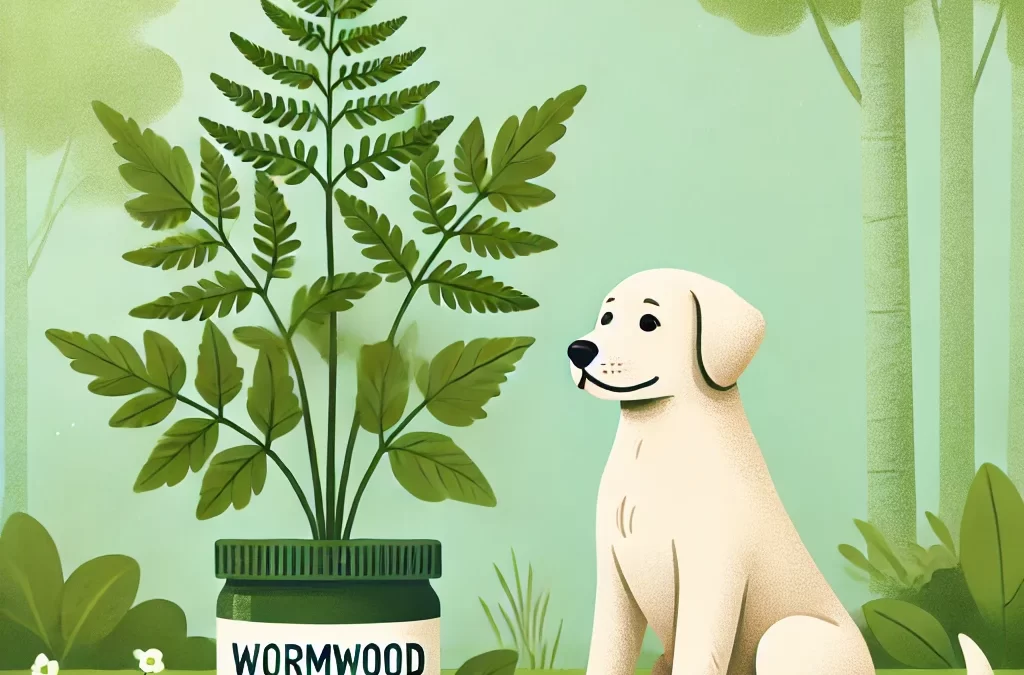
The use of natural remedies for managing canine cancer has garnered significant attention in recent years, with wormwood emerging as an intriguing contender. Known scientifically as Artemisia absinthium, wormwood has a long history in traditional medicine, but its potential benefits in addressing cancer, especially in dogs, have only recently sparked interest among researchers and pet owners alike. Could this ancient herb hold promise in the fight against canine cancer?
What Is Wormwood?
Wormwood is a perennial herb famous for its bitter taste and medicinal properties. Traditionally used to treat digestive issues and parasitic infections, wormwood has also been recognized for its potential anti-inflammatory, antimicrobial, and even anticancer properties. Its key active compound, artemisinin, has been studied extensively for its effectiveness against certain types of cancer cells in humans.
The Science Behind Wormwood and Cancer
Research suggests that artemisinin may work by targeting cancer cells that are rich in iron, a mineral cancer cells often accumulate to support their rapid growth. Artemisinin interacts with this iron, producing free radicals that can destroy the cancerous cells while leaving healthy cells relatively unharmed. While most studies have focused on human applications, the principles have sparked interest in veterinary oncology.
Wormwood and Canine Cancer: The Potential Connection
Dogs diagnosed with cancer, such as osteosarcoma, lymphoma, or mast cell tumors, often face expensive and invasive treatments like surgery, chemotherapy, or radiation. Many pet owners are turning to complementary therapies to improve their dogs’ quality of life, and wormwood is increasingly being explored for this purpose. Anecdotal evidence from holistic veterinarians and pet owners suggests that wormwood might help reduce tumor growth, alleviate inflammation, and boost overall vitality.
How Wormwood Might Help Dogs with Cancer
- Anti-Cancer Properties: Artemisinin in wormwood may target and kill cancer cells, potentially slowing the progression of the disease.
- Anti-Inflammatory Effects: Wormwood’s anti-inflammatory properties could reduce discomfort and improve mobility in dogs with tumors or metastases.
- Immune Support: Wormwood is thought to support the immune system, which is critical for dogs battling cancer.
Precauções e Considerações
Despite its potential, wormwood is not without risks. High doses can be toxic, causing side effects such as vomiting, diarrhea, or neurological issues. Additionally, not all dogs are suitable candidates for wormwood-based therapies. Consulting a holistic or integrative veterinarian is essential before introducing wormwood into your dog’s regimen.
Realistic Expectations: A Complementary Tool
It’s important to note that wormwood is not a cure for cancer but a potential complementary therapy. Its benefits may vary based on the type and stage of cancer, as well as the dog’s overall health. Combining wormwood with conventional treatments or other natural remedies, such as CBD oil or medicinal mushrooms, may enhance its effectiveness while offering a multi-faceted approach to cancer care.
The Future of Wormwood Research in Veterinary Medicine
The lack of extensive clinical trials on wormwood for canine cancer underscores the need for further research. However, early findings and anecdotal successes point to its promise as part of a broader natural cancer treatment strategy. With more scientific validation, wormwood could become a staple in holistic veterinary care.
Conclusão
For pet owners seeking alternative options to improve their dog’s quality of life, wormwood represents a fascinating possibility. Its potential anticancer and supportive properties make it a worthy candidate for consideration in canine cancer management. However, as with any treatment, caution and professional guidance are key. If you’re exploring wormwood for your dog, remember: the journey toward health is often about combining the best of both traditional and modern approaches.
Wormwood and dog cancer—an ancient herb for a modern challenge. Could it be the natural solution your furry friend needs? Only time and research will tell.

por TCMVET | nov 23, 2024 | Câncer e Tumores em Cães
Mast cell tumors (MCTs) are one of the most common types of cancer in dogs, often presenting as lumps on the skin. While some dogs survive with timely treatment, others succumb to this disease. The process through which mast cell tumors lead to death can be both complex and gradual, involving a cascade of biological disruptions that impact the dog’s entire body. This article delves into the underexplored journey of how mast cell tumors can lead to fatal outcomes.
The Biological Battleground: Understanding Mast Cell Tumors
Mast cells are part of the immune system, responsible for releasing histamines and other chemicals to combat allergens and infections. However, when these cells turn cancerous, they unleash havoc within the body.
Mast cell tumors often become dangerous not because of the primary tumor itself but due to their systemic effects. These effects can trigger life-threatening complications in ways that might surprise many dog owners.
The Silent Killers: Mechanisms Behind Fatalities
1. Histamine Overload: The Internal Storm
One of the most insidious effects of mast cell tumors is the excessive release of histamines and other chemical mediators. This can lead to:
- Gastric Ulcers: Histamine stimulates acid production in the stomach, which can cause ulcers. These ulcers may bleed, leading to severe anemia or life-threatening hemorrhages.
- Shock: A sudden release of histamine can result in systemic inflammation and a dangerous drop in blood pressure, potentially leading to anaphylactic shock.
2. Organ Failure: A Domino Effect
When mast cell tumors metastasize, they invade vital organs like the liver, spleen, and bone marrow. This can result in:
- Liver Dysfunction: The liver’s inability to process toxins can lead to jaundice and systemic poisoning.
- Bone Marrow Suppression: If mast cells infiltrate the bone marrow, the production of red and white blood cells is impaired, causing anemia and a weakened immune system.
3. Cachexia: The Cancer Wasting Syndrome
Cachexia, or cancer-related wasting, is a common cause of death in dogs with advanced mast cell tumors. The tumor alters the dog’s metabolism, causing:
- Muscle Loss: Despite eating, dogs lose muscle mass and strength.
- Fatigue: This debilitating condition can render even simple activities unbearable.
4. Uncontrolled Tumor Growth: Localized Destruction
In some cases, the tumor itself grows aggressively, infiltrating surrounding tissues. This can cause:
- Open Wounds: Ulcerated tumors may become infected, leading to sepsis.
- Pain and Mobility Issues: Tumors near joints or critical structures can cause excruciating pain and limit movement.
Beyond the Biology: Emotional and Behavioral Changes
Dogs suffering from mast cell tumors may exhibit changes in behavior due to pain, discomfort, or systemic illness. Signs such as restlessness, aggression, or withdrawal are often overlooked but indicate the severity of their suffering.
Breaking the Silence: The Importance of Early Intervention
While mast cell tumors can be fatal, their progression isn’t always inevitable. Early detection and treatment can drastically alter the outcome. Here are some proactive steps:
- Frequent Vet Visits: Regular check-ups increase the chances of catching tumors in their early stages.
- Biopsy All Lumps: Even benign-looking lumps could be mast cell tumors.
- Combination Therapies: Surgery, radiation, and chemotherapy are common approaches, but newer methods like immunotherapy are emerging.
Emerging Frontiers: Holistic Care for MCTs
Beyond conventional treatments, integrating holistic approaches can improve a dog’s quality of life:
- Dietary Adjustments: Anti-inflammatory diets with omega-3 fatty acids can support overall health.
- Herbal Supplements: Ingredients like turmeric and boswellia may help reduce inflammation.
- Stress Reduction: Chronic stress can exacerbate cancer symptoms; calming environments and gentle exercise may make a difference.
When Is It Time to Say Goodbye?
Deciding to euthanize a dog with mast cell tumors is one of the hardest choices a pet owner can make. Tools like the Quality of Life Scale (QoL) can guide this decision, focusing on pain levels, appetite, and the dog’s ability to enjoy daily activities.
Conclusion: Understanding to Empower
Mast cell tumors are more than just lumps—they are systemic threats that can silently and gradually overwhelm a dog’s body. By understanding the mechanisms behind their fatality, pet owners and veterinarians can make informed decisions to mitigate suffering and improve outcomes. Empowered with knowledge, we can ensure that every moment with our beloved pets is as pain-free and fulfilling as possible.

por TCMVET | nov 23, 2024 | Câncer e Tumores em Cães
Quando nossos amigos peludos enfrentam um diagnóstico de câncer, gerenciar sua dor se torna uma das preocupações mais urgentes. A dor afeta não apenas sua qualidade de vida, mas também sua disposição para comer, brincar e interagir. Métodos tradicionais de alívio da dor, como farmacêuticos, muitas vezes vêm com efeitos colaterais que podem deixar os donos de pets se sentindo conflitantes. Mas e se olhássemos além do convencional e explorássemos abordagens inovadoras e holísticas para o manejo da dor?
Compreendendo a Dor em Cães com Câncer
A dor em cães com câncer é frequentemente multifacetada. Tumores podem pressionar nervos, invadir tecidos ou causar inflamação, levando a desconforto agudo ou crônico. Compreender a natureza dessa dor é fundamental para escolher o método de alívio adequado.
Opções tradicionais como AINEs ou opioides têm seu lugar, mas podem apresentar riscos como desconforto gastrointestinal, sobrecarga hepática ou dependência. É hora de pensar fora da caixa e capacitar os donos de pets com alternativas que não apenas aliviem a dor, mas apoiem a saúde geral.
Abordagens Holísticas para Alívio da Dor
1. Acupuntura e Acupressão
Enraizada na medicina chinesa antiga, a acupuntura ganhou força entre veterinários em todo o mundo. Ao estimular pontos específicos no corpo, a acupuntura ajuda a liberar endorfinas—os analgésicos naturais do corpo—e melhora o fluxo sanguíneo para as áreas afetadas.
- Por que é eficaz: Pesquisas mostram que a acupuntura pode reduzir a dor e a inflamação, tornando-se uma opção viável para cães que experimentam desconforto relacionado ao câncer.
2. Analgésicos Herbais
Certos remédios herbais mostraram promessas em reduzir a inflamação e a dor. Ingredientes como Chuanxiong (Lovage de Sichuan), cúrcuma e olíbano têm propriedades anti-inflamatórias naturais.
- Como usá-los: Estes podem ser incorporados como suplementos ou chás (sob orientação veterinária) para reduzir a dependência de farmacêuticos tradicionais.
3. Óleo de Cânhamo de Espectro Completo
O CBD, derivado do cânhamo, tornou-se um favorito entre os donos de pets por sua dupla capacidade de gerenciar dor e ansiedade. Óleos de espectro completo contêm canabinoides e terpenos adicionais que trabalham sinergicamente, oferecendo ainda mais alívio.
- O que o diferencia: O CBD interage com o sistema endocanabinoide do corpo, abordando a inflamação e modulando a dor sem os efeitos psicoativos do THC.
4. Terapia a Laser Frio
A terapia a laser frio é um tratamento não invasivo que utiliza luz para estimular a regeneração celular e reduzir a inflamação. Esta técnica é indolor e pode melhorar significativamente a mobilidade e o conforto.
- Perfeito para: Cães que têm dor nas articulações ou tumores que afetam seus membros ou costas.
5. Dieta como Gerenciador da Dor
Uma dieta rica em nutrientes e anti-inflamatória pode ser um divisor de águas para cães com câncer. Alimentos ricos em ácidos graxos ômega-3 (encontrados no óleo de peixe) e antioxidantes podem ajudar a reduzir a inflamação sistêmica e a dor.
- Receita para experimentar: Uma mistura de carnes magras cozidas, vegetais purês como cenouras e brócolis, e uma pitada de cúrcuma ou gengibre pode ser tanto nutritiva quanto terapêutica.
O Componente Emocional do Gerenciamento da Dor
A dor não é apenas física—ela tem um custo emocional. Cães frequentemente se tornam retraídos ou irritáveis quando estão com dor. Proporcionar a eles um ambiente livre de estresse, muito afeto e estimulação mental pode fazer uma grande diferença.
Experimente isto: Incorpore a terapia de massagem na rotina do seu cão. Toques suaves e pressão podem ajudar a relaxar músculos tensos e melhorar a circulação, servindo também como uma atividade de vínculo.
Um Vislumbre do Futuro: Medicina Regenerativa
Avanços empolgantes na medicina regenerativa, como a terapia com células-tronco, estão abrindo caminho para um alívio inovador da dor do câncer em cães. Células-tronco podem reparar tecidos danificados e reduzir a inflamação, oferecendo esperança para condições anteriormente consideradas intratáveis.
Criando um Plano Abrangente de Gerenciamento da Dor
Aliviar a dor do câncer em um cão não se trata de escolher um método—trata-se de elaborar um plano personalizado. Trabalhe em estreita colaboração com seu veterinário para combinar o melhor das terapias tradicionais e alternativas.
Exemplo de Plano:
- Manhã: óleo de CBD com o café da manhã
- Tarde: sessão de acupuntura ou terapia a laser frio
- Noite: suplemento herbal com uma refeição rica em ômega
Quando Dizer Adeus
O manejo da dor não é apenas sobre o cachorro—também é sobre o tutor do animal. Saber quando deixar ir é uma das decisões mais difíceis, mas às vezes é a escolha mais amorosa. Monitorar a qualidade de vida do seu cachorro usando ferramentas como a Escala HHHHHMM (Dor, Fome, Hidratação, Higiene, Felicidade, Mobilidade e Mais Dias Bons do que Ruins) pode ajudar a guiar essa decisão.
Conclusão: Alívio da Dor como uma Jornada, Não um Destino
Gerenciar a dor do câncer em cães requer criatividade, compaixão e disposição para explorar opções não convencionais. Desde acupuntura até ajustes dietéticos, cada pequeno passo que você dá em direção ao alívio da dor pode melhorar a qualidade de vida do seu cachorro. Como tutores de animais, nosso maior presente para nossos cães é garantir que seu último capítulo seja preenchido com o máximo de conforto e amor possível.
