por TCMVET | mar 23, 2024 | Câncer e Tumores em Cães
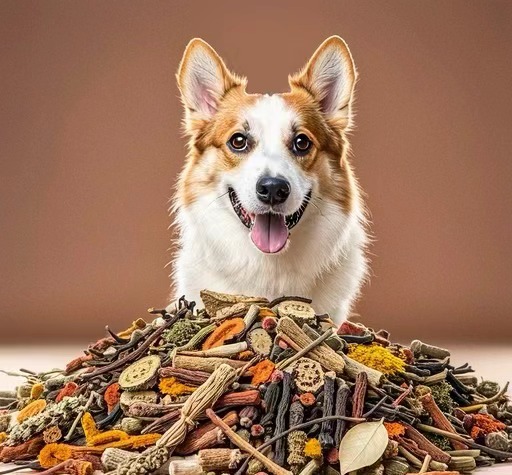
The field of veterinary oncology is witnessing a paradigm shift with the integration of holistic care approaches, particularly through the use of Traditional Chinese Herbal Medicine (TCM) in treating dog tumors. This approach represents a complementary method, working alongside conventional treatments like surgery, chemotherapy, and radiation, to provide a more rounded care for dogs diagnosed with cancer.
Understanding the Role of TCM in Canine Oncology
TCM, with its centuries-old history, focuses on treating the whole patient rather than just the symptoms or the disease itself. The core principle of TCM is to restore and maintain balance in the body’s energy, or Qi. When it comes to canine tumors, TCM addresses the underlying imbalances that contribute to the disease, which could be Qi stagnation, blood stasis, or an imbalance in Yin and Yang.
Key Herbs in TCM for Dog Tumors
TCM utilizes a variety of herbs that are known for their cancer-fighting properties. Astragalus, for instance, is celebrated for boosting the immune system, which is crucial for dogs undergoing cancer treatment. Szechuan lovage, another vital herb, is known for improving blood circulation, essential for transporting nutrients and medicinal compounds throughout the body. Herbs like Rehmannia glutinosa have anti-inflammatory properties, which help in reducing the inflammation often associated with cancer.
Synergy with Conventional Cancer Treatments
The most notable aspect of incorporating Chinese herbs into canine cancer treatment is their ability to complement conventional treatments. While the primary treatments focus on eliminating cancer cells, TCM works to strengthen the dog’s overall constitution, thereby enhancing the effectiveness of conventional treatments and helping to mitigate their side effects.
Natural Management of Treatment Side Effects
Chinese herbs can play a significant role in alleviating the side effects of conventional cancer treatments. They provide support to organ systems that might be affected by chemotherapy or radiation, aid in detoxification, and offer anti-inflammatory and antioxidative benefits. This natural approach to managing side effects is essential for maintaining the quality of life of dogs during cancer treatment.
Tailoring TCM to Individual Needs
TCM treatments should be customized to each dog’s specific condition and needs, and should be administered under the guidance of a veterinarian skilled in both conventional and holistic veterinary medicine. This ensures the safety and effectiveness of the treatment and that it is appropriately integrated with standard cancer therapies.
Integrating Traditional Chinese Herbal Medicine into veterinary oncology for the treatment of dog tumors represents a significant advancement in the field. This approach offers a more holistic treatment option, not just targeting the tumor, but supporting the overall health and well-being of the dog. As the veterinary field continues to embrace this integrated approach, dogs with cancer can look forward to more comprehensive and effective treatment plans that offer a better quality of life.

por TCMVET | mar 23, 2024 | Câncer e Tumores em Cães
Canine cancer, a major concern for pet owners and veterinarians alike, requires a comprehensive approach to treatment. Traditional Western methods like surgery, chemotherapy, and radiation remain foundational in combatting this disease. However, an increasing number of veterinary professionals are recognizing the benefits of integrating Traditional Chinese Herbal Medicine (TCM) into their treatment protocols. This holistic approach, deeply rooted in ancient Chinese philosophy, emphasizes treating the whole patient rather than just the disease.
Understanding the Role of TCM in Canine Cancer Care
TCM offers a unique perspective on health and disease, focusing on restoring balance and harmony within the body. It is based on the concept of Qi (vital energy) and its smooth and balanced flow throughout the body. In the context of cancer, TCM seeks to address the underlying imbalances that contribute to the disease, such as Qi stagnation or blood stasis.
Key Herbs and Their Benefits
Several herbs are commonly used in TCM for canine cancer treatment. Astragalus, known for its immune-boosting properties, is a staple in many herbal formulas. It enhances the body’s natural defense mechanism, making it a valuable asset in fighting cancer. Szechuan lovage is another important herb, reputed for its circulation-improving qualities. By enhancing blood flow, it ensures that nutrients and medicinal compounds are effectively distributed throughout the body. Rehmannia glutinosa, recognized for its anti-inflammatory properties, plays a crucial role in reducing inflammation, a common problem in dogs with cancer.
Synergistic Effects with Conventional Treatments
One of the most compelling aspects of using TCM in canine cancer treatment is its potential to work synergistically with conventional treatments. While surgery, chemotherapy, and radiation attack the tumor directly, TCM supports the body’s overall health, helping to mitigate side effects and enhance the efficacy of conventional treatments.
Managing Side Effects Naturally
A significant advantage of incorporating TCM into cancer treatment is its ability to alleviate side effects associated with conventional therapies. Herbs in TCM can support organ systems affected by chemotherapy or radiation, aid in detoxification, and provide anti-inflammatory and antioxidative benefits. This not only improves the quality of life for dogs undergoing treatment but also promotes faster recovery.
Tailored Treatments for Individual Needs
It’s important to note that TCM should be administered under the guidance of a veterinarian experienced in integrative medicine. Each dog is unique, and treatments should be tailored to their specific health needs. This ensures the safe and effective use of herbal medicine in conjunction with standard cancer therapies.
The integration of Traditional Chinese Herbal Medicine in canine cancer treatment represents a significant advancement in veterinary care. By combining the best of both worlds – the precision of modern medicine and the holistic approach of ancient practices – we can offer our canine companions a more comprehensive, gentle, and effective treatment plan. As veterinary medicine continues to evolve, the synergy of these diverse methodologies promises not only better health outcomes but also a higher quality of life for our beloved pets.

por TCMVET | mar 22, 2024 | Câncer e Tumores em Cães
Mast Cell Tumors (MCTs) in dogs are a significant concern for pet owners, characterized by the growth of abnormal mast cells. While conventional treatments like surgery and chemotherapy are prevalent, a growing interest in herbal remedies reflects a shift towards a more holistic approach. This article explores how herbal treatments can be a complementary therapy for dogs with MCTs.
Understanding Canine Mast Cell Tumors
Mast Cell Tumors are among the most common skin tumors in dogs. These tumors arise from mast cells, which are part of the immune system. MCTs can vary greatly in behavior, appearance, and severity. Identifying and treating these tumors early is crucial for the well-being of the affected dogs.
The Role of Herbal Remedies in Treating MCTs
Herbal remedies have been used for centuries in traditional medicine, and their application in veterinary oncology is gaining traction. These natural treatments are sought after for their minimal side effects and holistic benefits, focusing on treating the dog’s body as a whole rather than just targeting the tumor.
Common Herbs Used in Treating MCTs
- Cúrcuma (Curcumina): Known for its anti-inflammatory and antioxidant properties, turmeric can inhibit tumor growth and reduce inflammation.
- Yunnan Baiyao: A traditional Chinese medicine known for its hemostatic properties, it’s used to control bleeding associated with MCTs.
- Milk Thistle (Silymarin): It’s primarily known for liver support but also has antioxidative properties beneficial in cancer treatment.
- Astrágalo: Used to boost the immune system and improve overall vitality, which can be helpful for dogs undergoing cancer treatment.
Integrating Herbal Remedies with Conventional Treatments
While herbal remedies can be effective, they should not replace conventional veterinary treatments. Instead, they should be used in conjunction with them. It is essential to consult with a veterinarian before starting any herbal treatment to ensure it is safe and appropriate for your pet’s specific condition.
The Benefits of a Holistic Approach
A holistic approach, which includes herbal remedies, offers several benefits:
- Reduced Side Effects: Herbal treatments are generally less harsh than conventional treatments.
- Melhoria da Qualidade de Vida: These remedies can improve overall well-being, not just treat the tumor.
- Supporting Overall Health: Herbal remedies can support the liver, immune system, and other organs affected by the cancer or its treatment.
Herbal remedies offer a promising complementary approach in treating Mast Cell Tumors in dogs. They provide a holistic solution that can improve the quality of life and overall health of our canine companions. However, always consult with a veterinary professional before starting any new treatment regimen.

por TCMVET | mar 22, 2024 | Câncer e Tumores em Cães
Tumores de Células Mastocitárias (MCTs) são um dos tipos mais comuns de câncer de pele encontrados em cães. Eles podem se manifestar em qualquer raça e em qualquer idade, embora apareçam predominantemente em cães de meia-idade a mais velhos. Tratamentos convencionais geralmente envolvem cirurgia, quimioterapia ou radiação, mas um número crescente de proprietários de animais de estimação e veterinários está se voltando para a Medicina Tradicional Chinesa (MTC) em busca de uma abordagem mais holística.
Compreendendo os Tumores de Células Mastocitárias em Cães
Os MCTs surgem de células mastocitárias, que são uma parte vital do sistema imunológico, ajudando a combater parasitas e envolvidas em reações alérgicas. No entanto, quando essas células se mutam e proliferam de forma incontrolável, elas formam tumores de células mastocitárias. Esses tumores podem variar em aparência, desde pequenos nódulos benignos até grandes crescimentos malignos, e podem ocorrer em qualquer parte do corpo do cão.
A Abordagem Convencional para o Tratamento
A abordagem tradicional para tratar MCTs em cães geralmente envolve a remoção cirúrgica do tumor. Em casos onde o tumor é maligno, quimioterapia ou radioterapia podem ser recomendadas. No entanto, esses tratamentos podem ser invasivos e podem ter efeitos colaterais significativos.
Integrando a Medicina Tradicional Chinesa
A MTC oferece uma alternativa ou abordagem complementar mais suave, mas eficaz, para tratar MCTs em cães. Este método holístico considera o bem-estar geral do animal de estimação, focando não apenas no tumor, mas também em fortalecer o sistema imunológico e melhorar a saúde geral. Alguns dos componentes-chave da MTC no tratamento de MCTs incluem:
- Medicina Herbal: Várias ervas chinesas são conhecidas por suas propriedades anti-tumorais. Ervas como Bai Hua She She Cao (Hedyotis diffusa), Ban Zhi Lian (Scutellaria barbata) e Huang Qin (Scutellaria baicalensis) são comumente usadas na MTC para atacar células cancerígenas e aumentar a imunidade.
- Acupuntura: Esta prática antiga pode ajudar a aliviar a dor, reduzir a inflamação e melhorar o fluxo de energia, o que pode ser benéfico para cães em tratamento contra o câncer.
- Terapia Dietética: Uma dieta equilibrada, potencialmente incluindo alimentos e suplementos específicos conhecidos na MTC por suas propriedades anticancerígenas, pode desempenhar um papel crítico no suporte à saúde de um cão durante o tratamento do câncer.
Os Benefícios de Integrar a MTC no Tratamento de MCT
Ao incorporar a MTC no plano de tratamento para MCTs, os cães podem desfrutar de vários benefícios:
- Redução dos efeitos colaterais dos tratamentos convencionais
- Melhora do bem-estar geral e da qualidade de vida
- Fortalecimento do sistema imunológico para ajudar a combater o tumor
- Abordagem holística que trata todo o animal de estimação, não apenas a doença
Embora a Medicina Tradicional Chinesa não deva substituir os cuidados veterinários convencionais, ela pode ser uma excelente abordagem complementar para tratar Tumores de Células Mastocitárias em cães. A MTC oferece uma opção mais natural e menos invasiva que pode melhorar significativamente a qualidade de vida de nossos companheiros caninos enfrentando essa doença desafiadora.

por TCMVET | mar 21, 2024 | Câncer e Tumores em Cães
The realm of veterinary medicine is evolving, and one of the most significant advancements is the integration of Western and Eastern medical practices, particularly in treating complex conditions like mediastinal tumors in animals. This holistic approach not only enhances treatment efficacy but also improves the overall quality of life for our furry companions.
Understanding Mediastinal Tumors in Pets
Mediastinal tumors, found in the area between the lungs, can be a serious health concern for pets. These tumors include thymomas, lymphomas, and other less common types. Symptoms often include respiratory distress, coughing, and general lethargy. Traditional Western veterinary medicine offers diagnostic and treatment modalities such as surgery, chemotherapy, and radiation therapy.
The Eastern Approach: Traditional Chinese Veterinary Medicine (TCVM)
TCVM is an ancient practice that views disease as an imbalance in the body’s natural energy flow. In the context of mediastinal tumors, TCVM aims to restore balance and strengthen the body’s ability to heal itself. This is achieved through various methods, including herbal medicine, acupuncture, and dietary adjustments.
Key Principles of Integrative Medicine
- Holistic Diagnosis and Treatment: Considering the pet’s entire health, lifestyle, and environment, not just the symptoms of the tumor.
- Combination of Therapies: Utilizing Western treatments for their precision and Eastern methods for their holistic healing properties.
- Personalized Care: Every pet is unique, and so should be their treatment plan, combining various elements from both medical traditions.
Herbal Remedies and Acupuncture
Specific herbs like Astragalus, Ginseng, and Turmeric are known for their immune-boosting and anti-inflammatory properties. Acupuncture is used to relieve pain, improve immune response, and enhance overall well-being.
The Role of Diet in TCVM
Diet is a crucial aspect of TCVM. Foods that support immune health and are easy to digest are often recommended for pets with mediastinal tumors. This might include a combination of high-quality commercial food and fresh, natural ingredients.
The Benefits of Integrative Medicine
This integrative approach offers several benefits:
- Reduced side effects from conventional treatments.
- Improved overall health and well-being.
- Personalized care plans that address the unique needs of each pet.
The integration of Western and Eastern medicine for treating mediastinal tumors in animals represents a significant step forward in veterinary care. This approach allows for more comprehensive and compassionate care, ensuring that our pets not only live longer but also have a better quality of life.

por TCMVET | mar 21, 2024 | Câncer e Tumores em Cães
Respiratory distress in pets, often a symptom of underlying conditions such as mediastinal masses, poses a significant challenge in veterinary medicine. Conventional treatments have their merits, but an increasing interest in holistic approaches has brought Traditional Chinese Medicine (TCM), particularly the use of Chinese herbs, into the spotlight for managing these conditions.
Understanding Mediastinal Masses and Respiratory Distress
Mediastinal masses, tumors located in the mediastinum of pets, can press against the lungs and heart, leading to respiratory distress. Common types include thymomas, lymphomas, and other rarer tumors. Symptoms may include difficulty breathing, coughing, and lethargy, significantly impacting the quality of life of the affected pets.
The TCM Approach to Respiratory Issues
TCM views illness as a disharmony or imbalance in the body’s natural energy system. In the case of respiratory distress, the focus is on restoring balance, enhancing lung function, and strengthening the body’s Qi, or vital energy.
Key Chinese Herbs for Respiratory Health
- Astrágalo (Huang Qi): Known to boost the immune system and lung function.
- Ginseng (Ren Shen): Improves energy levels and overall vitality.
- Dong Quai (Dang Gui): Enhances blood circulation, beneficial for respiratory health.
- Licorice Root (Gan Cao): Acts as a natural expectorant and helps soothe coughs.
These herbs are selected based on the individual pet’s specific symptoms and overall constitution.
Integrando Ervas Chinesas com Tratamentos Convencionais
While Chinese herbs can be highly effective, they are not a substitute for conventional veterinary care. The best approach is an integrative one, where TCM complements traditional treatments like surgery, chemotherapy, or radiation therapy.
Consultation with Veterinary Professionals
It is essential to consult with a veterinarian who is knowledgeable in both TCM and conventional medicine. Proper diagnosis and a tailored treatment plan are crucial for the effective management of respiratory distress caused by mediastinal masses.
The use of Chinese herbs in tackling respiratory distress in pets offers a complementary approach that can enhance traditional treatment methods. By focusing on the whole body and restoring balance, TCM provides a unique perspective in the management of mediastinal masses and the associated respiratory issues in pets.
