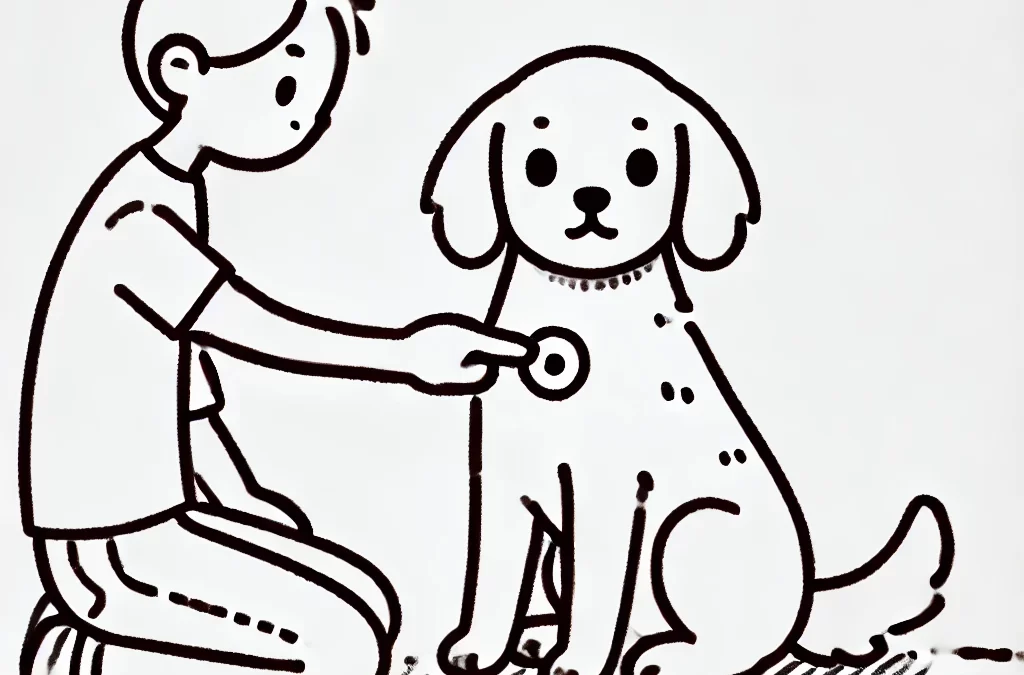
por TCMVET | maio 25, 2025 | Câncer e Tumores em Cães
Your dog has been diagnosed with cancer. You’ve started conventional treatment—or maybe you’ve chosen not to—and now you’re wondering:
Can I give my dog Chinese herbs?
Will they help or hurt?
Is it safe, or just wishful thinking?
This is one of the most important—and most misunderstood—questions in holistic veterinary care. While Traditional Chinese Medicine (TCM) can offer meaningful support for dogs with cancer, it must be used carefully, with professional guidance. Chinese herbs are powerful, and when used correctly, they can improve quality of life, reduce side effects, and even slow disease progression. But they are not “natural cure-alls.”
Here’s what you need to know.
1. Yes, But Not All Herbs Are Safe for Every Dog
TCM uses hundreds of herbs with different properties—some boost immunity, some reduce inflammation, others detoxify or regulate digestion. For dogs with cancer, certain herbs may:
- Support appetite and energy (tonics like Astragalus or Codonopsis)
- Ease chemotherapy side effects (like nausea or fatigue)
- Strengthen organ function (e.g. liver, kidneys)
- Regulate the immune response
However, not all herbs are appropriate for all cancers. For example, immune-stimulating herbs may not be recommended in cases of certain lymphomas or autoimmune conditions. Herbs that increase blood circulation might be risky in dogs with internal bleeding tumors. That’s why “one-size-fits-all” herbal solutions can be dangerous.
2. Chinese Herbs Are Best Used Alongside (Not Instead of) Conventional Care
Many pet parents fear chemotherapy or surgery, and hope that herbs can replace them. While that instinct is understandable, Chinese herbal therapy works best when it complementos, not competes with, Western medicine.
A good integrative vet may recommend herbs to:
- Reduce fatigue from chemotherapy
- Support detox during drug use
- Strengthen the body’s self-regulation between treatments
- Improve post-surgery recovery
In early-stage cancers or in geriatric pets who can’t tolerate aggressive treatment, TCM can become a primary form of care—but it still must be carefully tailored.
3. Quality and Source Matter More Than You Think
Not all herbal supplements are safe—especially those purchased from unknown brands online. Risks include:
- Heavy metal contamination
- Misidentified herbs
- Unsafe dosages for pets
- Human formulas not adjusted for animal needs
Always choose veterinary-formulated herbal blends or work with a certified veterinary herbalist (TCVM-trained vet). Herbs must be matched to your dog’s diagnosis, constitution, and treatment stage—not just the cancer type.
4. Watch for Interactions
Some herbs can interfere with medications—either by reducing their effectiveness or increasing toxicity. For example:
- St. John’s Wort (used in some Western herbal blends) may interfere with chemotherapy metabolism
- Licorice root may increase cortisol levels or affect blood pressure
- Some tonic herbs may alter liver enzyme activity
This doesn’t mean herbs are dangerous—it just means they must be professionally prescribed, just like drugs.
5. Red Flags and When to Stop
Even safe herbs can cause issues if your dog:
- Becomes lethargic or agitated
- Has changes in stool or vomiting
- Shows allergic reactions (itching, swelling)
- Experiences worsening of any clinical signs
Any of these may signal the wrong herb, wrong dose, or wrong timing. Immediate discontinuation and re-evaluation are essential.
So, Can Dogs with Cancer Take Chinese Herbs?
Yes—but only with care. Chinese herbal medicine is not about randomly adding powders to your dog’s food. It’s a nuanced system rooted in balance, timing, and observation.
With expert guidance, high-quality herbs, and the right treatment goals, TCM can be a valuable ally in your dog’s cancer care. It won’t magically cure cancer—but it might help your dog feel stronger, eat better, and live more comfortably, with greater vitality and less pain.
And that, sometimes, is the most important gift of all.

por TCMVET | fev 11, 2025 | Câncer e Tumores em Cães
For pet owners facing the heart-wrenching diagnosis of cancer in their beloved feline companions, the journey can be filled with uncertainty. While conventional treatments like surgery, chemotherapy, and radiation are commonly recommended, many are seeking alternatives to complement these options or, in some cases, as a holistic approach to overall care. One of the most promising areas is the use of natural remedies to help slow the growth of tumors in cats, providing not only physical relief but emotional comfort for both the pet and the owner.
The Power of Nature in Tumor Management
Natural remedies harness the therapeutic power of plants, herbs, and other natural substances to promote healing, reduce inflammation, and bolster the immune system. Unlike traditional treatments that primarily focus on eliminating cancer cells, natural remedies aim to enhance the body’s ability to fight cancer from within. This holistic approach does not target just the tumor itself but seeks to restore balance to the entire system, offering a comprehensive solution for managing cancer in cats.
Key Natural Remedies for Slowing Tumor Growth in Cats
- Cúrcuma (Curcuma longa)
One of the most well-known natural remedies for cancer, cúrcuma contains a compound called curcumin, which has been shown to have powerful anti-inflammatory, antioxidant, and anti-cancer properties. Curcumin can help slow tumor growth by inhibiting cancer cell proliferation and promoting apoptosis (programmed cell death). Additionally, it can support liver function, which is vital for detoxification, especially during cancer treatment.
- Cannabidiol (CBD) Oil
Óleo de CBD, derived from hemp, is another powerful natural remedy gaining attention for its potential in cancer management. Studies have shown that CBD can slow the growth of tumors by inducing cell death in cancerous cells and reducing inflammation. Moreover, it can improve your cat’s quality of life by managing pain and anxiety, which often accompany cancer treatments.
- Cogumelo Reishi (Ganoderma lucidum)
Reishi mushrooms have long been used in Traditional Chinese Medicine (TCM) for their immune-boosting properties. They contain beta-glucans that enhance immune function and promote the body’s ability to fight cancer. By supporting the immune system and improving overall vitality, Reishi mushrooms can aid in slowing tumor growth and enhancing your cat’s ability to cope with cancer.
- Astragalus Root (Astragalus membranaceus)
Often used in TCM, Astrágalo is known for its ability to enhance immune function and reduce inflammation. By stimulating the production of white blood cells and boosting the immune response, Astragalus can help the body combat cancer more effectively and slow the progression of tumors.
- Essiac Tea
Essiac tea, a blend of four herbs (burdock root, sheep sorrel, slippery elm bark, and Indian rhubarb), is renowned for its detoxifying properties and potential anti-cancer effects. The tea is thought to work by improving the immune system, detoxifying the body, and inhibiting the growth of cancerous cells.
TCMVET Baituxiao: A Modern Take on Ancient Wisdom
For pet owners looking for a targeted, modern application of these ancient healing principles, TCMVET Baituxiao stands out as a product specifically formulated to help manage tumors in pets. Combining traditional Chinese herbs known for their anti-cancer properties, such as Bai Hua She She Cao and Dang Gui, with modern advances in herbal supplementation, TCMVET Baituxiao offers a balanced approach to tumor care.
- Reducing Tumor Growth: The herbs in TCMVET Baituxiao are carefully selected to work together to inhibit tumor growth and reduce the size of existing tumors. Its formulation helps manage cancer cells while promoting overall health.
- Supporting Immunity: By boosting the immune system, TCMVET Baituxiao helps your cat’s body more effectively fight off cancer and prevent recurrence.
- Minimizing Side Effects: One of the major benefits of using TCMVET Baituxiao is its ability to reduce inflammation and discomfort, helping cats stay comfortable as they undergo treatment.
Incorporating TCMVET Baituxiao into your cat’s care regimen can offer significant benefits as part of an integrated, holistic approach to managing tumors.
Why Choose Natural Remedies for Your Cat?
Choosing natural remedies for slowing tumor growth in cats isn’t about replacing conventional treatments; it’s about enhancing the body’s ability to heal itself. Natural remedies offer an alternative to harsh side effects commonly seen with chemotherapy and radiation, and they work in tandem with traditional treatments to improve overall health and comfort.
By using natural remedies like cúrcuma, Óleo de CBD, Reishi mushrooms, e Astrágalo, alongside products like TCMVET Baituxiao, pet owners can help their cats feel better, live longer, and face cancer with resilience.
Considerações Finais
Managing a cat’s tumor with natural remedies provides a compassionate, holistic approach that seeks to nourish and support the body rather than simply targeting the tumor. These remedies can enhance conventional treatments by improving overall well-being, boosting immunity, and reducing inflammation. Always consult with your veterinarian before adding any new treatments to ensure the best possible care for your feline companion.

por TCMVET | fev 10, 2025 | Câncer e Tumores em Cães
Cancer in cats is a devastating diagnosis, but understanding the role of the immune system can provide insights into how we can help our feline companions. The immune system is our body’s natural defense mechanism, working tirelessly to fight off infections, abnormal cells, and even potential tumors. Unfortunately, tumors can sometimes evade the immune system, allowing cancer to grow and spread. So, the question arises: How can we enhance our cat’s immune system to combat cancer and reduce the risk of tumor formation?
The Connection Between Feline Tumors and the Immune System
The immune system plays a critical role in preventing the development of cancer. It identifies and destroys abnormal cells, including those that could potentially develop into tumors. However, some cancer cells have the ability to evade or suppress the immune system, making it harder for the body to recognize and destroy them.
In cats, this immune evasion can occur in several ways. Tumors might develop immune checkpoints or mechanisms that prevent immune cells from attacking them. They can also produce substances that suppress immune responses. This means that even if a cat’s immune system is strong, certain types of cancer may still progress if the immune system is not functioning optimally.
However, by supporting and strengthening your cat’s immune system, you can help its body fight back against these abnormal cells and potentially slow the progression of existing tumors or reduce the risk of new ones forming.
How the Immune System Works in Cats
Before diving into ways to boost the immune system, it’s essential to understand how the immune system works in cats. Like humans, cats have an intricate defense network composed of various cells and organs that work together to protect them from disease. Key players include:
- White blood cells (T-cells, B-cells, macrophages): These cells are responsible for identifying and attacking harmful invaders, such as viruses and cancer cells.
- Lymph nodes and spleen: These organs filter lymph fluid and blood, respectively, trapping harmful pathogens and abnormal cells.
- Antibodies: Produced by B-cells, these proteins help neutralize pathogens and target cancer cells.
- Cytokines: These are signaling molecules that help coordinate the immune response and ensure that immune cells function properly.
The immune system’s role in cancer prevention lies in its ability to detect and destroy mutated or damaged cells before they become cancerous. However, when the immune system is compromised, it becomes less effective at carrying out these tasks, allowing cancer cells to grow unchecked.
Ways to Boost Your Cat’s Immune System
There are several strategies to enhance your cat’s immune system, both through diet and lifestyle changes, as well as through targeted supplements. Below are some ways to strengthen your cat’s immunity and potentially reduce the risk of tumors:
1. Provide a Balanced, Nutrient-Rich Diet
A healthy diet is the foundation of a strong immune system. Cats require a balanced diet rich in essential nutrients, including proteins, vitamins, and minerals. A high-quality, species-appropriate diet that mimics what they would eat in the wild is crucial for supporting overall health and immune function.
- Antioxidants: Foods rich in antioxidants, such as vitamins A, C, and E, can help protect immune cells from oxidative damage. Antioxidants neutralize free radicals in the body, which can weaken the immune system and contribute to cancer development.
- Ácidos Graxos Ômega-3: Omega-3 fatty acids, found in fish oil and certain plant oils, have anti-inflammatory properties that help regulate immune responses. They can support healthy immune function and may also help reduce inflammation associated with cancer.
- Zinc and Selenium: Both minerals are essential for proper immune function and are involved in immune cell production and response.
2. Incorporate Immune-Boosting Supplements
There are several supplements specifically designed to support the immune system in cats. Always consult your veterinarian before adding any supplements to your cat’s diet, but some common immune boosters include:
- Colostrum: Colostrum, a type of milk produced by mammals immediately after birth, contains antibodies and growth factors that support immune function. It can enhance immune activity in cats and help protect against cancer.
- Mushroom Extracts: Certain mushrooms, like reishi and maitake, are known for their immune-boosting properties. These mushrooms contain compounds that can activate immune cells and enhance their ability to fight off cancer cells.
- Probiotics: A healthy gut microbiome is crucial for immune health. Probiotics can help maintain a balanced gut flora, which in turn supports immune function.
3. Reduce Stress
Chronic stress is known to suppress the immune system, making it less effective at defending against cancer and other diseases. Cats that are stressed for long periods are more vulnerable to illness, including cancer. To reduce your cat’s stress:
- Provide a safe, quiet environment: Cats are sensitive creatures and can easily become stressed by changes in their environment or routine. Ensure your cat has a calm, secure space where they can retreat when needed.
- Play and mental stimulation: Regular playtime and engagement can help alleviate stress. Interactive toys, scratching posts, and puzzle feeders can keep your cat mentally stimulated and prevent boredom-induced stress.
- Consistency: Try to maintain a consistent daily routine for your cat, including feeding times, playtime, and grooming. Predictability helps cats feel secure and reduces anxiety.
4. Regular Vet Check-ups and Screenings
Regular veterinary check-ups are crucial for maintaining your cat’s overall health and ensuring their immune system is functioning at its best. Routine screenings and exams allow for the early detection of potential health issues, including tumors. The earlier a tumor is detected, the better the chances of successful treatment.
- Vaccinations: Keep your cat’s vaccinations up to date to prevent infections that can weaken the immune system and contribute to cancer progression.
- Exames de sangue: Regular blood work can help monitor your cat’s immune system and identify any issues early on.
5. Consider Holistic Treatments
Some holistic treatments, such as acupuncture, herbs, and homeopathy, may help stimulate the immune system and support cancer treatment. For instance, certain Chinese herbs have been shown to enhance the immune response and could potentially complement conventional treatments for cats with cancer.
Conclusion: Empowering Your Cat’s Immune System
The immune system plays a pivotal role in preventing and fighting cancer in cats. While tumors can sometimes evade the immune system’s defenses, providing your cat with a balanced diet, immune-boosting supplements, stress reduction, and regular veterinary care can help improve their chances of staying healthy and reducing the risk of tumor development.
Although there’s no surefire way to prevent cancer, empowering your cat’s immune system with these practices offers them the best possible chance of maintaining good health for years to come. Always work closely with your veterinarian to tailor an immune-boosting plan that’s right for your cat’s unique needs. With the right care, your cat’s immune system can become a formidable ally in the fight against cancer.

por TCMVET | fev 9, 2025 | Câncer e Tumores em Cães
When your cat is diagnosed with a tumor, it can be an overwhelming experience for both you and your feline companion. Traditional treatment options often focus on surgery, chemotherapy, or medication, but there is an emerging approach that focuses on holistic health: moderado. The idea might sound surprising, but research suggests that exercise can be a valuable ally in boosting your cat’s immune system, potentially improving their quality of life and aiding in their recovery. In this article, we’ll explore how moderate exercise can benefit your cat’s immunity and overall health during tumor treatment.
The Link Between Exercise and Immunity: What You Need to Know
Before diving into the details, let’s first understand the science behind exercise and the immune system. For humans and animals alike, regular physical activity has been shown to improve immune function by stimulating the production of white blood cells (which fight infections), enhancing circulation, and promoting the removal of toxins from the body. This means that even during cancer treatment, gentle movement can support your cat’s natural defense mechanisms, making it easier for them to fight off infections and recover from illness.
Why Moderation is Key
Moderate exercise, unlike intense physical activity, is a low-impact approach that focuses on promoting mobility without stressing the body. For a cat with a tumor, overexertion can be detrimental, leading to fatigue or exacerbating their symptoms. Therefore, it’s crucial to strike a balance: the goal is to incorporate activities that are enjoyable and stimulating but don’t strain your cat’s body.
So, how can you ensure that your cat is getting the right amount of exercise?
1. Short Play Sessions: Focus on Mental Engagement
Cats with tumors may not have the same energy levels as they did before their diagnosis, and it’s important not to overwhelm them. Instead of long playtimes, aim for short, frequent play sessions. Ten to fifteen minutes of interactive play with their favorite toys can be enough to stimulate both their body and mind. Whether it’s a feather wand, a laser pointer, or a simple ball, keeping your cat mentally engaged is just as important as physical activity.
These play sessions help maintain muscle tone and flexibility while encouraging circulation, all of which contribute to improved immunity. The key is consistency—try to make these sessions a regular part of your cat’s day, adjusting the length of each based on their comfort level.
2. Encourage Exploration with Safe, Easy Movement
If your cat is used to being active and curious, encourage them to explore low-stress environments within your home. Cats love to wander, and even small, controlled movements can be beneficial. For example, allow them to move between rooms or investigate new areas of the house. Keep their environment safe, free of obstacles that could cause injury, and make sure there are cozy resting spots nearby for when they need breaks.
Providing opportunities for movement throughout the day will help promote lymphatic drainage, which can assist in detoxification. This type of gentle movement can also help maintain muscle mass and joint health, which is essential for overall well-being.
3. Integrating Gentle Walks or Outdoor Time
For cats that enjoy being outdoors (or if you have a safe outdoor enclosure), gentle walks can be a fantastic way to encourage movement. Walking with your cat on a leash (if they’re comfortable with it) allows them to explore and stretch their legs, enhancing circulation and offering a change of scenery.
However, always keep the exercise short and avoid hot or humid weather, as this can place additional stress on your cat’s body. The goal is to make these outdoor sessions enjoyable and stress-free, not strenuous.
4. Massage and Stretching: Indirect Exercise
When your cat has a tumor, they may experience tension or discomfort in specific areas of their body. Gentle massage can be an excellent way to enhance circulation without needing your cat to physically exert themselves. Soft strokes and light stretching can help with blood flow and prevent stiffness.
Some cats also enjoy being gently stretched—particularly the back and legs. These motions can help prevent muscle atrophy and promote relaxation. As always, observe your cat’s reactions; if they seem uncomfortable or resist, back off and try something gentler.
5. Tailor the Approach to Their Needs
Every cat is unique, and their response to exercise will vary depending on the type and stage of the tumor, their age, and overall health. It’s essential to adapt your approach based on your cat’s condition. Some cats may need more rest, while others will thrive with slightly more activity. Communicate with your veterinarian to assess how much exercise is appropriate for your cat’s specific situation.
The right balance of rest and activity can help your cat feel more comfortable, boost their energy levels, and support their immune system during treatment. Always monitor your cat’s energy levels and behavior to make sure they aren’t overexerting themselves.
The Role of Diet and Supplements
While exercise plays a crucial role in boosting immunity, it’s essential to pair it with a proper diet and supplements. Offering your cat high-quality, nutritionally balanced food is essential, especially during cancer treatment. Additionally, consider incorporating immune-boosting supplements like omega-3 fatty acids, antioxidants, and specific herbal remedies to enhance their defense system.
Herbal supplements like Chuanxiong (Lovage de Sichuan), Reishi mushrooms, e cúrcuma can have supportive properties for cancer patients. Always consult with your vet before adding any new supplements to your cat’s routine.
Conclusion: A Gentle Path to Healing
It’s easy to assume that a diagnosis like cancer means that your cat must rest all the time, but the right amount of moderado can play a vital role in maintaining their health and boosting immunity. Through short play sessions, gentle walks, safe exploration, and the occasional massage, you can help your cat stay active in a way that supports their body’s natural healing processes.
Remember, the goal is moderation—exercise should never be forced, but rather, encouraged in a way that suits your cat’s comfort level. Always listen to your cat’s cues and work closely with your veterinarian to ensure your chosen activities are safe and beneficial. With patience, love, and the right amount of gentle movement, you can support your cat through their cancer journey with strength and vitality.

por TCMVET | fev 7, 2025 | Câncer e Tumores em Cães
1. A quimioterapia pode ser um tratamento salvador para cães com câncer, mas muitas vezes vem com efeitos colaterais que impactam sua qualidade de vida. Embora a quimioterapia para cães seja geralmente menos agressiva do que em humanos, muitos cães ainda experimentam 2. problemas digestivos, fadiga, perda de apetite e imunidade enfraquecida. 3. . Compreender como 4. minimizar o desconforto 5. e fornecer cuidados nutricionais e de suporte adequados 6. pode fazer uma diferença significativa no bem-estar do seu cão durante o tratamento. 7. Efeitos Colaterais Comuns da Quimioterapia em Cães.
8. – Vômito, diarreia, náusea e perda de apetite são comuns devido ao impacto da quimioterapia nas células do revestimento do estômago que se dividem rapidamente.
🐶 Problemas Gastrointestinais 9. Fadiga & Fraqueza.
🐶 10. – Seu cão pode estar mais cansado do que o normal e preferir períodos de descanso mais longos. 11. Imunidade Baixa.
🐶 12. – A quimioterapia pode reduzir a contagem de glóbulos brancos, tornando seu cão mais propenso a infecções. 13. Queda de Pelo (em Certas Raças).
🐶 14. – Embora a maioria dos cães não perca muito pelo, raças com pelagens que crescem continuamente (por exemplo, Poodles) podem experimentar afinamento visível. 15. Úlceras na Boca & Salivação.
🐶 16. – Alguns cães desenvolvem feridas na boca, levando a desconforto ao comer. 17. Como Aliviar os Efeitos Colaterais da Quimioterapia?.
18. 1. Gerenciando Náusea & Vômito
19. Alimente pequenas refeições frequentes em vez de grandes porções.
- 20. Ofereça alimentos suaves e de fácil digestão, como.
- 21. frango cozido, arroz branco e abóbora 22. (fresca ou em forma de suplemento) pode ajudar a reduzir a náusea..
- Gengibre 23. Se o vômito persistir, pergunte ao seu veterinário sobre medicamentos anti-náusea como.
- 24. Cerenia (maropitant) 25. 2. Apoiar o Apetite & Prevenir a Perda de Peso.
26. Aqueça ligeiramente a comida do seu cão para realçar o aroma e incentivar a alimentação.
- 27. Experimente alimentos ricos em calorias e densos em nutrientes, como.
- 28. ovos cozidos, carnes magras e queijo cottage 29. Considere adicionar.
- Considere adicionar caldo de osso ou leite de cabra para refeições para hidratação e nutrição extra.
- Se seu cachorro recusar comida, estimulantes de apetite como Mirtazapina podem ajudar.
3. Prevenindo Diarreia e Desidratação
- Uso probióticos (por exemplo, FortiFlora) para apoiar a saúde intestinal.
- Alimente com alimentos ricos em fibra solúvel como abóbora enlatada ou batatas-doces cozidas no vapor.
- Garanta acesso constante a água fresca e ofereça soluções eletrolíticas se a diarreia persistir.
- Consulte seu veterinário se a diarreia durar mais de 24 horas ou incluir sangue.
4. Aumentando o Sistema Imunológico
- Inclua alimentos ricos em antioxidantes como mirtilos, cúrcuma e ácidos graxos ômega-3.
- Cogumelos medicinais (por exemplo, Cauda de Peru, Reishi) podem ajudar a modular a função imunológica.
- Evite dietas cruas durante a quimioterapia, pois a imunidade enfraquecida aumenta os riscos de infecção.
5. Gerenciando Fadiga e Fraqueza
- Permita que seu cachorro descanse mais mas incentive atividades leves como caminhadas curtas para circulação.
- Forneça um espaço de descanso confortável e aquecido com cama macia.
- Considere terapia de massagem suave ou acupressão para aliviar a tensão e melhorar o relaxamento.
6. Cuidando de Feridas Orais e Salivação
- Ofereça alimentos macios ou umedecidos para reduzir a irritação.
- Use enxaguantes orais seguros para pets (por exemplo, solução de clorexidina) para prevenir infecções.
- O óleo de coco pode ser aplicado nas gengivas por suas propriedades calmantes e antibacterianas.
Suplementos que Podem Ajudar
🌿 Cardo Mariano – Apoia a desintoxicação do fígado de medicamentos quimioterápicos.
🌿 Óleo de CBD – Pode ajudar com alívio da dor, náusea e inflamação.
🌿 L-Glutamina – Apoia a saúde do revestimento intestinal e reduz o risco de diarreia.
🌿 Ácidos Graxos Ômega-3 (Óleo de Peixe) – Fornece benefícios anti-inflamatórios e apoia a saúde imunológica.
Quando Contatar Seu Veterinário?
🚨 Vômito ou diarreia persistente por mais de 24 horas
🚨 Letargia severa ou colapso
🚨 Sinais de infecção (febre, linfonodos inchados, ofegante excessivo)
🚨 Perda de apetite por mais de dois dias
🚨 Sangramento ou hematomas incontroláveis
Considerações Finais
Gerenciar os efeitos colaterais da quimioterapia em cães requer uma abordagem equilibrada combinando suporte nutricional, cuidados em casa e orientação veterinária. Ao monitorar de perto a resposta do seu cão e fazer os ajustes necessários, você pode ajudá-lo a enfrentar o tratamento com maior conforto e resiliência.
por TCMVET | fev 7, 2025 | Câncer e Tumores em Cães
Descobrir um nódulo no corpo do seu cachorro pode ser alarmante. É apenas um tumor gorduroso inofensivo ou pode ser algo mais sério? Muitos donos de pets hesitam entre monitorar o nódulo em casa e correr para o veterinário. A chave é saber como avaliar o nódulo corretamente e reconhecer os sinais de alerta que requerem atenção médica.
Este artigo apresenta um guia prático e direto para donos de pets avaliarem os nódulos e protuberâncias de seus cães, ajudando você a tomar decisões informadas sobre quando buscar atendimento veterinário.
Guia Passo a Passo para Verificar o Nódulo do Seu Cachorro
🖐 1. Use a Abordagem da “Regra dos Cinco”
Ao examinar um nódulo no seu cachorro, avalie esses cinco fatores:
1️⃣ Tamanho – O nódulo é menor que uma ervilha ou está crescendo com o tempo?
2️⃣ Forma – É redondo e liso ou irregular e cheio de protuberâncias?
3️⃣ Textura – É macio e móvel ou firme e preso ao tecido subjacente?
4️⃣ Cor & Superfície – A pele sobre o nódulo é normal, avermelhada ou ulcerada?
5️⃣ Taxa de Crescimento – Mudou de tamanho em semanas ou meses?
🐾 2. O “Teste dos Dois Dedos”
Mova suavemente o nódulo entre seus dedos. Se ele se sentir livremente móvel sob a pele, é mais provável que seja benigno (como um lipoma). Se estiver firmemente preso aos tecidos mais profundos, pode ser mais preocupante.
🔍 3. Observe Quaisquer Sintomas Adicionais
Verifique se há mudanças no comportamento do seu cachorro e na saúde geral. Eles estão comendo bem? Perdendo peso? Coçando ou lambendo o nódulo excessivamente? Essas pistas podem ajudar a determinar se o nódulo está causando desconforto ou efeitos sistêmicos.
Tipos Comuns de Nódulos e Quando se Preocupar
🔹 Lipomas (Tumores Gordurosos)
✅ Macios, redondos e móveis
✅ Comuns em cães mais velhos ou com sobrepeso
✅ Geralmente inofensivos, mas devem ser monitorados quanto ao crescimento súbito
🔹 Cistos Sebáceos
✅ Preenchidos com uma substância espessa, branca ou amarelada
✅ Podem romper ou se infectar
✅ Muitas vezes não são graves, mas podem precisar de drenagem ou remoção se problemáticos
🔹 Tumores de Células Mastocitárias (MCTs)
🚨 Muitas vezes aparecem vermelhos, inchados ou ulcerados
🚨 Podem mudar de tamanho rapidamente devido à liberação de histamina
🚨 Requerem avaliação veterinária imediata, pois podem ser agressivos
🔹 Histiocitomas
✅ Comuns em cães jovens, geralmente na cabeça ou nas patas
✅ Aparecem como nódulos vermelhos, elevados e semelhantes a botões
✅ Muitas vezes desaparecem sozinhos, mas ainda devem ser verificados
🔹 Sarcomas de Tecidos Moles
🚨 Firmes, profundos e de crescimento lento
🚨 Muitas vezes não parecem bem definidos
🚨 Podem ser invasivos e podem exigir remoção cirúrgica
Quando Você Deve Ver um Veterinário?
📌 Visita Veterinária Imediata Necessária Se:
- O nódulo cresce rapidamente ou muda de forma
- Ele está firmemente preso em estruturas subjacentes
- Há sangramento, ulceração ou infecção
- O nódulo causa dor ou desconforto
- Seu cachorro apresenta outros sintomas como perda de peso, letargia ou mudanças no apetite
📌 Monitore em casa se:
- O nódulo é pequeno, macio e de crescimento lento
- Seu cachorro está agindo normalmente, sem desconforto
- Nenhuma mudança rápida em tamanho, textura ou cor é observada
Como os veterinários diagnosticam nódulos
Se uma visita ao veterinário for necessária, eles podem usar:
🩸 Aspiração por Agulha Fina (AAF) – Extração de células para exame microscópico
🔬 Biópsia – Coleta de uma amostra de tecido para análise mais detalhada
🖥 Ultrassom ou raios-X – Para verificar massas internas ou metástase
Considerações Finais
Nem todos os nódulos são motivo para pânico, mas a detecção precoce é crucial. A melhor abordagem é verificar regularmente o corpo do seu cachorro, ficar atento a mudanças e consultar seu veterinário quando tiver dúvidas. Ser proativo pode fazer uma grande diferença na garantia da saúde a longo prazo do seu cachorro.
