
от TCMVET | Сен 23, 2024 | Рак и опухоли у собак
Apocrine gland cysts and adenomas are common benign conditions seen in middle-aged to older dogs, particularly affecting breeds like the Great Pyrenees, Chow Chows, and Alaskan Malamutes. These cysts and adenomas develop from apocrine glands, which are associated with hair follicles and are found in the skin. This article provides an in-depth look at these conditions, including causes, symptoms, and treatment options.
What are Apocrine Gland Cysts?
Apocrine gland cysts are non-cancerous cysts that occur in the skin of dogs. They are typically seen in the middle to upper skin layers, loosely associated with hair follicles. Apocrine cysts can form on the head, neck, and other areas, often presenting as one or more fluid-filled sacs under the skin. These cysts are usually benign, meaning they do not spread or become cancerous.
There are two forms of apocrine gland cysts:
- Localized Apocrine Cysts: These develop in or near individual hair follicles and are more commonly found on the head and neck of dogs.
- Diffuse Apocrine Cysts: This form involves multiple cysts forming in the apocrine glands associated with multiple hair follicles. They can appear in areas of uninjured skin, making them harder to treat if they become widespread.
While benign, these cysts may sometimes cause discomfort, especially if they grow large or rupture.
What are Apocrine Gland Adenomas?
Apocrine gland adenomas are benign tumors that can arise in the apocrine glands. They appear as firm to soft masses and may contain fluid that ranges in color from clear to brownish. Typically, these cysts are not larger than 1.6 inches (4 centimeters) in diameter. Like apocrine cysts, adenomas are also found on the head, neck, and legs of older dogs, and, in rare cases, cats and horses.
Apocrine adenomas come in two types:
- Apocrine Adenomas: These are solid, benign growths formed by the apocrine glands.
- Apocrine Ductular Adenomas: These involve the ducts of the apocrine glands, leading to cystic formations.
Breeds at Higher Risk
Certain dog breeds are more prone to developing apocrine gland cysts and adenomas. The most commonly affected breeds include:
- Великие Пиренеи
- Chow Chows
- Аляскинские маламуты
Older dogs in these breeds are more likely to develop these conditions, though the exact cause remains unknown. Genetics, environmental factors, and age may play a role in their development.
Symptoms to Look For
- Visible cysts or lumps on the head, neck, or legs
- Fluid-filled sacs under the skin
- Soft to firm masses that may vary in size
- Discoloration of the skin or cyst fluid (clear to brown)
- Possible rupture of cysts causing localized inflammation or infection
While these cysts and adenomas are generally painless, they can cause discomfort if they rupture or grow in sensitive areas.
Варианты лечения
The primary treatment for apocrine gland cysts and adenomas is surgical removal. However, this can be challenging, particularly in cases where cysts are diffuse and spread across a larger area of the skin. In localized cases, the surgery is typically straightforward, and the prognosis is excellent after removal.
In situations where surgery is not an option, veterinarians may recommend monitoring the cysts for changes in size or discomfort. If cysts rupture, antibiotics may be required to prevent infection.
Apocrine gland cysts and adenomas in dogs are generally benign and treatable conditions. While they can cause cosmetic issues and occasional discomfort, early detection and treatment can help prevent complications. Owners of at-risk breeds such as Great Pyrenees, Chow Chows, and Alaskan Malamutes should monitor their dogs for the development of these cysts as they age, and consult a veterinarian for proper diagnosis and treatment.

от TCMVET | Сен 22, 2024 | Рак и опухоли у собак
Cornifying epitheliomas, also known as keratoacanthomas or infundibular keratinizing acanthomas, are benign skin tumors that commonly affect middle-aged dogs. These tumors are characterized by tough, layered lumps that protrude from the skin and can resemble small horns. While generally harmless, they may cause discomfort or lead to complications if left untreated. This article explores the causes, symptoms, and treatment options for cornifying epitheliomas in dogs.
What Are Cornifying Epitheliomas?
Cornifying epitheliomas are benign tumors that typically arise from hair follicles. These growths form nests of tough, layered lumps on the skin, which may look like small horns or cornified cysts. They can develop anywhere on the dog’s body but are most frequently found on the back, tail, and legs. In some cases, these tumors may cause irritation, leading to scratching or biting, which can result in secondary infections or skin trauma.
Breeds at Risk for Cornifying Epitheliomas
Certain dog breeds are more prone to developing cornifying epitheliomas. Middle-aged dogs are particularly susceptible, and specific breeds at higher risk include:
- Norwegian Elkhounds
- Бельгийские овчарки
- Лхаса апсос
- Bearded Collies
Norwegian Elkhounds and Lhasa Apsos are particularly at risk for developing multiple tumors or a more widespread form of the disease.
Symptoms of Cornifying Epitheliomas
The primary symptom of cornifying epitheliomas is the presence of tough, horn-like tumors on the skin. These tumors can vary in size and may cause discomfort depending on their location. Some key symptoms include:
- Raised, horn-like lumps: The tumors appear as tough, layered growths that stick up from the skin surface.
- Cornified cysts: In some cases, the tumors may appear as cornified cysts rather than horns.
- Self-trauma: Dogs may scratch, rub, or bite at the tumors, leading to trauma or ulceration.
- Secondary infections: If the tumors are irritated or broken open, they can become infected.
Causes of Cornifying Epitheliomas
While the exact cause of cornifying epitheliomas is not fully understood, they most likely originate from hair follicles. Genetic factors may play a role in certain breeds, especially those predisposed to the condition. Environmental factors such as skin irritation or trauma may also contribute to the development of these tumors.
Treatment Options for Cornifying Epitheliomas
Treatment for cornifying epitheliomas depends on the severity of the condition and whether the tumors are causing discomfort or complications. In some cases, the tumors may be left untreated if they are not causing any issues. However, treatment is recommended in cases of self-trauma, ulceration, or secondary infection.
- Хирургическое удаление: Surgical removal is the preferred treatment option, especially if the dog is experiencing discomfort or if the tumors are prone to infection. However, it’s important to note that dogs are likely to develop additional tumors over time.
- Oral Retinoid Medications: For dogs with a generalized form of the disease, oral retinoid medications may be prescribed to help manage the condition and reduce the occurrence of new tumors.
- Мониторинг: In cases where the tumors are not causing any issues, regular monitoring is advised to ensure they do not worsen or lead to complications.
Cornifying epitheliomas are benign tumors that can cause discomfort and complications in dogs, particularly in certain breeds like Norwegian Elkhounds and Lhasa Apsos. While treatment is not always necessary, surgical removal is recommended in cases where the tumors lead to self-trauma or infection. With proper management, most dogs can live comfortably with this condition, although additional tumors may develop over time.

от TCMVET | Сен 22, 2024 | Рак и опухоли у собак
Кожные ангиосаркомы, также известные как ангиоэндотелиомы, являются злокачественными опухолями, которые возникают из кровеносных сосудов в коже. Эти опухоли могут изначально напоминать доброкачественные гемангиомы, но позже прогрессируют в агрессивные злокачественные образования. Хотя они могут поражать многие породы, собаки с короткой белой шерстью и высоким уровнем солнечного облучения особенно подвержены этому заболеванию. В этой статье мы рассмотрим причины, симптомы и варианты лечения кожных ангиосарком у собак.
Что такое кожные ангиосаркомы?
Кожные ангиосаркомы - это редкие, но агрессивные опухоли, которые развиваются из кровеносных сосудов в коже. Эти опухоли могут появляться на различных частях тела, чаще всего поражая нижнюю сторону туловища, бедра, внутреннюю поверхность бедер и голени у собак. Хотя они могут изначально казаться безвредными, напоминая доброкачественные гемангиомы, они могут стать злокачественными и распространиться на окружающие ткани.
Породы, предрасположенные к ангиосаркомам
Некоторые породы собак более подвержены кожным ангиосаркомам, либо из-за типа шерсти, либо из-за генетической предрасположенности.
- Риск, связанный с солнцем: Собаки с короткой белой шерстью, такие как Уиппеты, Итальянские грейхаунды, белые боксеры, и Питбультерьеры, с большей вероятностью развивают ангиосаркомы, вызванные солнцем, из-за повышенного воздействия ультрафиолетового (УФ) излучения.
- Генетический риск: Породы, такие как Ирландские волкодавы, Визслы, Золотистые ретриверы, и Немецкие овчарки также подвержены развитию этих опухолей, хотя не в результате солнечного облучения.
Причины кожных ангиосарком
Воздействие солнца является значительным фактором риска для развития кожных ангиосарком у пород с короткой светлой шерстью. Длительное УФ-излучение может повредить клетки кожи, что приводит к мутациям, которые в конечном итоге приводят к образованию опухолей. В случаях, не связанных с солнцем, генетические факторы, вероятно, способствуют развитию ангиосарком у предрасположенных пород.
Симптомы кожных ангиосарком
Кожные ангиосаркомы могут изначально проявляться как небольшие, выглядящие доброкачественно шишки на коже. Со временем эти опухоли могут расти и становиться более агрессивными. Общие симптомы включают:
- Красные или фиолетовые шишки: Эти шишки часто напоминают синяки или доброкачественные гемангиомы.
- Изъязвление: По мере прогрессирования опухоли она может разрываться и язвиться, вызывая дискомфорт и инфекцию.
- Припухлость: В пораженной области может возникнуть локализованный отек по мере роста опухоли.
- Быстрый рост: Эти опухоли могут быстро расти, распространяясь на близлежащие ткани.
Варианты лечения кожных ангиосарком
Лечение кожных ангиосарком в значительной степени зависит от размера и расположения опухоли. Раннее выявление и вмешательство имеют решающее значение для успешного управления. Варианты лечения включают:
- Криохирургия: Небольшие поверхностные опухоли часто можно лечить замораживанием, процедурой, известной как криохирургия. Этот метод эффективно уничтожает клетки опухоли с минимальным вмешательством.
- (удаление части верхней челюсти). Эти операции могут быть довольно инвазивными, но могут предложить наилучшие шансы на локальный контроль опухоли. Кошки, которые проходят эти процедуры, часто требуют времени для адаптации, но в целом могут вернуться к хорошему качеству жизни после восстановления.: Лазерная хирургия также может использоваться для удаления небольших опухолей, предлагая точный и эффективный вариант лечения с меньшим риском образования рубцов.
- Избежание солнечного воздействия: Для собак, склонных к ангиосаркомам, связанным с солнцем, критически важно уменьшить воздействие УФ-излучения. Ограничение времени на солнце, применение безопасного для собак солнцезащитного крема и использование защитной одежды могут помочь предотвратить образование новых опухолей.
- Долгосрочный мониторинг: Даже после успешного лечения новые опухоли могут развиваться со временем, поэтому долгосрочный мониторинг необходим для раннего выявления любых будущих образований.
Кожные ангиосаркомы — это агрессивные опухоли кровеносных сосудов, которые могут значительно повлиять на здоровье собаки, особенно для пород с высоким солнечным воздействием или генетической предрасположенностью. Раннее выявление и своевременное лечение имеют жизненно важное значение для управления состоянием. Владельцы домашних животных могут помочь снизить риск своей собаки, минимизируя солнечное воздействие и обращаясь за ветеринарной помощью при первых признаках любых подозрительных кожных образований.

от TCMVET | Сен 22, 2024 | Рак и опухоли у собак
Epidermal hamartomas, also known as nevi, are rare skin conditions that appear as dark, pointy bumps on a dog’s skin. While they are benign, these growths can cause cosmetic concerns and are prone to secondary infections, especially in puppies. In this article, we will explore the symptoms, causes, and treatment options for epidermal hamartomas in dogs.
What Are Epidermal Hamartomas?
Epidermal hamartomas are benign skin lesions that form dark, raised bumps, sometimes arranged in a line on the skin. These bumps are typically more common in young dogs and puppies, and while they may look unpleasant, they are not cancerous. However, hamartomas can form pimples or thickened skin folds, leading to discomfort and potential infection.
Symptoms of Epidermal Hamartomas
The primary sign of epidermal hamartomas is the appearance of dark, pointy bumps on the dog’s skin. These growths may vary in size and shape and can present in different forms:
- Pointy, dark bumps: The nevi may be small and dark, appearing as pointed growths on the skin’s surface.
- Pimples or thick skin folds: In some cases, the skin around the hamartoma thickens or forms pimple-like structures.
- Linear arrangement: Occasionally, these bumps appear in a line, which can be a distinguishing feature of the condition.
- Prone to infection: Due to the nature of the growths, they can trap bacteria, leading to secondary infections, particularly if the dog scratches or irritates the area.
Причины и факторы риска
While the exact cause of epidermal hamartomas is not always known, several factors contribute to their development:
- Genetics: In certain breeds, such as Cocker Spaniels, epidermal hamartomas may be inherited. This genetic predisposition makes them more likely to develop this condition at a young age.
- Щенки: These skin growths are more frequently observed in puppies, although they can appear in dogs of any age.
Treatment Options for Epidermal Hamartomas
Treatment of epidermal hamartomas largely depends on the size and number of growths. While they are benign, the risk of infection and their unsightly appearance often prompts treatment. Options include:
- Хирургическое удаление: Small hamartomas can typically be surgically removed with minimal complications. This is often the preferred option if the nevi are few and localized.
- Drug treatment: For dogs with large or multiple hamartomas, surgical removal may not be feasible. In these cases, medication can help manage the condition. Anti-inflammatory drugs or antibiotics may be prescribed if there is a secondary infection.
- Регулярный мониторинг: For benign lesions that do not cause discomfort or infection, regular monitoring by a veterinarian may be enough to ensure the growths do not worsen.
Epidermal hamartomas are rare, benign skin conditions most commonly seen in puppies and certain breeds, such as Cocker Spaniels. While they are not harmful, their appearance and the risk of infection often make removal or treatment necessary. If you notice unusual bumps or skin changes on your dog, consult a veterinarian to determine the best course of action.
от TCMVET | Сен 21, 2024 | Рак и опухоли у собак
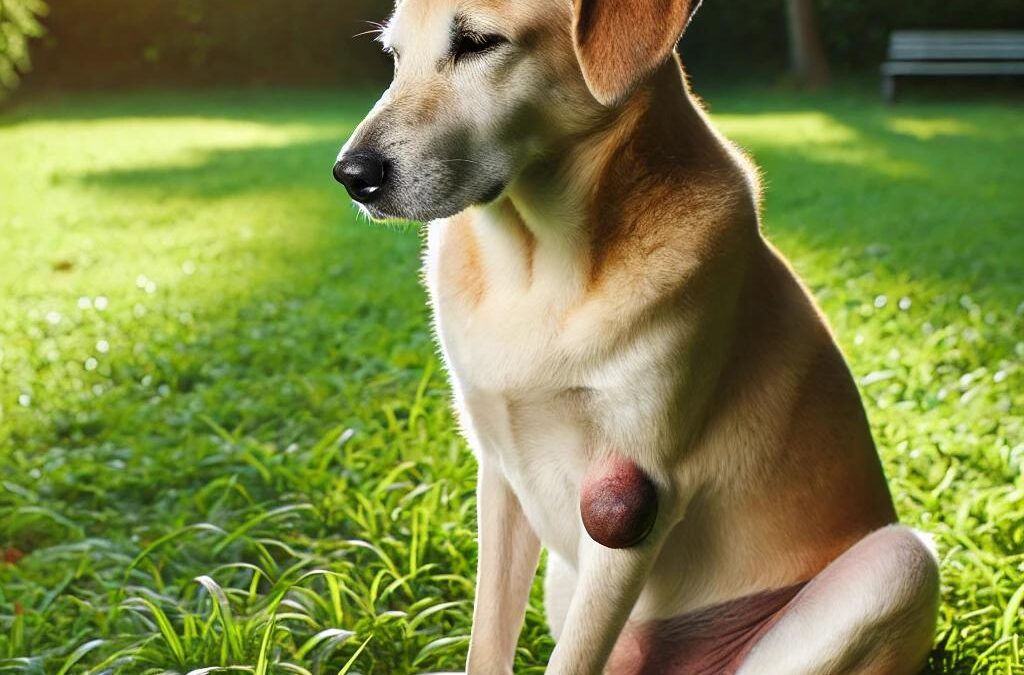
Basal cell tumors are one of the most common types of benign skin tumors found in dogs. These growths typically affect middle-aged to older dogs and can appear as firm, dome-shaped masses on the skin. While generally non-cancerous, basal cell tumors can still cause discomfort due to their size and the potential for ulceration. In this article, we will explore the symptoms, causes, and treatment options for basal cell tumors in dogs.
What Are Basal Cell Tumors?
Basal cell tumors are skin growths that originate from the basal cells found in a dog’s skin. These tumors are typically benign, meaning they are not cancerous, but they can grow large and cause discomfort. They are most commonly found on the dog’s head (especially the ears), neck, and forelimbs. Although they are benign, they may cause problems such as ulceration, inflammation, and discomfort, particularly if they grow in size.
Symptoms of Basal Cell Tumors in Dogs
Basal cell tumors generally present as firm, elevated masses on the skin. These growths may vary in size, from small bumps less than 0.4 inches (1 centimeter) to large masses over 4 inches (10 centimeters) in diameter. Some additional characteristics include:
- Solitary lumps: The tumors often appear as single masses rather than multiple growths.
- Hairless or ulcerated surface: These lumps are frequently hairless, and in some cases, they may break open and ulcerate.
- Dome-shaped growths: The masses tend to have a dome-like shape, often sticking out from the skin on stalk-like projections.
- Dark coloration: In some instances, the tumors can be dark in color.
- Secondary cysts: Cysts may form within or around the tumor.
Despite their benign nature, basal cell tumors can become problematic when they ulcerate and cause secondary inflammation. Dogs with these tumors may experience discomfort, especially if the mass becomes infected or leads to the death of surrounding skin tissue.
Causes of Basal Cell Tumors in Dogs
Several factors may contribute to the development of basal cell tumors in dogs:
- Возраст: These tumors are more common in middle-aged to older dogs.
- Breed predisposition: Certain breeds, including Wirehaired Pointing Griffons, Kerry Blue Terriers, and Wheaten Terriers, are more likely to develop basal cell tumors.
- Воздействие солнца: Prolonged exposure to UV radiation may increase the risk of skin tumors in dogs.
Treatment Options for Basal Cell Tumors in Dogs
The most effective treatment for basal cell tumors is surgical removal. Since these tumors can grow large and cause discomfort due to ulceration and inflammation, removing the tumor eliminates the source of irritation. Surgery is typically straightforward, especially when the tumor is caught early before it grows too large.
In some cases, additional treatments such as antibiotics or anti-inflammatory medications may be prescribed to manage secondary infections or inflammation caused by the tumor. Once the tumor is removed, the chances of recurrence are generally low, and the dog’s quality of life improves significantly.
Basal cell tumors in dogs, while benign, can cause significant discomfort due to their size and potential for ulceration. Regular monitoring of your dog’s skin, especially if they belong to a breed predisposed to these tumors, can help catch any growths early. Surgical removal is an effective treatment and can prevent further complications such as infections or inflammation. If you notice any unusual lumps or masses on your dog’s skin, consult a veterinarian to determine the best course of action.

от TCMVET | Сен 21, 2024 | Рак и опухоли у собак
Skin tags, also known as acrochordons, are common benign skin lumps that frequently appear on older dogs. While harmless, these growths can sometimes cause concern for pet owners due to their appearance and the possibility of multiple occurrences. In this article, we will explore what skin tags are, why they develop, how they are diagnosed, and the available treatment options.
What Are Skin Tags in Dogs?
Skin tags are small, benign growths that can appear anywhere on a dog’s body. They often resemble stalk-like extensions and may have a wart-like surface. Although these growths can affect dogs of any breed, larger breeds tend to be at higher risk. Skin tags typically do not cause discomfort or pain unless they become irritated or injured.
Causes of Skin Tags in Dogs
While the exact cause of skin tags is not fully understood, several factors contribute to their development, particularly in older dogs. These factors include:
- Aging: As dogs age, their skin undergoes changes, making older dogs more susceptible to developing skin tags.
- Genetics: Certain breeds, especially large ones, are more prone to developing skin tags.
- Friction: Areas of the skin that experience frequent rubbing or friction, such as under the collar or around the legs, may be more likely to develop skin tags.
Diagnosing Skin Tags in Dogs
Skin tags are generally harmless, but it is essential to have them properly diagnosed by a veterinarian. This is particularly important as some skin conditions, such as warts or tumors, can appear similar to skin tags. A veterinarian may recommend a биопсия to confirm that the growth is benign. If your dog develops one skin tag, it is common for others to appear over time.
Treatment Options for Skin Tags in Dogs
While most skin tags do not require removal, surgical intervention may be considered if the growth becomes irritated, infected, or unsightly. Removal is typically done using methods such as excision, laser removal, or cryotherapy (freezing). However, unless the skin tag is causing discomfort or affecting the dog’s quality of life, surgery is often not necessary.
Skin tags in dogs are generally harmless but may cause worry for pet owners due to their appearance. Proper diagnosis and understanding of their benign nature can alleviate concerns. If a skin tag becomes problematic, consulting a veterinarian about removal options can help keep your dog comfortable and healthy.
