
av TCMVET | 29 aug 2024 | kinesisk örtmedicin för husdjur
Mediastinala tumörer är utväxter som utvecklas i mediastinum, det centrala utrymmet i brösthålan hos hundar. Dessa tumörer kan vara antingen maligna eller godartade och kan orsaka en mängd olika hälsokomplikationer. Medan konventionella behandlingar som kirurgi, kemoterapi och strålbehandling ofta är nödvändiga, erbjuder traditionell kinesisk medicin (TCM) kompletterande metoder som kan hjälpa till att lindra symtomen, bromsa utvecklingen av tumören och förbättra den allmänna hälsan. En sådan ört som används i TCM är Salvia miltiorrhiza, allmänt känd som Danshen.
Förstå mediastinala tumörer hos hundar
Mediastinala tumörer är allvarliga tillstånd som kan påverka vitala strukturer som hjärtat, matstrupen, luftstrupen och större blodkärl. Dessa tumörer kan orsaka symtom som hosta, andningssvårigheter och letargi. Behandlingen och prognosen beror på tumörtyp, storlek, lokalisering och om den är malign eller godartad.
Rollen för Salvia Miltiorrhiza (Danshen) vid behandling av mediastinala tumörer
Salvia miltiorrhiza, även känd som Danshen, är en högt uppskattad ört inom traditionell kinesisk medicin. Det har använts i århundraden för att behandla olika åkommor, särskilt de som är relaterade till blodcirkulationen och inflammation. I samband med att hantera mediastinumtumörer hos hundar erbjuder Danshen flera viktiga fördelar:
- Främjar blodcirkulationen
- Danshen är välkänt för sin förmåga att främja blodcirkulationen. Hos hundar med mediastinumtumörer kan förbättrat blodflöde hjälpa till att lindra symtom som är förknippade med dålig cirkulation, såsom svullnad och obehag. Genom att förbättra blodcirkulationen kan Danshen också bidra till att förhindra bildandet av blodproppar och minska risken för komplikationer relaterade till dåligt blodflöde runt tumörstället.
- Minskar blodstas
- Blodstas, ett tillstånd som kännetecknas av dålig eller blockerad cirkulation, är ett vanligt problem hos hundar med tumörer. Danshens blodupplivande egenskaper hjälper till att bryta ner blodproppar och sprida blodstas, vilket potentiellt kan lindra tryck och obehag som orsakas av tumören. Detta kan också bidra till en minskning av tumörens storlek eller bromsa dess tillväxt genom att förbättra blodflödet till och från det drabbade området.
- Antiinflammatoriska effekter
- Inflammation är ett betydande problem hos hundar med mediastinumtumörer, eftersom det kan förvärra symtomen och bidra till tumörtillväxt. Danshen innehåller föreningar som har potenta antiinflammatoriska egenskaper. Genom att minska inflammation kan Danshen hjälpa till att lindra smärta och obehag, förbättra hundens livskvalitet och potentiellt bromsa utvecklingen av tumören.
- Antitumöregenskaper
- Forskning har visat att Danshen har antitumöregenskaper, vilket gör det till ett värdefullt komplement till konventionella cancerbehandlingar. Örten innehåller tanshinoner, som är bioaktiva föreningar som har visat sig hämma tillväxten av cancerceller och inducera apoptos (programmerad celldöd). Även om Danshen inte är ett fristående botemedel mot cancer, kan det vara en effektiv kompletterande terapi som stöder den övergripande behandlingsplanen.
- Stöd för övergripande hälsa
- Utöver dess specifika effekter på tumörer är Danshen också känt för sina allmänna hälsofördelar. Det stöder kardiovaskulär hälsa, förbättrar leverfunktionen och främjar övergripande vitalitet. För hundar som genomgår behandling för mediastinumtumörer är upprätthållande av god allmän hälsa avgörande för att klara av sjukdomen och förbättra resultaten.
Hur man använder Salvia Miltiorrhiza för hundar
Danshen kan administreras till hundar i olika former, inklusive som ett pulverextrakt, kapslar eller som en del av en växtbaserad formel som ordinerats av en veterinär specialiserad på traditionell kinesisk medicin. Lämplig dosering och administreringssätt bör bestämmas av en professionell, med hänsyn till hundens storlek, hälsostatus och specifika tillstånd.
Integrera Danshen med konventionella behandlingar
Det är viktigt att notera att även om Danshen erbjuder betydande fördelar, bör den användas som en del av en omfattande behandlingsplan som inkluderar konventionell veterinärvård. Att integrera TCM med kirurgi, kemoterapi eller strålbehandling kan ge ett mer holistiskt tillvägagångssätt för att hantera mediastinumtumörer, vilket hjälper till att förbättra hundens livskvalitet och övergripande prognos.
Salvia miltiorrhiza (Danshen) är en kraftfull ört inom traditionell kinesisk medicin som erbjuder flera fördelar för hundar med mediastinala tumörer. Genom att främja blodcirkulationen, minska blodstas, bekämpa inflammation och ha antitumöregenskaper kan Danshen vara en värdefull kompletterande terapi vid behandling av mediastinumtumörer. Som med all behandling är det viktigt att rådgöra med en veterinär med erfarenhet av TCM för att säkerställa säker och effektiv användning av Danshen i din hunds vårdplan.

av TCMVET | 29 aug 2024 | kinesisk örtmedicin för husdjur
Mediastinala tumörer hos hundar utgör ett utmanande hälsoproblem som ofta kräver en omfattande behandlingsmetod. Även om konventionella behandlingar som kirurgi, kemoterapi och strålbehandling vanligtvis används, vänder sig många husdjursägare till holistiska och traditionella kinesiska medicinska (TCM) metoder för att komplettera dessa behandlingar och förbättra sin hunds livskvalitet. Denna artikel utforskar hur holistisk vård och TCM kan spela en roll i hanteringen av mediastinala tumörer hos hundar, och erbjuder alternativa och stödjande alternativ som kan fungera tillsammans med konventionell veterinärmedicin.
Förstå holistiska metoder
Holistisk veterinärvård fokuserar på att behandla hela hunden snarare än bara sjukdomen. Denna metod tar hänsyn till de fysiska, känslomässiga och miljömässiga aspekterna av en hunds välbefinnande. Holistiska behandlingar syftar till att stödja kroppens naturliga läkningsprocesser, minska stress och förbättra den övergripande hälsan, vilket kan vara särskilt fördelaktigt för hundar som hanterar allvarliga tillstånd som mediastinala tumörer.
Nyckelholistiska terapier
- Kost och näring
- Näring spelar en avgörande roll i hanteringen av cancer hos hundar. En kost rik på högkvalitativa proteiner, hälsosamma fetter och låga kolhydrater kan hjälpa till att stödja immunsystemet och den övergripande hälsan. Många holistiska veterinärer rekommenderar att man inkluderar färska, hela livsmedel och undviker processad hundmat. Kosttillskott som omega-3-fettsyror, antioxidanter och probiotika kan också rekommenderas för att stödja immunfunktionen och minska inflammation.
- Örtmedicin
- Växtmedicin är en nyckelkomponent i holistisk vård. Specifika örter kan hjälpa till att hantera symtom, minska tumörtillväxt och stödja immunsystemet. Till exempel används örter som gurkmeja, känd för sina antiinflammatoriska egenskaper, och astragalus, som stödjer immunfunktionen, ofta i holistisk cancerbehandling. Det är viktigt att konsultera en veterinär med kunskap om växtmedicin för att säkerställa att örterna är säkra och lämpliga för din hund.
- Akupunktur
- Akupunktur, en praktik som har sina rötter i traditionell kinesisk medicin, innebär att tunna nålar sätts in i specifika punkter på kroppen för att främja läkning och lindra smärta. För hundar med mediastinala tumörer kan akupunktur hjälpa till att hantera smärta, minska inflammation och förbättra den övergripande energinivån. Denna behandling kan vara särskilt fördelaktig för att förbättra hundens livskvalitet och stödja kroppens förmåga att hantera sjukdomen.
- Massage terapi
- Massagebehandling kan vara ett värdefullt verktyg i holistisk cancerbehandling. Det hjälper till att minska stress, förbättra cirkulationen och lindra smärta och obehag kopplade till mediastinala tumörer. Regelbunden massage kan också förbättra din hunds känslomässiga välbefinnande, vilket ger komfort och avslappning.
Traditionella kinesiska medicinska metoder (TCM)
Traditionell kinesisk medicin erbjuder ett unikt perspektiv på cancerbehandling, med fokus på att återställa balans och harmoni inom kroppen. TCM-metoder som akupunktur, växtmedicin och kostterapi används ofta för att stödja hundar med mediastinala tumörer.
- Kinesiska växtformler
- Kinesisk örtmedicin är en integrerad del av TCM. Örtformler anpassas ofta baserat på hundens specifika behov och tumörens natur. Till exempel, formeln Xiao Chai Hu Tang används ofta för att stödja leverfunktionen och minska inflammation, medan Shen Qi Wan kan rekommenderas för att stärka njurarna och främja allmän vitalitet. Dessa formler syftar till att ta itu med de grundläggande orsakerna till sjukdom, återställa balans och stödja kroppens naturliga försvar.
- Qi Flöde och Balans
- I TCM är begreppet Qi (livsenergi) centralt för hälsa. TCM-terapier fokuserar på att säkerställa det fria flödet av Qi genom hela kroppen. Akupunktur och örtmedicin används ofta för att avblockera stillastående Qi, vilket tros bidra till utvecklingen av tumörer. Genom att återställa flödet av Qi kan dessa behandlingar hjälpa till att förbättra hundens allmänna hälsa och förmåga att bekämpa sjukdomen.
- Kostterapi i TCM
- Kostterapi är en annan viktig aspekt av TCM. Livsmedel väljs baserat på deras energiska egenskaper och deras förmåga att näring specifika organ. Till exempel kan kylande livsmedel som gurka och vattenmelon användas för att minska värme i kroppen, medan värmande livsmedel som ingefära och lamm kan hjälpa till att öka Qi. En TCM-utövare kan skapa en anpassad kostplan för att stödja din hunds hälsa under cancerbehandling.
Integrering av Holistisk och TCM med Konventionell Vård
Det är viktigt att notera att holistiska och TCM-ansatser inte är avsedda att ersätta konventionella cancerbehandlingar utan snarare att komplettera dem. Genom att integrera dessa metoder med kirurgi, kemoterapi eller strålbehandling kan du skapa en mer omfattande behandlingsplan som tar hänsyn till din hunds fysiska, emotionella och andliga behov. Rådgör alltid med din veterinär innan du inför några nya behandlingar för att säkerställa att de är säkra och lämpliga för din hunds specifika tillstånd.
Fördelar med Holistiska och TCM-Ansatser
- Förbättrad livskvalitet: Holistiska och TCM-ansatser fokuserar på hundens övergripande välbefinnande, vilket hjälper till att lindra smärta, minska stress och öka komforten under behandlingen.
- Stöd för Konventionella Behandlingar: Dessa terapier kan hjälpa till att mildra biverkningarna av konventionella behandlingar, såsom illamående, trötthet och smärta, vilket gör den övergripande behandlingsupplevelsen mer uthärdlig för hunden.
- Förbättrad immunfunktion: Många holistiska och TCM-terapier syftar till att stärka immunsystemet, vilket hjälper kroppen att bättre bekämpa tumören och återhämta sig från behandlingar.
- Minskade biverkningar: Naturliga terapier är ofta skonsammare mot kroppen och kan minska risken för negativa biverkningar kopplade till konventionella cancerbehandlingar.
Holistiska och Traditionella Kinesiska Medicinmetoder erbjuder värdefullt stöd för att hantera mediastinala tumörer hos hundar. Genom att fokusera på hela hunden och använda naturliga terapier för att komplettera konventionella behandlingar kan dessa metoder förbättra din hunds livskvalitet, stödja deras immunsystem och öka deras förmåga att hantera sjukdomen. Om du överväger att integrera holistiska eller TCM-behandlingar i din hunds vårdplan, rådgör med en veterinär med erfarenhet av dessa terapier för att säkerställa de bästa möjliga resultaten för ditt älskade husdjur.

av TCMVET | 28 aug, 2024 | kinesisk örtmedicin för husdjur
Trakealtumörer hos husdjur, inklusive både katter och hundar, kan leda till betydande andningsproblem som påverkar deras livskvalitet. Traditionell kinesisk medicin (TCM) erbjuder en holistisk metod för att hantera dessa tillstånd, där kinesiska örter spelar en avgörande roll i att stödja andningshälsan. Denna artikel utforskar hur kinesiska örter kan användas för att lindra symtom och förbättra det övergripande välbefinnandet hos husdjur med trakealtumörer.
Förståelse för trakeala tumörer och deras påverkan på andningshälsan
Trakeala tumörer, oavsett om de är godartade eller elakartade, kan blockera luftvägarna, vilket leder till symtom som hosta, pipande andning och andningssvårigheter. När tumören växer, förvärras dessa symtom ofta, vilket gör det allt svårare för djuret att andas bekvämt. Konventionella behandlingar som kirurgi, kemoterapi och strålbehandling används vanligtvis, men integrering av kinesiska örter kan ge ytterligare stöd genom att ta itu med de underliggande symtomen och förbättra andningsfunktionen.
Nyckelkinesiska örter för att stödja andningshälsan
Kinesiska örter har använts i århundraden för att behandla olika andningssjukdomar, inklusive de som orsakas av tumörer. Följande örter är särskilt effektiva för att hantera symtomen kopplade till trakeala tumörer hos husdjur:
- Ma Huang (Ephedra): Ma Huang är en kraftfull ört som traditionellt används för att öppna luftvägarna och förbättra andningen. Den hjälper till att minska bronkial sammandragning och lindra andningsbesvär, vilket gör den fördelaktig för husdjur med trakeala tumörer som orsakar luftvägsblockering.
- Zi Wan (Aster Tataricus): Zi Wan är känd för sin förmåga att lindra hosta och rensa slem från luftvägarna. Denna ört är särskilt användbar för husdjur som upplever kronisk hosta på grund av trakeala tumörer, eftersom den lugnar halsen och minskar irritation.
- Huang Qin (Scutellaria Baicalensis): Huang Qin är en potent antiinflammatorisk ört som kan hjälpa till att minska svullnad och inflammation i trakea. Genom att minimera inflammation hjälper Huang Qin till att lindra symtom som pipande andning och ansträngd andning.
- Ban Xia (Pinellia Ternata): Ban Xia används vanligtvis inom TCM för att behandla andningssjukdomar som involverar överdrivet slem. Den fungerar genom att omvandla och utvisa slem, vilket hjälper till att rensa luftvägarna och stödja bättre andning hos husdjur med trakeala tumörer.
Hur kinesiska örter förbättrar konventionella behandlingar
Kinesiska örter kan användas tillsammans med konventionella behandlingar för att öka deras effektivitet och ge en mer omfattande strategi för att hantera trakeala tumörer hos husdjur. Här är hur dessa örter kan komplettera traditionell veterinärvård:
- Minska biverkningar: Vissa konventionella behandlingar, såsom kemoterapi, kan orsaka biverkningar som illamående och immunosuppression. Kinesiska örter som Ren Shen (Ginseng) och Dang Gui (Angelica Sinensis) kan hjälpa till att mildra dessa biverkningar genom att stärka immunsystemet och stödja den övergripande vitaliteten.
- Förbättra andningsfunktionen: Medan konventionella behandlingar riktar sig mot tumören själv, fokuserar kinesiska örter på att förbättra djurets andningsfunktion. Genom att minska inflammation, rensa slem och öppna luftvägarna hjälper dessa örter till att hantera symtomen som påverkar djurets andning, vilket gör att de känner sig mer bekväma.
- Stödja återställning: Efter kirurgi eller under återhämtning från andra behandlingar kan kinesiska örter hjälpa till i läkningsprocessen. Jin Yin Hua (kaprifol) och Lian Qiao (Forsythia) används vanligtvis för att förebygga infektioner och främja vävnadsreparation, vilket säkerställer att djuret återhämtar sig snabbare och med färre komplikationer.
Integrera kinesiska örter i din husdjursvård
Innan du integrerar kinesiska örter i din husdjursvårdsplan är det viktigt att konsultera en veterinär som har kunskap om TCM. En personlig behandlingsplan kan utvecklas baserat på ditt husdjurs specifika behov, med hänsyn till typen av trakealtumör, husdjurets allmänna hälsa och behandlingsmålen.
- Växtbaserade formuleringar: Kinesiska örter används ofta i kombination för att skapa balanserade formuleringar som adresserar flera aspekter av tillståndet. Till exempel kan en formulering inkludera Ma Huang för att öppna luftvägarna, Zi Wan för att lugna halsen och Huang Qin för att minska inflammation.
- Dosering och administrering: Rätt dosering och administrering av kinesiska örter är avgörande för deras effektivitet. En TCM-utbildad veterinär kommer att bestämma den korrekta doseringen baserat på ditt husdjurs storlek, ålder och hälsotillstånd, vilket säkerställer att örterna är både säkra och effektiva.
- Övervakning och justeringar: Som med alla behandlingar är det viktigt att övervaka ditt husdjurs respons på kinesiska örter och göra justeringar vid behov. Regelbundna kontroller med din veterinär hjälper till att säkerställa att behandlingen förblir effektiv och att eventuella potentiella biverkningar hanteras snabbt.
Kinesiska örter erbjuder en värdefull, naturlig metod för att stödja andningshälsan hos husdjur med trakealtumörer. Genom att integrera dessa örter i en omfattande behandlingsplan kan husdjursägare hjälpa till att lindra symtom, förbättra andningsfunktionen och förbättra den övergripande livskvaliteten för sina älskade följeslagare. Med vägledning av en kunnig veterinär kan kinesiska örter vara ett kraftfullt verktyg i kampen mot trakealtumörer hos husdjur.

av TCMVET | 28 aug, 2024 | kinesisk örtmedicin för husdjur
Trakealtumörer hos katter är en allvarlig hälsorisk som kan påverka en katts andning och allmänna välbefinnande. Medan konventionella behandlingar som kirurgi, kemoterapi och strålbehandling ofta används, vänder sig många husdjursägare till traditionell kinesisk medicin (TCM) som en komplementär metod för att förbättra överlevnaden och livskvaliteten för sina kattkompanjoner. Denna artikel utforskar hur TCM kan integreras i behandlingsplanen för katter med trakealtumörer.
Förstå trakealtumörer hos katter
Trakealtumörer hos katter, även om de är sällsynta, kan vara livshotande om de inte hanteras korrekt. Dessa tumörer kan vara godartade eller elakartade, där lymfosarkom (LSA) är en av de vanligaste elakartade typerna hos katter. Symtom inkluderar ofta hosta, andningssvårigheter och förändringar i röst. Tidig upptäckte och behandling är avgörande för att förbättra prognosen.
Traditionell kinesisk medicins roll i behandlingen av trakealtumörer
Traditionell kinesisk medicin har använts i århundraden för att behandla en mängd olika åkommor hos både människor och djur. TCM fokuserar på att återställa balansen i kroppen genom naturliga botemedel, inklusive örter, akupunktur och kostjusteringar. När det gäller trakealtumörer hos katter kan TCM spela en stödjande roll inom flera viktiga områden:
- Minska inflammation och svullnad: Ett av de primära målen för TCM vid behandling av trakealtumörer är att minska inflammation och svullnad, vilket kan hjälpa till att lindra symtom som hosta och andningssvårigheter. Örter som Huang Qin (Scutellaria baicalensis) och Bai Hua She She Cao (Oldenlandia diffusa) är kända för sina antiinflammatoriska egenskaper och ingår ofta i TCM-formuleringar för andningshälsa.
- Förbättra immunfunktionen: Att stärka immunförsvaret är avgörande för katter som kämpar mot trakealtumörer, särskilt när de genomgår konventionella behandlingar som kemoterapi, vilket kan försvaga immuniteten. TCM-örter som Astragalus (Huang Qi) och Reishi svamp (Ling Zhi) används ofta för att öka immunfunktionen och stödja kroppens naturliga försvar mot cancerceller.
- Stödja andningshälsa: TCM kan hjälpa till att förbättra den övergripande andningsfunktionen hos katter med trakealtumörer. Örter som Ma Huang (Ephedra) och Zi Wan (Aster Tataricus) används traditionellt för att öppna luftvägarna, minska slem och underlätta andningssvårigheter. Dessa örter kan vara särskilt fördelaktiga för att hantera symptomen på trakealtumörer.
- Förbättra livskvalitet: Utöver att rikta in sig på själva tumören syftar TCM till att förbättra kattens övergripande livskvalitet. Detta inkluderar att hantera smärta, förbättra energinivåer och minska stress. Akupunktur, till exempel, används ofta tillsammans med örtmediciner för att främja avslappning, lindra smärta och förbättra kattens känslomässiga välbefinnande under behandlingen.
Integrering av TCM med konventionella behandlingar
För bästa resultat bör TCM integreras med konventionella veterinärbehandlingar snarare än att användas som en fristående terapi. Denna integrativa metod möjliggör fördelarna med både modern medicin och traditionella metoder. Till exempel:
- Komplettera kemoterapi: TCM kan hjälpa till att mildra biverkningarna av kemoterapi, såsom illamående, trötthet och immunosuppression. Genom att använda örter som stöder immunsystemet och matsmältningshälsan är katter mer benägna att tolerera och slutföra sin kemoterapibehandling framgångsrikt.
- Postoperativ återhämtning: Efter operation för att ta bort en trakealtumör kan TCM hjälpa till med återhämtningen genom att främja läkning, minska inflammation och förebygga infektion. Örtformler som inkluderar ingredienser som Jin Yin Hua (Honeysuckle) och Lian Qiao (Forsythia) används ofta för att stödja postoperativ vård.
- Holistisk vård: TCM-utövare rekommenderar ofta kostjusteringar och livsstilsförändringar för att stödja den övergripande hälsan. En kost rik på lättsmälta, näringsrika livsmedel kan hjälpa till att upprätthålla styrka och vitalitet under behandlingen. Dessutom är det avgörande att upprätthålla en stressfri miljö för katter som genomgår cancerbehandling.
Traditionell kinesisk medicin erbjuder en holistisk metod för att behandla trakealtumörer hos katter, med fokus inte bara på själva tumören utan också på att förbättra kattens övergripande välbefinnande. Genom att minska inflammation, stärka immunsystemet, stödja andningshälsan och förbättra livskvaliteten kan TCM vara ett värdefullt tillskott till en omfattande behandlingsplan. När det kombineras med konventionell veterinärvård kan TCM hjälpa till att förbättra överlevnadsresultaten och säkerställa att katter med trakealtumörer lever så bekvämt som möjligt.
av TCMVET | 27 aug 2024 | kinesisk örtmedicin för husdjur
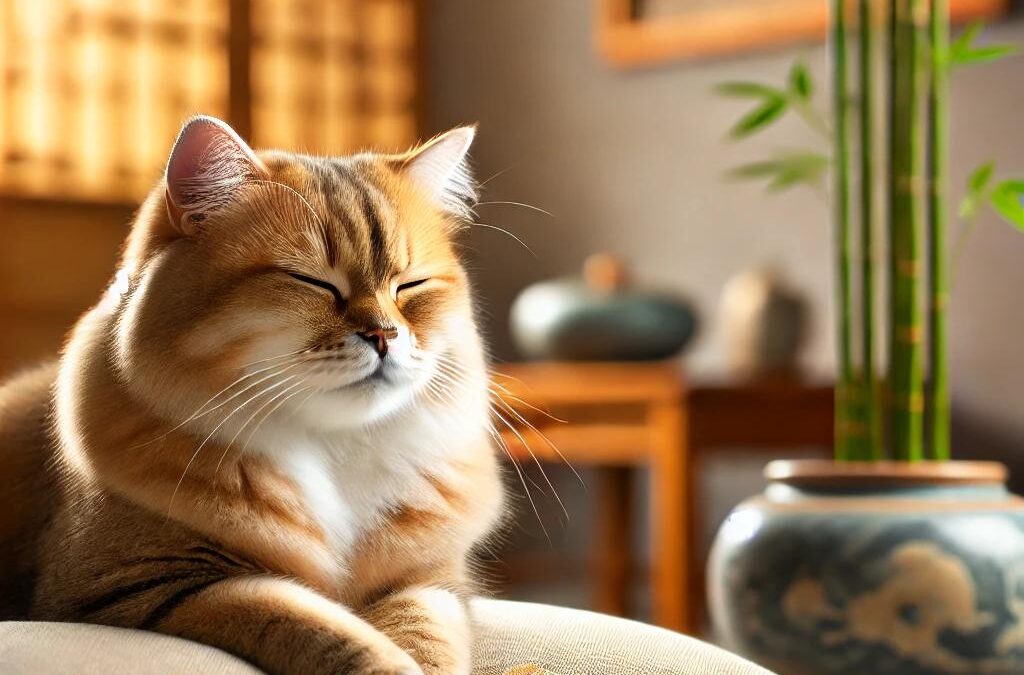
Traditionell kinesisk medicin (TCM) har alltmer erkänts för sin potential att komplettera konventionella veterinärbehandlingar, särskilt vid hantering av elakartade örontumörer hos katter. Genom att balansera TCM och konventionella terapier kan husdjursägare erbjuda en holistisk strategi som tar hänsyn till både de omedelbara och långsiktiga behoven hos sina kattkompanjoner. Denna artikel utforskar hur TCM kan spela en roll i hanteringen av elakartade örontumörer hos katter, i samarbete med standard medicinska behandlingar för att förbättra resultaten.
Att förstå elakartade örontumörer hos katter
Elakartade örontumörer, såsom skivepitelkarcinom och ceruminös adenokarcinom, är aggressiva cancerformer som kan orsaka betydande hälsoproblem hos katter. Dessa tumörer kräver ofta kirurgiskt avlägsnande, strålbehandling eller kemoterapi för att kontrollera deras tillväxt och förhindra spridning. Men dessa behandlingar kan vara hårda mot en katts kropp, vilket leder till biverkningar som inflammation, smärta och ett försvagat immunsystem.
TCM:s roll i att stödja konventionella behandlingar
Traditionell kinesisk medicin erbjuder en mängd olika örtmediciner som kan stödja katter som genomgår konventionella behandlingar för elakartade örontumörer. De viktigaste fördelarna med att integrera TCM i behandlingsplanen inkluderar:
- Immunsystemstöd: Örter som Huang Qi (Astragalus) är kända för sina immunförstärkande egenskaper, vilket hjälper till att stärka kattens naturliga försvar under och efter konventionella behandlingar. Ett starkt immunsystem är avgörande för att bekämpa infektioner och stödja den övergripande återhämtningen.
- Anti-inflammatorisk och smärtlindring: Många kinesiska örter har anti-inflammatoriska och smärtstillande egenskaper som kan hjälpa till att hantera smärta och minska inflammation kopplad till tumörer och deras behandling. Örter som Yan Hu Suo (Corydalis) används ofta för smärtlindring och erbjuder ett naturligt alternativ till läkemedel.
- Avgiftning och återhämtning: TCM fokuserar på att avgifta kroppen, ta bort skadliga ämnen som kan ackumuleras från kemoterapi eller strålbehandling. Örter som Bai Hua She She Cao (Hedyotis diffusa) används för att rena kroppen och stödja återhämtning, vilket främjar en snabbare återgång till hälsa.
- Stress- och ångestreducering: Behandlingar som akupunktur och örter som Chai Hu (Bupleurum) kan hjälpa till att minska den stress och ångest som katter kan uppleva under cancerbehandling. Denna holistiska strategi säkerställer att kattens känslomässiga välbefinnande också beaktas.
Integrering av TCM med konventionella terapier
Integrationen av TCM med konventionella behandlingar bör alltid göras under vägledning av en veterinär med erfarenhet av båda metoderna. En skräddarsydd strategi, som tar hänsyn till den specifika typen av tumör, cancerstadiet och kattens allmänna hälsa, är avgörande för att säkerställa att terapierna fungerar synergistiskt.
Till exempel, medan en katt kan genomgå kirurgi för att ta bort en tumör, kan TCM användas för att stödja läkningsprocessen, minska postoperativ smärta och förhindra återfall. Om strålbehandling krävs kan TCM hjälpa till att mildra biverkningarna, såsom trötthet och illamående, vilket förbättrar kattens livskvalitet under behandlingen.
Vikten av en helhetssyn
En holistisk strategi som kombinerar styrkorna hos både konventionella och TCM-terapier erbjuder den bästa chansen för att hantera maligna örontumörer hos katter. Genom att direkt adressera tumören genom kirurgi eller strålning och stödja kroppens naturliga läkningsprocesser med kinesiska örter och akupunktur, kan denna balanserade strategi leda till bättre resultat och en högre livskvalitet för katten.
Att balansera Traditionell Kinesisk Medicin med konventionella terapier ger en omfattande strategi för att hantera maligna örontumörer hos katter. Genom att integrera TCM kan husdjursägare stödja kattens allmänna hälsa, minska biverkningarna av aggressiva behandlingar och främja långsiktig välbefinnande. Konsultera alltid en kvalificerad veterinär för att skapa en behandlingsplan som inkluderar både konventionella och TCM-terapier, vilket säkerställer den bästa vården för din kattkompis.

av TCMVET | 27 aug 2024 | kinesisk örtmedicin för husdjur
Traditionell Kinesisk Växtmedicin (TCM) har länge värderats för sin holistiska syn på hälsa, och erbjuder naturliga botemedel som stödjer kroppens läkningsprocesser. När det gäller behandling av kattens örontumörer kan integrering av TCM i konventionell veterinärvård ge en mer omfattande strategi, som adresserar både de fysiska symptomen och kattens allmänna välbefinnande. Denna artikel utforskar hur TCM effektivt kan användas tillsammans med konventionella behandlingar för att stödja katter med örontumörer.
Rollen av Traditionell Kinesisk Växtmedicin i Behandlingen av Kattens Örontumörer
Traditionell Kinesisk Växtmedicin erbjuder ett brett utbud av örter som kan hjälpa till att hantera symptom, minska inflammation och stödja immunsystemet hos katter med örontumörer. Till skillnad från konventionella behandlingar som enbart fokuserar på tumören, ser TCM på kroppen som en helhet, med målet att återställa balans och harmoni.
Nyckelörter i TCM för Behandling av Kattens Örontumörer
Flera kinesiska örter används vanligtvis i behandlingen av kattens örontumörer, var och en med sina unika egenskaper:
- Huang Qi (Astragalus): Känd för sina immunförstärkande egenskaper, kan Huang Qi hjälpa till att stärka kroppens naturliga försvar, vilket gör det till en utmärkt stödjande behandling för katter som genomgår konventionella cancerterapier.
- Ban Zhi Lian (Scutellaria barbata): Denna ört används ofta för sina antiinflammatoriska och anticancer-egenskaper. Den hjälper till att hämma tumörtillväxt och minska inflammation, vilket gör den fördelaktig för katter med maligna örontumörer.
- Bai Hua She She Cao (Hedyotis diffusa): En annan kraftfull anticancer-ört, Bai Hua She She Cao används för att avgifta kroppen och minska storleken på tumörer, vilket ger ett naturligt komplement till kirurgiska eller strålningsbehandlingar.
Att kombinera TCM med Konventionell Veterinärvård
Integrering av TCM med konventionella veterinärbehandlingar, såsom kirurgi, strålning eller kemoterapi, kan öka effektiviteten av den övergripande behandlingsplanen. TCM kan hjälpa till att hantera biverkningar, förbättra kattens livskvalitet och potentiellt minska risken för tumöråterfall.
Till exempel, medan kirurgi eller strålning kan vara nödvändigt för att ta bort eller krympa en tumör, kan TCM hjälpa kroppen att återhämta sig snabbare, hantera smärta och minska risken för sekundära infektioner. Dessutom kan TCM:s fokus på att stödja immunsystemet hjälpa till att förhindra spridning av cancer till andra delar av kroppen.
Vikten av en Holistisk Veterinärstrategi
En holistisk strategi som kombinerar TCM och konventionella behandlingar kräver nära samarbete mellan veterinärer och utövare av kinesisk medicin. Det är avgörande att skräddarsy behandlingsplanen för varje enskild katt, med hänsyn till deras specifika typ av tumör, allmän hälsa och respons på behandling.
Veterinärer utbildade i TCM kan utveckla en anpassad örtformel som kompletterar kattens konventionella behandling, vilket säkerställer att alla aspekter av kattens hälsa beaktas. Denna holistiska strategi kan leda till bättre resultat, förbättrad livskvalitet och en mer omfattande hantering av kattens örontumörer.
Att integrera Traditionell Kinesisk Växtmedicin i behandlingen av kattens örontumörer ger en holistisk strategi som kan förbättra konventionell veterinärvård. Genom att stödja kroppens naturliga läkningsprocesser och adressera kattens allmänna välbefinnande kan TCM spela en avgörande roll i hanteringen av både godartade och maligna örontumörer. Husdjursägare som är intresserade av att utforska denna integrativa strategi bör konsultera en veterinär med erfarenhet av TCM för att utveckla en skräddarsydd behandlingsplan som möter kattens unika behov.
