
โดย TCMVET | ก.พ. 22, 2024 | มะเร็งและเนื้องอกในสุนัข
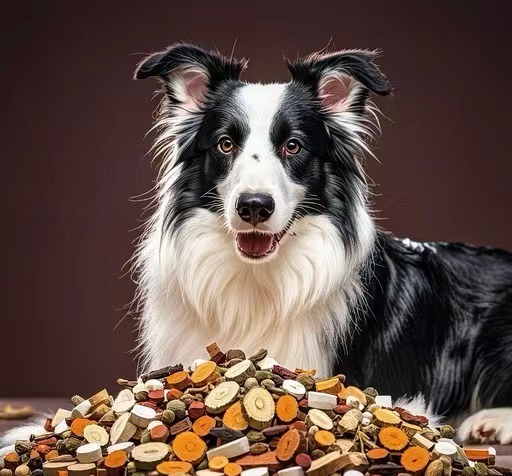
Canine pancreatic cancer, a formidable health challenge for dogs, often presents a grim prognosis. However, the evolving field of veterinary medicine is constantly exploring new treatment avenues. One such promising area is the use of Chinese Herbal Medicine (CHM) as a potential means to slow down the progression of this aggressive disease. This article delves into how CHM is being integrated into traditional veterinary practices to offer a ray of hope for dogs battling pancreatic cancer.
Understanding Pancreatic Cancer in Dogs: Pancreatic cancer in dogs is a malignant and aggressive form of cancer that affects the pancreas, an organ critical for digestion and insulin regulation. Symptoms can range from weight loss and loss of appetite to more severe cases of diabetes and liver dysfunction. Traditional treatment options, including surgery, chemotherapy, and radiation, have limited success and can be accompanied by significant side effects.
The Role of Chinese Herbal Medicine: CHM has been used for centuries in human medicine and is gaining traction in veterinary practices for its holistic approach to disease management. In the context of canine pancreatic cancer, CHM is viewed not as a cure but as a complementary therapy that can potentially slow the progression of the disease and improve the quality of life for affected dogs.
Key Chinese Herbs and Their Potential Benefits: Several herbs are commonly used in CHM for cancer treatment, including:
- Huang Qi (Astragalus): Known for its immune-boosting properties.
- Bai Hua She She Cao (Hedyotis diffusa): Believed to have anti-tumor effects.
- Lingzhi (Reishi Mushroom): Used for its potential to inhibit tumor growth and boost immune response.
- Jiaogulan (Gynostemma): Possesses antioxidant properties and may aid in protecting against cellular damage.
It’s crucial to note that these herbs should only be administered under the guidance of a veterinarian experienced in both CHM and conventional oncology.
Integrating CHM with Conventional Treatments: The integration of CHM into a canine pancreatic cancer treatment plan is a balancing act. The approach involves using these herbs alongside conventional treatments like chemotherapy, with the aim of enhancing the efficacy of these treatments, reducing side effects, and improving overall well-being.
Clinical Evidence and Research: Research into the efficacy of CHM in treating canine pancreatic cancer is ongoing. While anecdotal evidence and preliminary studies have shown encouraging results in slowing disease progression and improving quality of life, more extensive, controlled studies are needed to establish definitive benefits and treatment protocols.
The integration of Chinese Herbal Medicine into the treatment regimen for canine pancreatic cancer represents a promising development in veterinary oncology. By offering a complementary approach that focuses on the overall health and well-being of the dog, CHM provides a more holistic treatment option. For pet owners considering this approach, it is essential to consult with a veterinarian skilled in integrative medicine to ensure a safe and tailored treatment plan for their pet.
โดย TCMVET | ก.พ. 20, 2024 | มะเร็งและเนื้องอกในสุนัข
Bone cancer in middle-aged dogs, particularly osteosarcoma, is a significant health concern that affects countless canines and their owners worldwide. In the quest for more effective treatments, Traditional Chinese Medicine (TCM) is emerging as a beacon of hope. This article explores how the ancient practices of TCM are providing new pathways for treating bone cancer in middle-aged dogs.
Understanding Canine Bone Cancer
Bone cancer, most commonly osteosarcoma, is a severe and often aggressive disease, predominantly affecting larger breeds of middle-aged dogs. It is characterized by rapid tumor growth, primarily in the limbs, and can be challenging to treat with conventional methods alone.
The Potential of TCM in Canine Oncology
TCM offers a holistic approach to health and disease, focusing on balancing the body’s energies and enhancing its natural healing capabilities. This philosophy is increasingly being applied to veterinary oncology, with promising results in the treatment of canine bone cancer.
Key Elements of TCM in Cancer Treatment
- ยาสมุนไพร: TCM utilizes a variety of herbs known for their healing properties. Herbs like Huang Qi (Astragalus) and Yun Zhi (Turkey Tail mushroom) are used for their potential to boost the immune system and combat tumor growth.
- การฝังเข็ม: Often used for pain relief, acupuncture can also enhance the overall well-being of dogs with cancer, potentially alleviating symptoms and improving quality of life.
- อาหารและโภชนาการ: TCM emphasizes the importance of a balanced diet tailored to the dog’s specific needs, which can support their overall health and resilience during cancer treatment.
การรวม TCM กับการรักษามะเร็งแบบดั้งเดิม
The most effective approach in treating canine bone cancer often involves a combination of TCM and conventional treatments like surgery, chemotherapy, and radiation. This integrative approach aims to maximize the effectiveness of treatment, reduce side effects, and improve the dog’s quality of life.
Research and Case Studies on TCM in Canine Bone Cancer
Emerging studies and anecdotal evidence suggest that TCM can play a valuable role in treating bone cancer in dogs. Case studies have shown improved outcomes, including longer survival times and better quality of life when TCM is integrated with conventional treatments.
อนาคตของการรักษามะเร็งในสุนัข
The use of TCM in treating canine bone cancer represents an exciting development in veterinary medicine. It offers a more comprehensive approach to treatment, focusing not only on fighting the cancer but also on supporting the overall health and well-being of the dog.
Harnessing the power of TCM provides new hope for middle-aged dogs battling bone cancer. As veterinary medicine continues to evolve, the integration of ancient wisdom and modern science paves the way for more effective and compassionate cancer treatments.

โดย TCMVET | ก.พ. 20, 2024 | มะเร็งและเนื้องอกในสุนัข
Appendicular osteosarcoma, a prevalent form of bone cancer in dogs, particularly affects limbs and poses a significant challenge in veterinary oncology. Recently, innovative approaches have emerged, highlighting the use of Traditional Chinese Medicine (TCM), especially Chinese herbs, as a complementary treatment. This article explores the potential of these herbs in revolutionizing the treatment of appendicular osteosarcoma in canines.
Understanding Appendicular Osteosarcoma in Canines
Appendicular osteosarcoma is characterized by the aggressive growth of tumors in the limb bones of dogs. It is most common in larger breeds and tends to be diagnosed in middle to older age. Traditional treatments include surgery, chemotherapy, and radiation, which can be effective but often come with severe side effects.
The Emergence of TCM in Veterinary Oncology
TCM has been used for thousands of years to treat various ailments in humans and is now gaining recognition in veterinary medicine. Its holistic approach, focusing on restoring balance and enhancing the body’s natural healing capabilities, is particularly appealing for chronic conditions like cancer.
Chinese Herbs and Their Anti-Cancer Properties
Several Chinese herbs are known for their potential anti-cancer properties:
- Huang Qi (Astragalus): Boosts the immune system and may inhibit tumor growth.
- Yun Zhi (Turkey Tail mushroom): Contains polysaccharides which are believed to support the immune system and combat cancer cells.
- ไป๋ฮวาเชอเชอเฉา (Hedyotis): ใช้ตามประเพณีเพื่อผลกระทบต่อต้านเนื้องอก.
These herbs are thought to work synergistically with conventional treatments, potentially reducing side effects and improving outcomes.
กรณีศึกษาและหลักฐานทางคลินิก
Although research in this area is still developing, several case studies have reported positive outcomes when Chinese herbs are used alongside conventional cancer treatments in dogs. These studies suggest improved quality of life and extended survival times.
Integrating Chinese Herbs into Conventional Treatment Plans
Integrating Chinese herbs into a canine’s cancer treatment plan should be done under the guidance of a veterinarian skilled in both conventional and TCM practices. This ensures a safe and effective combination of treatments tailored to the individual dog’s needs.
อนาคตของการรักษามะเร็งในสุนัข
As research continues, the integration of Chinese herbs into the treatment of appendicular osteosarcoma in canines represents a promising frontier. This approach not only offers a more holistic treatment option but also paves the way for more personalized and less invasive cancer therapies.
The innovative use of Chinese herbs in treating appendicular osteosarcoma in canines is a testament to the evolving nature of veterinary medicine. By embracing the wisdom of TCM and integrating it with modern science, we can offer our canine companions more effective and compassionate care.

โดย TCMVET | ก.พ. 20, 2024 | มะเร็งและเนื้องอกในสุนัข
ในด้านการแพทย์สัตว์เลี้ยง การรักษาโรคกระดูกอ่อนในสุนัข โดยเฉพาะในสายพันธุ์ใหญ่ เป็นความท้าทายที่ยาวนาน การเชื่อมช่องว่างระหว่างวิธีการที่มีมาแต่โบราณและวิทยาศาสตร์สมัยใหม่ การแพทย์แผนจีน (TCM) เสนอวิธีการเสริมที่เป็นประโยชน์ต่อวิธีการแบบดั้งเดิม บทความนี้สำรวจว่า TCM ถูกนำมาใช้ในการต่อสู้กับโรคกระดูกอ่อนในสุนัขพันธุ์ใหญ่ได้อย่างไร โดยผสมผสานประเพณีเพื่อผลลัพธ์ที่ดีกว่า.
ความเข้าใจเกี่ยวกับโรคกระดูกอ่อนในสุนัข
โรคกระดูกอ่อนเป็นประเภทของมะเร็งกระดูกที่พบได้บ่อยในสุนัขพันธุ์ใหญ่และยักษ์ มีลักษณะการเจริญเติบโตของเนื้องอกอย่างรุนแรง โดยเฉพาะในแขนขา โปรโตคอลการรักษาแบบดั้งเดิมมักเกี่ยวข้องกับการผ่าตัด เคมีบำบัด หรือการฉายรังสี ซึ่งอาจเป็นภาระหนักและเครียดสำหรับสัตว์.
มุมมองของ TCM ต่อโรคกระดูกอ่อนในสุนัข
TCM มุ่งเน้นการฟื้นฟูสมดุลและเสริมสร้างความสามารถในการรักษาตามธรรมชาติของร่างกาย ในบริบทของโรคกระดูกอ่อนในสุนัข TCM มีเป้าหมายเพื่อเสริมสร้างสภาพร่างกายโดยรวมของสุนัข สนับสนุนการทำงานของระบบภูมิคุ้มกัน และจัดการกับอาการต่างๆ ซึ่งช่วยเสริมการรักษามะเร็งแบบดั้งเดิม.
สมุนไพรจีนสำคัญในการรักษาโรคกระดูกอ่อน
สมุนไพรหลายชนิดมีความโดดเด่นใน TCM สำหรับคุณสมบัติต้านมะเร็งที่กล่าวอ้าง
- หวงฉี (Astragalus): เป็นที่รู้จักในการเสริมสร้างระบบภูมิคุ้มกันและอาจยับยั้งการเจริญเติบโตของเนื้องอก.
- ยุนจือ (เห็ดหางไก่): มีพอลิแซคคาไรด์ที่เชื่อว่าเสริมสร้างการตอบสนองของระบบภูมิคุ้มกัน.
- ไป๋ฮวาเชอเชอเฉา (Hedyotis): ใช้ตามประเพณีเพื่อผลกระทบต่อต้านเนื้องอก.
สมุนไพรเหล่านี้มักถูกใช้ร่วมกับการรักษาแบบดั้งเดิมเพื่อเพิ่มประสิทธิภาพการตอบสนองของสุนัขต่อการบำบัด.
การรวม TCM กับการปฏิบัติทางการแพทย์สัตว์แบบดั้งเดิม
การรวม TCM ในการรักษาโรคกระดูกอ่อนเกี่ยวข้องกับกลยุทธ์แบบองค์รวม แม้ว่าจะไม่สามารถแทนที่การผ่าตัดหรือเคมีบำบัดได้ TCM สามารถเป็นการเสริมที่อาจลดผลข้างเคียง เพิ่มประสิทธิภาพของการรักษาแบบดั้งเดิม และปรับปรุงคุณภาพชีวิตของผู้ป่วยสุนัข.
บทบาทของอาหารและวิถีชีวิตใน TCM
TCM ยังเน้นความสำคัญของอาหารและวิถีชีวิตในการรักษาสุขภาพและต่อสู้กับโรค อาหารที่ปรับให้เหมาะสมเพื่อสนับสนุนสุนัขที่เป็นโรคกระดูกอ่อน ร่วมกับสภาพแวดล้อมที่ปราศจากความเครียด สามารถมีส่วนช่วยอย่างมากต่อแผนการรักษาโดยรวม.
การวิจัยและกรณีศึกษาเกี่ยวกับ TCM ในโรคกระดูกอ่อนในสุนัข
การวิจัยและกรณีศึกษาที่เกิดขึ้นใหม่ให้ข้อมูลเชิงลึกเกี่ยวกับประสิทธิภาพของ TCM ในการรักษาโรคกระดูกอ่อนในสุนัข การศึกษาเหล่านี้มักเน้นผลลัพธ์ที่ดีขึ้น ความทนทานที่ดีกว่าต่อการรักษาแบบดั้งเดิม และคุณภาพชีวิตที่ดีขึ้น.
โดยการเชื่อมโยงประเพณีและการใช้ TCM ร่วมกับวิทยาศาสตร์การแพทย์สัตว์สมัยใหม่ เราสามารถเสนอวิธีการที่รอบด้านและมีประสิทธิภาพในการรักษาโรคกระดูกอ่อนในสุนัขพันธุ์ใหญ่ เมื่อการวิจัยยังคงดำเนินต่อไป วิธีการรวมนี้อาจกลายเป็นมาตรฐานในออนโคโลยีสัตว์เลี้ยง โดยให้ความหวังและการดูแลที่ดีขึ้นสำหรับเพื่อนสี่ขาของเรา.

โดย TCMVET | ก.พ. 20, 2024 | มะเร็งและเนื้องอกในสุนัข
In the ongoing quest to find effective treatments for canine bone cancer, particularly osteosarcoma, the wisdom of ancient remedies is gaining attention. This article explores the role of Traditional Chinese Medicine (TCM), specifically Chinese herbs, in addressing the modern challenge of bone cancer in dogs.
The Prevalence of Canine Bone Cancer
Osteosarcoma, the most common form of bone cancer in dogs, predominantly affects larger breeds and tends to occur in middle-aged dogs. The aggressive nature of this cancer and its tendency to metastasize make it a formidable opponent in veterinary oncology.
Traditional Chinese Medicine: A Holistic Approach
TCM, a medical practice with thousands of years of history, is renowned for its holistic approach to health and disease. It operates on the belief that treating the whole body and restoring balance is key to healing. In the context of canine osteosarcoma, this philosophy offers a unique perspective in treatment.
Chinese Herbs in the Fight Against Cancer
Several herbs used in TCM are known for their anti-cancer properties. For example:
- Huang Qi (Astragalus): Boosts the immune system and has anti-tumor properties.
- Yun Zhi (Turkey Tail mushroom): Contains polysaccharides that support immune function.
- Bai Hua She She Cao (Hedyotis): Renowned for its anti-tumor effects.
These herbs are believed to help control the spread of cancer and alleviate symptoms, enhancing the overall quality of life for affected dogs.
การรวมสมุนไพรจีนกับการรักษาแบบดั้งเดิม
The most effective approach in treating canine bone cancer involves combining TCM with conventional methods like surgery, chemotherapy, and radiation. This integrative approach aims to maximize the efficacy of treatment, minimize side effects, and improve the overall well-being of the dog.
The Science Behind the Remedies
While traditional use and anecdotal evidence support the effectiveness of these herbs, scientific research is essential to validate their efficacy. Emerging studies have started to explore the potential benefits of integrating Chinese herbal medicine with conventional cancer treatments.
Diet and Lifestyle Changes
TCM also emphasizes the importance of diet and lifestyle in treating diseases. A balanced diet, enriched with specific nutrients and herbal supplements, along with a healthy lifestyle, can play a crucial role in supporting dogs with cancer.
Exploring ancient remedies like Chinese herbs in the fight against canine bone cancer represents a promising avenue in veterinary medicine. By integrating these time-honored treatments with modern veterinary practices, we can offer a more comprehensive and compassionate approach to our canine companions’ health challenges.

โดย TCMVET | ก.พ. 20, 2024 | มะเร็งและเนื้องอกในสุนัข
มะเร็งกระดูกในสุนัข (Canine osteosarcoma) ซึ่งเป็นมะเร็งกระดูกที่พบได้บ่อยในสุนัขพันธุ์ใหญ่ เป็นความท้าทายที่สำคัญในวงการสัตวแพทย์ บทความนี้สำรวจแนวทางที่สร้างสรรค์ในการรวมการแพทย์แผนจีน (TCM) กับเทคนิคสัตวแพทย์สมัยใหม่เพื่อให้การรักษาที่ครอบคลุมมากขึ้นสำหรับสุนัขที่ประสบปัญหามะเร็งที่รุนแรงนี้.
ความเข้าใจเกี่ยวกับโรคกระดูกอ่อนในสุนัข
มะเร็งกระดูกส่วนใหญ่ส่งผลกระทบต่อกระดูกแขนขาของสุนัขพันธุ์ใหญ่ โดยเฉพาะเมื่อพวกมันเข้าสู่วัยกลางคน สาเหตุที่แน่ชัดของมะเร็งนี้ยังไม่เป็นที่ทราบ แต่การศึกษาได้แนะนำความเชื่อมโยงกับการเจริญเติบโตอย่างรวดเร็วและการทำหมันในช่วงต้น การรับรู้ถึงอาการในระยะเริ่มต้น ซึ่งอาจรวมถึงการเดินขาเป๋และบวม เป็นสิ่งสำคัญสำหรับการรักษาที่มีประสิทธิภาพ.
บทบาทของการแพทย์แผนจีนในมะเร็งในสุนัข
TCM ถูกใช้มาเป็นเวลาหลายศตวรรษในการรักษาโรคต่างๆ ในมนุษย์และสัตว์ ในบริบทของมะเร็งกระดูกในสุนัข สมุนไพรจีนบางชนิดเป็นที่รู้จักในด้านคุณสมบัติต้านมะเร็ง สมุนไพรเหล่านี้ทำงานโดยการเสริมสร้างระบบภูมิคุ้มกัน ยับยั้งการเจริญเติบโตของเนื้องอก และปรับปรุงสุขภาพโดยรวมของสัตว์.
สมุนไพรจีนยอดนิยมในการรักษามะเร็ง
สมุนไพรหลายชนิด เช่น Huang Qi (Astragalus), Yun Zhi (เห็ดหางไก่งวง) และ Bai Hua She She Cao (Hedyotis) ถูกใช้กันอย่างแพร่หลายใน TCM เพื่อประโยชน์ในการต้านมะเร็งที่มีศักยภาพ สมุนไพรเหล่านี้เชื่อว่าช่วยสนับสนุนการทำงานของระบบภูมิคุ้มกันและมีคุณสมบัติต้านเนื้องอก.
การรวม TCM กับการรักษาสัตวแพทย์แบบดั้งเดิม
การรวม TCM ในการรักษามะเร็งสัตว์แบบดั้งเดิมเกี่ยวข้องกับแนวทางหลายมิติ ในขณะที่การผ่าตัด เคมีบำบัด และการฉายรังสียังคงเป็นการรักษาหลักสำหรับมะเร็งกระดูก TCM สามารถใช้เป็นการบำบัดเสริมเพื่อเพิ่มประสิทธิภาพการรักษา จัดการผลข้างเคียง และปรับปรุงคุณภาพชีวิตของสุนัข.
กรณีศึกษาและการวิจัย
แม้ว่าหลักฐานจากประสบการณ์จะสนับสนุนประสิทธิภาพของ TCM ในการรักษามะเร็งในสุนัข แต่การวิจัยที่ต่อเนื่องเป็นสิ่งสำคัญ การศึกษาที่เกิดขึ้นใหม่เริ่มสำรวจประโยชน์ของการรวมการแพทย์แผนจีนกับการรักษาแบบดั้งเดิม โดยแสดงผลลัพธ์ที่น่าพอใจในด้านอัตราการรอดชีวิตและคุณภาพชีวิต.
การพิจารณาเกี่ยวกับอาหารและวิถีชีวิต
นอกเหนือจากการรักษาด้วยสมุนไพร TCM ยังเน้นความสำคัญของอาหารที่สมดุลและวิถีชีวิตที่มีสุขภาพดี การสนับสนุนทางโภชนาการที่ปรับให้เหมาะกับความต้องการของสุนัขที่เป็นมะเร็งกระดูกสามารถมีบทบาทสำคัญในแผนการรักษาของพวกมัน.
การรวมการแพทย์แผนจีนกับวิทยาศาสตร์สัตวแพทย์สมัยใหม่เสนอแนวทางใหม่และมีแนวโน้มในการรักษามะเร็งกระดูกในสุนัข วิธีการแบบบูรณาการนี้ไม่เพียงแต่เน้นการต่อสู้กับมะเร็ง แต่ยังสนับสนุนสุขภาพและความเป็นอยู่ที่ดีโดยรวมของสุนัข เมื่อการวิจัยดำเนินต่อไป วิธีการแบบองค์รวมนี้อาจกลายเป็นรากฐานในการรักษามะเร็งกระดูกในสุนัข.
