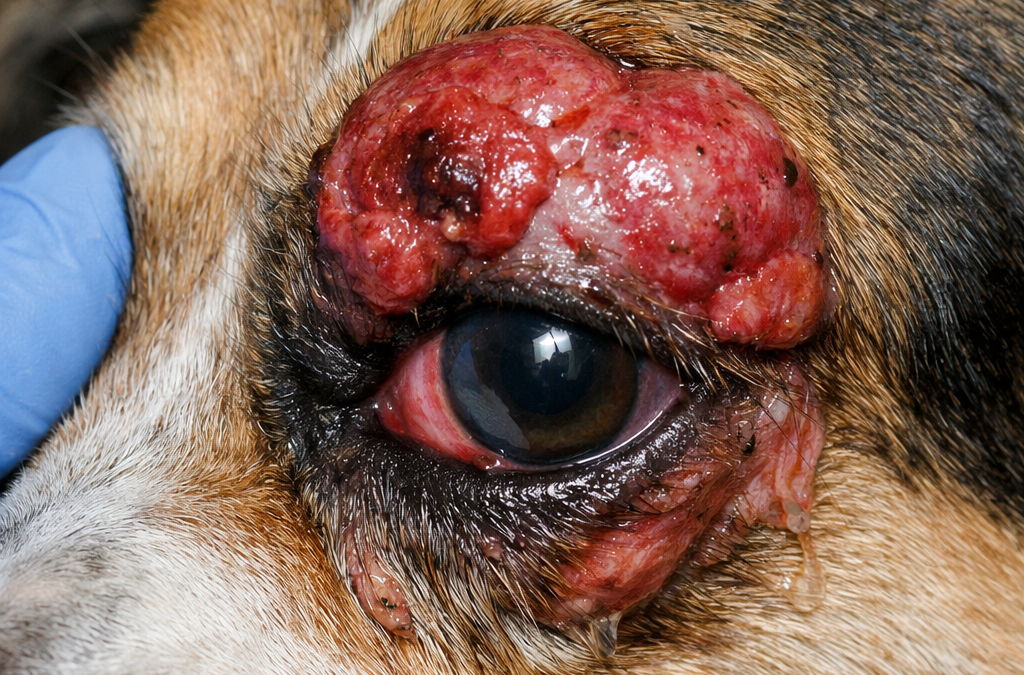
Belgian Tervuren Cancer Risks: Essential Early Tumor Signs

Belgian Tervuren cancer risks, early tumor signs in Tervurens, common cancers in this breed are all vital topics for owners of this intelligent, energetic herding dog. As more dogs live longer, understanding how cancer may affect this specific breed—and what you can do about it—can make a major difference in your Tervuren’s quality of life, especially in their senior years.

A. Breed Overview: The Belgian Tervuren in a Health Context

The Belgian Tervuren is one of the four Belgian Shepherd varieties, known for its elegance, alert expression, and rich, long coat. These dogs are:

Medium–large in size (typically 40–75 pounds)
Highly intelligent and trainable
Energetic and driven, thriving with regular mental and physical activity
Deeply bonded to their families, often very sensitive and people-focused

The average lifespan is usually around 11–14 years, with many Tervurens remaining active well into their senior years if kept fit and mentally engaged.

From a health standpoint, Belgian Tervurens are generally robust but, like many larger and herding-type breeds, they appear to have a moderate risk of certain cancers, particularly those associated with larger body size and active lifestyles. While not at the absolute top of the cancer-risk list like some other breeds, they are not low-risk, and owners should be informed and vigilant.

B. Tumor and Cancer Risks for Belgian Tervurens

1. Lymphoma (Lymphosarcoma)

Lymphoma is a cancer of the lymphatic system and is one of the more commonly reported malignancies in many medium and large breeds, including the Belgian Tervuren.

What owners might see: swollen lymph nodes (often under the jaw, in front of the shoulders, behind the knees), lethargy, weight loss, or changes in appetite.
Why this breed may be at risk: Herding breeds as a group appear across many lymphoma case reports, suggesting a possible genetic susceptibility, although the exact genes are still under study.

2. Hemangiosarcoma

Hemangiosarcoma is an aggressive cancer of blood vessel cells and is frequently seen in active, medium-to-large dogs.

Common sites: spleen, heart, skin, or subcutaneous tissues.
Why Tervurens may be affected: Their size and athletic build align with the profile of dogs often diagnosed with this tumor type. Darker coat colors have also been speculated to play a role in some sun-related vascular tumors on the skin.

3. Osteosarcoma (Bone Cancer)

Osteosarcoma is a malignant bone tumor more common in larger, long-limbed breeds.

Typical areas: long bones of the legs (forelimbs more than hind limbs), sometimes the jaw or ribs.
Risk factors: body size, rapid growth, and long legs are thought to influence risk. Belgian Tervurens, while not as giant as some breeds, are still in a size range where osteosarcoma is a concern.

4. Mast Cell Tumors and Other Skin Tumors

Skin tumors, including mast cell tumors and soft tissue sarcomas, are seen in many breeds, and the Tervuren is no exception.

What owners may notice: a new lump, a bump that suddenly grows, a sore that doesn’t heal, or a mass that changes texture or color.
Coat and skin factors: Their dense double coat may hide small lumps, so they can be easily missed without deliberate, hands-on checking.

5. Reproductive-Related Cancers (Mammary, Testicular, Prostatic)

Unspayed or late-spayed females and intact males may face a higher risk of certain reproductive system cancers:

Females: mammary (breast) tumors and uterine tumors
Males: testicular tumors and some types of prostate cancer

Spaying/neutering decisions are complex and should always be discussed with your veterinarian, weighing joint health, behavior, and cancer risk together.

C. Early Warning Signs Owners Should Watch For

Recognizing early tumor signs in Tervurens can give you and your veterinarian the best chance to act promptly. Not every change means cancer, but some are “red flags” worth investigating.

1. Lumps, Bumps, and Skin Changes

Because of their thick coat, skin tumors can stay hidden until they’re quite large.

At home:

Run your hands over your dog’s entire body at least once a month.
– Pay special attention to:
– Behind the ears
– Along the neck and shoulders
– Under the armpits
– Along the ribs and flanks
– Inside the thighs
– Note any:
– New lumps
– Lumps that grow, change shape, or change texture
– Areas that are painful when touched, or that your dog licks excessively

If you find a lump, do not assume it’s “just a fatty tumor.” Schedule a veterinary visit so it can be properly assessed.

2. Changes in Appetite, Thirst, or Weight

Subtle internal cancers may first show up as changes in overall wellbeing:

– Decreased or picky appetite
– Unexplained 減肥, even if eating normally
– Increased thirst or urination
– A rounded or “pot-bellied” abdomen

If these changes persist for more than a week or two, or worsen, contact your vet.

3. Energy Level, Stamina, and Mobility

Belgian Tervurens are typically energetic and eager to work. Pay attention if your dog:

– Tires quickly on walks they used to handle easily
– Seems reluctant to jump into the car or climb stairs
– Shows limping, stiffness, or favoring a leg, especially if it worsens over time
– Appears withdrawn, less interested in play, or unusually quiet

Bone tumors, internal tumors, or cancer-related pain can show up as these more subtle changes.

4. Bleeding, Coughing, or Other Worrisome Symptoms

Some additional signs that warrant prompt veterinary attention:

– Sudden collapse or weakness, especially with a pale tongue or gums
– Unexplained bruising or nosebleeds
Coughing, breathing changes, or labored breathing
– Persistent vomiting or diarrhea
– Straining to urinate or defecate, or blood in the urine or stool

Any sudden, severe, or rapidly worsening sign is an emergency. When in doubt, call your veterinarian or an emergency clinic for guidance.

D. Senior Care Considerations for Belgian Tervurens

As Tervurens age, their risk of tumors and cancer increases, just as it does for people. Thoughtful senior care can help catch problems early and keep your dog more comfortable.

1. How Aging Affects Tervurens

Senior Tervurens may experience:

– Slower recovery from exercise
– Stiffness from arthritis or old injuries
– Reduced muscle mass
– Changes in vision or hearing
– More subtle signs of discomfort (they may try to “push through” pain)

Because cancer symptoms can mimic “just getting old,” it’s crucial not to assume new issues are only age-related.

2. Nutrition and Body Condition

Maintaining a healthy weight is one of the most powerful tools you have.

– Aim to see a waist from above and feel ribs easily with light pressure.
– Older Tervurens may benefit from:
– Diets with 優質蛋白質 to maintain muscle
– Controlled calories to avoid excess weight
– Appropriate fats and omega-3 fatty acids, as recommended by your vet

Ask your veterinarian about a senior diet review every year after about age 7–8.

3. Exercise and Activity Adjustments

Tervurens need activity at every age, but intensity should be tailored as they grow older:

– Prefer regular, moderate exercise (several shorter walks) over intense, sporadic workouts.
– Continue mental work: scent games, gentle training, puzzle toys.
– Avoid high-impact activities if joint or bone concerns arise, especially if bone cancer is a worry.

Any sudden drop in exercise tolerance is a reason to schedule an exam.

4. Joint Care and Pain Awareness

Joint pain and bone tumors can look similar at home (limping, reluctance to move).

– Monitor:
– How easily your dog rises from rest
– Willingness to jump, climb, or play
– Any limb that repeatedly shows lameness
– Talk to your vet about:
– Pain management options
– Joint-supportive strategies
– When imaging (like X-rays) may be appropriate to rule out or investigate tumors

5. Veterinary Check-Ups and Screening

For senior Belgian Tervurens, many veterinarians recommend:

Wellness exams at least every 6 months
– Routine blood work and urinalysis annually (or more often if indicated)
– Oral exams to check for mouth masses
– Lymph node palpation and full-body palpation for lumps

If your Tervuren has a family history of cancer (parents or siblings affected), mention this so your vet can factor it into their monitoring plan.

E. General Tumor Prevention & Wellness Support

While no lifestyle change can guarantee a dog will never develop cancer, good overall health can support the immune system and may reduce certain risk factors.

1. Weight Management and Regular Activity

– Keep your Tervuren lean and fit, not just “not obese.”
– Combine:
– Daily walks or jogs appropriate for age and condition
– Play sessions (fetch, controlled tug)
– Mental work (training, nose work)

Healthy weight may help lower the risk of some tumors and reduces strain on joints and organs.

2. Diet, Hydration, and Quality of Nutrition

– Feed a balanced, complete diet formulated for your dog’s life stage (adult, senior).
– Ensure constant access to fresh water.
– Avoid frequent feeding of highly processed human junk foods or excessive fatty leftovers.
– If you’re interested in home-prepared, raw, or specialized diets, work with your veterinarian or a board-certified veterinary nutritionist to keep it safe and balanced.

3. Minimizing Environmental Risks

Some environmental factors may contribute to cancer risk:

– Limit prolonged sun exposure to the bare skin of the nose, belly, and inner thighs, especially in lightly pigmented areas.
– Avoid unnecessary exposure to:
– Tobacco smoke
– Pesticides and lawn chemicals
– Strong household chemicals where possible
– Use only pet-safe flea, tick, and parasite control as recommended by your vet.

4. Thoughtful Use of Supplements and Natural Support

Some owners explore additional wellness supports, such as:

– Joint-support supplements (e.g., omega-3 fatty acids, glucosamine/chondroitin)
– Antioxidant-rich foods or supplements
– Gut-supportive options like probiotics

These may help overall wellbeing, but:

– They have not been proven to cure or shrink cancer.
– Some supplements can interact with medications or treatments.
– Always discuss any supplement or herbal product with your veterinarian before starting it.

F. Integrative and Holistic Support for Tervurens with Cancer

For some families, combining conventional veterinary care with integrative approaches feels like a more complete plan for their dog’s wellbeing.

Possible integrative supports may include:

針刺 to help with comfort and mobility
Massage or gentle physical therapy to support mobility and stress relief
Stress-reduction strategies, such as predictable routines, safe spaces, and calm environments
– Dietary and lifestyle guidance aimed at supporting energy and overall resilience

These approaches are best used as 補充—not replacements—for established cancer diagnostics and treatments. If you’re interested in integrative care, look for a veterinarian trained in these methods so your dog’s entire care plan is coordinated and safe.

結論

Belgian Tervuren cancer risks, early tumor signs in Tervurens, common cancers in this breed all come down to one central message: informed, attentive owners can make a meaningful difference. By understanding the tumors most likely to occur, watching for subtle early changes, and committing to regular veterinary care—especially during your dog’s senior years—you give your Tervuren the best chance for early detection and compassionate, effective management. Close partnership with your veterinarian, combined with breed-aware monitoring at home, is the foundation of long, healthy, and comfortable golden years for this remarkable herding companion.

Belgian Tervuren Cancer Risks: Essential Early Tumor Signs

Belgian Tervuren cancer risks, early tumor signs in Tervurens, common cancers in this breed are important topics for any guardian of this intelligent, athletic herding dog to understand, especially as your companion moves into middle and senior age.

A. Breed Overview: The Belgian Tervuren at a Glance

The Belgian Tervuren is one of the four varieties of Belgian Shepherds, known for:

Temperament: Highly intelligent, sensitive, loyal, and energetic. They are typically very people-oriented and often form intense bonds with their families.
尺寸: Medium to large; most adults weigh around 40–75 pounds, with a lean, athletic build.
Lifespan: Commonly 12–14 years, though some live longer with good care.
Lifestyle: They do best with regular mental and physical activity—obedience work, agility, herding, and tracking all suit them well.

As with many purebred dogs, Tervurens can be prone to certain inherited or breed‑associated health conditions, including some tumor and cancer types. Research on this specific variety is limited, but data from Belgian Shepherds as a group and similar herding breeds suggest:

– A meaningful incidence of cancers such as hemangiosarcoma, lymphoma, and various skin tumors
– A need for careful lifelong monitoring, especially after about age 7–8

This does not mean your Tervuren will develop cancer, only that being informed and proactive can make a real difference in quality and length of life.

B. Tumor and Cancer Risks for Belgian Tervurens

While any dog can develop tumors, certain patterns appear more often in Belgian Shepherds and similar breeds. Below are several of the more relevant common cancers in this breed.

1. Hemangiosarcoma (HSA)

Hemangiosarcoma is an aggressive cancer of blood vessel–forming cells. In many medium and large breeds, including Belgian Shepherds:

– It often affects the spleen, liver, or heart, and less commonly the skin.
– Internal forms can grow quietly and then cause sudden internal bleeding.

Tervurens’ medium‑large size and active, athletic lifestyle don’t cause hemangiosarcoma, but they fall into the group of dogs where veterinarians stay particularly alert to this disease, especially as they age.

2.淋巴瘤

Lymphoma is a cancer of lymphocytes (a type of white blood cell). In herding and working breeds, lymphoma is seen relatively commonly. In Tervurens, it may present as:

淋巴結腫大 (for example, under the jaw, in front of the shoulders, or behind the knees)
– General signs such as reduced energy, weight loss, or changes in appetite

Genetic and immune-system factors likely contribute, but the exact reasons some dogs develop lymphoma and others do not remain unclear.

3. Mast Cell Tumors and Other Skin Cancers

Like many dogs, Belgian Tervurens can develop:

Mast cell tumors (MCTs) – cancerous immune cells often appearing as skin lumps
Melanomas or other skin/soft tissue tumors

Their dense coat may make it slightly harder for owners to notice small lumps early, which is why regular hands‑on checks are important.

4. Osteosarcoma (Bone Cancer)

Osteosarcoma is more common in very large and giant breeds, but medium‑large, long‑legged dogs like the Tervuren are also at some risk. It usually:

– Affects the long bones of the limbs
– Shows up more often in middle‑aged to older dogs

Limping, limb pain, or swelling that does not resolve should always be evaluated by a veterinarian.

5. Reproductive and Mammary Tumors

Intact (not spayed or neutered) dogs have additional risks:

Mammary (breast) tumors in females, especially if never spayed or spayed later in life
Testicular tumors in intact males
Prostate enlargement or tumors in older males

These risks are not unique to Tervurens but are important parts of their overall health picture.

C. Early Warning Signs Owners Should Watch For

Early detection can sometimes improve options and outcomes. While only a veterinarian can assess and diagnose, you are your dog’s best daily observer. Pay close attention to these early tumor signs in Tervurens.

1. Lumps, Bumps, and Skin Changes

Because Tervurens have a thick double coat, it is easy to miss small changes. Make a habit of a monthly “nose‑to‑tail” check:

– Gently run your hands over the entire body, including:
– Behind the ears
– Along the neck and shoulders
– Under the chest and belly
– Inner thighs and armpits
– Tail base and between the toes
– Watch for:
– New lumps or bumps
– Existing lumps that change size, color, or texture
– Areas that are sensitive, itchy, or bleed

Any lump that grows, changes, or doesn’t go away within a few weeks should be examined.

2. Weight, Appetite, and Energy Changes

Subtle changes can be meaningful:

不明原因的體重減輕, despite normal feeding
食慾下降 or becoming pickier about food
昏睡 – less interest in exercise, play, or family activities
– “Slowing down” that seems out of character for your individual dog

Keep track of body weight and body condition; noting trends over months can provide helpful clues.

3. Mobility, Pain, and Limping

Active Tervurens can get sprains and strains, but persistent or recurring issues deserve attention:

– Limping that lasts more than a few days
– Reluctance to jump into the car, climb stairs, or do activities they previously enjoyed
– Stiffness that does not improve after light movement
– Localized swelling of a limb or joint

While many orthopedic problems are not cancer, bone tumors are an important rule‑out in older, large‑bodied dogs.

4. Bleeding, Coughing, and Other Concerning Symptoms

Some internal tumors show very vague signs, including:

– Episodes of weakness or collapse, especially in older dogs
– Pale gums, panting, or a distended abdomen
持續咳嗽, difficulty breathing, or exercise intolerance
– Recurrent vomiting or diarrhea without an obvious cause
– Straining to urinate or defecate, or blood in urine/stool

If you notice any of these, especially combined with age or other changes, contact your veterinarian promptly.

何時尋求獸醫的關注

Consider calling your vet if:

– A new lump is present for more than 2–3 weeks or is growing
– Your dog shows ongoing weight loss, appetite changes, or reduced energy
– Limping or pain lasts more than a few days or worsens
– You see sudden collapse, severe lethargy, or difficulty breathing – these are urgent situations

Erring on the side of caution is wise; early evaluation can sometimes catch problems while they are more manageable.

D. Senior Care Considerations for Belgian Tervurens

As Tervurens age, their risk for many conditions, including tumors and cancer, naturally increases. Thoughtful senior care can support comfort and may aid in earlier detection.

How Aging Typically Affects This Breed

Common age‑related changes include:

– Gradual slowing of activity and endurance
Arthritis or joint stiffness, especially in hips and elbows
– Changes in hearing or vision
– A tendency to gain weight if activity decreases but food intake remains the same

Because they are athletic and stoic, Tervurens may hide discomfort. Observant owners often notice subtle signs first: taking longer to get up, hesitating at stairs, or requesting shorter walks.

Nutrition and Body Condition

For senior Tervurens:

– Aim to keep them lean but not underweight; an obvious waist and easily felt ribs are ideal.
– Ask your veterinarian whether a senior or joint‑supportive diet is appropriate.
– Monitor:
– Weight every 1–2 months at home or at the clinic
– Appetite, water intake, and stool quality

Good body condition may help lower stress on joints and potentially reduce some chronic disease risks.

Exercise and Activity Adjustments

Senior Tervurens rarely want to be “retired,” but they may need:

Shorter, more frequent walks rather than long, intense outings
– Low‑impact exercises, such as:
– Gentle hiking
– Swimming when safe and supervised
– Controlled leash walking
– More mental enrichment (training refreshers, puzzle toys, scent games) to satisfy their active minds without overtaxing their bodies.

Joint Care and Pain Management

Joint comfort is crucial for this working breed:

– Provide non‑slip flooring or mats where they frequently walk or lie down.
– Offer a supportive, orthopedic bed.
– Ask your veterinarian about:
– Safe pain‑management strategies
– Joint‑supportive measures (e.g., diet changes, appropriate supplements, physical therapy)

Never give human pain medications without veterinary guidance; some are toxic for dogs.

Check‑Up Intervals and Screening

For a healthy adult Tervuren, yearly wellness visits are typical. By about 7–8 years of age, consider:

Twice‑yearly exams to catch changes sooner
– Periodic blood and urine tests to monitor organ function
– For higher‑risk or older dogs, discussion of:
– Imaging (X‑rays or ultrasound) when indicated
– Targeted screening based on any concerning signs

Work with your veterinarian to tailor a plan based on your individual dog’s age, history, and risk factors.

E. General Tumor Prevention & Wellness Support

No strategy can guarantee that a dog will avoid tumors or cancer, but supportive lifestyle choices can help maintain overall health and may reduce some risk factors.

Healthy Weight and Body Condition

Maintaining a lean physique is one of the most powerful, practical steps you can take:

– Measure meals rather than “eyeballing” portions.
– Limit calorie‑dense treats; consider using part of their regular kibble as training rewards.
– Adjust intake if you notice gradual weight gain or loss.

Appropriate Diet and Hydration

A balanced, complete diet suited to your Tervuren’s age and activity supports immune function and overall resilience:

– Choose quality commercial diets that meet recognized nutritional standards, or work with a vet/nutritionist if using home‑prepared food.
– Provide fresh water at all times and monitor for changes in drinking patterns.

If you are considering “cancer‑supportive” diets or special ingredients, discuss them with your veterinarian to ensure they are safe and appropriate.

Regular Physical Activity

Consistent, moderate exercise:

– Helps maintain muscle mass and joint flexibility
– Supports a healthy weight
– Provides mental stimulation, which is vital for this thinking breed

Adjust the intensity to your dog’s age and condition, and avoid sudden, extreme efforts.

Minimizing Environmental Risks

While not all environmental factors can be controlled, you can:

– Limit excessive sun exposure on shaved or thin‑furred areas to reduce some skin cancer risks.
– Avoid secondhand smoke exposure.
– Use only pet‑safe flea/tick and lawn products, following label directions carefully.
– Store chemicals, rodenticides, and toxic plants out of reach.

Supplements and Natural Support

Some owners explore herbs, omega‑3 fatty acids, or other supplements to support general wellness:

– These may offer benefits for joints, inflammation, or general health, but they are not proven cures for cancer.
– Quality, dose, and interactions can vary widely.
– Always consult your veterinarian before starting any supplement, especially if your dog has a known tumor, chronic disease, or takes other medications.

F. Integrative and Holistic Support (As a Complement, Not a Replacement)

Integrative approaches can sometimes help support comfort and well‑being for Tervurens living with tumors or recovering from cancer therapy, when used alongside conventional veterinary care.

Possible components may include:

Acupuncture or acupressure to support pain relief and relaxation
Massage, gentle stretching, or physical therapy to help maintain mobility
Traditional or holistic frameworks (such as Traditional Chinese Medicine ideas about balancing the body and supporting vitality) to guide lifestyle, diet, and stress‑reduction strategies

These methods are best:

– Guided by a veterinarian with training in integrative medicine
– Coordinated with any oncologist or primary vet involved in your dog’s care
– Viewed as supportive, not curative, and never used in place of appropriate diagnostics or recommended medical treatments

結論

Belgian Tervurens are vibrant, hardworking companions who may face increased risks for certain cancers such as hemangiosarcoma, lymphoma, and skin tumors as they age. Staying alert to early changes—including new lumps, shifts in weight or energy, and subtle mobility issues—can help you seek veterinary care before problems become advanced. With thoughtful senior care, regular wellness checks, and open communication with your veterinarian, you can better support your Tervuren’s health and detect potential issues as early as possible throughout their life.

Belgian Tervuren Cancer Risks: Essential Early Tumor Signs

Belgian Tervuren cancer risks, early tumor signs in Tervurens, common cancers in this breed are all critical topics for any owner who wants to protect their dog’s health, especially as they age. While not every Tervuren will face a serious illness, understanding their specific vulnerabilities helps you act quickly if something seems wrong.

A. Breed Overview: The Belgian Tervuren at a Glance

The Belgian Tervuren is one of the four varieties of Belgian Shepherds—an intelligent, athletic, and highly devoted herding dog. Medium-to-large in size, most adults weigh between 40–75 pounds and stand 22–26 inches tall. They are known for:

– High energy and working drive
– Strong bond with their families
– Sharp intelligence and trainability
– A long, dense double coat and elegant outline

The typical life expectancy is around 11–14 years, and many Tervurens remain active and “young at heart” well into their senior years.

Like many medium-to-large, active breeds, Tervurens can be prone to certain health conditions, including orthopedic issues and some cancers. While precise statistics are limited specifically for Belgian Tervurens, veterinary reports and owner surveys across Belgian Shepherd varieties suggest they may have a moderately increased risk of:

– Blood vessel tumors (such as hemangiosarcoma)
– Lymphoid cancers (like lymphoma)
– Skin and soft tissue tumors

This doesn’t mean your dog will develop cancer, only that staying informed and proactive is especially important.

B. Tumor and Cancer Risks: Common Cancers in This Breed

Understanding the common cancers in this breed can help you recognize potential problems earlier and know what questions to ask your veterinarian.

1. Hemangiosarcoma (Blood Vessel Cancer)

Hemangiosarcoma is an aggressive cancer of blood vessels that often affects:

– The spleen
– The heart
– The liver
– Occasionally the skin

Medium-to-large athletic breeds, including Belgian Shepherds, appear to be at higher risk. Because this cancer can grow quietly and then suddenly rupture, it often presents as:

– Sudden weakness or collapse
– Pale gums
– Abdominal swelling

You cannot detect internal tumors at home, but knowing this risk means you’re more likely to seek urgent care if your dog suddenly seems very unwell.

2. Lymphoma (Lymphatic System Cancer)

Lymphoma involves the lymph nodes and immune system. It is one of the most common cancers in dogs overall and is regularly reported in herding breeds.

Possible contributing factors include:

– Genetic predisposition within certain bloodlines
– Immune system characteristics typical of working/herding breeds

Owners may first notice:

– Firm, enlarged lymph nodes under the jaw, in front of the shoulders, or behind the knees
– Generalized tiredness
– Weight loss over time

Again, these signs are not a diagnosis, but they are powerful “red flags” that warrant a veterinary exam.

3. Mast Cell Tumors and Other Skin Cancers

Tervurens have a thick double coat that can hide skin changes. They may develop:

– Mast cell tumors (a common type of skin cancer)
– Other benign or malignant skin lumps

Risk factors can include:

– Genetic tendencies in some family lines
– Sun exposure on sparsely haired areas (ears, nose, belly)

Any new lump on or under the skin, especially one that grows, changes, or feels irregular, should be checked by your veterinarian.

4. Soft Tissue Sarcomas

These are tumors that arise from connective tissues, such as:

– Muscle
– Fat
– Fibrous tissues

They can appear as slow-growing, seemingly harmless lumps. In active working dogs like the Tervuren, small masses may be mistaken for “old injuries” or calluses, which can delay evaluation.

5. Bone Cancer (Osteosarcoma)

Osteosarcoma is more common in giant breeds, but it can also affect large, athletic dogs like Tervurens. It usually affects:

– Long bones of the legs
– Occasionally the ribs or jaw

It often presents as:

– Persistent lameness in one leg
– Swelling over a bone
– Pain when the area is touched

C. Understanding Belgian Tervuren Cancer Risks, Early Tumor Signs in Tervurens

Catching problems early often means more options and better comfort for your dog, even if cure isn’t possible. Many cancers can look like “ordinary” aging at first, so knowing what’s normal for your Tervuren is key.

Key Early Warning Signs to Watch For

Keep an eye out for:

New or changing lumps:
– Any bump on the skin or under it
– Lumps that grow quickly, change color, or ulcerate
Weight loss or appetite change:
– Eating less or becoming pickier
– Losing weight even if eating normally
Behavior and energy shifts:
– Sleeping more, less interest in play or work
– Seeming “down,” irritable, or less engaged
Mobility issues and pain:
– Reluctance to jump into the car or go up stairs
– Limping that doesn’t improve with rest
– Stiffness after lying down
Bleeding, coughing, or other worrying signs:
– Nosebleeds without obvious cause
– Coughing or breathing changes
– Bloated or firm abdomen
– Vomiting, diarrhea, or difficulty urinating/defecating

None of these automatically means cancer, but they should never be ignored.

Practical At-Home Monitoring Tips

1. Monthly “nose-to-tail” check:
– Gently run your hands over your dog’s body, including:
– Behind ears
– Under the jaw and along the neck
– Chest, belly, and groin
– Tail, legs, and between toes
– Note any lumps, heat, swelling, or sore spots.

2. Keep a simple health log:
– Record changes in weight, appetite, water intake, and activity.
– Note when you first notice a lump or new symptom.

3. Watch their outline:
– Tervurens are naturally lean and athletic.
– Sudden rib prominence, muscle loss over the hips or shoulders, or a pot-bellied look can all be important changes.

4. When to call the vet promptly:
– Any lump lasting more than 1–2 weeks or growing in size
– Sudden weakness, collapse, or pale gums
– Breathing difficulties or persistent coughing
– Unexplained weight loss or ongoing vomiting/diarrhea

If you’re in doubt, it’s always safer to call your veterinarian and describe what you’re seeing.

D. Senior Care Considerations for Belgian Tervurens

As Tervurens age, their bodies change, and the risk of tumors and other chronic conditions increases. Many owners notice that their once tireless dog slows down between 8–10 years of age, though individual variation is huge.

How Aging Affects This Breed

Common age-related changes include:

– Reduced muscle mass
– Stiffer joints (hip and elbow issues are not unusual)
– Slower recovery after exercise
– Changes in coat quality and weight

Cancer risk tends to rise with age, simply because cells have had more time to accumulate damage.

Nutrition and Body Condition

Maintaining a lean, well-muscled frame is one of the best things you can do for a senior Tervuren:

– Choose a high-quality diet balanced for senior or adult dogs as recommended by your vet.
– Monitor body condition: you should feel ribs easily but not see sharp rib outlines in a relaxed stance.
– Avoid rapid weight gain; extra weight stresses joints and may contribute to inflammation.

Discuss with your veterinarian whether a senior-specific diet, joint-supportive nutrients, or other tailored adjustments are appropriate.

Exercise and Activity Adjustments

Tervurens remain mentally sharp and active, even as their bodies age. Instead of stopping activity, adjust it:

– Shorter, more frequent walks versus long intense runs
– Gentle play and controlled off-leash exercise if joints are healthy
– Low-impact activities like scent work, trick training, or obedience to keep their mind busy

Watch for:

– Longer recovery times
– Reluctance to start exercise
– Changes in gait or persistent limping

These may signal pain, joint disease, or other underlying problems.

Joint Care, Pain Awareness, and Weight Control

Joint comfort and body weight are closely connected:

– Keep your Tervuren slim to lighten the load on hips and elbows.
– Use non-slip flooring or rugs where they walk and lie.
– Provide orthopedic or well-padded bedding, especially on hard floors.

If you suspect pain or arthritis, speak with your veterinarian. They can recommend safe pain control options, physical therapy, or other supportive measures tailored to your dog’s needs.

Check-Up Intervals and Screening

For a healthy adult Tervuren, annual vet visits are important. For seniors (often considered 7–8+ years):

– Consider check-ups every 6 months, as issues can progress quickly in older dogs.
– Ask your vet about:
– Routine bloodwork and urinalysis
– Blood pressure checks
– Imaging (X-rays or ultrasound) if warranted by exam findings

These visits are also a chance to discuss any new lumps, behavior changes, weight shifts, or worries you’ve noticed at home.

E. General Tumor Prevention & Wellness Support

No lifestyle choice can guarantee a cancer-free life, but good general care can support your Tervuren’s overall health and may help lower certain risk factors.

Healthy Weight and Diet

– Keep your dog at an ideal body condition—neither too thin nor overweight.
– Feed a veterinarian-approved, complete, and balanced diet.
– Provide constant access to fresh water to support organ function.

If you’re considering home-prepared diets or specific ingredients for wellness support, work with your veterinarian or a board-certified veterinary nutritionist to ensure safety and balance.

Regular Physical Activity

Consistent, moderate exercise helps:

– Maintain muscle mass
– Support heart and joint health
– Reduce stress and boredom (which can affect overall wellbeing)

Activity should be matched to your dog’s age, fitness, and any health conditions. Sudden, extreme exercise is less ideal than regular, moderate movement.

Minimizing Environmental Risks

While many potential environmental influences are still being studied, you can:

– Avoid unnecessary exposure to tobacco smoke.
– Use pet-safe cleaning and lawn products where possible.
– Follow label directions for flea/tick control and discuss options with your vet.
– Protect lightly furred areas (like nose and ears) from intense sun when appropriate, especially in lighter-colored dogs or those with pink skin.

Thoughtful Use of Supplements and “Natural” Approaches

Some owners explore:

– Omega-3 fatty acids for general inflammation support
– Joint-support supplements
– Antioxidant-rich diets or foods

These may offer general health benefits for some dogs, but responses vary. Supplements can interact with medications or be inappropriate for certain conditions. Always:

– Discuss any new supplement, herb, or “natural product” with your veterinarian first.
– Avoid products that claim to cure cancer or replace conventional care.

F. Integrative and Holistic Support (As a Complement, Not a Replacement)

Integrative care combines standard veterinary medicine with selected holistic approaches to support comfort and overall resilience. For some Tervurens, veterinarians may incorporate:

– Acupuncture to help with pain or overall wellbeing
– Gentle massage, physical therapy, or hydrotherapy for mobility
– Mindful nutrition strategies to support general health

Traditional frameworks (such as Traditional Chinese Medicine) focus on concepts like balance and vitality. When used responsibly:

– These approaches may help some dogs feel better and cope with illness or treatment.
– They should never replace diagnostic evaluation, surgery, chemotherapy, or other recommended medical care.

Any integrative or holistic plan should be coordinated by, or at least discussed with, your primary veterinarian or a veterinary oncologist.

結論

Belgian Tervurens are athletic, intelligent companions who may face particular vulnerabilities to certain cancers, especially as they age. By understanding Belgian Tervuren cancer risks, early tumor signs in Tervurens, and the most common cancers in this breed, you’re better prepared to notice subtle changes before they become crises. Regular veterinary care, thoughtful senior management, and attentive day-to-day observation form the best foundation for protecting your dog’s health throughout their life.

Belgian Tervuren Cancer Risks: Essential Early Tumor Signs

Belgian Tervuren cancer risks, early tumor signs in Tervurens, common cancers in this breed are topics every owner should understand long before their dog becomes a senior. These athletic, intelligent herding dogs often stay active well into old age, which can sometimes make it harder for owners to notice subtle health changes. Knowing what to watch for—and when to call your vet—can make a real difference in your dog’s comfort and long-term wellbeing.

A. Breed Overview

The Belgian Tervuren is one of the four Belgian Shepherd varieties: medium-to-large, agile, and highly driven to work. They are known for:

Temperament: Alert, sensitive, loyal, and often intense. They bond deeply with their families and thrive on mental and physical activity.
尺寸: Typically 40–75 pounds (18–34 kg), with males generally larger than females.
Lifespan: Often 12–14 years, sometimes longer with good care.
Common traits: High energy, strong herding instincts, and a dense double coat.

Like many medium-to-large breeds, Tervurens appear to have an increased risk for several types of cancer, including some aggressive internal tumors and blood-related cancers. While not every Tervuren will develop cancer, it is a significant concern in the breed and one of the more common causes of death in older individuals.

Responsible breeders often track health and cancer history in their lines, but even with careful breeding, no dog is completely protected. This makes education and early detection especially important for Tervuren owners.

B. Tumor and Cancer Risks for This Breed

1. Hemangiosarcoma (Blood Vessel Cancer)

Hemangiosarcoma is a malignant tumor of blood vessels, most commonly affecting the spleen, liver, or heart in larger breeds.

Why Tervurens may be at risk: Their size and shared ancestry with other Belgian and shepherd-type breeds that show increased rates of this cancer.
Typical age: More common in middle-aged to older dogs.
Challenge: It often grows silently inside the body before causing sudden collapse or internal bleeding.

2. Lymphoma (Lymphatic System Cancer)

Lymphoma is a cancer of lymphocytes (a type of white blood cell) and can affect lymph nodes, organs, or the bone marrow.

Breed connection: Many shepherd and working breeds appear to have a higher incidence of lymphoma, and Belgian Tervurens are no exception.
Risk factors: Genetics likely play a role; environmental factors may also contribute, though not fully understood.

3. Osteosarcoma (Bone Cancer)

Osteosarcoma is a primary bone tumor most often seen in large and giant breeds.

Why size matters: Tervurens, especially taller or heavier individuals, carry more weight on their limbs, which may contribute to bone stress over time.
Common locations: Long bones of the legs (forelimbs more often than hind limbs).

4. Mast Cell Tumors (Skin Cancer Type)

Mast cell tumors are common skin or subcutaneous (under the skin) tumors in dogs.

Breed tendencies: While classic “high-risk” breeds include Boxers and certain retrievers, Tervurens can also develop mast cell tumors.
外貌: They can look like anything from a small, slow-growing bump to a fast-changing, inflamed mass.

5. Soft Tissue Sarcomas

These are tumors arising from connective tissues (muscle, fat, fibrous tissue).

Where they appear: Often as firm, sometimes non-painful lumps under the skin or in deeper tissues.
Why they matter: They can be locally invasive even if they spread slowly.

6. Mammary Tumors (in Intact Females)

Female Tervurens who are not spayed—or who are spayed later in life—may be at increased risk of mammary (breast) tumors.

Hormonal influence: Repeated heat cycles increase exposure to estrogen and progesterone, which affects breast tissue.
Prevention aspect: Discuss timing of spay with your veterinarian; timing has health pros and cons that vary by individual dog.

C. Early Warning Signs Owners Should Watch For

You know your Tervuren’s normal behavior better than anyone. Slight changes that seem “off” can be early clues something is wrong. For this breed, watch carefully for:

1. Skin and Subcutaneous Lumps

– New lumps or bumps anywhere on the body
– Existing lumps that:
– Grow quickly
– Change shape or color
– Become red, itchy, or ulcerated
– Firm, fixed masses under the skin that don’t move easily

At-home tip:
Once a month, run your hands slowly over your dog’s entire body, including:

– Behind ears
– Along the neck and shoulders
– Under the chest and belly
– Inner thighs, armpits, and tail base

If you find a lump, note its size (you can compare to a coin or use a soft measuring tape) and date. Any new or changing lump should be checked by your veterinarian, even if it seems small or painless.

2. Changes in Appetite or Weight

Tervurens usually love food and are active enough to keep a consistent body condition. Concerning changes include:

– Gradual or sudden weight loss without a diet change
– Decreased interest in meals
– Eating but still losing weight
– Unusual bloating or abdominal enlargement

3. Behavior and Energy Shifts

Because Tervurens are naturally energetic, persistent fatigue is a red flag:

– Less interest in play, training, or walks
– Stopping on walks sooner than usual
– Seeking more rest, hiding, or withdrawing from family activities
– Subtle stiffness or reluctance to jump into the car or onto furniture

4. Bleeding, Coughing, or Other Worrisome Symptoms

Possible signs of internal tumors or blood-related cancers include:

– Sudden weakness or collapse
– Pale gums
– Unexplained bruising or nosebleeds
– Persistent cough or breathing discomfort
– Vomiting or diarrhea that doesn’t resolve
– Straining to urinate or defecate, or blood in urine/stool

When to Seek Veterinary Care Promptly

Contact your veterinarian:

Immediately (same day or emergency):
– Collapse, severe weakness, labored breathing, or pale gums
– Rapidly expanding belly, or signs of extreme pain

Within a few days:
– Any new lump
– Any lump that changes
– Noticeable weight loss, persistent low appetite, or ongoing vomiting/diarrhea
– New lameness, stiffness, or unexplained behavior change

Never wait to see if a suspicious mass “goes away on its own.” Early evaluation can offer more options, even for serious conditions.

D. Senior Care Considerations for Belgian Tervurens

As Tervurens age, they often still look and act younger than their years. This “forever active” personality can mask aging and illness, including cancer.

How Aging Affects This Breed

Joint and spine issues: Arthritis, hip and elbow dysplasia, and spinal changes can develop.
Muscle mass changes: Seniors may lose muscle, especially if activity drops.
Immune system: Aging immune systems may be less efficient at controlling abnormal cell growth.

Since cancer risk increases with age, careful senior care is key.

Nutrition and Body Condition

Aim to keep your Tervuren lean and well-muscled:

– Choose a high-quality, age-appropriate diet recommended by your veterinarian.
– Monitor body condition:
– You should feel ribs easily with a slight fat cover.
– There should be a defined waist when viewed from above and a tuck-up from the side.
– Adjust calories if your dog gains or loses weight unintentionally.

Exercise and Activity Adjustments

Older Tervurens often need smarter, not harder exercise:

– Shorter, more frequent walks instead of long, intense runs
– Low-impact activities like gentle fetch on soft ground
– Mental enrichment (nose work, puzzle toys, obedience games) to satisfy their sharp minds without overtaxing the body

Joint Care and Pain Management

Discuss with your vet:

– Appropriate joint support options
– Pain assessment if your dog seems stiff, reluctant to jump, or slow to rise
– Simple home changes:
– Non-slip rugs
– Ramps or steps for getting in/out of cars or onto beds
– A supportive, well-cushioned bed

Veterinary Check-ups and Screening

For senior Tervurens (often from about 7–8 years onward):

Wellness exams every 6 months are reasonable for many dogs.
– Ask your vet about:
– Routine bloodwork and urinalysis
– Periodic imaging (X-rays or ultrasound) when indicated
– Specific screening based on your dog’s history and any breed-related concerns

More frequent visits help catch subtle changes—like mild anemia or organ changes—earlier, which can sometimes lead to earlier detection of tumors or systemic disease.

E. General Tumor Prevention & Wellness Support

No method can guarantee prevention of cancer, but good overall care may help reduce some risk factors and support your Tervuren’s resilience.

保持健康的體重

Extra weight stresses joints and may influence inflammation in the body:

– Regularly assess your dog’s body condition.
– Adjust food portions and treats based on activity level and your vet’s guidance.
– Include daily movement appropriate to age and health.

Provide Appropriate Diet and Hydration

– Feed a balanced, complete diet formulated for your dog’s life stage and health status.
– Always offer fresh water.
– Avoid frequent, drastic diet changes unless advised by your vet.

Some owners explore diets with particular ingredients or supplements for overall wellness. Any change or addition—especially in a dog with or at risk for cancer—should be discussed with a veterinarian to ensure it is safe and balanced.

Regular Physical Activity

– Exercise helps maintain muscle, joint mobility, weight, and mental health.
– For seniors or dogs with health conditions, tailor the intensity and length to what your vet recommends.

Minimize Environmental Risks Where Possible

While not all environmental links to cancer are clear, you can take reasonable precautions:

– Avoid secondhand smoke exposure.
– Store chemicals, pesticides, and rodent poisons securely.
– Use pet-safe lawn and household products when possible.
– Provide shade and limit extreme sun exposure, especially for lighter-skinned areas.

Thoughtful Use of Supplements or “Natural” Products

– Some owners consider herbs, omega-3 fatty acids, or other supplements to support general health.
– These products are not a cure or substitute for veterinary oncology care.
– Always talk with your veterinarian before starting any supplement, particularly if your dog is on other medications or has been diagnosed with a tumor or cancer.

F. Integrative and Holistic Support (Complementary, Not a Replacement)

Some families explore integrative approaches—such as acupuncture, massage, or traditional wellness philosophies—to help their Tervuren cope with aging or cancer treatment side effects.

Potential supportive goals may include:

– Improving comfort and mobility
– Supporting appetite and overall vitality
– Reducing stress and promoting relaxation

These methods, when supervised by a veterinarian trained in integrative medicine, can sometimes complement standard diagnostics and treatments. They should never replace modern veterinary care, surgery, or oncology treatment when those are recommended.

If you’re interested in these options:

– Look for veterinarians with recognized training in acupuncture, rehabilitation, or integrative medicine.
– Be wary of anyone claiming guaranteed cures or promising to replace conventional treatments.

結論

Belgian Tervuren cancer risks, early tumor signs in Tervurens, common cancers in this breed all point to one key message: informed, observant owners can play a powerful role in protecting their dogs’ health. This breed’s size, genetics, and long lifespan mean cancers like hemangiosarcoma, lymphoma, bone tumors, and skin tumors are important to keep on your radar, especially in middle-aged and senior years. By monitoring for subtle changes, scheduling regular veterinary check-ups, and tailoring senior care to your individual dog, you give your Tervuren the best chance for early detection, timely treatment, and a comfortable, well-supported life.

Bloodhound Cancer Risks: Essential Early Tumor Signs to Know

Bloodhound cancer risks, early tumor symptoms in Bloodhounds, common cancers in this breed are concerns that many owners don’t think about until their dog is older or suddenly becomes ill. Understanding how tumors and cancer can affect this gentle, droopy-faced hound can help you catch problems earlier and support your dog’s health throughout their life.

A. Breed Overview: The Bloodhound at a Glance

Bloodhounds are large scent hounds, famous for their extraordinary noses and calm, affectionate personalities. They are powerful but typically gentle, often described as:

Temperament: Sweet-natured, patient, sometimes stubborn, and very scent-driven
尺寸: Usually 80–110+ pounds, 23–27 inches at the shoulder
Lifespan: Around 8–10 years on average
Common traits: Loose skin, heavy wrinkles, long ears, deep chest, and a strong tracking instinct

Like many large and giant breeds, Bloodhounds may be more vulnerable to certain health issues, including:

– Bloat (gastric dilatation-volvulus)
– Joint problems (hip and elbow dysplasia)
– Ear and skin fold infections
– Eye problems (entropion, ectropion)

While they are not as extensively studied for cancer risk as some other breeds, their size, build, and typical lifespan mean they often face many of the same tumor patterns seen in other large dogs. Vets commonly report seeing:

– Soft tissue tumors (on or under the skin)
– Lymphoma
– Bone cancer
– Spleen and internal organ cancers

This doesn’t mean your Bloodhound will develop cancer, but it does mean being proactive and observant is especially important, particularly as they age.

B. Tumor and Cancer Risks for Bloodhounds

1. Lymphoma (Lymphosarcoma)

Lymphoma is one of the most common cancers in dogs overall and is also seen in Bloodhounds. It involves the lymphatic system, which includes lymph nodes and organs like the spleen.

Things owners might notice (without diagnosing):

– Firm, non-painful swellings under the jaw, in front of the shoulders, or behind the knees
– General tiredness or decreased energy
– Changes in appetite or weight

Large breeds, including Bloodhounds, may be at similar risk as many other medium and large dogs. Because their skin is loose and thick, swollen lymph nodes can sometimes be missed unless you’re deliberately feeling for them.

2. Osteosarcoma (Bone Cancer)

Osteosarcoma is a type of bone cancer more often seen in large, heavy breeds. While not every Bloodhound is at high risk, their size and bone structure do increase the likelihood compared with small breeds.

Contributing factors include:

Large body mass: Puts more stress on bones and joints
Deep-chested, heavy frame: Similar to other breeds where bone tumors are more frequently reported

Owners might first notice:

– Sudden or gradually worsening lameness in a leg
– Swelling around a limb or near a joint
– Reluctance to jump, climb stairs, or go for normal walks

These signs can also be from arthritis or injury, which is why veterinary evaluation is crucial if they persist.

3. Mast Cell Tumors and Other Skin/Soft Tissue Tumors

Bloodhounds have a lot of skin, and their folds and loose tissue mean lumps and bumps can be easily missed. Common skin-related tumors that may appear include:

– Mast cell tumors (a common skin cancer in dogs)
– Lipomas (benign fatty tumors, but still important to check)
– Other benign and malignant skin masses

Risk factors in Bloodhounds:

Age: Skin tumors become more common in middle-aged and older dogs
Coat and skin type: Their heavy folds may hide early lumps, especially in the neck, chest, or belly areas

Any new mass, even if it feels “soft” or “moveable,” should be checked by a veterinarian. Only a vet can determine what type of cells are inside a lump.

4. Hemangiosarcoma (Spleen, Liver, or Heart Tumors)

Hemangiosarcoma is an aggressive cancer of blood vessel cells, often affecting the:

– Spleen
– Liver
– Heart

It’s seen in many large breeds. In Bloodhounds, it can be particularly challenging because they may show few signs until the tumor bleeds.

Owners might see:

– Sudden collapse or weakness
– Pale gums
– Distended or “tight” belly
– Very sudden decline after seeming mostly normal

These are urgent emergency signs that require immediate veterinary attention.

5. Other Tumors Seen in Bloodhounds

While less specific to the breed, Bloodhounds can also develop:

– Mammary tumors (especially unspayed females)
– Testicular tumors (especially intact males)
– Oral tumors (in the mouth or around the gums)

Spaying or neutering at a veterinarian-recommended time and having regular oral and physical exams can help with earlier detection.

C. Early Warning Signs: What Owners Should Watch For

Being alert to subtle, early changes can make a major difference. Not every sign means cancer, but they all deserve attention.

Common Early Tumor or Cancer Clues

Monitor your Bloodhound for:

New or changing lumps
– Any bump on or under the skin
– Lumps that grow, change shape, or become firm
– Sores that don’t heal or keep reopening

Weight and appetite changes
– Eating less or acting “picky” for more than a few days
– Unexplained weight loss, even if they seem to be eating normally
– Drinking much more or much less water than usual

Energy and behavior shifts
– Sleeping more, reluctance to get up
– Not wanting to go for walks or track scents they used to love
– Hiding, restlessness, or “not acting like themselves”

Mobility concerns
– Limping that lasts more than a day or two
– Stiffness that worsens over time
– Trouble climbing stairs, getting into the car, or jumping on the couch

Bleeding, coughing, or other physical symptoms
– Nosebleeds, blood in urine or stool
– Coughing or difficulty breathing
– Swollen belly or signs of discomfort when the abdomen is touched

Simple At-Home Monitoring Tips

You don’t need medical training to be a good observer. Try:

Monthly “nose-to-tail” checks
– Gently feel along the neck, chest, belly, legs, and tail
– Lift skin folds and check under the ears and along the jowls
– Look inside the mouth for unusual growths, bleeding, or strong odor

Track changes
– Take photos of any lump next to a coin for size reference
– Note dates and changes in a notebook or phone app
– Weigh your dog regularly or ask for a weight check at nail trims or tech visits

Know when to call the vet promptly
– Any new lump lasting more than 1–2 weeks
– Rapidly growing or ulcerated lumps
– Limping that doesn’t improve within a few days
– Sudden collapse, pale gums, or difficulty breathing (emergency)

When in doubt, contacting your veterinarian is always the safest choice.

D. Senior Care Considerations for Bloodhounds

As Bloodhounds age, their risk for tumors and cancers naturally increases, along with joint, heart, and metabolic issues.

How Aging Affects This Breed

Senior Bloodhounds often experience:

– Stiffness or arthritis in hips, elbows, and spine
– Reduced stamina on walks or tracking outings
– Slower healing and more difficulty tolerating extreme heat or cold
– Greater likelihood of lumps, bumps, and internal organ changes

Because they are a large, deep-chested breed with a shorter average lifespan, age-related diseases tend to show up earlier than in some smaller dogs.

Nutrition and Body Condition

Maintaining a healthy weight is one of the most important things you can do:

– Aim for a slim but not skinny body condition: you should feel ribs easily but not see them sharply.
– Senior or joint-support diets may help manage calorie intake and support aging joints.
– Avoid overfeeding and excessive treats; large, heavy dogs with extra weight put more stress on bones, joints, and internal organs.

Discuss diet choices and portion sizes with your veterinarian, especially if your Bloodhound has other conditions (e.g., kidney, liver, or heart problems).

Exercise and Activity Adjustments

Bloodhounds need regular activity, even as seniors, but intensity often needs to change:

– Shorter, more frequent walks instead of long, intense hikes
– Gentle sniffing and tracking games that engage their minds without overstraining joints
– Avoiding high-impact activities like jumping from high places or running on hard surfaces

If your dog suddenly refuses exercise they used to enjoy, or tires very quickly, it’s time to involve your vet.

Joint Care and Pain Management

Large, older Bloodhounds commonly have arthritis. Pain can sometimes be mistaken for “slowing down with age,” but:

– Stiffness, difficulty rising, or reluctance to move can be signs of both joint disease and, in some cases, bone tumors.
– Veterinarians can recommend safe pain-control strategies, joint-support options, and monitoring plans.
– Never start or change pain medications without veterinary guidance, as some drugs can be unsafe or interact with other conditions.

Check-up Intervals and Screening

For a healthy adult Bloodhound, yearly vet visits are essential. For seniors (often considered around 7–8 years for this large breed):

Twice-yearly wellness exams are usually advisable.
– Your vet may suggest:
– Blood and urine tests
– Imaging (x-rays, ultrasound) if any concerns arise
– Regular weight checks and lymph node exams

These visits are an ideal time to discuss any new lumps, behavior changes, or mobility issues you’ve noticed.

E. General Tumor Prevention & Wellness Support

No strategy can guarantee a dog will never develop cancer, but you can reduce certain risks and support overall resilience.

保持健康的體重

Excess body fat is linked to:

– More strain on joints and bones
– Increased inflammation in the body

Keep your Bloodhound lean by:

– Measuring food rather than free-feeding
– Limiting high-calorie treats
– Adjusting portions when activity levels change

Balanced Diet and Hydration

A complete, balanced diet appropriate for your dog’s age and health status supports immune function and general well-being:

– Choose a quality commercial diet or carefully formulated home-prepared diet under veterinary guidance.
– Ensure constant access to fresh water, especially after exercise and in hot weather.
– If you’re considering grain-free, raw, or specialty diets, consult your veterinarian first; some choices may not be ideal for every Bloodhound.

Regular Physical and Mental Activity

Moderate, consistent activity can help:

– Maintain muscle mass (important for large breeds)
– Support joint health and body weight
– Promote good digestion and mental health

Sniffing games, tracking exercises, and gentle walks fit particularly well with the Bloodhound’s natural instincts.

Minimize Environmental Risks When Possible

While not all environmental factors can be controlled, you can:

– Avoid secondhand smoke exposure
– Reduce unnecessary exposure to lawn chemicals and harsh household cleaners
– Use sun protection advice from your vet if your dog has light or sparsely-haired skin areas

Natural and Integrative Support (With Vet Guidance)

Some owners explore:

– Omega-3 fatty acids for general wellness and joint support
– Certain vitamins or herbal supplements marketed for immune or senior support

These should never be viewed as cures or cancer treatments, and some can interact with medications or underlying diseases. Always discuss any supplement or “natural” product with your veterinarian before starting it.

F. Optional Integrative Care: Complementary Approaches for Bloodhounds

Some families choose to add integrative or holistic approaches alongside conventional veterinary care for dogs with tumors or chronic conditions. These might include:

– Acupuncture for pain or mobility support
– Gentle massage or physical therapy to maintain flexibility and comfort
– Traditional wellness philosophies (such as TCM-inspired approaches) aimed at supporting overall vitality and balance

When guided by a qualified veterinarian or certified practitioner, these methods can sometimes help with:

– Comfort and quality of life
– Stress reduction for both dog and owner
– Supporting appetite and mobility

However, they do not replace diagnostic testing, surgery, chemotherapy, or other conventional treatments when those are recommended. Any integrative plan should be coordinated with your primary veterinarian or a veterinary oncologist to ensure safety and compatibility.

H2: Bloodhound cancer risks, early tumor symptoms in Bloodhounds, common cancers in this breed – Key Takeaways

Bloodhounds, like many large dogs, may be more prone to certain cancers such as lymphoma, bone tumors, and soft tissue masses, especially as they grow older. Careful at-home monitoring, regular veterinary checkups, and prompt attention to new lumps, mobility changes, or sudden illness are your best tools for early detection. By maintaining a healthy weight, providing appropriate exercise and nutrition, and partnering closely with your veterinarian, you can help your Bloodhound enjoy the best quality of life possible, even in their senior years.

Bloodhound Cancer Risks: Essential Early Tumor Signs to Know

Bloodhound cancer risks, early tumor symptoms in Bloodhounds, common cancers in this breed are important topics for any owner who wants to protect their gentle, droopy-faced companion through every life stage. While not the very highest-risk breed for cancer, Bloodhounds are large, deep-chested dogs with certain genetic and physical traits that can influence which tumors they are more likely to develop, especially as they age.

A. Breed Overview: The Bloodhound at a Glance

Bloodhounds are large scent hounds originally bred for tracking people over long distances. They are famous for:

Temperament: Gentle, patient, often calm in the home but determined and focused on a scent outdoors. Typically good with families and other dogs.
尺寸: Large; adult males often 90–110+ pounds, females slightly smaller.
Lifespan: Commonly around 8–11 years, which is typical for a giant/large breed.
Notable traits: Long, droopy ears; loose skin; deep chest; powerful nose and strong drive to follow scents.

In terms of cancer, Bloodhounds share many of the same risks seen in other large and giant breeds. They are not always singled out as the very top cancer-prone breed, but:

– Their size and bone structure can increase risk for certain bone tumors.
– Their deep chest and body type may play a role in some internal cancers.
– Like many purebreds, they may have heritable tendencies toward specific tumor types found in their lines.

Owners should assume that cancer becomes a realistic risk as Bloodhounds reach middle age and especially senior years, and take steps to monitor and support their health early on.

B. Tumor and Cancer Risks for Bloodhounds

Understanding the more common tumors in Bloodhounds can help you notice changes sooner and work with your veterinarian to investigate them promptly. While individual dogs vary, the following cancers are often discussed in relation to large, deep-chested breeds like Bloodhounds.

1. Osteosarcoma (Bone Cancer)

Osteosarcoma is a malignant bone tumor more common in large and giant breeds.

Where it appears: Often in the long bones of the legs (front limbs more frequently), but can also occur in ribs, spine, or jaw.
Why Bloodhounds may be at risk:
– Large body size and rapid growth during puppyhood may predispose their bones to this type of tumor.
– Genetic background in large-breed lines as a whole.

Owners might first notice:

– Lameness that doesn’t go away
– Swelling or a firm, painful area on a limb
– Reluctance to jump, climb stairs, or exercise

2. Lymphoma (Lymphatic System Cancer)

Lymphoma affects the lymph nodes and immune system, and is one of the most common cancers in dogs in general.

Where it appears: Lymph nodes, spleen, liver, and other organs.
Relevance for Bloodhounds:
While not uniquely a “Bloodhound cancer,” lymphoma is seen in many large-breed dogs and should be on the radar for this breed.

Early signs owners may notice include:

– Enlarged, firm lymph nodes (often under the jaw, in front of shoulders, behind knees)
– Lethargy and decreased appetite
– Unexplained weight loss

3. Hemangiosarcoma (Blood Vessel Tumor)

Hemangiosarcoma is an aggressive cancer of the blood vessels.

Where it appears: Often spleen, liver, heart, or skin.
Connection to Bloodhounds:
Large and deep-chested breeds are overrepresented in cases of internal hemangiosarcoma.

This cancer can be particularly tricky because early signs are subtle, such as:

– Mild weakness or fatigue
– Slightly decreased appetite
– Intermittent collapse or sudden weakness if internal bleeding occurs

4. Mast Cell Tumors (Skin Tumors)

Mast cell tumors are one of the most common skin cancers in dogs.

Where it appears: Skin or just under the skin; sometimes internal organs.
Why Bloodhound owners should care:
Any dog with loose, wrinkled skin like a Bloodhound can develop skin growths that are easily dismissed as “just another lump.” Some of these may be mast cell tumors.

Warning signs include:

– A new lump or bump that grows, changes, or seems irritated
– A mass that appears and disappears or changes size quickly
– Red, itchy, or ulcerated skin areas

5. Soft Tissue Sarcomas

Soft tissue sarcomas are tumors that arise from connective tissues (fat, muscle, nerves).

Where it appears: Limbs, trunk, or under the skin as a firm mass.
Relevance to Bloodhounds:
Large breeds in general can be affected, and these tumors often start as a seemingly harmless lump.

Any new lump on a Bloodhound, especially one that grows slowly but steadily, should be checked by a veterinarian.

C. Early Warning Signs Owners Should Watch For

Because early tumor symptoms in Bloodhounds can be subtle, owners should develop the habit of regularly “scanning” their dog from nose to tail.

Common Early Signs of Tumors and Cancer

Keep an eye out for:

New or changing lumps:
– A bump on the skin or under the skin
– A previously small mass that grows, changes texture, or becomes red, itchy, or ulcerated
Changes in appetite or weight:
– Eating less or suddenly becoming picky
– Noticeable weight loss without dieting
Energy and behavior shifts:
– Sleeping more, reluctance to exercise or go on walks
– Seeming “down,” withdrawn, or less engaged with family
Pain, stiffness, or mobility issues:
– Limping or favoring a leg
– Trouble climbing stairs, jumping into the car, or rising from lying down
Breathing and circulation changes:
– Coughing or labored breathing
– Episodes of sudden weakness, collapse, or pale gums (urgent emergency signs)
Digestive or urinary changes:
– Vomiting or diarrhea that persists
– Straining to urinate or defecate, blood in urine or stool
Bleeding or discharge:
– Nosebleeds, unexplained bruising
– Ongoing eye, ear, or genital discharge

Practical At-Home Monitoring Tips

Once a month (more often for seniors), do a gentle “wellness check”:

1. Feel the skin:
Run your hands over your Bloodhound’s entire body, including:
– Behind ears and along the neck folds
– Under the armpits and groin
– Along the ribs, spine, and tail
Note any new lumps or changes in existing ones.

2. Check the mouth, eyes, and ears:
– Look for growths on the gums or lips
– Watch for abnormal eye redness or new pigmented spots
– Smell and visually inspect ears for unusual discharge or swelling

3. Evaluate body condition:
– Gently feel the ribs; you should feel them under a thin layer of fat, not deeply buried or sharply protruding
– Notice if the waist and tummy tuck look different over time

4. Track changes:
– Take photos of any lumps with a ruler next to them
– Keep a simple notebook or digital log of weight, appetite, and energy level

When to Seek Veterinary Attention Promptly

Contact your veterinarian soon (within days) if you notice:

– Any new lump that persists longer than 1–2 weeks
– A lump that grows, changes, or becomes painful
– Unexplained weight loss, decreased appetite, or lethargy lasting more than a few days
– Persistent lameness or behavior that suggests pain
– Any sudden collapse, pale gums, or severe breathing difficulty (emergency visit)

Your veterinarian is the only one who can assess a mass properly (often by sampling cells) and discuss next steps.

D. Senior Care Considerations for Bloodhounds

As Bloodhounds age, their risk for cancer naturally increases, along with joint problems and other chronic conditions. Thoughtful senior care can make a major difference in comfort and in catching issues early.

How Aging Affects Bloodhounds

Common age-related changes include:

– Slower metabolism and tendency to gain weight
– Stiff joints, especially hips, elbows, and spine
– Reduced stamina and shorter preferred walk times
– Possible changes in hearing, vision, and sleep patterns

All of these can overlap with or mask early signs of cancer, which is why careful observation matters.

Nutrition and Body Condition

For senior Bloodhounds:

Choose an age-appropriate diet:
Senior or large-breed formulas often have controlled calories and adjusted nutrients for joint and organ support.
Manage weight carefully:
– Extra pounds put additional stress on joints and may be associated with higher cancer risk.
– Aim for a body condition where you can feel ribs easily without a thick fat layer.
Monitor appetite and eating habits:
– Gradual appetite changes should still be discussed with your vet.
– Sudden drop in appetite is a red flag.

Always discuss any dietary changes, including supplements, with your veterinarian.

Exercise and Activity Adjustments

Bloodhounds remain active-minded even as their bodies slow down:

Daily low-impact exercise:
– Several shorter walks may be easier than one long trek.
– Gentle sniff walks are mentally enriching and easier on joints.
Avoid overexertion:
– Watch for heavy panting, lagging behind, or reluctance to move.
– Adjust pace and distance based on your dog’s comfort.

Joint Care and Pain Management

Because joint stiffness can mask cancer-related lameness, proactive joint care is important:

– Provide comfortable, supportive bedding.
– Use non-slip mats on slick floors.
– Discuss options such as joint-supporting diets, physical therapy, or other pain management strategies with your veterinarian.
– Never start pain medications or supplements without veterinary guidance; some products can affect organs or interact with other medications.

Check-Up Intervals and Screening

For Bloodhounds:

Middle-aged (around 6–8 years):
– At least annual wellness exams, including a full physical and discussion of any new lumps or behavior changes.
Senior (around 8+ years):
– Many veterinarians recommend check-ups every 6 months.
– These visits may include bloodwork, urinalysis, and sometimes imaging if indicated.

Regular exams help your veterinarian compare changes over time, improving the chance of catching problems early.

E. General Tumor Prevention & Wellness Support

There is no guaranteed way to prevent cancer, but you can reduce certain risks and support your Bloodhound’s overall resilience.

體重管理和飲食

Maintain a healthy weight:
– Obesity is linked to shorter lifespan and increased risk of several diseases.
– Work with your vet to choose an appropriate calorie level and feeding schedule.
Quality nutrition:
– A balanced, complete diet (commercial or carefully home-prepared under veterinary supervision) is key.
– Consistent hydration supports kidney and overall health.

Regular Physical Activity

– Daily, moderate exercise helps:
– Support cardiovascular health
– Maintain muscle mass and mobility
– Improve mood and reduce stress

Adjust activities to your dog’s age and physical condition—long tracking hikes for younger, fit Bloodhounds; gentler walks and sniffing sessions for seniors.

Environmental Risk Reduction

Where feasible:

Sun protection:
– Dogs with lighter skin on the nose or belly may benefit from limited midday sun exposure.
Avoid smoke and harsh chemicals:
– Secondhand smoke, heavy pesticide use on lawns, and unnecessary chemical exposure may increase risk for some cancers.
– Use pet-safe products and follow label instructions.

Supplements and Natural Support (With Caution)

Some owners consider:

– Omega-3 fatty acids for general wellness
– Joint-supportive supplements
– Antioxidant-rich foods or formulas

While these may support overall health, they:

– Are not proven cures or preventatives for cancer
– Can interact with medications or be inappropriate for dogs with certain conditions

Always consult your veterinarian before starting any supplement, herb, or alternative product.

F. Integrative and Holistic Support (As a Complement, Not a Replacement)

Some Bloodhound families explore integrative approaches alongside conventional veterinary care, especially if their dog has been diagnosed with a tumor.

Examples of supportive modalities can include:

Acupuncture or gentle bodywork to support comfort and mobility
Therapeutic massage or physical rehabilitation to maintain strength and reduce stiffness
Traditional wellness frameworks (such as Traditional Chinese Medicine concepts of “balance” or “vitality”) used to guide diet choices or supportive therapies

These approaches are best used:

– Under the guidance of a veterinarian trained in integrative medicine
– As an addition to, not a substitute for, recommended diagnostics or oncology care
– With realistic expectations—aiming to improve comfort, quality of life, and overall resilience, not to cure cancer

Any integrative plan should be openly discussed with your primary veterinarian so all providers can coordinate care safely.

結論

Bloodhound cancer risks center around the types of tumors commonly seen in large and deep-chested dogs, including bone cancer, lymphoma, hemangiosarcoma, skin tumors, and soft tissue sarcomas. By staying alert to early tumor symptoms in Bloodhounds—such as new lumps, weight loss, lethargy, or unexplained lameness—you give your dog the best chance of timely evaluation and care. Partnering closely with your veterinarian for regular check-ups, especially in the senior years, and maintaining thoughtful, breed-appropriate wellness habits are key steps in supporting your Bloodhound’s health throughout their life.

Green yin-yang logo with TCMVET
隱私概述

本網站使用 cookie,以便我們為您提供最佳的使用者體驗。 Cookie 資訊儲存在您的瀏覽器中,並執行諸如在您返回我們的網站時識別您以及幫助我們的團隊了解您認為網站中哪些部分最有趣和最有用等功能。
