
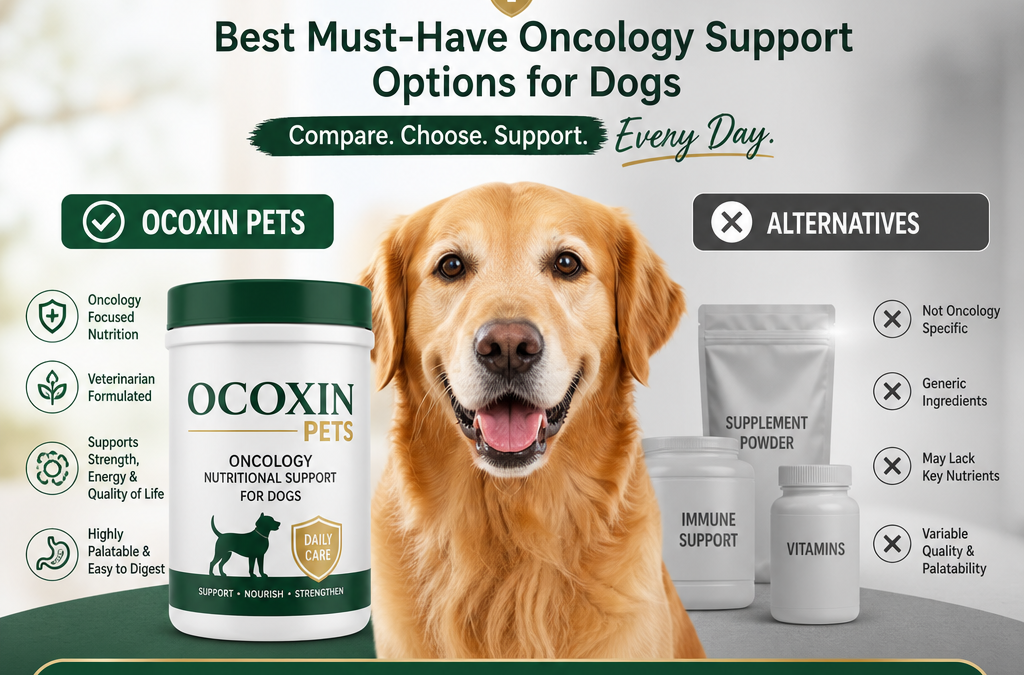
Ocoxin Pets vs alternatives is an important comparison for dog owners seeking supportive care during cancer treatment. While no nutritional product can replace veterinary oncology, carefully selected supplements may help maintain appetite, body condition, hydration, and quality of life. The best choice depends on the dog’s diagnosis, treatment plan, current medications, bloodwork, and ability to tolerate certain ingredients.
For many families, the search starts when a dog begins eating less, losing weight, or seeming less energetic during treatment. At that point, Ocoxin Pets vs alternatives becomes less about brand preference and more about finding a practical support approach that fits the dog’s needs, the veterinarian’s recommendations, and the realities of daily care at home.
Inhaltsverzeichnis
Understanding oncology nutritional support for dogs
Cancer can affect a dog’s nutritional needs in several ways. Tumors may alter metabolism, increase inflammation, reduce appetite, or contribute to muscle loss. Chemotherapy, radiation therapy, surgery, and pain medications can also cause nausea, fatigue, diarrhea, or changes in taste and eating behavior.
Oncology nutritional support is designed to complement—not replace—standard veterinary treatment. Its goals may include helping a dog maintain adequate calorie intake, supporting lean muscle, providing essential nutrients, and improving overall resilience during a demanding treatment period.
A useful support plan usually includes:
- A complete and balanced diet appropriate for the dog’s condition
- Sufficient calories and high-quality protein
- Veterinary-approved supplements when indicated
- Strategies to manage nausea, pain, constipation, or diarrhea
- Regular monitoring of weight, muscle condition, appetite, and laboratory results
Because cancer is not one single disease, a supplement that suits one dog may be unsuitable for another. Dogs with kidney disease, liver dysfunction, pancreatitis, bleeding disorders, or drug-sensitive tumors require especially careful evaluation. For a broader overview of support choices, see this guide to beste Ergänzungen für Hunde mit Krebs.
Pet owners often ask whether supportive nutrition can make treatment easier to tolerate. In many cases, it can help a dog stay steadier through therapy, especially when appetite loss and weight loss are the main concerns. The most useful plan is usually practical, simple, and easy to monitor at home.
When a dog is under active treatment, even small changes in diet or supplements can affect comfort. That is why the best oncology nutritional support plans focus on consistency. A dog that eats a modest amount reliably every day often does better than a dog that eats a large amount one day and refuses food the next.
Owners should also remember that cancer care is dynamic. What worked early in treatment may no longer work later, especially if nausea, pain, or digestive sensitivity increases. That makes regular review an important part of supportive nutrition.
Ocoxin Pets: What it may offer
Ocoxin Pets is marketed as a veterinary nutritional supplement intended to provide supportive nutrients for dogs and cats affected by serious illness, including cancer. Products in this category commonly combine vitamins, minerals, antioxidants, amino acids, and plant-derived ingredients.
Potential reasons veterinarians or owners may consider Ocoxin Pets include its convenient formulation and its focus on broad nutritional support. A combination product can be easier to administer than several separate supplements, especially when a dog is already receiving multiple medications.
However, the product should not be viewed as an anticancer drug. Evidence for nutritional supplements in veterinary oncology is often limited, and results can vary according to tumor type, stage, treatment protocol, and the dog’s overall health. Some ingredients may also interact with chemotherapy, corticosteroids, anti-inflammatory drugs, anesthetics, or anticoagulants.
Before using Ocoxin Pets, owners should review the full ingredient list with the treating veterinarian. It is also important to follow the recommended dosage rather than assuming that more will provide greater benefit. If a dog is already receiving a complex treatment plan, a short review of all products can reduce the risk of overlap or ingredient duplication.
In practical terms, this kind of support is most useful when it fits the dog’s daily routine. If a supplement is difficult to give, causes stomach upset, or creates stress at mealtimes, the long-term value may be limited even if the formula looks appealing on paper.
For dogs that are already sensitive to medications or supplements, the safest approach is usually gradual. A small initial trial, close observation, and veterinary follow-up can reveal whether the product is being tolerated. That process matters as much as the product itself when discussing Ocoxin Pets vs alternatives.
Ocoxin Pets vs alternatives: Key comparison factors
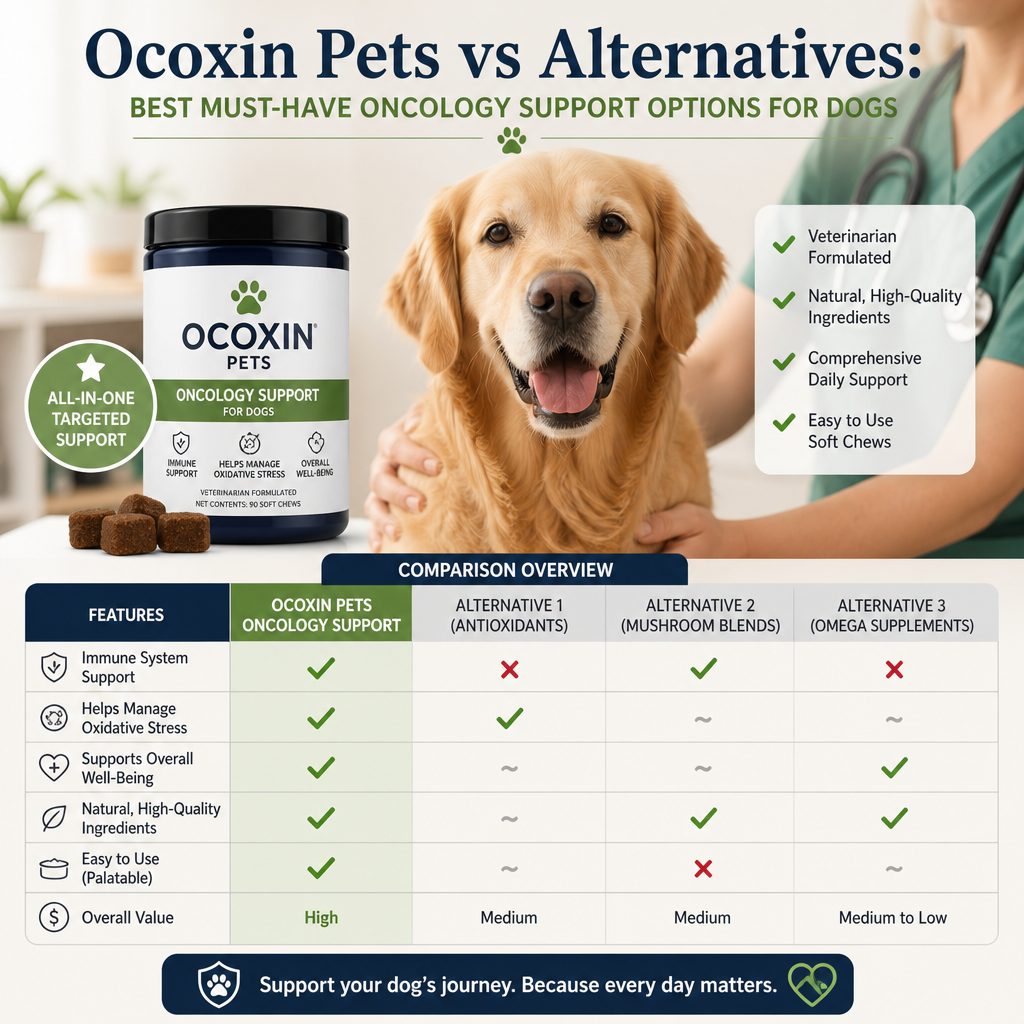
When considering Ocoxin Pets vs alternatives, the most important question is not simply which product has the longest ingredient list. Instead, assess whether the product addresses the dog’s specific needs and can be used safely alongside the prescribed treatment.
1. Nutritional purpose
Some supplements focus on general wellness, while others are intended to provide calories, omega-3 fatty acids, digestive support, or targeted vitamins and minerals. A dog losing weight may need a calorie-dense nutritional plan more urgently than a broad antioxidant supplement. That is why Ocoxin Pets vs alternatives should be judged by the problem being treated, not by marketing claims alone.
Zutaten-Transparenz
Choose products that clearly identify active ingredients and amounts. Proprietary blends can make it difficult to determine whether a dog is receiving an effective, excessive, or potentially interacting dose. Clear labeling also helps the vet compare the formula with other products already in use.
3. Evidence and veterinary oversight
Look for products manufactured under quality-control standards and supported by credible veterinary guidance. Testimonials may be encouraging, but they do not establish that a supplement treats cancer or improves survival. Trusted background sources, such as the Amerikanische Veterinärmedizinische Vereinigung, can help owners understand the difference between supportive care and proven cancer treatment.
4. Administration and tolerance
A theoretically useful product is not practical if a dog refuses it or develops vomiting and diarrhea. Powders, liquids, capsules, and chewable products each have advantages. Palatability is particularly important when appetite is already poor.
5. Compatibility with treatment
Some antioxidants and herbal ingredients may affect drug metabolism or the intended effects of radiation and chemotherapy. The veterinarian should know about every supplement the dog receives, including products purchased online or from health-food stores. This is especially important in the middle of active treatment, when small changes can influence comfort and safety.
For dogs with tumor spread or suspected progression, supportive care should also account for disease stage and changing goals. A useful reference for owners is this article on metastasis in dogs, which explains why support needs may shift as cancer advances.
When comparing Ocoxin Pets vs alternatives, it may help to think about the dog’s current stage of illness. A dog in recovery after surgery may have different needs from a dog receiving chemotherapy or palliative care. The same formula is not always the best answer across every phase of treatment.
Cost can also matter, but cost should be weighed against safety and usefulness. A lower-priced product is not a good deal if it cannot be used consistently or does not fit the dog’s treatment plan. Likewise, a premium product is not automatically superior if its ingredients duplicate what the dog already receives.
Dog tumor support options worth discussing
There are several dog tumor support options that may be considered as part of a comprehensive care plan. These should be selected according to the dog’s diagnosis and veterinary recommendations. When comparing Ocoxin Pets vs alternatives, it helps to think in terms of support categories rather than only brand names.
Therapeutic nutrition
A complete veterinary diet can help provide consistent calories and nutrients. In some cases, a highly digestible or energy-dense food is useful. Dogs with reduced appetite may benefit from warmed food, smaller frequent meals, or carefully selected toppers. Any homemade diet should be formulated by a veterinary nutritionist to avoid deficiencies.
Therapeutic nutrition is often the foundation of oncology support because it addresses the day-to-day issue of maintaining intake. Even the most promising supplement will not help much if the dog cannot or will not eat enough. That is why food strategy is often discussed before adding more products.
Omega-3-Fettsäuren
Fish oil provides EPA and DHA, which may support normal inflammatory processes and help maintain skin, coat, and general health. It must be used at an appropriate dose because excessive amounts can cause gastrointestinal upset or affect platelet function. Product quality also matters, particularly with regard to freshness and contamination testing.
Omega-3 fatty acids are frequently discussed in oncology nutritional support because they can be incorporated into an existing meal plan more easily than some other supplements. Still, a veterinary team should decide whether they are appropriate for the individual dog, especially if surgery or bleeding risk is part of the picture.
Unterstützung bei Verdauung und Appetit
Probiotics, fiber, prescription anti-nausea medication, appetite stimulants, and gastrointestinal diets may be appropriate for dogs experiencing treatment-related digestive problems. These options should be matched to the underlying issue rather than used automatically. If your dog’s eating pattern changes suddenly, the vet may want to reassess the full plan before adding anything new.
Digestive support is especially useful when nausea or loose stool is the main barrier to maintaining body weight. In some dogs, improving gut comfort can have a bigger effect on daily quality of life than changing to a completely different supplement brand.
Amino acids and muscle preservation
Maintaining lean body mass is a major goal in canine cancer care. Adequate protein, appropriate exercise, pain control, and treatment of nausea can all help. Certain amino acid supplements may be considered, but they should not substitute for adequate calories or a complete diet.
Muscle preservation matters because dogs with cancer may lose strength before they lose a large amount of body weight. In those situations, the veterinary team may focus on preserving condition rather than simply adding calories. That is a subtle but important distinction in supportive care.
Medizinische Pilze und pflanzliche Produkte
Mushroom extracts and botanical supplements are sometimes promoted for immune or oncology support. Quality, concentration, and safety vary widely. Some herbs can affect liver enzymes, clotting, blood pressure, or medication absorption, so veterinary review is essential. If you are comparing branded formulas, the same caution applies to Ocoxin Pets alternative options sold in other markets, because ingredient quality and formulation can differ.
Herbal products often sound appealing because they are presented as “natural,” but natural does not automatically mean safe or suitable for every dog. That is particularly true when a dog is receiving multiple medications or already has reduced appetite and digestive sensitivity.
Patient-specific support for certain breeds and tumor types
Some dogs have a higher cancer risk or a different pattern of tumor behavior, which can affect support choices. Owners of predisposed breeds may find it helpful to read about Shar Pei cancer risks and early tumor signs so they can spot problems earlier and discuss changes with their veterinarian.
Breed, age, tumor location, and stage all influence the support plan. A young dog with an isolated tumor does not necessarily need the same nutritional support as an older dog with multiple chronic conditions. Tailoring the plan to the patient is one of the most important principles in oncology care.
Some owners also look for support when eye tumors, skin masses, or other localized cancers interfere with eating, comfort, or behavior. In those cases, the support strategy may shift toward symptom relief, appetite maintenance, and protecting quality of life rather than using a broad supplement approach alone.
How to choose the most suitable product
Start by identifying the primary problem. Is the dog losing weight, refusing food, having diarrhea, struggling with treatment side effects, or maintaining normal eating and activity? A targeted plan is generally more useful than adding several products at once.
Keep a simple record of body weight, appetite, stool quality, vomiting, energy, and supplement doses. This helps the veterinary team determine whether a product is tolerated and whether it appears to be contributing to the dog’s comfort.
Avoid making multiple changes simultaneously. Introducing one product at a time makes it easier to identify adverse reactions. Stop the supplement and contact the veterinarian if the dog develops persistent vomiting, diarrhea, weakness, unusual bruising, worsening appetite, or other concerning symptoms.
It can also help to define a clear goal before starting any supplement. For example, the objective may be better calorie intake, less nausea, improved stool quality, or steadier body weight. Once that goal is established, the veterinarian can judge whether Ocoxin Pets vs alternatives is the better fit.
Owners sometimes compare several products at once and focus only on the label. A better approach is to ask five simple questions: Will the dog eat it? Is the formula safe with current drugs? Does it match the main symptom? Can it be given consistently? Is there a realistic way to track results over the next few weeks?
If a supplement is expensive but impossible to give, it is unlikely to help much in real life. Convenience matters because supportive care works best when it can be repeated every day without stress. That is true for short-term recovery as well as long-term cancer management.
One practical method is to trial the support plan during a period when the dog’s routine is stable. That makes it easier to know whether any improvement or side effect is linked to the supplement. If the dog is already vomiting, underweight, or in pain, the veterinarian may recommend addressing those symptoms first before making a supplement decision.
Many owners also benefit from a written plan that lists the supplement, dose, timing, and desired outcome. Simple records reduce confusion and help everyone on the care team stay aligned. They also make it easier to notice whether Ocoxin Pets vs alternatives is supporting appetite, body condition, and comfort in a measurable way.
The role of the veterinary oncology team
Supplements can be part of supportive care, but they should never delay diagnosis or proven treatment. Surgery, chemotherapy, radiation, targeted therapy, pain management, and palliative care remain the central options for managing canine cancer.
A veterinary oncologist can evaluate the tumor type, treatment goals, expected side effects, and nutritional risks. The primary veterinarian can also help monitor blood counts, liver and kidney function, hydration, and body condition over time.
Ultimately, the best choice among Ocoxin Pets vs alternatives is the option that is safe, clearly formulated, realistically administered, and appropriate for the individual dog. Thoughtful oncology nutritional support can help preserve comfort and strength, but it works best as one part of a personalized veterinary care plan.
When the case is complex, a second opinion can be valuable. That does not mean abandoning the current plan; it means checking whether a different feeding strategy, appetite support approach, or supplement choice may better match the dog’s stage of illness. For some families, the right answer is a single product; for others, it is a combination of diet changes, medication support, and careful monitoring.
In summary, Ocoxin Pets vs alternatives should be judged by safety, practical use, and how well each option supports the dog’s comfort during treatment. With veterinary guidance, many dogs can benefit from a tailored nutritional plan that focuses on maintaining strength, minimizing side effects, and protecting quality of life.
For anyone still deciding between Ocoxin Pets vs alternatives, the main goal should remain steady and realistic: support the dog’s appetite, weight, hydration, and daily comfort while respecting the oncology plan already in place. The right choice is usually the one that can be used consistently, monitored easily, and adjusted when the dog’s needs change.