
by TCMVET | Oct 10, 2025 | Medicines & Therapies
When a pet is diagnosed with cancer, the first instinct of most owners is to look for powerful medicines or surgical options. Yet, in the philosophy of Traditional Chinese Medicine (TCM), healing begins in a much simpler — and more familiar — place: the food bowl.
In TCM, food is more than nourishment. It is medicine in disguise, capable of restoring internal balance, supporting the immune system, and even complementing cancer therapy.
🌿 1. The TCM View: Feeding the Qi, Not Just the Body
In Western nutrition, food is measured by calories, protein, and fat.
In TCM, food is understood by its energetic nature — warm or cool, yin or yang, strengthening or dispersing.
For a pet fighting cancer, the goal is not merely to “feed more,” but to nourish the Qi — the vital energy that supports all life functions.
Cancer, from a TCM perspective, often arises from Qi stagnation, phlegm accumulation, and heat toxins.
Thus, diet therapy focuses on:
- Clearing internal heat and toxins
- Strengthening digestion (the “Spleen” system)
- Supporting Yin to counteract fatigue and dryness
🍲 2. Healing Through the Bowl: Key Ingredients for Recovery
Here are some TCM-inspired food choices that can gently support pets undergoing cancer treatment:
🥩 Lean Proteins — “Tonifying Qi”
- Chicken breast, turkey, and fish provide easy-to-digest protein to sustain strength.
- Rabbit meat and duck are “cooling” proteins, suitable for pets with inflammatory or heat-related conditions.
🍠 Root Vegetables — “Strengthening the Earth”
- Sweet potato, pumpkin, and carrot nourish digestion and energy without burdening the system.
- These foods help rebuild the Spleen Qi, often weakened by chemotherapy or stress.
🌾 Whole Grains — “Balancing Yin and Yang”
- Brown rice, barley, and millet provide steady energy and aid hydration.
- Avoid wheat or corn in sensitive animals — they may promote internal dampness.
🌿 Herbal Additions — “Food-Grade Medicine”
- Goji berries (Gou Qi Zi): Support liver and kidney function, improve appetite.
- Turmeric (Jiang Huang): Anti-inflammatory, helps relieve stagnation.
- Reishi mushroom (Ling Zhi): Strengthens immunity and calmness.
A few sprinkles in homemade pet food or a warm herbal broth can make a big difference — always guided by a veterinarian familiar with TCM principles.
🧘 3. The Art of Balance: No One-Size-Fits-All
In TCM, there is no “anti-cancer diet” that fits every pet.
Each animal has its own constitution — some are warm-natured, others cold; some weak, others overactive.
A dog with heat-type cancer may benefit from cooling foods like duck, mung beans, and spinach.
A cat with a deficiency-type tumor might need warming foods like chicken, yam, and ginger.
Balance is the essence.
Overusing cold or bitter foods can harm digestion; overfeeding rich meats can generate phlegm and stagnation.
TCM food therapy is not about strict rules — it’s about listening to the body’s signals and adjusting gently.
💧 4. Supporting Modern Treatments Naturally
Proper nutrition can make conventional cancer therapies work better.
Pets with balanced diets tolerate chemotherapy more smoothly, recover faster after surgery, and maintain stronger immunity.
Herbal-infused broths, omega-rich fish, and antioxidant vegetables can reduce inflammation and oxidative stress — helping the body repair itself.
The synergy between Western medicine’s precision and Eastern wisdom’s balance is where the real innovation lies.
🌱 5. A New Way to Love: Cooking as Healing
Cooking for a sick pet may sound simple, but in TCM, it is an act of deep care.
Warm, home-cooked meals carry Qi — living energy — that processed kibble lacks.
Every chop, stir, and simmer becomes part of a quiet ritual of healing, reminding both human and animal that nourishment is not just physical — it’s emotional and spiritual, too.
✨ Conclusion
In the TCM view, “medicine and food share the same origin.”
By bringing mindful nutrition into cancer care, pet owners can do more than feed — they can heal.
And perhaps that’s the greatest lesson of all: love, when transformed into nourishment, becomes the most natural medicine in the world.

by TCMVET | Oct 10, 2025 | Medicines & Therapies
For centuries, traditional Chinese medicine (TCM) has been regarded as a healing system designed for humans — a tapestry of herbs, energy balance, and holistic philosophy. Yet as veterinary science advances, a fascinating transformation is taking place: the shift from “human medicine” to “pet medicine.” Researchers and veterinarians are now exploring how the ancient wisdom of herbal medicine can safely and effectively support animals battling cancer.
🌿 1. Shared Biology, Shared Healing
The concept of “Heaven and Human as One,” a core idea in TCM, emphasizes the interconnectedness of all living beings. Modern biology echoes this principle — many physiological systems in dogs and cats closely resemble those of humans.
This similarity has opened the door for translational research: if certain herbs can modulate human immunity, reduce inflammation, or inhibit abnormal cell growth, could they also help companion animals?
Early studies and clinical observations suggest yes, but with an important caveat — dosage, metabolism, and toxicity vary greatly across species. For example, an herb like Huang Qi (Astragalus membranaceus) that boosts human immunity might also enhance a dog’s resistance to tumor-related fatigue, but at a carefully adjusted dose.
🧬 2. The Science of Transformation: From Herbal Tradition to Veterinary Application
Turning human herbal formulas into safe “pet medicine” isn’t as simple as shrinking the dose.
It requires a multidisciplinary process that merges pharmacognosy, veterinary toxicology, and molecular oncology.
Researchers must identify:
- Which bioactive compounds affect tumor cells or the immune system.
- How these compounds are absorbed, distributed, and excreted by animals.
- Whether they interact with conventional cancer drugs (like chemotherapy or steroids).
Recent progress has focused on herbs such as Ganoderma (Lingzhi), Curcuma (Turmeric), and Oldenlandia diffusa (Bai Hua She She Cao) — all known for their anti-inflammatory and immune-modulating properties. In controlled trials, these herbs have been shown to enhance quality of life, support appetite, and reduce chemotherapy side effects in pets with lymphoma or mammary tumors.
💧 3. Beyond Killing Tumors: The TCM Approach to Harmony
Unlike conventional oncology, which often centers on “destroying the tumor,” TCM’s philosophy aims to restore balance — strengthening the body’s qi (vital energy) and harmonizing internal systems.
For pets, this might mean:
- Supporting liver and kidney function during chemotherapy.
- Improving digestion and reducing stress through herbal tonics.
- Enhancing vitality with adaptogenic herbs like Ginseng or Cordyceps.
Owners who choose integrative care often report that their animals appear more energetic, maintain better appetite, and recover faster after treatment cycles.
⚖️ 4. The Future: Integrative Oncology for Pets
The line between human and animal medicine is blurring. As more data accumulates, we may soon see standardized veterinary herbal formulations that combine ancient botanical wisdom with modern pharmacological precision.
The future of pet oncology could therefore be one of integration, not opposition — where chemotherapy and herbal medicine work hand in hand, and where healing is measured not only by tumor size, but by comfort, spirit, and quality of life.
🌱 Conclusion
The journey from “human medicine” to “pet medicine” reflects more than a scientific shift — it’s a philosophical one.
It acknowledges that health, whether human or animal, is about balance, resilience, and the subtle dialogue between body and nature.
In this evolving landscape, herbal medicine is no longer just a relic of the past — it’s becoming a bridge to a more compassionate and holistic future for veterinary care.

by TCMVET | Nov 15, 2024 | Medicines & Therapies
When we think of pharmaceuticals or veterinary medications, we often associate them with their primary uses, such as curing specific ailments or supporting recovery. Yet, some products, like Avmaquin, have gained attention not only for their intended applications but also for their surprising versatility. Let’s delve into what makes Avmaquin a standout in the veterinary field and explore its potential in ways you might not expect.
What is Avmaquin?
Avmaquin is primarily known as an antimicrobial agent used in veterinary medicine. It is formulated to combat a variety of bacterial infections, particularly in livestock and poultry. With its active ingredient targeting harmful bacteria, it helps maintain the health and productivity of animals, ensuring their well-being and minimizing economic losses for farmers. However, what sets Avmaquin apart is its wide-ranging impact beyond its antimicrobial properties.
1. A Shield for Livestock Productivity
The agricultural industry faces constant challenges from bacterial diseases that can rapidly spread among livestock. Avmaquin steps in as a preventative solution, acting as a shield to protect animals from these outbreaks. Beyond merely treating infections, its prophylactic application has proven to enhance the overall health status of herds and flocks, leading to better growth rates and increased productivity.
2. A Game-Changer in Sustainable Farming
In the modern era of farming, the focus is shifting toward sustainability. Avmaquin has shown promise as part of integrated farming practices. By reducing the need for broad-spectrum antibiotics, it contributes to antimicrobial stewardship, a critical goal in minimizing the risk of antibiotic resistance. This makes it a valuable tool for farmers striving to balance productivity with responsible practices.
3. Beyond Livestock: The Broader Implications
While primarily designed for animals, researchers are investigating whether Avmaquin’s properties could inspire innovations in other areas. For example:
- Aquaculture: Trials are exploring its potential to safeguard fish populations from bacterial diseases, a growing concern in the aquaculture industry.
- Companion Animals: Preliminary studies suggest that Avmaquin might have applications for certain bacterial infections in cats and dogs, expanding its reach into the pet care market.
4. A Catalyst for Research and Development
Avmaquin also serves as a springboard for new formulations. Its success in targeting specific pathogens has inspired the development of customized antimicrobial solutions tailored for niche veterinary needs. Scientists are leveraging its molecular framework to design next-generation treatments that could transform how we address animal health challenges.
5. Ethical Implications: Addressing the Concerns
No discussion about veterinary antimicrobials is complete without addressing ethical concerns. With the rise of consumer awareness around food safety and animal welfare, Avmaquin stands out as an example of how targeted treatments can align with ethical farming practices. Its use reduces the reliance on blanket antibiotic treatments, making it a preferred choice for conscientious farmers.
Reimagining Avmaquin’s Role
What makes Avmaquin truly remarkable is its potential to redefine veterinary care. Imagine a future where its applications extend beyond treatment, influencing preventive healthcare, sustainable farming, and even pet wellness. As we uncover more about its capabilities, Avmaquin could become a cornerstone of veterinary innovation, bridging the gap between tradition and forward-thinking solutions.
Final Thoughts: More Than Meets the Eye
Avmaquin is more than just a veterinary medication; it’s a symbol of how science can address complex challenges in animal health and farming. Its versatility, sustainability, and potential for broader applications make it a topic worth watching. Whether you’re a farmer, veterinarian, or pet owner, Avmaquin might just hold the key to unlocking a healthier future for all animals under our care.

by TCMVET | Oct 15, 2024 | Medicines & Therapies
Lick granulomas, also known as acral lick dermatitis, are a frustrating and often chronic condition for both dogs and their owners. While they are rarely life-threatening, managing this condition can be a long-term process. Treating a lick granuloma typically requires trial and error, and several visits to the veterinarian may be necessary to find the right combination of treatments. In this article, we’ll explore effective strategies for managing lick granulomas in dogs, the importance of early intervention, and tips for preventing recurrence.
Understanding Lick Granulomas
A lick granuloma is a skin lesion caused by a dog’s compulsive licking of a particular spot, usually on the legs. Over time, this repetitive behavior leads to inflammation, infection, and thickened skin. Dogs may develop lick granulomas for various reasons, including allergies, pain, boredom, or anxiety.
Why Early Treatment Matters
Dogs with early treatment for lick granulomas tend to have a better prognosis than those with chronic or severe conditions. Left untreated, a granuloma can progress into a serious infection, potentially affecting the skin’s underlying muscles and bones. Additionally, a dog’s mouth contains harmful bacteria, making it crucial to prevent further licking to avoid worsening the condition.
Trial and Error in Treatment
Finding the right treatment plan for a lick granuloma often involves trial and error. Veterinarians may recommend a combination of treatments, including:
- Medications
Antibiotics and anti-inflammatory medications are commonly prescribed to treat infection and reduce swelling. In some cases, veterinarians may also recommend corticosteroids or antihistamines to control itching.
- Behavioral Management
Since many lick granulomas are caused by anxiety or stress, addressing the underlying behavioral issue is crucial. Calming supplements, behavioral therapy, and increased exercise or mental stimulation can help reduce a dog’s urge to lick.
- Protective Collars
One of the most effective ways to prevent further licking is by using a protective collar, such as an e-collar (Elizabethan collar). This collar should be kept on, especially when the dog is alone or at night, to ensure the granuloma is not aggravated.
- Topical Treatments
Applying topical creams or sprays that soothe the skin and deter licking may aid in healing. These treatments are often paired with antibiotics to prevent infection.
Long-Term Management of Lick Granulomas
Many dogs with lick granulomas will require long-term management rather than complete recovery. It’s important to understand that this condition can reoccur, especially if the underlying issue is not resolved. Stressful changes in your dog’s environment, such as moving homes or changes in routine, may trigger a relapse.
To manage a lick granuloma long-term, pet parents should focus on:
- Regular Vet Checkups
Regular vet visits are crucial for monitoring the condition and adjusting the treatment plan as needed.
- Environmental Enrichment
Reducing boredom and stress through environmental enrichment, such as interactive toys, regular walks, and mental challenges, can help prevent compulsive behaviors.
- Close Monitoring
Keep a close eye on any signs of recurrence. Early intervention can prevent the need for more aggressive treatments.
Lick granulomas are a challenging condition for both dogs and their owners. While they may not be life-threatening, managing the condition can require persistence and patience. Early treatment, behavioral management, and long-term care are essential to prevent further complications and help your dog live comfortably. Always consult your veterinarian for the best course of action and be prepared for ongoing care to manage this chronic condition.

by TCMVET | Sep 19, 2024 | Medicines & Therapies
Caring for your dog after surgery is a critical part of their recovery process. Whether your dog has undergone a routine procedure or a more complex surgery, your post-operative care plays a vital role in helping them heal properly and avoid complications. In this article, we’ll provide a comprehensive guide on how to care for your dog after surgery, ensuring their comfort and promoting a smooth recovery.
1. Preparing Your Dog’s Recovery Space
Before your dog returns home after surgery, it’s important to create a safe, comfortable space where they can rest and heal. This space should include:
- A quiet area: Keep your dog away from noise, other pets, and high-traffic areas to reduce stress.
- Soft bedding: Provide comfortable, clean bedding to support their body, especially if they’ll be lying down for extended periods.
- Easy access to food and water: Place their food and water bowls within reach to minimize movement.
- Limited movement: Restrict access to stairs or elevated areas where your dog might jump or injure themselves.
2. Managing Pain and Medications
After surgery, your vet will likely prescribe medications to manage pain, prevent infection, and aid in healing. Here’s how to handle medications safely:
- Follow instructions carefully: Always administer medications exactly as prescribed by your vet. Don’t skip doses or give your dog over-the-counter medications without consulting your vet.
- Monitor for side effects: Be on the lookout for any signs of adverse reactions, such as vomiting, diarrhea, or excessive lethargy, and contact your vet if you notice anything unusual.
- Comfort and soothing: Pain can make dogs anxious or restless. Providing comfort with a soft voice, gentle petting, and their favorite toys can help calm them.
3. Monitoring the Surgical Site
One of the most important aspects of post-surgery care is keeping the surgical site clean and free from infection. Here’s what to watch for:
- Check for signs of infection: Monitor the incision daily for any signs of infection, such as redness, swelling, discharge, or foul odor. If you notice any of these, contact your vet immediately.
- Prevent licking or biting: Dogs often lick or chew at their incision, which can lead to infection or open wounds. Use an Elizabethan collar (cone) or a dog recovery suit to prevent this behavior.
- Keep the area clean and dry: Avoid bathing your dog until your vet gives the all-clear, as moisture can cause infections. If the wound becomes dirty, clean it gently with a vet-approved antiseptic solution.
4. Managing Your Dog’s Activity Levels
While your dog may start to feel better after a few days, limiting their physical activity is crucial for proper healing. Here’s how to manage activity levels:
- Follow your vet’s instructions: Your vet will provide specific guidelines on when your dog can resume normal activities. It’s essential to follow these closely to prevent reopening the wound or causing further injury.
- Leash walks only: For the first few weeks, restrict your dog’s exercise to short, slow leash walks. Avoid running, jumping, or rough play until your vet confirms it’s safe to do so.
- Mental stimulation: To keep your dog entertained without physical exertion, offer puzzle toys or interactive treat dispensers. Mental stimulation can help prevent boredom during the recovery period.
5. Nutrition and Hydration
Proper nutrition and hydration are key to your dog’s healing process. After surgery, follow these tips to ensure your dog is getting the right care:
- Offer small, frequent meals: Post-surgery, your dog may have a reduced appetite. Offer smaller portions of their regular food or a vet-recommended bland diet until their appetite returns to normal.
- Ensure hydration: Make sure your dog has constant access to fresh water. If they’re reluctant to drink, try adding a little water to their food or offering ice cubes to lick.
- Supplements: In some cases, your vet may recommend supplements like omega-3 fatty acids or probiotics to support healing and boost your dog’s immune system.
6. Managing Your Dog’s Emotional Well-Being
Dogs, like humans, can feel anxious, stressed, or even depressed after surgery. Here are some ways to support their emotional well-being during recovery:
- Provide comfort and reassurance: Spend extra time with your dog, offering gentle affection and staying close by to reduce their stress.
- Maintain a routine: Sticking to a regular schedule for feeding, bathroom breaks, and medication can provide a sense of normalcy, helping your dog feel more secure.
- Avoid overwhelming your dog: Limit visitors and stimulation during the recovery period to prevent stress or over-excitement.
7. Follow-Up Veterinary Appointments
Regular follow-up appointments with your vet are essential to monitor your dog’s healing progress and address any concerns. During these visits:
- Get the stitches checked: Your vet will examine the incision to ensure it’s healing properly and may remove stitches if necessary.
- Discuss recovery progress: Talk to your vet about any changes in your dog’s behavior, appetite, or mobility, and follow their advice for continued care.
- Ask about long-term care: If your dog underwent surgery for a more serious condition, such as cancer, your vet might recommend further treatments, lifestyle changes, or long-term medication.
Caring for your dog after surgery requires patience, attention, and a commitment to following your vet’s recommendations. By providing a comfortable recovery environment, managing medications and pain, monitoring the surgical site, and keeping your dog’s activity levels in check, you’ll be setting them up for a smooth and successful recovery. Always consult your vet if you have any concerns, and remember that your dog’s well-being depends on the care they receive at home.
by TCMVET | Sep 10, 2024 | Medicines & Therapies
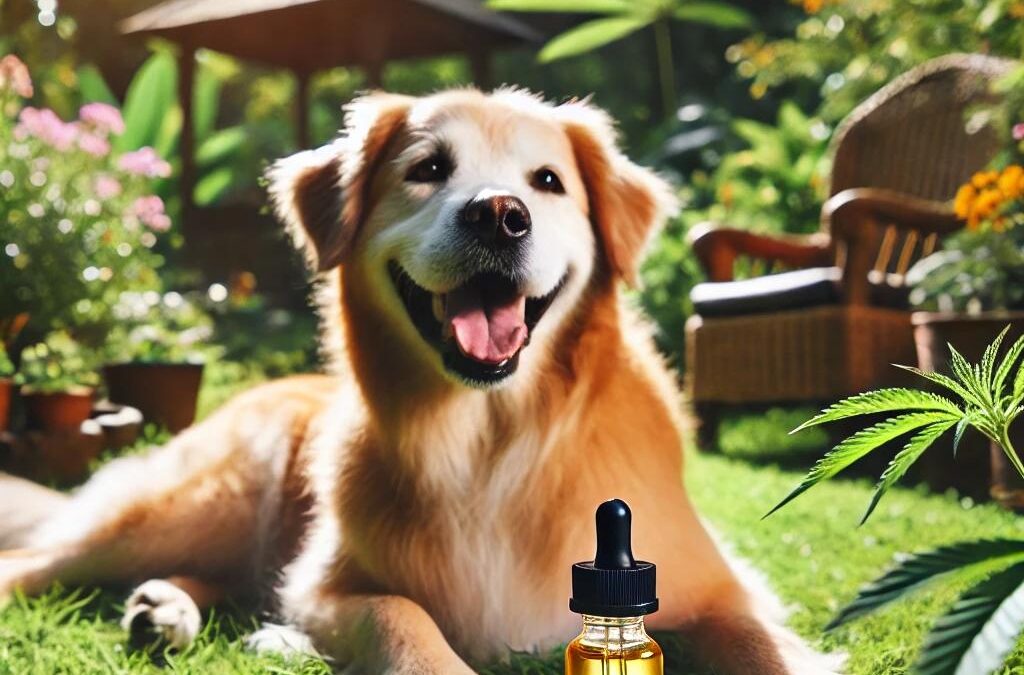
As pet owners seek out ways to improve their dogs’ health, especially when faced with challenging diagnoses like cancer, CBD (cannabidiol) is emerging as a powerful natural option. Derived from the cannabis plant, CBD is non-psychoactive and has been widely studied for its potential in supporting canine health. While its use for managing pain and anxiety in dogs is well-known, recent research highlights its role in cancer therapy, offering potential benefits in reducing tumor growth and enhancing the effectiveness of traditional treatments.
How CBD Can Aid in Canine Cancer Treatment
Cannabidiol works by interacting with a dog’s endocannabinoid system (ECS), a crucial part of maintaining overall health. The ECS regulates key functions such as pain management, immune response, and inflammation. In dogs with cancer, CBD’s ability to influence the ECS is promising, as it can support the body’s fight against cancer while reducing the negative effects of the disease.
Several studies indicate that CBD may play a role in inducing apoptosis, or programmed cell death, in cancer cells, preventing them from multiplying. This ability to selectively target cancer cells while sparing healthy ones makes CBD a potentially powerful tool in combating cancer in dogs.
A study published in the Journal of Pharmacology and Experimental Therapeutics reported that CBD reduced the viability of cancer cells in canine subjects. The findings suggest that CBD may help slow tumor progression, especially in aggressive cancers like lymphoma and osteosarcoma.
Synergistic Effects of CBD with Conventional Cancer Treatments
One of the most exciting aspects of CBD in cancer therapy is its potential to complement traditional treatments such as chemotherapy and radiation. While these treatments are often effective at targeting cancer cells, they can cause significant side effects, including nausea, pain, and fatigue.
Emerging research shows that CBD may reduce these side effects and enhance the efficacy of conventional cancer treatments. By reducing inflammation and providing pain relief, CBD can make the treatment process more tolerable for dogs, improving their quality of life throughout the therapy.
Additionally, CBD has shown the ability to protect healthy cells from damage during chemotherapy and radiation, which could lead to better outcomes and a quicker recovery for dogs undergoing these intensive treatments.
Managing Pain and Anxiety in Dogs with Cancer
Dogs with cancer often face chronic pain and increased levels of anxiety, whether from the disease itself or the treatments they undergo. CBD offers a natural, non-invasive way to manage both conditions. Its interaction with the ECS helps reduce pain signals in the brain, providing relief for dogs suffering from discomfort.
Furthermore, CBD has calming properties that can reduce anxiety levels in dogs, making them feel more comfortable and relaxed during vet visits or while recovering from treatments. This dual effect—managing both physical and emotional stress—makes CBD a valuable tool in improving a dog’s overall well-being as they battle cancer.
Ensuring Safe Use of CBD for Dogs
While CBD is generally well-tolerated by dogs, it’s crucial for pet owners to consult with a veterinarian before introducing it into their pet’s cancer care plan. Dosage and product quality are key factors in ensuring the safety and effectiveness of CBD. Veterinarians can recommend high-quality, third-party tested CBD products that are free from harmful additives or contaminants.
It’s also important to ensure that CBD won’t interfere with any medications your dog may be taking as part of their cancer treatment. A veterinarian can provide guidance on proper dosing, the timing of administration, and any potential interactions with traditional therapies.
The Future of CBD in Canine Cancer Therapy
As research into CBD and its potential therapeutic benefits continues, its role in treating canine cancer is becoming clearer. Whether used to complement traditional treatments or as part of a holistic approach to cancer care, CBD offers a promising way to support the health and comfort of dogs facing this difficult diagnosis.
From reducing tumor growth to managing pain and anxiety, CBD’s wide-ranging effects provide hope for pet owners looking for natural ways to enhance their dog’s cancer treatment plan. As always, it’s essential to work closely with a veterinarian to ensure that CBD is used safely and effectively for your dog’s unique needs.
CBD’s role in canine cancer therapy continues to expand as more research uncovers its potential benefits. From reducing cancer cell viability to improving the effectiveness of traditional treatments and managing pain and anxiety, CBD offers a natural, holistic approach to supporting dogs with cancer. Pet owners interested in incorporating CBD into their dog’s cancer care should seek guidance from a veterinarian to ensure that their pet receives the safest and most effective treatment possible.
