
by TCMVET | Dec 23, 2024 | Dog Cancer & Tumors
As a pet parent, there’s nothing more heart-wrenching than the thought of your dog facing a serious health challenge. Among the most common but often misunderstood health threats are tumors. While the word “tumor” may immediately cause panic, it’s crucial to understand the different types, how they affect your dog’s health, and most importantly, how early intervention can significantly improve outcomes.
The Tumor Landscape: Not All Tumors Are Alike
When we talk about tumors in dogs, we need to recognize that not all tumors are malignant (cancerous). Tumors can be classified as benign (non-cancerous) or malignant (cancerous), and each type has distinct behaviors and potential impacts on your dog’s health.
- Benign Tumors: These tend to grow slowly and usually don’t spread to other parts of the body. They can, however, cause discomfort or interfere with nearby organs if left unchecked. Common examples include lipomas (fatty tumors) and fibromas (tumors of connective tissue).
- Malignant Tumors: These are more aggressive and can invade surrounding tissues or spread to other areas through the bloodstream or lymphatic system. Common malignant tumors in dogs include mast cell tumors, osteosarcoma (bone cancer), and hemangiosarcoma (a tumor of the blood vessels).
While benign tumors are often treatable through surgical removal or monitored management, malignant tumors require more intensive treatments such as surgery, chemotherapy, or radiation therapy.
Symptoms: How to Recognize Potential Tumors Early
Tumors may not always be easy to detect, especially in the early stages. However, certain signs and symptoms may indicate the presence of a tumor. Early detection can dramatically improve the chances of successful treatment, so keep an eye out for:
- Lumps and Bumps: A noticeable lump under the skin, which may or may not be painful to the touch, is one of the most common signs. If a lump grows rapidly, seems to harden, or is accompanied by redness or heat, it’s worth investigating.
- Changes in Behavior: Tumors, especially malignant ones, can cause discomfort, pain, and fatigue. If your dog becomes unusually lethargic, refuses to eat, or shows signs of discomfort when moving, it could be due to a tumor pressing on nerves or organs.
- Breathing Difficulties or Coughing: If your dog develops persistent coughing, labored breathing, or changes in their breathing pattern, tumors affecting the lungs or chest area may be the culprit.
- Weight Loss and Loss of Appetite: In cases of cancer, weight loss and a lack of appetite are common signs. This is due to the body expending extra energy to fight the disease or the tumor blocking the digestive system.
- Lameness or Swelling: A sudden limp or swelling in a limb may point to bone cancer (osteosarcoma) or soft tissue tumors pressing on nearby joints.
How Tumors Affect Your Dog’s Overall Health
A tumor, whether benign or malignant, can have a significant impact on your dog’s overall health. The tumor’s location and type will dictate the specific challenges your dog faces.
- Pain: Tumors that press against internal organs, muscles, or nerves can cause significant pain. Malignant tumors are often more aggressive and painful, especially when they spread to bones or other tissues.
- Decreased Mobility: Tumors affecting bones or joints can limit your dog’s ability to move freely, leading to a decrease in activity levels and overall quality of life. For instance, osteosarcoma in the limbs is a common cause of limping and lameness in dogs.
- Organ Dysfunction: Tumors that invade vital organs like the liver, kidneys, or lungs can disrupt normal organ function. This may result in symptoms such as difficulty breathing, vomiting, or changes in urine or stool.
- Weakened Immune System: As malignant tumors grow, they can weaken the dog’s immune system, making it more difficult for the body to fight off other infections or diseases.
Treatment Options: Navigating the Road Ahead
The treatment for a tumor depends on its type, location, and stage. While benign tumors often require no more than observation or minor surgical removal, malignant tumors demand a more comprehensive approach. Here’s a breakdown of possible treatments:
- Surgery: The most common treatment for tumors, especially benign ones, is surgical removal. In cases of malignant tumors, surgery may also be necessary to remove as much of the tumor as possible.
- Chemotherapy: Often used for malignant tumors, chemotherapy can help shrink or slow the growth of cancerous tumors. While chemotherapy can have side effects (such as nausea or hair loss), it may extend your dog’s life and improve their quality of life.
- Radiation Therapy: Radiation is typically used in conjunction with surgery or chemotherapy to target and destroy cancer cells, especially when a tumor cannot be entirely removed.
- Palliative Care: For dogs with advanced or inoperable tumors, palliative care focuses on managing pain and improving comfort. Medications, physical therapy, and dietary changes can all contribute to your dog’s well-being in these situations.
Holistic Approaches: Complementing Traditional Treatments
While traditional medical treatments are often necessary, some pet parents also turn to holistic therapies to complement their dog’s care. These may include acupuncture, herbal supplements, or specialized diets designed to boost the immune system and promote healing. Always consult your veterinarian before exploring these options, as they can interact with conventional treatments.
Prevention and Risk Reduction: Can You Stop Tumors Before They Start?
Though not all tumors can be prevented, certain actions can reduce the risk of certain types of cancer in dogs:
- Regular Vet Checkups: Routine checkups allow your veterinarian to spot any signs of tumors early. Regular blood tests, x-rays, or ultrasounds can be particularly helpful for older dogs or breeds prone to cancer.
- Healthy Diet: A balanced diet rich in antioxidants, vitamins, and minerals can help support your dog’s immune system and overall health. Some studies suggest that obesity may increase the risk of certain tumors, so maintaining a healthy weight is crucial.
- Spaying and Neutering: For female dogs, spaying can significantly reduce the risk of mammary cancer, while neutering male dogs can reduce the likelihood of testicular cancer.
- Exercise: Regular physical activity helps keep your dog fit and healthy, reducing the risk of obesity-related tumors and promoting good circulation, which can help prevent tumor formation.
The Power of Early Detection: What Every Pet Parent Should Know
The earlier a tumor is detected, the higher the chances of effective treatment and recovery. If you suspect something might be wrong, don’t wait for symptoms to worsen. Regularly check your dog for lumps or signs of discomfort, and if you notice anything unusual, consult your vet promptly.
By staying vigilant and informed, you can ensure your dog’s health is prioritized, and any potential tumors are addressed swiftly and efficiently. After all, your dog relies on you to be their advocate, and you have the power to make a difference in their health journey.
Conclusion: You Are Your Dog’s Best Advocate
When it comes to tumors, knowledge is power. As a pet parent, it’s essential to stay informed, be proactive in recognizing potential health issues, and work closely with your veterinarian to ensure the best possible care for your dog. Whether the tumor is benign or malignant, early intervention can improve outcomes and help your dog live a longer, healthier life. Your vigilance and love can make all the difference.

by TCMVET | Dec 21, 2024 | Dog Cancer & Tumors
When you notice a lump on your dog’s skin, it can be alarming. For many pet owners, the first thought might be “Is this cancer?” or “What if it’s something serious?” One common culprit behind such lumps in dogs is lipomas, benign fatty tumors that can appear on the body. But are they dangerous? Let’s explore the facts, myths, and nuances of lipomas in dogs.
What Exactly Are Lipomas?
Lipomas are soft, rubbery growths that develop under the skin. They’re made up of fat cells and typically feel movable when you gently touch them. They can vary in size and location, but most lipomas are harmless. While these fatty tumors are generally non-cancerous, the uncertainty they cause in pet owners is understandable, given their mysterious appearance.
The Good News: Lipomas Are Usually Benign
The good news is that lipomas are almost always benign, meaning they are not cancerous. Most dogs will have one or two lipomas in their lifetime, often as they age. These tumors tend to grow slowly and are not typically painful. The majority of lipomas don’t spread to other parts of the body, making them non-threatening to your dog’s overall health.
When Do Lipomas Become Problematic?
Though most lipomas are benign, some may cause complications if they grow large enough or are located in sensitive areas. Here are some cases where lipomas might pose a problem:
- Pressure on Surrounding Tissues: If a lipoma grows too large, it may begin to press against muscles, nerves, or other vital structures. This could lead to discomfort, pain, or difficulty moving.
- Interference with Movement: Lipomas located on the legs or near joints can limit your dog’s mobility. They might create a sense of heaviness or restrict motion, causing lameness or an altered gait.
- Risk of Malignant Transformation: Though rare, some lipomas may transform into liposarcomas, a malignant form of cancer. These are much less common but more aggressive. The risk is higher if a lipoma becomes unusually hard, grows rapidly, or shows signs of pain.
How Do You Know If Your Dog’s Lipoma Needs Attention?
While most lipomas are harmless, regular monitoring is essential. If you notice any of the following, it’s time to consult a veterinarian:
- Rapid growth: A sudden increase in size could indicate a problem.
- Pain or sensitivity: If your dog seems to be bothered by the lipoma, it may require attention.
- Changes in texture: A hardening or firming of the lipoma could be a red flag.
- New lumps: If your dog develops multiple lumps in a short period, a vet checkup is recommended.
Treatment Options: To Remove or Not to Remove?
In most cases, lipomas don’t require any treatment. If the lipoma is not causing any pain or difficulty, your vet may recommend simply monitoring the lump. However, in cases where the lipoma is problematic—either due to its size, location, or growth rate—surgical removal might be suggested. This is typically a straightforward procedure, but like all surgeries, it carries some risks, especially in older dogs.
Preventing Lipomas: Can It Be Done?
Unfortunately, lipomas are primarily genetic, and there’s no surefire way to prevent them from forming. However, maintaining a healthy weight for your dog through a balanced diet and regular exercise might reduce the risk of developing large lipomas. Obesity tends to exacerbate fatty tumor growth, so controlling your dog’s weight is always a good preventive measure.
Final Thoughts: Lipomas Are Not the Enemy
While lipomas might initially sound scary, they are often more of a nuisance than a danger. In most cases, they are benign and manageable. By staying vigilant and consulting your veterinarian regularly, you can ensure that your dog stays comfortable and healthy, regardless of any lumps and bumps along the way. So, while lipomas can be concerning, remember that they are rarely a cause for alarm.

by TCMVET | Dec 20, 2024 | Dog Cancer & Tumors
Cancer in dogs has long been a subject of concern for pet owners. While it’s natural to feel overwhelmed when faced with this diagnosis, understanding the causes can offer insights into prevention and care. This article delves into the potential reasons behind cancer in dogs, shedding light on genetic, environmental, and lifestyle factors.
Genetic Predisposition: A Silent Driver
One of the primary reasons dogs develop cancer is genetics. Certain breeds are more prone to cancer due to inherited traits. For instance, Golden Retrievers, Boxers, and Rottweilers are known to have a higher likelihood of developing cancers such as lymphoma and osteosarcoma. This genetic predisposition highlights the importance of responsible breeding practices to minimize the risk.
Environmental Toxins: Invisible Threats
Dogs are often exposed to environmental toxins without their owners realizing it. Pesticides, herbicides, secondhand smoke, and even household cleaning products can contribute to the development of cancer. Prolonged exposure to these harmful substances can trigger mutations in cells, eventually leading to tumor growth.
Diet and Obesity: Feeding the Risk
A poor diet lacking essential nutrients or high in processed foods can weaken a dog’s immune system, making them more susceptible to cancer. Obesity further compounds the issue by creating an inflammatory environment in the body. Maintaining a balanced diet rich in antioxidants and avoiding overfeeding can significantly reduce the risk.
Aging: A Natural Factor
As dogs age, their cells undergo wear and tear, increasing the likelihood of cancer. Older dogs often experience a decline in immune function, which allows abnormal cells to proliferate unchecked. This makes regular veterinary check-ups essential for early detection and intervention.
Over-Vaccination and Medical Factors
Some studies suggest that over-vaccination or unnecessary medical procedures could play a role in increasing cancer risk. While vaccines are crucial for preventing diseases, excessive or poorly timed vaccinations might stress a dog’s immune system. Always consult with a trusted veterinarian to tailor a vaccination plan suited to your dog’s needs.
Sun Exposure and UV Damage
For dogs with light-colored fur or thin coats, excessive sun exposure can lead to skin cancer, particularly in areas with little pigmentation. Protecting your dog with pet-safe sunscreen or limiting outdoor activities during peak sunlight hours can help.
How to Minimize Risk
- Balanced Nutrition: Provide a high-quality diet tailored to your dog’s age, breed, and activity level. Include natural sources of antioxidants, such as blueberries and carrots.
- Limit Toxin Exposure: Use pet-safe cleaning products and avoid exposing your dog to pesticides or tobacco smoke.
- Regular Exercise: Maintain a healthy weight through regular physical activity.
- Routine Vet Visits: Schedule annual check-ups and screenings to detect potential health issues early.
- Tailored Vaccination Plans: Work with your veterinarian to develop a vaccination schedule that fits your dog’s lifestyle and health profile.
Closing Thoughts
Cancer in dogs is a complex disease influenced by a mix of genetic, environmental, and lifestyle factors. While it’s impossible to eliminate all risks, taking proactive measures can significantly reduce the likelihood of cancer. By staying informed and attentive, pet owners can provide their furry companions with the best possible care and quality of life.
by TCMVET | Nov 24, 2024 | Dog Cancer & Tumors
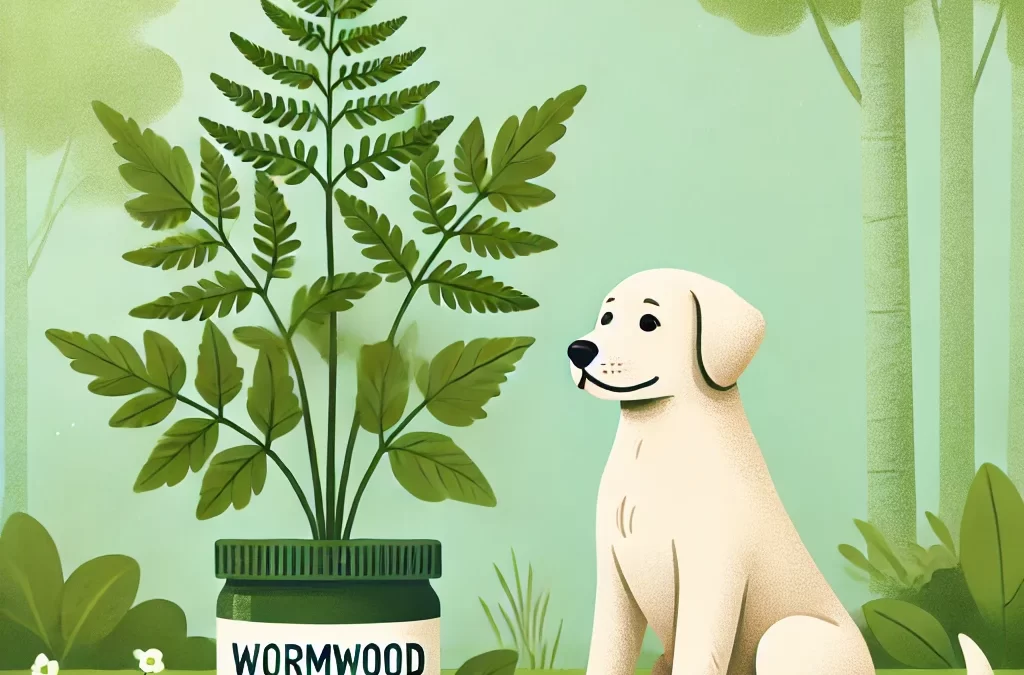
The use of natural remedies for managing canine cancer has garnered significant attention in recent years, with wormwood emerging as an intriguing contender. Known scientifically as Artemisia absinthium, wormwood has a long history in traditional medicine, but its potential benefits in addressing cancer, especially in dogs, have only recently sparked interest among researchers and pet owners alike. Could this ancient herb hold promise in the fight against canine cancer?
What Is Wormwood?
Wormwood is a perennial herb famous for its bitter taste and medicinal properties. Traditionally used to treat digestive issues and parasitic infections, wormwood has also been recognized for its potential anti-inflammatory, antimicrobial, and even anticancer properties. Its key active compound, artemisinin, has been studied extensively for its effectiveness against certain types of cancer cells in humans.
The Science Behind Wormwood and Cancer
Research suggests that artemisinin may work by targeting cancer cells that are rich in iron, a mineral cancer cells often accumulate to support their rapid growth. Artemisinin interacts with this iron, producing free radicals that can destroy the cancerous cells while leaving healthy cells relatively unharmed. While most studies have focused on human applications, the principles have sparked interest in veterinary oncology.
Wormwood and Canine Cancer: The Potential Connection
Dogs diagnosed with cancer, such as osteosarcoma, lymphoma, or mast cell tumors, often face expensive and invasive treatments like surgery, chemotherapy, or radiation. Many pet owners are turning to complementary therapies to improve their dogs’ quality of life, and wormwood is increasingly being explored for this purpose. Anecdotal evidence from holistic veterinarians and pet owners suggests that wormwood might help reduce tumor growth, alleviate inflammation, and boost overall vitality.
How Wormwood Might Help Dogs with Cancer
- Anti-Cancer Properties: Artemisinin in wormwood may target and kill cancer cells, potentially slowing the progression of the disease.
- Anti-Inflammatory Effects: Wormwood’s anti-inflammatory properties could reduce discomfort and improve mobility in dogs with tumors or metastases.
- Immune Support: Wormwood is thought to support the immune system, which is critical for dogs battling cancer.
Precautions and Considerations
Despite its potential, wormwood is not without risks. High doses can be toxic, causing side effects such as vomiting, diarrhea, or neurological issues. Additionally, not all dogs are suitable candidates for wormwood-based therapies. Consulting a holistic or integrative veterinarian is essential before introducing wormwood into your dog’s regimen.
Realistic Expectations: A Complementary Tool
It’s important to note that wormwood is not a cure for cancer but a potential complementary therapy. Its benefits may vary based on the type and stage of cancer, as well as the dog’s overall health. Combining wormwood with conventional treatments or other natural remedies, such as CBD oil or medicinal mushrooms, may enhance its effectiveness while offering a multi-faceted approach to cancer care.
The Future of Wormwood Research in Veterinary Medicine
The lack of extensive clinical trials on wormwood for canine cancer underscores the need for further research. However, early findings and anecdotal successes point to its promise as part of a broader natural cancer treatment strategy. With more scientific validation, wormwood could become a staple in holistic veterinary care.
Conclusion
For pet owners seeking alternative options to improve their dog’s quality of life, wormwood represents a fascinating possibility. Its potential anticancer and supportive properties make it a worthy candidate for consideration in canine cancer management. However, as with any treatment, caution and professional guidance are key. If you’re exploring wormwood for your dog, remember: the journey toward health is often about combining the best of both traditional and modern approaches.
Wormwood and dog cancer—an ancient herb for a modern challenge. Could it be the natural solution your furry friend needs? Only time and research will tell.

by TCMVET | Nov 20, 2024 | Dog Cancer & Tumors
Canine Transmissible Venereal Tumor (TVT) is a unique form of cancer in dogs, primarily transmitted through direct contact. While veterinary intervention is typically necessary, there’s growing interest in home-based supportive care to complement medical treatment. In this article, we’ll explore how innovative, natural, and holistic practices can play a pivotal role in managing TVT at home, emphasizing the importance of partnership with a veterinarian.
Understanding TVT: A Quick Overview
TVT is a contagious tumor that affects dogs’ external genitalia, mouth, or nose. Common symptoms include:
- Visible tumor growths
- Bleeding or discharge
- Discomfort or pain in affected areas
The primary treatment includes chemotherapy (usually with vincristine), surgery, or radiotherapy. However, these treatments may not always be accessible or affordable for some pet owners. This is where home-based supportive care can make a difference.
Revolutionizing Home Care for Dogs with TVT
1. Immune-Boosting Nutrition
A dog’s immune system plays a critical role in combating cancer. Providing nutrient-dense meals can support their overall health. Consider:
- Lean protein sources: Turkey, chicken, and fish to maintain muscle mass.
- Cancer-fighting foods: Blueberries, carrots, and broccoli contain antioxidants that combat oxidative stress.
- Omega-3 fatty acids: Found in fish oil or flaxseed oil, these help reduce inflammation.
Pro Tip: Avoid foods high in sugar and grains, which can exacerbate tumor growth.
2. Natural Remedies and Herbs
Natural therapies can provide relief and help manage TVT symptoms. Some promising options include:
- Turmeric (Curcumin): Known for its anti-inflammatory and anti-tumor properties.
- Chuanxiong (Szechuan Lovage): A traditional Chinese herb believed to improve circulation and support healing.
- CBD oil: Can help reduce inflammation, manage pain, and improve overall comfort.
Important: Always consult a vet to determine safe dosages.
3. Creating a Stress-Free Environment
Stress can weaken your dog’s immune system. Ensure your pet has a calm and comforting environment by:
- Providing a quiet resting space away from household noise.
- Using calming aids like lavender essential oil diffusers (in a well-ventilated room).
- Engaging in light, low-stress activities to keep them active and happy.
4. Wound and Tumor Care
If external tumors are present, they may bleed or become infected. Home care includes:
- Gently cleaning the affected area with saline solution to prevent infection.
- Using veterinary-approved ointments to promote healing.
- Monitoring for signs of infection, such as redness, swelling, or foul odor.
5. Strengthening Gut Health
Dogs undergoing TVT treatments often suffer from digestive issues. Probiotics and prebiotics can improve gut health and enhance nutrient absorption. Yogurt (without added sugar) or veterinary probiotic supplements can be added to their diet.
6. Alternative Therapies
- Acupressure and Massage: Can help improve blood circulation and reduce pain.
- Homeopathy: Remedies like Arsenicum album or Thuja are sometimes used for cancer support (under veterinary guidance).
What Home Treatment Can and Cannot Do
While these approaches can enhance your dog’s comfort and overall well-being, they cannot replace professional medical care. TVT is a serious condition that often requires chemotherapy or other veterinary treatments for a cure. Home care is best used as a complementary approach to improve your dog’s quality of life and support recovery.
A Holistic Approach Is Key
The idea of treating TVT at home isn’t about finding a miracle cure but about creating an environment where your dog feels nurtured and supported. By combining veterinary treatment with innovative home care practices, you can give your furry friend the best chance at recovery.
Final Thought
Managing TVT at home demands commitment, creativity, and collaboration with veterinary professionals. It’s not just about treating a disease; it’s about restoring hope, health, and happiness to your dog’s life. With this holistic approach, pet owners can take an active role in their dog’s healing journey, ensuring they receive the love and care they deserve.
