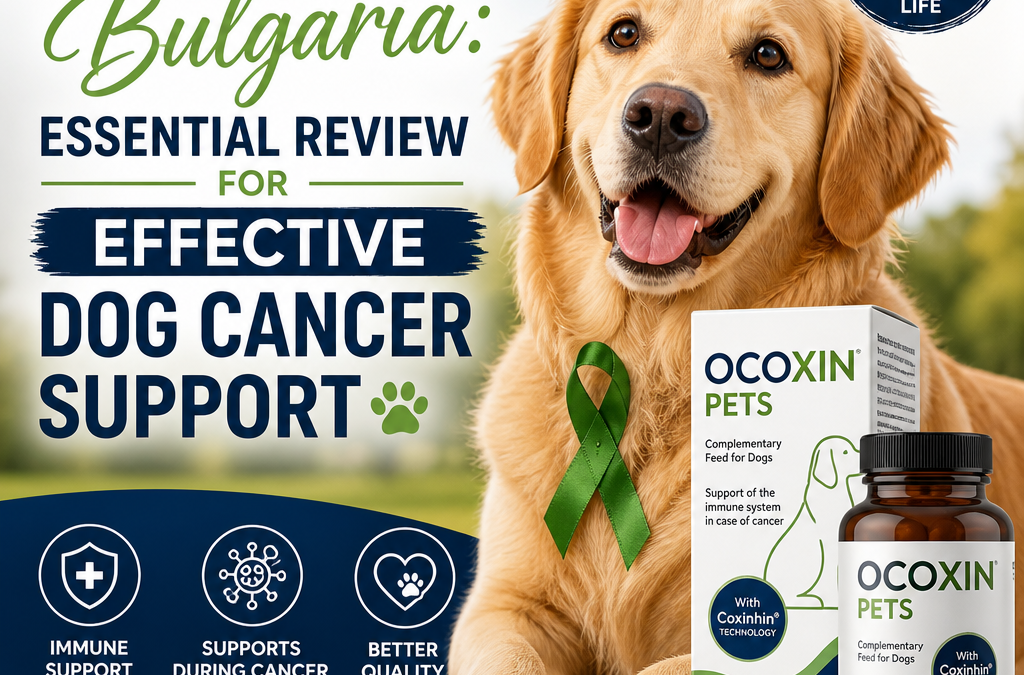
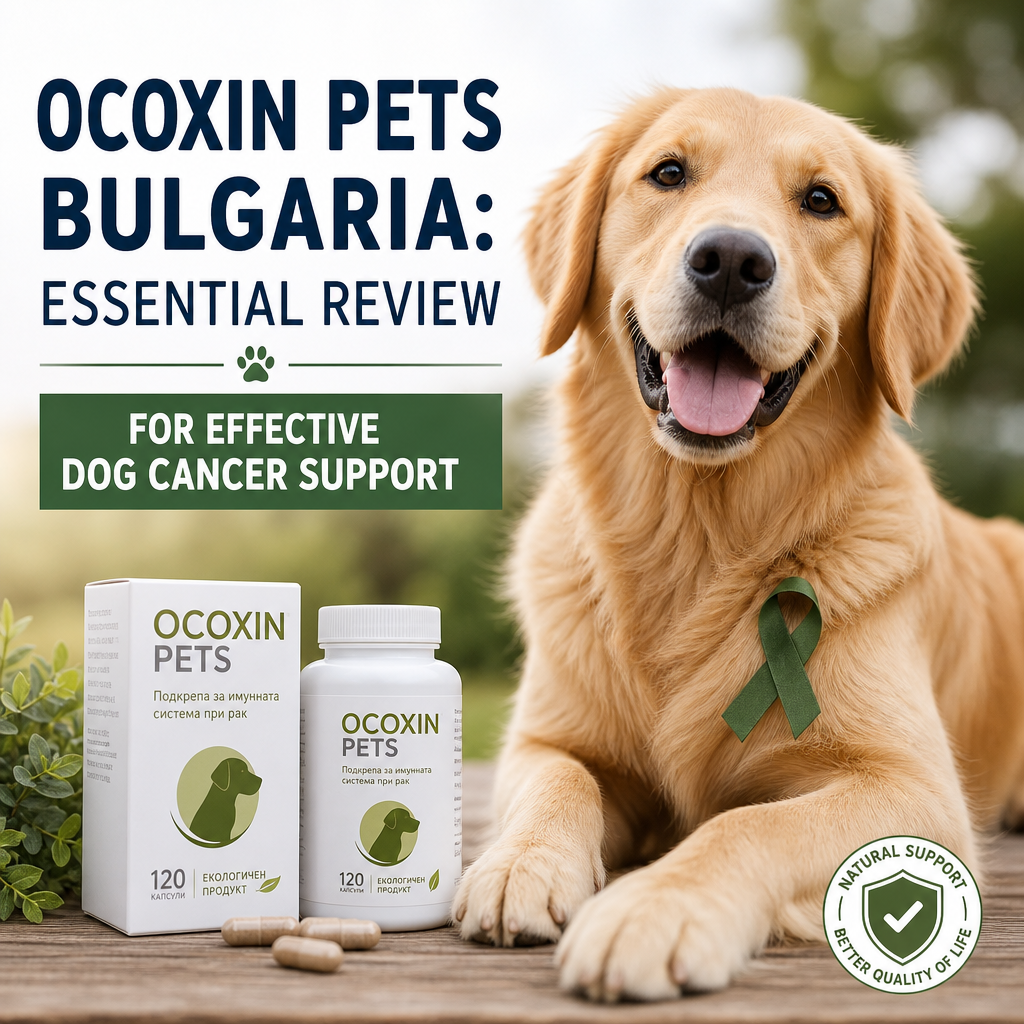
Ocoxin Pets is a veterinary supplement designed to provide nutritional support for dogs and cats during periods of illness, recovery, or increased physiological stress. In Bulgaria, interest in products such as Ocoxin Pets has grown among owners looking for complementary ways to support a pet affected by cancer. However, supplements should never be viewed as a replacement for professional diagnosis or conventional veterinary treatment. The most useful approach is to understand what the product is intended to do, how it may fit into a broader care plan, and what precautions should be considered.
Ocoxin Pets is generally described as a nutritional supplement containing a combination of ingredients intended to support the immune system, antioxidant defenses, appetite, and overall vitality. Products in this category are often used alongside veterinary care when an animal is dealing with a chronic condition, recovering from surgery, or receiving demanding treatments such as chemotherapy.
Cancer can affect a dog’s body in several ways. The disease itself may alter metabolism, while pain, medication, stress, and treatment side effects can reduce appetite and energy. A carefully selected supplement may help provide additional nutritional support, but its purpose is supportive rather than curative. The product cannot remove a tumor, replace chemotherapy, or guarantee a specific treatment outcome.
Because formulations and directions can change, pet owners should read the current packaging and consult a veterinarian before use. This is particularly important for dogs with liver disease, kidney problems, digestive disorders, allergies, or multiple prescribed medications.
Ocoxin Pets dog cancer support: What Can Owners Realistically Expect?
The phrase Ocoxin Pets dog cancer support refers to the product’s potential role as part of an integrated care plan. The most realistic expectations involve maintaining general wellbeing rather than directly treating cancer.
Potential supportive goals may include:
Helping maintain normal nutritional status
Supporting appetite during periods of reduced food intake
Providing antioxidant nutrients
Helping the animal cope with physical stress
Supporting energy and quality of life
Complementing recovery after illness or treatment
The response can vary significantly from one dog to another. Some pets may tolerate a supplement well and show improved interest in food or daily activities, while others may experience no obvious change. A dog’s age, cancer type, disease stage, body condition, treatment protocol, and existing health problems all influence the outcome.
Quality of life remains the central measure. Owners should monitor appetite, water consumption, weight, mobility, sleep, pain indicators, bowel movements, vomiting, and interest in family interaction. These observations are often more valuable than relying on a single product to produce dramatic results.
In practical terms, it is best to think of supportive supplements as part of a bigger plan that may include prescription medications, nutritional adjustments, and frequent veterinary reassessment. A supplement can be useful when it fits the case, but it should not create a false sense of security.
Ingredients and Their Possible Role
The value of a supplement depends largely on its formulation, dosage, quality control, and suitability for the individual animal. Ocoxin Pets products may include nutritional and botanical components selected for antioxidant or immune-supportive properties. Antioxidants are substances that help protect cells from oxidative stress, although their role during cancer treatment can be complex.
Some cancer therapies work partly through oxidative mechanisms. For this reason, high-dose antioxidant supplementation should not be started without veterinary guidance, especially when a dog is undergoing chemotherapy or radiation therapy. A veterinarian can assess the treatment plan and determine whether a particular supplement is appropriate.
It is also important to distinguish between laboratory findings and proven clinical benefits. An ingredient may show promising biological activity in a test tube or animal study, but that does not automatically mean it will improve survival or shrink tumors in household pets. Responsible product use is based on realistic expectations, careful monitoring, and professional oversight.
For background on clinical cancer care and why nutritional choices matter alongside treatment, the Merck Veterinary Manual is a widely used educational reference for pet owners and veterinary professionals.
Ocoxin Pets review: Important Benefits and Limitations
A balanced Ocoxin Pets review should consider both possible advantages and limitations. One potential benefit is convenience. A supplement formulated specifically for pets may be easier to administer than a collection of separate human products, and its nutritional profile may be designed with animal use in mind.
Another advantage is its possible role in supporting a dog’s daily condition during a difficult period. Maintaining appetite and strength can be especially important for animals that are losing weight or struggling to recover. Still, these effects are not guaranteed, and the product should be evaluated as one part of supportive care.
There are also limitations. Supplements are not regulated in exactly the same way as prescription medicines, and evidence for individual products may be less extensive than evidence for established cancer treatments. Product quality can vary between manufacturers and markets. In addition, a supplement may cause digestive upset, interact with medication, or be unsuitable for a dog with a particular medical condition.
Owners should be cautious about testimonials that promise tumor removal, complete recovery, or guaranteed results. A personal story can be encouraging, but it is not a substitute for controlled veterinary evidence.
Before giving Ocoxin Pets, discuss the product with the veterinarian managing the dog’s care. Provide a complete list of all medicines, supplements, and special foods the dog receives. Follow the recommended dosage on the current label or the veterinarian’s instructions, and do not increase the amount because a larger dose does not necessarily provide greater benefit.
Introduce any new supplement carefully. Watch for vomiting, diarrhea, constipation, excessive thirst, skin reactions, unusual tiredness, or changes in behavior. If symptoms appear, stop administration and contact a veterinary professional for advice. A dog receiving chemotherapy or other intensive treatment may need faster attention because side effects can progress quickly.
Keep the product stored according to its instructions and out of reach of pets and children. Never give a dog a human cancer supplement or herbal product without veterinary approval. Human formulations may contain unsafe ingredients, inappropriate concentrations, or sweeteners such as xylitol.
It also helps to keep a short daily log of food intake, energy level, stool quality, and any medication changes. This simple habit can make it easier for a veterinarian to judge whether the supplement is helping, doing nothing, or causing problems.
Buying Ocoxin Pets Bulgaria
When searching for Ocoxin Pets Bulgaria, buyers should prioritize reliable sources. Purchase through an established veterinary clinic, licensed pharmacy, or reputable pet-health retailer. Check the packaging for the product name, batch number, expiration date, storage instructions, importer information, and dosage guidance in Bulgarian or another clearly understood language.
Avoid products with damaged seals, missing labels, unusually low prices, or unclear origins. Counterfeit or improperly stored supplements may be ineffective or unsafe. A veterinarian in Bulgaria can also help determine whether the product is suitable for the dog’s diagnosis and whether an equivalent supportive option is more appropriate.
When in doubt, ask the clinic whether the item can be traced to a legitimate distributor and whether the dose matches the dog’s current weight and treatment plan. This is especially important for dogs with poor appetite, gastrointestinal sensitivity, or multiple prescriptions.
The Broader Approach to Canine Cancer Care
Effective cancer support involves far more than one supplement. Depending on the diagnosis, a care plan may include surgery, chemotherapy, radiation therapy, pain management, anti-nausea medication, nutritional support, hydration, and regular examinations. The dog’s comfort should be assessed continuously, and treatment decisions should reflect both medical evidence and the animal’s quality of life.
A complete diet, adequate hydration, gentle activity when appropriate, and a calm home environment can also make a meaningful difference. Regular weight checks are useful because gradual weight loss may be easy to overlook. Owners should report persistent appetite loss, breathing difficulties, uncontrolled pain, repeated vomiting, bleeding, or sudden weakness promptly.
Ocoxin Pets may have a place in supportive care for some animals, but its role should remain clearly defined. It is a complementary product, not a standalone cancer cure. With veterinary supervision, careful observation, and a broader treatment strategy, owners can make informed decisions that focus on safety, comfort, and the best possible quality of life for their dog.
For owners comparing supportive products across regions, a helpful next step is reviewing whether any alternative fits the dog’s needs, budget, and treatment plan better than a single branded supplement. If the veterinarian recommends a different path, that guidance should always take priority.
As a pet parent, there’s nothing more heart-wrenching than the thought of your dog facing a serious health challenge. Among the most common but often misunderstood health threats are tumors. While the word “tumor” may immediately cause panic, it’s crucial to understand the different types, how they affect your dog’s health, and most importantly, how early intervention can significantly improve outcomes.
The Tumor Landscape: Not All Tumors Are Alike
When we talk about tumors in dogs, we need to recognize that not all tumors are malignant (cancerous). Tumors can be classified as benign (non-cancerous) or malignant (cancerous), and each type has distinct behaviors and potential impacts on your dog’s health.
Benign Tumors: These tend to grow slowly and usually don’t spread to other parts of the body. They can, however, cause discomfort or interfere with nearby organs if left unchecked. Common examples include lipomas (fatty tumors) and fibromas (tumors of connective tissue).
Malignant Tumors: These are more aggressive and can invade surrounding tissues or spread to other areas through the bloodstream or lymphatic system. Common malignant tumors in dogs include mast cell tumors, osteosarcoma (bone cancer), and hemangiosarcoma (a tumor of the blood vessels).
While benign tumors are often treatable through surgical removal or monitored management, malignant tumors require more intensive treatments such as surgery, chemotherapy, or radiation therapy.
Symptoms: How to Recognize Potential Tumors Early
Tumors may not always be easy to detect, especially in the early stages. However, certain signs and symptoms may indicate the presence of a tumor. Early detection can dramatically improve the chances of successful treatment, so keep an eye out for:
Lumps and Bumps: A noticeable lump under the skin, which may or may not be painful to the touch, is one of the most common signs. If a lump grows rapidly, seems to harden, or is accompanied by redness or heat, it’s worth investigating.
Changes in Behavior: Tumors, especially malignant ones, can cause discomfort, pain, and fatigue. If your dog becomes unusually lethargic, refuses to eat, or shows signs of discomfort when moving, it could be due to a tumor pressing on nerves or organs.
Breathing Difficulties or Coughing: If your dog develops persistent coughing, labored breathing, or changes in their breathing pattern, tumors affecting the lungs or chest area may be the culprit.
Weight Loss and Loss of Appetite: In cases of cancer, weight loss and a lack of appetite are common signs. This is due to the body expending extra energy to fight the disease or the tumor blocking the digestive system.
Lameness or Swelling: A sudden limp or swelling in a limb may point to bone cancer (osteosarcoma) or soft tissue tumors pressing on nearby joints.
How Tumors Affect Your Dog’s Overall Health
A tumor, whether benign or malignant, can have a significant impact on your dog’s overall health. The tumor’s location and type will dictate the specific challenges your dog faces.
Pain: Tumors that press against internal organs, muscles, or nerves can cause significant pain. Malignant tumors are often more aggressive and painful, especially when they spread to bones or other tissues.
Decreased Mobility: Tumors affecting bones or joints can limit your dog’s ability to move freely, leading to a decrease in activity levels and overall quality of life. For instance, osteosarcoma in the limbs is a common cause of limping and lameness in dogs.
Organ Dysfunction: Tumors that invade vital organs like the liver, kidneys, or lungs can disrupt normal organ function. This may result in symptoms such as difficulty breathing, vomiting, or changes in urine or stool.
Weakened Immune System: As malignant tumors grow, they can weaken the dog’s immune system, making it more difficult for the body to fight off other infections or diseases.
Treatment Options: Navigating the Road Ahead
The treatment for a tumor depends on its type, location, and stage. While benign tumors often require no more than observation or minor surgical removal, malignant tumors demand a more comprehensive approach. Here’s a breakdown of possible treatments:
Surgery: The most common treatment for tumors, especially benign ones, is surgical removal. In cases of malignant tumors, surgery may also be necessary to remove as much of the tumor as possible.
Chemotherapy: Often used for malignant tumors, chemotherapy can help shrink or slow the growth of cancerous tumors. While chemotherapy can have side effects (such as nausea or hair loss), it may extend your dog’s life and improve their quality of life.
Radiation Therapy: Radiation is typically used in conjunction with surgery or chemotherapy to target and destroy cancer cells, especially when a tumor cannot be entirely removed.
Palliative Care: For dogs with advanced or inoperable tumors, palliative care focuses on managing pain and improving comfort. Medications, physical therapy, and dietary changes can all contribute to your dog’s well-being in these situations.
Holistic Approaches: Complementing Traditional Treatments
While traditional medical treatments are often necessary, some pet parents also turn to holistic therapies to complement their dog’s care. These may include acupuncture, herbal supplements, or specialized diets designed to boost the immune system and promote healing. Always consult your veterinarian before exploring these options, as they can interact with conventional treatments.
Prevention and Risk Reduction: Can You Stop Tumors Before They Start?
Though not all tumors can be prevented, certain actions can reduce the risk of certain types of cancer in dogs:
Regular Vet Checkups: Routine checkups allow your veterinarian to spot any signs of tumors early. Regular blood tests, x-rays, or ultrasounds can be particularly helpful for older dogs or breeds prone to cancer.
Healthy Diet: A balanced diet rich in antioxidants, vitamins, and minerals can help support your dog’s immune system and overall health. Some studies suggest that obesity may increase the risk of certain tumors, so maintaining a healthy weight is crucial.
Spaying and Neutering: For female dogs, spaying can significantly reduce the risk of mammary cancer, while neutering male dogs can reduce the likelihood of testicular cancer.
Exercise: Regular physical activity helps keep your dog fit and healthy, reducing the risk of obesity-related tumors and promoting good circulation, which can help prevent tumor formation.
The Power of Early Detection: What Every Pet Parent Should Know
The earlier a tumor is detected, the higher the chances of effective treatment and recovery. If you suspect something might be wrong, don’t wait for symptoms to worsen. Regularly check your dog for lumps or signs of discomfort, and if you notice anything unusual, consult your vet promptly.
By staying vigilant and informed, you can ensure your dog’s health is prioritized, and any potential tumors are addressed swiftly and efficiently. After all, your dog relies on you to be their advocate, and you have the power to make a difference in their health journey.
Conclusion: You Are Your Dog’s Best Advocate
When it comes to tumors, knowledge is power. As a pet parent, it’s essential to stay informed, be proactive in recognizing potential health issues, and work closely with your veterinarian to ensure the best possible care for your dog. Whether the tumor is benign or malignant, early intervention can improve outcomes and help your dog live a longer, healthier life. Your vigilance and love can make all the difference.
When you notice a lump on your dog’s skin, it can be alarming. For many pet owners, the first thought might be “Is this cancer?” or “What if it’s something serious?” One common culprit behind such lumps in dogs is lipomas, benign fatty tumors that can appear on the body. But are they dangerous? Let’s explore the facts, myths, and nuances of lipomas in dogs.
What Exactly Are Lipomas?
Lipomas are soft, rubbery growths that develop under the skin. They’re made up of fat cells and typically feel movable when you gently touch them. They can vary in size and location, but most lipomas are harmless. While these fatty tumors are generally non-cancerous, the uncertainty they cause in pet owners is understandable, given their mysterious appearance.
The Good News: Lipomas Are Usually Benign
The good news is that lipomas are almost always benign, meaning they are not cancerous. Most dogs will have one or two lipomas in their lifetime, often as they age. These tumors tend to grow slowly and are not typically painful. The majority of lipomas don’t spread to other parts of the body, making them non-threatening to your dog’s overall health.
When Do Lipomas Become Problematic?
Though most lipomas are benign, some may cause complications if they grow large enough or are located in sensitive areas. Here are some cases where lipomas might pose a problem:
Pressure on Surrounding Tissues: If a lipoma grows too large, it may begin to press against muscles, nerves, or other vital structures. This could lead to discomfort, pain, or difficulty moving.
Interference with Movement: Lipomas located on the legs or near joints can limit your dog’s mobility. They might create a sense of heaviness or restrict motion, causing lameness or an altered gait.
Risk of Malignant Transformation: Though rare, some lipomas may transform into liposarcomas, a malignant form of cancer. These are much less common but more aggressive. The risk is higher if a lipoma becomes unusually hard, grows rapidly, or shows signs of pain.
How Do You Know If Your Dog’s Lipoma Needs Attention?
While most lipomas are harmless, regular monitoring is essential. If you notice any of the following, it’s time to consult a veterinarian:
Rapid growth: A sudden increase in size could indicate a problem.
Pain or sensitivity: If your dog seems to be bothered by the lipoma, it may require attention.
Changes in texture: A hardening or firming of the lipoma could be a red flag.
New lumps: If your dog develops multiple lumps in a short period, a vet checkup is recommended.
Treatment Options: To Remove or Not to Remove?
In most cases, lipomas don’t require any treatment. If the lipoma is not causing any pain or difficulty, your vet may recommend simply monitoring the lump. However, in cases where the lipoma is problematic—either due to its size, location, or growth rate—surgical removal might be suggested. This is typically a straightforward procedure, but like all surgeries, it carries some risks, especially in older dogs.
Preventing Lipomas: Can It Be Done?
Unfortunately, lipomas are primarily genetic, and there’s no surefire way to prevent them from forming. However, maintaining a healthy weight for your dog through a balanced diet and regular exercise might reduce the risk of developing large lipomas. Obesity tends to exacerbate fatty tumor growth, so controlling your dog’s weight is always a good preventive measure.
Final Thoughts: Lipomas Are Not the Enemy
While lipomas might initially sound scary, they are often more of a nuisance than a danger. In most cases, they are benign and manageable. By staying vigilant and consulting your veterinarian regularly, you can ensure that your dog stays comfortable and healthy, regardless of any lumps and bumps along the way. So, while lipomas can be concerning, remember that they are rarely a cause for alarm.
Cancer in dogs has long been a subject of concern for pet owners. While it’s natural to feel overwhelmed when faced with this diagnosis, understanding the causes can offer insights into prevention and care. This article delves into the potential reasons behind cancer in dogs, shedding light on genetic, environmental, and lifestyle factors.
Genetic Predisposition: A Silent Driver
One of the primary reasons dogs develop cancer is genetics. Certain breeds are more prone to cancer due to inherited traits. For instance, Golden Retrievers, Boxers, and Rottweilers are known to have a higher likelihood of developing cancers such as lymphoma and osteosarcoma. This genetic predisposition highlights the importance of responsible breeding practices to minimize the risk.
Environmental Toxins: Invisible Threats
Dogs are often exposed to environmental toxins without their owners realizing it. Pesticides, herbicides, secondhand smoke, and even household cleaning products can contribute to the development of cancer. Prolonged exposure to these harmful substances can trigger mutations in cells, eventually leading to tumor growth.
Diet and Obesity: Feeding the Risk
A poor diet lacking essential nutrients or high in processed foods can weaken a dog’s immune system, making them more susceptible to cancer. Obesity further compounds the issue by creating an inflammatory environment in the body. Maintaining a balanced diet rich in antioxidants and avoiding overfeeding can significantly reduce the risk.
Aging: A Natural Factor
As dogs age, their cells undergo wear and tear, increasing the likelihood of cancer. Older dogs often experience a decline in immune function, which allows abnormal cells to proliferate unchecked. This makes regular veterinary check-ups essential for early detection and intervention.
Over-Vaccination and Medical Factors
Some studies suggest that over-vaccination or unnecessary medical procedures could play a role in increasing cancer risk. While vaccines are crucial for preventing diseases, excessive or poorly timed vaccinations might stress a dog’s immune system. Always consult with a trusted veterinarian to tailor a vaccination plan suited to your dog’s needs.
Sun Exposure and UV Damage
For dogs with light-colored fur or thin coats, excessive sun exposure can lead to skin cancer, particularly in areas with little pigmentation. Protecting your dog with pet-safe sunscreen or limiting outdoor activities during peak sunlight hours can help.
How to Minimize Risk
Balanced Nutrition: Provide a high-quality diet tailored to your dog’s age, breed, and activity level. Include natural sources of antioxidants, such as blueberries and carrots.
Limit Toxin Exposure: Use pet-safe cleaning products and avoid exposing your dog to pesticides or tobacco smoke.
Regular Exercise: Maintain a healthy weight through regular physical activity.
Routine Vet Visits: Schedule annual check-ups and screenings to detect potential health issues early.
Tailored Vaccination Plans: Work with your veterinarian to develop a vaccination schedule that fits your dog’s lifestyle and health profile.
Closing Thoughts
Cancer in dogs is a complex disease influenced by a mix of genetic, environmental, and lifestyle factors. While it’s impossible to eliminate all risks, taking proactive measures can significantly reduce the likelihood of cancer. By staying informed and attentive, pet owners can provide their furry companions with the best possible care and quality of life.
The use of natural remedies for managing canine cancer has garnered significant attention in recent years, with wormwood emerging as an intriguing contender. Known scientifically as Artemisia absinthium, wormwood has a long history in traditional medicine, but its potential benefits in addressing cancer, especially in dogs, have only recently sparked interest among researchers and pet owners alike. Could this ancient herb hold promise in the fight against canine cancer?
What Is Wormwood?
Wormwood is a perennial herb famous for its bitter taste and medicinal properties. Traditionally used to treat digestive issues and parasitic infections, wormwood has also been recognized for its potential anti-inflammatory, antimicrobial, and even anticancer properties. Its key active compound, artemisinin, has been studied extensively for its effectiveness against certain types of cancer cells in humans.
The Science Behind Wormwood and Cancer
Research suggests that artemisinin may work by targeting cancer cells that are rich in iron, a mineral cancer cells often accumulate to support their rapid growth. Artemisinin interacts with this iron, producing free radicals that can destroy the cancerous cells while leaving healthy cells relatively unharmed. While most studies have focused on human applications, the principles have sparked interest in veterinary oncology.
Wormwood and Canine Cancer: The Potential Connection
Dogs diagnosed with cancer, such as osteosarcoma, lymphoma, or mast cell tumors, often face expensive and invasive treatments like surgery, chemotherapy, or radiation. Many pet owners are turning to complementary therapies to improve their dogs’ quality of life, and wormwood is increasingly being explored for this purpose. Anecdotal evidence from holistic veterinarians and pet owners suggests that wormwood might help reduce tumor growth, alleviate inflammation, and boost overall vitality.
How Wormwood Might Help Dogs with Cancer
Anti-Cancer Properties: Artemisinin in wormwood may target and kill cancer cells, potentially slowing the progression of the disease.
Anti-Inflammatory Effects: Wormwood’s anti-inflammatory properties could reduce discomfort and improve mobility in dogs with tumors or metastases.
Immune Support: Wormwood is thought to support the immune system, which is critical for dogs battling cancer.
Precautions and Considerations
Despite its potential, wormwood is not without risks. High doses can be toxic, causing side effects such as vomiting, diarrhea, or neurological issues. Additionally, not all dogs are suitable candidates for wormwood-based therapies. Consulting a holistic or integrative veterinarian is essential before introducing wormwood into your dog’s regimen.
Realistic Expectations: A Complementary Tool
It’s important to note that wormwood is not a cure for cancer but a potential complementary therapy. Its benefits may vary based on the type and stage of cancer, as well as the dog’s overall health. Combining wormwood with conventional treatments or other natural remedies, such as CBD oil or medicinal mushrooms, may enhance its effectiveness while offering a multi-faceted approach to cancer care.
The Future of Wormwood Research in Veterinary Medicine
The lack of extensive clinical trials on wormwood for canine cancer underscores the need for further research. However, early findings and anecdotal successes point to its promise as part of a broader natural cancer treatment strategy. With more scientific validation, wormwood could become a staple in holistic veterinary care.
Conclusion
For pet owners seeking alternative options to improve their dog’s quality of life, wormwood represents a fascinating possibility. Its potential anticancer and supportive properties make it a worthy candidate for consideration in canine cancer management. However, as with any treatment, caution and professional guidance are key. If you’re exploring wormwood for your dog, remember: the journey toward health is often about combining the best of both traditional and modern approaches.
Wormwood and dog cancer—an ancient herb for a modern challenge. Could it be the natural solution your furry friend needs? Only time and research will tell.