
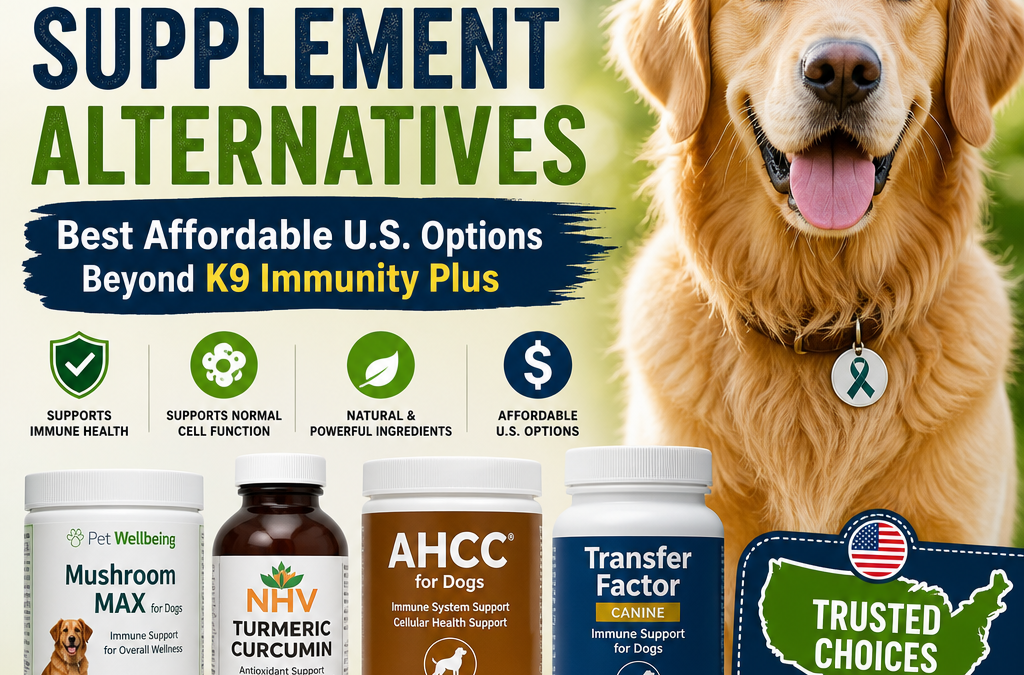
Dog Tumor Supplement Alternatives can help pet owners explore supportive nutrition without paying premium prices for a single branded formula. K9 Immunity Plus is well known among people seeking immune-support products for dogs with cancer, but it is not the only option available in the United States. Depending on a dog’s diagnosis, treatment plan, diet, and overall health, other supplements or nutrition strategies may provide useful support at a lower cost.
Many families begin with K9 Immunity Plus because it is familiar, widely discussed, and marketed as a convenient all-in-one choice. Still, dog tumor supplement alternatives may offer a better fit when a dog needs a more targeted ingredient list, a different delivery format, or a lower monthly expense. In many cases, the best choice is the one that matches the dog’s specific medical needs rather than the most heavily advertised bottle on the shelf.
Tabla de Contenidos
- Why Consider Alternatives to K9 Immunity Plus?
- What to Look for in Dog Tumor Supplements in the United States
- Mushroom-Based Supplements
- Omega-3 Fatty Acids and Fish Oil
- Antioxidant and Nutritional Support
- Probiotics and Digestive Support
- How to Compare Cost and Value
- Safety Comes Before Supplements
- Poniéndolo todo junto
Why Consider Alternatives to K9 Immunity Plus?
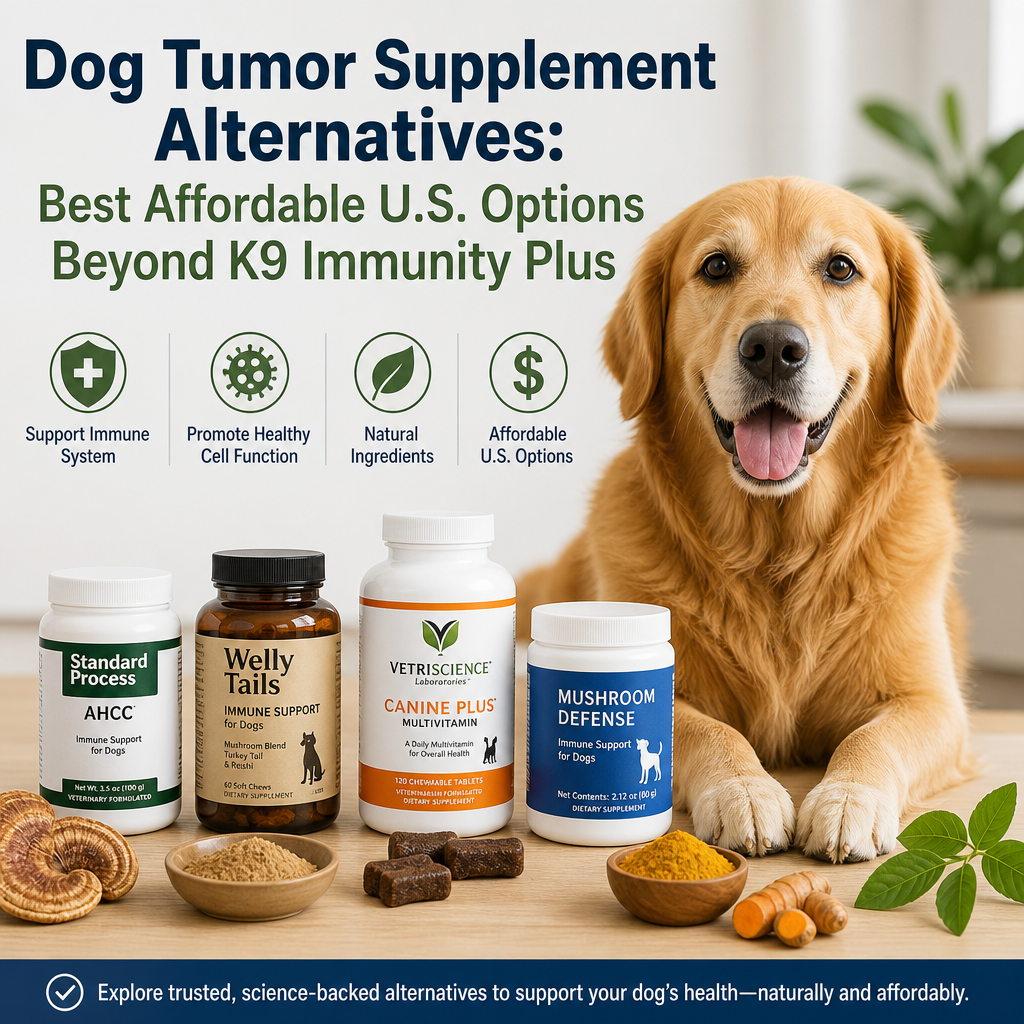
K9 Immunity Plus is marketed as a comprehensive supplement for dogs with serious illnesses, particularly cancer. Products in this category commonly contain mushrooms, antioxidants, digestive-support ingredients, vitamins, minerals, and herbal compounds. While some owners value the convenience of an all-in-one formula, the price can become challenging when a dog needs long-term support. That is why many families begin researching dog tumor supplement alternatives early in the care process.
There are several reasons pet owners search for alternatives to K9 Immunity or K9 Immunity Plus:
- Monthly costs may be difficult to maintain.
- Some dogs may not tolerate every ingredient.
- A veterinarian may recommend a more targeted approach.
- Owners may prefer products with clearer ingredient labels.
- Individual ingredients may be available at a lower total cost.
- A dog’s needs may change during surgery, chemotherapy, radiation, or recovery.
The most appropriate choice depends on the dog’s medical condition. Supplements should complement veterinary care, not replace diagnosis, surgery, chemotherapy, radiation, prescription medication, or regular monitoring.
For owners comparing dog tumor supplement alternatives, the goal is not to find a miracle product. The goal is to choose a support option that fits the dog’s condition, budget, and treatment plan. When a supplement is chosen carefully, it may be easier to maintain consistency over time, which matters because supportive care often works best when it is sustainable.
Some dogs do better with a simple formula that contains one or two focused ingredients. Others may benefit from a broader blend if their veterinarian wants to address appetite, digestion, inflammation, and immune support at the same time. That flexibility is one reason dog tumor supplement alternatives are worth comparing instead of assuming one brand is the only reasonable option.
What to Look for in Dog Tumor Supplements in the United States
When comparing dog tumor supplements in the United States, quality and transparency matter more than attractive marketing claims. Look for products made by companies that clearly identify each ingredient and provide serving instructions based on a dog’s weight.
Important features include:
Etiquetas de ingredientes transparentes
Avoid products that rely heavily on vague terms such as “proprietary blend” without listing amounts. Knowing the quantity of each ingredient helps veterinarians evaluate possible benefits, risks, and interactions. It also makes it easier to compare different dog tumor supplement alternatives on a true value basis instead of judging by packaging alone.
Third-party testing
Independent testing can help verify identity, purity, and contamination levels. Look for companies that provide certificates of analysis or clearly explain their quality-control procedures. The U.S. Food and Drug Administration offers helpful guidance on pet food labeling and safety at its pet food safety and labeling resource.
Appropriate dosing information
A supplement designed for a 10-pound dog may not be suitable for a 100-pound dog without careful adjustment. Products should include practical dosing guidance and warnings for puppies, seniors, pregnant dogs, and animals with liver or kidney disease.
U.S. manufacturing and sourcing information
U.S.-based production does not automatically guarantee quality, but clear information about manufacturing facilities, sourcing, and compliance can make a product easier to evaluate.
Compatibilidad veterinaria
A reputable supplement company should not imply that its product cures cancer or can replace medical treatment. Be cautious of dramatic claims, guaranteed outcomes, and testimonials presented as scientific proof. The safest dog tumor supplement alternatives are usually the ones that stay within realistic claims and support established veterinary care.
It is also useful to think about the form of the supplement. Some dogs swallow capsules easily, while others accept powders mixed into food or soft chews. The best product on paper is not always the best product in practice if the dog refuses to take it. Ease of administration can matter just as much as ingredient quality when a long-term routine is involved.
Mushroom-Based Supplements
Medicinal mushrooms are among the most common dog tumor supplement alternatives. Ingredients such as turkey tail, reishi, maitake, shiitake, and cordyceps are used in various canine formulas.
Turkey tail mushroom is especially popular because it contains polysaccharides, including beta-glucans, that have attracted scientific interest in immune function. However, research in dogs remains limited compared with conventional cancer treatments, and results may vary based on the mushroom species, extraction method, concentration, and health condition.
When choosing a mushroom product, check whether it uses the fruiting body, mycelium, or a combination. Also review the beta-glucan content, since a high percentage of filler or starch may reduce the value of the formula. Mushroom supplements may be available as powders, capsules, chews, or liquid extracts, making it possible to compare cost per serving.
Dogs receiving immune-modulating drugs or chemotherapy should use mushroom products only with veterinary approval. Immune-active supplements can potentially affect medications or complicate treatment decisions.
Some pet owners compare several dog tumor supplement alternatives and then decide whether a single mushroom extract, a blend, or a broader nutrition plan makes the most sense for daily use. This is especially helpful when the dog already receives multiple prescriptions and the family wants to avoid unnecessary overlap.
In practical terms, mushroom-based products are often chosen for immune support, but they should still be evaluated like any other supplement. Look for extraction methods, species names, and measurable active compounds rather than only reading the front label. Clear labeling makes a big difference when comparing dog tumor supplement alternatives side by side.
Dog Tumor Supplement Alternatives: Omega-3 Fatty Acids and Fish Oil
Fish oil is another widely available option among dog tumor supplement alternatives. It supplies omega-3 fatty acids, primarily EPA and DHA, which may support normal inflammatory balance, skin health, joint function, and overall nutritional status.
For dogs with cancer, fish oil may be considered as part of a broader nutrition plan, particularly when appetite, weight, or inflammation is a concern. However, not every fish oil product is equal. Choose one that lists the actual amounts of EPA and DHA rather than only stating the total amount of fish oil.
Products should be tested for oxidation and contaminants such as heavy metals. Store fish oil according to label directions, and watch for side effects including diarrhea, vomiting, fishy odor, or unusual bruising. Fish oil may also interact with blood-thinning medications or become inappropriate before certain procedures.
Because omega-3s are so widely available, they are often part of a practical plan for owners who want dog tumor supplement alternatives without relying on a single all-in-one formula. In many homes, omega-3s become one of the most cost-effective ways to add nutritional support because they are familiar, easy to source, and straightforward to dose.
That said, the source and concentration matter. Some products contain low EPA and DHA levels, which can make the daily serving larger and the monthly cost less attractive. When comparing dog tumor supplement alternatives, it is smart to calculate how much active omega-3 a dog actually receives each day instead of focusing only on container size.
Antioxidant and Nutritional Support
Some dogs may benefit from carefully selected vitamins, minerals, or antioxidant nutrients when a veterinarian identifies a dietary need. Examples may include vitamin E, selenium, vitamin C, or specific amino acids. These nutrients are involved in normal cellular and immune functions, but more is not necessarily better.
High doses of certain vitamins can cause toxicity or interfere with treatment. For example, fat-soluble vitamins can accumulate in the body, while excessive minerals may strain the kidneys or disrupt nutrient balance. A complete, balanced diet is usually safer than adding several individual products without professional guidance.
Owners should also consider whether a dog is maintaining a healthy weight. A calorie-dense, highly digestible diet may be more valuable than an expensive supplement if the dog is losing muscle or refusing food. Veterinary nutritionists can help create a plan based on the dog’s tumor type, treatment, appetite, and laboratory results.
In some cases, the best of the dog tumor supplement alternatives is not a capsule at all, but a nutrition strategy that supports weight, hydration, and consistent calorie intake. Supportive feeding plans may include more frequent meals, warmed food to improve aroma, or a change in texture for dogs with reduced appetite.
Owners often look for antioxidant support because the idea sounds simple and natural, but the real-world decision is more nuanced. The right nutritional approach depends on whether the dog is trying to maintain weight, recover from treatment, or cope with side effects such as nausea. That is why dog tumor supplement alternatives should be considered alongside the dog’s full treatment picture, not in isolation.
When a simpler supplement plan makes sense
Sometimes the safest plan is not the longest one. If a dog already receives a prescription diet or several medications, adding too many supplements may create confusion. A simpler routine can make it easier to monitor appetite, stool quality, and energy level. For many owners, this is one of the clearest advantages of dog tumor supplement alternatives: they can build a more focused plan without paying for ingredients the dog does not need.
Probiotics and Digestive Support
Cancer treatment, stress, antibiotics, and dietary changes can affect digestion. Probiotics may support normal gastrointestinal function in some dogs, especially those experiencing loose stools or changes in appetite. Products should contain clearly identified bacterial strains and provide storage instructions.
Digestive enzymes, fiber, or prebiotic ingredients may also be included in canine supplements, but they are not appropriate for every dog. A dog with pancreatitis, inflammatory bowel disease, obstruction risk, or severe vomiting may need a specialized medical diet instead.
For dogs dealing with treatment-related digestive upset, dog tumor supplement alternatives that focus on gut health may be more practical than products with broad claims and many overlapping ingredients. In some situations, digestion support can improve the dog’s ability to eat consistently, which may matter more than adding another immune-focused ingredient.
It is also worth paying attention to storage and stability. Some probiotics require refrigeration, while others are shelf-stable only for a limited period after opening. If a product loses potency before the container is finished, the true value drops quickly. This is another area where comparing dog tumor supplement alternatives carefully can save both money and frustration.
How to Compare Cost and Value
The cheapest supplement is not always the best value. Compare the cost per daily serving, not just the price of the container. A product that requires several scoops or capsules each day may cost more than a smaller but more concentrated formula.
Owners can also compare a complete blend with individual ingredients. For example, a veterinary-approved combination of fish oil and a mushroom extract might cost less than a premium all-in-one product. However, using multiple products increases the chance of overlapping ingredients and excessive dosing.
Keep a written list of every supplement, medication, treat, and food topper the dog receives. This makes it easier for a veterinarian to identify interactions and decide which products are genuinely useful.
It can also help to compare labels side by side when reviewing dog tumor supplement alternatives. That simple habit often reveals whether a product is truly concentrated or mostly made up of fillers. If two products look similar but one delivers more active ingredient per serving, the more expensive bottle may actually be the better investment.
Another smart step is to estimate the monthly cost instead of only looking at the sticker price. A supplement that seems affordable at first may become expensive if the dose is high or if multiple containers are needed each month. When a dog requires long-term support, affordability should be measured over time rather than by a one-time purchase.
Dog Tumor Supplement Alternatives are most helpful when they create a sustainable plan. A product that fits the budget is more likely to be used consistently, and consistency is often what gives supportive nutrition its practical value.
Preguntas que hacer antes de comprar
- What exact ingredients are included?
- How much of each active ingredient does the dog receive?
- Is the product tested for quality and purity?
- How many servings does one container provide?
- Will this overlap with current medications or supplements?
- Is there a simpler option that meets the same goal?
These questions can prevent unnecessary spending and help owners compare dog tumor supplement alternatives based on usefulness rather than branding.
Safety Comes Before Supplements
No supplement has been proven to cure cancer in dogs, and unregulated products can create false hope or delay effective treatment. Before adding any dog tumor supplements in the United States, speak with the veterinarian managing the dog’s condition. This is particularly important if the dog has liver disease, kidney disease, diabetes, bleeding problems, allergies, or is undergoing chemotherapy or surgery.
Stop a product and contact a veterinary professional if the dog develops persistent vomiting, diarrhea, weakness, swelling, breathing difficulty, bleeding, severe itching, or a sudden change in appetite.
Affordable alternatives to K9 Immunity Plus are available, including mushroom extracts, omega-3 products, targeted nutritional formulas, and digestive-support supplements. The best choice is not necessarily the most heavily advertised product. It is the option with transparent ingredients, appropriate testing, realistic claims, manageable cost, and a role that fits the dog’s individualized veterinary care plan.
For readers who are comparing dog tumor supplement alternatives, the safest path is to prioritize evidence, quality control, and veterinary guidance over marketing language. That approach helps reduce the chance of wasting money on a product that does not fit the dog’s actual needs.
It is also wise to keep expectations grounded. Supplements can support comfort, nutrition, and overall wellness, but they are not substitutes for diagnostic imaging, pathology, surgery, or medical oncology. The most responsible use of dog tumor supplement alternatives is as part of a larger, veterinarian-led plan.
Poniéndolo todo junto
Dog Tumor Supplement Alternatives can be useful when owners want more flexibility than an all-in-one branded product provides. In the United States, the strongest options usually share the same basic qualities: transparent labeling, sensible dosing, reasonable cost, and a clear purpose within the dog’s care plan.
For some dogs, a mushroom formula may be the best fit. For others, fish oil, digestive support, or a nutrition-focused approach may make more sense. The right answer depends on the dog’s condition, current treatment, appetite, and tolerance for each ingredient.
If you are comparing dog tumor supplement alternatives, start by asking what problem you want the supplement to solve. That could be immune support, digestive comfort, inflammation balance, weight maintenance, or a combination of several goals. Once the goal is clear, it becomes much easier to evaluate whether a product is worth the cost.
Finally, remember that the most effective plan is usually the one a dog can stay on safely. A modest supplement that is well chosen and used consistently may offer more practical value than a premium formula that is difficult to afford or too complicated to give. When in doubt, work with your veterinarian to decide which of the many dog tumor supplement alternatives is most appropriate for your pet.
If you are also comparing regional product styles and ingredient strategies, you may want to review K9 Inmunidad / K9 Inmunidad Plus Alternativa: Mejores Suplementos para Tumores en Perros en Dinamarca for another example of how supplement selection can vary by market and formulation.