
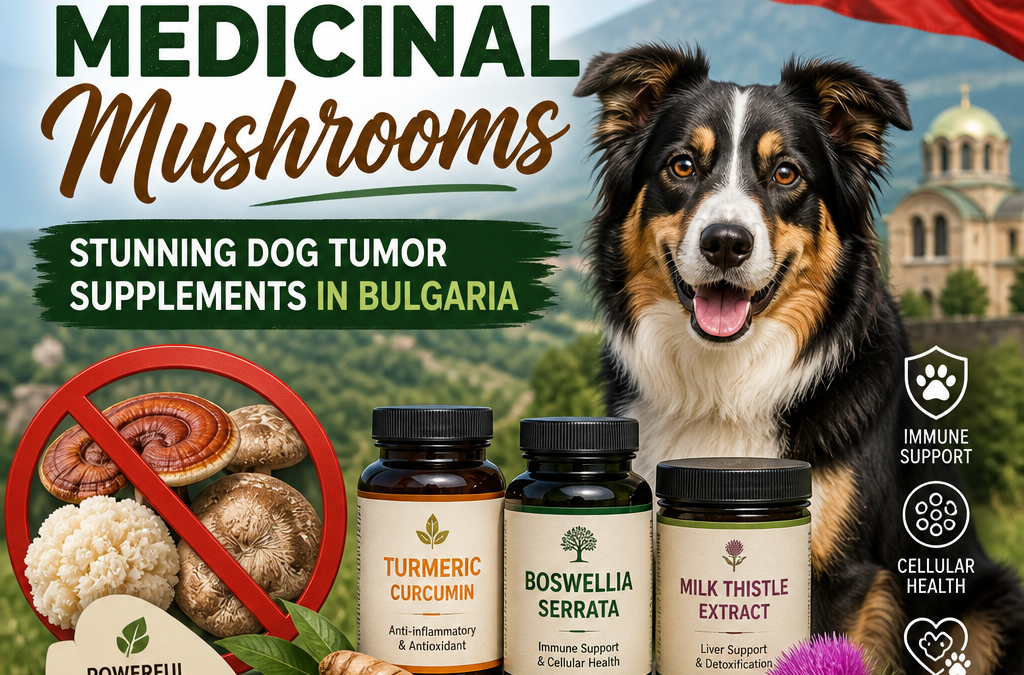
Alternatives to Immune / medicinal mushrooms can be valuable for Bulgarian dog owners looking for complementary support during a tumor diagnosis. Although supplements cannot replace veterinary treatment, carefully selected products may help support nutrition, immune function, digestion, energy, and quality of life. The right choice depends on the dog’s diagnosis, current medication, appetite, organ health, and treatment plan.
Alternatives to Immune / medicinal mushrooms for dog tumor support
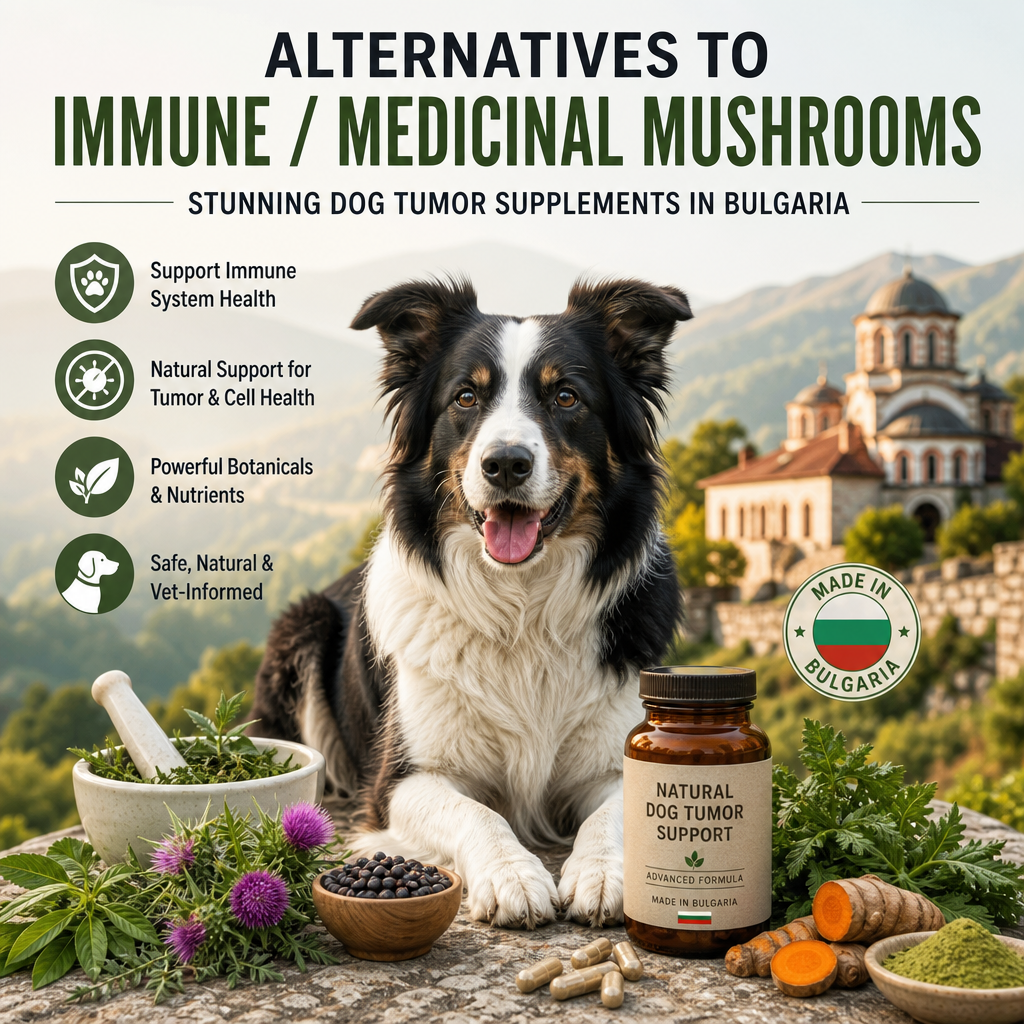
Medicinal mushrooms such as turkey tail, reishi, shiitake, and maitake are often discussed in holistic veterinary care because they contain compounds called beta-glucans and other bioactive substances. However, not every dog tolerates mushrooms well, and some owners may prefer products with more predictable ingredients, easier dosing, or better availability in Bulgaria.
Dog tumor supplement alternatives may include omega-3 fatty acids, medicinal herbs, antioxidants, digestive support, specialized nutrition, and veterinary-formulated products. Their purpose is generally supportive rather than curative. A supplement may help maintain body condition or reduce nutritional deficiencies, but it should not be promoted as a treatment that destroys tumors.
Before adding anything new, consult a veterinarian—particularly if the dog is receiving chemotherapy, corticosteroids, nonsteroidal anti-inflammatory drugs, antibiotics, or surgery-related care.
When evaluating alternatives to Immune / medicinal mushrooms, it also helps to think about the dog’s current goals. Some dogs need appetite support, while others need help maintaining weight, managing digestion, or keeping up energy during treatment.
Acidi Grassi Omega-3 per il Supporto Nutrizionale
Fish oil is one of the most commonly considered alternatives to Immune / medicinal mushrooms. It provides the long-chain omega-3 fatty acids EPA and DHA, which support normal inflammatory balance, skin health, brain function, and cardiovascular health. For dogs with cancer, omega-3s may also be useful when maintaining appetite, muscle condition, and overall nutritional quality is a priority.
Choose a product that clearly lists the amount of EPA and DHA rather than simply stating the total quantity of fish oil. Veterinary-quality liquid oils or capsules are usually easier to dose accurately. Products should be stored correctly to reduce oxidation, since rancid oil can cause digestive upset and provide poor nutritional value.
Fish oil is not suitable for every dog. It may require caution in animals with pancreatitis, bleeding disorders, fat intolerance, or certain surgical schedules. A veterinarian should determine the appropriate amount based on body weight and the complete diet.
For general background on omega-3 research, the NIH Office of Dietary Supplements omega-3 fact sheet è un utile riferimento educativo.
Among the alternatives to Immune / medicinal mushrooms, omega-3s are often chosen because they are familiar, widely available, and relatively easy to fit into an existing feeding routine.
Antioxidant Vitamins and Minerals
Some dog tumor supplement alternatives focus on nutrients such as vitamin E, selenium, zinc, and vitamin C. These nutrients contribute to normal immune function, tissue maintenance, and protection against oxidative stress. However, more is not necessarily better. High doses can be harmful, and antioxidant supplementation may need to be adjusted around certain cancer treatments.
Vitamin E is often included in skin and immune-support formulas, while zinc supports skin, coat, and normal cellular processes. Selenium is required only in very small quantities, and excessive intake can be toxic. Vitamin C is produced naturally by healthy dogs, so supplementation should be considered carefully rather than assumed to be necessary.
A complete commercial diet may already provide adequate levels of these nutrients. Blood tests, diet evaluation, and veterinary guidance are useful before adding concentrated products.
If a dog is already eating a complete diet, these alternatives to Immune / medicinal mushrooms should be viewed as targeted support rather than default additions.
Herbal Supplements and Plant-Based Ingredients
Herbal formulas are another category of alternatives to Immune / medicinal mushrooms. Ingredients sometimes used in veterinary supplements include turmeric, milk thistle, astragalus, boswellia, and certain standardized botanical extracts.
Turmeric and boswellia are often selected for their potential support of normal inflammatory processes. Milk thistle is commonly used in products designed to support liver function, especially when a dog is taking medications that require hepatic metabolism. Astragalus and other botanicals may appear in immune-support formulas.
The quality of herbal products varies widely. A label should identify the exact plant, plant part, extract strength, batch information, and manufacturer. Avoid products that contain vague “proprietary blends” without individual quantities. Herbs can interact with prescription medicines, alter blood clotting, affect blood pressure, or influence liver enzymes, so professional supervision is essential.
When comparing herbal options, it can help to review what the formula is actually designed to do. Some owners looking for broader support also compare products in other European markets, such as dog tumor supplement options in Denmark, to better understand ingredient patterns and dosing approaches.
For owners exploring alternatives to Immune / medicinal mushrooms, herbal blends may look appealing, but they still need the same careful review for safety, transparency, and suitability.
Probiotics and Digestive Support
Maintaining digestive health is especially important when a dog experiences nausea, diarrhea, reduced appetite, or changes in eating habits. Probiotics may help support a balanced intestinal microbiome, while prebiotic fibers can provide nourishment for beneficial bacteria.
A useful canine probiotic should identify specific bacterial strains and the guaranteed number of live organisms through the expiration date. Some products also include digestive enzymes, soluble fiber, or vitamin B supplements. These additions may be helpful in selected cases, but they are not universally necessary.
Introduce digestive supplements gradually and stop them if symptoms worsen. Persistent vomiting, diarrhea, dehydration, or refusal to eat requires veterinary attention rather than additional supplementation.
For many owners, digestive support becomes one of the most practical alternatives to Immune / medicinal mushrooms because it can be easier to monitor daily and may help stabilize food intake during difficult treatment periods.
High-Quality Nutrition as a Core Strategy
One of the most effective alternatives to Immune / medicinal mushrooms is not a single capsule but a carefully managed diet. Dogs undergoing illness may lose weight and muscle, making adequate calories and protein particularly important. A complete, balanced veterinary diet can be more beneficial than a long list of untested supplements.
Some dogs prefer warmed food, smaller frequent meals, or a combination of wet and dry textures. Appetite stimulants and anti-nausea medication may be appropriate under veterinary direction. Homemade diets should be formulated by a veterinary nutritionist because unbalanced recipes can lead to deficiencies in calcium, vitamins, amino acids, or essential fatty acids.
Avoid sudden major dietary changes during chemotherapy or recovery unless the veterinary team recommends them. Consistency can make it easier to identify which food or supplement is causing a reaction.
Among all alternatives to Immune / medicinal mushrooms, nutrition is usually the foundation because it supports the whole treatment plan rather than a single body system.
Finding Reliable Options in Bulgaria
Pet owners searching for alternatives to Immune / medicinal mushrooms in Bulgaria can find supplements through veterinary clinics, established pharmacies, specialized pet stores, and reputable online retailers. Availability may vary between Sofia, Plovdiv, Varna, Burgas, and smaller communities, so product sourcing should be planned in advance when a dog is undergoing regular treatment.
Look for Bulgarian or European labeling that provides dosage instructions, ingredients, batch identification, expiration dates, storage conditions, and manufacturer details. Avoid products intended for humans when the formula contains ingredients unsafe for dogs, such as xylitol, excessive vitamin D, concentrated essential oils, or inappropriate flavoring agents.
Imported products should be checked for clear labeling and reliable distribution. A higher price does not automatically indicate better quality, but extremely inexpensive products with no testing information deserve caution.
Careful sourcing matters because the best alternatives to Immune / medicinal mushrooms are the ones that are both practical and dependable from one purchase to the next.
La sicurezza viene prima della supplementazione
Every supplement should be evaluated in the context of the dog’s complete medical history. Dogs with liver disease, kidney disease, diabetes, clotting problems, pancreatitis, or gastrointestinal disorders may have additional restrictions. Supplements can also interfere with anesthesia, chemotherapy, radiation therapy, or prescribed medications.
Keep a written list of every product, including the brand, ingredient amounts, starting date, and daily dose. This helps the veterinarian identify possible interactions and evaluate whether the supplement is producing a meaningful benefit.
The best dog tumor supplement alternatives are those selected for a specific purpose, supported by reasonable evidence, and monitored carefully. Used responsibly, nutritional and supportive products may contribute to comfort and quality of life, while diagnosis-specific veterinary treatment remains the central part of cancer care.
For more practical reading on supportive nutrition in another European market, see this guide to K9 Immunity / K9 Immunity Plus Alternative in Finland.
In short, the most effective alternatives to Immune / medicinal mushrooms are the ones that fit the dog’s needs, the treatment plan, and the owner’s ability to monitor results. That is why a veterinary review is so important before adding any new product.
If you are comparing options for a dog tumor supplement plan, keep the goals realistic: support appetite, protect muscle mass, improve digestive comfort, and avoid unnecessary risks. In many cases, these alternatives to Immune / medicinal mushrooms work best as part of a broader care plan rather than as stand-alone solutions.
Bulgarian owners often want the same three things from a supplement: clear labeling, safe ingredients, and measurable support. When those standards are met, alternatives to Immune / medicinal mushrooms can be a practical addition to everyday care.
Choosing alternatives to Immune / medicinal mushrooms is less about finding a perfect replacement and more about matching the right supportive product to the dog’s current needs. With veterinary guidance, careful labeling checks, and realistic expectations, those options can play a useful role in day-to-day care.
Ultimately, alternatives to Immune / medicinal mushrooms are most helpful when they support comfort, nutrition, and consistency without adding avoidable risk. That balance is especially important for dogs in Bulgaria whose treatment plans may involve multiple medications and changing health needs.
For many families, the best result comes from combining one or two well-chosen alternatives to Immune / medicinal mushrooms with a stable diet, close observation, and regular veterinary follow-up.
When chosen thoughtfully, alternatives to Immune / medicinal mushrooms can make supportive care simpler, safer, and easier to sustain over time.
That practical approach is what usually matters most: dependable products, sensible dosing, and a care plan built around the dog rather than the supplement itself.