
Alternatives to Natural / immune can help Slovak dog owners explore supportive options when a pet is living with a tumor, recovering from treatment, or needing additional nutritional care. However, supplements should never replace veterinary diagnosis, surgery, chemotherapy, radiation, or prescribed medication. The safest approach combines professional guidance with carefully selected products that support general health, appetite, digestion, and resilience.
目次
犬の腫瘍サプリメントの代替品を考慮する理由は?
Products marketed for immune support vary widely in their ingredients, quality, and intended use. Some owners may be unable to find a familiar formula in Slovakia, while others may need an alternative because of allergies, medication interactions, availability, or a dog’s specific nutritional needs. Dog tumor supplement alternatives can provide useful support, but they should be selected according to the animal’s condition rather than based only on advertising claims.
A dog with cancer may experience reduced appetite, weight loss, inflammation, digestive problems, fatigue, or treatment-related side effects. A suitable supplement may help address one of these concerns, but no supplement has been proven to eliminate tumors on its own. The goal is usually to support quality of life and normal body functions while the veterinary treatment plan addresses the disease itself.
In practice, many owners in Slovakia want a safe replacement for a product that is unavailable locally or no longer recommended by their veterinarian. In those situations, alternatives to Natural / immune should be judged by ingredient transparency, manufacturing quality, and whether the formula fits the dog’s current medical plan. If a product is vague about what it does, that is a sign to look elsewhere.
It also helps to think beyond “anti-cancer” marketing language. Some of the most useful supportive products are not dramatic or trendy. They simply help a dog eat better, maintain energy, or tolerate treatment with fewer digestive upsets. That is often where real value is found.
When reviewing alternatives to Natural / immune, it can also help to separate short-term comfort goals from long-term nutritional goals. A dog may need a product that supports appetite right now, while another dog may benefit more from a formula that supports steady weight maintenance over several weeks. The right match depends on the current stage of care.
Many veterinarians also emphasize that supportive care works best when the dog’s daily routine is realistic and consistent. A supplement that fits the feeding schedule, is easy to measure, and is tolerated well often performs better in real life than a more complicated formula. In that sense, alternatives to Natural / immune should be chosen for practical usefulness as much as for ingredient quality.
For owners comparing supportive products, one of the most important questions is whether the formula is meant to fill a genuine gap in the dog’s care. If the answer is yes, it may deserve consideration. If the product only repeats what the diet already provides, it may add cost without meaningful benefit.
Important ingredients in supportive supplements
Several ingredients are commonly discussed in veterinary nutrition. Their suitability depends on the dog’s diagnosis, current medications, blood results, and overall health. The best alternatives to Natural / immune usually combine clear ingredient labeling with a practical purpose.
オメガ-3脂肪酸
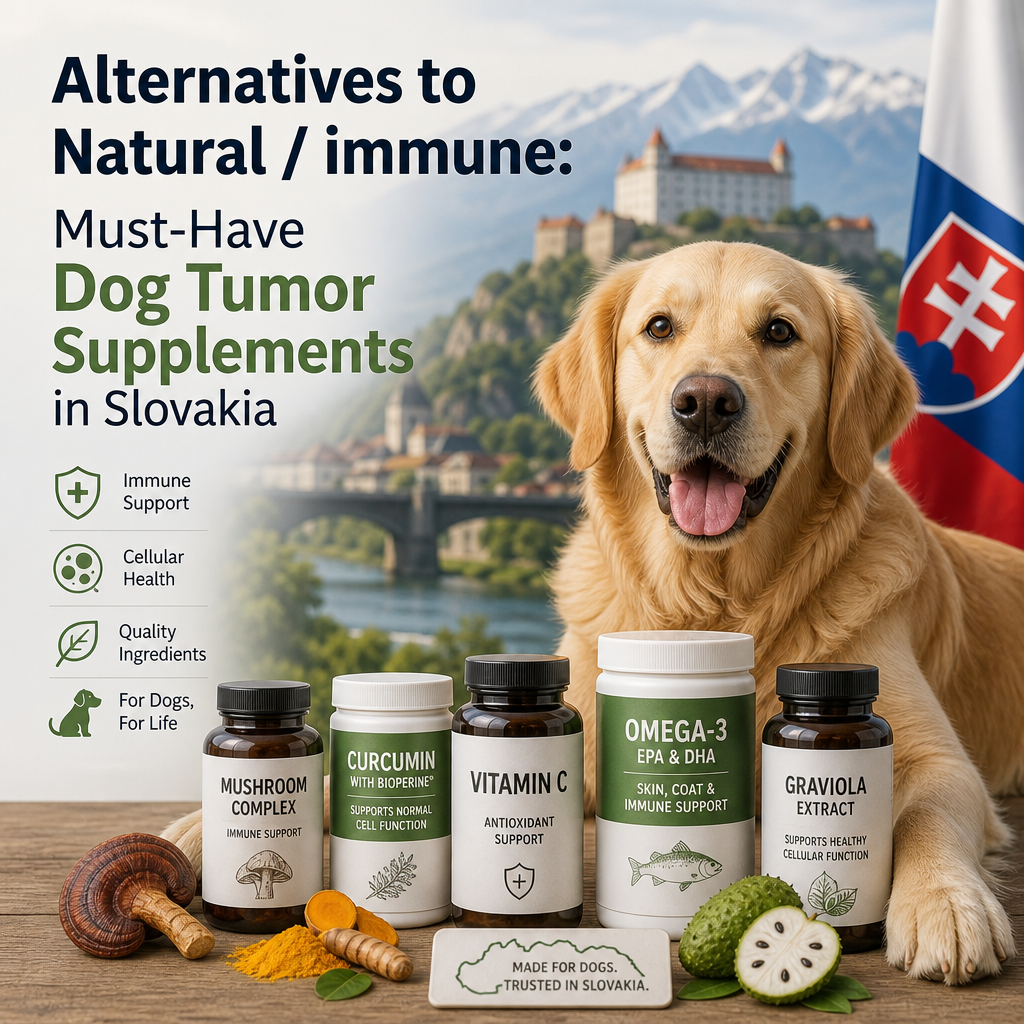
Fish oil providing EPA and DHA is often considered for dogs with inflammatory conditions. These fatty acids may support skin, coat, cardiovascular function, and general inflammatory balance. They are available as liquid oils or capsules and can often be found through veterinary clinics and pet pharmacies in Slovakia.
Quality matters. Choose a product designed for dogs, check the amount of EPA and DHA rather than only the total oil content, and store it correctly to reduce oxidation. Fish oil may not be appropriate for every dog, especially those with pancreatitis, bleeding disorders, or certain surgical plans.
When people compare alternatives to Natural / immune, omega-3 supplements are often among the first options to review because they are widely used and relatively well understood. Even so, the correct dose depends on the dog’s weight and health status, so it is best used with veterinary guidance.
Omega-3s are also useful because they can fit into a broader feeding plan without creating unnecessary complexity. That makes them a practical choice for many dogs, especially when appetite is inconsistent and the owner needs a simple, evidence-informed support option.
In day-to-day care, this kind of supplement may be most valuable when a dog needs a modest but steady nutritional boost rather than a dramatic intervention. For many families, that makes omega-3s one of the most sensible alternatives to Natural / immune to discuss first with a veterinarian.
4. 薬用キノコ
Mushrooms such as turkey tail, reishi, maitake, and shiitake are frequently included in immune-support formulas. Turkey tail is particularly well known in discussions about supportive cancer care, although evidence in dogs is still developing and products differ considerably in concentration and purity.
Only use veterinary-formulated mushroom products or supplements from transparent manufacturers. Wild mushroom preparations and human blends may contain unsuitable ingredients, contaminants, or inconsistent doses. A veterinarian should review mushroom supplements when a dog is taking immunosuppressive drugs, anticoagulants, or other important medications.
For owners researching alternatives to Natural / immune, mushroom-based formulas can sound appealing because they are often positioned as natural support. Still, the label alone is not enough. The species used, extraction method, and real dosage all matter more than general claims about immunity.
A thoughtful approach is to ask whether the mushroom formula is actually intended for dogs, whether it provides a clear extract ratio, and whether the manufacturer explains how each ingredient is sourced. Those details often reveal more than the marketing language on the front of the bottle.
When reviewing mushroom products, it also helps to remember that consistency matters. A well-made formula given regularly under veterinary advice is generally more useful than a product that sounds impressive but is difficult to source, hard to dose, or unclear in origin.
抗酸化栄養素
Vitamins C and E, selenium, and other antioxidant compounds may contribute to normal cellular protection. Yet high doses are not automatically beneficial. Some cancer treatments rely partly on oxidative mechanisms, so antioxidant supplementation during chemotherapy or radiation should be discussed with the veterinary oncologist before use.
A complete commercial diet may already provide adequate levels of many nutrients. Adding several separate products can increase the risk of excessive intake, especially when supplements overlap.
In a supportive plan, antioxidants are usually best treated as part of a broader strategy rather than as the core of treatment. That is one reason alternatives to Natural / immune should be chosen carefully: the right product complements the diet instead of competing with it.
It is also important to remember that more is not automatically better. A well-balanced formula may be more useful than a stronger-looking blend that loads the dog with multiple overlapping nutrients.
If a veterinarian recommends an antioxidant approach, the goal is usually precision rather than volume. That means selecting a product that matches the dog’s current treatment phase and avoids unnecessary stacking with other supplements. This is another area where carefully chosen alternatives to Natural / immune can support a more stable routine.
消化および栄養サポート
Probiotics, prebiotics, digestive enzymes, and highly palatable nutritional pastes may be useful when a dog has diarrhea, reduced appetite, or digestive disruption. These products are not tumor treatments, but maintaining food intake and stable digestion can be extremely important during illness.
A veterinary nutritionist may recommend an energy-dense diet, additional protein, or a therapeutic formula based on the dog’s weight and medical history. Never force-feed a dog that is vomiting, painful, or unable to swallow without professional instruction.
Digestive support is especially important during treatment periods because even a small reduction in appetite can quickly affect body condition. If a supplement helps a dog eat consistently, it may be far more valuable than a product that sounds stronger but is not tolerated well.
In many homes, the most effective support is the one that reduces daily stress for both the dog and the owner. That can mean better stool quality, less nausea, and a more predictable eating pattern rather than a dramatic-sounding product claim.
For dogs already coping with treatment side effects, digestive products can be a very practical part of care. They do not replace therapy, but they can help the pet stay stronger, which is often the real reason families look for alternatives to Natural / immune in the first place.
Practical examples of supportive product categories
To make the decision easier, it helps to group supportive products by the job they do. The best alternatives to Natural / immune are not always the same for every dog, but the following categories are commonly considered in veterinary practice:
- Omega-3 support: useful when inflammation control and general nutritional support are priorities.
- Mushroom formulas: often chosen for dogs needing broad immune support from a transparent, veterinary-oriented brand.
- 消化サポート: helpful when the main problem is poor appetite, loose stool, or treatment-related stomach upset.
- Antioxidant blends: sometimes used when a veterinarian wants targeted nutritional support without overloading the dog with extra ingredients.
- Recovery nutrition: useful after procedures or during periods when weight maintenance is the main concern.
This framework is helpful because it keeps the focus on the dog’s actual needs. In other words, alternatives to Natural / immune should solve a problem, not just add more capsules to the routine.
For some dogs, the best option is a simple supplement with one clear function. For others, a broader formula makes more sense because the dog is dealing with several concerns at once, such as appetite loss and inflammation. In either case, the purpose of the product should be easy to explain in plain language.
That same logic applies when a veterinarian is adjusting care after a new diagnosis or a change in treatment. The most appropriate product is often the one that supports one clear goal, whether that is digestion, inflammation, or recovery. Keeping the purpose simple helps owners compare alternatives to Natural / immune without getting lost in marketing claims.
Choosing dog tumor supplement alternatives in Slovakia
Availability is an important practical consideration. In Slovakia, owners may find suitable products through veterinary hospitals, specialized pet pharmacies, reputable online retailers, and clinics offering oncology services. Look for clear labeling in Slovak or English, batch information, expiration dates, storage instructions, and precise amounts of active ingredients.
Avoid products that promise to “cure cancer,” dissolve tumors, or replace conventional treatment. Such claims are warning signs. A trustworthy manufacturer should explain what the product contains, identify quality-control procedures, and avoid guaranteed outcomes.
It is also useful to distinguish between a complete diet and a complementary supplement. A complementary product should be treated as an addition to the regular feeding plan, not as a substitute for balanced nutrition.
For deeper reading on how pet cancer support is discussed in mainstream veterinary medicine, the アメリカ獣医師会のペットの癌リソース is a useful educational starting point. It reinforces the same core idea: supportive care matters, but it must be integrated with professional treatment.
Slovak owners who want to compare different alternatives to Natural / immune can also benefit from checking whether a brand provides laboratory testing or third-party quality verification. If that information is missing, the product may still be acceptable, but it deserves closer scrutiny before use.
When looking at alternatives to Natural / immune, do not ignore practical issues such as capsule size, flavor, and ease of dosing. A formula that is technically excellent but impossible to give will not help the dog. The best choice is the one the pet can actually take consistently.
Another useful step is to ask the veterinarian or clinic staff how the product should be introduced alongside meals. Some dogs do better with supplements given during food intake, while others tolerate them better when the timing is adjusted. Small practical details can make a large difference in success.
If you are choosing among several products, look first at transparency and then at ease of use. Those two factors often matter more than the label’s most dramatic promise. In everyday care, the most dependable alternatives to Natural / immune are usually the simplest to source, explain, and monitor.
安全性の考慮事項と可能な相互作用
Before introducing any alternative to Natural / immune, make a complete list of the dog’s medications, treatments, and existing health problems. Supplements may interact with chemotherapy, corticosteroids, non-steroidal anti-inflammatory drugs, antibiotics, anesthetics, or blood-pressure medication.
Potential warning signs include vomiting, diarrhea, worsening lethargy, unusual bruising, changes in thirst, appetite loss, itching, or yellowing of the gums and eyes. Stop the new product and contact a veterinarian if these symptoms appear. Introduce only one new supplement at a time, using the recommended dose, so any reaction can be identified more easily.
Dogs with kidney disease, liver disease, diabetes, pancreatitis, or bleeding disorders require additional caution. Puppies, pregnant dogs, and senior animals may also need individualized advice.
A common mistake is assuming that “natural” always means gentle. In reality, some concentrated ingredients can be just as problematic as conventional medication if they are used in the wrong context. That is why alternatives to Natural / immune should be reviewed as carefully as any other part of the treatment plan.
If your dog is already receiving oncology care, ask whether the supplement could affect lab results, clotting, stomach tolerance, or liver workload. These are practical concerns, not theoretical ones, and they matter when deciding whether a supplement truly belongs in the plan.
It can also help to keep a simple log. Record the brand, dose, start date, and any changes in appetite, stool, energy, or comfort. A written record makes follow-up visits more productive and helps your veterinarian evaluate whether the supplement deserves a place in the long-term plan.
Safety is especially important because many owners start with good intentions but choose products too quickly. A careful review of risks, benefits, and interactions makes alternatives to Natural / immune more likely to support the dog without creating new problems.
A practical plan for pet owners
Start by asking the veterinarian what the main goal should be: improving appetite, maintaining weight, supporting digestion, addressing inflammation, or helping recovery after treatment. Next, review the dog’s current food and supplements to prevent duplication. Choose one high-quality product with a clearly stated purpose, begin under professional guidance, and monitor weight, appetite, stool quality, energy, and comfort.
Keep realistic expectations. The most meaningful benefits may be indirect, such as improved eating, better digestion, or greater comfort. Regular examinations and blood tests remain essential, particularly when a dog is undergoing cancer treatment.
Many owners in Slovakia want a simple answer, but the right supportive plan is usually built step by step. The safest alternatives to Natural / immune are the ones that fit the dog’s diagnosis, treatment stage, and daily tolerance. That may mean changing the product over time as the dog’s condition changes.
If a supplement seems helpful, document the dose, timing, and any visible effects. A short record can make follow-up appointments more useful and helps the veterinarian decide whether to continue, adjust, or stop the product.
For owners searching for alternatives to Natural / immune in Slovakia, the best choice is not necessarily the most expensive or heavily marketed product. It is the option with transparent ingredients, reliable quality, appropriate dosing, and a clear role within a veterinarian-supervised care plan. Supportive nutrition can be valuable, but it works best as part of comprehensive cancer care rather than as a replacement for proven medical treatment.
In short, thoughtful alternatives to Natural / immune should make life easier for the dog and more manageable for the family. If the product improves comfort, fits the treatment plan, and can be given safely, it may earn its place. If it creates uncertainty, side effects, or unrealistic expectations, it is better to choose a different path.
For dog owners comparing options, it may also help to read broader guidance on supportive cancer nutrition such as 骨肉腫の犬に対する化学療法の代替手段を探る. While every case is different, the same principle applies: supportive care should be practical, vet-reviewed, and tailored to the dog rather than driven by slogans.
Ultimately, the most effective plan is the one that respects the dog’s diagnosis, supports day-to-day comfort, and stays aligned with professional veterinary advice. Used wisely, alternatives to Natural / immune can be part of a thoughtful, humane care strategy for dogs in Slovakia.
If you are weighing several products, choose the one that is easiest to explain, easiest to monitor, and easiest for the dog to tolerate. That simple test often reveals which of the alternatives to Natural / immune is truly worth keeping in the routine.
For many families, the best result is not dramatic. It is a dog that eats a little better, rests more comfortably, and continues to enjoy familiar routines for as long as possible. That is a meaningful goal, and it is one that the right supportive product can help pursue.
Before making a final decision, review the product one more time with your veterinarian and ask how it fits into the full care plan. A careful choice today can prevent confusion later and make the selected alternatives to Natural / immune more useful over the long term.