
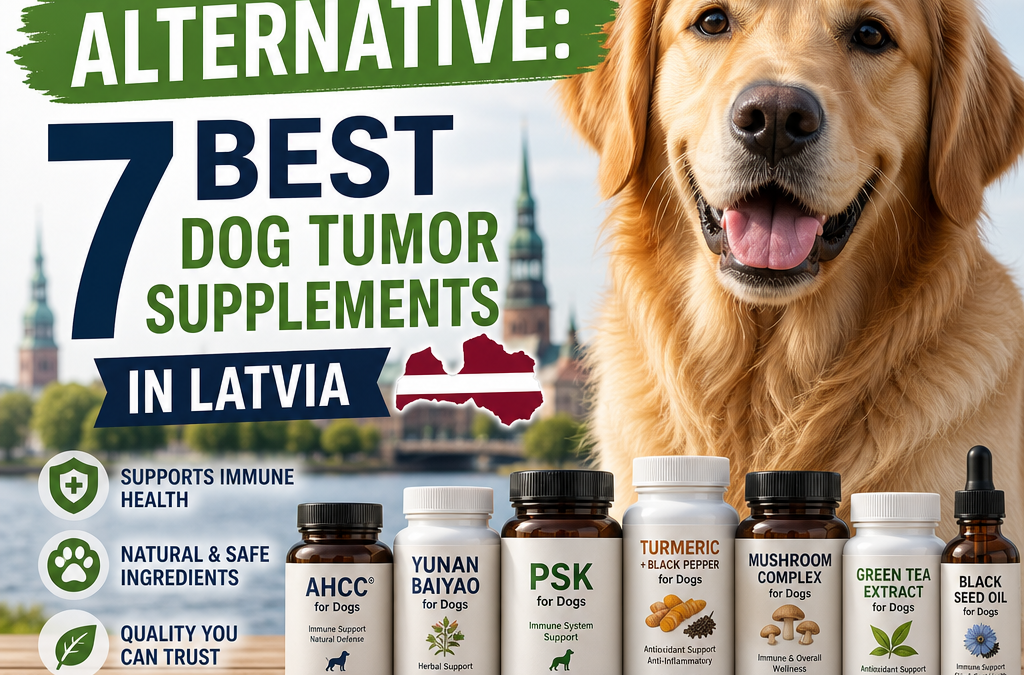
Ocoxin Pets Alternative options are increasingly being explored by Latvian dog owners who want supportive nutrition for pets diagnosed with tumors or undergoing cancer treatment. Although supplements cannot replace veterinary care, carefully selected products may help support appetite, digestion, immune function, energy, and general wellbeing. The right choice depends on the dog’s diagnosis, treatment plan, age, weight, and existing health conditions.
A tumor diagnosis is understandably stressful, and searching for dog tumor supplements Latvia owners can access often leads to confusing claims and incomplete information. The most important first step is to discuss any supplement with a veterinarian, especially when the dog is receiving chemotherapy, radiation therapy, surgery, corticosteroids, pain medication, or other prescription treatment. If you are looking for a broader overview of supportive care, the cancer in dogs resource can help explain how nutrition and veterinary treatment often work together.
The goal is not to find a miracle product. It is to identify an Ocoxin Pets alternative that fits the dog’s real needs, supports daily comfort, and does not interfere with medical treatment. In practice, that means focusing on ingredients, quality control, dosing clarity, and veterinary guidance rather than marketing claims.
Índice
- Por que considerar uma alternativa ao Ocoxin Pets?
- Medicinal Mushroom Supplements
- Omega-3 Fatty Acid Supplements
- Veterinary Antioxidant Formulas
- Hemp and Cannabinoid-Based Products
- Suporte Digestivo e ao Apetite
- Suplementos para Articulações e Mobilidade
- Complete Veterinary Nutritional Support
- Choosing Dog Tumor Supplements in Latvia
- A segurança vem antes da suplementação
Por que considerar uma alternativa ao Ocoxin Pets?
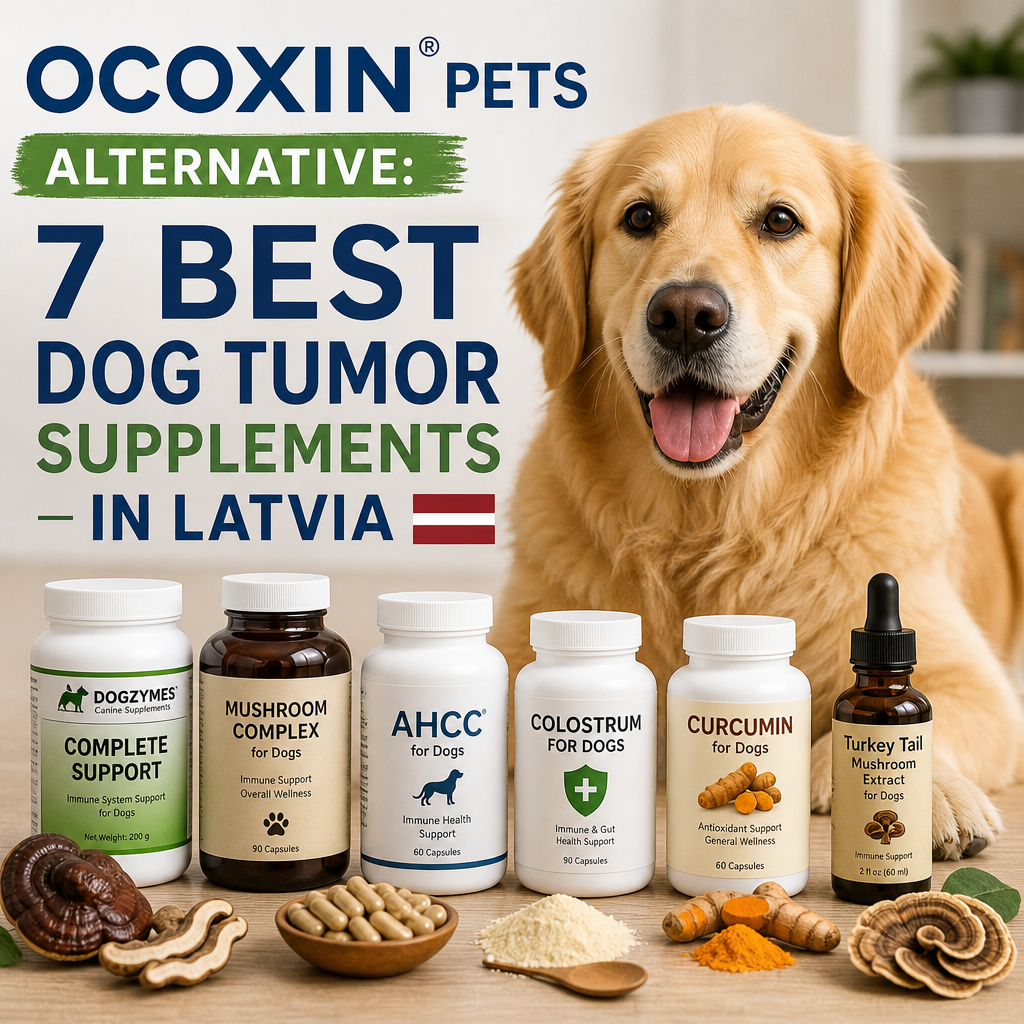
Ocoxin Pets is known as a veterinary nutritional supplement used as supportive care for dogs and cats. However, availability, price, ingredients, or individual tolerance may lead owners to consider alternatives to Ocoxin Pets. Some products focus on medicinal mushrooms, omega-3 fatty acids, antioxidants, digestive support, or overall nutritional recovery.
There is no universal “best” supplement for every dog with cancer. A product that may be appropriate for one animal could be unsuitable for another. For example, supplements that influence immune activity may require extra caution in dogs receiving immunosuppressive medication. Similarly, herbal products can affect blood clotting, liver enzymes, blood pressure, or the way prescription drugs are metabolized.
For many owners, the search begins with a practical question: what can be added safely, and what may actually help day-to-day wellbeing? That question matters more than brand loyalty. A thoughtful Ocoxin Pets alternative should be chosen for its quality, safety, and fit with the dog’s treatment plan, not because it sounds powerful in a product description.
Veterinarians typically look at the full picture before recommending any supplement. They may consider the tumor type, the stage of disease, blood test results, appetite, weight changes, medication history, and whether the dog is coping with nausea or pain. Supportive care is often most effective when it is individualized rather than generic.
1. Medicinal Mushroom Supplements
Medicinal mushrooms such as turkey tail, reishi, shiitake, and maitake are frequently included in pet wellness products. Turkey tail, in particular, contains compounds called beta-glucans and polysaccharides that have attracted scientific interest for their potential role in immune support.
Pet-specific mushroom formulas are generally preferable to human products because they are designed with animal dosing and safety in mind. Look for supplements that clearly state the mushroom species, extraction method, active compound content, batch testing, and recommended dosage. A credible manufacturer should also explain how the product is intended to be used as an Ocoxin Pets alternative rather than as a replacement for medical care.
Mushroom supplements may be considered among the most popular alternatives to Ocoxin Pets, but quality varies considerably. Avoid products that promise to shrink tumors or replace conventional treatment. Dogs with liver disease, autoimmune disorders, or complex medication schedules should use these products only under veterinary supervision.
When owners ask whether mushroom products belong in a supportive plan, the answer depends on the dog and the product. Some formulas are concentrated and standardized, while others are little more than dried powder with limited transparency. A reliable Ocoxin Pets alternative in this category should include clear labeling, reasonable dosage guidance, and evidence of manufacturing quality.
It is also important to remember that immune support is not automatically beneficial in every case. Some dogs are already dealing with inflammation, immune-mediated disease, or therapy-related complications. In those situations, the wrong supplement can create more uncertainty than benefit. That is why a veterinarian should always review the ingredient list before use.
If your dog tolerates mushroom supplements well, they may be used as part of a broader supportive routine that also includes food intake monitoring, hydration, and medication management. Owners should track appetite, stool quality, energy levels, and any changes in comfort so that the veterinarian can judge whether the supplement appears helpful.
In Latvia, product quality and availability may vary by retailer, so buyers should be extra careful about origin and storage conditions. A mushroom supplement that has been exposed to heat or moisture may not perform as expected. The most dependable approach is to choose a brand with clear batch information and veterinary-oriented labeling.
2. Omega-3 Fatty Acid Supplements
Fish oil containing EPA and DHA is another widely used supportive supplement. These fatty acids may help maintain skin, coat, joints, and normal inflammatory balance. They can also be useful for dogs that are losing weight or muscle during illness because they provide additional nutritional support without adding a large volume of food.
Choose a purified veterinary fish oil with clearly listed EPA and DHA amounts. Avoid relying only on the total amount of “fish oil,” since the active omega-3 content may be much lower. The product should also be tested for contaminants such as heavy metals and oxidation. If you are comparing an Ocoxin Pets alternative with a nutrient-focused product, omega-3s are often one of the simplest and best-studied options.
Fish oil can increase bleeding risk at high doses and may cause digestive upset. It should be used cautiously before surgery or alongside medicines that affect blood clotting.
For dogs with tumors, omega-3s are often attractive because they are familiar, accessible, and relatively easy to administer. They may be added to food, given as capsules, or incorporated into a veterinary diet. That convenience can matter when a dog has a reduced appetite or is already taking multiple medicines.
Still, more is not always better. Very high doses can trigger loose stools, nausea, or greasy coats, and some dogs simply dislike the flavor. The best Ocoxin Pets alternative in this category is usually one that delivers meaningful EPA and DHA levels in a form the dog will actually accept.
Owners should also understand the difference between general wellness support and treatment support. Omega-3 fatty acids do not treat tumors directly, but they may help maintain body condition and comfort while a dog is going through cancer care. For many families, that is a valuable outcome in itself.
Because dosing varies with body weight and medical history, it is sensible to ask the veterinarian for a target EPA and DHA amount rather than guessing from the bottle. That small step can prevent both underdosing and unnecessary side effects.
3. Veterinary Antioxidant Formulas
Some dogs may benefit from a balanced veterinary antioxidant formula containing nutrients such as vitamins E and C, selenium, zinc, or plant-derived compounds. Antioxidants help protect cells from oxidative stress, but more is not always better. High doses can be harmful, and certain supplements may not be appropriate during specific cancer treatments.
This category is particularly relevant when a dog has a poor appetite or an unbalanced diet. A veterinary formulation can help fill nutritional gaps without encouraging owners to combine many separate products. However, the timing of antioxidant use should be discussed with the treating veterinarian, as some therapies rely partly on oxidative mechanisms.
Owners often compare these products with an Ocoxin Pets alternative because they are intended for broad nutritional support rather than a single ingredient effect. The key is to choose a formula with transparent labeling and veterinarian-guided dosing.
Antioxidant blends can be helpful when the diet is inconsistent or when a dog is recovering from a period of poor intake. They are not meant to replace a complete diet, and they work best when used with food that already meets the dog’s core nutritional needs. In other words, they are a support tool, not the foundation of care.
One challenge with antioxidant products is that the label may sound impressive while offering very little practical information. Owners should look for exact ingredient amounts rather than vague “proprietary blends.” A good Ocoxin Pets alternative should make it easy to understand what the dog is actually receiving.
As with other supplement categories, compatibility matters. A dog receiving chemotherapy, steroids, liver-support medication, or pain control may need a different plan than a dog that is only receiving monitoring or post-surgical care. The veterinary team can help decide whether an antioxidant formula belongs in the current treatment phase.
When used thoughtfully, these products can help simplify supplementation by combining several nutrients into one item. That can be an advantage for older dogs or dogs who resist pills. It also reduces the risk of accidentally stacking too many separate supplements with overlapping ingredients.
4. Hemp and Cannabinoid-Based Products
Hemp-derived supplements are marketed for relaxation, discomfort, appetite, and general quality of life. Some owners consider them when a dog is anxious, restless, or experiencing reduced comfort. Evidence in veterinary medicine is still developing, and product quality remains inconsistent.
Only use products specifically formulated for dogs and avoid preparations containing significant levels of THC, which can be toxic to pets. Check the label for independent laboratory testing and clear cannabinoid concentrations. Hemp products may interact with sedatives, anticonvulsants, liver-metabolized drugs, and other medicines.
These supplements should never be promoted as a direct treatment for tumors. Their possible role is supportive comfort care, and every case requires individual assessment. In practice, some owners test this option only after speaking with a clinician familiar with an Ocoxin Pets alternative and the dog’s existing medication plan.
Hemp-based products are not right for every patient. They may be unsuitable if the dog is very sensitive to medication changes, has a complicated liver history, or is already receiving drugs that could be affected by metabolism changes. That is why “natural” should never be treated as automatically safe.
If a veterinarian approves use, it is best to start low and monitor closely. Owners should watch for sleepiness, wobbliness, gastrointestinal upset, or behavioral changes. The product should be discontinued if adverse effects appear, even if the label suggests it is gentle or widely tolerated.
Some families are interested in hemp because it seems to offer a multi-purpose approach. In reality, the value of any Ocoxin Pets alternative depends on whether it matches the specific problem being addressed. A dog with nausea needs a different solution than a dog with anxiety, and a supplement should not be expected to solve both.
For dogs with cancer, comfort is important, but so is clarity. Keep records of the exact product, milligrams per dose, and schedule. This makes it easier for the veterinarian to evaluate whether the supplement should be continued, adjusted, or stopped.
5. Digestive and Appetite Support
Cancer and its treatment may cause nausea, diarrhea, constipation, reduced appetite, or changes in gut bacteria. Probiotics, prebiotics, digestive enzymes, and veterinary nutritional pastes may help some dogs maintain digestion and food intake.
A probiotic should contain identified strains, viable counts through the expiration date, and storage instructions. Products designed for dogs are generally easier to dose safely than general human supplements. If vomiting, persistent diarrhea, dehydration, or refusal to eat occurs, supplements are not enough and veterinary attention is needed promptly.
Maintaining calorie intake and hydration is often more important than adding numerous specialty ingredients. A veterinarian may recommend an energy-dense diet, appetite medication, anti-nausea treatment, or assisted feeding plan. For many families, this support becomes the most practical Ocoxin Pets alternative because it focuses on the dog’s immediate comfort and nutrition.
Digestive support products are especially useful when the main challenge is not the tumor itself but the side effects of illness or treatment. A dog that feels queasy may eat less, lose weight, and become weaker, which can then affect the rest of the care plan. In these situations, the supplement’s job is to help restore consistency in eating and digestion.
Probiotics can be helpful, but the strain matters. Not every label offers the same level of detail, and not every product is designed for dogs with sensitive stomachs. When comparing options, owners should look for veterinary-specific products with clear strain identification and dosing instructions.
Appetite support also extends beyond supplements. Heating food, offering smaller meals, changing textures, and using veterinary appetite stimulants may work better than adding multiple supplements. A smart Ocoxin Pets alternative strategy usually includes practical feeding changes, not just capsules or powders.
If a dog is already showing signs of dehydration or prolonged inappetence, the focus should shift to medical care first. Supportive products can help, but they do not replace the need for treatment when the dog is not keeping food down or is becoming clinically weak.
6. Joint and Mobility Supplements
Dogs with tumors may become less active because of pain, weakness, surgery, or age-related arthritis. Joint supplements containing glucosamine, chondroitin, green-lipped mussel, or omega-3 fatty acids may support mobility in some animals.
Improved movement can contribute to better mood, sleep, and quality of life, even when a supplement does not affect the tumor itself. However, mobility changes can also indicate pain or disease progression. A dog that suddenly becomes reluctant to walk should be examined rather than treated only with an over-the-counter product.
When mobility declines, an Ocoxin Pets alternative is only one part of the discussion. Pain management, physical support, and exercise adjustments may be just as important as the supplement itself.
Joint support is often overlooked in tumor care, yet it can make a meaningful difference. A dog that moves more comfortably may eat better, rest better, and interact more normally with the family. That improvement in quality of life can be a major success, even when the underlying disease remains serious.
As with any supplement category, ingredient transparency matters. Some products combine several joint ingredients while others include additional herbs or flavorings that may not be necessary. A cleaner formula is often easier to justify, especially when the dog already has a complex medication list.
Physical support also matters. Non-slip flooring, supportive bedding, shorter walks, and careful stair management may do as much as a supplement in some cases. The most effective supportive plan usually combines environment changes with a sensible Ocoxin Pets alternative, not one or the other.
If the dog is in pain, supplements alone are rarely enough. Pain control should be discussed directly with the veterinarian, because untreated pain can reduce appetite, sleep quality, and willingness to move. Mobility support works best when it is part of a full comfort strategy.
7. Complete Veterinary Nutritional Support
In some cases, the most practical Ocoxin Pets alternative is not another targeted supplement but a complete veterinary diet or recovery formula. These products are designed to provide concentrated calories, high-quality protein, vitamins, and minerals in a form that may be easier to eat during illness.
Nutritional support can be especially important for dogs losing weight, recovering from surgery, or struggling with reduced appetite. Diet selection should account for kidney function, liver health, pancreatitis risk, allergies, and the type of treatment being provided.
For dogs that are already losing body condition, a complete recovery diet may do more than a capsule or powder alone. It is often the most reliable Ocoxin Pets alternative when the main concern is maintaining strength and energy.
One advantage of complete nutritional support is simplicity. Instead of combining several products and hoping they work together, owners can use one carefully formulated food that meets a broader range of needs. This can be particularly helpful when a dog is picky, nauseated, or overwhelmed by too many flavors and textures.
These diets are also easier to track. If weight, stool quality, and appetite improve, it becomes clearer that the food plan is working. If problems continue, the veterinary team can adjust more efficiently. That is often preferable to trying multiple supplements at once without knowing which one is helping.
For many dogs, recovery nutrition is the most practical place to start. It supports the body first, then allows additional supplements to be considered only if they add clear value. That approach keeps the supplement plan focused and reduces unnecessary complexity.
Choosing Dog Tumor Supplements in Latvia
When comparing dog tumor supplements Latvia pet owners should examine several details before purchasing. The label should identify the manufacturer, ingredients, active quantities, serving instructions, expiry date, and storage requirements. Independent laboratory testing is an important advantage, particularly for herbal, mushroom, hemp, and fish oil products.
Buy from established veterinary clinics, reputable pharmacies, or transparent specialist retailers. Be cautious with products making absolute claims such as “cures cancer,” “melts tumors,” or “works without chemotherapy.” Such statements are not reliable indicators of quality.
Latvian owners should also consider whether the product is legally sold for animal use, whether shipping conditions protect the ingredients, and whether customer support can provide a certificate of analysis. Imported supplements may have different formulations or dosing instructions from products sold in other countries.
It is also wise to compare an Ocoxin Pets alternative against the dog’s full treatment plan. A supplement that seems helpful on paper may still be a poor fit if it duplicates ingredients, conflicts with medications, or creates unnecessary cost without added benefit.
Another practical issue is consistency. If a supplement is only available irregularly, it may be difficult to use it safely over time. A dog that benefits from a specific product should not be switched back and forth without veterinary input, especially if appetite, stool quality, or medication tolerance is already fragile.
Owners should also pay attention to dosing format. Some dogs do better with liquids, others with capsules, and some will only accept powder mixed into food. Ease of administration is a real factor in whether a supplement becomes part of a routine or ends up unused in a cabinet.
Cost should be considered carefully, but not in isolation. The cheapest option is not always the best value if the ingredient amounts are low or the product lacks transparency. A thoughtful Ocoxin Pets alternative is one that is both affordable and credible enough to trust.
When in doubt, bring the product label to the veterinary appointment. That simple step makes it easier for the clinician to evaluate safety, interactions, and usefulness. It also helps keep the discussion grounded in the actual product rather than in general assumptions.
A segurança vem antes da suplementação
Before adding any supplement, provide the veterinarian with the full ingredient list and the dog’s current medication details. Keep a written record of every product, dose, and start date. Stop the supplement and contact a veterinarian if the dog develops vomiting, diarrhea, unusual bruising, jaundice, severe lethargy, itching, or worsening appetite.
For practical guidance on product evaluation and veterinary oversight, the Biblioteca de saúde animal dos hospitais VCA is a useful educational reference. The most effective supportive plan usually combines appropriate cancer treatment, pain control, nutrition, hydration, gentle activity, and regular monitoring.
Supplements may have a useful place within that plan, but they should complement professional care rather than compete with it. A carefully chosen Ocoxin Pets alternative, realistic expectations, and veterinary guidance offer the safest way to support a dog’s comfort and quality of life.
When owners search for an Ocoxin Pets alternative, the most important success factor is not brand promotion but informed decision-making. The best supplement is the one that fits the dog’s diagnosis, supports the treatment plan, and can be used consistently without unnecessary risk. In that sense, the best result is often the simplest one: steady nutrition, careful observation, and close collaboration with the veterinarian.
For dogs in Latvia, that approach can be especially valuable because access, shipping, and product availability may vary. Rather than chasing the newest trend, it is usually wiser to select one well-made product, monitor its effects, and adjust only when there is a clear reason. That is the most practical way to use an Ocoxin Pets alternative as part of supportive cancer care.