
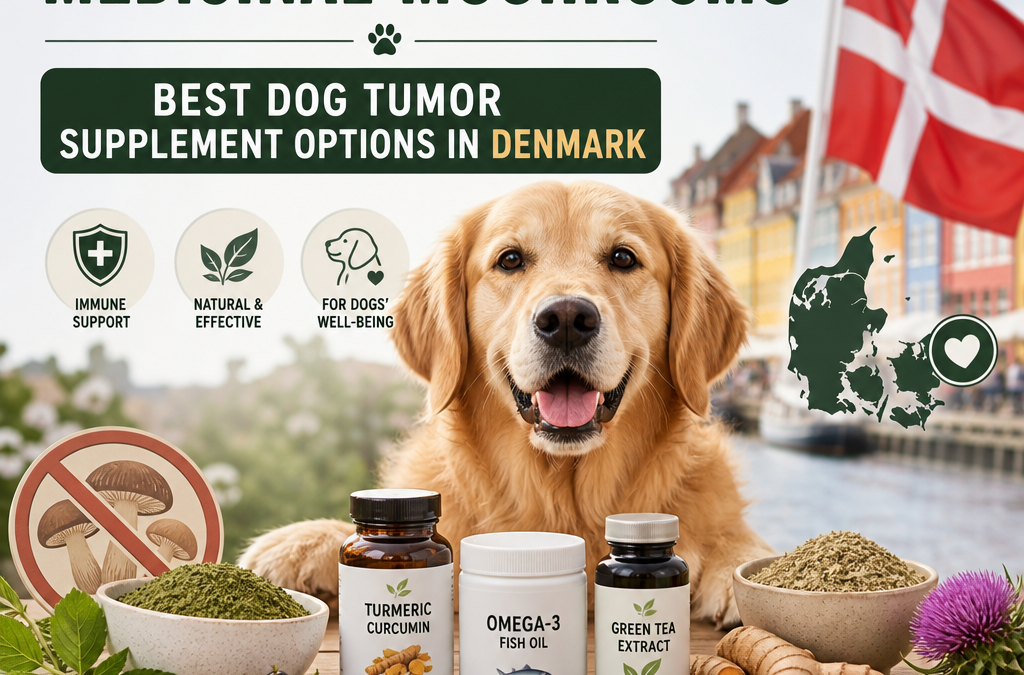
Alternatives to Medicinal Mushrooms can give Danish dog owners additional supportive options when a dog has been diagnosed with a tumor or is undergoing cancer treatment. While medicinal mushrooms such as turkey tail, reishi, and shiitake are often discussed for immune support, they are not suitable for every dog and should never replace veterinary care. A carefully selected dog tumor supplement alternative may help support nutrition, digestion, mobility, or general wellbeing, but the right choice depends on the dog’s diagnosis, treatment plan, age, and overall health.
Köpek tümör takviye alternatiflerini neden düşünmelisiniz?
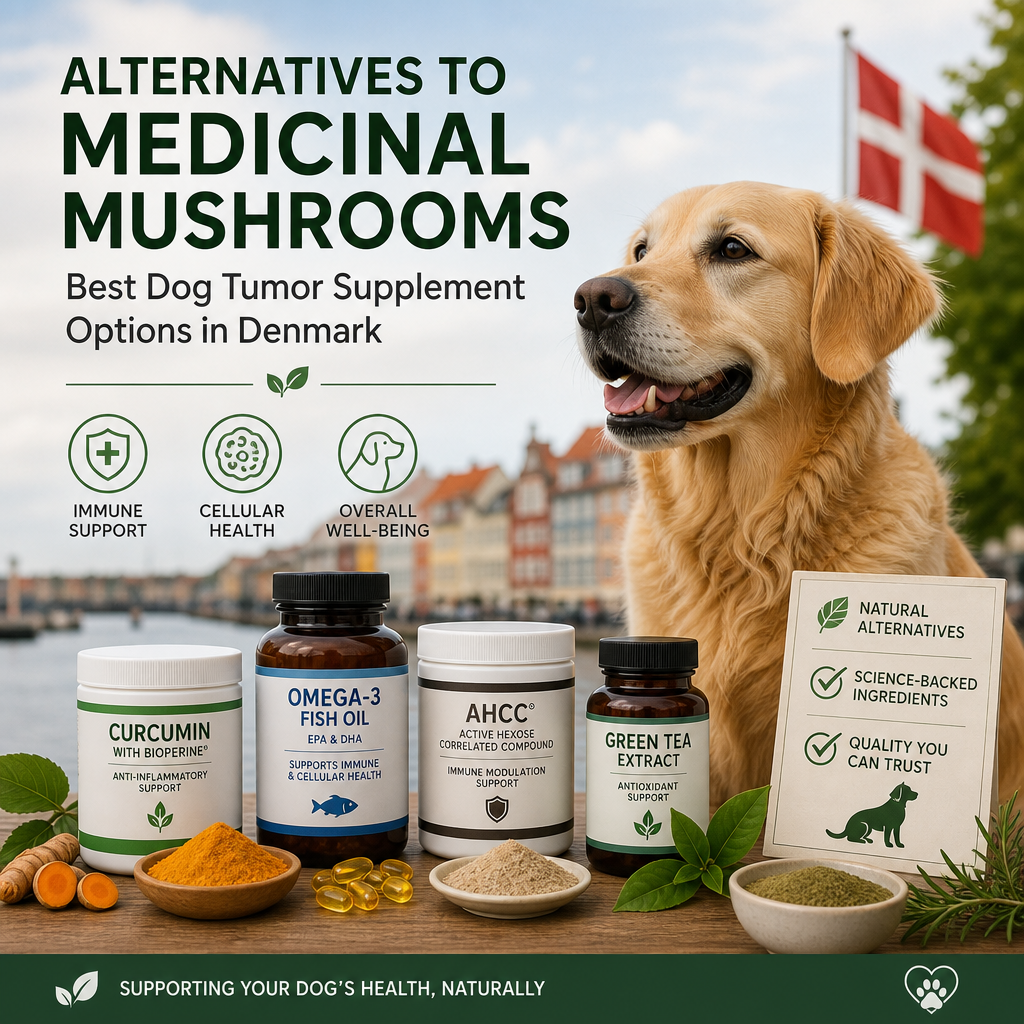
Medicinal mushrooms are popular because they contain compounds such as beta-glucans and other naturally occurring substances that may influence immune function. However, scientific evidence in dogs remains limited, product quality varies, and certain supplements may interact with chemotherapy, corticosteroids, blood thinners, or other medicines. That is why many owners search for alternatives to Medicinal mushrooms when they want supportive care that is easier to fit into a dog’s medical plan.
Some dogs may also experience digestive upset or show sensitivity to mushroom-based products. In these cases, alternatives to Medicinal mushrooms may be considered as part of a broader supportive-care plan. The aim is not to “cure” a tumor with supplements, but to help maintain a dog’s strength, appetite, digestion, comfort, and quality of life.
Before introducing any new product, consult a veterinarian—ideally one experienced in veterinary oncology. In Denmark, your veterinarian can also advise on appropriate products available through Danish pharmacies, veterinary clinics, and reputable pet-health suppliers. For a broader overview of similar supplement options in the region, see K9 Bağışıklığı / K9 Bağışıklığı Artı Alternatifi: Danimarka'daki En İyi Köpek Tümör Takviyeleri.
It can also help to think about the problem in practical terms. A dog that has lost weight may benefit more from calorie-dense food than from a new capsule. A dog with soft stools may need digestive support first. A dog with stiff movement may need joint support and pain control before any other supplement is useful. In other words, the best alternatives to Medicinal mushrooms are usually chosen to solve a specific day-to-day problem rather than to follow a trend.
Omega-3 fatty acids for nutritional support
Fish oil containing EPA and DHA is one of the most commonly discussed dog tumor supplement alternatives. These long-chain omega-3 fatty acids support normal inflammatory balance, skin health, heart function, and cognitive health. They may also be useful for dogs that have reduced appetite or are losing body condition, although fish oil alone cannot prevent or treat cancer.
A veterinarian can help determine an appropriate dose based on body weight, diet, tumor type, and medication. High doses may cause diarrhea, contribute extra calories, or affect blood clotting. Choose a product made specifically for pets or one with clear purity testing for heavy metals and oxidation. Cod liver oil should not automatically be used as a substitute because it can contain high levels of vitamins A and D.
For owners comparing alternatives to Medicinal mushrooms, omega-3 supplements often stand out because they are familiar, widely available, and easy to monitor. They may be a good starting point when the goal is supportive nutrition without adding a large number of ingredients at once.
How to use omega-3s safely
Start with a veterinarian-approved amount and introduce the supplement gradually. Watch for loose stool, fishy breath, or changes in appetite. If the dog is scheduled for surgery, ask whether the product should be paused in advance. Dogs on other medications may also need a review of potential interactions before omega-3s are added.
Antioxidant-rich nutritional ingredients
Antioxidants are found in many fruits, vegetables, and nutritional supplements. Vitamin E, vitamin C, selenium, and plant compounds may help protect cells from oxidative stress. However, more is not always better, particularly when a dog is receiving chemotherapy or radiation therapy.
Some cancer treatments rely partly on oxidative mechanisms, so concentrated antioxidant supplementation should only be used with veterinary guidance. Instead of giving multiple high-dose products, many owners can focus on a complete, highly digestible diet containing balanced nutrients. Fresh foods such as small amounts of cooked vegetables may be suitable for some dogs, but treats and additions should not unbalance the main diet.
When comparing alternatives to Medicinal mushrooms, many people assume that “natural” automatically means “safe.” In reality, antioxidant products still need the same careful review as prescription medicine. Dose, timing, and the dog’s current health status all matter.
What to look for in a supportive supplement
When comparing alternatives to Medicinal mushrooms, look for products that list exact ingredient amounts, have batch testing, and avoid unrealistic claims. In practice, simpler formulas are often easier to monitor and adjust with veterinary advice. A transparent label is usually more useful than a long ingredient list with unknown amounts.
Owners in Denmark should also consider whether the product is suitable for long-term use. If a supplement is intended to be part of ongoing supportive care, the label should provide clear feeding instructions, storage details, and contact information for the manufacturer or distributor.
Kurkumin ve zerdeçal ürünleri
Curcumin, a compound found in turmeric, is sometimes included in canine wellness products because of its anti-inflammatory properties. It is often marketed as one of the natural alternatives to Medicinal mushrooms, but evidence for tumor support in dogs is still developing.
Curcumin products differ greatly in absorption and formulation. Some include piperine or other ingredients intended to improve bioavailability, but these may also affect how medications are absorbed or processed. Turmeric may be unsuitable for dogs with gallbladder disease, bleeding disorders, stomach sensitivity, or certain medication combinations. Use only a veterinary-approved product and avoid relying on culinary turmeric as a precise therapeutic dose.
When people ask about alternatives to Medicinal mushrooms, curcumin often comes up because it is widely discussed in human wellness circles. Even so, canine use should remain cautious and individualized. What works in one dog may not be appropriate in another, especially if cancer therapy is already underway.
Signs a curcumin product may not be a good fit
If your dog develops vomiting, softer stool, reduced appetite, or unusual lethargy after starting a turmeric-based supplement, stop it and contact your veterinarian. Those signs do not always mean the product is harmful, but they do mean it is time to reassess. In a sensitive dog, a simpler plan may be better than a more aggressive one.
Sindirim ve probiyotik desteği
Cancer, stress, surgery, pain medication, and chemotherapy can all affect the digestive system. Probiotics and prebiotic fibers may help support a healthy intestinal environment in selected dogs. They can be especially relevant when appetite, stool quality, or tolerance of food becomes a concern.
A probiotic should contain clearly identified bacterial strains, guaranteed quantities, storage instructions, and a recommended canine dose. Products designed for humans are not always appropriate. Dogs with severely weakened immune systems may require extra caution, so probiotic use should be discussed with the treating veterinarian.
Digestive enzymes are sometimes promoted for dogs with tumors, but they should not be added routinely without a clear reason. Digestive problems may indicate pancreatitis, intestinal disease, medication effects, or another condition requiring diagnosis.
Among the many alternatives to Medicinal mushrooms, digestive support is often one of the most practical. When a dog can eat, digest, and keep food down more comfortably, the rest of the care plan becomes easier to manage.
When probiotics may be useful
Probiotics may be useful after antibiotic use, during periods of loose stool, or when mild digestive upset is affecting a dog’s willingness to eat. They may also be helpful during transitions between diets, especially if the dog is already medically fragile. Still, the product should be selected with professional guidance rather than chosen at random.
High-quality protein and nutritional support
One of the most practical dog tumor supplement alternatives may be improving the dog’s overall nutritional intake rather than adding a large number of separate supplements. Adequate calories and high-quality protein can help preserve muscle mass, particularly when illness causes weight loss.
A veterinary nutritionist can recommend an appropriate diet based on the tumor location and treatment plan. Some dogs benefit from energy-dense food, frequent small meals, or gently warmed meals to improve palatability. Dogs with kidney, liver, or pancreatic disease may need specific dietary restrictions, so high-protein or high-fat foods are not suitable for every patient.
Nutritional gels and recovery diets may be useful during periods of poor appetite, but they should be selected according to the dog’s medical needs. Persistent refusal to eat, repeated vomiting, or rapid weight loss requires prompt veterinary attention.
If you are weighing alternatives to Medicinal mushrooms, nutrition is often the most underappreciated tool. A dog that maintains weight and hydration usually tolerates illness and treatment better than a dog that is underfed or dehydrated.
Simple feeding ideas that may help
Some dogs eat better when meals are split into several small portions through the day. Others prefer food served slightly warm to increase aroma. In some cases, a temporary diet change may improve palatability, but any switch should be discussed with the veterinary team so that the new food remains appropriate for the dog’s condition.
Joint and comfort-support supplements
For dogs with bone tumors, reduced mobility, or age-related joint disease, supplements containing glucosamine, chondroitin, green-lipped mussel, or undenatured type II collagen may support joint function. These products do not treat cancer, but they may complement pain management and help a dog remain comfortable and active when appropriate.
Green-lipped mussel products are available in various formulations, and quality can differ. Dogs with seafood allergies may need an alternative. Joint supplements may also take several weeks to show noticeable effects, so they should be used alongside, not instead of, prescribed pain relief.
Many owners looking for alternatives to Medicinal mushrooms are not just seeking immune support; they are also trying to help their dog rest, stand, and move more comfortably. Joint support can be a meaningful part of that goal, especially for older dogs or dogs whose tumors affect the bones or surrounding tissues.
Comfort support works best as part of a plan
Comfort-support supplements are usually most effective when they are paired with proper pain management, good bedding, controlled exercise, and regular monitoring. If your dog seems less willing to climb stairs, jump, or rise after resting, tell your veterinarian. That information helps determine whether the current plan is enough.
Hemp and CBD products: proceed carefully
CBD and hemp-derived products are widely marketed for dogs in Denmark and elsewhere, often for anxiety, discomfort, or appetite. However, product quality, legal requirements, concentration, and safety can vary. Evidence for their use in dogs with tumors remains limited, and CBD may interact with medicines processed by the liver.
Never give a dog a human cannabis product or a product containing detectable THC. Discuss any hemp or CBD product with a veterinarian before use, especially if the dog is receiving chemotherapy, sedatives, anticonvulsants, or pain medication. If you need more region-specific reading, the American Kennel Club’s guide to CBD for dogs explains general safety considerations and why veterinary guidance matters.
Because these products are so variable, they are often not the first choice when comparing alternatives to Medicinal mushrooms. If used at all, they should be chosen carefully, introduced gradually, and monitored closely for sedation, stomach upset, or changes in behavior.
Questions to ask before using CBD
Ask whether the product has a certificate of analysis, how much CBD is in each dose, whether THC has been removed, and whether the formula is meant for dogs. Also ask how the product may interact with your dog’s current medicines. Clear answers reduce the chance of accidental misuse.
Choosing products in Denmark
When comparing alternatives to Medicinal mushrooms, look for transparent labeling, batch testing, clear ingredient quantities, expiration dates, and a manufacturer with reliable quality-control practices. Avoid products making claims that they can shrink tumors, replace chemotherapy, or guarantee survival. Such claims are warning signs.
Danish dog owners should also check whether a product is intended for animals, complies with relevant feed or veterinary regulations, and can be traced to a responsible supplier. Supplements purchased from unfamiliar international websites may have uncertain ingredients or dosing instructions.
The best approach is individualized and conservative: identify the dog’s primary needs, introduce only one new product at a time, monitor appetite and stool quality, and keep the veterinarian informed. Alternatives to Medicinal mushrooms can provide useful nutritional or symptom support, but the foundation of care remains accurate diagnosis, evidence-based treatment, pain control, appropriate nutrition, and regular veterinary monitoring.
It is also wise to keep a short log of what you start, when you started it, and how your dog responds. That record makes it easier to decide whether a supplement is truly helping or whether the plan needs to change. In supportive care, small observations often matter more than dramatic promises.
Practical ways to support your dog day to day
Supportive care works best when it is simple and consistent. Many owners do better with one nutritional supplement, one comfort-support product, and a clear feeding routine rather than a long list of overlapping items. That approach makes it easier to tell what is helping and what is not.
Watch for changes in appetite, energy, drinking, stool quality, vomiting, and mobility. Even small changes can be important for a dog with cancer. If a new product causes loose stool, nausea, itching, or unusual behavior, stop it and ask your veterinarian before trying another option.
In some cases, the most helpful alternatives to Medicinal mushrooms are not supplements at all. Better hydration, improved meal palatability, pain control, and rest can have a larger impact on wellbeing than adding another capsule or powder.
Routine also matters. Keeping feeding times, walking patterns, and medication schedules predictable can reduce stress for both you and your dog. A calm environment, soft bedding, and easy access to water may sound simple, but these details often make a real difference.
Veterinerinize sormanız gereken sorular
Before starting any supplement, ask whether it is compatible with the current treatment plan. Good questions include whether the product could affect chemotherapy, whether the dose is appropriate for your dog’s weight, and whether monitoring bloodwork is needed.
You can also ask how long it should take before you expect any benefit, what side effects to watch for, and whether the product should be paused before surgery or dental work. Clear answers make it easier to use dog tumor supplement alternatives safely.
If your dog already takes prescription medicine, bring the full list to the appointment. That gives your veterinarian a chance to check for interactions and avoid unnecessary overlap between products.
Another useful question is whether your dog’s current diet already covers the support you are trying to add. Sometimes the answer is yes, and the better decision is to simplify rather than add more products. That is often the most practical approach when comparing alternatives to Medicinal mushrooms.
Final thoughts on alternatives to medicinal mushrooms
Alternatives to Medicinal Mushrooms are not a cure for cancer, but they can play a meaningful supportive role when chosen carefully. The best choices are usually the ones that fit your dog’s diagnosis, treatment plan, and daily comfort rather than the ones with the loudest marketing claims.
With veterinary guidance, Danish dog owners can use dog tumor supplement alternatives to support nutrition, digestion, mobility, and quality of life. Thoughtful selection, careful monitoring, and realistic expectations matter more than chasing trends.
If you are comparing options now, keep the focus on safety, quality, and your dog’s individual needs. That is the most reliable way to choose between the many alternatives to Medicinal mushrooms available today.