
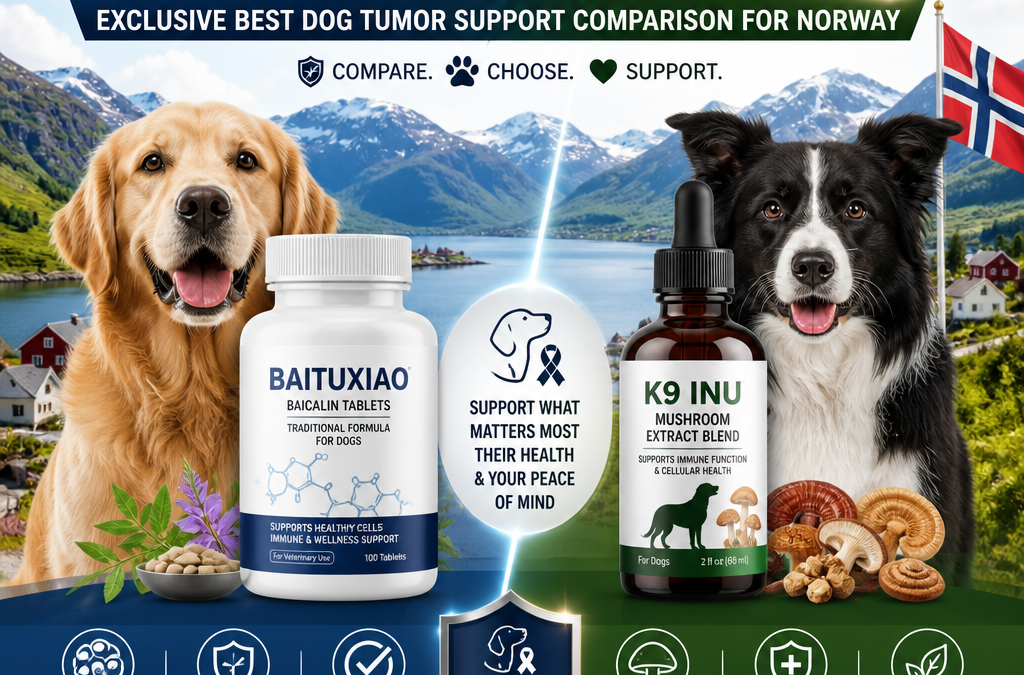
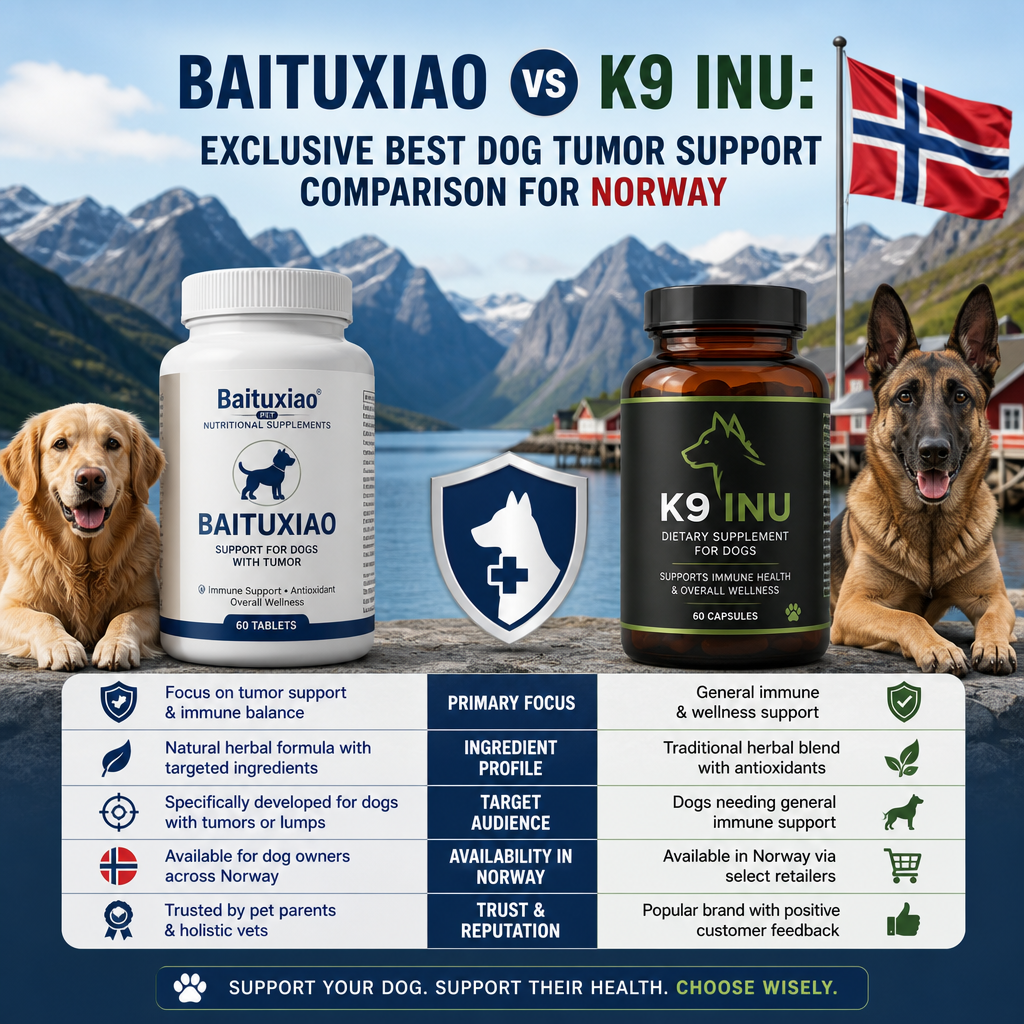
Baituxiao ile K9 INU, Norveçli köpek sahiplerinin bir köpeğin tümör teşhisi aldıktan sonra ek destek ararken düşünebileceği bir karşılaştırmadır. Her iki ürün de tamamlayıcı takviye olarak pazarlanmaktadır, ancak veteriner teşhisi, cerrahisi, kemoterapisi, radyasyonu, ağrı yönetimi veya diğer klinik olarak önerilen bakımların yerini alacak şekilde görülmemelidir. Amaçlanan kullanımları, içerikleri, pratik farklılıkları ve güvenlik hususlarını anlamak, sahiplerin veterinerleriyle daha bilinçli bir karar vermelerine yardımcı olabilir.
- Köpek tümörü desteğinin neden dikkatli değerlendirme gerektirdiği
- Baituxiao ile K9 INU: ürün konumlandırmasındaki farklılıklar
- İçerik kalitesi ve kanıtlar önemlidir
- Herhangi bir takviye kullanmadan önce sorulacaklar
- Norveçli köpek sahipleri için güvenlik hususları
- İki ürün arasında seçim yapmak
- Köpek tümörü desteği karşılaştırmasında dengeli bir yaklaşım
Köpek tümörü desteğinin neden dikkatli değerlendirme gerektirdiği
Bir tümör tek bir hastalık değildir. İyi huylu veya kötü huylu, yavaş büyüyen veya agresif, yerel veya vücutta yayılmış olabilir. Uygun tedavi, tümör türüne, konumuna, derecesine, evresine, köpeğin yaşına ve genel sağlığına bağlıdır. Bir köpek için uygun görünen bir takviye, özellikle köpek reçeteli ilaçlar alıyorsa veya karaciğer, böbrek, gastrointestinal veya kanama sorunları varsa, başka bir köpek için uygun olmayabilir.
Destekleyici ürünler genellikle veteriner tedavi planını tamamlamak için kullanılır. Olası hedefleri arasında iştahı desteklemek, normal bağışıklık fonksiyonunu sürdürmek, köpeğin tedavi ile ilgili stresle başa çıkmasına yardımcı olmak veya antioksidan aktiviteye sahip besin bileşenleri sağlamak yer alabilir. Ancak, köpek kanser bakımında takviyeler için kanıtlar önemli ölçüde değişiklik göstermektedir. Bu nedenle, ürün iddiaları dikkatlice değerlendirilmelidir, tedavi faydasının kanıtı olarak kabul edilmemelidir.
Birçok durumda, sahipler yalnızca klinikten zor haberler aldıktan sonra seçenekleri karşılaştırmaya başlar. Bu anlaşılabilir, ancak ilk adım yine de tam bir teşhis ve mevcut bakım hakkında bir tartışma olmalıdır. Eğer siz de diğer tamamlayıcı seçenekleri inceliyorsanız, gözden geçirmenin faydalı olabileceğini bulabilirsiniz alternatif köpek tümör destek seçenekleri mevcut tedavi planıyla birlikte.
Aynı etiketin farklı pazarlarda farklı anlamlar taşıyabileceğini hatırlamak da yardımcı olur. Destek yaklaşımı, dozaj ve hatta içerik profili tedarikçiye göre değişebilir. Bu nedenle, herhangi bir Baituxiao ile K9 INU incelemesi, çevrimiçi genel bir iddiayla değil, gerçekten satın alabileceğiniz kesin ürünle başlamalıdır.
Köpek sahipleri için pratik soru genellikle bir takviyenin umut verici olup olmadığı değil, tedaviyi bozmayacak veya önlenebilir yan etkiler yaratmadan kullanılıp kullanılamayacağıdır. Bu, köpeğin zaten bir kanser teşhisi, ameliyat iyileşmesi veya değişen iştah nedeniyle stres altında olduğu durumlarda özellikle önemlidir.
Baituxiao ile K9 INU: ürün konumlandırmasındaki farklılıklar
Baituxiao ile K9 INU karşılaştırmasındaki en önemli başlangıç noktası, bu ürünlerin üretici, satıcı ve belirli bir pazarda mevcut formülasyona bağlı olarak farklı şekilde konumlandırılabileceğidir. Sahipler, yalnızca çevrimiçi tanımlara veya tanıtım diline güvenmek yerine mevcut etiketi incelemelidir.
Baituxiao genellikle geleneksel bir bitkisel veya botanik destek ürünü olarak sunulmaktadır. Formülasyonu, genel sağlık, bağışıklık desteği veya antioksidan amaçlar için seçilen birkaç bitki kökenli bileşen içerebilir. Çok bileşenli bitkisel formüller tedarikçiye ve bölgeye göre değişebileceğinden, tam içerik listesini, miktarları, üretim bilgilerini ve kullanım talimatlarını kontrol etmek önemlidir.
K9 INU genellikle ciddi sağlık sorunları olan köpekler için besin veya botanik desteği sağlamayı amaçlayan bir köpek takviyesi olarak pazarlanmaktadır. Kesin bileşimi, konsantrasyonu ve önerilen kullanımı resmi ambalajdan da doğrulanmalıdır. Benzer isimler altında satılan bazı ürünler içerik veya dozaj açısından farklılık gösterebilir, bu da ürünleri yalnızca marka isimlerine dayanarak karşılaştırmayı riskli hale getirir.
Güvenilir bir köpek tümör destek karşılaştırması için, gerçek etiketleri yan yana karşılaştırın. Aktif bileşenlere, porsiyon boyutuna, katkı maddelerine, alerjenlere, parti bilgilerine, depolama gereksinimlerine ve ürünün özellikle köpekler için üretilip üretilmediğine bakın. Dikkatli bir Baituxiao ile K9 INU incelemesi, ürünün pazarlama dilinin ötesinde net bir amaca sahip olup olmadığını da sormalıdır. Destek sağlayan bir etiketin sade terimlerle açıklanması, genellikle spesifik olmayan geniş sonuçlar vaat eden bir etiketten daha güvenilir görünür.
Etiket belirsizse, satıcıdan tam bir içerik paneli ve üreticinin kalite belgelerini isteyin. Bu önemlidir çünkü tanıdık bir isim altında satılan bir ürün, bir pazardan diğerine değişiklik gösterebilir. Örneğin, Avrupa'daki bazı sahipler daha geniş onkoloji desteğini araştırırken, şu ürünleri de karşılaştırmaktadırlar K9 Immunity Alternatifi: Fransa'daki En İyi Uygun Fiyatlı Köpek Tümör Takviyeleri bir takviyede gerçekten ne olduğunu ve bunun veteriner bakımıyla nasıl uyumlu olduğunu anlamaya çalıştıklarında.
Ürünün günlük yaşamda nasıl kullanılacağı hakkında sormak da yardımcı olabilir. Tedavi sırasında kısa süreli destek için mi tasarlandı? Genel bir sağlık formülü mü? Kapsül, toz veya sıvı mı gerektiriyor? Bu pratik detaylar, bir köpek zaten azalmış bir iştah veya hassas bir mide ile başa çıkıyorken marka adı kadar önemli olabilir.
İçerik kalitesi ve kanıtlar önemlidir
Bir takviyenin itibarı, kanseri tedavi ettiğini kanıtlamaz. Kanıt kalitesi, laboratuvar araştırmalarından ve küçük ön çalışmalarından, köpeklerde kontrollü klinik denemelere kadar değişebilir. Bu tür kanıtlar birbirinin yerine geçmez. Laboratuvar ortamında kanser hücrelerini etkileyen bir bileşen, canlı hayvanlarda otomatik olarak tümörleri küçültmez.
Sahipler, “kanseri iyileştirir,” “tümörün garantili çıkarılması,” veya “her köpek için işe yarar” gibi iddialara karşı dikkatli olmalıdır. Bu tür ifadeler tıbbi olarak güvenilir değildir ve etkili tedavide gecikmelere yol açabilir. Daha sorumlu ürünler kendilerini destekleyici olarak tanımlar ve veteriner bakımının gerekli olduğunu açıkça belirtir.
Baituxiao veya K9 INU'yu incelerken, üreticinin kaynak sağlama, kalite testi, kontaminant taraması ve üretim standartları hakkında şeffaf bilgi verip vermediğini düşünün. Bitkisel takviyeler değişken konsantrasyonlar içerebilir ve ağır metaller, pestisitler, mikroplar veya beyan edilmemiş farmasötik maddelerle kontaminasyon potansiyel bir endişe kaynağıdır. Norveç'e ithal edilen ürünler, veteriner kullanımı için onaylanmış ilaçlardan farklı kurallara tabi olabilir.
Ürünün herhangi bir birincil araştırma veya uzman rehberliği alıp almadığını kontrol etmek de önemlidir. Veteriner onkolojide tamamlayıcı bakımın sınırlarını anlamak için yararlı bir dış referans Amerikan Veteriner Hekimliği Derneği'nin evcil hayvanlarda kanserle ilgili genel bakışı, tanı, evreleme ve tedavi planlamasının neden merkezi kalmaya devam ettiğini açıklar.
Daha geniş bitkisel destek düşünen okuyucular için başka bir ilgili örnek Tümörlü Köpeğinizi Doğal Olarak Desteklemek: Jinyinhua'nın Faydaları, tek bir bileşen tartışmasının daha dikkatli bir şekilde nasıl ele alınabileceğini gösterir.
Kanıt kalitesi de önemlidir çünkü beklentileri belirlemeye yardımcı olur. Sınırlı ön destekle bir ürün, bazı sahipler tarafından konfor odaklı bakımın bir parçası olarak değerlendirilebilir, ancak bu onu bir tedavi yapmaz. Baituxiao ile K9 INU kararı söz konusu olduğunda, en iyi soru genellikle hangisinin daha güçlü göründüğü değil, hangisinin en net bileşime, en şeffaf kalite kontrollerine ve bakım ile etkileşim şansının en az olduğuna dair sorudur.
Bu anlamda, karşılaştırma gerçekten risk yönetimi ile ilgilidir. Bir ürün belirsiz kaynaklara, eksik etiketlemeye veya net bir kalite belgesine sahip olduğunda, tanıtım materyali etkileyici olsa bile, daha az uygun olabilir. Dikkatli bir sahip genellikle cesur vaatler yerine şeffaflığı tercih eder.
Herhangi bir takviye kullanmadan önce sorulacaklar
Herhangi bir ürüne başlamadan önce, köpeğin tanısının uygun testlerle doğrulanıp doğrulanmadığını sorun. Bir takviye, tümör tipi ve tedavi planı bilindiğinde ancak doğru bir şekilde değerlendirilebilir. Bu, köpeğin zaten ameliyat geçirmiş olması veya takip görüntülemesi için planlanmış olması durumunda özellikle önemlidir.
Ayrıca, köpeğin şu anda kemoterapi, radyasyon, immünoterapisi, ağrı kesici veya antibiyotik alıp almadığını sorun. Nazik görünen ürünler bile, vücudun ilacı nasıl işlediğini veya iştahı, sindirimi ve pıhtılaşmayı etkileyebilir. Bir veteriner onkoloğu, bir takviyenin denenmeye değer olup olmadığını veya en güvenli yaklaşımın tamamen ekstra ürünlerden kaçınmak olup olmadığını belirlemeye yardımcı olabilir.
Sahipler yavaşlayıp durumu dikkatlice gözden geçirdiklerinde, Baituxiao ile K9 INU arasındaki seçim, reklamcılıktan ziyade köpeğin gerçek ihtiyaçlarıyla uyumlu hale gelir. Bu, kararın çerçevesini oluşturmanın doğru yoludur, özellikle hedef konfor ve günlük işlevin istikrarı olduğunda, gerçekçi olmayan vaatler yerine.
Kullanışlı sorular arasında ürünün yemekle birlikte verilmesi gerekip gerekmediği, daha küçük dozlara bölünüp bölünemeyeceği ve bulantısı olan bir köpeğin bunu tolere edip edemeyeceği yer alır. Bu detaylar önemsiz görünebilir, ancak bir ürünün sürekli kullanılabilir olup olmadığını belirleyebilir. Eğer köpek takviyeyi reddeder veya mide rahatsızlığı geliştirirse, ürünün teorik değeri, gerçek dünya toleransından çok daha az önemli hale gelir.
Sahipler ayrıca belirli bir sorunu çözmeye mi çalıştıklarını yoksa sadece yardımcı olmayı mı umduklarını sormalıdır. Bir takviyenin net bir rolü olmalıdır. İştahı desteklemek, iyileşmeyi kolaylaştırmak veya genel beslenme desteği sağlamak amacıyla olabilir, ancak bir tanı bunaltıcı hissettiği için eklenmemelidir. Düşünceli seçim, bir plan olmadan birden fazla ürün eklemekten daha iyidir.
Eğer köpeğin durumu hakkında herhangi bir belirsizlik varsa, değişiklik yapmadan önce beklemek makuldür. Veteriner rehberliği, takviyeler ve reçeteler arasında yararsız örtüşmeyi önleyebilir. Birçok durumda, en güvenli karar, bakım ekibi ürün ve bileşenlerini gözden geçirene kadar rejimi basit tutmaktır.
Norveçli köpek sahipleri için güvenlik hususları
Norveçli sahipler, takviyeleri güvenilir kanallar aracılığıyla satın almalı ve ürünün Norveç'te yasal olarak ithal edilip edilemeyeceğini veya satılıp satılamayacağını doğrulamalıdır. Gümrük gereklilikleri, etiketleme kuralları ve veteriner ilaç düzenlemeleri geçerli olabilir, özellikle bir ürün hastalık tedavisi iddialarında bulunuyorsa. Bir veteriner veya Norveç eczanesi, belirli bir ürünün uygun ve yasal olarak mevcut olup olmadığını netleştirebilir.
Olası yan etkiler arasında kusma, ishal, azalmış iştah, halsizlik, cilt reaksiyonları veya susuzluk ve idrara çıkma değişiklikleri yer alabilir. Bitkisel ürünler de ilaçlarla etkileşime girebilir. Örneğin, bazı bileşenler kan pıhtılaşmasını, sedasyonu, kan basıncını, karaciğer enzimlerini veya kemoterapi ilaçlarının metabolizmasını etkileyebilir. Bu, özellikle cerrahi, biyopsi, diş prosedürleri veya invaziv tedavi öncesinde önemlidir.
Aynı anda birden fazla yeni takviye tanıtmaktan kaçının. Bir veteriner bir ürünü onaylarsa, önerilen doza göre tanıtın ve köpeği dikkatlice izleyin. Ürün adı, parti numarası, doz, başlangıç tarihi ve semptomlardaki herhangi bir değişikliği kaydedin. Köpek kalıcı gastrointestinal semptomlar, alışılmadık kanama, şiddetli zayıflık, nefes alma zorluğu, yüz şişmesi veya ani bir düşüş geliştirirse takviyeyi durdurun ve veteriner kliniği ile iletişime geçin.
İthal ürünleri karşılaştırıyorsanız, en güvenli seçeneğin her zaman en çok reklamı yapılan ürün olmadığını unutmayın. Etiket bazlı dikkatli bir karşılaştırma, referanslara güvenmekten daha faydalıdır. Bu, aynı zamanda Energyvet / Cytovet sistemi alternatifi: Slovakya'da 7 Güçlü Olmazsa Olmaz Köpek Tümör Takviyesi ve farklı destek ürünlerinin Avrupa pazarlarında nasıl konumlandığını anlamaya çalışan sahipler için özellikle doğrudur.
Norveçli köpek sahipleri, tedarik sürekliliğini de düşünmelidir. Yeniden sipariş edilmesi zor olan, habersiz formül değiştiren veya tutarsız ambalajla gelen bir ürün uzun vadede kötü bir seçim olabilir. Bir takviye sürekli bir destek planının parçasıysa, tutarlılık önemlidir çünkü ani değişiklikler ürünün yardımcı olup olmadığını veya sorunlara neden olup olmadığını değerlendirmeyi zorlaştırabilir.
Bir diğer güvenlik sorunu, köpeğin mevcut durumu ile etkileşimdir. Zayıf böbrek fonksiyonu, karaciğer hastalığı veya kanama eğilimi olan bir köpek, sağlıklı bir yetişkin köpekten çok daha temkinli bir yaklaşım gerektirebilir. Bu nedenle, Baituxiao ile K9 INU karşılaştırması her zaman köpeğin tıbbi geçmişi üzerinden filtrelenmeli, yalnızca genel tavsiyelerle değil.
Ürün etiketlerini karşılaştırmanın pratik yolları
Sahipler takviyeleri dikkatlice karşılaştırdığında, konuşma daha az kafa karıştırıcı hale gelir. İçerik listesini inceleyin ve tam açıklama arayın. İçeriklerini net bir şekilde adlandıran bir ürün, miktarları olmayan bir özel karışıma dayanan bir üründen daha kolay bir şekilde bir veterinerle gözden geçirilebilir. Kesin miktarlar önemlidir çünkü benzer içeriklere sahip iki ürün çok farklı güçlere sahip olabilir.
Sonra, ürünün hedef türü belirtip belirtmediğini kontrol edin. Özellikle köpekler için tasarlanmış bir takviye genellikle insan sağlığı trendlerinden ödünç alınmış bir üründen daha uygundur. Köpek spesifik ürünler otomatik olarak daha güvenli değildir, ancak dozaj ve formülasyon endişeleri için değerlendirilmesi daha kolaydır. Bu, Baituxiao ile K9 INU incelemesinin pazarlama iddialarının ötesine geçmesi ve gerçek paket detaylarına odaklanması gereken bir nedenidir.
Sonra, yardımcı maddelere veya inaktif içeriklere bakın. Tatlandırıcılar, kıvam artırıcılar, koruyucular ve kaplamalar, hassasiyetleri olan köpekler için önemli olabilir. Bazı köpekler kapsülleri çiğnemelerden daha iyi tolere ederken, diğerleri yiyeceğe karıştırılmış tozlara ihtiyaç duyar. Bir ürün stres olmadan uygulanamazsa, etiket umut verici görünse bile pratik bir seçenek olmayabilir.
Son olarak, üretim kalitesinin kanıtını arayın. Parti numaraları, son kullanma tarihleri, parti izleme ve net depolama talimatları, daha düzenli bir ürünü işaret eder. Bu bilgilerin hiçbiri mevcut değilse, dikkatli olunmalıdır. Sahiplerin formülatör olmaları gerekmez, ancak doğru soruları sormak için yeterli bilgiye ihtiyaçları vardır.
İki ürün arasında seçim yapmak
Baituxiao ile K9 INU tartışmasında evrensel bir kazanan yoktur. Daha iyi seçim, bireysel köpeğe ve ürünün doğrulanmış formülasyonuna bağlıdır. Bir veteriner, belirli tedaviler sırasında takviyelerden tamamen kaçınılmasını önerebilirken, diğer durumlarda dikkatlice seçilmiş bir ürün, beslenme ve palyatif destek olarak kabul edilebilir.
Seçim yapmadan önce, bu pratik soruları sorun:
- Tümör uygun veteriner testleri ile tanımlandı mı?
- Köpek cerrahi, kemoterapi, radyasyon, immünoterapisi veya ağrı kesici alıyor mu?
- Herhangi bir bileşen mevcut ilaçlarla etkileşime girebilir mi?
- Köpeğin karaciğer, böbrek, mide veya pıhtılaşma sorunları var mı?
- Ürün özellikle köpekler için mi üretilmiştir?
- İçerikler ve miktarlar açıkça listelenmiş mi?
- Güvenilir kalite kontrol bilgisi var mı?
- Köpek ürünü rahatça yutabilir ve tolere edebilir mi?
Bir takviye asla tanısal görüntüleme, biyopsi, veteriner onkoloğa yönlendirme veya ağrı ve bulantı tedavisini geciktirmemelidir. İştah, hidrasyon, hareketlilik ve yaşam kalitesini sürdürmek, tümör ortadan kaldırma ile ilgili desteklenmeyen iddiaları takip etmekten genellikle daha anlamlıdır.
Eğer tümörleri olan köpekler için farklı bir destek ürün kategorisini karşılaştırmak istiyorsanız, hakkında okumak da yardımcı olabilir Türkiye Kuyruğu Mantarı: Köpeklerde Meme Tümörü Tedavisini Destekleyen Doğal Bir Takviye. Birkaç yapılandırılmış örneğe bakmak, kanıta dayalı olanı ve yalnızca tanıtım dilini tanımlamayı kolaylaştırabilir.
Pratikte, en iyi karar, veteriner hekim tüm resmi gözden geçirene kadar hiçbir ürünü seçmemek olabilir. Bu, hızlı hareket etmek isteyen sahipler için sinir bozucu hissedilebilir, ancak düşünceli zamanlama genellikle gereksiz komplikasyonları önler. Bir takviye uygun olduğunda, köpeğin durumu, rutini ve tedavi planıyla uyumlu olmalı ve ekstra risk yaratmamalıdır.
Bir veteriner hekimin dikkatli olmayı veya kaçınmayı önerebileceği durumlar
İyi pazarlanan bir takviyenin bile dikkatli bir şekilde ele alınması gereken birkaç durum vardır. Köpek ameliyat olmak üzereyse, kan pıhtılaşması zaten bir endişe kaynağıysa veya köpek dar bir güvenlik marjına sahip bir ilaç alıyorsa, bir veteriner hekim dikkatli olmayı önerebilir. Raflarda zararsız görünen bir ürün, belirli bir klinik bağlamda hala uygun olmayabilir.
Köpeğin iştahı kötü, sık sık kusma, ishal veya önemli kilo kaybı varsa dikkatli olmak da mantıklıdır. Bu durumlarda, öncelik başka bir ürünü rejime eklemekten ziyade stabilizasyon, hidrasyon ve semptom kontrolü olabilir. Köpek yiyeceği tutamıyorsa, faydalı bir takviye bile gerçekçi olmayabilir.
Bazı sahipler, bir takviyenin zor tedavi seçimleri yapmadan önce onlara daha fazla zaman vereceğini umuyor. Bu anlaşılabilir, ancak bu bir kararın temeli olmamalıdır. İyi bir Baituxiao ile K9 INU karşılaştırması, tıbbi yargıyı değiştirmez. Hangi ürünün, varsa, daha geniş planda bir yeri olduğunu belirleyerek onu destekler.
Köpek tümörü desteği karşılaştırmasında dengeli bir yaklaşım
Sorumlu bir köpek tümör destek karşılaştırması, dramatik pazarlama vaatleri yerine şeffaflık, güvenlik, kanıt ve köpeğin yaşam kalitesine odaklanmalıdır. Baituxiao ve K9 INU, tamamlayıcı destek arayan sahipler için cazip olabilir, ancak ikisinin de kanıtlanmış veteriner bakımının yerini alacağı varsayılmamalıdır. En uygun karar, köpeğin teşhisini ve tedavi planını anlayan bir veterinerle tam formülasyonu gözden geçirdikten sonra alınan karardır.
Norveçli aileler için, yerel veteriner rehberliği özellikle değerlidir çünkü mevcut onkoloji hizmetlerini, ithalat hususlarını, ilaç etkileşimlerini ve takip izlemeyi ele alabilir. Dikkatli ve gerçekçi bir şekilde kullanıldığında, destekleyici ürünlerin genel bakım planında bir yeri olabilir. Ancak öncelik her zaman doğru teşhis, zamanında tedavi, konfor ve köpek için mümkün olan en iyi yaşam kalitesi olmalıdır.
Sonuçta, Baituxiao ile K9 INU sadece bir marka karşılaştırması değildir. Bu, bir ürünün köpeğin bakımına sorumlu bir şekilde entegre edilip edilemeyeceği, uyum ve güvenlik meselesidir. Cevap belirsizse, en güvenli hareket duraklamak ve yeni bir şeye başlamadan önce veteriner hekime sormaktır.
Bu dikkatli zihniyet, gereksiz riskler almadan proaktif kalmak isteyen sahipler için özellikle faydalıdır. Kanıtlar eksik olduğunda, etiketler tutarsız olduğunda veya tıbbi durum karmaşık olduğunda, en yardımcı yol genellikle basitleştirmek, gözden geçirmek ve nihai bir seçim yapmadan önce veteriner ekibiyle koordine olmaktır.
Nihayetinde, iyi bilgilendirilmiş bir Baituxiao vs K9 INU kararı, köpeğin konforunu desteklemeli, aile için stres eklememeli veya tedaviye müdahale etmemelidir. Eğer ürün bu standardı açıkça karşılayamıyorsa, geri adım atmak ve kanıtlanmış bakıma odaklanmak daha iyidir.