
Alternatives to Turkey Tail can be useful for Norwegian dog owners exploring supportive nutrition during a dog’s cancer care. Turkey Tail mushroom is widely discussed because of its beta-glucans and other compounds, but it is not the only supplement option available. Depending on a dog’s diagnosis, treatment plan, appetite, digestion, and overall health, veterinarians may consider several nutritional strategies alongside conventional care.
Why Consider Dog Tumor Supplement Alternatives?
火雞尾,科學名稱為 花斑栓菌, has attracted interest for its immune-supporting compounds. However, every dog responds differently to supplements, and no mushroom product should be viewed as a replacement for surgery, chemotherapy, radiation, pain management, or other veterinary treatment.
There are several reasons an owner may investigate dog tumor supplement alternatives. A particular product may be unavailable in Norway, too expensive, poorly tolerated, or unsuitable for a dog taking certain medications. Some dogs may experience digestive upset, reduced appetite, or allergic reactions. Others may need a more targeted approach, such as nutritional support for weight loss, inflammation, recovery after surgery, or treatment-related nausea.
The right supplement depends on the individual dog rather than on a single “best” ingredient. Veterinary guidance is especially important because supplements can interact with medicines or affect blood clotting, liver function, immune activity, and anesthesia safety. For that reason, alternatives to Turkey Tail should be chosen with the same care you would use for any other part of a cancer-support plan.
It also helps to think in terms of goals. Are you trying to improve appetite, support digestion, maintain body weight, or add general wellness support? Once the goal is clear, it becomes easier to compare options and avoid products that sound impressive but do not fit the dog’s actual needs. In practice, the most effective supplements are often the ones that are simple, transparent, and easy to monitor.
Medicinal Mushrooms Beyond Turkey Tail
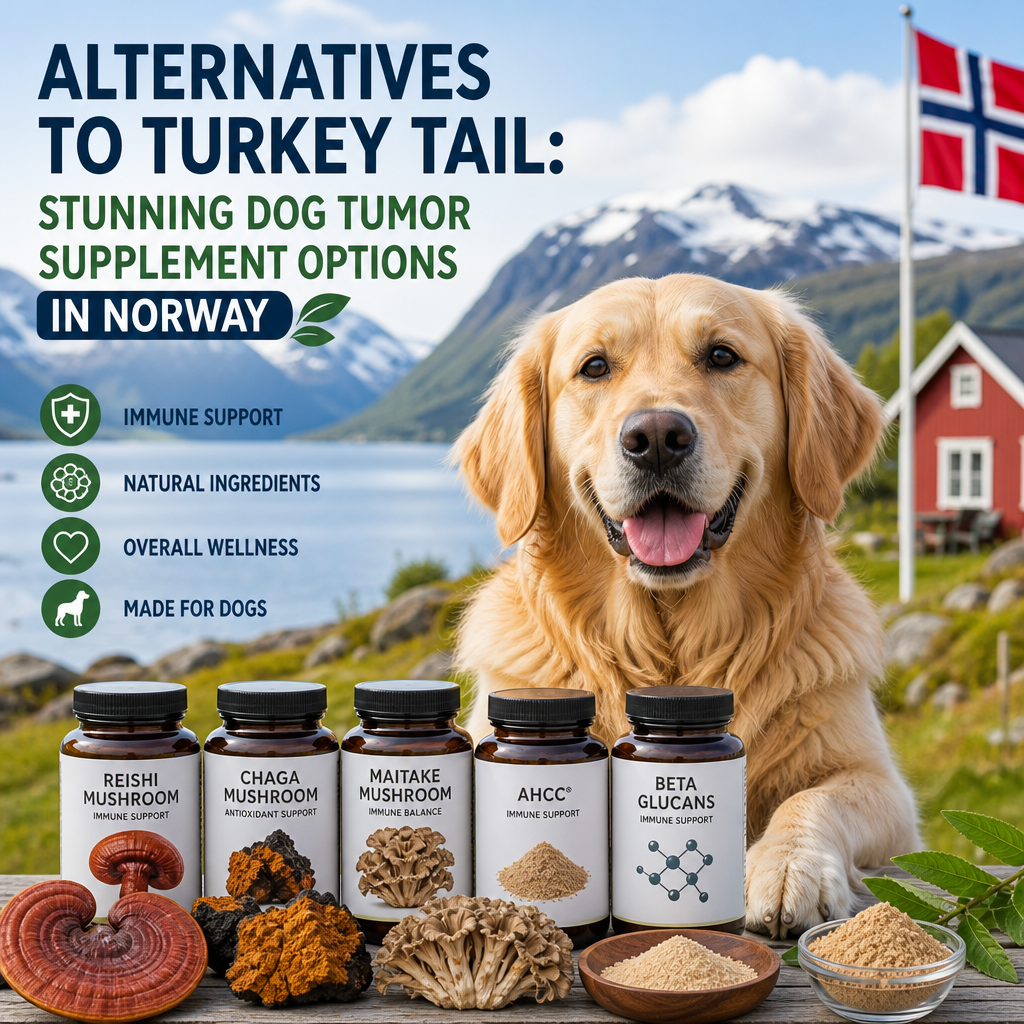
One of the most obvious categories of alternatives to Turkey Tail is other medicinal mushrooms. Reishi, maitake, shiitake, and cordyceps are often included in canine wellness products. These mushrooms contain different combinations of beta-glucans, triterpenes, antioxidants, and other bioactive compounds.
Reishi is commonly associated with immune balance and general resilience. Maitake has been studied for its polysaccharides, while shiitake provides compounds such as lentinan. Cordyceps is often marketed for energy and stamina, although evidence in dogs remains limited.
Product quality is crucial. Mushroom powders and extracts are not interchangeable. A reputable product should identify the mushroom species, growing medium, extraction method, active compounds, batch testing, and contaminant screening. Wild-harvested products may carry greater risks of contamination or inconsistent potency. Owners in Norway should also check whether products are legally marketed as animal supplements and whether the manufacturer provides clear dosing information.
If you are comparing this category more broadly, you may also want to read 藥用蘑菇/真菌療法的替代品:奧地利 7 種強效犬腫瘤支持選擇, which covers related mushroom-based support ideas.
How to compare mushroom formulas
When reviewing alternatives to Turkey Tail, look at the extract type, the part of the mushroom used, and whether the product includes filler ingredients. A capsule made from a standardized extract may behave very differently from a simple powder. That distinction matters when a dog is already dealing with cancer-related fatigue, nausea, or a sensitive stomach.
Another important point is consistency. If a dog seems to do well on one mushroom formula, switching to a different brand can change the response because the concentration and extraction method may differ. This is one reason veterinarians often prefer products with a clearly labeled ingredient panel and predictable dosing. The goal is not to collect as many supplements as possible, but to find a dependable one that can be evaluated over time.
Owners should also be cautious with blends that include many ingredients at once. A multi-mushroom formula may sound comprehensive, but it can make it harder to know which component is helping or causing a side effect. For sensitive dogs, simpler is often better.
Omega-3 Fatty Acids for Inflammation and Nutrition
Fish oil is among the most commonly considered dog tumor supplement alternatives. Its main active fats, EPA and DHA, support normal inflammatory regulation and may help maintain skin, coat, joints, and overall nutritional status. Dogs with illness may also benefit from calorie-dense nutrition when maintaining weight becomes difficult.
High-quality fish oil should provide the actual amount of EPA and DHA rather than listing only the total volume of oil. Products should be protected from oxidation and stored according to the manufacturer’s instructions. Rancid oil can cause digestive problems and has little nutritional value.
Krill oil and algae-derived DHA are other options, particularly for owners seeking alternatives to traditional fish oil. However, omega-3 supplements can affect blood clotting and may not be appropriate around surgery or with certain medications. A veterinarian should determine whether the product fits the dog’s treatment plan.
According to the National Center for Complementary and Integrative Health, supplement quality and evidence vary widely, so it is wise to review claims carefully before buying anything new: supplements and cancer treatment research.
When choosing between omega-3 products, pay attention to palatability as well. A supplement that a dog refuses to eat has little practical value, no matter how good the label looks. Softgel capsules may be easy for some dogs, while liquids can be easier for others when mixed into a meal. If a dog is nauseous, start cautiously and watch for loose stools or fishy burps.
When omega-3s may be especially helpful
For dogs that are losing weight, eating less, or struggling with inflammation, omega-3s can be part of a broader nutritional plan. They do not replace treatment, but they can support body condition and may help make meals more useful from a calorie and fat-soluble nutrient standpoint.
Some owners use omega-3s as one of several alternatives to Turkey Tail because the benefit is practical and easy to understand. Instead of aiming for a direct anticancer effect, the goal is to support the body during a demanding treatment period. That distinction matters, because supportive nutrition can improve day-to-day comfort even when a supplement does not change the tumor itself.
Antioxidant and Nutritional Support
Some dogs undergoing cancer treatment experience reduced appetite, muscle loss, or digestive changes. In these cases, a complete nutritional strategy may be more useful than a highly concentrated supplement. Veterinary-formulated diets, appetite support, and carefully selected nutrients can help preserve body condition.
Antioxidants such as vitamins C and E, selenium, and certain plant compounds are often promoted for cellular protection. Nevertheless, high-dose antioxidant supplementation should be approached carefully during chemotherapy or radiation. Some treatments rely partly on oxidative processes, so adding large amounts of antioxidants without veterinary advice may interfere with the intended treatment effect.
A balanced diet that supplies appropriate protein, energy, vitamins, and minerals is usually more important than adding multiple isolated nutrients. Dogs with poor appetite may need smaller meals, warmed food, wet food, or a therapeutic diet recommended by a veterinary professional.
In practical terms, this means the best alternatives to Turkey Tail are often not dramatic “cancer-fighting” products at all. They may be supportive feeding tools that help a dog stay comfortable, hydrated, and strong enough to continue treatment.
Good nutrition also supports recovery after stressful vet visits, surgery, or changes in medication. A dog that eats better is usually easier to medicate, easier to monitor, and better able to keep up body weight. That makes nutritional support one of the most overlooked but valuable parts of supportive care.
Nutrition-first support for sick dogs
When possible, prioritize palatable meals, consistent feeding times, and a slow transition to any new food or supplement. Sudden changes can upset the stomach and make it harder to tell whether a product is helping or causing side effects.
It can also be useful to keep a simple log of appetite, stool quality, vomiting, energy, and body weight. Small changes are easier to notice when they are written down. This kind of monitoring is especially helpful if you are trying more than one of the alternatives to Turkey Tail over time and want to know what actually makes a difference.
Curcumin and Herbal Products
Curcumin, derived from turmeric, is another frequently discussed option. It is known for its anti-inflammatory properties, but absorption varies significantly between products. Formulations may include oils, phospholipids, or other ingredients intended to improve bioavailability.
Other herbal ingredients, including milk thistle, boswellia, ginger, and green tea compounds, may appear in canine wellness formulas. Milk thistle is often used in products designed to support the liver, while ginger may help some dogs with nausea or digestive discomfort. Evidence differs widely, and “natural” does not automatically mean safe.
Herbal supplements may influence liver enzymes, blood pressure, sedation, or clotting. They may also contain multiple ingredients that make it difficult to identify the cause of a reaction. For dogs receiving chemotherapy, corticosteroids, anti-inflammatory drugs, or seizure medication, professional review is essential before using these products.
Some owners in Norway search for alternatives to Turkey Tail because they want a gentler or more familiar ingredient profile. In that case, an evidence-based herbal discussion with a vet is still the safest starting point.
If you are comparing herbal choices, ask whether the product has a clear purpose. A supplement meant for liver support should not be mistaken for a product designed for digestion or immune support. Matching the ingredient to the goal reduces wasted spending and lowers the risk of stacking too many overlapping formulas.
Important cautions with herbs
Several herbs can look harmless on a label but become complicated when used alongside cancer treatment. That is why alternatives to Turkey Tail should not be selected only because they are plant-based. Dose, concentration, sourcing, and drug compatibility all matter.
If a product includes multiple herbs, start by reviewing every ingredient one by one. Look for added flavors, preservatives, and sweeteners as well. A simple formula often creates fewer questions than a long proprietary blend.
Probiotics and Digestive Support
Digestive health can become a practical priority during illness. Stress, antibiotics, dietary changes, and cancer treatment may contribute to diarrhea, constipation, gas, or reduced appetite. Canine-specific probiotics can support a healthy intestinal microbiome in some situations.
A good probiotic product should list the strains, viable organisms, storage requirements, and expiration date. Products intended for humans may contain sweeteners or other ingredients unsuitable for dogs. Prebiotic fibers, such as certain fermentable fibers, may also support beneficial gut bacteria, but they can worsen gas or diarrhea if introduced too quickly.
Digestive supplements are supportive rather than tumor treatments. Persistent vomiting, diarrhea, blood in the stool, dehydration, or sudden appetite loss requires veterinary attention rather than self-treatment.
Because the gut and immune system are closely connected, many owners consider probiotics alongside alternatives to Turkey Tail when they want to support overall resilience. That approach can be reasonable, as long as the product is suitable for dogs and introduced carefully.
Probiotics may also be useful after antibiotics or during periods of stress, such as travel, hospitalization, or a change in diet. In those moments, the goal is not necessarily to fight the tumor directly but to keep the digestive system steady. When digestion improves, the dog is often better able to eat and absorb the nutrients needed for recovery.
Practical probiotic tips
- Start with one product at a time.
- Use the dose recommended by the manufacturer or your veterinarian.
- Watch for changes in stool, appetite, and energy.
- Store the product exactly as directed.
Other supportive options worth discussing
Beyond the most common categories, some dogs may benefit from additional supportive strategies such as digestive enzymes, calorie boosters, or veterinarian-selected appetite support. These are not direct substitutes for cancer therapy, but they may make daily care easier. In many cases, the most useful alternatives to Turkey Tail are the ones that solve a specific problem, such as poor intake, loose stool, or low energy.
Pet owners should be careful not to stack too many products at once. Combining several supplements can increase the risk of stomach upset and make it difficult to tell what is working. A step-by-step plan with one change at a time is usually easier to manage and safer to evaluate.
Choosing Products in Norway
When comparing alternatives to Turkey Tail in Norway, look beyond advertising claims. Choose products from transparent manufacturers that provide full ingredient lists, batch testing, contaminant screening, and clear instructions for dogs. Avoid products that promise to cure cancer or replace veterinary treatment.
Norwegian weather and storage conditions also matter. Oils, probiotics, and mushroom extracts can be sensitive to heat, moisture, and light. Follow storage instructions carefully, and avoid purchasing products with unclear import details or questionable labeling.
Before introducing anything new, write down the product name, ingredients, concentration, intended dose, and starting date. Give only one new supplement at a time when possible. This makes it easier to identify benefits or adverse effects.
For readers comparing region-specific supplement guides, you may also find K9 免疫 / K9 免疫加替代品:丹麥最佳犬用腫瘤補充劑 helpful as a nearby reference point for evaluating product types and labeling.
It is also sensible to consider how easy a product will be to continue long term. If a supplement is expensive, hard to source, or difficult to store, it may not be sustainable. Many owners prefer alternatives to Turkey Tail that are practical, affordable, and simple enough to keep giving consistently.
What to ask your veterinarian
Before trying any supplement, ask whether it is safe alongside current medications, whether there are clotting or liver concerns, and whether the product should be paused before anesthesia or surgery. Those questions are especially important when a dog is already receiving a complex cancer protocol.
It is also smart to ask whether a supplement might change appetite, bowel habits, or lab values. That way, you know what to monitor after starting the product. A clear plan helps you evaluate whether the supplement truly earns its place in the routine.
A Safer, Individualized Approach
The most appropriate dog tumor supplement alternatives depend on the dog’s cancer type, medications, laboratory results, body weight, and treatment goals. A veterinary oncologist or primary veterinarian can help evaluate whether a supplement is appropriate and monitor liver enzymes, kidney function, blood counts, appetite, and weight.
Supplements may provide nutritional or supportive benefits, but they should form only one part of a broader care plan. Adequate calories, hydration, pain control, rest, emotional comfort, and timely medical treatment are equally important. By focusing on product quality and individualized veterinary advice, Norwegian dog owners can make more informed decisions while protecting their companion’s safety and quality of life.
In other words, the best alternatives to Turkey Tail are the ones that fit the dog in front of you. If a product supports appetite, digestion, comfort, or recovery without interfering with treatment, it may earn a place in the plan. If not, it is better left out. That careful approach gives dogs the best chance at steadier support and a better day-to-day quality of life.
Used thoughtfully, alternatives to Turkey Tail can complement a broader care plan without creating confusion or unnecessary risk. The key is to stay realistic, choose quality products, and keep the veterinarian involved at every step. With that approach, you can support your dog in a way that is both practical and compassionate.