
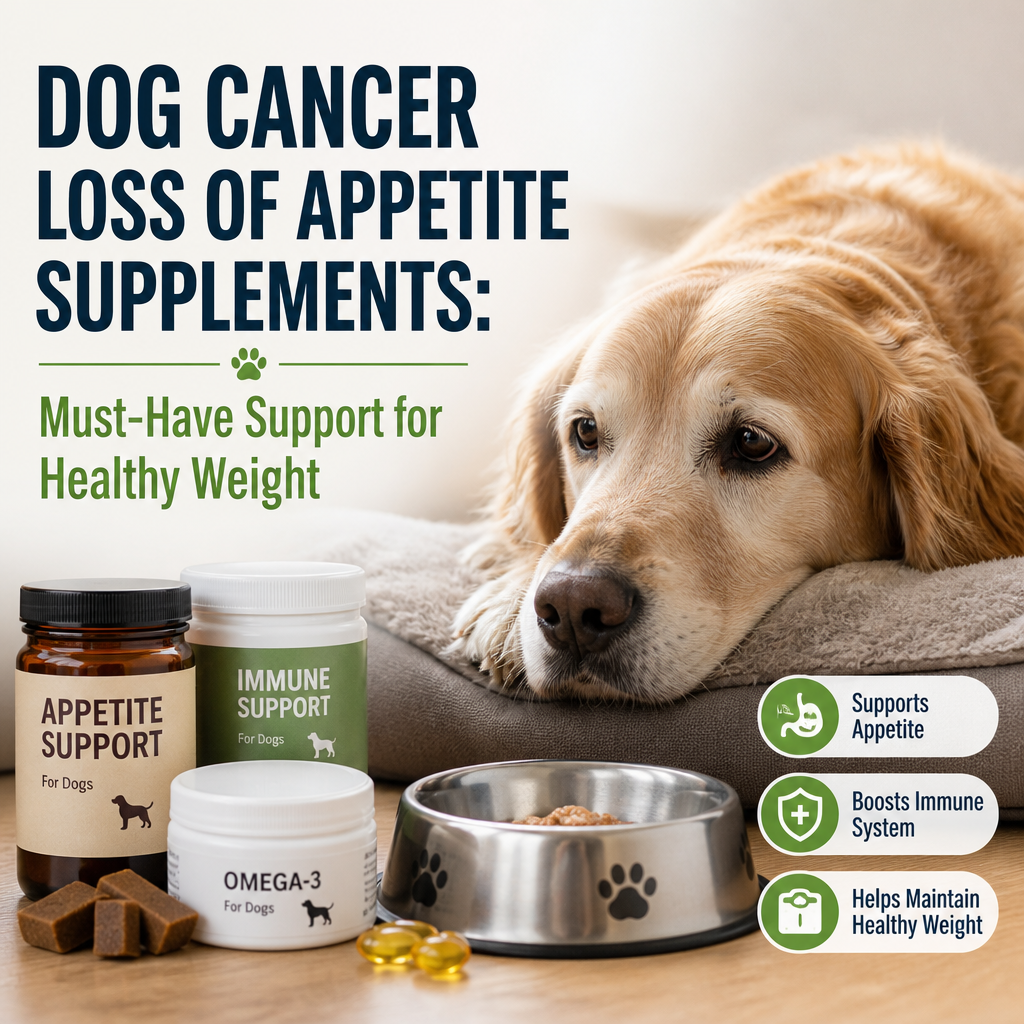
Dog Cancer Loss of Appetite Supplements can provide valuable nutritional support when illness, treatment side effects, or pain make eating difficult. Maintaining a healthy weight is important for strength, immune function, healing, and quality of life, but supplements should never replace veterinary care. A veterinarian can help identify the reason for appetite loss and create a safe feeding plan based on your dog’s diagnosis, treatment, medications, and overall condition.
When a dog is losing interest in food, the best approach is usually a combination of symptom control, diet adjustments, and carefully chosen Dog Cancer Loss of Appetite Supplements. The right products may make meals easier to accept, but they work best when they are matched to the dog’s medical needs and daily tolerance.
目錄
- Why appetite loss matters in dogs with cancer
- Dog Cancer Loss of Appetite Supplements to discuss with a veterinarian
- Dog cancer weight loss support through complete nutrition
- Managing nausea, pain, and treatment side effects
- When assisted feeding may be needed
- Creating a practical nutrition monitoring plan
Why appetite loss matters in dogs with cancer
Dogs with cancer may eat less for many reasons. Tumors can affect digestion, metabolism, or the ability to chew and swallow. Chemotherapy, radiation, surgery, and certain medications may cause nausea, mouth discomfort, altered taste, constipation, or fatigue. Anxiety and pain can also reduce interest in food.
A short period of reduced appetite may not cause serious harm, but ongoing food refusal can lead to muscle loss, dehydration, weakness, and slower recovery. Weight loss is especially concerning when a dog loses lean muscle rather than only body fat. Muscle supports mobility, immune activity, and the ability to tolerate medical treatment.
Monitoring your dog’s weight, appetite, water intake, stool, energy, and body condition can help your veterinarian respond early. Contact the veterinary team promptly if your dog refuses food for a prolonged period, vomits repeatedly, cannot keep water down, appears painful, or becomes unusually weak.
When dogs are struggling to eat, the right plan may include diet changes, symptom control, and carefully selected Dog Cancer Loss of Appetite Supplements. The goal is to make food easier to accept while supporting overall health.
It also helps to remember that cancer-related anorexia is often more complex than simple pickiness. A dog may want to eat but feel nauseated after just a few bites, or may be hungry yet too tired to finish a normal meal. That is why Dog Cancer Loss of Appetite Supplements are most useful when they are chosen as part of a bigger support strategy rather than as a single solution.
Early action matters. If a dog loses interest in food for more than a day or two, the problem can snowball quickly. Less food intake means less energy, less protein for muscle maintenance, and often less enthusiasm for movement and interaction. A timely nutrition plan can help break that cycle before it becomes harder to reverse.
Dog Cancer Loss of Appetite Supplements to discuss with a veterinarian
The best supplement depends on the underlying cancer, current diet, laboratory results, and treatment plan. Products marketed for appetite or weight gain are not automatically safe for every dog. Some contain concentrated herbs, stimulants, minerals, or high levels of fat that may interfere with medications or worsen digestive problems.
Omega-3脂肪酸
Veterinary-formulated omega-3 fatty acids, particularly EPA and DHA from fish oil, are commonly discussed as part of cancer nutrition for dogs. They may help support normal inflammatory balance and provide concentrated calories. However, dosing matters. Excessive amounts can contribute to diarrhea, pancreatitis risk, abnormal bleeding, or unwanted interactions with medications.
Use a product designed for pets and ask your veterinarian to recommend an appropriate dose based on your dog’s weight and health status. Avoid giving human supplements without checking the ingredient list, since some products contain additives that are unsafe for dogs.
High-calorie nutritional gels and liquid diets
Veterinary nutritional gels, calorie-dense pastes, and recovery diets may help dogs that are eating only small portions. These products are often formulated to provide energy, protein, vitamins, and minerals in a compact serving. They can be useful after surgery or during periods of treatment-related appetite loss.
High-calorie products should be introduced gradually and used according to professional guidance. A dog with pancreatitis, severe gastrointestinal disease, or certain liver conditions may need a lower-fat or specially formulated diet instead.
If you are comparing supportive products, a veterinarian may also suggest reading about 荷蘭針對腫瘤狗的 Ocoxin Pets 替代選項 as part of a broader supplement discussion.
益生菌和消化支持
Some dogs experience diarrhea, constipation, or digestive changes during cancer treatment. A veterinary probiotic may help support a balanced intestinal environment, although results vary and probiotics are not appropriate for every immunocompromised patient. Digestive enzymes should also be used only when recommended, because unnecessary supplementation can cause irritation or fail to address the actual problem.
Appetite-stimulating medications
Although not technically supplements, prescription appetite stimulants may be more reliable than over-the-counter products. Veterinarians may consider medications such as capromorelin or other options depending on the dog’s condition. These treatments require professional supervision, especially when nausea, pain, kidney disease, or liver disease is present.
Because appetite loss can have several causes at once, Dog Cancer Loss of Appetite Supplements work best when they are part of a vet-guided plan rather than a stand-alone fix.
Some families also ask whether a supplement should be changed as treatment changes. The answer is often yes. A product that works well after surgery may not be the best choice during chemotherapy, and a dog that tolerated one formula last month may now need a different texture, calorie level, or digestive support. Reassessing Dog Cancer Loss of Appetite Supplements regularly keeps the plan aligned with the dog’s current needs.
It is also wise to review the label carefully. Look for unnecessary fillers, added sweeteners, or ingredients that your dog has not tolerated well in the past. Simpler formulas are often easier to adjust, and that flexibility can be useful when the appetite fluctuates from week to week.
Dog cancer weight loss support through complete nutrition
Supplements work best when they complement a complete and balanced diet. Cancer nutrition for dogs should provide adequate calories, highly digestible protein, essential fatty acids, vitamins, minerals, and appropriate hydration. The ideal diet varies according to the type of cancer and any organ problems.
Some dogs do well with a veterinary therapeutic diet, while others benefit from a carefully formulated home-prepared plan created by a board-certified veterinary nutritionist. Homemade meals can be tempting when a dog refuses regular food, but improvised recipes often lack essential nutrients or contain inappropriate amounts of fat, calcium, or phosphorus.
To increase acceptance, offer small meals several times a day rather than one large portion. Warm food slightly to enhance its aroma, unless your veterinarian advises otherwise. Hand-feeding, using a quiet eating area, or offering different safe textures may also help. Avoid constantly changing foods, since abrupt dietary changes can cause gastrointestinal upset.
For owners seeking a practical next step, Dog Cancer Loss of Appetite Supplements should be matched to the feeding approach, whether that means a recovery diet, a calorie booster, or a targeted digestive aid. The right choice depends on what the dog can tolerate day to day.
In many cases, the feeding plan matters as much as the product itself. A dog that refuses one texture may still accept another, and a small change in warmth, moisture, or scent can make a noticeable difference. When used thoughtfully, Dog Cancer Loss of Appetite Supplements can support a more consistent daily routine and reduce the stress that often surrounds mealtime.
It can also be helpful to think in terms of “nutrition density” instead of just volume. When a dog cannot manage large meals, every bite needs to count. Dense nutrition, careful portioning, and consistent timing often make a bigger difference than trying to force more food at once.
Some owners find success by dividing the day into many small opportunities to eat. A dog may refuse breakfast but eagerly eat a late-morning snack or accept a spoonful after a rest period. That pattern is normal during illness, and it is one reason Dog Cancer Loss of Appetite Supplements are often most effective when used with flexible meal scheduling.
Managing nausea, pain, and treatment side effects
An appetite supplement cannot overcome untreated nausea or pain. Dogs that approach food and then turn away may feel sick, have oral discomfort, or associate eating with previous nausea. Veterinary treatment may include anti-nausea medication, pain control, dental or mouth care, hydration therapy, or management of constipation.
Tell the veterinary team about every supplement, treat, herbal product, and medication your dog receives. Certain ingredients may affect blood clotting, blood pressure, liver metabolism, or the effectiveness of chemotherapy. “Natural” does not always mean risk-free, particularly for dogs undergoing intensive treatment.
Before starting any product, ask whether it fits your dog’s cancer type, current medications, and digestive tolerance.
Reliable nutrition guidance from a veterinary professional can prevent wasteful trial-and-error and reduce the chance that Dog Cancer Loss of Appetite Supplements will conflict with treatment.
If nausea or pain is driving the appetite problem, supportive products alone are unlikely to solve it. In that situation, the most helpful step may be adjusting the medical plan first and then reassessing food intake once the dog feels more comfortable. This is often the safest way to use Dog Cancer Loss of Appetite Supplements effectively.
Some dogs also need help with side effects that do not seem directly related to appetite. Mild constipation, dry mouth, sore gums, or even travel stress can make eating less appealing. Addressing those smaller problems can improve the response to Dog Cancer Loss of Appetite Supplements and may reduce the need for more aggressive intervention later.
For dogs receiving ongoing therapy, timing can matter too. If a treatment day predictably causes nausea or fatigue, plan meals and supplements around the window when the dog feels best. A predictable routine can improve acceptance and help you notice whether a product is truly helping.
When assisted feeding may be needed
If appetite loss continues despite medical treatment, a veterinarian may discuss assisted feeding. In some cases, temporary feeding through a syringe or feeding tube can provide nutrition while the underlying problem is addressed. Force-feeding by mouth is not recommended without professional instruction because it can increase stress and create a risk of aspiration.
A feeding tube may sound intimidating, but it can be a practical and comfortable way to deliver food, water, and some medications. The veterinary team can explain care requirements and determine whether this approach suits the dog’s diagnosis and quality-of-life goals.
For some families, this stage is when supportive products become part of a wider plan that includes pain management, hydration, and carefully selected Dog Cancer Loss of Appetite Supplements. In other cases, the most helpful intervention is simply controlling the side effect that is keeping the dog from eating.
Assisted feeding is not a failure. It can be a temporary bridge that protects body condition while treatment continues or while a reversible cause of anorexia is addressed. Used with veterinary guidance, it may help preserve strength and reduce the risk that a short-term eating problem becomes a more serious nutritional crisis.
It is also important to set realistic expectations. Assisted feeding does not mean your dog will stop enjoying food forever, and it does not mean every oral supplement must be abandoned. In many cases, Dog Cancer Loss of Appetite Supplements are still used alongside assisted feeding when they fit the dog’s digestive tolerance and medical needs.
If your dog begins to eat more reliably again, the feeding plan can often be adjusted. The veterinary team may reduce tube use, lower calorie support, or simplify the routine as your dog’s comfort improves. That gradual transition is one more reason consistent monitoring is so important.
Creating a practical nutrition monitoring plan
Keep a daily record of meals offered, food consumed, water intake, vomiting, stool quality, medications, and energy levels. Weigh your dog regularly using the same scale and conditions whenever possible. At veterinary visits, ask about body condition score and muscle condition, not just body weight.
The goal of dog cancer weight loss support is not simply to add calories. It is to preserve muscle, maintain hydration, reduce discomfort, and support meaningful daily activity. Early intervention generally gives dogs more options and helps prevent a manageable appetite problem from becoming a serious nutritional crisis.
A practical monitoring plan should also note what your dog will willingly eat. Some owners find that a specific flavor, temperature, or texture is accepted for only a short time, so keeping simple notes can help identify patterns. That information can make it easier to choose the next round of Dog Cancer Loss of Appetite Supplements with less guesswork.
If you want a reputable reference for cancer and nutrition basics, the American College of Veterinary Internal Medicine provides helpful educational information at the ACVIM website.
With veterinary guidance, carefully selected Dog Cancer Loss of Appetite Supplements may be one part of a broader plan that includes appropriate food, symptom control, monitoring, and emotional support. A balanced strategy tailored to the individual dog offers the best chance of maintaining strength and comfort throughout treatment.
For dogs that need more specialized support, your veterinarian may also discuss options that fit the broader treatment plan, including diet adjustments, targeted digestive care, and long-term weight maintenance strategies. Used this way, Dog Cancer Loss of Appetite Supplements are not a quick fix but a practical tool within complete cancer care.
Many owners worry about whether they are “doing enough” when a dog eats poorly during cancer care. The most helpful mindset is to focus on small, trackable wins: a few extra bites, fewer nausea episodes, steadier weight, or better energy after meals. Those changes can show that the plan is working, even if progress is gradual.
Consistency is usually more valuable than dramatic changes. A simple routine that your dog can tolerate every day is often better than a complicated plan that only works for a few meals. When used appropriately, Dog Cancer Loss of Appetite Supplements can support that steady routine and make it easier to keep your dog nourished over time.