
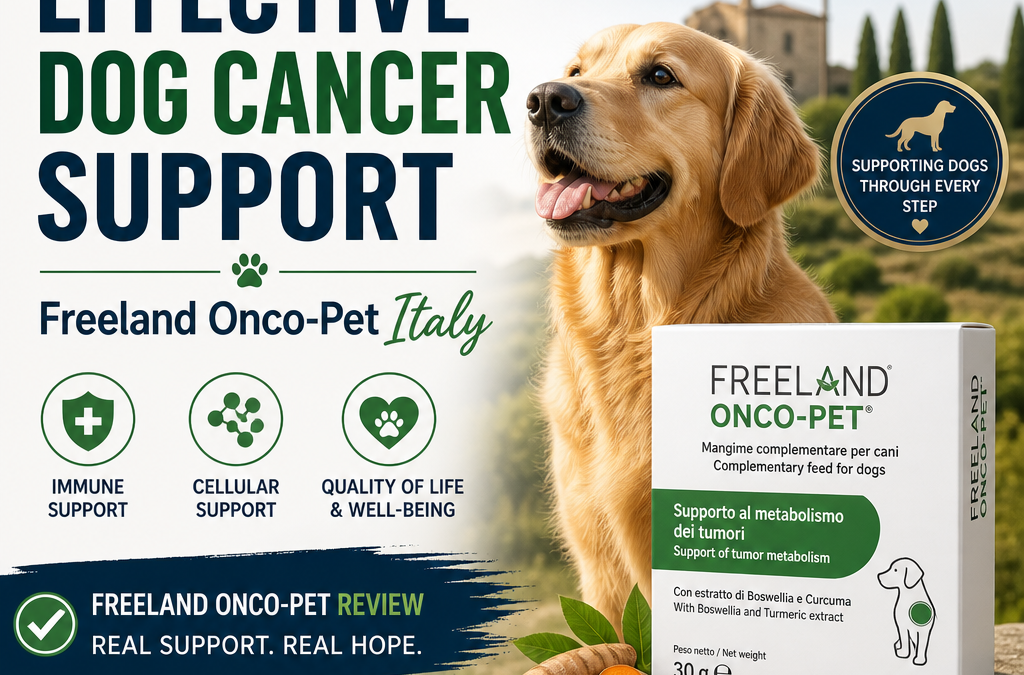
Freeland Onco-Pet is a veterinary supplement often discussed by dog owners looking for additional nutritional support during cancer care. A responsible evaluation should begin with an important distinction: products marketed for canine cancer support are not replacements for diagnosis, surgery, chemotherapy, radiation therapy, or other treatments prescribed by a veterinarian. Instead, they may be considered as part of a broader care plan focused on nutrition, comfort, immune health, and quality of life.
目錄
What Is Freeland Onco-Pet?
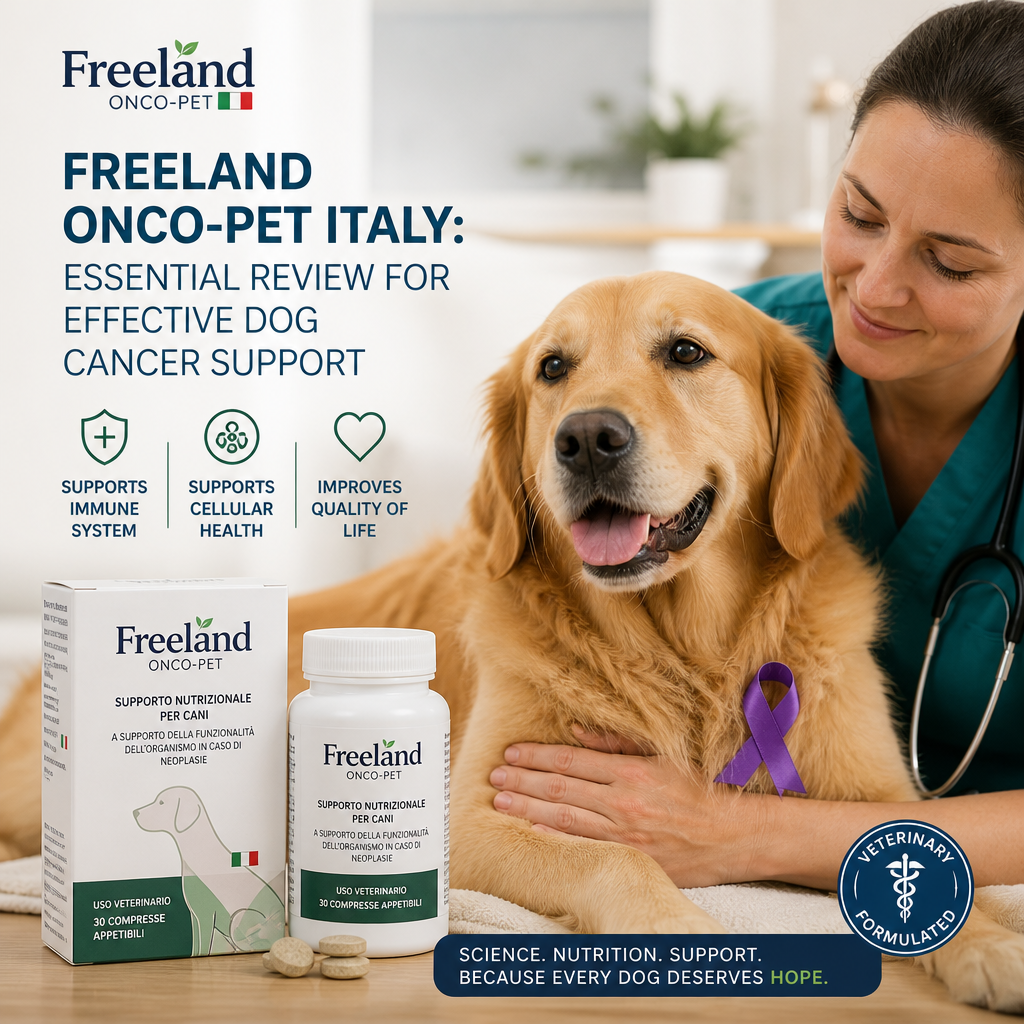
Freeland Onco-Pet is presented as a supportive product for dogs affected by serious illness, including cancer. Its purpose is generally associated with helping maintain the animal’s overall condition during periods of physical stress. Dogs undergoing cancer treatment may experience reduced appetite, weight loss, fatigue, digestive changes, or difficulty maintaining muscle mass. Nutritional support can therefore be relevant, particularly when a dog is eating less or has increased metabolic demands.
However, the exact role of any supplement depends on its ingredients, dosage, formulation, and the individual dog’s condition. Pet owners should carefully review the official product label and consult a veterinarian before use. A supplement that is suitable for one dog may be inappropriate for another, especially when the animal has liver disease, kidney disease, diabetes, gastrointestinal problems, or is taking multiple medications.
Freeland Onco-Pet review: What Should Owners Examine?
A useful Freeland Onco-Pet review should look beyond promotional claims. Several factors deserve attention before adding the product to a dog’s daily routine.
成分透明度
The label should clearly identify every active and inactive ingredient, along with the amount provided per serving. Vague descriptions make it difficult for veterinarians and owners to assess possible benefits, interactions, or risks. Ingredients should be evaluated according to the dog’s health status rather than assumed to be safe simply because they are described as natural.
Scientific support
Evidence for veterinary supplements varies considerably. Some individual nutrients have documented roles in canine nutrition, while claims about treating or slowing cancer may not be supported by strong clinical trials. Owners should distinguish between evidence showing that an ingredient supports general nutrition and evidence demonstrating a direct effect on a specific cancer.
生產標準
Quality control is especially important for products given to animals with weakened immune systems. Look for information about manufacturing practices, batch testing, storage instructions, expiration dates, and contact details for the responsible company. Products purchased through unofficial marketplaces may be counterfeit, improperly stored, or past their recommended shelf life.
實際管理
A supplement is only useful if a dog will accept it and tolerate it. Powder, liquid, capsule, and chewable formats each have advantages and disadvantages. The product should not cause persistent vomiting, diarrhea, loss of appetite, unusual sleepiness, or other concerning symptoms. Any adverse reaction warrants prompt veterinary advice.
For a broader background on evidence-based pet cancer care, see canine cancer care resources from our site.
Freeland Onco-Pet dog cancer support and veterinary care
Freeland Onco-Pet dog cancer support should be viewed as complementary rather than curative. Cancer in dogs includes many different diseases, and treatment depends on the tumor’s location, stage, grade, and biological behavior. A veterinary oncologist may recommend imaging, biopsy, surgery, chemotherapy, radiation, immunotherapy, pain management, or palliative care.
Supplements can also interfere with treatment. Certain nutrients and herbal compounds may affect blood clotting, liver enzymes, immune activity, or the way medications are metabolized. This is why the veterinary team should know about every supplement, treat, oil, and over-the-counter product the dog receives. Providing a photograph of the label or a complete ingredient list can make the discussion more productive.
Owners should also be cautious of statements promising to eliminate tumors, replace conventional treatment, or guarantee recovery. No responsible product should encourage delaying professional diagnosis. Early veterinary assessment often gives dogs more treatment options and helps identify pain, infection, obstruction, or other complications that may require immediate attention.
Potential benefits of supportive nutrition
Cancer and its treatment can place substantial demands on a dog’s body. Maintaining adequate calories, hydration, and protein may help preserve strength and support recovery. Depending on the diagnosis, a veterinarian may recommend a complete therapeutic diet, appetite support, feeding adjustments, or treatment for nausea and pain.
A supplement may be considered when it fits within this nutritional plan. The goal should be practical and measurable: helping the dog eat, maintain body weight, tolerate treatment, or remain comfortable. Owners can monitor appetite, water intake, body weight, stool quality, activity, and signs of pain. These observations provide useful information during veterinary appointments.
It is also important not to force-feed a dog without professional guidance. Force-feeding can create anxiety, increase the risk of aspiration, and make food aversion worse. A veterinarian can recommend safer strategies when appetite declines.
Freeland Onco-Pet Italy: Buying and checking the product
People searching for Freeland Onco-Pet Italy should verify the source before purchasing. Product availability, labeling, shipping conditions, and local regulatory requirements may differ by country. An authentic product should have clear packaging, a batch or lot number, an expiration date, storage instructions, and identifiable manufacturer or distributor information.
Avoid websites that use extreme promises, pressure buyers with unrealistic urgency, or provide no verifiable company details. It is also wise to compare the online listing with the manufacturer’s official information and ask a veterinarian or pharmacist about any unclear ingredients. Customs delays and unsuitable temperatures during shipping can affect some products, particularly liquids or items requiring controlled storage. For general reference on veterinary medicine and supplement regulation, the European Medicines Agency provides useful guidance at the European Medicines Agency veterinary overview.
Before giving the first dose, confirm the recommended amount for the dog’s weight and follow the label unless the veterinarian provides different instructions. Never assume that a human dosage is appropriate for a dog.
How to make a careful decision
The best decision involves balancing potential benefits with the dog’s diagnosis, current treatment, comfort, and overall quality of life. Discuss the product with the veterinarian, provide the full ingredient list, and establish what outcome would justify continuing it. If there is no noticeable benefit or if side effects occur, reassessment is appropriate.
Freeland Onco-Pet may be considered by some owners as one element of supportive canine cancer care, but its value depends on product quality, scientific evidence, correct use, and professional supervision. The most effective approach combines timely veterinary treatment, appropriate nutrition, pain control, emotional support, and regular monitoring. Above all, the dog’s comfort and welfare should remain the central measure of any cancer-support decision.
When used thoughtfully, Freeland Onco-Pet can be discussed as part of a wider care plan rather than a stand-alone solution. For owners in Italy, the safest path is to verify the product, consult a veterinarian familiar with oncology, and keep the dog’s needs at the center of every decision.