
Pet Wellbeing Life Gold is a herbal supplement designed to provide nutritional and botanical support for dogs facing serious health challenges, including cancer. For United Kingdom owners, choosing any complementary product requires careful consideration of ingredients, safety, veterinary guidance, and realistic expectations. It should never be viewed as a replacement for diagnosis or conventional treatment, but it may form part of a wider wellbeing plan created with a qualified veterinary professional.
目錄
- What is Pet Wellbeing Life Gold?
- Pet Wellbeing Life Gold dog cancer support: what owners should know
- Potential reasons owners consider the product
- Pet Wellbeing Life Gold review: assessing benefits and limitations
- Safety and possible interactions
- Buying Pet Wellbeing Life Gold in the United Kingdom
- How to make a sensible decision
What is Pet Wellbeing Life Gold?
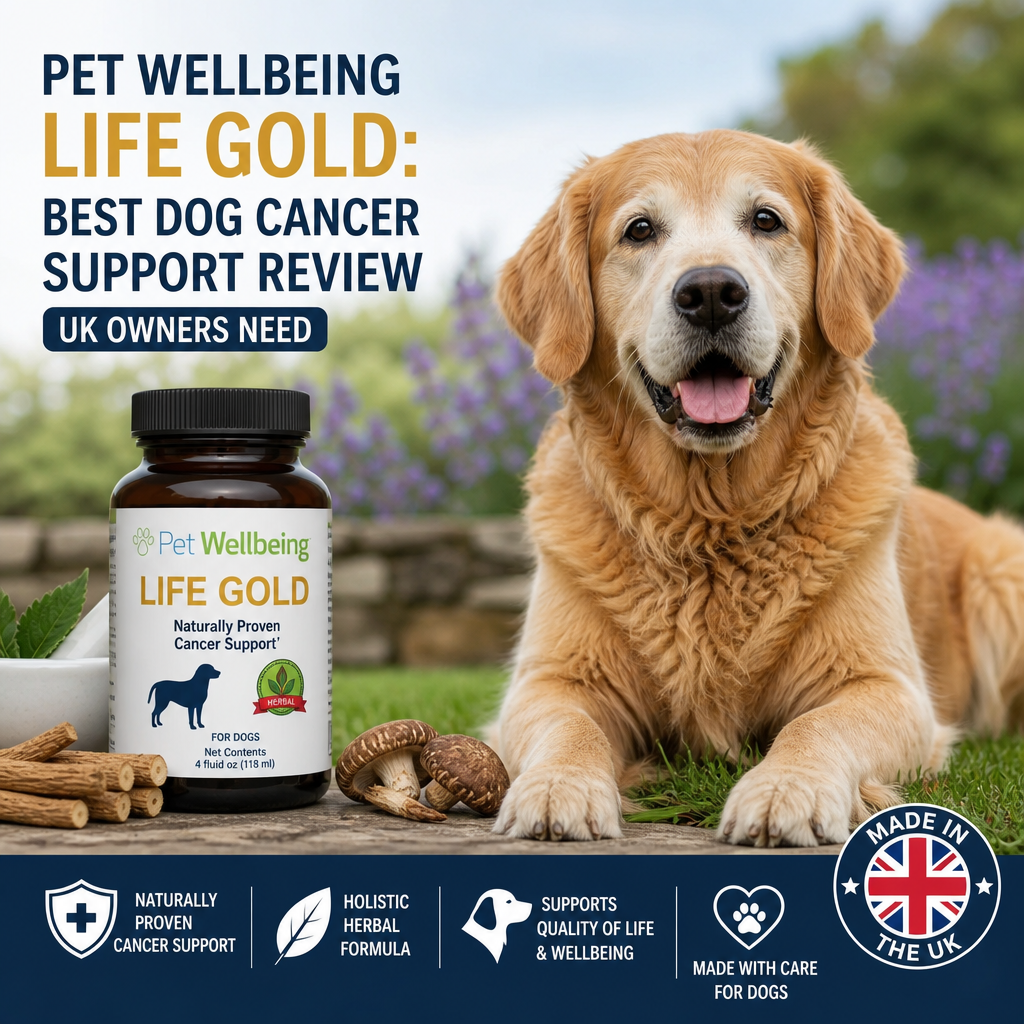
Pet Wellbeing Life Gold is marketed as a liquid herbal formula for dogs. Products in this category are generally intended to support the body during periods of illness, helping maintain appetite, energy, digestion, immune function, or overall resilience. Liquid supplements can be particularly practical because they may be mixed with food or administered according to the manufacturer’s instructions.
The formula is associated with traditional herbal ingredients selected for their potential supportive properties. However, “natural” does not automatically mean risk-free. Herbal substances can be biologically active, may affect the way medicines work, and can be unsuitable for dogs with certain conditions. This is especially important when a dog is receiving chemotherapy, steroids, pain relief, anti-inflammatory medicines, or other prescriptions.
If your dog is already under veterinary care, it is worth discussing supportive options alongside broader guidance from trusted resources such as the American Cancer Society’s overview of complementary and integrative medicine.
Pet Wellbeing Life Gold dog cancer support: what owners should know
Many owners searching for Pet Wellbeing Life Gold dog cancer support are looking for something that can improve comfort or quality of life. That is an understandable concern. Cancer can affect a dog’s appetite, weight, digestion, energy, mobility, and emotional wellbeing, while treatment may create additional side effects.
A supplement may be considered as supportive care, but it is not an established cure for cancer. There is no responsible basis for claiming that a herbal product can eliminate tumours, replace surgery, or guarantee a response to chemotherapy. The most valuable role of a complementary product is usually to support general wellbeing alongside a veterinary treatment plan.
Before introducing it, discuss the product with your vet. Provide the full ingredient list, dosage information, and details of every medication or supplement your dog is already receiving. A veterinary surgeon can assess whether the ingredients are appropriate for your dog’s diagnosis, age, breed, liver and kidney function, and current treatment.
When owners compare options, they often find it helpful to think in terms of cancer support rather than cure. That distinction matters, especially when making decisions for a dog with limited energy or ongoing treatment side effects. Pet Wellbeing Life Gold may have a role, but it should stay within a supervised care plan.
Potential reasons owners consider the product
Dog owners may consider a supplement such as Life Gold for several reasons:
- To support general nutritional wellbeing during illness
- To help maintain appetite and body condition
- To provide additional botanical support during veterinary treatment
- To encourage a consistent daily care routine
- To support quality of life when a dog is vulnerable or recovering
These goals are reasonable, but outcomes can vary widely. A dog’s response depends on the type and stage of cancer, existing health conditions, diet, medication, and individual tolerance. Owners should monitor the dog rather than assuming that a supplement will produce a specific result.
Keeping a simple daily record can help. Note appetite, water intake, energy, bowel movements, vomiting, discomfort, sleep, and interest in normal activities. This information gives your vet a clearer picture of whether the dog is stable, improving, or developing possible side effects.
Pet Wellbeing Life Gold may be easier to trial when you already have a routine for meals, medication, and symptom tracking. That makes it simpler to notice whether anything changes after the supplement is introduced.
Pet Wellbeing Life Gold review: assessing benefits and limitations
A balanced Pet Wellbeing Life Gold review should consider both its potential usefulness and its limitations. The product may appeal to owners because it is easy to administer and is positioned as a gentle, natural option. Some dogs may tolerate it well, particularly when it is introduced gradually and given with food where appropriate.
However, individual testimonials are not the same as controlled clinical evidence. A dog may appear better after starting a supplement because of changes in pain management, diet, hydration, treatment response, or natural fluctuations in symptoms. Conversely, a dog may deteriorate despite receiving a supplement because the underlying disease is progressing. This makes it difficult to attribute changes to one product without professional assessment.
Owners should also examine practical details, including product storage, expiry dates, batch information, serving guidance, and the reliability of the retailer. Avoid products with unclear labelling or unsupported claims. A trustworthy manufacturer should provide transparent ingredient information and clear instructions for use.
For families also weighing other canine cancers and risk discussions, it can help to read about broader background factors such as 犬類癌症病因:有益的、重要的遺傳因子與風險. Understanding the bigger picture often makes supplement decisions feel more grounded.
Pet Wellbeing Life Gold review discussions should also be measured against the dog’s real needs. A product that is convenient is not automatically the most useful choice if the main issue is pain, nausea, dehydration, or weight loss. In those cases, the most effective help may come from a vet-led adjustment to treatment rather than from a herbal formula.
Safety and possible interactions
Safety is the most important issue when adding a supplement to a cancer care plan. Herbal ingredients may influence blood clotting, blood pressure, digestion, liver enzymes, or immune activity. These effects could be relevant before surgery or alongside medicines.
Contact a vet promptly if your dog develops repeated vomiting, diarrhoea, severe lethargy, facial swelling, breathing difficulty, loss of appetite, unusual bleeding, or a sudden change in behaviour after taking the product. Stop and seek advice if you suspect an adverse reaction, unless your veterinary team has given different instructions.
Never use a human supplement as a substitute, and do not combine multiple herbal products without professional advice. Some ingredients that are safe for people can be harmful to dogs, while concentrated oils and poorly controlled products may pose additional risks.
These precautions matter even more for dogs with complex illnesses. If your pet has a tumour involving the spleen, for example, supportive care discussions may overlap with information on 血管肉瘤對脾臟癌和出血性腫瘤有益, because bleeding risk and medication choices can become especially important.
Buying Pet Wellbeing Life Gold in the United Kingdom
When looking for Pet Wellbeing Life Gold United Kingdom purchasing options, use an established retailer or the manufacturer’s authorised sales channel. Check whether the product is labelled for dogs, whether the packaging is sealed, and whether the seller provides a full ingredient list and usage instructions.
UK owners should also consider delivery conditions, returns policies, and whether the product has been stored correctly. Supplements are not regulated in exactly the same way as licensed veterinary medicines, so marketing language should be treated carefully. Claims suggesting that a product “cures” cancer or works for every dog are warning signs.
Your vet may also recommend alternatives with stronger nutritional evidence, such as a complete, energy-dense diet, appetite support, prescription medication, or a referral to a veterinary oncologist. These options can often be more important than adding a supplement.
Pet Wellbeing Life Gold may still be discussed as part of the larger support plan, but the purchase decision should always come after confirming that it fits your dog’s current treatment and condition.
How to make a sensible decision
The best approach is to treat Life Gold as a possible complementary product rather than a primary cancer treatment. Ask your vet three practical questions: Is it suitable for my dog’s condition? Could it interact with current medication? How will we measure whether it is helping?
Introduce only one new product at a time, follow the stated serving guidance, and avoid increasing the amount because improvement is not immediate. Continue all prescribed treatment unless your vet specifically advises otherwise. Most importantly, focus on the dog’s comfort, hydration, nutrition, pain control, and ability to enjoy daily life.
For some owners, the decision is also emotional: they want to feel they are doing something supportive without creating avoidable risk. That is understandable, and a calm vet conversation can make the choice much easier. Pet Wellbeing Life Gold can be considered, but only as one small part of a broader plan.
Overall, Pet Wellbeing Life Gold may interest UK owners seeking additional support for a dog with cancer, but expectations should remain realistic. Veterinary supervision, evidence-based treatment, and regular monitoring should always come first. A supplement can potentially complement good care, but it cannot replace the expertise and treatment plan provided by a veterinary team.