
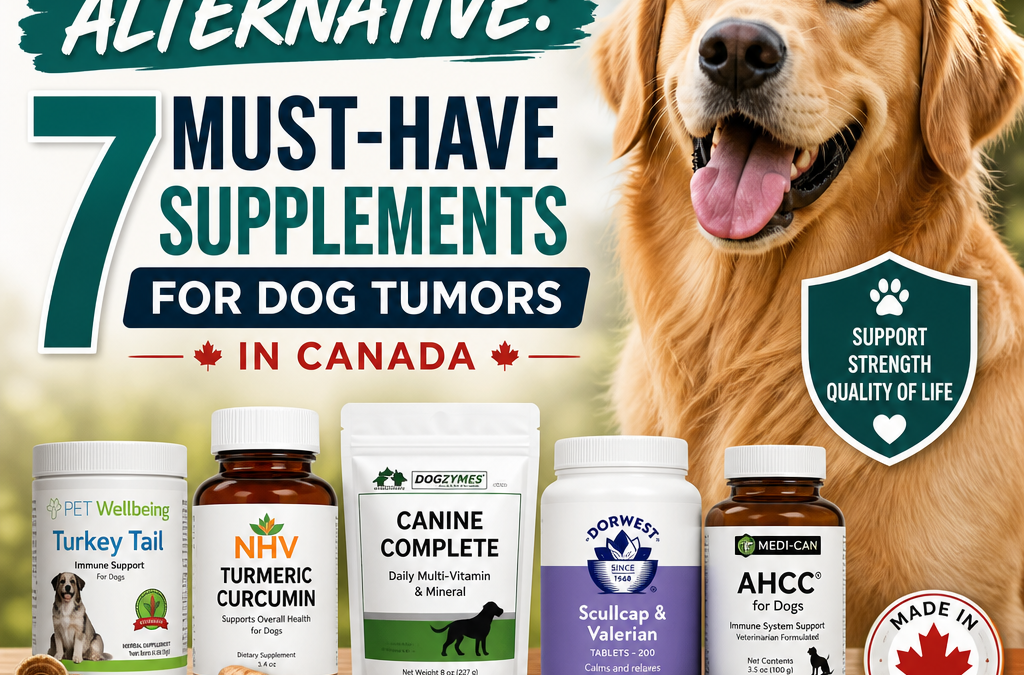
Ocoxin Pets Alternative products are increasingly being researched by Canadian dog owners looking for additional nutritional support during a veterinary cancer-care plan. When a dog is diagnosed with a tumor, supplements may help support appetite, digestion, immune function, or overall strength, but they are not replacements for diagnosis, surgery, chemotherapy, radiation, or other treatments recommended by a veterinarian. The safest approach is to choose evidence-informed products, check for Canadian availability, and review every ingredient with a veterinary professional.
Table of Contents
Why Consider Alternatives to Ocoxin Pets?
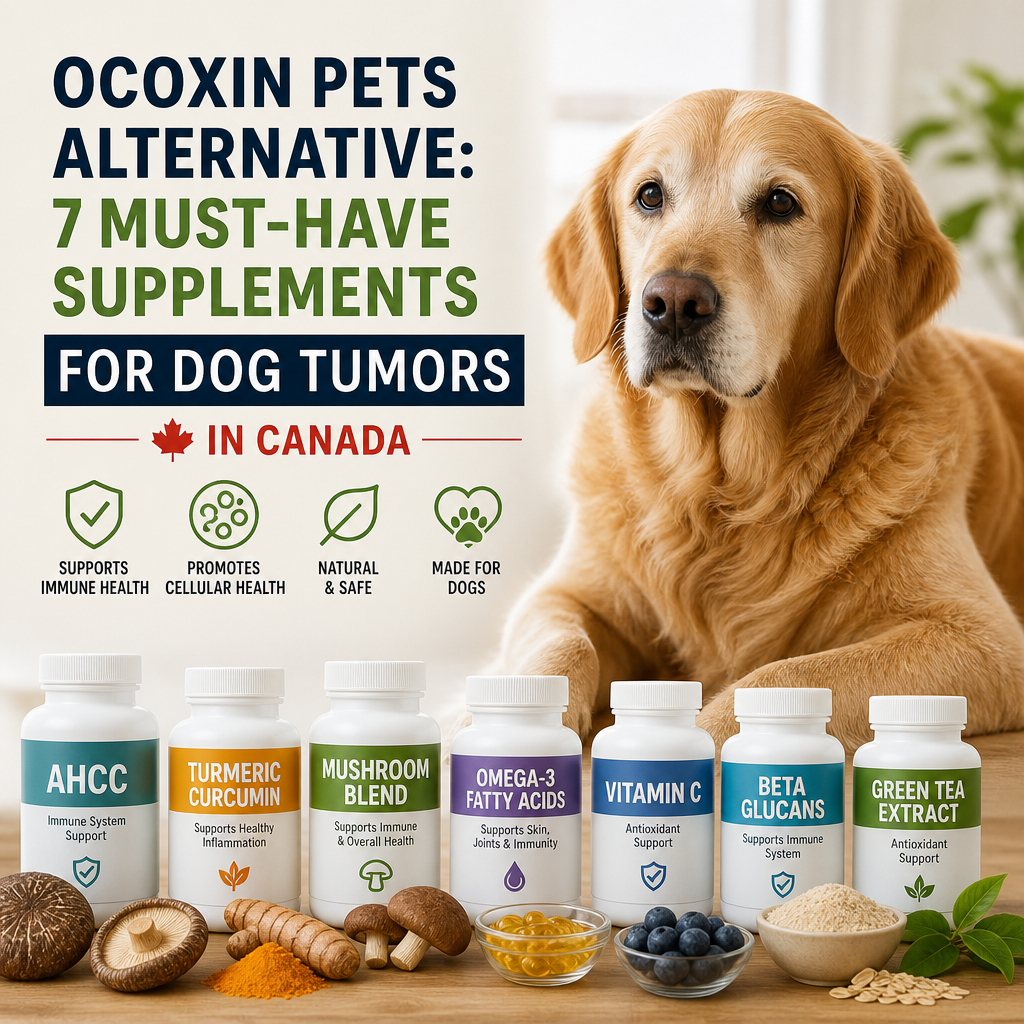
Ocoxin Pets is a nutritional product used in some supportive-care settings, but availability, cost, ingredient preferences, and individual tolerance can lead owners to explore alternatives to Ocoxin Pets. Dogs with tumors do not all have the same needs. One dog may struggle with appetite and weight loss, while another may experience inflammation, digestive upset, or reduced mobility.
A useful supplement plan should therefore be individualized. The goal is not to use as many products as possible, but to address specific nutritional gaps without interfering with treatment. Products should also be selected according to the dog’s age, breed, kidney and liver function, medications, and type of tumor.
For trusted veterinary background on cancer nutrition, the VCA Hospitals guide to cancer and nutrition in dogs is a helpful starting point.
Many owners compare several supportive options before settling on an Ocoxin Pets alternative because no two cancer cases look the same. A senior dog with lymphoma may need a very different plan than a younger dog recovering from tumor surgery. Even within the same diagnosis, appetite, comfort level, bloodwork, and medication use can change the best choice.
That is why an Ocoxin Pets alternative should be judged by function, safety, and fit rather than marketing claims. A product that helps one dog maintain weight may do little for another that needs digestive support. In practical terms, the best choice is usually the one that addresses the most urgent issue first.
It is also important to remember that supportive nutrition is only one part of cancer care. Dogs may need pain control, hydration support, prescribed diets, and regular rechecks. A thoughtful Ocoxin Pets alternative can be useful, but it should sit inside the larger treatment plan rather than outside it.
7 Must-Have Supplements for Dog Tumors in Canada
1. Veterinary-Formulated Canine Multivitamins
A high-quality canine multivitamin can help support general nutrition when illness, treatment side effects, or poor appetite makes it difficult for a dog to consume a balanced diet. These formulas may contain vitamins, minerals, antioxidants, and other nutrients in amounts designed for dogs.
However, more is not always better. Fat-soluble vitamins such as A, D, E, and K can accumulate in the body and become harmful when given excessively. A dog eating a complete commercial diet may not need a broad multivitamin at all. Before choosing one of the many dog tumor supplements Canada owners can purchase, ask a veterinarian to assess the dog’s current food and bloodwork.
A multivitamin is most helpful when the diet is incomplete, appetite is inconsistent, or a veterinarian believes added micronutrient support may be reasonable. It is less useful as a catch-all product for every dog with cancer. In many cases, an Ocoxin Pets alternative does not need to be flashy; it simply needs to fill a genuine nutritional gap.
If your dog is already eating a therapeutic diet, check whether that food already contains sufficient vitamins and minerals. Adding another product on top of a complete diet may offer little benefit and could complicate the plan. This is one reason veterinary review matters before starting any Ocoxin Pets alternative.
2. Omega-3 Fatty Acids From Fish Oil
Fish oil is one of the most commonly discussed supportive supplements for dogs with cancer. It provides EPA and DHA, two omega-3 fatty acids associated with healthy inflammatory responses, skin and coat health, and cardiovascular support. Omega-3s may also be useful for dogs experiencing weight loss or muscle loss, although they should be part of a broader nutrition strategy.
Choose a veterinary-quality product that clearly lists the amount of EPA and DHA rather than simply stating the total amount of fish oil. Products should be tested for contaminants and stored properly to prevent rancidity. Fish oil may cause diarrhea or interact with blood-clotting medications, so veterinary guidance is especially important before surgery or when a dog has a bleeding disorder.
When used correctly, fish oil can be a practical Ocoxin Pets alternative for dogs whose main issue is inflammation or reduced body condition. It is not a cure, and it should not be treated as one. Instead, think of it as one supportive tool that may help round out a cancer-care plan.
Dosage also matters. A product that is too concentrated or too weak may not be useful, and sudden high doses can upset the stomach. For best results, introduce omega-3s gradually and monitor stool quality, appetite, and any changes in comfort.
3. Medicinal Mushroom Extracts and Ocoxin Pets Alternative Options
Mushroom extracts, including products made from turkey tail, reishi, maitake, or shiitake, are often included in discussions about an Ocoxin Pets alternative. These ingredients contain compounds such as beta-glucans, which have attracted interest for their potential effects on immune signaling.
Research in veterinary oncology is still developing, and product quality varies considerably. Whole mushroom powders are not necessarily equivalent to standardized extracts, and supplements may differ in potency and purity. Dogs receiving chemotherapy, corticosteroids, immunosuppressive drugs, or other medications should not begin a mushroom product without veterinary approval. A veterinarian can help determine whether the supplement is appropriate and how it fits into the treatment schedule.
Some owners look for a mushroom-based Ocoxin Pets alternative because they want a natural option that may support resilience during treatment. That goal is understandable, but “natural” does not automatically mean safe or effective. The best products provide transparent sourcing, dosing, and quality testing.
In addition, mushroom extracts should be matched to the dog’s overall condition. A dog with a sensitive stomach may tolerate one formulation better than another. A dog on active treatment may need a pause or dose adjustment around certain appointments. This is why a mushroom-based Ocoxin Pets alternative should be chosen with veterinary oversight.
4. Probiotics and Digestive Support
Cancer and its treatment can affect digestion. Stress, antibiotics, chemotherapy, reduced activity, and changes in diet may contribute to diarrhea, constipation, gas, or reduced appetite. A canine probiotic may help maintain a healthier intestinal environment and support normal stool quality in some dogs.
Look for a product made specifically for dogs, with clearly identified strains and guaranteed colony counts through the expiry date. Some formulas also include prebiotic fibers that nourish beneficial gut bacteria. Introduce any digestive supplement gradually and stop if symptoms worsen. Persistent vomiting, bloody stool, severe diarrhea, dehydration, or refusal to eat requires prompt veterinary attention rather than home supplementation.
Digestive support can be especially useful when an Ocoxin Pets alternative is being considered for a dog that has lost appetite because of nausea or stool changes. If the gut is unsettled, even a helpful nutrient plan may fail. In those cases, a probiotic may be a better first step than a broader supplement blend.
Probiotics can also be useful during or after antibiotic use, though not every strain behaves the same way. Because products vary, one canine probiotic may be more suitable than another. Ask your veterinarian whether the goal is stool consistency, appetite support, or general digestive stability before selecting an Ocoxin Pets alternative in this category.
5. Digestive Enzymes and Nutritional Support
Some dogs with tumors lose weight because they eat less, digest food poorly, or have increased nutritional demands. Digestive enzymes may be useful in selected cases, particularly when a veterinarian identifies pancreatic or digestive insufficiency. Enzymes are not universally appropriate, however, and giving them without a clear reason can cause oral irritation or digestive discomfort.
High-calorie nutritional gels, recovery diets, and veterinary appetite-support products may be more practical than a general supplement for dogs that are underweight. The best option depends on the underlying cause of weight loss. A dog that is losing weight despite eating normally may need blood tests, imaging, or a nutrition consultation rather than simply more calories.
In this context, an Ocoxin Pets alternative may work best when it supports eating rather than replacing it. If the dog is struggling to consume enough food, a supplement alone will not solve the problem. The broader nutrition plan often matters more than any single ingredient.
Owners should also watch for subtle signs of poor digestion such as loud gut sounds, frequent licking, loose stool, or skipping meals. These symptoms can help the veterinary team decide whether enzymes, a recovery diet, or another Ocoxin Pets alternative is the right move.
6. Antioxidant Formulas
Antioxidants such as vitamin E, vitamin C, selenium, and plant-derived compounds are frequently marketed for cellular protection. Some may support normal immune and metabolic function, but antioxidant supplementation during cancer treatment requires careful supervision. Certain chemotherapy and radiation protocols depend partly on oxidative mechanisms, and it is not always clear whether high-dose antioxidants could influence treatment effects.
For this reason, avoid human antioxidant megadoses and products with undisclosed blends. A veterinary oncologist can advise whether a modest, balanced formula is reasonable and when it should be given. Timing may matter, particularly around chemotherapy or radiation appointments.
If a dog is already receiving a prescription diet or other supportive treatments, the role of antioxidants may be limited. That does not make them useless, but it does mean they should be used strategically. A sensible Ocoxin Pets alternative may include antioxidant support only when there is a clear reason and a veterinarian agrees.
Because antioxidant supplements can vary widely in concentration, it is wise to avoid stacking multiple products with overlapping ingredients. More capsules do not necessarily equal better care. In many cases, a simplified plan is the safer Ocoxin Pets alternative.
7. Joint and Mobility Supplements
Dogs with tumors may become less active because of pain, weakness, age, or treatment-related fatigue. Joint supplements containing glucosamine, chondroitin, green-lipped mussel, or undenatured type II collagen may support mobility in dogs with arthritis or other orthopedic problems.
Improved comfort can help a dog maintain gentle activity, sleep better, and participate in normal family routines. Nevertheless, mobility changes should never automatically be attributed to aging. Limping, reluctance to stand, swelling, or sudden weakness may signal bone involvement, a neurological problem, or another urgent condition. A veterinary examination should come before starting a joint product.
For some dogs, better mobility makes a major difference in quality of life. A dog that can rise more easily may eat better, move to water more willingly, and rest with less discomfort. In that case, a joint-focused Ocoxin Pets alternative may be useful even if the tumor itself is being addressed separately.
As with other supplements, quality matters. Look for products with clear ingredient lists and dosing instructions for dogs. If the supplement contains additional herbs or unfamiliar compounds, ask whether those additions are necessary. Simplicity often makes the safest Ocoxin Pets alternative.
How to Choose Dog Tumor Supplements in Canada
Canadian owners should verify that a product is manufactured by a reputable company, lists complete ingredients, provides dosing instructions for dogs, and includes clear contact information. Be cautious with products that promise to shrink tumors, cure cancer, or replace conventional treatment. Natural does not automatically mean safe, and imported supplements may have inconsistent labeling or quality controls.
Keep a written list of every supplement, medication, treat, and food additive your dog receives. Share it with the veterinary team before surgery, chemotherapy, radiation, or anesthesia. Watch for vomiting, diarrhea, itching, lethargy, appetite changes, unusual bruising, or other new symptoms after introducing a product.
It helps to ask three simple questions before buying any Ocoxin Pets alternative: Does my dog actually need this? Is the product safe with current medications? Is the company transparent about ingredients and testing? If the answer to any of these is unclear, pause and ask your veterinarian for advice.
For many dogs, the most important supportive steps are not exotic supplements but basic care done well. That means enough water, palatable meals, routine monitoring, pain management, and quick communication with the veterinary team when something changes. A carefully selected Ocoxin Pets alternative can fit into that plan, but it should not distract from the fundamentals.
When deciding among dog tumor supplements Canada pet owners can buy, try to avoid products with unnecessary blends. A shorter, clearer ingredient list is often easier to evaluate and safer to use. In the context of cancer care, clarity is usually more valuable than complexity.
Storage and sourcing matter too. Supplements should be kept away from heat, moisture, and direct sunlight. Expiry dates should be checked regularly, especially if the product is used only occasionally. A reliable Ocoxin Pets alternative should remain stable and easy to verify from purchase to finish.
It is also smart to track how your dog responds after starting a new product. Appetite, stool quality, energy, and comfort are useful markers. If a supplement does not seem to help after a reasonable trial, or if side effects appear, the plan should be revised rather than forcing the product to continue.
If a dog is already receiving prescription medications, the veterinary team should review possible interactions before any new supplement is added. This is especially important around surgery, chemotherapy, anesthesia, and bleeding risks. Even a seemingly simple Ocoxin Pets alternative can affect the broader care plan if it is introduced without guidance.
Used thoughtfully, supportive products can play a meaningful role in comfort care. They do not treat the tumor itself, but they may help the dog feel better day to day, maintain interest in food, and stay more comfortable during medical treatment. In that sense, a carefully selected Ocoxin Pets alternative can be one part of a compassionate, practical approach to cancer support.
For owners comparing options, the best decision often comes down to three questions: What does my dog need most right now? Is this product appropriate for my dog’s medical history? And does the veterinarian agree it fits the treatment plan? If the answer is yes, the chosen Ocoxin Pets alternative may have a place in supportive care.
In many cases, the best Ocoxin Pets alternative is not a single miracle product but a combination of simple, useful supports tailored to the dog’s current condition. That may mean fish oil for inflammation, probiotics for digestion, a veterinary-formulated multivitamin when intake is poor, or a joint supplement if mobility is limiting daily life. The right Ocoxin Pets alternative is the one that fits the individual dog, the cancer plan, and the veterinary team’s advice.
If you are comparing an Ocoxin Pets alternative with other supportive products, keep the focus on safety, evidence, and simplicity. A well-chosen Ocoxin Pets alternative should complement treatment, not compete with it. When used appropriately, an Ocoxin Pets alternative may help improve day-to-day comfort while your dog continues care for a tumor.
One final point is worth repeating: support products are most effective when they are chosen with a clear goal. A dog with poor appetite may benefit from nutrition-focused support, while another dog may need digestive relief first. Once the main problem is identified, the most useful Ocoxin Pets alternative becomes easier to choose and easier to monitor.
For dogs with cancer, good care is often a series of small decisions made well. That includes choosing the right diet, watching for side effects, and selecting supplements only when they truly add value. If you stay focused on your dog’s individual needs, an Ocoxin Pets alternative can be part of a thoughtful and humane care plan.