
Alternatives to Cross-border oncology + mushroom/immune products can help Serbian dog owners explore supportive care options closer to home, especially when specialist consultations, imported supplements, or international shipping are difficult to access. However, dog tumor supplements should be viewed as complementary support rather than a replacement for veterinary diagnosis and treatment. The right approach combines professional guidance, evidence-based oncology care, appropriate nutrition, and careful monitoring of the dog’s quality of life.
Table of Contents
Why dog tumor supplements require careful consideration
A tumor diagnosis can be overwhelming, and many owners naturally look for products that may support immunity, energy, appetite, or recovery. Supplements are often marketed with broad claims such as “boosts the immune system,” “shrinks tumors,” or “detoxifies the body.” These promises should be treated cautiously. A supplement that is appropriate for one dog may be unsuitable for another, particularly when the dog has liver disease, kidney problems, bleeding risks, or is receiving chemotherapy.
The most important first step is to understand the diagnosis. Tumors differ widely in their behavior and treatment requirements. A benign growth, lymphoma, mast cell tumor, osteosarcoma, and mammary tumor cannot be managed with the same plan. Cytology, biopsy, blood tests, imaging, and staging may all be recommended by a veterinarian or veterinary oncologist.
Supplements may sometimes support general wellbeing, but they do not replace surgery, chemotherapy, radiation, pain control, or other treatments recommended by a professional.
For owners comparing options, the phrase Alternatives to Cross-border oncology + mushroom/immune often points to one question: what can be used safely, consistently, and locally without compromising care? The answer depends on the dog’s medical status, not on marketing claims.
It is also helpful to remember that supportive care works best when the entire plan is realistic. The goal is not to chase every product that promises more energy or a stronger immune response. Instead, the goal is to choose a few sensible options, monitor the dog carefully, and adjust based on medical advice. That mindset is especially important when discussing Alternatives to Cross-border oncology + mushroom/immune with a veterinarian.
Alternatives to Cross-border oncology + mushroom/immune products
When imported oncology supplements are unavailable or expensive in Serbia, owners may consider several categories of alternatives. These options should be assessed according to ingredients, manufacturing quality, safety, and the dog’s individual medical history.
Veterinary-formulated nutritional support
Veterinary diets and recovery formulas can be useful for dogs with cancer-related weight loss, poor appetite, or increased nutritional needs. These products are designed to provide concentrated calories, digestible protein, vitamins, and minerals. Some oncology-focused diets emphasize controlled carbohydrate levels, increased omega-3 fatty acids, or high-quality protein.
Nutrition is especially important when a dog is losing muscle. Maintaining body condition can support strength, mobility, and tolerance of treatment. A veterinarian can help determine whether a prescription diet, calorie-dense food, or carefully prepared home diet is appropriate. In many cases, this is one of the most practical Alternatives to Cross-border oncology + mushroom/immune products because it is easier to source and monitor than imported blends.
Owners often underestimate how much dietary support matters during cancer care. A food that is easy to digest and appropriate for the dog’s stage of illness may do more for day-to-day comfort than several loosely connected supplements. When appetite drops, a veterinary team can also suggest safe feeding strategies, meal frequency changes, or temporary appetite support. These practical steps often belong at the center of Alternatives to Cross-border oncology + mushroom/immune planning.
Omega-3 fatty acids
Fish oil containing EPA and DHA is one of the more commonly discussed supportive supplements in canine health. Omega-3 fatty acids may help maintain skin health and may have anti-inflammatory effects. They are also used in some nutritional plans for dogs with chronic disease.
Quality and dosage matter. Products intended for humans may contain additional ingredients that are unsuitable for dogs, while rancid oil can cause digestive problems. Fish oil may also affect blood clotting, which is important before surgery or when a dog is taking certain medications. A veterinarian should confirm the dose and product suitability.
For readers searching for Alternatives to Cross-border oncology + mushroom/immune, omega-3 support is often a practical starting point because it can be easier to source locally and adjust to the dog’s size and condition.
In practice, the best fish oil product is not necessarily the one with the strongest marketing. It is the one with clear labeling, reliable manufacturing, and a dose that matches the dog’s size and current treatment plan. That is why owners should ask whether the oil has been tested for purity and freshness, especially if the dog will use it for more than a short period. This level of attention is consistent with responsible use of Alternatives to Cross-border oncology + mushroom/immune.
Medicinal mushrooms
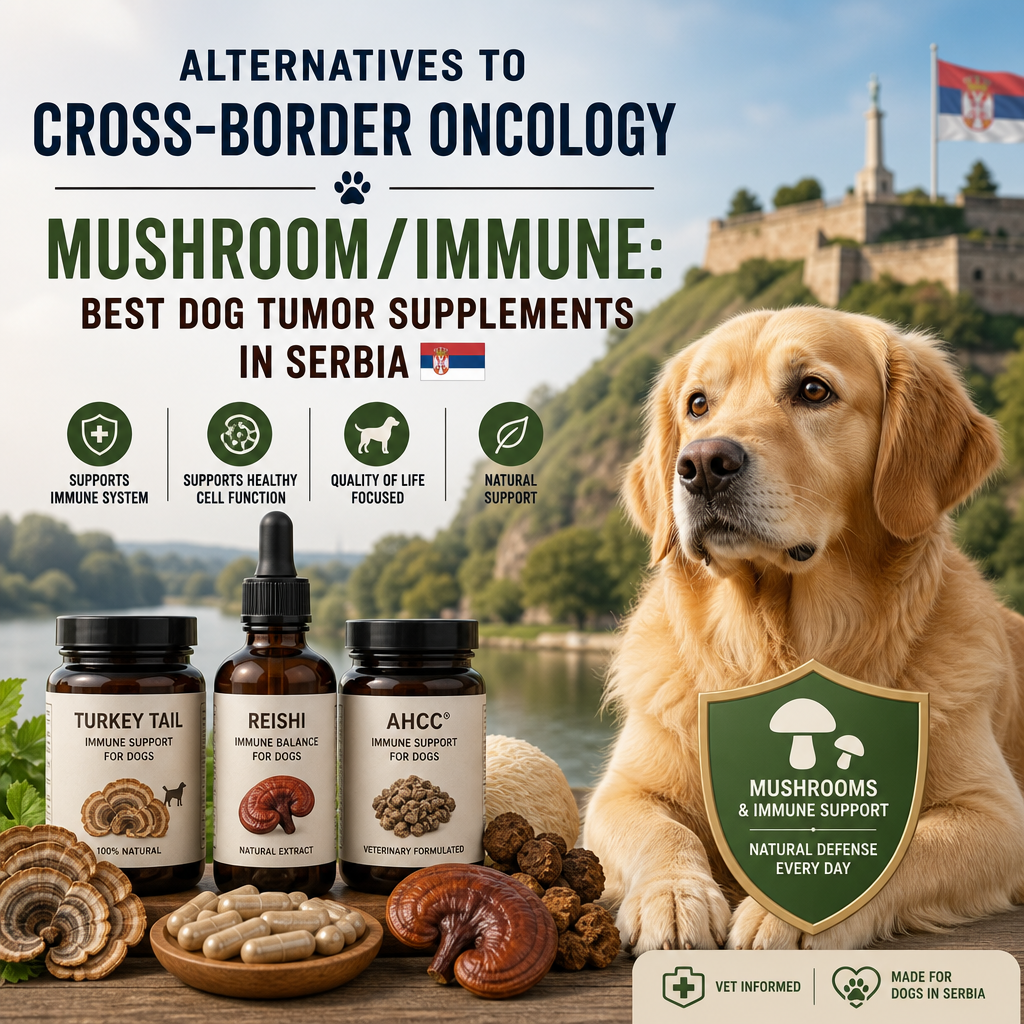
Mushroom-derived ingredients such as beta-glucans, extracts of turkey tail, reishi, shiitake, or maitake are often included in immune-support formulas. Research into mushroom compounds and cancer biology is ongoing, but evidence in dogs remains limited and product quality can vary considerably.
A Serbian owner comparing dog tumor supplement alternatives should examine whether the label identifies the mushroom species, extraction method, active compounds, batch testing, and recommended veterinary dosage. “Mushroom blend” is less informative than a transparent label showing standardized ingredients. Immune-stimulating products may not be suitable for every patient, particularly dogs with autoimmune disease or those receiving immunomodulating medication.
When evaluating Alternatives to Cross-border oncology + mushroom/immune formulas, it helps to favor products with clear sourcing and veterinary dosing instructions rather than broad immune claims.
For many owners, mushroom support is attractive because it sounds natural and gentle. Still, “natural” does not equal harmless, and immune-related supplements can be complicated in cancer care. A dog receiving chemotherapy, steroids, or other immune-modifying treatments may need a more cautious approach. That is why the safest Alternatives to Cross-border oncology + mushroom/immune are the ones chosen with the treating veterinarian’s input.
Antioxidant and vitamin formulas
Vitamins and antioxidants are sometimes used to support dogs with poor nutrition or increased physiological stress. Yet high doses can be harmful, and antioxidant supplementation during chemotherapy or radiation should be discussed with the treating veterinarian. Some treatments rely partly on oxidative mechanisms, so indiscriminate use of strong antioxidant products may not be appropriate.
A complete and balanced diet is usually preferable to adding multiple overlapping vitamin products. Bloodwork can help identify genuine deficiencies and prevent unnecessary supplementation.
For some families, Alternatives to Cross-border oncology + mushroom/immune may include only a targeted multivitamin or no extra supplement at all, especially when the diet is already meeting the dog’s needs.
It is also important to avoid stacking several products that repeat the same nutrients. Too much vitamin A, vitamin D, or selenium can create new health problems, and dogs with cancer may already be vulnerable because of weight loss, nausea, or organ stress. A careful review of labels can prevent accidental overuse and keeps Alternatives to Cross-border oncology + mushroom/immune focused on safety rather than quantity.
How to evaluate supplements available in Serbia
Availability is only one part of the decision. Whether purchasing through a Serbian veterinary clinic, pharmacy, pet shop, or online retailer, owners should check several details.
Look for a clear ingredient list, manufacturer information, lot number, expiration date, storage instructions, and dosing guidance for dogs. Products with vague proprietary blends make it difficult to assess the actual amount of each ingredient. Independent quality testing is also valuable, particularly for herbal products and imported supplements.
Avoid products that promise to cure cancer, replace oncology treatment, or work for every type of tumor. Be cautious with human supplements, essential oils, concentrated herbal mixtures, and products containing xylitol, alcohol, garlic, onion, or excessive vitamin D. “Natural” does not automatically mean safe.
It is also wise to introduce only one new product at a time. This makes it easier to identify side effects such as vomiting, diarrhea, itching, lethargy, or appetite changes.
For research-backed background on medicinal mushrooms and oncology science, see the National Cancer Institute’s overview of mushrooms and cancer. It is a useful reference point when comparing claims with evidence.
When Serbian owners compare local products, the best question is often simple: can this item be used safely, tracked easily, and explained clearly by a veterinary professional? If the answer is no, it may not belong in a treatment plan. That evaluation process is central to choosing among Alternatives to Cross-border oncology + mushroom/immune.
Working with a veterinarian or veterinary oncologist
A veterinarian should review every supplement alongside the dog’s diagnosis and medication list. This is particularly important when the dog is receiving chemotherapy, corticosteroids, anti-inflammatory drugs, anticoagulants, seizure medication, or anesthetic procedures.
Owners in Serbia may begin with a local veterinary clinic and request referral for imaging, pathology, surgery, or oncology consultation when necessary. Even if cross-border care is not practical, local professionals can often help coordinate testing, monitor blood counts, manage pain, and assess whether supportive products are appropriate. If you are comparing Alternatives to Cross-border oncology + mushroom/immune, this step helps prevent unsafe overlaps between supplements and treatment.
Keep a written record of every supplement, including the brand, dose, starting date, and observed effects. Follow-up blood tests may be needed to evaluate liver and kidney function or detect complications early.
A helpful internal resource on supportive care is this article about Dog Cancer Statistics Helpful Canine Oncology & Pet Health, which can provide broader context for canine cancer care and owner decision-making.
Good communication is especially valuable when symptoms change. If the dog becomes nauseated, weak, less interested in food, or uncomfortable, the veterinary team can determine whether the cause is the tumor, treatment side effects, or a supplement reaction. This is one of the clearest reasons not to treat Alternatives to Cross-border oncology + mushroom/immune as a do-it-yourself decision.
Supportive care beyond supplements
The best supportive plan extends beyond a capsule or powder. Dogs with tumors may benefit from pain management, dental care, gentle exercise, comfortable bedding, hydration support, and calm routines. Small, frequent meals can help dogs with reduced appetite. Warm, aromatic food may be more appealing, but sudden dietary changes should be avoided.
Quality-of-life monitoring is also essential. Track appetite, drinking, mobility, breathing, sleep, toileting, pain signs, and interest in family activities. A simple daily journal can help owners and veterinarians recognize meaningful changes rather than relying on memory.
Many owners looking into Alternatives to Cross-border oncology + mushroom/immune discover that the most useful support is a combination of diet, symptom control, and monitoring rather than a single “miracle” product.
Other practical forms of support may include easier access to water, non-slip flooring, rest breaks during walks, and a quiet sleeping area away from household stress. These small changes can improve comfort without introducing additional risk. In many cases, they are a better investment than buying several supplement bottles. They also help ensure that Alternatives to Cross-border oncology + mushroom/immune remain grounded in real-life benefits for the dog.
Depending on the dog’s condition, a veterinarian may also discuss anti-nausea medication, pain relief, appetite stimulants, or palliative care. These are not replacements for supplements; rather, they are often the foundation that makes supportive care possible. When the basics are addressed first, any supplemental plan is more likely to fit safely into the larger treatment picture.
Making a responsible choice
The most suitable dog tumor supplement alternatives in Serbia will depend on the tumor type, treatment plan, age, weight, organ function, and current symptoms. A transparent veterinary-formulated product with a limited number of well-understood ingredients is generally easier to evaluate than a complex formula making dramatic claims.
Supplements may contribute to nutrition and general comfort, but responsible use requires realistic expectations. The priority should remain accurate diagnosis, timely treatment, symptom control, and preservation of the dog’s quality of life. With careful veterinary supervision, locally available supportive products can sometimes complement cancer care without creating unnecessary risks.
In practice, Alternatives to Cross-border oncology + mushroom/immune work best when they are selected for safety, used consistently, and reviewed in the context of the dog’s whole treatment plan. That approach gives Serbian owners more flexibility without losing sight of medical priorities.
For many dogs, the safest and most effective option is not a large stack of supplements but a thoughtful plan built around nutrition, evidence-based care, and regular reassessment. When in doubt, consult the treating veterinarian before starting anything new.
If a family is comparing multiple local options, the final choice should be the one that fits the dog’s diagnosis, budget, and ability to tolerate treatment. A small number of well-chosen products is usually better than a long list of uncertain items. Used this way, Alternatives to Cross-border oncology + mushroom/immune can support comfort and stability without distracting from the real goal: helping the dog feel and function as well as possible.