
Imported oncology / supplement products can play a supportive role in the care of dogs with tumors, especially when locally available options are limited or expensive. However, choosing a product should never replace veterinary diagnosis or treatment. Dogs with cancer have different needs depending on the tumor type, disease stage, medications, appetite, organ function, and overall condition. For families searching for dog cancer supplements North Macedonia or reliable dog tumor support North Macedonia, careful comparison is essential before purchasing any imported product.
Supportive care works best when it is individualized. What helps one dog may be unnecessary or even risky for another, especially if the dog is already taking prescription medication or recovering from surgery. That is why imported oncology / supplement products deserve a careful review of ingredients, safety, manufacturing quality, and practical value before they are added to a treatment plan.
Table of Contents
- Understanding supportive care for dogs with tumors
- Comparing imported oncology / supplement products
- Dog cancer supplements North Macedonia: practical purchasing considerations
- Dog tumor support North Macedonia: building a complete care plan
- Questions to ask before choosing a product
- A balanced approach to imported supplements
Understanding supportive care for dogs with tumors
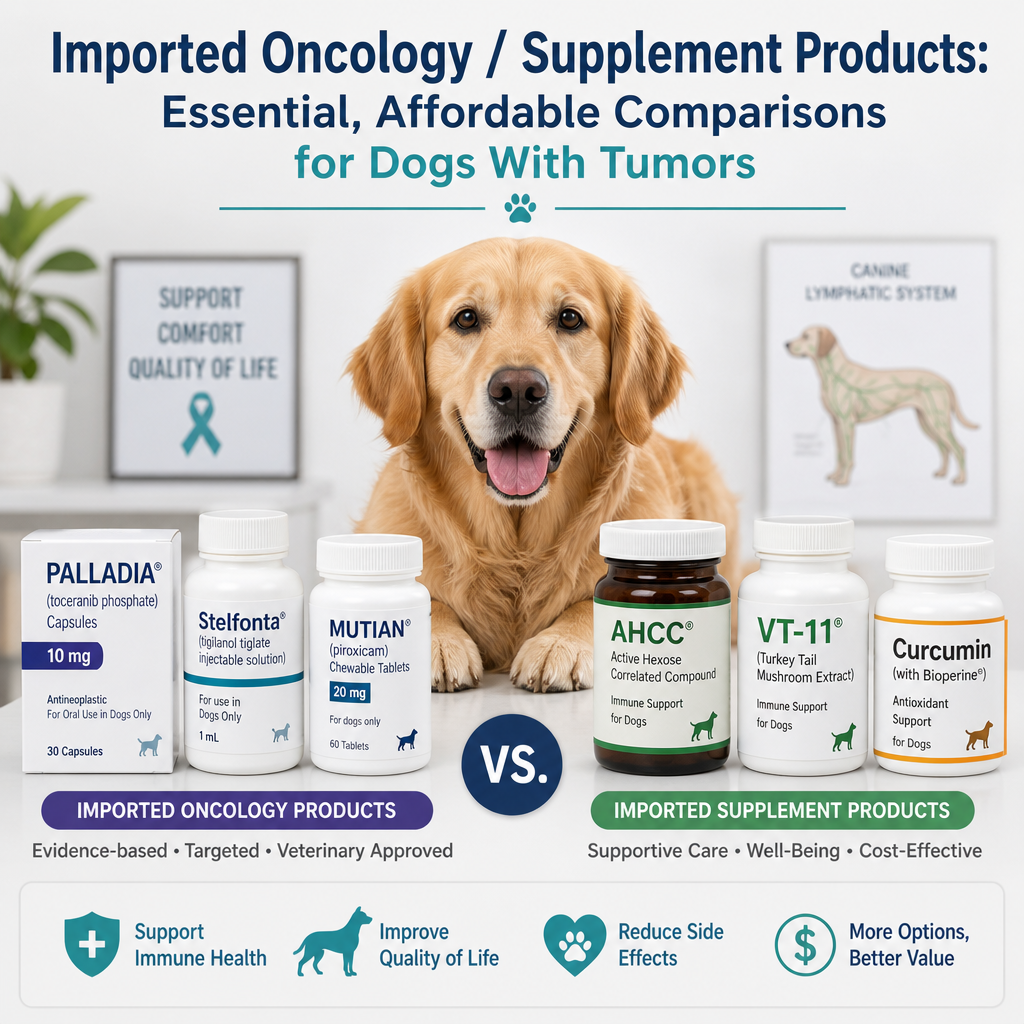
Cancer treatment in dogs may include surgery, chemotherapy, radiation therapy, targeted medication, pain management, nutritional support, or a combination of approaches. Supplements are generally used as complementary products rather than primary cancer treatments. Their potential purposes may include supporting appetite, maintaining body condition, helping manage inflammation, supporting normal digestive function, or providing nutrients during periods of increased stress.
Imported oncology / supplement products should be viewed as part of a broader care plan, not as replacements for proven medical treatment. A supplement cannot dissolve a tumor, guarantee remission, or replace evidence-based oncology care. Claims that promise a cure without surgery, chemotherapy, or veterinary supervision should be treated with caution. A trustworthy product description should clearly explain its ingredients, intended use, dosage guidance, manufacturer, batch information, and safety precautions.
In practice, the best supportive products are the ones that match the dog’s current needs. A pet with nausea may need something very different from a pet that is losing weight or recovering after surgery. Because cancer can change quickly, the right choice today may not be the right choice next month. That is why the discussion around imported oncology / supplement products should always stay focused on the individual dog, not on broad marketing promises.
It also helps to remember that supportive care is not only about the tumor itself. Stress, appetite changes, dehydration, discomfort, and medication side effects can all influence how a dog feels day to day. The right supplement may help with one of these concerns, but it should be selected with the full clinical picture in mind. If the dog’s condition changes, the plan should change too.
Comparing imported oncology / supplement products
Not all imported products are equivalent. Comparing them by brand name alone can be misleading, because similar products may contain very different concentrations, forms, and combinations of ingredients. Consider the following factors before buying.
Ingredient quality and purpose
First, identify the exact reason for using the supplement. A dog that is losing weight may need a calorie-dense nutritional product, while a dog experiencing digestive upset may require a veterinary probiotic or a carefully selected digestive formula. An animal receiving chemotherapy may have different requirements from a dog recovering from tumor surgery.
Read the full ingredient list rather than relying only on front-label claims. Look for clearly stated amounts, standardized extracts where appropriate, and ingredients that have a reasonable safety basis in dogs. Products containing multiple herbal extracts can be difficult to evaluate, particularly when the concentrations are not disclosed. When comparing imported oncology / supplement products, this level of transparency matters because a vague label makes it harder for a veterinarian to assess risk.
In some cases, the best choice is not a complex formula at all. A simpler product with a clear purpose, predictable dosing, and fewer unnecessary additives may be easier to use safely. That is especially true for dogs that are already taking multiple medications or have sensitive digestion.
Safety during cancer treatment
Some supplements may affect blood clotting, blood pressure, liver enzymes, kidney function, or the way medications are absorbed and metabolized. These effects may be important when a dog is receiving chemotherapy, anti-inflammatory medication, corticosteroids, antibiotics, anticoagulants, or anesthetic drugs.
For example, products marketed for immune support may contain herbs or concentrated plant compounds that are not appropriate before surgery or during certain cancer protocols. High doses of vitamins and minerals can also cause harm. “Natural” does not automatically mean safe, and a product that is well tolerated by humans may be unsuitable for dogs.
Always provide the veterinarian with the product label, ingredient list, dosage, and country of manufacture. When possible, discuss the product before starting it rather than after side effects occur. This is especially important when imported oncology / supplement products are being considered alongside prescription cancer medications.
If the dog is already weak, nauseated, or dehydrated, even a modest change in diet or supplement routine can have a noticeable effect. For that reason, safety should always come before convenience. The best import is not the most impressive-looking package, but the one that fits the dog’s medical reality.
Manufacturing standards
Imported products should come from reputable manufacturers that follow recognized quality-control procedures. Look for a sealed package, a clear expiration date, batch or lot number, manufacturer contact details, storage instructions, and tamper-evident packaging.
Quality assurance is particularly important for supplements because products may vary in purity and concentration. A reliable manufacturer should be able to provide information about testing for contaminants, heavy metals, microbes, pesticides, or undeclared pharmaceutical ingredients. For added background on supplement oversight and consumer safety, readers can review the U.S. Food & Drug Administration’s dietary supplement safety guidance. Avoid loose products, damaged packaging, unlabeled capsules, and products sold through sources that cannot explain their supply chain.
Quality concerns are not limited to the ingredient list. Storage and shipping matter too. Heat, moisture, and long transit times can reduce the stability of oils, probiotics, enzymes, and plant extracts. If a seller cannot explain how the product was handled before it reached the buyer, the apparent savings may not be worth the risk.
Dosage and formulation
A safe dosage depends on the dog’s weight, age, medical history, and other treatments. Human supplements may contain ingredients or concentrations that are inappropriate for dogs. Some tablets also contain xylitol, excessive vitamin D, caffeine, garlic, onions, or other substances that can be dangerous.
Liquid products may be easier to administer to dogs with poor appetite, but they may also contain alcohol, sweeteners, or preservatives that require review. Powdered supplements can be mixed with food, although this may be difficult if the dog is nauseated or refusing meals. The most practical product is one the dog can tolerate consistently without causing additional stress. In many cases, the most effective imported oncology / supplement products are not the most heavily marketed ones, but the ones that fit the dog’s routine and treatment plan.
When a product needs to be given every day, simplicity matters. Owners often do better with options that can be measured easily, stored safely, and repeated without confusion. A well-designed product can support consistency, which is especially useful during long cancer care plans.
Comparing value beyond the shelf price
The sticker price alone rarely tells the full story. A product that seems cheaper may require a larger serving, contain a lower concentration of active ingredients, or need to be replaced sooner. A more expensive product may actually cost less per day if it provides a higher usable dose or better tolerability.
When comparing imported oncology / supplement products, calculate the daily cost, not just the package cost. Also consider whether the product reduces the need for additional supportive items or repeated purchases. This makes it easier to identify genuine value instead of being distracted by packaging or promotional claims.
Dog cancer supplements North Macedonia: practical purchasing considerations
When searching for dog cancer supplements North Macedonia, buyers should evaluate both the product and the seller. Imported products may be available through veterinary clinics, specialized pet pharmacies, distributors, or online retailers. A veterinary source may provide better guidance about storage, authenticity, and compatibility with treatment.
Check whether the product has been transported and stored properly. Heat, humidity, and prolonged exposure to sunlight can damage certain oils, probiotics, and plant-based ingredients. Confirm whether import documentation, labeling, and instructions are available in a language the owner can understand. Prices should also be compared carefully, including delivery charges, customs fees, and the amount of active ingredient per serving.
A cheaper product is not always more affordable if it requires a larger dose, has weak quality controls, or causes digestive problems. Compare the cost per day or per treatment period, not just the price of the package. This approach makes it easier to identify products that offer genuine value. When owners compare imported oncology / supplement products in this way, they are more likely to find options that are both practical and safe.
It can also help to check whether the seller provides clear return policies and customer support. If a product arrives damaged, expired, or without proper documentation, the buyer should be able to resolve the issue quickly. Good service does not guarantee medical quality, but poor service often signals a weak supply chain.
Owners who are looking for dog cancer supplements North Macedonia should also ask whether the seller can explain the product’s source and whether there is a straightforward way to verify the lot number. These small details may not sound exciting, but they are often the difference between a dependable purchase and a disappointing one.
Signs a seller is worth trusting
- Clear ingredient labels and dosage instructions
- Transparent contact information and business details
- Evidence of proper storage and shipping conditions
- Batch or lot identification on the package
- Reasonable responses to questions about safety and use
Signs extra caution is needed
- Overly aggressive cure claims
- Unclear sourcing or missing documentation
- Pressure to buy quickly without review
- Unrealistic testimonials instead of product details
- No explanation of how the supplement fits a canine plan
Dog tumor support North Macedonia: building a complete care plan
Dog tumor support North Macedonia should involve more than selecting a supplement. A complete plan may include regular veterinary examinations, appropriate diagnostic testing, pain control, nutritional monitoring, hydration support, dental care, and attention to the dog’s emotional comfort.
Nutrition is especially important. Many dogs with cancer experience reduced appetite, nausea, altered taste, or increased energy needs. A veterinarian may recommend a complete therapeutic diet, appetite support, smaller frequent meals, or a temporary nutritional strategy. Supplements should not unbalance the main diet or replace essential protein, calories, and hydration.
Supportive care also means watching for subtle changes before they become major problems. Owners should monitor appetite, weight, vomiting, diarrhea, drinking, urination, breathing, mobility, and signs of pain. Keeping a simple daily record can help the veterinarian identify changes early. A sudden loss of appetite, persistent vomiting, severe weakness, difficulty breathing, uncontrolled pain, or collapse requires prompt veterinary attention.
When imported oncology / supplement products are part of the plan, it helps to introduce only one new item at a time whenever possible. That makes it easier to tell whether a product is helping, doing nothing, or causing side effects. If several changes are made at once, the source of a reaction can be hard to identify.
It is also helpful to review the plan at regular intervals rather than assuming the first choice will remain useful forever. Cancer care can shift as treatment progresses, and a supplement that made sense during recovery may not be the right option during chemotherapy or during a decline in appetite. A flexible plan is usually safer than a rigid one.
Supportive goals that are reasonable
- Maintaining appetite and body weight
- Supporting digestive comfort during treatment
- Helping preserve energy and daily activity
- Improving ease of feeding for picky eaters
- Complementing, not replacing, veterinary oncology care
Supportive claims that should be treated cautiously
- Promises of cure without treatment
- Claims that a product works for all tumors
- Claims that a supplement is safe in every stage of cancer
- Marketing that hides ingredient amounts or testing details
- Claims based only on testimonials rather than evidence
How a veterinarian may help with product choice
A veterinarian can review whether a product conflicts with current medication, whether the proposed dose is sensible, and whether there is any reason to avoid a certain ingredient. That kind of review is especially valuable when the owner is comparing imported oncology / supplement products from different countries or different sellers.
Veterinary guidance can also help avoid duplicate ingredients. Some dogs end up receiving the same vitamin, mineral, or botanical compound from more than one source, which can make it harder to judge dose and safety. A single organized plan is usually easier to manage than several overlapping products.
Questions to ask before choosing a product
Before purchasing an imported supplement, ask:
- What specific goal does this product serve?
- Is there evidence supporting its use in dogs?
- Could it interact with the dog’s cancer treatment?
- Are the active ingredients and amounts clearly listed?
- Has the product been tested for contaminants?
- Is the dosage based on canine use?
- Does the manufacturer provide batch and expiration information?
- Can the veterinarian review the label?
- What side effects should be monitored?
- How long should the product be used before its benefit is assessed?
These questions help separate responsible supportive care from products based mainly on exaggerated marketing. They are useful whether the owner is comparing dog cancer supplements North Macedonia or reviewing a new imported option from another country.
Another useful question is whether the product has a clearly defined role in the dog’s routine. If the answer is vague, the product may not be necessary. The strongest choices usually solve a specific problem rather than trying to do everything at once.
A balanced approach to imported supplements
Imported oncology and supplement products may be useful when selected carefully and used alongside professional veterinary care. Their value is greatest when they address a specific, documented need and fit safely into the dog’s broader treatment plan. Owners should prioritize transparent labeling, dependable manufacturing, realistic claims, appropriate dosing, and communication with the veterinarian.
For families comparing dog cancer supplements North Macedonia or looking for dog tumor support North Macedonia, the most effective strategy is not to search for a single miracle product. Instead, focus on individualized care, reliable information, consistent monitoring, and products that provide practical nutritional or supportive benefits without interfering with proven cancer treatment.
In other words, imported oncology / supplement products are best treated as tools, not solutions. Used wisely, they can support comfort and stability. Used carelessly, they can add cost, confusion, or risk. A cautious, evidence-based approach gives dogs with tumors the best chance for safer, more comfortable support.
For readers who want a broader look at canine cancer patterns and risk awareness, this guide can also be helpful: Dog Cancer Statistics: Essential Helpful Insights. Understanding how common cancers behave can make it easier to ask the right questions when comparing supportive products.
Ultimately, the best result comes from combining practical purchasing decisions with veterinary oversight. When imported oncology / supplement products are selected carefully, they may support feeding, comfort, and daily stability. That balanced approach is often the most realistic way to help a dog live as comfortably as possible while receiving tumor care.