
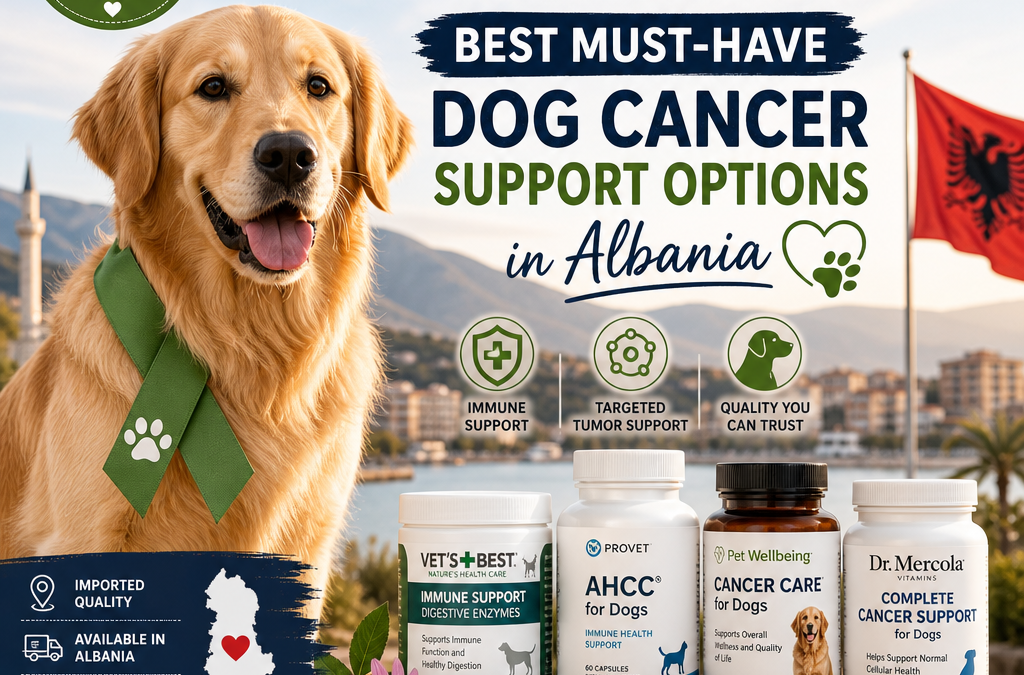
Imported Supplements can give dogs with cancer additional nutritional and supportive care, especially when carefully selected with veterinary guidance. For families searching for dog cancer supplements Albania or reliable dog tumor support Albania, the most important considerations are safety, product quality, medical compatibility, and realistic expectations. Supplements may help support appetite, digestion, mobility, immune function, or general well-being, but they should complement—not replace—diagnosis and treatment from a qualified veterinarian.
For readers comparing imported supplements, the goal is not to find a miracle product. It is to choose an option that fits the dog’s diagnosis, current treatment, and daily needs. That is why imported supplements should be reviewed with the same care as prescription products, especially when a dog is already taking medication or recovering from surgery.
- Understanding the Role of Imported Supplements
- Dog Cancer Supplements Albania: What to Look For
- Omega-3 Fatty Acids for Nutritional Support
- Medicinal Mushrooms and Herbal Ingredients
- Digestive and Appetite Support
- Dog Tumor Support Albania: Building a Safe Care Plan
- Buying Imported Products Safely in Albania
Understanding the Role of Imported Supplements
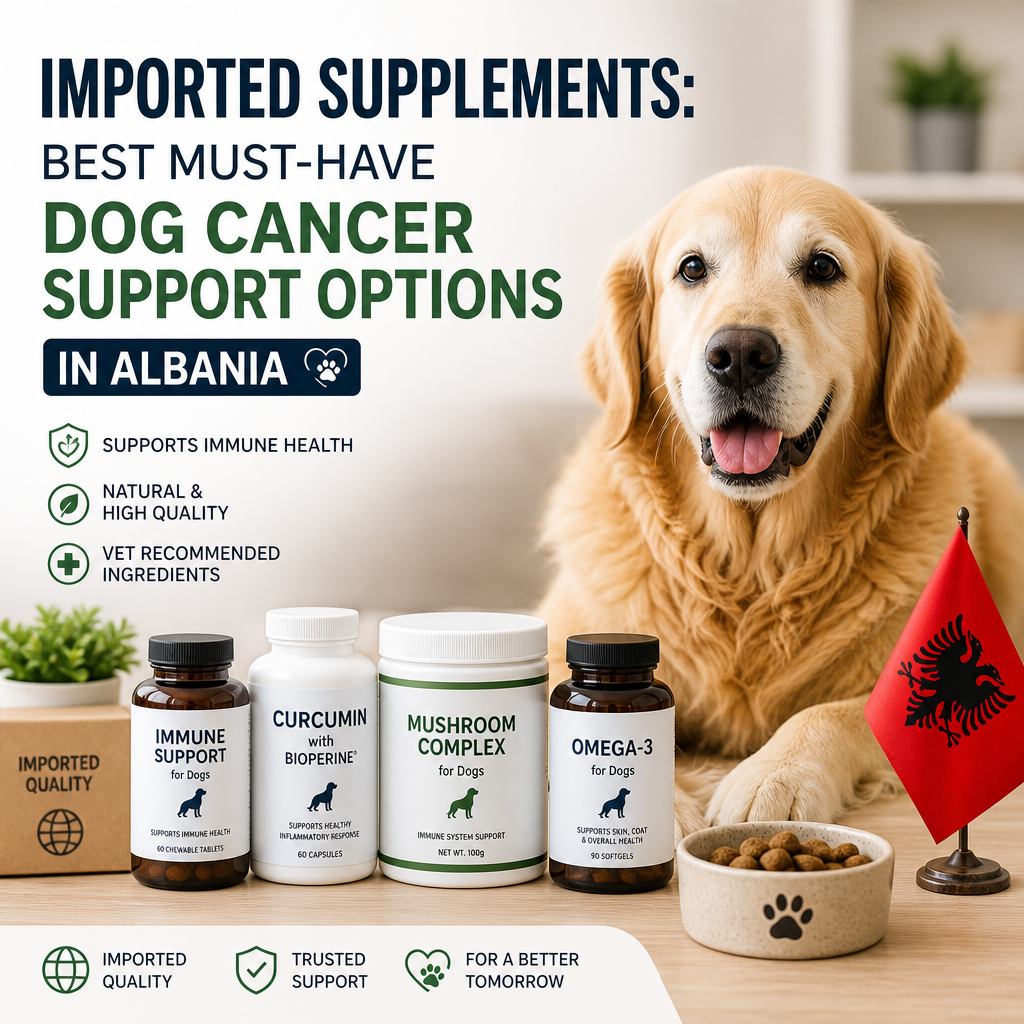
Cancer affects every dog differently. The type of tumor, its location, stage, treatment plan, age, weight, and overall health all influence which supportive products may be appropriate. Imported supplements are often considered because they can provide access to specialized formulas that may not be widely available locally. These products may include omega-3 fatty acids, medicinal mushrooms, antioxidant blends, digestive enzymes, probiotics, vitamins, and nutritional support powders.
However, “natural” does not automatically mean safe. Some ingredients can interfere with chemotherapy, surgery, anesthesia, radiation treatment, blood clotting, or prescription medicines. A supplement should therefore be evaluated as carefully as any medication.
For owners in Albania, imported products should ideally come from established manufacturers with transparent ingredient lists, batch information, expiration dates, and clear dosage instructions. Products purchased from unknown online sellers may be counterfeit, improperly stored, or intended for humans rather than animals.
When a veterinarian recommends supportive care, Imported supplements may help bridge nutritional gaps while the treatment plan focuses on the underlying disease. That is especially useful when appetite is poor, weight is dropping, or a dog needs help tolerating a longer course of care. Still, the best results usually come from pairing Imported supplements with proper monitoring and realistic expectations.
Dog Cancer Supplements Albania: What to Look For
When comparing dog cancer supplements Albania, focus on evidence, quality control, and suitability for the individual dog rather than attractive marketing claims. A trustworthy product should identify:
- The complete list of active and inactive ingredients
- The amount of each active ingredient per serving
- Recommended use by body weight
- Manufacturing and expiration dates
- Storage instructions
- Manufacturer contact information
- Quality testing or certification where available
It is also useful to choose products designed specifically for dogs. Human supplements may contain ingredients that are unsafe for pets, including xylitol, excessive vitamin D, concentrated herbs, or inappropriate mineral levels. Even when a human product contains a beneficial ingredient, the dosage may be unsuitable for a dog.
Veterinary approval is particularly important if the dog is receiving chemotherapy, corticosteroids, pain medication, antibiotics, anti-inflammatory drugs, or anticoagulants. The veterinarian may recommend stopping certain supplements before surgery or adjusting the timing of administration.
A practical way to compare Imported supplements is to check whether the brand provides a full label, third-party testing, and a clear explanation of how each ingredient is intended to help. A product that looks simple on the surface may still be the better choice if it is transparent and backed by consistent quality standards.
If you want a broader overview of careful product comparison in another market, see Ocoxin Pets Alternative: 7 Best Affordable Dog Tumor Supplements in the UK for a practical example of how owners evaluate supportive options.
Omega-3 Fatty Acids for Nutritional Support
Omega-3 fatty acids, especially EPA and DHA from purified fish oil, are among the most commonly discussed supplements for dogs with cancer. They may help support normal inflammatory balance, skin health, coat condition, and general nutrition. Some veterinary nutrition plans also use omega-3 fatty acids to support dogs experiencing weight loss or reduced appetite.
Choose a purified product that clearly states the amount of EPA and DHA rather than listing only the total amount of fish oil. Products should be tested for contaminants such as heavy metals and stored correctly to prevent rancidity. Fish oil can cause gastrointestinal upset in some dogs, and high doses may affect blood clotting or contribute extra calories. Veterinary guidance is essential, particularly before an operation.
When owners discuss Imported supplements with their veterinarian, omega-3 products are often among the first items reviewed because they are common, widely studied in general nutrition, and easy to measure. Even so, the dose and timing must still fit the dog’s condition and current medicines.
Medicinal Mushrooms and Herbal Ingredients
Mushroom-based formulas containing ingredients such as turkey tail, reishi, maitake, or shiitake are sometimes used as complementary support. These products are promoted for immune-system support and overall vitality, but research in veterinary cancer care is still developing. Results may vary, and a supplement should never be presented as a cure for cancer.
Herbal ingredients require equal caution. Turmeric, milk thistle, astragalus, and other botanicals may appear in imported formulas, but their effects can depend on extraction method, concentration, and the dog’s health. Liver disease, kidney disease, bleeding disorders, and medication interactions can change the safety profile significantly.
A high-quality product should disclose the exact quantity and form of every botanical ingredient. Avoid blends that use vague terms such as “proprietary formula” without revealing amounts.
For families comparing imported supplements, medicinal mushroom blends are often attractive because they are easy to market. But the label matters more than the marketing. Imported supplements with clear dosing, clean sourcing, and realistic claims are generally a safer starting point than products that promise dramatic outcomes.
Digestive and Appetite Support
Cancer and its treatment can lead to nausea, diarrhea, constipation, reduced appetite, or changes in the gut microbiome. Probiotics and prebiotic fibers may help support digestive function in selected dogs. They are not suitable for every situation, especially when a dog is severely immunocompromised or has a serious gastrointestinal condition, so veterinary advice matters.
Some dogs benefit more from a calorie-dense veterinary diet than from a standalone supplement. Nutritional support may include high-quality protein, adequate calories, hydration, and a texture the dog is willing to eat. If appetite loss continues for more than a short period, the underlying cause should be investigated promptly. Nausea, pain, infection, medication side effects, or intestinal obstruction may require specific treatment.
Imported Supplements that support digestion should be chosen carefully, especially if the dog already has loose stools or a sensitive stomach. A short ingredient list, known probiotic strains, and proper storage instructions are all useful signs of a more dependable product.
When Digestive Support Needs Extra Caution
Digestive support is not always harmless. A dog with fever, dehydration, severe vomiting, black stools, or sudden abdominal pain needs veterinary attention first. In those cases, Imported supplements are not the priority; stabilizing the dog is.
If a veterinarian approves probiotic or appetite-support products, introduce only one new item at a time. That makes it easier to tell whether the dog is improving or whether a reaction is developing.
Dog Tumor Support Albania: Building a Safe Care Plan
For dog tumor support Albania, supplements should be part of a broader care plan. Regular veterinary examinations help monitor the tumor, body weight, hydration, pain level, appetite, and treatment response. Depending on the diagnosis, the dog may need imaging, blood tests, surgery, chemotherapy, radiation, or palliative care.
Keep a written record of every supplement, medication, dosage, and administration time. This is especially helpful when products are imported and labels may use unfamiliar measurement systems. Bring the packaging or a clear photograph of the label to veterinary appointments.
Owners should also watch for warning signs after starting a new product. Vomiting, persistent diarrhea, weakness, unusual bruising, yellowing of the gums or eyes, worsening appetite, breathing difficulties, or sudden behavioral changes require prompt veterinary attention. Stop introducing multiple new products at once, because doing so makes it difficult to identify the cause of a reaction.
Imported Supplements may fit well into this kind of plan when the dog is stable, the dose is appropriate, and the care team has reviewed possible interactions. The more complex the cancer treatment, the more important it is to keep the supplement list simple and well documented.
Buying Imported Products Safely in Albania
When purchasing imported supplements, use reputable veterinary pharmacies, established distributors, or manufacturers with verifiable supply chains. Check that the packaging is sealed and undamaged, and confirm that the expiration date is readable. Avoid products exposed to excessive heat or humidity during shipping, since oils, probiotics, and some herbal ingredients can lose quality.
It is also wise to verify whether the product is legally permitted for import and sale in Albania. A local veterinarian or licensed veterinary pharmacy may be able to recommend dependable brands and explain appropriate storage. Be cautious with websites that promise to shrink tumors, replace chemotherapy, or guarantee a cure. These claims are not consistent with responsible veterinary care.
The best approach is individualized and balanced. Imported supplements may provide useful nutritional and supportive benefits for some dogs with cancer, but their value depends on product quality, correct dosing, and compatibility with the dog’s medical treatment. With careful veterinary supervision, informed purchasing, and close monitoring, owners can make safer choices that focus on comfort, strength, and quality of life.
For general background on cancer support and nutrition in companion animals, the Merck Veterinary Manual provides a useful reference on nutritional support for cancer patients. That kind of primary guidance can help owners discuss Imported supplements with more confidence during a veterinary visit.