
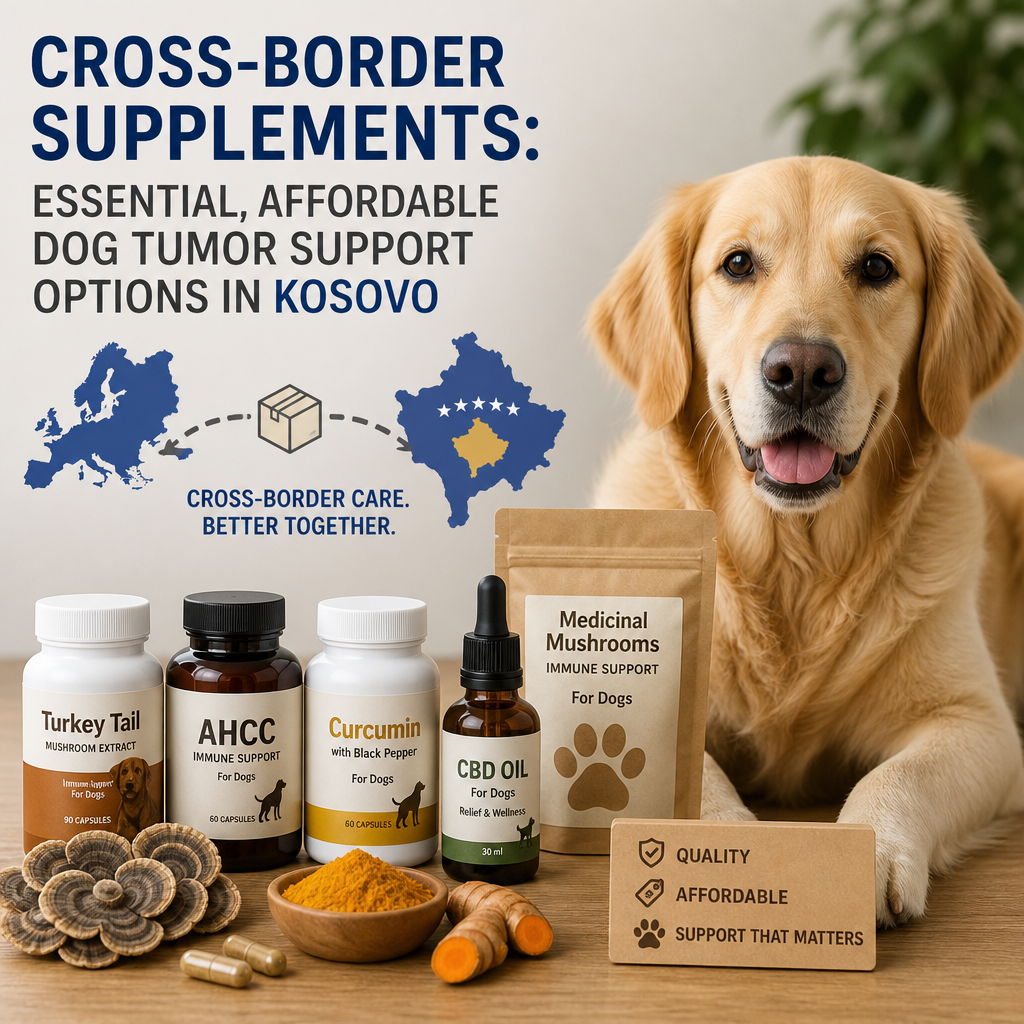
Cross-border Supplements can give dog owners in Kosovo access to supportive nutritional products that may be difficult to find locally, especially when a dog is undergoing treatment for cancer or another serious tumor-related condition. However, supplements should complement—not replace—veterinary care. The safest approach combines professional diagnosis, a clear treatment plan, careful product selection, and monitoring for changes in appetite, energy, digestion, and overall comfort.
Table of Contents
- Understanding dog tumor support in Kosovo
- Why consider cross-border supplements?
- Common dog cancer supplements Kosovo owners may discuss with a veterinarian
- How to compare products before ordering
- Safety considerations when buying internationally
- Making dog tumor support Kosovo care more affordable
- A careful, evidence-informed approach
Understanding dog tumor support in Kosovo
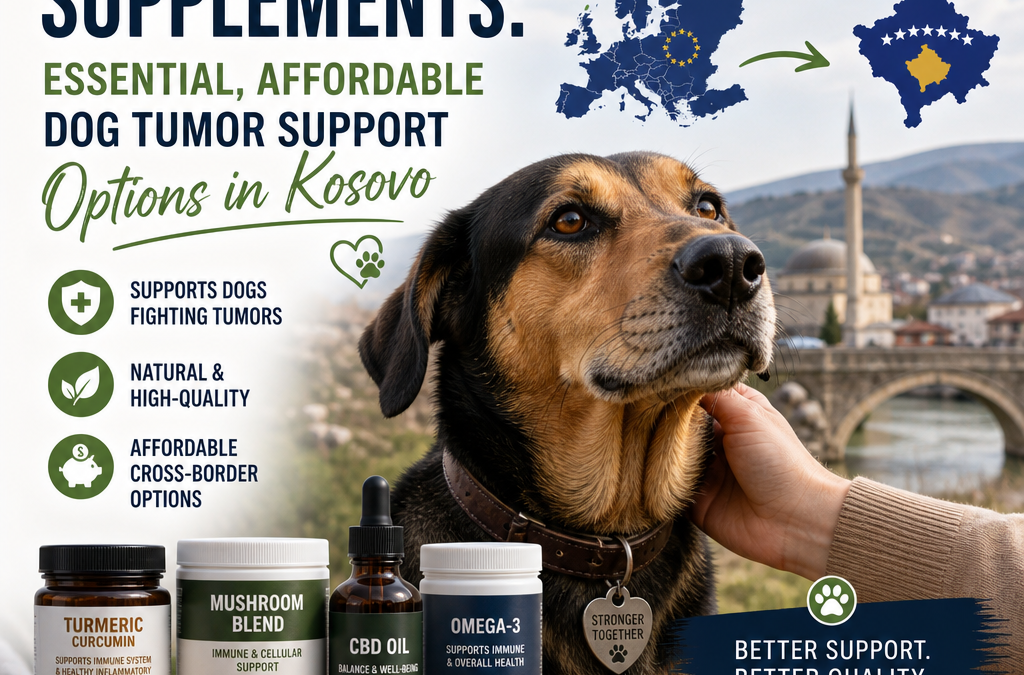
A tumor may be benign or malignant, and each condition requires a different medical approach. Some dogs need surgery, chemotherapy, radiation therapy, pain control, or regular imaging. Others may benefit from monitoring and supportive care. Because tumors can affect the immune system, digestion, mobility, and metabolism, nutritional support is often considered as part of a broader care plan.
For families searching for dog cancer supplements Kosovo options, the first step is to identify the dog’s diagnosis and current treatment. A supplement that is appropriate for a healthy senior dog may be unsuitable for a dog receiving chemotherapy, taking corticosteroids, or recovering from surgery. Veterinary guidance is especially important when a product contains concentrated herbs, antioxidants, minerals, or ingredients that influence blood clotting.
Supportive supplements are generally intended to help maintain normal nutrition, promote healthy digestion, support joint comfort, or help a dog preserve strength during illness. They are not proven cures for cancer, and products making guaranteed claims should be treated with caution.
In practice, the best outcomes usually come from combining medical treatment with sensible day-to-day support. That may include improved food intake, better hydration, a calmer routine at home, and carefully chosen cross-border supplements when local options are limited. The goal is to reduce strain on the dog’s body while keeping every addition to the care plan purposeful.
It also helps to think about the stage of care. A newly diagnosed dog may need a very different plan from a dog that is recovering after surgery or living with a chronic tumor that is being managed over time. In the first case, the priority may be preventing weight loss and nausea. In the second, the goal may be preserving strength, mobility, and comfort. That is why cross-border supplements should never be selected only by brand popularity or price. The dog’s current condition, medications, and appetite matter more than marketing claims.
Owners in Kosovo often have to balance limited local supply with the need for reliable products. International ordering can seem complicated, but when the product is chosen carefully it can expand the options available for supportive care. Still, every dog is different. A supplement that helps one pet may be unnecessary or even unsuitable for another, so a veterinarian should remain the central guide.
Why consider cross-border supplements?
Cross-border Supplements may be useful when local availability is limited, a particular veterinary formula is not stocked in Kosovo, or owners are seeking products from established manufacturers with transparent quality-control standards. International purchasing can also provide access to specialized diets, omega-3 formulations, probiotics, and veterinary nutritional products.
Availability, affordability, and reliability vary widely. A product that appears inexpensive online may become more costly after shipping, customs charges, or currency conversion. Delivery delays can also interrupt a dog’s routine, which is why it is sensible to compare the total cost and maintain a reasonable supply rather than ordering only when the current package is nearly empty.
When evaluating cross-border supplements, look for:
- A complete ingredient list with exact amounts
- Batch or lot identification
- Expiration or best-before information
- Manufacturer contact details
- Clear storage instructions
- Independent quality testing when available
- Directions designed for dogs rather than copied from human products
- A seller with a verifiable reputation
Avoid products with vague “proprietary blends,” unsupported cancer-cure claims, or unclear sourcing. Supplements purchased through informal social media listings may be counterfeit, poorly stored, or mislabeled.
Owners comparing cross-border supplements should also think beyond the sticker price. A well-labeled product from a reputable supplier may be more economical in the long run if it arrives on time, stores safely, and can be used consistently. This is especially important during cancer treatment, when predictable dosing and steady nutrition matter more than chasing the lowest advertised price.
Another reason to compare carefully is consistency. Dogs with cancer can be sensitive to changes in food, routine, and medication timing. If a product is unavailable from month to month, or if the formula changes without notice, the benefit may be lost. Stable sourcing matters almost as much as ingredient quality, especially when the dog’s condition is already fragile.
Common dog cancer supplements Kosovo owners may discuss with a veterinarian
No supplement is suitable for every dog, but several categories are commonly considered in supportive care.
Omega-3 fatty acids
Fish oil containing EPA and DHA may support normal inflammatory balance, skin health, and general nutrition. Omega-3 products are sometimes discussed for dogs with cancer because maintaining appetite, body condition, and comfort is important during treatment. The correct dose depends on the dog’s weight, diet, medical history, and the concentration of active fatty acids.
Fish oil can cause digestive upset in some dogs. It may also require caution in dogs with bleeding disorders, pancreatitis, or upcoming surgery. Products should be protected from heat and light, since rancid oil can be harmful and often develops an unpleasant odor.
Probiotics and digestive support
Illness, stress, antibiotics, dietary changes, and cancer treatment can disturb the digestive system. A veterinary probiotic may help support normal intestinal function in some dogs. Fiber or specialized gastrointestinal diets may also be useful when recommended by a veterinarian.
Not every probiotic is equivalent. Look for products that identify the bacterial strains and provide storage guidance. Dogs with severe vomiting, diarrhea, immune compromise, or dehydration need veterinary assessment rather than relying on a supplement alone.
High-quality nutritional support
Maintaining body weight and muscle is often more important than adding numerous capsules to a dog’s routine. A complete, balanced diet that the dog will actually eat can be a central part of tumor support. Some dogs benefit from calorie-dense food, carefully selected wet diets, or veterinary therapeutic nutrition.
Abrupt dietary changes may worsen nausea or diarrhea, so new foods should generally be introduced gradually unless a veterinarian gives different instructions. Owners should monitor body weight, appetite, stool quality, and hydration.
When appetite drops, smaller and more frequent meals may help. Warm food can sometimes be more appealing than food served cold, and adding water or using canned formulations may improve intake for some dogs. If eating becomes inconsistent, the nutritional plan should be reviewed quickly rather than waiting for weight loss to become severe. The earlier these changes are addressed, the easier it is to keep the dog stable.
Joint and mobility support
Dogs with tumors affecting bones, joints, or mobility may need a combination of pain medication, activity modification, and physical support. Ingredients such as glucosamine, chondroitin, or green-lipped mussel are commonly used in joint products, but their effectiveness varies and they do not replace pain management.
A dog that suddenly becomes reluctant to walk, cries when touched, or develops swelling should be examined promptly. Pain can be a sign that the underlying condition has changed.
Some owners also ask about antioxidant-rich products, mushroom blends, or herbal formulas. These may sound appealing, but they deserve extra caution because interactions and dosing concerns are more likely when ingredients are concentrated or combined in a proprietary mix. A veterinarian can help determine whether a product belongs in the care plan or should be avoided.
In everyday use, the most helpful products are often the ones that solve a clear problem. That might mean reducing digestive upset, supporting appetite, or helping an older dog move more comfortably. Cross-border supplements do not have to be exotic or expensive to be useful. They just need to fit the dog’s needs and be used consistently.
If you are comparing two or more products, write down the active ingredients, serving size, country of manufacture, and return policy. This makes it easier to judge whether the product is worth the extra shipping time. It also gives your veterinarian a clearer picture of what the dog is receiving.
How to compare products before ordering
When buyers look at cross-border supplements, they often focus on brand reputation or price first. Those factors matter, but they should come after safety and formulation. A structured comparison can prevent wasted money and reduce health risks.
1. Match the product to the goal
Start with the purpose. Is the aim to support digestion, appetite, joint comfort, immune balance, or general nutrition? If the goal is vague, the purchase is probably too. A supplement should address a specific need that has been identified with veterinary help.
2. Read the label carefully
Look for active ingredients, serving size, and all inactive ingredients. Some capsules include flavorings, sweeteners, dyes, or fillers that may not be ideal for sensitive dogs. If the label uses confusing measurement systems, convert them before ordering so the dog’s dose is clear.
3. Check product stability and storage
Supplements that must be refrigerated, kept away from light, or used quickly after opening are not always ideal for international shipping. If the product spends too long in heat or humidity, quality can decline. This matters especially for oils, probiotics, and soft chews.
4. Confirm dog-specific formulation
Human supplements may contain ingredients that are safe for people but risky for dogs. Always confirm that the product is intended for canine use, or that a veterinarian has specifically approved it for a dog. Labels for pets should still be read with the same care you would use for medicine.
5. Compare the full cost, not just the shelf price
International orders may involve shipping, import duties, or exchange-rate changes. A larger package might appear costly at first but be cheaper per day than several smaller purchases. On the other hand, a big supply is only sensible if the formula is already confirmed to work well for the dog.
These steps are useful for any owner evaluating cross-border supplements, but they are especially important when a dog is sick. A rushed purchase can create delays, confusion, or even side effects. Careful comparison keeps the decision grounded in the dog’s real needs rather than promotional language.
It is also wise to track how the dog responds after a product is introduced. If the supplement causes vomiting, loose stool, restlessness, or loss of appetite, it may not be the right choice even if the label looks impressive. Good product selection is only part of the process; observation is what confirms whether the choice is helping.
Safety considerations when buying internationally
Cross-border purchasing introduces practical risks. Products may be labeled in another language, use unfamiliar dosage units, or contain ingredients restricted in certain countries. Customs requirements can affect delivery, and temperature-sensitive products may be damaged during transport.
Before ordering, compare the product label with the veterinarian’s advice. Confirm whether the formulation is intended for dogs, whether it contains xylitol or other unsafe additives, and whether the dose is based on the dog’s current weight. Human supplements are not automatically safe for pets; some contain excessive vitamin D, iron, caffeine, herbs, or sweeteners that can be dangerous.
Keep a written list of every medication and supplement the dog receives. This helps the veterinarian identify possible interactions. For example, some ingredients may affect bleeding, blood pressure, sedation, liver metabolism, or the absorption of prescribed medicines. Stop a product and contact a veterinarian if the dog develops persistent vomiting, diarrhea, weakness, facial swelling, breathing difficulty, or a sudden decline in appetite.
Storage matters too. If an item arrives warm, damaged, or without a sealed container, it may not be suitable for use. Supplements that degrade quickly can lose effectiveness before the package is finished, so owners should inspect packaging on arrival and keep products in the conditions listed by the manufacturer.
For general reference on safe veterinary decision-making, owners can review the American Veterinary Medical Association’s guidance on cancer treatment in dogs and then discuss any supplement plan with their own veterinarian.
Another safety step is to avoid starting multiple supplements at once. If a dog begins a new food, a new medication, and a new supplement in the same week, it becomes much harder to know which change caused a side effect. Introducing one item at a time gives owners and veterinarians a clearer picture. That approach is especially helpful when trying to compare cross-border supplements in a practical way rather than relying on guesswork.
If the dog is receiving chemotherapy or other prescription treatment, the veterinarian should be informed before any new supplement is started. Even products that seem simple, such as omega-3 oils or probiotics, can still change tolerance or interact with treatment plans. A short conversation with the clinic can prevent a larger problem later.
Making dog tumor support Kosovo care more affordable
Affordable care does not always mean choosing the cheapest product. A lower-cost item with unclear quality may be wasted money or create health risks. Instead, calculate the monthly cost based on the dog’s actual dose and compare it with locally available veterinary products.
Owners can also reduce expenses by asking whether a supplement is truly necessary, choosing a product with evidence and transparent labeling, purchasing from an authorized seller, and avoiding multiple products that contain overlapping ingredients. A balanced diet, regular monitoring, and timely veterinary visits may provide more value than a large collection of unproven supplements.
A simple health record can help: note the dog’s weight, appetite, energy, bowel movements, medications, supplement doses, and any symptoms. This information allows the veterinarian to judge whether a product is helping, causing side effects, or adding no meaningful benefit.
If you are comparing order terms, it can also help to review the Refund Returns Policy before purchasing, especially when you need to account for shipping delays, damaged packaging, or incorrect product selection.
When budgets are tight, owners may feel pressure to choose whichever supplement is easiest to order. A better approach is to rank options by safety, usefulness, and long-term value. In many cases, one carefully selected product and steady feeding habits are more helpful than several loosely chosen items.
Cross-border Supplements can also be made more affordable by buying only what will likely be used before the best-before date, especially for products that degrade after opening. Bulk buying is not always smart if the dog’s treatment plan may change. A product that sits unused on the shelf is not truly economical, even if the unit price looked attractive.
Some owners also save money by focusing on support that makes a real difference in day-to-day comfort. For example, if nausea is the main problem, a digestive support product may be more valuable than a general multivitamin. If the main concern is mobility, a joint-focused formula might make more sense than a broad wellness blend. Matching the supplement to the most pressing need avoids unnecessary spending.
A careful, evidence-informed approach
For families exploring dog tumor support Kosovo resources, the most dependable plan is individualized. Begin with a confirmed diagnosis and veterinary treatment strategy. Add only one new supplement at a time, use the recommended dose, and monitor the dog for several days or weeks as appropriate. Do not delay urgent care while waiting for an international order or experimenting with alternative products.
Cross-border Supplements can be a practical addition to supportive canine care when they are responsibly sourced and medically appropriate. Their greatest value is not in replacing cancer treatment, but in helping owners support nutrition, digestion, mobility, and comfort while keeping safety and quality at the center of every decision.
Used carefully, cross-border supplements can help fill real gaps in access for Kosovo pet owners. The best results come from matching the product to the dog’s diagnosis, checking quality, and keeping your veterinarian informed throughout treatment. With patience and good recordkeeping, owners can make more confident choices and avoid purchases that do not truly support the dog’s health.
In the end, the most useful plan is usually the simplest one: choose a product for a clear reason, verify that it is safe, and watch closely for results. That mindset helps owners avoid hype and use cross-border supplements as intended—as part of thoughtful, supportive care.