
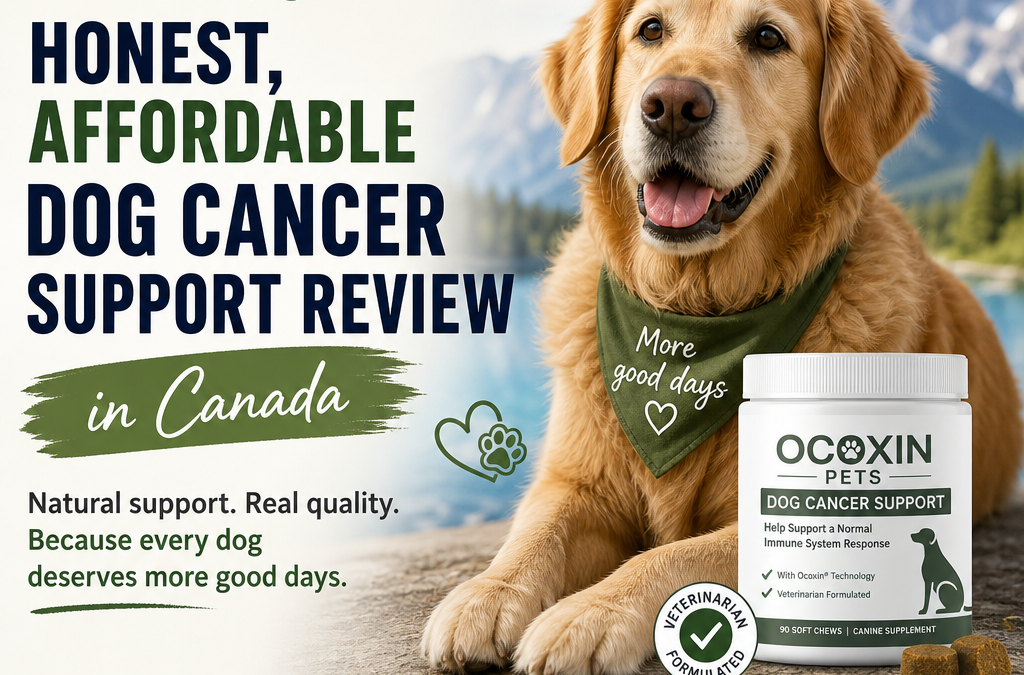
Ocoxin Pets is a nutritional supplement designed to provide supportive care for dogs facing serious health challenges, including cancer. For Canadian pet owners, finding an affordable product that may complement veterinary treatment is important, but it is equally essential to understand what the supplement can—and cannot—do. This Ocoxin Pets review examines its ingredients, possible benefits, limitations, safety considerations, and practical value for families seeking dog cancer support.
What is Ocoxin Pets?
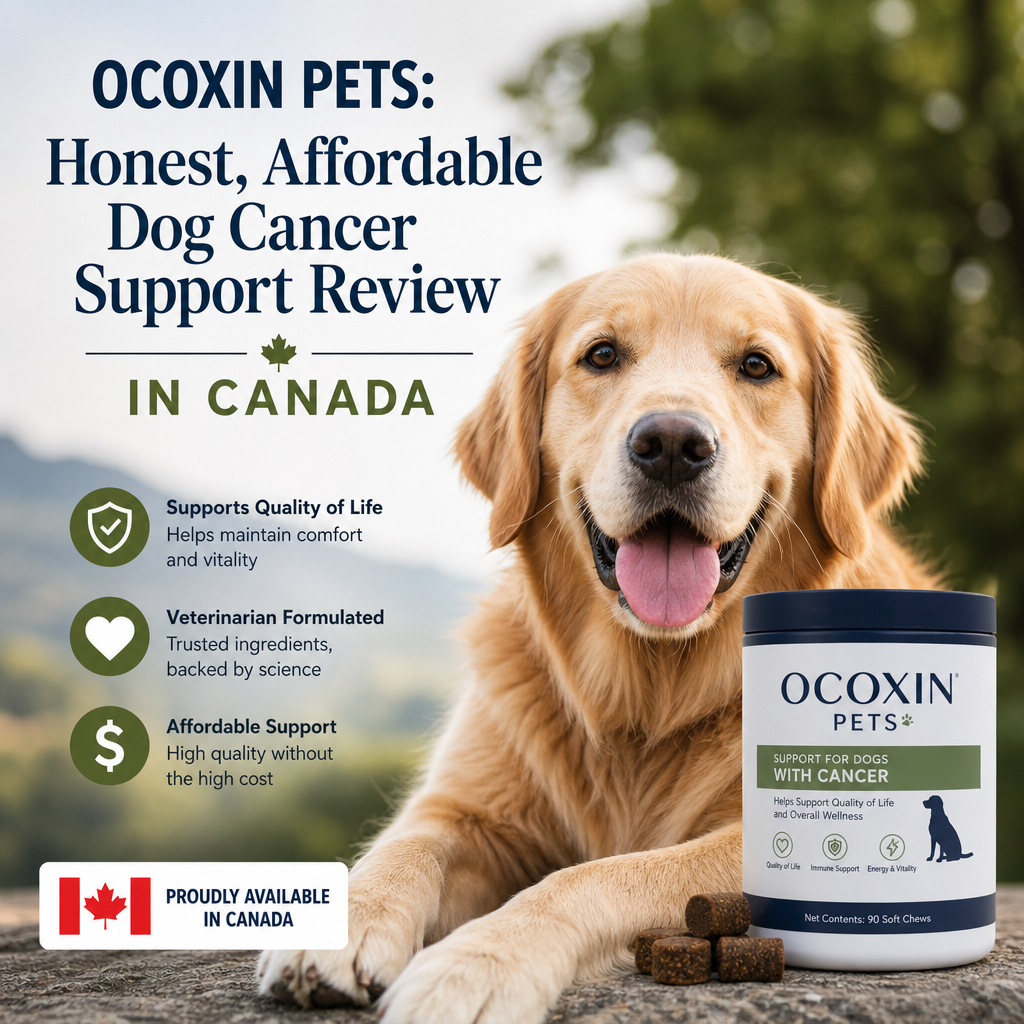
Ocoxin Pets is marketed as a complementary nutritional product for dogs and cats. Its formulation is generally associated with ingredients such as green tea extract, medicinal mushroom compounds, vitamins, minerals, and other nutrients intended to support immune function, antioxidant activity, appetite, and overall vitality.
The product is not a conventional cancer treatment. It does not replace surgery, chemotherapy, radiation, prescription medication, or the recommendations of a veterinarian or veterinary oncologist. Instead, it is positioned as supportive care that may help a dog maintain strength and quality of life during an illness or treatment period.
That distinction matters. Cancer affects every dog differently, and the appropriate care plan depends on the type of cancer, its stage, the dog’s age, existing medical conditions, and current medications.
For families also comparing broader support options, the article on wellness routine dog Effective Helpful Cancer Care offers additional context on building a daily care plan around treatment and comfort.
Ocoxin Pets dog cancer support: What can it realistically do?
The main appeal of Ocoxin Pets dog cancer support is that it may provide nutritional assistance while a dog is coping with disease or treatment. Dogs with cancer may experience reduced appetite, weight loss, fatigue, digestive upset, inflammation, or general weakness. A supplement containing concentrated nutrients and antioxidant compounds may help support normal body functions during this stressful period.
Potential goals of supplementation can include:
- Supporting appetite and nutritional intake
- Helping maintain normal energy levels
- Providing antioxidant compounds
- Supporting immune-system function
- Complementing a veterinarian-approved cancer-care plan
- Helping owners provide additional daily care at home
However, evidence for supplements in veterinary oncology is often limited compared with evidence for established cancer treatments. A product may have promising ingredients or anecdotal reports, but that does not prove it can shrink tumors, stop cancer progression, or extend survival. Responsible use requires realistic expectations.
The most meaningful benefit may be supportive rather than curative. If a dog eats better, maintains body condition, tolerates treatment more comfortably, or remains active for longer, that can be valuable. Even so, those outcomes should be monitored with professional veterinary guidance.
Ingredients and potential benefits
A closer look at the formulation is important before adding any supplement to a dog’s routine. Ocoxin Pets products may contain botanical extracts, mushroom-derived ingredients, vitamins, minerals, and other compounds selected for their antioxidant or immune-supportive properties.
Green tea-derived compounds, for example, are commonly studied for antioxidant activity. Medicinal mushrooms are also frequently included in complementary pet products because of their potential effects on immune signaling. Vitamins and minerals can help address nutritional needs, particularly when illness affects eating habits.
The presence of an ingredient does not automatically guarantee a clinical benefit. Dosage, concentration, product quality, the dog’s health status, and interactions with other medications all influence the outcome. Some substances that appear harmless in general wellness products may be unsuitable for dogs with liver disease, kidney problems, clotting disorders, or gastrointestinal sensitivity.
Pet owners should read the complete label, check the recommended serving instructions, and confirm that the product is intended for the dog’s size and species. Avoid assuming that a human supplement with similar ingredients is an acceptable substitute.
For readers comparing supportive products, this Ocoxin Pets Alternative: 7 Best Affordable Dog Tumor Supplements in the UK guide can help you understand how similar options are positioned in another market.
It is also helpful to review independent information on canine cancer care from a reputable source such as the American Veterinary Medical Association’s cancer in pets overview.
What ingredients usually mean in practice
Many pet supplements sound impressive on paper, yet the real-world effect depends on how the ingredients work together and whether the dose is meaningful. A dog that is already eating a balanced diet may not need extra micronutrients, while a dog with poor appetite could benefit from targeted support if a veterinarian agrees it is appropriate.
Some products emphasize antioxidant support. That can be useful in theory, but dogs with cancer do not respond to antioxidants in exactly the same way as healthy dogs. In some cases, high-dose supplements can complicate treatment decisions. This is one reason veterinary oversight matters so much.
If your dog is already taking prescription medication, ask whether the supplement might affect absorption, liver metabolism, or bleeding risk. Even a product that is considered gentle may not be the right choice for every patient.
How supportive care fits into a cancer plan
A supplement cannot do the work of a complete treatment plan, but it may fit into one. Supportive care often focuses on maintaining comfort, reducing stress, preserving appetite, and helping the dog stay as stable as possible during medical treatment.
That may include prescription medication, diet adjustments, pain control, hydration support, gentle exercise, and monitoring at home. When used correctly, Ocoxin Pets may serve as one small part of a broader approach rather than a stand-alone answer.
An honest Ocoxin Pets review: Strengths and limitations
One strength often considered by Canadian pet owners is affordability. Cancer care can become expensive, especially when diagnostic testing, specialist consultations, medication, surgery, or repeated laboratory work are involved. A supplement may be easier to budget for than many other forms of supportive care.
Convenience is another potential advantage. A product that can be administered at home may fit into a daily care routine, particularly when a dog is already taking several prescribed medications.
Still, an honest Ocoxin Pets review must acknowledge important limitations. There may not be extensive independent clinical research proving that the product treats cancer or improves survival. Customer experiences can be encouraging, but testimonials are not a substitute for controlled veterinary studies. Dogs can also respond differently, meaning one pet’s improvement cannot predict another’s results.
Possible drawbacks include digestive upset, reluctance to take the product, allergic reactions, or interactions with prescription drugs. Some dogs may see no noticeable change. The cost, while potentially modest compared with cancer treatment, can still become significant when used for months.
The product should therefore be viewed as an optional complement—not as a guaranteed solution.
Who may consider it, and who should be cautious
Dogs that are already under veterinary supervision, have stable bloodwork, and are not taking medications with known interaction risks may be more likely to use a supplement safely. Even then, response should be monitored closely.
Extra caution is wise for senior dogs, very small dogs, dogs with liver or kidney disease, and dogs with sensitive digestion. If the pet has recently started chemotherapy or another new medication, the best approach is usually to wait for veterinary advice rather than guessing.
Owners should also be careful not to interpret short-term enthusiasm as proof of long-term benefit. Some dogs feel better for reasons unrelated to a supplement, such as pain relief, diet changes, or a good day during treatment. Careful observation helps separate coincidence from genuine improvement.
Safety and veterinary supervision
Before giving Ocoxin Pets to a dog with cancer, consult the veterinarian managing the case. This is especially important if the dog is receiving chemotherapy, corticosteroids, nonsteroidal anti-inflammatory drugs, antibiotics, anticoagulants, or medications for liver, kidney, or heart disease.
A veterinarian can help assess:
- Whether the ingredients are appropriate
- Whether the product could interact with current medication
- Whether the dog’s liver and kidneys can process it safely
- The correct serving based on weight and health status
- Whether symptoms are caused by cancer, treatment, or another problem
Stop using the product and contact a veterinary professional if the dog develops vomiting, diarrhea, facial swelling, breathing difficulty, severe lethargy, loss of appetite, or any sudden change in condition. Never delay urgent treatment because a supplement is being used.
It is also wise to purchase from a reputable Canadian or authorized source. Check the expiry date, packaging integrity, storage instructions, and product information. Counterfeit or improperly stored supplements may not have the expected quality or potency.
If you want to compare how other pet owners approach similar decisions, the post K9 Immunity Alternative: Best Affordable Dog Tumor Supplements in Italy provides another helpful example of choosing supportive care carefully.
Questions to ask before buying
Before you purchase, ask whether the label clearly lists the active ingredients, whether the serving instructions are easy to follow, and whether the company provides batch or quality information. It is also useful to ask how the product should be stored and whether it has any age or weight restrictions.
These practical questions do not replace veterinary advice, but they can help you avoid low-quality or confusing products. The more transparent the manufacturer is, the easier it becomes to make a cautious and informed decision.
Ocoxin Pets Canada: Practical considerations for buyers
When researching Ocoxin Pets Canada, buyers should look beyond the advertised price. Shipping fees, currency conversion, taxes, delivery time, and return policies can affect the final cost. Availability may vary depending on the supplier, and some products may be sold through international websites rather than local veterinary channels.
Canadian owners should also confirm that the label provides clear information about ingredients, dosage, manufacturer, and intended animal use. A transparent product page and accessible customer-service information are positive signs, although they do not independently verify medical effectiveness.
Keeping a simple health journal can make supplementation more useful. Record appetite, weight, activity, stool quality, vomiting, medication changes, and notable symptoms. This information can help the veterinarian determine whether the dog is benefiting, experiencing side effects, or changing because of another aspect of treatment.
If you are comparing regional options, you may also find it useful to read the Ocoxin Pets alternative: 5 Powerful, Affordable Options for Dogs With Tumors in the Netherlands article for a different perspective on supportive care products.
Cost, shipping, and value for Canadian owners
For many families, value matters as much as the price tag. A supplement is only worthwhile if it arrives on time, is easy to give, and fits the dog’s care routine without creating unnecessary stress. If shipping delays or customs issues make the product hard to maintain, a locally available option may be more practical.
It is also sensible to compare the supplement’s monthly cost with its possible benefits. If the dog dislikes the taste, refuses the dose, or shows no improvement, continuing may not make sense. In that case, the veterinarian may suggest a different supportive strategy.
Owners often do best when they view cost in the context of the entire treatment plan. A cheaper supplement is not automatically better, and a more expensive one is not automatically superior. Consistency, safety, and veterinary fit matter more than marketing claims.
Final assessment
Ocoxin Pets may be a reasonable supportive supplement for some dogs when used under veterinary supervision. Its potential value lies in nutritional and quality-of-life support, not in replacing proven cancer therapies. The formulation may appeal to owners seeking an affordable addition to a broader care plan, but expectations should remain measured.
For Canadian pet families, the best decision involves reviewing the ingredient list, confirming safety with a veterinarian, purchasing from a reliable source, and monitoring the dog carefully. Used responsibly, Ocoxin Pets may have a place in compassionate supportive care. It should always remain one part of a comprehensive veterinary strategy focused on comfort, nutrition, treatment, and the dog’s overall quality of life.
In short, Ocoxin Pets can be considered a supportive tool, not a cure. When paired with expert veterinary guidance, careful observation, and a realistic understanding of its role, it may help some dogs feel a little better during a difficult time.