by TCMVET | Nov 12, 2024 | Dog Cancer & Tumors
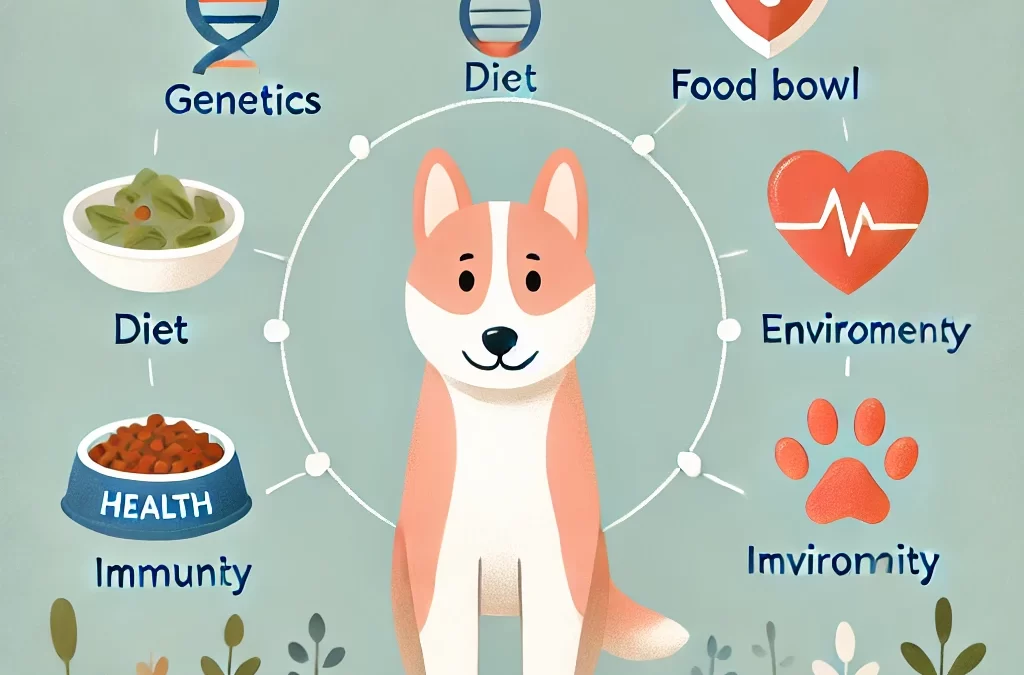
Cancer is one of the most challenging diseases for humans and pets alike, and it’s particularly heartbreaking when it affects our beloved dogs. But understanding why and how cancer develops in dogs can shed light on prevention and provide insight into early detection. While there’s no surefire way to prevent cancer, let’s explore the main contributing factors, emerging research, and ways we can help reduce risks.
1. Genetics: The Influence of Breed and Family History
Some breeds have a higher predisposition to cancer. For example, breeds like Golden Retrievers, Boxers, and Rottweilers are genetically inclined to develop certain cancers. Research suggests that inherited genetic mutations play a significant role in these tendencies. A study published in Canine Genetics and Epidemiology revealed that particular breeds have shared genetic traits that make them more susceptible to tumors. As a result, a dog’s lineage can increase its risk, meaning pet parents of certain breeds need to be extra vigilant with regular vet check-ups.
2. Environmental Factors: Carcinogens and Everyday Toxins
Dogs are exposed to environmental toxins just like humans. Common culprits include secondhand smoke, certain cleaning products, pesticides, and pollution. Dogs, with their close contact with floors and outdoor surfaces, can easily ingest or inhale harmful substances, unknowingly bringing toxins into their bodies. There is also mounting evidence that shows a direct correlation between exposure to specific carcinogens and increased cancer risks in dogs.
Actionable Insight: To minimize exposure, consider choosing natural cleaning products, avoiding smoking around pets, and ensuring your dog’s play areas are free from pesticides.
3. Diet: The Role of Nutrition in Cancer Prevention
What a dog eats can have profound effects on their health, influencing everything from immune function to cellular health. Poor-quality food, high in fillers and artificial additives, can contribute to cellular mutations and inflammation, potentially leading to cancer. On the other hand, a balanced diet rich in antioxidants, omega fatty acids, and natural proteins can support cellular repair and immune defenses.
Dietary Recommendation: Consider switching to high-quality, organic, or even home-cooked meals tailored to meet your dog’s nutritional needs. Always consult with a veterinarian for guidance on the best diet.
4. Hormonal Influences and Reproductive Health
Hormones are powerful chemical messengers in the body, and they can influence tumor growth. Studies have shown that spaying or neutering at the appropriate age can reduce the risk of certain cancers, such as mammary or testicular cancers. However, the timing of these procedures is essential, as early spaying or neutering has been linked with an increased risk of other cancers, such as osteosarcoma.
Balanced Decision: Talk with your vet about the best time for spaying or neutering your dog, as timing may vary depending on breed and individual health.
5. Infections and Viruses
Certain infections and viruses are known to be carcinogenic. In dogs, viruses like the canine papillomavirus can cause warts that may develop into malignant tumors in rare cases. Additionally, infections that cause chronic inflammation can lead to cellular changes and mutations over time, potentially leading to cancer.
6. Aging: The Inevitable Factor
Age is one of the most significant risk factors for cancer in dogs. With improvements in veterinary care, dogs are living longer, and with age comes an increased likelihood of cancer. As a dog’s cells age, the mechanisms for repairing DNA damage can become less efficient, making it easier for cancerous mutations to occur.
Preventative Steps and Lifestyle Changes for a Healthier Life
While not all cases of cancer are preventable, certain lifestyle adjustments can help reduce risks. Here are some preventative measures that could promote long-term health:
- Routine Veterinary Care: Regular check-ups help detect any abnormal growths or early warning signs.
- Healthy Diet Choices: Choose food high in essential nutrients, free of artificial additives and fillers.
- Maintain a Clean Environment: Use non-toxic products and avoid exposing your dog to harmful chemicals.
- Exercise Regularly: Keeping your dog active supports a robust immune system, vital for fighting off diseases.
Conclusion: Knowledge as Our Best Defense
Understanding the factors that contribute to cancer in dogs can help us make informed choices and, where possible, reduce the risk. While genetics and age are beyond our control, we can take steps to ensure our dogs lead healthier, longer lives. By remaining vigilant, prioritizing quality care, and fostering a toxin-free environment, we can give our dogs the best chance at a cancer-free life.

by TCMVET | Nov 11, 2024 | Dog Cancer & Tumors
A diagnosis of a splenic tumor in a beloved dog can be heart-wrenching, as these tumors often pose a serious health risk. However, gaining an understanding of the types of splenic tumors, survival rates, and potential treatments can help dog parents make the best choices for their pet’s wellbeing. In this article, we’ll explore splenic tumors in dogs from a fresh perspective, focusing on the realities and options that can provide both clarity and hope.
1. What Are Splenic Tumors?
- Hemangiosarcoma: A malignant and aggressive tumor type, hemangiosarcoma is unfortunately common in canine spleens and often spreads rapidly to other organs.
- Hemangioma and Splenic Masses: Benign tumors and masses can also form on the spleen. Though these do not spread like hemangiosarcoma, they can rupture, leading to internal bleeding.
- Lymphoma: This type, arising in the lymphatic system, may also affect the spleen, adding complexity to the condition.
2. Recognizing Symptoms Early
- Subtle Symptoms: Splenic tumors are often asymptomatic until they reach an advanced stage. Symptoms may include lethargy, loss of appetite, and weight loss.
- Acute Crisis: In cases where the tumor ruptures, symptoms can escalate rapidly. Pale gums, collapse, abdominal swelling, and labored breathing may signal internal bleeding, requiring immediate veterinary attention.
3. Survival Rates and What They Mean
- Splenic Hemangiosarcoma: With hemangiosarcoma, the prognosis is often guarded due to its aggressive nature. Median survival rates with surgery alone can range from 2-3 months.
- With Chemotherapy: Combining surgery with chemotherapy can extend survival, sometimes offering 6-12 months, depending on the individual dog’s response.
- Benign Tumors and Masses: Survival rates for benign masses are considerably more optimistic, as surgical removal can often provide a complete solution without recurrence.
4. Exploring Treatment Options
- Surgical Intervention: Splenectomy, or removal of the spleen, is the most common treatment for splenic tumors. It can provide immediate relief from symptoms and prevent further complications from a ruptured mass.
- Chemotherapy: This is often recommended for malignant tumors like hemangiosarcoma to control the spread, though it may not be curative. Some dogs tolerate chemotherapy well, showing few side effects.
- Alternative Therapies: Many pet parents explore natural supplements like medicinal mushrooms, which may boost immune function. While these aren’t substitutes for surgery or chemotherapy, they can serve as complementary support.
5. Providing a Good Quality of Life
- Managing Pain and Comfort: Pain management is essential to ensure a good quality of life. Veterinarians often recommend pain relief medications or even acupuncture.
- Diet and Nutrition: Providing a balanced diet rich in antioxidants and immune-boosting supplements can support overall health, especially during treatment or recovery.
- Low-Stress Environment: Minimizing stress through a calm and familiar environment can make a big difference, helping your dog feel comfortable and secure.
6. Why There’s Still Hope
- Promising Research: Ongoing research into canine cancers, especially hemangiosarcoma, may lead to better treatments and outcomes.
- New Therapies: Immunotherapy and targeted treatments are in development, with some showing early promise in trials. Although these are not yet widely available, they offer hope for the future.
- Stories of Resilience: Many dogs with splenic tumors defy the odds and live longer than expected, especially with attentive care and timely treatment.
7. How to Support Your Dog’s Journey
- Veterinary Guidance: Building a strong relationship with your veterinarian is crucial. They can tailor a treatment plan and provide resources for managing your dog’s condition.
- Support Communities: Many online support groups exist for dog parents dealing with cancer, offering encouragement, advice, and shared experiences that can be incredibly uplifting.
Conclusion
Splenic tumors in dogs present unique challenges, but with prompt diagnosis, informed decisions, and compassionate care, many dogs maintain a good quality of life. While survival rates vary, staying proactive and hopeful can make all the difference. Remember, each journey is unique, and by supporting your dog through every step, you’re giving them the love and care they deserve.

by TCMVET | Nov 11, 2024 | Dog Cancer & Tumors
When dog parents discover a lump in their furry friend’s throat, it’s natural to feel concerned. While some lumps may be harmless, others could indicate serious health issues. This article dives into what these lumps might mean, how to identify the concerning signs, and proactive steps to take.
1. Why Do Lumps Develop in Dogs’ Throats?
- Common Causes: Benign growths, such as lipomas or cysts, are often harmless but can sometimes appear near the throat.
- Infections or Inflammation: Swollen lymph nodes could indicate an infection or immune response.
- Tumors: Both benign and malignant tumors can develop in the throat, affecting nearby tissues and organs.
2. Types of Lumps You Might Notice
- Lipomas: Soft and easily movable, usually painless.
- Lymphadenopathy: Swollen lymph nodes that feel firm and are often symmetrical.
- Malignant Tumors: Firm, fixed lumps that may cause discomfort or difficulty swallowing.
3. Recognizing Symptoms Beyond the Lump
- Difficulty Swallowing: This could be an indicator of growth affecting the esophagus or surrounding muscles.
- Coughing or Gagging: If the lump presses against the airway, it could cause respiratory symptoms.
- Change in Appetite or Weight Loss: A serious concern if combined with a persistent throat lump.
4. When Should You Be Concerned?
- Rapid Growth: If the lump grows quickly, it’s essential to have it checked by a veterinarian.
- Pain and Sensitivity: Discomfort or a change in behavior, such as shying away from touch, warrants a closer look.
- Other Symptoms: Unexplained lethargy, persistent coughing, or vocal changes can signal an underlying issue.
5. Diagnosis: What to Expect at the Vet
- Physical Examination: The vet will palpate the area to assess size, texture, and mobility.
- Imaging Tests: X-rays or ultrasound scans provide a view of the lump’s depth and proximity to other organs.
- Biopsy: The most definitive test, where a sample is taken and examined for abnormal cells.
6. Treatment Options
- Watchful Waiting: For benign lumps, the vet may suggest monitoring rather than immediate intervention.
- Surgical Removal: If the lump interferes with daily activities or poses a health risk, surgery is a common choice.
- Natural Supplements and Therapies: Anti-inflammatory supplements or herbal support can benefit some conditions.
- Chemotherapy or Radiation: For malignant tumors, vets may recommend oncology treatments.
7. Prevention and Monitoring
- Regular Check-ups: Routine vet visits can catch unusual growths early.
- Home Monitoring: Gently feel your dog’s throat and other areas for lumps. Keep a log if any changes occur.
- Healthy Diet and Supplements: Nutrient-rich foods and immune-boosting supplements may help reduce the risk of certain tumors.
Conclusion
While finding a lump in your dog’s throat can be unsettling, proactive care and understanding potential causes can bring peace of mind. Always consult a veterinarian for professional advice, and remember that not all lumps are dangerous. By staying vigilant, you’re taking the best steps toward ensuring your dog’s health and happiness.

by TCMVET | Nov 9, 2024 | Food & Health
When a dog receives a cancer diagnosis, pet owners are faced with a flurry of questions and concerns, including how to best support their dog’s health through diet. Proper nutrition plays a vital role in maintaining strength, supporting the immune system, and enhancing overall quality of life during this challenging time. This article explores unique and evidence-based approaches to feeding a dog with cancer.
The Importance of Tailored Nutrition for Dogs with Cancer
Cancer can change a dog’s metabolism and nutritional needs, making standard diets insufficient. A customized diet can help manage weight, maintain muscle mass, and provide the energy needed to fight the disease. Feeding a dog with cancer is about ensuring they receive nutrient-dense meals that support healing and vitality.
Key Nutritional Components to Consider
- High-Quality Protein: Cancer and its treatments often result in muscle wasting. Providing easily digestible, high-quality protein sources like lean meats, fish, and eggs can help maintain muscle mass.
- Healthy Fats: Omega-3 fatty acids, such as those found in fish oil, flaxseed, and krill oil, are known for their anti-inflammatory properties and may slow the growth of cancer cells. These fats can serve as a primary energy source, as cancer cells rely heavily on glucose.
- Low Carbohydrate Intake: Since cancer cells thrive on glucose, reducing carbohydrate intake can potentially slow down their growth. Instead, aim for complex carbohydrates with a low glycemic index if needed, such as certain vegetables.
- Antioxidants: Incorporate foods rich in antioxidants, such as blueberries, spinach, and kale. Antioxidants help neutralize free radicals and support the immune system.
- Essential Vitamins and Minerals: Zinc, selenium, and vitamins C and E can contribute to immune health and combat oxidative stress.
Innovative Diet Ideas for Dogs with Cancer
1. Homemade Anti-Cancer Diet
Creating a balanced homemade diet allows for complete control over the ingredients and nutritional profile. A suggested recipe might include:
- Lean protein: Boiled chicken or turkey.
- Healthy fats: Drizzle with fish oil.
- Vegetables: Lightly steamed broccoli, kale, or carrots for added vitamins.
- Supplements: Consider adding a canine multivitamin or probiotics for gut health.
2. Commercial Cancer-Specific Dog Foods
There are high-quality commercial dog foods designed specifically for dogs with cancer. Look for formulas that emphasize low carbohydrates, high protein, and omega-3 fatty acids. Ensure that any commercial option meets the Association of American Feed Control Officials (AAFCO) standards for complete and balanced nutrition.
Foods to Avoid
- High-Sugar Treats: Sugary snacks and high-carb foods can provide energy to cancer cells, which thrive on glucose.
- Highly Processed Foods: These foods often contain preservatives and additives that may be detrimental to a dog’s health.
- Toxic Foods: Avoid any known toxic foods, such as grapes, chocolate, onions, and garlic, as these can exacerbate health issues.
Integrating Holistic and Supportive Approaches
In addition to dietary changes, consider integrating supportive care such as:
- Herbal Supplements: Consult with a veterinarian knowledgeable in herbal medicine to explore supplements like turmeric (curcumin) or medicinal mushrooms such as reishi and maitake.
- Hydration: Ensure your dog stays well-hydrated. Broths made from chicken or bone broth can add essential minerals while encouraging fluid intake.
- Digestive Enzymes: These can aid in digestion and improve nutrient absorption, especially for dogs experiencing treatment-related digestive issues.
Final Thoughts
Feeding a dog with cancer requires a thoughtful and balanced approach that takes into account their changing nutritional needs. By focusing on high-quality proteins, healthy fats, reduced carbohydrates, and antioxidant-rich foods, pet owners can create a diet that supports their dog’s well-being and complements veterinary treatment. Always consult with a veterinarian before making significant changes to your dog’s diet to ensure it aligns with their individual needs and treatment plan.
A holistic, nutrient-rich approach to feeding can make a significant difference in maintaining your dog’s vitality and comfort during their battle with cancer. With the right dietary choices, you can provide meaningful support and care during their journey.
by TCMVET | Nov 9, 2024 | Food & Health
Cancer in dogs is a devastating diagnosis for pet owners, leading many to explore alternative and supportive treatments to enhance their beloved companions’ quality of life. One dietary approach that has been gaining attention is the ketogenic (keto) diet, which has been studied for its potential benefits in supporting dogs with cancer. This article will delve into what makes the keto diet distinctive, why it may be beneficial for dogs with cancer, and essential considerations for pet owners.
Understanding the Keto Diet
The keto diet is a high-fat, low-carbohydrate eating plan that shifts the body’s metabolism from relying on glucose (sugar) to ketones—compounds produced when fat is metabolized in the liver. In humans, this metabolic state, known as ketosis, has been linked to numerous health benefits, including weight loss and improved cognitive function. For dogs, the principles remain the same: reducing carbohydrate intake to starve cancer cells that thrive on glucose while supporting overall health through increased healthy fat consumption.
How the Keto Diet Impacts Cancer
Cancer cells have unique metabolic requirements; they typically rely on glycolysis—a process that breaks down glucose for energy—at a much higher rate than normal cells. By limiting carbohydrate intake and increasing fat consumption, the keto diet aims to deprive cancer cells of their preferred energy source while providing ketones that healthy cells can utilize for energy. This shift may slow down the growth of tumors, improve the dog’s energy levels, and support better overall health.
Benefits of a Keto Diet for Dogs with Cancer
- Reduced Inflammation: Healthy fats, such as omega-3 fatty acids found in fish oil, may help reduce inflammation in dogs, potentially easing the discomfort associated with cancer.
- Improved Energy Levels: Dogs with cancer often experience lethargy due to the disease and its treatments. Ketones can serve as an efficient fuel source for the body and brain, potentially boosting energy.
- Enhanced Immune Function: A diet rich in healthy fats and low in inflammatory carbohydrates can support a stronger immune system, helping the dog fight off secondary infections.
- Controlled Weight Management: Cancer treatment can lead to weight loss or gain. The keto diet’s high-fat composition can help maintain a stable weight, crucial for dogs undergoing treatment.
Considerations and Risks
While the keto diet may offer potential benefits, it is not without risks and should be carefully managed:
- Nutritional Balance: Ensuring that a dog receives a balanced diet while following a keto plan is essential. Consulting with a veterinarian or a veterinary nutritionist is crucial to avoid deficiencies.
- Pancreatitis Risk: Dogs predisposed to pancreatitis may not be suitable candidates for a high-fat diet. Close monitoring is necessary.
- Transition Period: Shifting a dog to a keto diet requires a gradual transition to avoid gastrointestinal distress. This process may take a few weeks as the body adapts to using ketones instead of glucose.
How to Implement a Keto Diet for Your Dog
If you are considering the keto diet for your dog with cancer, here are some tips to get started:
- Consult Your Veterinarian: This cannot be overstated. A professional will help determine if your dog is a good candidate for a keto diet and monitor their progress.
- Plan the Diet: Focus on high-quality, animal-based fats such as fish oil, chicken fat, and coconut oil. Include moderate amounts of protein and very low carbohydrates.
- Incorporate Supplements: Nutritional supplements like omega-3 fatty acids, vitamin E, and probiotics can complement the diet and enhance its benefits.
- Monitor Ketone Levels: Pet owners can use blood ketone meters to ensure their dog remains in a state of ketosis. This helps in adjusting the diet as needed.
Real-Life Success Stories
There have been anecdotal reports from pet owners who have observed positive changes in their dogs after switching to a keto diet. Improved energy levels, reduced tumor growth rates, and better overall vitality have been noted in some cases. While scientific studies on the subject are still emerging, the preliminary results and personal testimonials indicate that this approach may be worth exploring for canine cancer care.
Final Thoughts
The keto diet is not a cure for cancer, but it can be a powerful complementary tool in managing the disease. By providing an alternative energy source that may hinder cancer cell growth while nourishing healthy cells, the keto diet can play a role in a comprehensive treatment plan. Always work closely with veterinary professionals to create a safe and effective plan tailored to your dog’s unique needs. With thoughtful implementation and careful monitoring, the keto diet could offer hope and support for dogs battling cancer and their devoted owners.
