by TCMVET | Mar 7, 2024 | Dog Cancer & Tumors
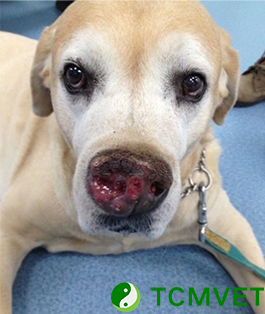
Squamous Cell Carcinoma (SCC) is a prevalent form of cancer in small animals, especially in cats and dogs. This malignancy, arising from the squamous cells lining the skin or various internal organs, poses significant health challenges. However, recent advancements in veterinary oncology and related research are bringing new hope to pet owners and veterinarians. This article explores the latest developments in SCC research and how they are reshaping the treatment and management of this condition in small animals.
1. Targeted Therapies and Precision Medicine:
Advancements in understanding the molecular basis of SCC have paved the way for targeted therapies. Precision medicine, which involves tailoring treatment based on the individual pet’s genetic makeup, is gaining traction. Researchers are identifying specific genetic mutations and pathways involved in SCC, which could lead to more effective, customized treatment plans with potentially fewer side effects compared to traditional chemotherapy.
2. Immunotherapy:
Immunotherapy, a treatment that harnesses the body’s immune system to fight cancer, is a significant breakthrough in human oncology and is now being explored in veterinary medicine. This approach includes the development of cancer vaccines and immune checkpoint inhibitors that can help the immune system recognize and attack cancer cells more effectively.
3. Advanced Imaging Techniques:
The use of advanced imaging techniques such as PET scans and high-resolution MRI is improving the ability to diagnose and stage SCC in small animals. These technologies offer more detailed and accurate insights into the tumor’s size, spread, and response to treatment, allowing for more precise surgical planning and treatment monitoring.
4. Nanotechnology:
Nanotechnology in cancer treatment is an emerging field that holds promise for treating SCC in pets. Nanoparticles can be designed to target cancer cells specifically, delivering drugs directly to the tumor and reducing the impact on healthy tissues. This approach could lead to more effective treatments with fewer side effects.
5. Enhanced Surgical Techniques:
Surgical intervention remains a cornerstone in treating SCC, and advancements in surgical techniques are improving outcomes. Minimally invasive surgeries, guided by advanced imaging, allow for more precise tumor removal with quicker recovery times. Laser surgery is another area of advancement, offering a less invasive option with less bleeding and reduced pain.
6. Better Understanding of Environmental Factors:
Research into the environmental and lifestyle factors contributing to SCC, such as sun exposure and chemical exposure, is helping in the development of better preventive strategies. This includes public awareness campaigns on the importance of protecting pets from excessive sun exposure and avoiding harmful chemicals.
7. Holistic and Supportive Care:
There is an increasing focus on holistic approaches and supportive care in managing SCC. This includes nutritional support, pain management, and alternative therapies like acupuncture and herbal medicine, which can complement traditional treatments and improve the quality of life for pets with cancer.
The landscape of SCC treatment in small animals is evolving rapidly, thanks to ongoing research and technological advancements. These developments not only promise more effective and targeted treatments but also emphasize the importance of a comprehensive approach that includes prevention and supportive care. For pet owners and veterinarians, staying informed about these advancements is key to providing the best possible care for pets with SCC.

by TCMVET | Mar 7, 2024 | Dog Cancer & Tumors
Squamous Cell Carcinoma (SCC) is a significant type of cancer found in pets, particularly in cats and dogs. While medical treatments like surgery, chemotherapy, and radiation are primary strategies for managing this condition, the role of nutrition and lifestyle in supporting these treatments is gaining increased recognition. Proper nutritional and lifestyle management can play a crucial role in improving the quality of life and potentially enhancing the overall outcome for pets with SCC.
1. Importance of a Balanced Diet:
Nutrition is fundamental in supporting a pet’s immune system and overall health, especially during cancer treatment. A diet rich in essential nutrients helps in maintaining strength, improving healing processes, and supporting the body’s natural defenses.
- High-Quality Protein: Proteins are crucial for healing and rebuilding tissues. Pets with cancer need high-quality, easily digestible protein sources to help maintain muscle mass and repair tissues damaged by cancer and its treatments.
- Omega-3 Fatty Acids: Found in fish oil, omega-3 fatty acids can help reduce inflammation and have been linked to potential anti-cancer properties.
- Antioxidants: Vitamins A, C, and E, as well as certain compounds found in fruits and vegetables, can help protect the body’s cells from damage and support immune function.
2. Managing Dietary Needs During Treatment:
Cancer treatments can often lead to side effects such as loss of appetite, nausea, or gastrointestinal issues. It’s essential to manage these side effects to ensure that the pet continues to receive adequate nutrition.
- Appetite Stimulation: Pets with reduced appetite may benefit from frequent, small meals. Palatable, high-energy foods can encourage eating.
- Specialized Diets: In some cases, veterinarians might recommend therapeutic diets formulated for pets with cancer.
3. Maintaining a Healthy Weight:
Maintaining a healthy weight is crucial. Pets that are overweight or underweight may have a harder time coping with the demands of cancer and its treatment.
- Regular Weight Checks: Regular monitoring of the pet’s weight can help in making necessary dietary adjustments.
- Balanced Caloric Intake: Ensuring the pet gets the right amount of calories is essential, as both overfeeding and underfeeding can be detrimental.
4. Physical Activity and Mental Well-being:
While it’s important to avoid overexertion, keeping pets gently active can support their overall health and well-being.
- Light Exercise: Gentle walks or play sessions can help maintain muscle mass and improve mood.
- Stress Reduction: A comfortable, stress-free environment is vital for pets with cancer. Regular interaction and a peaceful living space can greatly enhance their quality of life.
5. Avoiding Carcinogens:
Minimizing exposure to known carcinogens is a key preventive measure. This includes protecting pets from excessive sun exposure, which is a risk factor for SCC, especially in lightly pigmented skin areas.
While medical treatments are at the forefront of battling squamous cell carcinoma in pets, nutrition and lifestyle modifications play an indispensable supportive role. A balanced diet, appropriate physical activity, and a healthy living environment can contribute significantly to the pet’s overall health and well-being during cancer treatment. Pet owners should always consult with their veterinarians to devise a comprehensive, personalized care plan that encompasses all aspects of their pet’s health, including nutrition and lifestyle.
by TCMVET | Mar 7, 2024 | Cat Cancer & Tumors
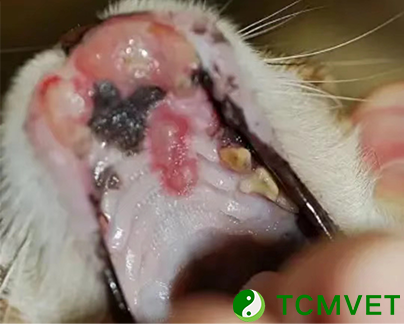
Squamous Cell Carcinoma (SCC) is a prevalent type of cancer in small animals, particularly affecting dogs and cats. It’s a malignant tumor that originates in the squamous epithelium, which is the outermost layer of the skin, as well as in the linings of the organs and cavities of the body. As a pet owner or a veterinary enthusiast, understanding the treatment options available for SCC in small animals is crucial for managing this disease effectively.
1. Surgical Removal:
Surgery is often the primary treatment for squamous cell carcinoma, particularly when the tumor is localized and has not metastasized. The goal of the surgery is to completely remove the cancerous tissue. In cases where SCC is located in the skin, the surgical removal is relatively straightforward. However, if the tumor is in more complex areas, such as the mouth or near the nail beds, the procedure can be more challenging. Post-surgical histopathology is essential to ensure that the margins are clear of cancer cells.
2. Radiation Therapy:
Radiation therapy is another effective treatment, particularly for tumors that are difficult to remove surgically, such as those in the oral cavity. It involves the use of high-energy rays to destroy cancer cells and shrink tumors. This therapy is often used post-surgery if the margins are not clear or if the cancer is inoperable. For some pets, radiation therapy can be used as a palliative treatment to relieve symptoms and improve the quality of life.
3. Chemotherapy:
Chemotherapy is less commonly used in treating SCC in small animals compared to other types of cancer, but it may be recommended in cases where the cancer has metastasized. It involves the use of drugs to kill cancer cells or slow their growth. Chemotherapy can be administered orally or through injections and often comes with side effects such as nausea, fatigue, and increased susceptibility to infections.
4. Cryosurgery:
For smaller or superficial SCC lesions, cryosurgery might be an option. This treatment involves using extreme cold (liquid nitrogen) to freeze and destroy abnormal cells. It is less invasive than traditional surgery and is usually performed on an outpatient basis.
5. Photodynamic Therapy (PDT):
PDT is a relatively new treatment option that involves using drugs, known as photosensitizing agents, alongside light to kill cancer cells. The drug is absorbed by the cancer cells and, when exposed to a specific wavelength of light, it produces a form of oxygen that kills the cells.
6. Electrochemotherapy:
Electrochemotherapy combines chemotherapy and electric pulses to enhance the absorption of chemotherapeutic drugs by the cancer cells. This treatment is gaining interest for treating tumors that are difficult to treat with conventional methods.
7. Palliative Care:
In cases where the cancer is too advanced, or the animal is not a good candidate for aggressive treatments, palliative care becomes the focus. This involves managing symptoms and maintaining the quality of life with medications, nutritional support, and pain management.
Treatment for squamous cell carcinoma in small animals varies based on the tumor’s location, size, and the general health of the animal. Advances in veterinary medicine have significantly increased the effectiveness of SCC treatments, offering hope and improved outcomes for pets diagnosed with this condition. Regular check-ups and early detection remain key in successfully managing and treating SCC. As always, consultation with a qualified veterinary oncologist is crucial to determine the best course of action for each individual case.
by TCMVET | Mar 7, 2024 | Dog Cancer & Tumors
Squamous cell carcinoma (SCC) is a common form of cancer in small animals, especially cats and dogs. This malignant tumor arises from the squamous epithelium, a layer of cells found in various parts of the pet’s body, including the skin, mouth, and other areas exposed to sunlight. Understanding the symptoms and diagnostic procedures for SCC is crucial for pet owners, as early detection can significantly impact treatment outcomes.
Symptoms of Squamous Cell Carcinoma in Pets
SCC can present in multiple forms, depending on its location. Here are some of the common symptoms associated with SCC:
- Skin SCC: Often seen in areas with minimal fur and frequent sun exposure like the ears, nose, and eyelids. Symptoms include raised, crusty, or ulcerated lesions that may bleed.
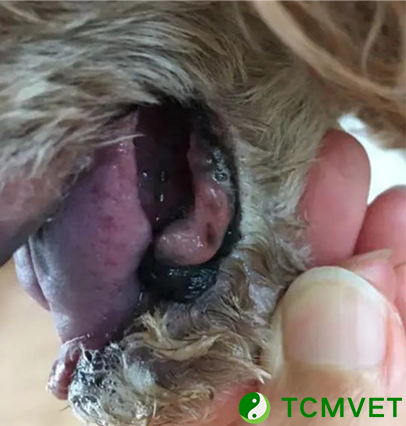
- Oral SCC: This form is more aggressive and can be challenging to detect early. Symptoms include difficulty eating, drooling, a foul odor from the mouth, visible mass in the mouth, and sometimes bleeding.
- Subungual SCC: This affects the nail beds and toes. Symptoms include swelling, nail loss, and lameness.
Diagnostic Procedures for Squamous Cell Carcinoma
- Physical Examination: A thorough physical examination by a veterinarian is the first step. They will look for masses, ulcers, or lesions on the skin, in the mouth, and around the nail beds.
- Biopsy: A definitive diagnosis of SCC requires a biopsy of the tumor. This procedure involves taking a small tissue sample from the lesion and examining it under a microscope.
- Imaging Tests: X-rays, CT scans, or MRIs might be necessary to determine the extent of the tumor, especially for oral SCC, which can invade bone and surrounding tissues.
- Blood Tests and Other Diagnostics: While blood tests do not diagnose cancer, they can help assess the overall health of the pet and determine if they are fit for surgery or other treatments.
Squamous cell carcinoma in pets can be a serious condition, but with early detection and proper veterinary care, the prognosis can be positive. Pet owners should regularly check their pets for any signs of unusual growths or lesions, especially in sun-exposed areas, and consult their veterinarian if they notice any concerning symptoms. Remember, early detection and prompt treatment are key in managing this type of cancer effectively.
by TCMVET | Mar 6, 2024 | Dog Cancer & Tumors
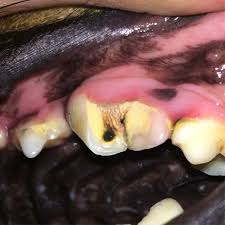
The field of veterinary medicine is constantly evolving, with groundbreaking research shaping the future of pet care. This article explores the latest developments in the research of canine and feline melanoma, including the potential of Chinese herbs in innovative treatments.
Current Research in Pet Melanoma
Ongoing studies are revealing more about the molecular characteristics of melanoma in pets, such as the involvement of the MAPK signaling pathway and specific gene mutations. This research is vital in developing more effective treatments.
The Role of Chinese Herbs in Research
Researchers are exploring the potential of Chinese herbs in modulating these molecular pathways. Herbs like Baikal Skullcap (Scutellaria baicalensis) and Artemisinin have shown promise in anti-cancer research and could be relevant in treating pet melanoma.
Future Directions in Veterinary Oncology
- Personalized Medicine: Tailoring treatments based on the genetic makeup of each pet’s melanoma.
- Integrative Treatments: Combining conventional treatments with herbal medicine for a holistic approach.
Collaborative Efforts in Research
Collaborations between veterinary oncologists, geneticists, and herbal medicine experts are essential in advancing this field, potentially leading to breakthroughs in both prevention and treatment.
The future of veterinary care in managing melanoma in dogs and cats is bright, with innovative research and the integration of traditional Chinese herbs paving the way for more effective and personalized treatments.
