
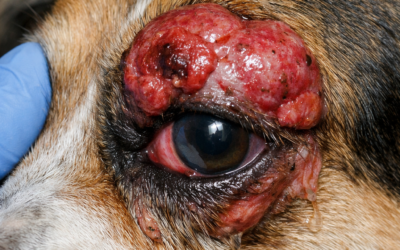
Periocular Spindle Cell Tumors in Dogs: Rarity, Symptoms, Pain, Treatment, Recurrence, and Survival Outlook
What “spindle cell” means in dogs “Spindle cell” usually describes how tumor cells look under the microscope—long, tapered, and fibrous—rather than naming a single cancer type. In dogs, this description often overlaps with soft tissue sarcomas (STS) and related...
Hannah’s Tail Still Wags
A gentle, factual care journal from rescuer Sonia Ogren in Rocky Hill, Connecticut—following Hailey, Hannah, and Kali through long-term care, loss, and love.
A few honest words about anal sac cancer in dogs
Over the years I have seen many dogs with anal sac cancer, and it is one of those tumors that always stays in the back of my mind. Not because it is rare, but because it is so easy to miss in the beginning. So many owners tell me the same thing afterward. Looking...
Tail Lumps Dogs: Helpful Look at Anal Gland Tumors
If tail lumps dogs show up unexpectedly, understanding how veterinarians assess anal gland tumors can guide the questions you bring to the clinic. Keep notes on size, texture, and any behavior changes so you can share a clear picture of your pet’s comfort levels.
senior dog herbs Helpful Essential Comfort Tips
Senior dog herbs can gently complement your pup’s existing routine by offering calming, nourishing elements that match their changing needs in later life. With guidance from a trusted veterinarian, you can introduce these botanicals thoughtfully to observe how they support comfort and overall balance.
chemo natural support Essential Helpful Tips
Chemo natural support is all about pairing your veterinarian’s plan with nourishing routines, calm spaces, and mindful observation so your dog feels safe and cared for throughout treatment. With gentle nutrition, steady hydration, and small comforts like enrichment toys or cozy rest areas, you can respond to your pup’s changing needs with confidence.
Common cancers in this breed: essential Cavalier cancer risks
Cavalier cancer risks, early tumor signs in Cavaliers, common cancers in this breed—gentle guidance for worried owners plus care tips. Learn more today.
Tumor Growth in Dogs: Essential Helpful Insights
Understanding tumor growth in dogs means paying close attention to new dog lumps and how they change over time, making it easier to share accurate observations with your veterinarian. With a clear grasp of cancer progression, you can ask focused questions and support your pup with confidence throughout each checkup.
Australian Cattle Dog Cancer Risks: Essential Early Tumor Signs
Australian Cattle Dog cancer risks, tumor signs in Cattle Dogs, and common cancers in the breed explained for caring owners. See what to watch for and learn more.
Collie Cancer Risks: Essential Early Tumor Signs to Spot
Collie cancer risks, early tumor symptoms in Collies, common cancers in this breed explained for caring owners—spot subtle changes sooner. Learn more today.
Samoyed Cancer Risks: Essential Early Signs and Common Tumors
Samoyed cancer risks, early tumor symptoms in Samoyeds, common cancers in this breed—gentle guidance for worried owners, plus what to watch for. Learn more.
Irish Setter Cancer Risks: Essential Early Tumor Signs to Know
Irish Setter cancer risks, tumor symptoms in Irish Setters, common cancers in this breed—spot early changes, protect your red companion, and learn more today.
Airedale Terrier Cancer Risks: Essential Early Tumor Signs
Airedale Terrier cancer risks, early tumor symptoms in Airedales, common cancers in this breed explained for caring owners. See what to watch for and learn more.
Shar Pei Cancer Risks: Essential Early Tumor Signs to Know
Shar Pei cancer risks, early tumor symptoms in Shar Peis, common cancers in this breed explained for caring owners. Spot changes sooner—see what to watch for.
Chinese Crested Cancer Risks: Essential Early Tumor Signs
Chinese Crested cancer risks, early tumor symptoms in Cresteds, common cancers in this breed explained for caring owners—gentle signs, skin changes, care tips. Learn more.