by TCMVET | Feb 8, 2026 | Dog Cancer & Tumors
What “spindle cell” means in dogs
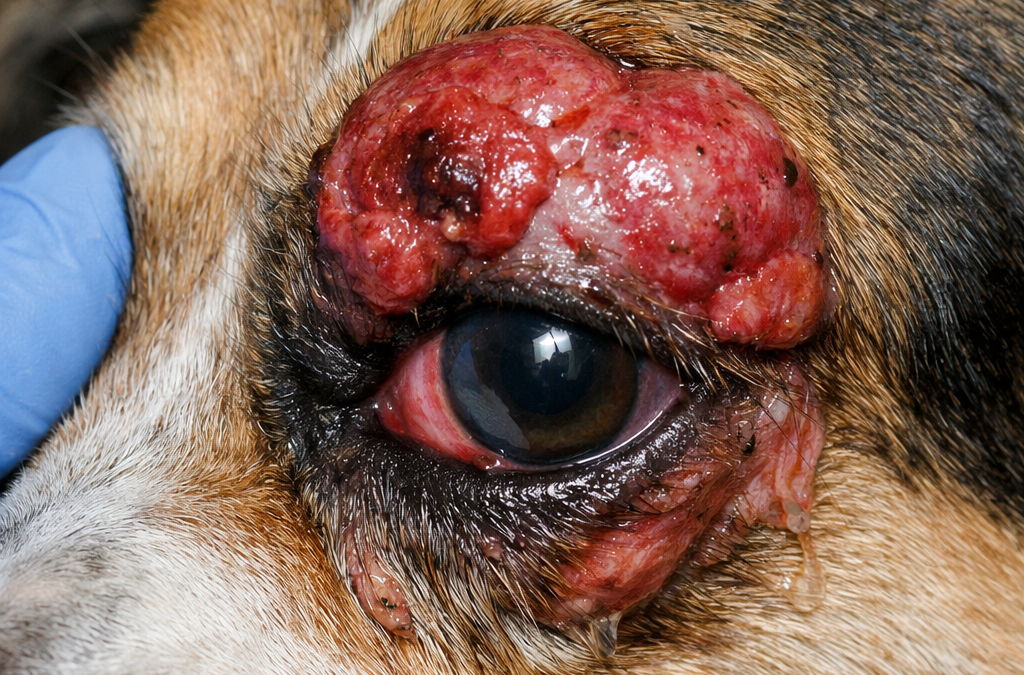
“Spindle cell” usually describes how tumor cells look under the microscope—long, tapered, and fibrous—rather than naming a single cancer type. In dogs, this description often overlaps with soft tissue sarcomas (STS) and related sarcoma-type tumors, which are known for local invasiveness: they can extend microscopically beyond what you can see or feel. That growth pattern is one big reason local recurrence becomes a key concern.
How rare is a spindle cell tumor near the eye?
It depends on whether the mass is a superficial eyelid growth or a deeper periocular/orbital tumor.
Many canine eyelid tumors are common and often benign, which is reassuring in everyday eye practice. However, a malignant spindle-cell/sarcoma-type tumor that is fast-growing or deep around the eye is a different scenario. Orbital and retrobulbar disease (disease in the eye socket or behind the globe) is less common than simple eyelid bumps and typically demands more complex planning.
Symptoms owners commonly notice
A tumor “over the eye” can look like a firm lump or swelling near the brow or eyelids, but deeper disease may show up through function changes. Dogs may squint, tear excessively, develop persistent discharge, rub at the eye or face, or seem head-shy. If the orbit is involved, classic signs can include exophthalmos (a bulging eye), third eyelid protrusion, and pain around the eye.
Pain and suffering: how much does it hurt?
Pain varies widely and is driven by what the tumor is doing locally.
A mass can become very uncomfortable if it distorts eyelid position or causes chronic corneal irritation with blinking. Veterinary ophthalmology guidance notes that eyelid masses often enlarge over time and can irritate the ocular surface, affecting comfort and quality of life. Orbital disease can also be painful—especially when swelling, pressure, or inflammation is present—and pain is frequently mentioned among the clinical signs in orbital conditions.
Why treatment near the eye is so challenging
For sarcoma-type tumors, the goal is usually strong local control, because microscopic tumor “fingers” can extend beyond what looks abnormal. On the trunk or limbs, surgeons often aim for wider margins to remove those invisible extensions. Around the eye, wide margins can be hard to achieve without damaging critical structures, which is why doctors may sound cautious about guarantees.
Treatment options: what’s typically considered
Most treatment plans revolve around local control and comfort, often combining multiple approaches.
Surgery is commonly the cornerstone when feasible, both to remove tumor burden and to obtain definitive pathology. For canine soft tissue sarcomas, completeness of excision strongly influences outcomes; reviews emphasize that incompletely excised tumors carry higher local recurrence risk. In some cases, surgeons may recommend more radical procedures to achieve control in difficult locations (including surgeries involving the orbit) because certain sarcomas can require radical approaches when anatomy limits margin width.
Radiation therapy is often discussed when margins are close or incomplete, or when anatomy makes wide excision impossible. It is used with the intent of controlling microscopic residual cells and lowering the chance of regrowth, though results vary by tumor behavior, dose planning, and the specifics of each case.
Recurrence risk: what the research repeatedly points to
Across canine STS literature, two drivers show up again and again: histologic grade and margin status.
A review on incompletely or narrowly excised canine STS reports published recurrence rates roughly in the 17%–37% range across studies, illustrating why “clean margins” matter so much. Another widely cited overview notes that with complete excision, local recurrence in dogs can be very low, and incomplete margins increase recurrence risk substantially.
Survival outlook and “survival timeline”: the practical way to think about prognosis
Because “spindle cell tumor” can represent multiple tumor types, survival time can’t be reliably summarized with one number. A more dependable way to understand prognosis is to anchor expectations to what most strongly predicts behavior:
A lower-grade tumor that can be completely controlled locally generally carries a better outlook than a higher-grade tumor or one that can’t be fully removed due to location. In canine STS, metastatic risk is commonly described as grade-dependent, with higher-grade tumors carrying a meaningfully higher chance of spread over the course of disease. In periocular tumors specifically, “how well local disease can be controlled” often becomes the dominant factor shaping both quality of life and overall outcome.
What owners can do early that often matters (without getting lost in details)
The most useful focus points early on are confirming the true extent of disease and protecting comfort.
Advanced imaging such as CT or MRI is frequently recommended in orbital/periocular cases because routine exams can’t always show what’s happening behind the eye, and imaging helps guide surgery and radiation planning. Comfort is also central: periocular tumors can trigger corneal irritation and inflammation, and reducing rubbing/trauma and addressing eye-surface irritation can make a meaningful difference in day-to-day wellbeing.
FAQ: quick answers pet owners search for
Is every tumor near the eyelid malignant?
No. Eyelid tumors are common in dogs and many behave in a benign way, although any fast-growing, ulcerated, bleeding, or painful mass needs prompt evaluation.
Why would a vet recommend removing the eye?
When a tumor is deeply invasive or margins can’t be achieved safely, more aggressive local surgery may be recommended to improve local control in a region where space is limited.
Why can’t surgery and radiation guarantee it won’t come back?
Sarcoma-type tumors can extend microscopically, and around the eye it may be difficult to remove enough surrounding tissue. Incompletely excised STS has documented recurrence risk in multiple studies.
What most strongly predicts prognosis?
Pathology grade and whether the tumor was removed with clean margins are repeatedly highlighted as major drivers of recurrence and spread risk in canine STS.
How Baituxiao may help as supportive care
Periocular spindle cell tumors are usually managed with local control first—most often surgery, and sometimes radiation—because these tumors can be locally invasive and the eye region limits wide margins. In that setting, many owners also consider integrative supportive care to help maintain comfort, appetite, and overall quality of life alongside the primary treatment plan.
Baituxiao is a TCVM botanical formula positioned by the manufacturer for dogs and cats with “tumors and lumps,” and it is typically discussed as an adjunct option rather than a stand-alone solution. Because botanical formulas can interact with medications used around surgery, pain control, inflammation, or oncology care, it’s best used as part of a coordinated plan with the veterinary team.
by TCMVET | Jan 14, 2026 | Dog Cancer & Tumors
Tail lumps dogs can be unsettling for any pet guardian, especially when worrying thoughts about anal gland tumors arise. Understanding what these lumps might indicate—and how to take mindful, responsible action—can bring reassurance while supporting your pet’s well-being. This comprehensive guide explores potential causes of tail lumps in dogs, signs to watch for, ways veterinarians assess anal gland tumors, everyday care tips, and how to stay proactive with your dog’s comfort and quality of life.
—
Understanding Tail Lumps in Dogs
Tail lumps may develop for several reasons, ranging from benign growths to more serious concerns. While some lumps remain small and harmless, others may require veterinary attention to evaluate their nature.
Possible Causes of Tail Lumps
– Sebaceous cysts: Small, slow-growing sacs containing oily material.
– Lipomas: Fatty tumors often found in older dogs, usually soft and movable.
– Skin infections or abscesses: Resulting from injuries or blocked follicles.
– Anal gland-related masses: Masses originating from glands near the anus.
– Other tumors or nodules: Could develop from various tissue types.
Not every lump is dangerous, but tracking any changes over time, especially near the tail base, is essential.
—
Anal Gland Tumors: What Pet Owners Should Know
Anal gland tumors are growths that originate from the anal sacs located on either side of the anus. These tumors can range from benign to malignant, and early veterinary evaluation is critical to determine their nature and the best course of action.
Why the Anal Glands Matter
– Location: Situated beneath the tail, the glands can develop abnormalities that show up as lumps or swelling.
– Function: They release a scent used for communication between dogs.
– Risks: Inflammation, structural changes, or tumors may cause discomfort, odor, or other complications.
Common Observations
– Difficulty sitting comfortably
– Scooting or licking the anal area
– Swelling or firmness near the anus
– Tail twitching or reluctance to wag
Whenever new or persistent signs appear, schedule an exam with a veterinarian. Professional evaluation prevents misinterpretation of symptoms and helps identify whether further testing is necessary.
—
Tail Lumps Dogs: Recognizing Signs Early
Because tail lumps dogs experience can emerge gradually, staying alert helps catch issues early. Aim to examine your dog’s tail area gently during grooming sessions, observing any changes in size or texture.
Signs Worth Noting
– Persistent swelling: Especially if firm or growing.
– Skin changes: Redness, hair loss, or rough texture.
– Discomfort: Reacting when the area is touched.
– Behavioral shifts: Decreased energy, poor appetite, or unusual hiding.
These signs do not automatically point to anal gland tumors, but they warrant a veterinary visit for clarity and peace of mind.
—
How Veterinarians Evaluate Tail Lumps
Veterinary professionals use various tests to assess lumps and determine next steps. The exact approach depends on your dog’s age, medical history, and the lump’s characteristics.
Typical Diagnostic Steps
1. Physical examination: Checking size, location, and consistency.
2. Fine-needle aspirate or biopsy: Collecting cells or tissue for analysis.
3. Imaging: Ultrasound, X-ray, or CT scan to evaluate internal structures.
4. Blood work: Provides insights into overall health.
Discuss the process openly with your veterinarian, asking for understandable explanations about what each test can reveal. Pet parents who stay engaged and informed often feel more confident supporting their dog throughout the evaluation.
—
Supporting Dogs Through Anal Gland Tumor Care
When a veterinarian identifies anal gland tumors, a thoughtful plan is designed based on the dog’s unique situation. Since medical instruction belongs in a clinical setting, pet owners can focus on providing a calm home environment and following professional recommendations closely.
Practical Tips for Home Support
– Keep a journal: Record observations, including appetite, energy level, and stool quality.
– Monitor body condition: Maintain a healthy weight to reduce additional strain.
– Provide gentle exercise: Light walks or mentally stimulating games keep your dog engaged.
– Offer comfortable resting spots: Soft bedding helps ease pressure on sensitive areas.
– Stay current on checkups: Follow-up visits allow vets to track progress and adjust care plans.
By focusing on comfort, consistency, and veterinary guidance, owners can help dogs feel secure during their care journey.
—
Nutrition and Natural Wellness Considerations
While food and supplements cannot diagnose or cure serious conditions, wholesome nutrition supports overall vitality. Ask your veterinarian about balanced diets suited to your dog’s age, breed, and activity level.
General Nutrition Insights
– Balanced protein and fats: Support muscle health and energy.
– Fiber sources: Encourage digestion and regular elimination.
– Omega fatty acids: May help maintain skin health and a glossy coat.
– Hydration: Ensure constant access to fresh water.
Natural wellness approaches—such as calm environments, gentle grooming, and enrichment activities—can also promote a sense of security. Always consult your veterinarian before introducing any new dietary changes or supplements.
—
Prevention and Early Detection Practices
Though not all tail lumps can be prevented, routine observation and preventive veterinary care make a significant difference.
Helpful Habits
– Regular grooming: Helps you spot new lumps early.
– Consistent bathing schedule: Keeps skin clean and allows you to check for issues.
– Routine veterinary visits: Wellness exams catch subtle changes.
– Training and handling: Teach your dog to tolerate tail and hind-end handling so inspections are easier.
Establishing these habits fosters a collaborative relationship with your veterinarian and keeps your pet comfortable.
—
Questions to Ask Your Veterinarian
Knowledge empowers dog owners to make informed decisions. Consider bringing a list of questions to appointments.
Discussion Starters
– What type of lump does my dog have, and what tests verify it?
– Are there any lifestyle adjustments that could keep my dog comfortable?
– How frequently should I monitor the lump?
– What signs indicate I should schedule an urgent follow-up?
Active communication ensures you understand each step in your dog’s care plan.
—
Emotional Support for Pet Owners
Discovering a lump on your dog’s tail can be emotionally challenging. Take time to process information and reach out for support when needed.
Coping Strategies
– Lean on your veterinary team: They can clarify findings and next steps.
– Connect with supportive communities: Online forums or local groups can share helpful experiences.
– Practice self-care: Balanced meals, rest, and outdoor time bolster resilience.
– Celebrate everyday moments: Gentle walks, cuddle time, and play strengthen your bond.
Staying grounded and hopeful helps you remain a calm pillar of support for your pet.
—
Staying Informed About Anal Gland Tumors
Reliable information shapes responsible decisions. Focus on evidence-based resources such as board-certified veterinary specialists, peer-reviewed articles, and reputable animal health organizations.
Evaluating Information Sources
– Check credentials: Look for licensed veterinarians or recognized institutions.
– Beware of quick fixes: Avoid unverified claims or treatments.
– Ask your vet: They can recommend trusted reading materials or specialists.
Being selective about information keeps your dog’s wellness on track and avoids misunderstanding.
—
A Holistic Mindset for Dog Wellness
Holistic care means considering physical comfort, emotional well-being, and a peaceful environment. Soft bedding, consistent routines, gentle grooming, and calm interactions all contribute to an overall sense of security.
Simple Holistic Practices
– Mindful walks: Quiet strolls allow sniffing and exploration.
– Massage and gentle touch: When approved by your vet, light massage may help relax muscles.
– Enrichment toys: Puzzle feeders, slow sniff games, and soft chew toys keep minds active.
– Music and aromatherapy: Soothing sounds or vet-approved scents can set a tranquil mood.
Always observe your dog’s reactions and discontinue anything that causes discomfort.
—
Conclusion: Supporting Natural Wellness with Care
Every dog deserves compassionate attention, especially when new lumps raise questions. By staying observant, partnering with veterinary professionals, and creating a comforting home environment, you can navigate tail lumps with confidence and care. Remember to approach each step with patience, maintain open communication with your pet’s care team, and continue exploring gentle natural wellness practices that nurture your dog’s overall sense of balance.
by TCMVET | Jan 14, 2026 | Dog Cancer & Tumors
Senior dog herbs can play a gentle, supportive role in your dog’s golden years, offering natural comfort alongside regular veterinary care. As dogs age, their needs change—mobility slows, digestion shifts, and overall well-being requires more attention. Many pet parents look to holistic options like herbs and lifestyle changes as part of a balanced care plan. This guide explores how to thoughtfully use senior dog herbs, what to consider, and how to enhance your aging companion’s comfort through practical strategies and mindful care.
—
Understanding Aging in Senior Dogs
Dogs typically enter their senior years around age seven, though this varies by breed and size. As metabolism slows and organs mature, dogs become more sensitive to stress, diet, activity levels, and environmental changes. Age-related shifts can include:
– Lower energy levels
– Sensitive digestion or reduced appetite
– Joint stiffness or reluctance to move
– Behavioral changes like increased vocalization, confusion, or restlessness
– Heightened need for warmth, routine, and familiarity
Understanding these transitions helps you support your dog with patience and compassion, while collaborating with a veterinarian and exploring gentle, herb-based comfort strategies.
—
What Are Senior Dog Herbs?
Senior dog herbs are botanicals that may ease common aging challenges in a safe, measured way. Herbs may be dried, fresh, or in formula form (capsules, powders, teas, or tinctures). They emerged from traditional practices worldwide—from Ayurvedic to Western herbalism—where natural plants were used to support wellness.
Key principles include:
– Supporting vitality, not suppressing symptoms
– Complementing veterinary care rather than replacing it
– Listening to your dog’s responses to herbs and adjusting as needed
Herbs come with diverse properties, such as calming, digestive soothing, or general nourishment, which may be beneficial during senior years. Always consult a veterinarian, ideally one experienced in herbal or integrative care, before introducing new botanicals.
—
Senior Dog Herbs to Explore for Comfort
Chamomile and Its Calming Influence
Chamomile’s gentle aroma often comforts anxious or restless dogs. It may help when a senior dog experiences nighttime pacing, mild digestive upset, or a general sense of unease. Chamomile is commonly offered as a tea infusion you can add to food or water, or as a dried herb mixed with meals. Since chamomile is mild, many dogs tolerate it well, but monitoring for allergies remains important.
Skullcap for Relaxation
Skullcap is an herb revered for its relaxing properties without heavy sedation. It may be helpful for older dogs who appear tense, reactive, or sensitive to noise and change. In combination with lifestyle modifications (consistent routines, quiet spaces, predictable feeding times), skullcap can support emotional balance.
Milk Thistle for Gentle Liver Support
The liver plays a central role in metabolism and detoxification, and senior dogs often benefit from gentle liver support. Milk thistle, rich in silymarin, is commonly used by practitioners for its antioxidant qualities and potential protective effects. Many pet caregivers incorporate milk thistle in rotation or occasional courses, rather than relying on it continuously. Again, a veterinarian should guide duration and suitability, especially if your dog takes medications.
Turmeric and Its Antioxidant Qualities
Turmeric contains curcumin, a compound with widely studied antioxidant and soothing properties. Senior dogs may appreciate turmeric-infused meals for general comfort, although it should be paired with fats like coconut oil or fish oil to improve absorption. Because turmeric can interact with some drugs or digestive conditions, check with your veterinarian before using it regularly.
Hawthorn for Heart and Circulatory Support
Hawthorn berries and leaves have long been used to support circulatory well-being. Some integrative veterinarians introduce hawthorn for senior dogs showing signs of aging cardiovascular systems, though careful oversight is essential. It’s often part of a broader protocol including diet, controlled exercise, and routine checkups.
Spirulina and Alfalfa for Nutrient Boosts
Spirulina and alfalfa are nutrient-dense herbal supplements that may provide additional plant-based support for energy and immune resilience. Spirulina is rich in chlorophyll and amino acids, while alfalfa contains vitamins, minerals, and supportive fiber. Adding these in moderate amounts to a senior dog’s diet may help fill nutritional gaps.
—
Key Considerations When Selecting Senior Dog Herbs
1. Consultation: A veterinarian familiar with herbal medicine can recommend appropriate herbs, help avoid dangerous interactions, and monitor progress.
2. Quality: Choose herbs from reputable sources that offer transparent sourcing and third-party testing for contaminants.
3. Form: Decide between powders, capsules, tinctures, or teas. Some dogs prefer herbs mixed with moist food; others handle capsules better.
4. Allergies: Introduce one herb at a time in small amounts, watching for signs of intolerance like itching, vomiting, or diarrhea.
5. Consistency: Herbs typically act gradually. Consistent, measured use often works better than sporadic dosing.
—
Environmental Comfort Tips for Senior Dogs
Herbs pair best with practical, everyday comfort strategies. Consider the following ways to help your senior dog feel safe, supported, and content:
– Cozy bedding: Orthopedic beds, raised edges, or heated pads (designed for pets) can soothe stiff joints and provide warmth.
– Non-slip surfaces: Mats or runners minimize slipping on hardwood floors, reducing stress on joints and boosting confidence.
– Accessible water and food: Place bowls on non-slip mats and consider slightly elevated feeding stations.
– Routine grooming: Regular brushing and gentle massage improve circulation and offer bonding time.
– Quiet retreats: A designated resting area away from household noise helps dogs relax and feel secure.
– Soft lighting at night: Dim lights or nightlights guide senior dogs who have reduced vision or nighttime anxiety.
—
Diet and Digestive Support
Importance of Balanced Nutrition
Senior dogs often benefit from nutrient-rich, easily digestible diets. While commercial senior formulas exist, consult a veterinarian or canine nutritionist to ensure your dog’s food meets individual needs. Rotating proteins, incorporating softly cooked vegetables, and including healthy fats can maintain interest in meals and support a healthy weight.
Herbs That Support Digestion
– Ginger: Known for soothing stomach discomfort, ginger may help dogs that experience occasional nausea. Use sparingly and seek veterinary advice for dogs on blood-thinning medications.
– Dandelion root: Sometimes used to support digestion and liver function, dandelion root can be added to meals in tiny amounts.
– Fennel: May comfort mild gas or bloating. Its licorice-like flavor is usually well-tolerated by dogs.
Hydration
Senior dogs should always have access to fresh water. You can enhance hydration by incorporating moisture-rich foods like bone broth, pureed vegetables, or water-packed kibble toppers.
—
Activity and Mobility
Gentle Exercise for Senior Dogs
Even older dogs benefit from movement, which keeps muscles strong and joints flexible. Aim for small, frequent walks rather than a single long trek. Monitor your dog’s pace and allow sniffing time—mental stimulation is as important as physical.
Mobility-focused Herbs
Some herbs support joint comfort and flexibility:
– Boswellia: Often used in traditional wellness plans for joint support due to its resinous compounds.
– Devil’s claw: Typically recommended by holistic practitioners for joint care; however, it should be avoided in dogs with certain health conditions.
Discuss combinations or long-term use with your veterinarian to ensure safety.
Complementary Therapies
Acupuncture, massage, hydrotherapy, or physical therapy exercises can relieve tension and encourage movement. These modalities should be guided by credentialed professionals experienced in working with senior dogs.
—
Emotional Wellness and Behavior
Recognizing Emotional Changes
Senior dogs may experience cognitive shifts or anxiety. Signs include pacing, nighttime wakefulness, vocalizing, or increased clinginess. Patience and consistent reassurance are crucial during these life stages.
Herb-Based Calm Support
– Valerian root: Often used for occasional stress relief. Introduce it gradually, as its earthy smell can be strong.
– Passionflower: A gentle herb that may decrease restlessness and support emotional balance.
Combining these with lifestyle adjustments (soft music, aromatherapy diffusers using dog-safe scents, predictable routines) can foster relaxation.
—
Creating a Senior Dog Herbal Toolkit
Consider organizing your herbal products and supportive items in one place:
1. Label containers with the herb’s name, intended purpose, and any notes.
2. Track usage in a journal, noting behaviors, appetite, and any changes.
3. Schedule check-ins with your veterinarian to review the herbal plan and ensure it still fits your dog’s health profile.
4. Rotate herbs when appropriate, giving breaks to avoid overreliance.
—
Working with Veterinary Professionals
Veterinarians trained in herbal medicine, integrative care, or Traditional Chinese Veterinary Medicine (TCVM) can design tailored protocols. They’ll evaluate:
– Age, breed, and overall health
– Current medications or supplements
– Nutritional intake and activity level
– Behavioral indicators
This collaborative approach ensures herbs are an adjunct to regular veterinary checkups, blood work, dental care, and any needed diagnostics.
—
Senior Dog Herbs and Safety
Safety must remain top priority:
– Know contraindications: Some herbs may not be appropriate for dogs with kidney, liver, or heart conditions.
– Avoid essential oils internally: Many oils, even when derived from herbs, aren’t safe for ingestion.
– Store herbs properly: Keep them away from moisture, sunlight, and curious pets.
– Observe your dog closely: If you notice changes in stool, appetite, breathing, or demeanor, discontinue the herb and consult your veterinarian.
—
Honoring Routine and Stability
Senior dogs thrive on predictability. Pair herbal support with mindful routines:
– Consistent wake, meal, and walk times
– Minimal disruption to sleeping areas
– Slow introductions when visitors come over
– Familiar scents, toys, and blankets
These steps reduce stress and make it easier for your dog to adapt to subtle changes.
—
Natural Wellness Beyond Herbs
In addition to senior dog herbs, consider broader natural wellness strategies:
– Nourishing treats: Opt for soft chews or gently dehydrated treats that are easy on teeth.
– Mindful grooming: Use warm towels, gentle brushes, and calming strokes.
– Outdoor time: Sunlight exposure (during appropriate weather) helps regulate sleep and mood.
– Mental stimulation: Puzzle feeders, scent games, or short training sessions keep minds active.
Natural wellness is about nurturing your dog’s whole being—body, mind, and heart.
—
Celebrating Small Moments
Every senior dog has unique needs and joys. Celebrate the small victories: a comfortable nap, a wagging tail, or a calm evening by your side. Herbal support, combined with patience, understanding, and veterinary guidance, creates a nurturing environment for your dog’s later years.
—
Conclusion
Senior dog herbs, when used thoughtfully, offer gentle comfort as part of a comprehensive wellness plan. By partnering with your veterinarian, choosing high-quality botanicals, and maintaining consistent routines, you can help your dog age with dignity and ease. Continue observing your companion’s needs, adjusting care practices, and savoring the time you share. Natural approaches, grounded in compassion and knowledge, can bring enrichment and harmony to your senior dog’s life.
by TCMVET | Jan 14, 2026 | Dog Cancer & Tumors
Chemo natural support becomes an important topic for dog guardians when their pets are navigating chemotherapy. Emotions can run high, and it’s natural to look for gentle ways to keep your companion comfortable while staying aligned with veterinary advice. Understanding what “natural support” really means—nutritious routines, emotional comfort, and thoughtful lifestyle adjustments—helps you make informed choices that respect both science and your dog’s unique needs.
Why Supportive Care Matters During Chemotherapy
Chemotherapy can be a significant undertaking for any dog, touching everything from energy levels to appetite. While veterinarians oversee the medical plan, pet guardians play a huge role in creating a calm, nourishing environment at home. Supportive care doesn’t replace medications or professional guidance; instead, it enhances your dog’s overall well-being through consistent routines, mental engagement, and careful observation.
Chemo Natural Support Basics
Building a framework for chemo natural support means focusing on three pillars: nutrition, stress management, and everyday comfort. Each pillar works together to help your dog feel secure and cared for throughout treatment. Small changes—like providing a quiet resting place or offering enrichment puzzles—can make a noticeable difference.
Nutrition and Hydration Considerations
A well-rounded diet gives your dog the building blocks for strength. While you should always follow your veterinarian’s recommendations, a few foundational ideas can help guide your choices:
– Balanced meals: Look for foods that offer lean proteins, complex carbohydrates, and beneficial fats to maintain steady energy.
– Gentle ingredients: Easily digestible options—such as cooked vegetables or simple proteins—can be helpful if your dog’s stomach seems sensitive.
– Hydration focus: Fresh water changes should be frequent. Some dogs enjoy flavored ice cubes or diluted low-sodium broths for variety.
– Small, frequent servings: Serving smaller portions more often may encourage eating when appetite fluctuates.
– Monitor reactions: Keep a simple food diary to note any changes in stool, energy, or interest in certain foods. Share observations with your vet.
Emotional Comfort and Consistent Routines
Dogs often draw security from predictable schedules. Maintaining familiar rituals—morning walks, evening cuddles, or gentle grooming sessions—reassures your companion that life still holds comfort and stability.
– Quiet zones: Create a cozy resting area away from household noise, complete with blankets and favorite toys.
– Sensory enrichment: Offer soft music, scent-free spaces, or diffused natural lighting to ease overstimulation.
– Mindful interaction: Pay attention to your dog’s signals. Some days they might crave affection; other days they may want more personal space.
Gentle Activity and Mobility Support
Light movement keeps joints lubricated and muscles engaged. Discuss appropriate activity levels with your veterinarian, then adapt as needed:
– Short strolls: Brief walks on soft surfaces can be easier on paws and joints.
– Puzzle toys: Mental exercise, like treat-dispensing toys, engages the mind without requiring strenuous physical effort.
– Comfortable bedding: Orthopedic beds or supportive mats help cushion tender areas and encourage proper rest.
Collaborating With Your Veterinary Team
Open communication with your veterinary oncologist or general practitioner is central to chemo natural support. They can suggest timing for check-ins, flag warning signs, and help you interpret behavioral changes. Consider keeping a log of:
– Mealtime habits
– Water intake
– Play or rest preferences
– Responses to calming techniques
– Any new behaviors that arise between appointments
Sharing these observations enables your veterinarian to tailor recommendations specifically to your dog’s experience.
Holistic Touchpoints Without Medical Claims
Some guardians explore gentle wellness practices such as aromatherapy with pet-safe essential oils (always diluted and approved by a vet), slow massage techniques, or supervised time in the sunshine. These approaches focus on relaxation rather than treatment. Remember:
– Vet approval is key: Even natural products can interact with medications.
– Less is more: Introduce one new element at a time so you can observe how your dog responds.
– Comfort first: If your dog shows disinterest or discomfort, discontinue that practice and return to familiar comforts.
Practical Tips for Daily Support
Daily routines can become easier to navigate with a set of go-to strategies:
1. Plan meal prep ahead: Pre-portioning food can reduce stress on busy days.
2. Set reminder alerts: Use phone alarms for medication times, fresh water checks, or short exercise sessions.
3. Rotate enrichment: Keep a small selection of toys and rotate them weekly to maintain interest.
4. Use gentle grooming tools: Soft brushes or grooming gloves can help remove loose fur without irritation.
5. Monitor household energy: Ask family members to keep noise levels low and avoid sudden changes in routine.
Reading Your Dog’s Signals
Canine body language reveals a great deal about comfort levels. Because chemo can heighten sensitivity, look for cues:
– Relaxed posture: Indicates contentment.
– Yawning or lip-licking: Can signal mild stress.
– Pacing or restlessness: Might mean discomfort or the need for a quiet break.
– Affection seeking: Many dogs lean more on their guardians when they need reassurance.
Respond by adjusting the environment—dim lights, reduce noise, or offer a gentle rub if your dog enjoys touch.
Integrating Natural Wellness Perspectives
Natural wellness emphasizes harmony between physical needs and emotional balance. For dogs on chemotherapy, this might mean:
– Fresh air breaks: Short periods outside can provide new scents and gentle stimulation.
– Mindful companionship: Simply sitting beside your dog, reading or talking softly, fosters connection without demanding energy.
– Clean living spaces: Regularly wash bedding, bowls, and toys with mild, pet-safe cleaners to maintain hygiene.
– Positive reinforcement: Celebrate small victories—finishing a meal, exploring the yard, or engaging with a toy.
Balancing Optimism With Realistic Expectations
It’s natural to hope for the best, but staying grounded helps you respond effectively. Trust your veterinary team’s expertise and be kind to yourself throughout the process. Some days may feel challenging; others might bring heartwarming surprises. Lean on the support of family, friends, or pet care communities when you need encouragement.
Conclusion
Supporting a dog through chemotherapy involves patience, observation, and a steady focus on comfort. By integrating chemo natural support practices—balanced nutrition, calm environments, gentle activities, and close communication with your veterinarian—you create reassuring routines that honor your dog’s needs. Every mindful choice contributes to a loving, grounded approach to natural wellness.
by TCMVET | Jan 14, 2026 | Dog Cancer & Tumors
Cavalier cancer risks, early tumor signs in Cavaliers, common cancers in this breed are topics that many loving owners eventually search for as their dogs grow older. Cavalier King Charles Spaniels are cherished for their gentle nature, expressive eyes, and love of human company—but like all breeds, they face certain health challenges, including tumors and cancer. Understanding what your Cavalier may be prone to, how to spot early warning signs, and how to support them in their senior years can make a real difference in quality of life.
—
A. Breed Overview
Cavalier King Charles Spaniels are small companion dogs, typically weighing 13–18 pounds. They are affectionate, people-oriented, and often described as “velcro dogs” because they like to stay close to their families. Their temperament is generally:
– Gentle and friendly
– Good with children and other pets
– Adaptable to both apartment and house living, provided they get daily interaction and moderate exercise
Their average lifespan is around 10–14 years, though this can vary based on genetics, environment, and overall health care.
Cavaliers are known for specific hereditary issues, particularly:
– Heart disease (especially mitral valve disease)
– Neurological issues like Chiari-like malformation and syringomyelia
– Orthopedic problems such as luxating patellas
While they are not universally considered a “high cancer risk” breed like some giant breeds, many Cavaliers do experience tumors and cancers as they age. Some types are commonly seen in small-breed dogs and have also been reported frequently in Cavaliers, especially skin and soft-tissue tumors, as well as certain blood-related cancers.
—
B. Understanding Cavalier cancer risks, early tumor signs in Cavaliers, common cancers in this breed
Not every Cavalier will develop cancer, but being aware of the patterns seen in the breed helps you stay proactive. The following tumor and cancer types are often reported in Cavaliers and similar small breeds:
1. Mast Cell Tumors (MCTs)
Mast cell tumors are one of the most common skin cancers in dogs and are seen relatively often in Cavaliers. They usually appear as:
– Skin lumps or bumps that may grow, shrink, or change suddenly
– Lesions that may be itchy, red, or inflamed
In small breeds, these tumors may first be noticed as minor “bug bite”–like bumps that don’t go away. Because mast cell tumors can range from low-grade (slow-growing) to very aggressive, prompt veterinary evaluation of any new lump is essential.
2. Lipomas and Soft Tissue Tumors
Benign fatty tumors (lipomas) are common in middle-aged and older dogs, including Cavaliers. These usually feel:
– Soft, movable, and just under the skin
– Non-painful when touched
However, not every “fatty-feeling” lump is benign. Some soft-tissue sarcomas can mimic lipomas in feel and appearance. For this reason, any lump should be checked rather than assumed harmless, particularly in a senior Cavalier.
3. Lymphoma (Lymphosarcoma)
Lymphoma is a cancer of the lymphatic system (lymph nodes and related organs). Cavaliers, like many breeds, can be affected. Owners may first notice:
– Firm, enlarged lymph nodes under the jaw, in front of the shoulders, or behind the knees
– Generalized swelling, lethargy, or weight loss
Lymphoma is treatable, and early diagnosis offers more options, making regular body checks and vet visits important, especially after middle age.
4. Hemangiosarcoma (HSA)
Hemangiosarcoma is a malignant cancer of blood vessel cells, often affecting the spleen, liver, or heart. It is more famous in large breeds, but it can also occur in smaller dogs such as Cavaliers. It is often “silent” until it causes internal bleeding. Signs may include:
– Sudden weakness or collapse
– Pale gums
– Distended abdomen
Because signs can be subtle until advanced, regular wellness exams and bloodwork in seniors can sometimes catch related issues earlier.
5. Brain or Spinal Cord Tumors
Cavaliers already have a breed predisposition to neurological issues unrelated to cancer, so it can be especially tricky to tell what’s going on when new neuro signs appear. Tumors in the brain or spinal cord can cause:
– New seizures
– Sudden changes in behavior
– Difficulty walking, circling, or head tilt
Any new or worsening neurological symptom in a Cavalier should be taken seriously and discussed with a veterinarian, as multiple conditions (not just cancer) could be involved.
Why Cavaliers May Be at Risk
Several factors influence cancer risk in this breed:
– Size and longevity: Smaller breeds often live longer, so they have more years in which cancer can develop.
– Genetic bottlenecks: Popular purebreds like Cavaliers may share genetics that predispose to certain diseases.
– Body condition: Like all dogs, Cavaliers who are overweight or obese may be at higher risk for some tumors and have a harder time coping with illness.
Being aware of these tendencies allows owners to be vigilant without being alarmed.
—
C. Early Warning Signs Owners Should Watch For
Catching a tumor early can give your dog more options and a better chance at comfort. Watch for:
1. Skin & Subcutaneous Changes
– New lumps or bumps
– Existing lumps that grow, change color, or become firm
– Sores that don’t heal
– Hair loss over a localized area
Perform a gentle “once a month body check”:
1. Run your hands slowly along your Cavalier’s entire body, including armpits, groin, chest, belly, and tail base.
2. Note any new bumps or changes in size/texture of existing ones.
3. Keep a log with dates and approximate size (e.g., “pea-sized,” “grape-sized”).
Seek veterinary attention if:
– A lump is new and persists more than 2–4 weeks.
– A lump grows rapidly, becomes painful, or ulcerates.
– There are multiple lumps appearing over a short period.
2. General Health Changes
– Weight loss without diet changes
– Decreased appetite or becoming picky with food
– Increased drinking or urination
– Lethargy, less interest in walks or play
These signs can result from many conditions, not just cancer, but they should always prompt a veterinary visit.
3. Mobility, Pain, and Behavioral Changes
– Stiffness, limping, or reluctance to jump onto furniture
– Crying out when picked up or touched in specific areas
– Suddenly avoiding stairs or favorite activities
Because Cavaliers are stoic and also prone to joint and neurological issues, any new or worsening mobility problem deserves prompt evaluation.
4. Breathing, Bleeding, and Other Red Flags
– Persistent coughing
– Difficulty breathing or rapid breathing at rest
– Nosebleeds or unexplained bruising
– Swollen belly, especially if sudden
Any of these symptoms should be treated as urgent, warranting immediate veterinary care or emergency evaluation.
—
D. Senior Care Considerations for Cavaliers
As Cavaliers enter their senior years (often around age 8 and older), their risk of tumors and other diseases increases. Thoughtful senior care can support overall health and help detect problems earlier.
1. Nutrition and Body Condition
Cavaliers love food and can gain weight easily, which stresses their heart and joints and can complicate cancer management.
– Aim for a visible waist and easily felt ribs (without sharp prominence).
– Consider a veterinarian-recommended senior or weight-control diet suited to your dog’s health status.
– Monitor weight every 1–2 months at home or at the clinic.
Any dietary changes should be discussed with your veterinarian, particularly if your dog has heart disease or other chronic conditions.
2. Exercise and Activity Adjustments
Older Cavaliers still benefit from daily movement:
– Short, frequent walks are often better than long, intense outings.
– Gentle play and mental enrichment (sniffing games, puzzle toys) help maintain overall well-being.
– Avoid overexertion, especially in hot weather or if your dog has heart or respiratory issues.
3. Joint Care and Pain Management
With age, arthritis and spinal issues may develop:
– Provide soft bedding and non-slip flooring where possible.
– Use ramps or steps to reduce jumping on and off furniture.
– Discuss joint-support supplements, medications, or other pain-management strategies with your veterinarian—never start or change pain medications without professional guidance.
4. Veterinary Check-Ups and Screening
For a healthy adult Cavalier, annual checkups are usually recommended. For seniors, many veterinarians advise:
– Wellness exams every 6 months
– Regular bloodwork and urine testing
– Blood pressure checks and heart evaluations (especially important in this breed)
– Periodic imaging (e.g., X-rays or ultrasound) if indicated based on clinical signs
These visits allow your vet to detect subtle changes early, including potential tumor development.
—
E. General Tumor Prevention & Wellness Support
No strategy can completely prevent cancer, but supporting your Cavalier’s overall health may reduce some risk factors and improve resilience.
1. Maintain a Healthy Weight
– Use measured meals rather than free-feeding.
– Limit high-calorie treats and share small portions of healthy options (like plain vegetables) if your vet approves.
– Combine calorie control with daily exercise tailored to your dog’s condition.
2. Balanced Diet and Hydration
– Feed a complete, balanced diet formulated for your dog’s life stage and medical needs.
– Ensure constant access to fresh water.
– If you’re interested in home-cooked or specialized diets, work with your veterinarian or a board-certified veterinary nutritionist to avoid nutritional gaps.
3. Regular Physical and Mental Activity
– Daily walks, appropriate play, and enrichment games help keep muscles, joints, and the immune system in better shape.
– Mental stimulation reduces stress, which may indirectly support overall health.
4. Minimize Environmental Risks Where Possible
– Avoid exposure to tobacco smoke.
– Use pet-safe cleaning products and avoid allowing your dog to walk on lawns just treated with chemicals until fully dry and safe per product instructions.
– Protect your Cavalier from excessive sun on lightly pigmented areas to reduce the risk of some skin cancers.
5. Thoughtful Use of Supplements and Integrative Support
Some owners explore:
– Omega-3 fatty acids for general support of joints and skin
– Antioxidant-rich diets or supplements
– Herbal or mushroom-based products advertised for “immune support”
Evidence for these products varies, and they are not a substitute for medical care. Always:
– Discuss any supplement with your veterinarian before starting.
– Inform your veterinary oncologist if your dog is receiving cancer treatment, as some supplements can interact with medications or therapies.
—
F. Optional Integrative Care Section: Complementary Approaches for Cavaliers
Integrative or holistic approaches may play a supportive role for Cavaliers living with tumors or cancer, when used alongside standard veterinary care.
Some families explore:
– Acupuncture to support comfort and mobility
– Massage or gentle physiotherapy for relaxation and joint support
– TCM-inspired or herbal formulations aimed at supporting vitality and resilience
These methods are not cures and should never replace surgery, chemotherapy, radiation, or other recommended treatments. If you’re interested in these options:
– Seek a veterinarian trained in integrative medicine.
– Ensure all practitioners coordinate with your primary vet or veterinary oncologist.
– Avoid any product or therapy that claims to “cure” cancer or replace medical treatment.
—
Conclusion
Cavaliers face many of the same tumor and cancer risks as other dogs, with skin and soft-tissue tumors, lymphoma, and internal cancers among the more common issues seen in this breed. Learning to recognize early warning signs and staying attentive to subtle changes in your dog’s behavior, appetite, or mobility can lead to earlier detection and better options. With thoughtful senior care, regular veterinary checkups, and a proactive, breed-aware approach to wellness, you can help your Cavalier enjoy as many comfortable, happy years with you as possible.
by TCMVET | Jan 14, 2026 | Dog Cancer & Tumors
tumor growth in dogs can be one of the most distressing discoveries for any pet parent, and it often raises many questions about what it means for their companion’s long-term well-being. While not every lump is dangerous, it’s natural to want clarity, helpful insight, and reliable guidance on how to respond. This long-form guide explores what dog owners need to know about tumor development, the factors that potentially influence cancer progression, and the practical steps that foster supportive care throughout the health journey.
—
Understanding Tumor Growth in Dogs
Recognizing the Significance of Dog Lumps
Lumps can range from benign fatty masses to more concerning tumors. When a new bump shows up, it’s a signal to pay attention—without assuming the worst. Factors such as texture, size, location, and growth rate help veterinarians make a more precise assessment.
– Benign lumps may grow slowly and stay localized.
– Malignant tumors can spread to surrounding tissues.
While a physical exam and diagnostic tests from a vet are necessary to confirm what’s happening, monitoring a dog’s body regularly ensures changes are caught early.
The Role of Cancer Progression
Cancer progression refers to how quickly abnormal cells replicate and move into other tissues or organs. Because every tumor behaves uniquely, this progression can be slow in one dog and fast in another. Age, breed tendencies, immune status, and overall lifestyle all play a part. Although dog owners cannot control many biological variables, awareness and prompt veterinary involvement help shape a more informed path forward.
—
Why Some Dogs Develop Tumors
Genetic and Environmental Considerations
Certain breeds, such as Golden Retrievers and Boxers, have higher predispositions for specific tumors. Genetic predisposition doesn’t guarantee cancer, but it warrants vigilant observation and routine vet care. Environmental factors—like prolonged sun exposure or close contact with toxins—may influence tumor development, so minimizing these is a meaningful preventive step.
Hormonal and Immune System Dynamics
Hormones can influence the behavior of certain tumors, especially those tied to reproductive organs. This is one reason spaying or neutering may be recommended under veterinary guidance. The immune system plays a critical role in recognizing abnormal cells. While a robust immune response doesn’t always stop tumor development, supporting immune health through a well-balanced lifestyle can have benefits.
—
Spotlight on “tumor growth in dogs” in Daily Life
Routine Observation and Record-Keeping
Early detection can start at home. Many pet owners lightly run their hands over their dog’s body at grooming time, paying special attention to areas where lumps often arise:
– Chest and abdomen
– Limbs and joints
– Neck and head
Recording changes—such as a sudden increase in size or new lumps—makes it easier to provide precise information to your veterinarian.
Veterinary Diagnostics
When a lump is discovered, veterinary professionals often recommend tests, such as:
– Fine-needle aspirates: cells are removed and examined under a microscope.
– Biopsies: small tissue samples are analyzed more extensively.
– Imaging: X-rays, ultrasounds, or CT scans reveal a tumor’s extent.
These approaches aid in determining the type of growth and guide decision-making about next steps, whether that involves monitoring, nonsurgical management, or other interventions.
—
How Lifestyle Influences Cancer Progression
Holistic Factors
Though no lifestyle change stops tumor formation outright, supportive habits can create a healthier terrain inside the body:
– Balanced nutrition: Focus on high-quality ingredients and ensure the food meets your dog’s nutritional requirements at each life stage.
– Regular exercise: Maintain appropriate activity levels without overexertion, keeping muscles strong and weight in check.
– Stress reduction: Dogs feel stress too. Provide calming routines, steady companionship, and gentle training to reduce anxiety.
Weight Management
Maintaining a healthy weight is essential. Obesity can influence hormone levels and metabolic processes, potentially affecting tumor behavior. Collaborate with your veterinarian to ensure your dog’s diet and exercise plan align with their energy needs.
—
Practical Tips for Monitoring Dog Lumps
1. Keep a Lump Journal: Note the date discovered, approximate size, and any changes over time.
2. Get Professional Guidance: Schedule regular veterinary checkups and discuss any new observations promptly.
3. Adopt Gentle Handling: When examining a sensitive area, maintain calm, reassuring contact to avoid discomfort.
4. Watch for Secondary Symptoms: Changes in appetite, energy levels, or mobility might signal that medical evaluation is needed.
—
Working with Your Veterinarian
Communication Counts
Share as many details as possible—when the lump first appeared, whether it has changed, if your dog has had similar issues before, and any other health concerns. A complete overview enables your vet to tailor diagnostic plans.
Exploring Options
Veterinarians may suggest different approaches based on the situation, such as monitoring small benign lumps or considering surgical removal. The key is to evaluate potential benefits, any associated risks, and what’s best for the dog’s comfort and quality of life.
—
Factoring in Natural Wellness
Supportive Measures
Natural wellness revolves around nurturing the body through gentle, balanced habits rather than seeking quick fixes. Consider:
– Nutrition optimization: Work with your veterinary team to select foods with supportive ingredients.
– Hydration: Adequate water intake helps maintain overall health.
– Relaxation strategies: Massage, aromatherapy (dog-safe scents only), or quiet bonding time can promote calm behavior.
Collaboration with Professionals
If you wish to explore natural wellness products, discuss them with your veterinarian to ensure compatibility with your dog’s overall care plan. It’s essential to verify the safety of any supplement or holistic tool before adding it to your dog’s routine.
—
Emotional Support for Dog Owners
Seeking Community
Caring for a dog with a tumor can feel isolating. Connect with local or online support groups for pet parents facing similar challenges. Sharing experiences and tips may bring comfort and practical insight.
Empowering Yourself with Knowledge
Rely on reputable sources and veterinary guidance. Stay alert to well-meaning but unverified advice online. Informed decisions are often the most compassionate decisions.
—
Looking Ahead
Coping with tumor growth in dogs requires observation, patience, and strong relationships with veterinary professionals. By monitoring for changes, seeking timely medical evaluation, and embracing lifestyle practices that support whole-body wellness, pet owners create an environment of care and attentiveness. Even when outcomes remain uncertain, a steady, nurturing approach can make everyday life feel safer and more comfortable for our canine companions.
Remember that every dog’s journey is unique, and staying attuned to small shifts can provide meaningful insights. Natural wellness—including high-quality nutrition, a calm home environment, and regular physical activity—can offer gentle support on the road ahead.
