
by TCMVET | Sep 14, 2024 | Food & Health
Dogs, much like humans, can experience anxiety. While their natural instincts help them navigate the world, certain situations can overwhelm their senses, leading to stress and anxiety. Understanding the causes of anxiety in dogs is crucial for providing the right care and support. In this article, we will explore the main causes of anxiety in dogs, its symptoms, and some practical tips to help your furry friend feel more secure and calm.
1. Separation Anxiety
One of the most common causes of anxiety in dogs is separation from their owners. Dogs are social animals that thrive on companionship. When left alone for extended periods, especially if they aren’t used to it, they can develop separation anxiety. This condition manifests in behaviors such as excessive barking, destructive chewing, pacing, or attempting to escape when you leave the house.
2. Fear of Loud Noises
Loud and unexpected sounds, such as thunderstorms, fireworks, or even household noises like vacuum cleaners, can be overwhelming for many dogs. This type of fear-based anxiety is triggered by the dog’s inability to process or escape from the frightening sound, often leading to trembling, hiding, or vocalizing.
3. Changes in Environment
Dogs are creatures of habit, and any change in their environment can cause anxiety. Moving to a new home, introducing a new family member (whether human or animal), or even rearranging furniture can be unsettling. Such changes disrupt their sense of security, causing anxiety in response to the unfamiliar surroundings or routines.
4. Lack of Socialization
Puppies that are not properly socialized during their formative weeks may grow into adult dogs that are fearful or anxious around other animals or unfamiliar people. This can lead to anxiety during walks, visits to the vet, or when meeting new people. Proper socialization helps dogs build confidence and reduces anxiety triggers.
5. Medical Conditions
Anxiety in dogs can sometimes be a symptom of underlying health issues. Pain, illness, or even age-related cognitive decline can cause anxiety. If your dog’s anxiety seems sudden or unusual, it’s always a good idea to consult with a veterinarian to rule out medical causes.
Symptoms of Anxiety in Dogs
Recognizing anxiety in dogs is crucial for timely intervention. Common signs of anxiety in dogs include:
- Excessive barking or whining
- Panting or pacing
- Trembling or shaking
- Aggression or destructive behavior
- Licking or chewing paws
- Urinating or defecating indoors despite being house-trained
How to Help a Dog with Anxiety
There are several ways to alleviate anxiety in dogs. Here are some effective strategies:
- Provide a Safe Space: Create a quiet, comfortable space where your dog can retreat when they feel anxious.
- Exercise: Regular physical activity helps reduce anxiety by releasing pent-up energy and promoting relaxation.
- Training and Behavior Modification: Gradual exposure to anxiety-inducing triggers, along with positive reinforcement, can help desensitize your dog.
- Calming Products: Items like anxiety wraps, calming collars, and pheromone diffusers can offer comfort.
- Consult a Veterinarian: In severe cases, anxiety medications or therapy may be recommended.
Understanding the causes of anxiety in dogs is the first step toward helping them lead a stress-free life. Whether the trigger is separation, fear of loud noises, or changes in their environment, being proactive and responsive to their needs can significantly reduce anxiety. With the right approach, you can create a calm and reassuring environment that keeps your dog feeling safe and happy.

by TCMVET | Sep 13, 2024 | Food & Health
Bladder cancer in dogs, most commonly transitional cell carcinoma (TCC), can be a challenging diagnosis for pet owners. However, there are several ways to support your dog’s health, improve their quality of life, and help manage symptoms. In this article, we will explore the dietary changes, supplements, and treatment options available to help dogs with bladder cancer. These strategies aim to complement conventional treatments and provide relief from discomfort while promoting overall wellness.
Understanding Bladder Cancer in Dogs
Bladder cancer, particularly transitional cell carcinoma (TCC), is a malignant tumor that forms in the lining of the bladder. As the tumor grows, it can cause difficulty urinating, blood in the urine, and other uncomfortable symptoms. Early detection and treatment can improve your dog’s prognosis, but supportive care is also essential in managing the disease.
What to Feed a Dog with Bladder Cancer
One of the first things pet owners can do is adjust their dog’s diet. Proper nutrition is critical for supporting the immune system, reducing inflammation, and helping the body cope with cancer. While there is no specific “bladder cancer diet,” certain foods and dietary adjustments can make a difference.
- High-Quality, Balanced Diet Ensure your dog is eating a high-quality diet that contains balanced nutrients. Avoid foods with artificial additives, preservatives, and fillers, as these can place extra strain on your dog’s body. Opt for natural, whole-food ingredients like lean meats, fresh vegetables, and easily digestible grains or grain-free options.
- Anti-Inflammatory Foods Reducing inflammation is a key part of managing bladder cancer in dogs. Foods rich in omega-3 fatty acids, such as salmon or fish oil supplements, can help reduce inflammation and support overall health. Other anti-inflammatory foods like turmeric (in safe, veterinarian-approved doses) and leafy greens may also offer benefits.
- Low-Carbohydrate Diet Cancer cells thrive on glucose, so some pet owners choose to limit carbohydrates in their dog’s diet. While more research is needed, a low-carb diet may reduce sugar levels in the body, making it harder for cancer cells to grow. This approach typically involves focusing on protein and healthy fats rather than starchy carbohydrates.
- Moisture-Rich Foods Bladder cancer can make it difficult for dogs to pass urine comfortably. Feeding your dog moisture-rich foods like canned food or adding water or broth to their meals can help maintain hydration and ease urination.
Supplements for Dogs with Bladder Cancer
In addition to a healthy diet, certain supplements may help support your dog’s health and manage bladder cancer symptoms. Always consult with your veterinarian before introducing any new supplements.
- Fish Oil (Omega-3 Fatty Acids) Fish oil is widely recognized for its anti-inflammatory properties. Omega-3 fatty acids can help reduce inflammation in the body, potentially slowing the progression of cancer and alleviating discomfort. It’s one of the most common supplements recommended for dogs with cancer.
- Turmeric (Curcumin) Curcumin, the active ingredient in turmeric, has been shown to have anti-inflammatory and antioxidant properties. Some studies suggest that curcumin may slow the growth of cancer cells. Ensure you follow dosage recommendations from your vet, as too much turmeric can cause digestive upset in dogs.
- CBD Oil Cannabidiol (CBD) has gained popularity as a natural supplement for cancer patients, including dogs. CBD oil is thought to reduce pain, inflammation, and anxiety, improving the quality of life for dogs with bladder cancer. However, it’s important to choose a high-quality, veterinarian-approved CBD product and monitor your dog’s response carefully.
- Probiotics Cancer treatments, such as chemotherapy, can impact your dog’s digestive system. Adding probiotics to your dog’s diet can help support gut health, improve digestion, and maintain a balanced microbiome, which is essential for overall health and immune function.
- Cranberry Supplements Bladder cancer can increase the risk of urinary tract infections (UTIs). Cranberry supplements, often used to promote urinary tract health, may help reduce the likelihood of infections and support bladder function. Speak with your vet to determine the correct dosage for your dog.
Conventional Treatments for Dogs with Bladder Cancer
While diet and supplements can play an important role, conventional veterinary treatments are critical for managing bladder cancer in dogs. Depending on your dog’s diagnosis and the stage of cancer, your veterinarian may recommend one or more of the following treatments:
- Non-Steroidal Anti-Inflammatory Drugs (NSAIDs) NSAIDs like piroxicam are commonly used in the treatment of bladder cancer in dogs. These medications can help reduce inflammation and slow the growth of the tumor. NSAIDs are often prescribed as part of a long-term management plan and may help alleviate discomfort.
- Chemotherapy Chemotherapy is frequently used to treat TCC in dogs. While it can’t cure bladder cancer, chemotherapy can slow the progression of the disease and improve the quality of life. It’s often combined with other treatments to provide comprehensive care.
- Radiation Therapy In some cases, radiation therapy may be recommended to shrink the tumor or control its growth. Radiation is typically used when the tumor is inoperable or to relieve pain and discomfort caused by the mass pressing on surrounding tissues.
- Surgery If the tumor is detected early and is small, surgery may be an option to remove it. However, bladder cancer is often challenging to operate on due to the location of the tumor. Surgery may also be combined with chemotherapy or radiation for a more aggressive approach.
- Palliative Care For dogs in the advanced stages of bladder cancer, palliative care focuses on managing pain and improving the dog’s quality of life. This approach may include pain management medications, anti-inflammatory drugs, and therapies to ensure the dog remains comfortable for as long as possible.
Managing Your Dog’s Comfort
In addition to dietary changes and treatments, maintaining your dog’s comfort and well-being is crucial. Some practical ways to support your dog during their bladder cancer treatment include:
- Encouraging hydration: Make sure your dog has constant access to fresh water to prevent dehydration and ease urinary issues.
- Providing soft bedding: Ensure your dog has a comfortable place to rest, as cancer and its treatments can leave them feeling fatigued.
- Monitoring urination: Keep an eye on your dog’s urination habits. If you notice increased straining, blood in the urine, or other changes, consult your vet right away.
- Maintaining a routine: Dogs thrive on routine, and keeping a consistent schedule for feeding, exercise, and rest can help reduce stress during their cancer journey.
Holistic Support for Dogs with Bladder Cancer
Bladder cancer is a serious diagnosis, but by combining traditional veterinary treatments with dietary support and supplements, you can help improve your dog’s quality of life. A balanced, nutrient-rich diet, anti-inflammatory foods, and veterinarian-approved supplements can support your dog’s health while they undergo treatment. Always work closely with your veterinarian to ensure that any new foods or supplements you introduce are safe and appropriate for your dog’s specific needs.
By taking a holistic approach and addressing your dog’s nutritional and medical needs, you can give your pet the best possible care as they navigate their cancer journey.
by TCMVET | Sep 13, 2024 | Food & Health
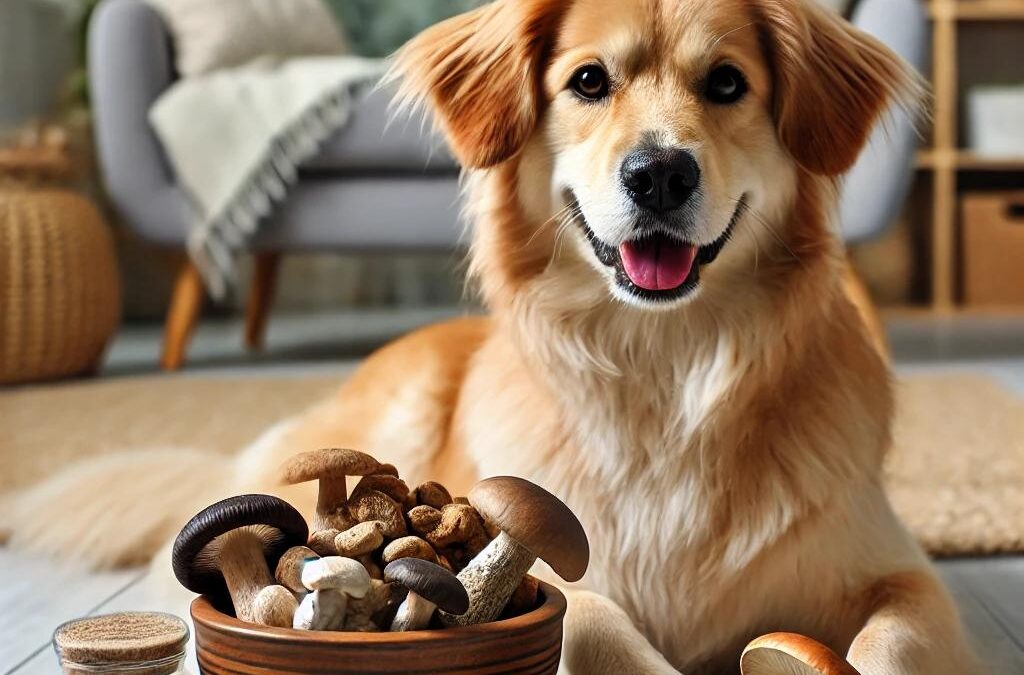
Mushrooms have long been valued for their nutritional and medicinal properties in human diets, but did you know that certain mushroom species can also benefit your dog? With more than fourteen thousand species of mushrooms discovered and classified, around three thousand are considered edible, and many of these varieties pack a nutritional punch that extends beyond humans. In fact, edible mushrooms can provide significant health benefits for your dog, promoting everything from immune system support to reducing inflammation.
1. Nutritional Powerhouses: Why Mushrooms are Good for Dogs
Mushrooms are rich in vitamins, minerals, and antioxidants that are essential for maintaining good health. These nutrients work in synergy with natural compounds and enzymes to provide numerous health benefits. Some of these include decreasing cancer risks, supporting the immune system, improving digestive health, and even protecting the brain. This makes mushrooms a valuable addition to your dog’s diet, especially when you choose varieties that are known for their specific health benefits.
2. Mushroom Varieties That Benefit Your Dog
Not all mushrooms are safe for dogs, but certain species can offer incredible health advantages. Here are a few mushrooms that can help your dog thrive:
- Shiitake: Known for its immune-boosting properties, Shiitake mushrooms are also rich in antioxidants, which help reduce inflammation and support overall health.
- Turkey Tail: This mushroom is famous for its cancer-fighting properties. It contains polysaccharides that stimulate the immune system and may even help prevent tumor growth in dogs.
- Maitake: Rich in beta-glucans, Maitake mushrooms enhance the immune system and have anti-inflammatory effects, making them great for dogs with arthritis or joint issues.
- Reishi: Often called the “Mushroom of Immortality,” Reishi mushrooms help reduce stress, improve sleep, and support heart health.
- Chaga: This powerful mushroom is packed with antioxidants, which help protect your dog’s cells from oxidative damage and support overall health.
- Cordyceps: Known for boosting energy levels, Cordyceps mushrooms also support lung function and help improve endurance, making them an excellent choice for active dogs.
3. How Mushrooms Can Help Dogs with Health Conditions
Incorporating these mushrooms into your dog’s diet can offer targeted health benefits. For example, dogs suffering from chronic inflammation, such as those with arthritis, can benefit from the anti-inflammatory properties of mushrooms like Reishi and Maitake. Additionally, dogs with weakened immune systems can gain significant support from the immune-boosting properties of Shiitake and Turkey Tail mushrooms.
4. Safe Mushroom Use for Dogs
While mushrooms can be highly beneficial for your dog, not all mushrooms are safe. Some wild mushrooms are toxic, so it’s important to only feed your dog species that are known to be safe and beneficial. It’s also a good idea to consult with your veterinarian before introducing mushrooms into your dog’s diet, particularly if your dog has existing health conditions or is taking medication.
Mushrooms are a fantastic, nutrient-dense food that can provide numerous health benefits for your dog. From boosting the immune system to reducing inflammation and improving energy levels, certain mushroom varieties like Shiitake, Turkey Tail, Maitake, Reishi, Chaga, and Cordyceps are packed with valuable compounds that can promote your dog’s overall well-being. With the right guidance, incorporating mushrooms into your dog’s diet can be an excellent way to support their health.

by TCMVET | Sep 12, 2024 | Food & Health
As our beloved dogs grow older, their mental health can begin to decline, just like in humans. In some cases, dogs may even develop cognitive dysfunction syndrome (CDS), a condition similar to Alzheimer’s disease. Fortunately, there are many strategies you can adopt to help maintain your dog’s cognitive health and reduce the chances of mental decline. With dogs living longer than ever, it’s important to ensure they enjoy the best possible quality of life during their golden years. Here are some effective ways to support your aging dog’s mental sharpness.
1. Mental Stimulation
Research shows that cognitive decline can be slowed or even reversed in humans through brain-training exercises. The same principle applies to dogs. Regular mental stimulation can help keep your dog’s brain active and healthy. Activities like playing with teaser balls encourage problem-solving, which can reduce the likelihood of brain function decline. Additionally, teaching your dog new tricks and varying your daily walking routes are excellent ways to engage their mind.
2. Dietary Support: The Power of Luteolin
Luteolin, a flavonoid found in many fruits and vegetables, has shown promise in improving brain function in both mice and humans. Although there is limited research specifically on dogs, it is reasonable to believe that luteolin could offer similar cognitive benefits for our canine companions. You can easily add luteolin-rich foods to your dog’s diet. These include celery, thyme, green peppers, carrots, and rosemary. Incorporating these ingredients into your dog’s meals may help boost brain function and slow down cognitive decline.
3. Consistent Physical Activity
Exercise is not only essential for physical health but also for maintaining mental sharpness. Regular walks, playtime, and interactive games help your dog stay active both mentally and physically. Consider engaging your dog in activities that challenge their mind, such as agility courses or hide-and-seek games, to enhance their cognitive function.
4. Socialization
Just like humans, dogs benefit from social interaction. Keeping your dog engaged with other dogs and people can prevent isolation and mental decline. Regular social outings or playdates with other dogs can stimulate their minds and provide new experiences that help them stay sharp.
5. Healthy Sleep Routine
Sleep is essential for brain health. Ensure your dog has a comfortable and quiet space to sleep, as a good night’s rest allows their brain to recover and function optimally. Older dogs may need more sleep, so make sure to provide ample rest time for your furry friend.
By taking these steps early in your dog’s life, you can help slow down cognitive decline and ensure they enjoy a happy, healthy, and mentally active life well into their senior years. Keeping their minds engaged through mental exercises, a healthy diet, regular physical activity, socialization, and a solid sleep routine can go a long way in protecting your dog’s cognitive health.

by TCMVET | Sep 12, 2024 | Food & Health
Hydration plays a crucial role in maintaining your dog’s overall health, particularly when it comes to reducing inflammation. Water is essential for flushing toxins from the body, promoting healthy kidney function, and preventing conditions like urinary tract infections and kidney stones, which can lead to inflammation. Ensuring that your dog stays properly hydrated is one of the simplest yet most important steps you can take to support their well-being.
Why Hydration Matters for Dogs
Water is fundamental to nearly every bodily function. For dogs, staying hydrated helps regulate body temperature, aids digestion, supports organ function, and even improves joint lubrication. Dehydration, on the other hand, can lead to a host of health issues, including lethargy, reduced kidney function, and an increased risk of inflammation-related conditions.
1. Reducing Inflammation
Proper hydration helps reduce inflammation by flushing toxins out of the body. Toxins that accumulate in the body can trigger inflammatory responses, which lead to pain and discomfort. By drinking enough water, your dog’s kidneys are able to effectively remove these toxins, reducing the risk of inflammation-related conditions.
2. Preventing Urinary Tract Infections and Kidney Stones
Dehydration can lead to concentrated urine, which increases the risk of urinary tract infections and kidney stones. Both of these conditions can cause inflammation and pain in dogs. Regular hydration helps dilute urine and supports healthy kidney function, reducing the risk of these painful issues.
3. Supporting Joint Health
Water plays an essential role in keeping joints well-lubricated, which is particularly important for older dogs or dogs with arthritis. Proper hydration ensures that synovial fluid—the fluid that cushions joints—can work effectively, reducing the risk of joint inflammation and pain.
How to Ensure Your Dog Stays Hydrated
- Provide Fresh Water at All Times: Make sure your dog always has access to clean, fresh water, both indoors and outdoors. Change the water regularly to keep it free from contaminants.
- Monitor Water Intake: In hotter weather or after exercise, dogs will need more water. Keep an eye on their water intake, and encourage them to drink more if necessary.
- Offer Hydration Alternatives: If your dog isn’t drinking enough water, try adding low-sodium broth to their meals or offering water-rich foods like cucumbers or watermelon (in moderation).
Signs of Dehydration in Dogs
It’s important to recognize the signs of dehydration early to prevent serious health issues. Symptoms include:
- Dry gums or nose
- Lethargy or weakness
- Sunken eyes
- Panting excessively
- Loss of skin elasticity
If you notice these signs, encourage your dog to drink water, and if dehydration persists, consult your veterinarian immediately.
Proper hydration is essential for your dog’s health, particularly when it comes to reducing inflammation and preventing conditions like urinary tract infections and kidney stones. By ensuring your dog has constant access to fresh water and monitoring their intake, especially during hot weather or after exercise, you can help them stay healthy and comfortable.

by TCMVET | Sep 10, 2024 | Food & Health
Berries like blueberries, raspberries, and cranberries are not just delicious snacks for humans—they are also powerful superfoods that can benefit your dog’s health. Packed with antioxidants, vitamins, and fiber, these little fruits have the potential to boost your dog’s immune system, improve memory, support heart health, and even help prevent cancer. Let’s explore the benefits of these berries and how to incorporate them into your dog’s diet.
Why Berries are Great for Dogs
Berries are rich in antioxidants, which are crucial for fighting off free radicals—unstable molecules that can cause oxidative stress and contribute to cancer development. Including antioxidant-rich foods in your dog’s diet helps protect their cells from damage, potentially reducing the risk of cancer. In addition to antioxidants, berries provide essential vitamins like vitamin C, as well as fiber that supports healthy digestion.
Blueberries: A Nutritional Powerhouse
Blueberries are one of the best fruits to include in your dog’s diet. They are low in calories but high in antioxidants, making them ideal for cancer prevention. Blueberries are also linked to improved cognitive function and memory, which is beneficial for senior dogs.
You can offer your dog fresh or frozen blueberries as a healthy snack or mix them into their meals. Most dogs enjoy the sweet taste, so blueberries are usually a hit.
Raspberries: Heart-Healthy and Full of Fiber
Raspberries are another fantastic berry to consider. In addition to being loaded with antioxidants, raspberries are high in fiber, which helps support a healthy digestive system. They also have anti-inflammatory properties, which can benefit dogs suffering from chronic inflammation, arthritis, or joint issues.
However, some dogs may find the taste of underripe raspberries a bit too tart. In that case, try blending them into a smoothie or mixing them with other foods your dog already enjoys.
Cranberries: The Natural Urinary Tract Protector
Cranberries are widely known for their ability to support urinary tract health by preventing bacteria from adhering to the bladder wall. They are particularly useful for dogs prone to urinary tract infections (UTIs). Cranberries are also full of antioxidants, vitamins, and fiber, making them a powerful tool in your dog’s cancer-prevention diet.
Since cranberries can be quite bitter, many dogs may refuse to eat them raw. If this is the case, cranberry supplements or natural, unsweetened cranberry juice can be a great alternative. You can also mix cranberries with your dog’s food to make them more palatable.
How to Feed Berries to Your Dog
If your dog enjoys the taste of fresh berries, you can serve them raw as treats or mix them into their regular food. Make sure to wash the berries thoroughly to remove any pesticides or dirt.
For dogs that are picky eaters, or who dislike the bitterness of certain berries like cranberries or underripe raspberries, you can try blending them into a smoothie or mixing them with other foods, such as yogurt, to make them more appetizing. There are also berry-based supplements available for dogs, which provide a concentrated dose of their health benefits.
Berries like blueberries, raspberries, and cranberries are excellent additions to your dog’s diet, thanks to their high antioxidant content and numerous health benefits. Whether served as treats, mixed into meals, or offered in supplement form, these superfoods can help protect your dog from cancer, support heart health, and improve their overall well-being. Incorporating berries into your dog’s diet is a simple and natural way to boost their health and help prevent disease.
