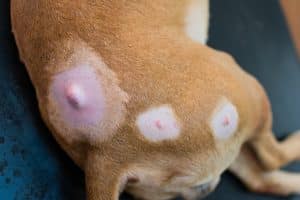
Fatty tumors, also known as lipomas, are common in dogs, especially as they age. While these tumors are benign and usually harmless, many pet owners seek ways to treat or prevent them to ensure the health and comfort of their furry companions. Among various treatments and preventative measures, Chinese herbs have gained increasing attention in recent years. In this article, we will delve into the potential of Chinese herbs in treating and managing fatty tumors in dogs.
Understanding Fatty Tumors (Lipomas)
Lipomas are soft, movable lumps that form under the skin. They’re formed by the overgrowth of fat cells and can vary in size. While they are non-cancerous and typically don’t cause pain, they can become problematic if they grow too large or press against other organs or tissues.
Why Consider Chinese Herbs?
Traditional Chinese Veterinary Medicine (TCVM) has been practiced for thousands of years and offers a holistic approach to treating various ailments in animals. Chinese herbs, in particular, are known to help in balancing the body’s Qi (energy), enhancing the immune system, and promoting overall health. Their natural and holistic nature makes them a favored choice for many pet owners wary of the side effects of conventional drugs.
Chinese Herbs for Lipomas
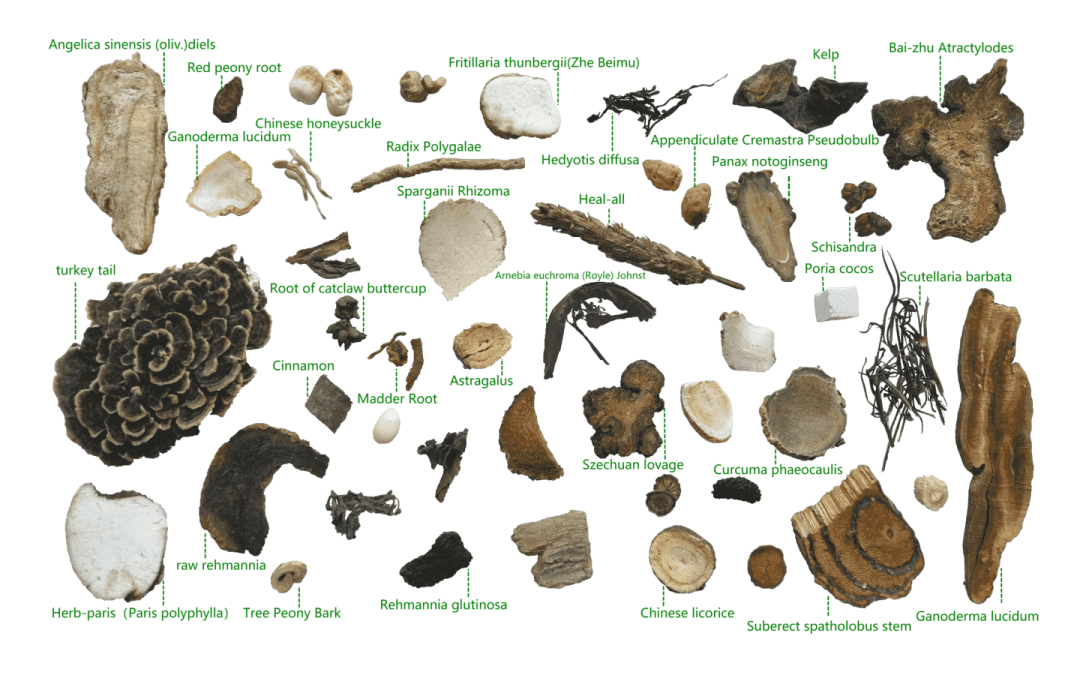
Jiaogulan (Gynostemma pentaphyllum): Often called the ‘immortality herb’, Jiaogulan is believed to boost the immune system and improve circulation. It may help in slowing down the growth of lipomas.
Hawthorn (Crataegus): Traditionally used to support heart health, Hawthorn also has anti-inflammatory properties. This can potentially reduce the size or prevent the growth of fatty tumors.
Turmeric (Curcuma longa): Known for its powerful anti-inflammatory and antioxidant properties, Turmeric can be beneficial in preventing and managing lipomas.
Reishi Mushroom (Ganoderma lucidum): This mushroom is renowned in Chinese medicine for boosting the immune system and promoting overall health, potentially preventing the formation of lipomas.
Consultation is Key
While the potential of Chinese herbs in treating lipomas is promising, it’s essential for pet owners to consult with a veterinarian before administering any herbs. Some herbs may interact with medications or have unwanted side effects. A vet knowledgeable in both Western and Chinese medicine can provide the best guidance on the correct dosage and combination of herbs for your dog.
Conclusion
Lipomas are common in dogs and, while mostly harmless, can be a cause for concern. The holistic approach of Traditional Chinese Veterinary Medicine, including the use of Chinese herbs, offers a natural alternative or complement to conventional treatments. With proper consultation and care, these herbs might just be the answer to managing or even preventing fatty tumors in our canine companions.
A dog’s cough can be as alarming as a baby’s cry, especially if it’s persistent or seems out of the ordinary. Understanding the causes and remedies is crucial for any concerned pet parent.
1. Understanding the Canine Cough:
Just like humans, dogs cough for various reasons, ranging from simple throat irritation to more severe health issues. Identifying the type and frequency can help determine its cause and the best approach to treatment.
2. Common Causes:
Kennel Cough: A highly contagious respiratory disease often spread in places where dogs congregate.
Allergies: Pollen, dust, or mold can lead to coughing.
Foreign Objects: Dogs are curious creatures; occasionally, they may inhale something that irritates their throat.
Underlying Health Issues: Heart disease, lung disease, or infections can cause coughing.
3. Home Remedies:
Honey: A natural anti-inflammatory and soothing agent, a teaspoon of honey can temporarily relieve mild coughs.
Steam: If your dog is comfortable, allow them to inhale steam from a shower, which can help clear mucus.
Hydration: Ensure your dog has constant access to fresh water. This helps soothe the throat and keeps them hydrated.
4. Environmental Adjustments:
Air Quality: Ensure proper ventilation in your home, and consider using air purifiers if allergies are suspected.
Smoke-Free Zone: Protect your pup from second-hand smoke, which can irritate the respiratory system.
5. When to Visit the Vet:
Persistent Coughing: If the cough continues for more than a week or seems severe.
Additional Symptoms: If accompanied by lethargy, appetite loss, or difficulty breathing.
Vaccinations: Ensure your dog’s vaccinations, especially against kennel cough, are up-to-date.
6. Prevention:
Regular Check-ups: This helps catch potential issues early.
Safe Play: Supervise playtimes, especially in new environments or with new toys, to prevent foreign object inhalation.
In Conclusion:
A coughing dog can be a source of concern, but with the right knowledge and proactive care, many causes can be addressed or even prevented. Always trust your instincts as a pet owner; if something doesn’t feel right, it’s best to consult with a veterinarian. Prioritize your dog’s health, ensuring they have a comfortable and cough-free life.
Canine tracheal collapse is a concerning condition, especially for loving dog parents who hate to see their furry friends in distress. While traditional veterinary medicine offers numerous solutions, many are turning towards holistic treatments to complement or enhance these methods. Let’s explore the natural approaches to understanding and managing tracheal collapse in dogs, optimized for SEO and overall canine well-being.
1. Understanding Tracheal Collapse:
The trachea, or windpipe, is a tube that transports air to and from the lungs. In some dogs, this tube can weaken and collapse, causing coughing, difficulty breathing, and other distressing symptoms.
2. The Holistic Perspective:
Holistic medicine aims to treat the whole dog – body, mind, and spirit. For tracheal collapse, this means addressing not just the physical symptoms, but also the potential environmental and emotional triggers.
3. Weight Management:
Dietary Focus: Ensuring your dog maintains a healthy weight is crucial. Excess weight can exacerbate symptoms. A balanced, natural diet can aid in weight loss and overall health.
Regular, Gentle Exercise: Low-impact exercises, like walking or swimming, can help keep weight in check without putting undue stress on the trachea.
4. Herbal Remedies:
Licorice Root: Known to have anti-inflammatory properties, it can help soothe and reduce inflammation in the trachea.
Marshmallow Root: This herb can soothe mucous membranes, potentially benefiting dogs with tracheal collapse.
5. Supplements:
Omega-3 Fatty Acids: Known for their anti-inflammatory effects, they might help reduce inflammation in the tracheal area.
Antioxidants: Vitamins like C and E can support overall respiratory health.
6. Environmental Adjustments:
Humidifiers: Moist air can help soothe the trachea and ease breathing in some dogs.
Smoke-Free Zone: Ensure your dog’s environment is free from smoke or strong fumes, which can irritate the respiratory system.
7. Acupuncture and Chiropractic Care:
While more research is needed, some believe that these modalities can help by reducing inflammation and enhancing overall well-being.
8. Stress Reduction:
Anxiety can exacerbate symptoms. Techniques like gentle massage, calming music, or even aromatherapy (using dog-safe essential oils) can help keep your pet relaxed.
In Conclusion:
Holistic treatments for tracheal collapse in dogs offer a comprehensive approach, focusing on the entire well-being of the pet. While they should ideally be used in conjunction with traditional veterinary care, they offer additional avenues for relief and recovery. Always work closely with professionals, whether traditional veterinarians or holistic practitioners, to ensure the best outcome for your furry friend.
With the rising trend in holistic health and well-being, pet parents worldwide are seeking natural ways to enhance their dog’s health and longevity. Canine lymphoma, a common malignancy, is no exception. While traditional treatments like chemotherapy play a pivotal role in managing this disease, holistic alternatives offer complementary support. Dive into the world of holistic treatments for canine lymphoma, optimized for SEO and your pet’s well-being.
1. Understanding Canine Lymphoma:
Lymphoma is a cancer of the lymphatic system. Though aggressive, with timely diagnosis and treatment, many dogs can live comfortably for extended periods.
2. Why Consider Holistic Treatment?:
Holistic treatments focus on the whole dog – mind, body, and spirit. The idea is not just to treat the disease but to improve overall quality of life.
3. Dietary Adjustments:
Anti-inflammatory Diet: Foods like blueberries, turmeric, and fish oils, rich in omega-3 fatty acids, have anti-inflammatory properties which can support overall health.
High Protein, Low Carb: Some believe a diet low in carbohydrates can be beneficial for cancer patients as cancer cells predominantly use glucose for energy.
4. Herbal Supplements:
Astragalus: Boosts the immune system and can potentially slow tumor growth.
Milk Thistle: Supports liver function, especially if your dog is undergoing chemotherapy.
Echinacea: Enhances immune system function but should be used under veterinary supervision.
5. Acupuncture:
This ancient Chinese practice can alleviate some symptoms associated with lymphoma and side effects of chemotherapy, like nausea and fatigue.
6. CBD and Hemp Oils:
While research is in its infancy, some dog owners report that these oils help with pain management and appetite stimulation. Always choose a high-quality source and consult your vet.
7. Essential Oils:
Lavender and chamomile can be calming for pets undergoing treatment. However, ensure any oil used is pet-safe and properly diluted.
8. Massage and Physical Therapy:
This can help with circulation, muscle tone, and overall well-being. Plus, it’s a great bonding activity!
9. Consultation is Key:
Remember, while holistic treatments can offer support, they should not replace traditional treatments without veterinary consultation. Discuss all therapies, supplements, and diet changes with a holistic or integrative veterinarian to ensure they’re safe and effective.
In Conclusion:
A holistic approach to canine lymphoma aims to enhance quality of life, manage symptoms, and complement traditional treatments. In a digital age where pet parents are proactively seeking health information, blending both science and nature offers a harmonious solution for our beloved four-legged companions. Always prioritize professional advice and trust reputable sources when charting the best path forward for your furry friend.
introduce: Dog tumors are a common health problem that cause anxiety and distress to pet owners. Traditional Chinese veterinary medicines such as Yunnan Baiyao and Baituxiao are alternative treatments for canine tumors. In this article, we will explore the advantages of Yunnan Baiyao and Baituxiao in the treatment of canine tumors and compare their components in detail.
Comprehensive comparison of Yunnan Baiyao and Baituxiao in the treatment of canine tumors 3
Benefits of Yunnan Baiyao in treating canine tumors: Hemostasis: Yunnan Baiyao is known for its ability to stop bleeding, which is beneficial in controlling bleeding from bleeding tumors or after surgery. Anti-inflammatory effect: The herbal components in Yunnan Baiyao help reduce inflammation and help relieve pain and discomfort associated with tumors. Promote blood circulation: Yunnan Baiyao promotes blood circulation, provides nutrients and oxygen to the affected area, and promotes healing. Immune System Support: Yunnan Baiyao has properties that help boost the immune system and aid in the overall recovery process.
Yunnan Baiyao is commonly used to extend the life of dogs (and cats) with bleeding cancers such as hemangiosarcoma or nasal cancer (nosebleeds). Some treatments for cancer, such as Chemotherapy, tend to promote bleeding; it makes sense that giving a supplement to promote blood clotting would be a benefit. It is believed that Yunnan Baiyao works by activating the platelets, which are the small blood components that help make the blood clot. Blood clots are the first step in a scab. They are like little plugs or corkes in the way they stop hemorrhage.
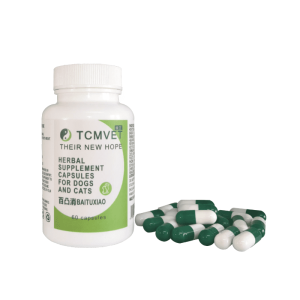
Efficacy of Baituxiao in the treatment of canine tumors: Inhibit tumor growth: Baituxiao contains ingredients that can directly inhibit the growth of tumor cells and prevent the spread of malignant cells. Promoting cell apoptosis: Baituxiao helps to promote tumor cell apoptosis (cell death) and effectively shrink tumor volume. Strengthen the immune system: Baituxiao enhances the immune response, helping the body to target and eliminate tumor cells more effectively. Anti-Metastatic Properties: White Rabbit Xiao contains herbal extracts that prevent tumor cells from metastasizing (spreading) to other parts of the body.
It is commonly used to help dissolve (shrink) various tumors and masses in dogs and cats both inside and outside the body, shrinking and inhibiting the growth of tumors. It can also inhibit the spread of cancer cells. Soften hard tumors, reduce swelling and pain, invigorate blood circulation and remove blood stasis; promote healing after surgery, generate blood and replenish blood. Effectively reduce the probability of tumor recurrence after surgery and improve the quality of life of patients. Helps pets with tumors to recover.
Both Yunnan Baiyao and Baituxiao are effective Chinese veterinary medicines for treating canine tumors. Yunnan Baiyao has hemostatic and anti-inflammatory effects, while Baituxiao focuses more on directly inhibiting tumor growth and metastasis, dissolving and helping to shrink. Both of these therapies provide immune system support, which is crucial in fighting tumors.
Having a pet companion might be therapeutic for teens going through difficult times who may not want to be around other people. Having a pet may help them feel less alone, and the caretaking may help them develop a sense of responsibility and purpose. Pets can also teach kids about empathy, trust, and selflessness. They can also reduce stress and anxiety levels. Pets can have a positive impact on mental health. They can provide companionship, love, and support during difficult times. Pets provide unconditional love and are a loyal friend. They can help reduce anxiety and stress and can provide a sense of comfort. Pets can also help teach responsibility and can provide a sense of purpose.
It may be tough to decide, but only one animal has the power to entirely lift a person’s spirits. The ferret is this animal’s finest feature, one of its three best qualities, making it a great fit for any personality. They are playful, curious, and mischievous. Their personalities are so endearing that they have even been known to make people laugh. The second best quality of the ferret is its loyalty. Ferrets bond closely with their owners and are quick to learn tricks. They are also very affectionate, and will often cuddle with their owners. The third best quality of the ferret is its intelligence. Ferrets are very smart animals, and are known for their problem-solving abilities. They are also quick learners, and can be trained to do a variety of tricks. Ferrets are known for their mischievous and playful nature. They are often described as “full of energy” and “always on the go.” They are also very curious and intelligent, which can make them challenging to keep entertained. Ferrets are also extremely affectionate animals. They enjoy cuddling and being petted, and they have been known to form strong bonds with their owners. Finally, ferrets are very social animals. They enjoy being around other ferrets and animals, and they do not do well when left alone for long periods of time.
Every animal has drawbacks, but there are only two major drawbacks with ferrets: they may sometimes be too inquisitive and they cannot eat table leftovers. Despite everything, a ferret still makes a wonderful pet. Your day may be made better by their antics since they specialize in trying to steal things like wallets, vehicle keys, or anything else they have become attached to. They will also try to search your pockets or rummage through your purse. They are notorious for chewing on cords and cables, so unplug any electronics they can reach before leaving the house. If you are thinking about getting a ferret, you should think about some pros and cons of having a ferret as a pet. Ferrets have been domesticated for a long time, and they make wonderful pets. They are very playful and curious, but they can also be mischievous. They are very active, and they need a lot of exercise. Ferrets are very curious, and they will want to explore everything. This can be a good thing, but it can also be a bad thing. They will want to go through your trash, and they will want to chew on things. You need to make sure that you keep an eye on them, and you need to be prepared for them to make a mess. Ferrets are very active, and they need a lot of exercise. They will want to run and play, and they will want to explore.