by TCMVET | Aug 17, 2026 | Research and News
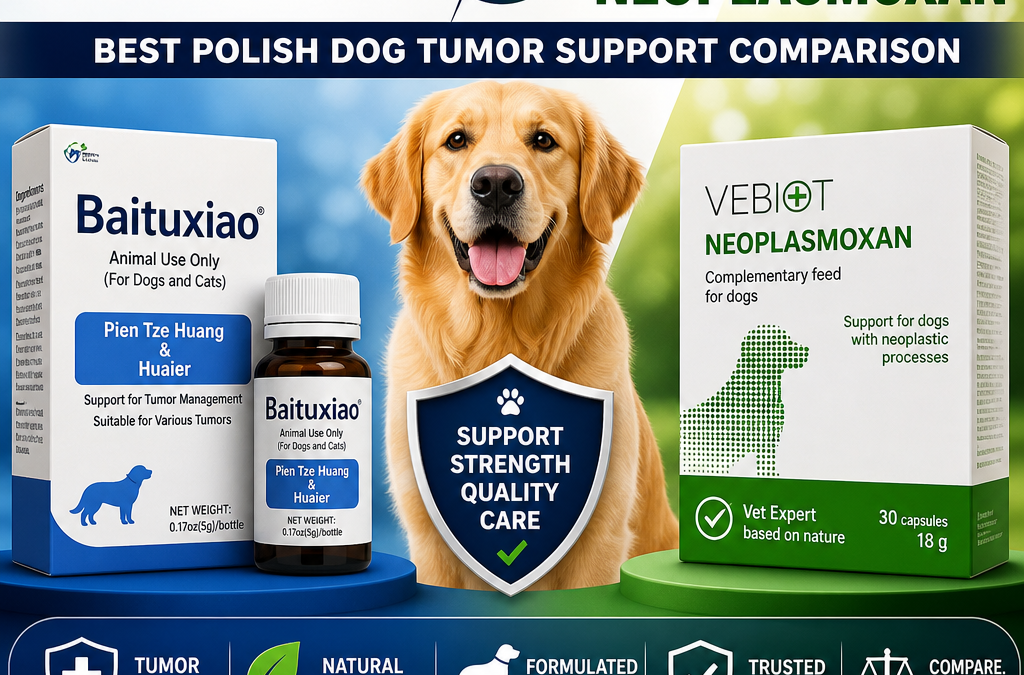
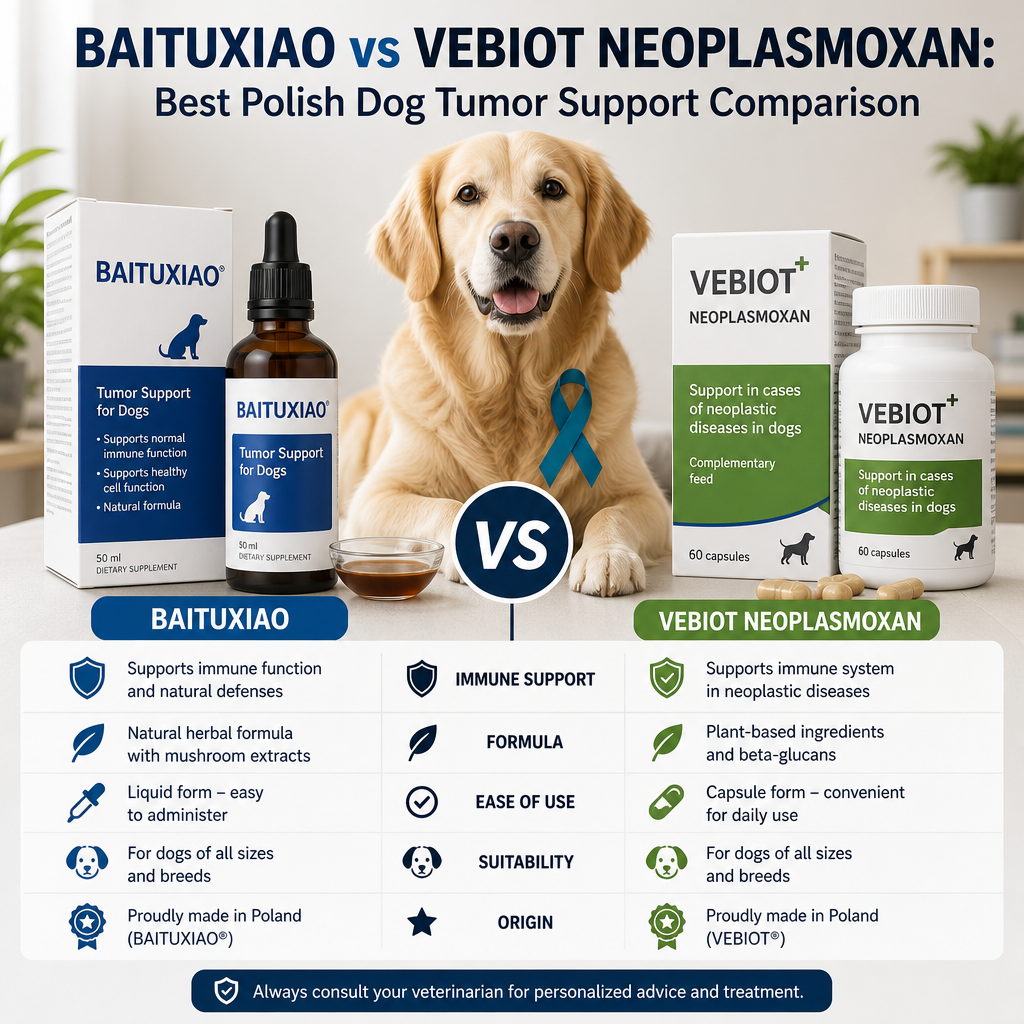
Baituxiao vs VEBIOT Neoplasmoxan is a comparison many dog owners encounter when searching for nutritional support during a pet’s tumor-care journey. Both products are marketed as complementary supplements, not replacements for veterinary diagnosis or treatment, and their ingredients, intended uses, feeding instructions, and quality controls should be reviewed carefully before making a decision. The right choice depends on the dog’s diagnosis, current treatment plan, overall health, and veterinarian’s advice.
For many owners, the decision is less about brand preference and more about practicality. Can the supplement be given consistently? Is the label clear? Does it fit the dog’s current condition? Those questions matter when you are trying to support comfort, appetite, and day-to-day wellbeing during cancer care.
Before comparing labels, it helps to understand how supportive products fit into cancer care and what practical questions matter most. If you want a broader perspective on canine tumor support, you may also find this guide to anal sac cancer in dogs useful for understanding the treatment context.
Understanding dog tumor support supplements
A tumor-support supplement may be used to help maintain appetite, energy, weight, immune function, or general nutritional status. However, supplements cannot reliably eliminate tumors or substitute for surgery, chemotherapy, radiation, pain management, or other veterinary interventions. Cancer care is highly individualized, so a product that seems appropriate for one dog may be unsuitable for another.
Dogs with cancer can experience reduced appetite, digestive upset, inflammation, weight loss, fatigue, and medication-related side effects. A carefully selected supplement may support general wellbeing, but it should be considered one part of a broader plan that includes medical treatment, suitable nutrition, regular examinations, and monitoring.
When owners read a Baituxiao vs VEBIOT Neoplasmoxan comparison, they are often trying to answer a simpler question: which product fits the dog’s current condition best? That question is more useful than choosing based on brand recognition alone.
It also helps to remember that supportive products are not one-size-fits-all. Dogs in active treatment may have very different needs from dogs receiving palliative care or those recovering from surgery. A thoughtful Baituxiao vs VEBIOT Neoplasmoxan review should therefore start with the dog, not the packaging.
Baituxiao vs VEBIOT Neoplasmoxan: key differences to review
The most important part of a Baituxiao vs VEBIOT Neoplasmoxan review is not simply which product has more ingredients. Owners should examine the formula, dosage, product purpose, manufacturing information, and compatibility with the dog’s treatment.
Baituxiao is generally presented as a multi-ingredient botanical and nutritional supplement for dogs with masses or other serious health concerns. VEBIOT Neoplasmoxan is also marketed as a supportive formula associated with tumor care. Product formulations can change, and listings from different sellers may provide incomplete or inconsistent information. For that reason, the current label and manufacturer documentation should always be treated as the primary source.
Important comparison points include:
- Ingredient transparency: Every active and inactive ingredient should be clearly listed, preferably with the amount per serving.
- Formulation goals: Some products emphasize herbal compounds, while others focus on broader nutritional or antioxidant support.
- Serving instructions: Dosage may depend on body weight, age, or health status.
- Quality assurance: Look for information about manufacturing standards, batch testing, expiration dates, and storage.
- Veterinary compatibility: Ingredients may interact with chemotherapy, steroids, anti-inflammatory drugs, anticoagulants, or medications processed by the liver.
- Dog-specific suitability: A formula suitable for one size or breed may not be appropriate for puppies, seniors, pregnant dogs, or dogs with kidney or liver disease.
In practice, the best Baituxiao vs VEBIOT Neoplasmoxan decision usually comes down to clarity. Clear labels, clear dosing, and clear safety information are far more valuable than vague promises.
Owners who are still comparing options often benefit from asking the veterinarian how the product fits into the current care plan. In many cases, a detailed Baituxiao vs VEBIOT Neoplasmoxan review is less about brand preference and more about whether the dog can safely tolerate the formula.
It is also worth looking at the product’s intended role in support care. A supplement may be positioned for general wellness, but that does not mean it is appropriate during every stage of illness. In a serious diagnosis, small details such as timing, flavor, and ingredient concentration can matter as much as the marketing claim.
VEBIOT Neoplasmoxan comparison: what owners should examine
A useful VEBIOT Neoplasmoxan comparison should focus on evidence and safety rather than promotional claims. Marketing language may describe a supplement as supporting tumor health, immunity, or normal cellular function, but these statements do not necessarily prove that the product shrinks tumors or improves survival.
Owners should check whether the label identifies standardized extracts, exact quantities, and clear directions. Herbal ingredients can vary in potency, and broad terms such as “proprietary blend” may make it difficult to determine how much of each component the dog receives. Clear labeling is especially important when a dog is taking several medications.
It is also worth reviewing the product’s physical form. Capsules, tablets, powders, and liquids differ in ease of administration and may affect whether a dog accepts the supplement. Palatability matters because forcing an unwanted product can increase stress or cause food aversion. A supplement should never be mixed into a full meal without considering whether the dog might reject that food afterward.
If a product page or package includes a manufacturer website, owners should check the original source rather than relying on resellers. Official documentation is usually the best place to confirm a VEBIOT Neoplasmoxan comparison point such as serving size, recommended use, or storage instructions.
When comparing Baituxiao vs VEBIOT Neoplasmoxan, it also helps to ask whether the seller provides a current lot number, expiration date, and contact details for product support. Those small details can make a real difference when you are trying to verify quality or report an issue later.
Ingredient quality and label reading
One of the most overlooked parts of a Baituxiao vs VEBIOT Neoplasmoxan decision is learning how to read the label carefully. A supplement can sound sophisticated without being especially transparent. Owners should look for exact ingredient names, amounts, serving size, and any warnings about animal use.
If a formula contains herbal extracts, it is helpful to know whether the extract is standardized or simply listed by plant name. Standardization does not guarantee effectiveness, but it may provide more consistency from batch to batch. The same is true for vitamins, amino acids, and antioxidant compounds: the form and amount matter.
Another useful question is whether the product has a recognizable quality-control process. Good manufacturing practices, batch numbers, and clear expiration dating help reduce uncertainty. A thoughtful Baituxiao vs VEBIOT Neoplasmoxan comparison should treat these details as part of the product’s value.
Owners should also pay attention to inactive ingredients. Flavoring agents, fillers, and preservatives are not always harmful, but they can matter for dogs with food sensitivities or digestive problems. If a dog has a sensitive stomach, a product with too many added ingredients may be harder to tolerate even if the active formula looks appealing.
When label information is vague, it becomes harder to judge whether the formula is suitable alongside current treatment. That is why the safest approach is usually to choose the option with the clearest documentation, not the most dramatic claims.
How to use Baituxiao vs VEBIOT Neoplasmoxan in daily routine
Even if a supplement appears reasonable on paper, daily use matters. A product that is difficult to give, disliked by the dog, or inconvenient to store may not be practical for long-term support. In real life, consistency is one of the strongest predictors of whether a supplement will be useful.
Think about how the product will fit into meals and medications. Some dogs do better when supplements are given with food, while others need a carefully timed schedule to avoid nausea or medication conflicts. The question is not just which formula looks better in a Baituxiao vs VEBIOT Neoplasmoxan comparison, but which one can realistically be used without creating stress.
It may also help to create a simple routine. For example, write down the time of day the supplement is given, whether it was eaten willingly, and whether any side effects appeared afterward. This basic record can be very useful during follow-up visits.
If the dog is already dealing with reduced appetite, introducing an unfamiliar taste or texture too quickly may lead to refusal. In that situation, a slower transition or a different delivery method may be more practical than continuing to force the issue. The best supportive product is the one the dog can actually take.
For some families, the outcome of Baituxiao vs VEBIOT Neoplasmoxan comes down to whether the product can be administered reliably during a difficult medical period. Reliability often matters more than novelty.
Safety considerations before choosing either product
Before beginning Baituxiao, VEBIOT Neoplasmoxan, or any similar product, provide the veterinarian with a complete list of medications, supplements, and dietary products the dog receives. This includes over-the-counter remedies and human supplements. Some botanical compounds can affect bleeding, blood pressure, blood sugar, sedation, or drug metabolism.
Extra caution is appropriate for dogs with:
- Liver or kidney disease
- A history of gastrointestinal ulcers or pancreatitis
- Bleeding disorders
- Diabetes or unstable blood sugar
- Pregnancy or nursing
- Known allergies or sensitivities
- Upcoming surgery
- Active chemotherapy or radiation treatment
Possible warning signs after starting a supplement include vomiting, diarrhea, refusal to eat, unusual tiredness, itching, facial swelling, worsening pain, dark stools, or changes in urination. Stop and contact a veterinarian promptly if severe or unexpected symptoms appear. A product should also be discontinued before a procedure if the veterinarian believes its ingredients could increase surgical risk.
For dog owners comparing tumor-support products, safety is not a minor detail. In a Baituxiao vs VEBIOT Neoplasmoxan review, safety should be treated as a deciding factor, not an afterthought.
One reliable rule is to start only one new supplement at a time and to give it long enough for a fair assessment. That makes any Baituxiao vs VEBIOT Neoplasmoxan observation easier to interpret if appetite, stool quality, or energy changes afterward.
It is also wise to remember that a dog may respond differently over time. What is tolerated during a stable week may not be tolerated during chemotherapy, after surgery, or during a flare of gastrointestinal upset. That is why monitoring is as important as the initial choice.
How to make a practical dog tumor support comparison
A structured dog tumor support comparison can help prevent decisions based solely on advertising or anecdotal testimonials. Begin by writing down the dog’s diagnosis, treatment schedule, symptoms, weight, and nutritional concerns. Then compare each product using the same criteria.
First, assess whether the product has a clearly defined purpose. Is it intended to support appetite, general nutrition, antioxidant intake, or another goal? Next, evaluate ingredient disclosure and dosing instructions. After that, review safety information and ask whether the product has been tested for contaminants or produced under recognized quality standards.
Cost and convenience also matter, but they should come after safety and suitability. A less expensive product is not necessarily better if the label is incomplete or the dog cannot tolerate it. Likewise, a premium price does not prove superior effectiveness.
Keep records of the dog’s appetite, body weight, stool quality, energy, and any changes after starting a supplement. These observations can help the veterinarian determine whether the product is tolerated and whether it should be continued. Avoid starting multiple new supplements at once, because doing so makes it difficult to identify the cause of a reaction or determine which product may be helping.
In a practical Baituxiao vs VEBIOT Neoplasmoxan decision, the most useful questions are simple: can the dog take it consistently, is it easy to verify what is inside, and does it fit the medical plan?
That kind of dog tumor support comparison also helps owners stay focused on quality of life. When a dog is already coping with illness, the most helpful supplement is often the one that can be given reliably without creating new problems.
Owners may also benefit from comparing the products side by side in a short checklist. Write down the ingredient list, dosage, warnings, and any known interaction concerns. When those details are visible on the same page, the better option usually becomes easier to identify.
Simple checklist for comparing support products
- Is the label complete and easy to verify?
- Does the product list exact amounts or only broad blends?
- Is the dosage practical for the dog’s size and routine?
- Are there possible interactions with current medications?
- Does the dog tolerate the form, flavor, and timing?
- Is there clear company contact or quality information?
Using a checklist can prevent confusion when symptoms are already stressful. It also turns a broad Baituxiao vs VEBIOT Neoplasmoxan decision into a more manageable step-by-step process.
The role of veterinary guidance
The strongest comparison is one made in the context of the dog’s specific diagnosis. A veterinarian may recommend avoiding certain ingredients during chemotherapy, adjusting the timing of supplements, or selecting a therapeutic diet instead. In some cases, maintaining calorie intake and controlling nausea are more urgent than adding a tumor-support product.
Veterinary oncologists can also explain what is known and unknown about a supplement’s evidence. Laboratory findings, anecdotal reports, and animal studies do not automatically demonstrate effectiveness in dogs with naturally occurring cancer. Evidence should be interpreted carefully, especially when claims involve tumor reduction, longer survival, or treatment enhancement.
Helpful background information from recognized medical sources can also improve decision-making. For example, the PubMed Central research library offers access to peer-reviewed veterinary and biomedical studies that may help owners and clinicians evaluate supplement claims more critically.
Veterinary guidance is especially valuable when a dog has several health problems at once. Kidney disease, liver disease, digestive sensitivity, and advanced age can all change how a supplement should be used. In those situations, a safe choice on paper may still need dose adjustments or may need to be avoided entirely.
Ultimately, Baituxiao vs VEBIOT Neoplasmoxan should be approached as a safety and suitability decision rather than a simple winner-takes-all contest. Compare current labels, confirm quality information, consider drug interactions, and involve the treating veterinarian. A thoughtful plan that protects appetite, comfort, treatment adherence, and quality of life is more valuable than choosing a product based on the strongest marketing claim.
For many families, the best outcome is not finding a supplement that promises everything, but choosing a sensible option that fits the dog’s real needs. That is why Baituxiao vs VEBIOT Neoplasmoxan should always be reviewed alongside veterinary advice, current treatment goals, and the dog’s day-to-day response.
Final thoughts for Polish dog owners
Polish dog owners comparing supportive products often face the same challenge seen everywhere else: many supplements sound helpful, but only a few provide enough detail to judge them properly. A calm, label-based approach is usually the best way forward.
If you are still deciding between these options, return to the essentials. Look at the ingredients, the daily dose, the quality information, and the dog’s ability to tolerate the product. When those pieces are clear, Baituxiao vs VEBIOT Neoplasmoxan becomes a more practical decision and less of a guessing game.
In the end, the best choice is the one that supports the dog’s comfort and fits the veterinary plan. That simple standard is often the most reliable way to evaluate Baituxiao vs VEBIOT Neoplasmoxan in real-world use.
by TCMVET | Aug 17, 2026 | Research and News
Stangest OncoVet II alternative products are increasingly sought by dog owners in Spain who want nutritional support for a pet diagnosed with a tumor. These supplements may help maintain appetite, energy, immune function, and general wellbeing, but they should never replace veterinary diagnosis or cancer treatment. The most suitable option depends on the dog’s tumor type, current medication, age, weight, and overall health.
For many families, the search for a Stangest OncoVet II alternative starts with one practical question: what can help the dog feel better right now without complicating the treatment plan? That answer is not always the same for every patient. Some dogs need more calories, some need digestive support, and some need a product with omega-3s or immune-support nutrients. The right choice should be simple to give, transparent about ingredients, and appropriate for the dog’s current condition.
It is also important to remember that supportive products are only one part of care. A veterinary oncology plan may include surgery, chemotherapy, radiotherapy, pain control, anti-nausea medication, or a prescription diet. Supplements can fit into that plan, but they should be chosen carefully and reviewed with the veterinarian before use.
Why look for alternatives to Stangest OncoVet II?
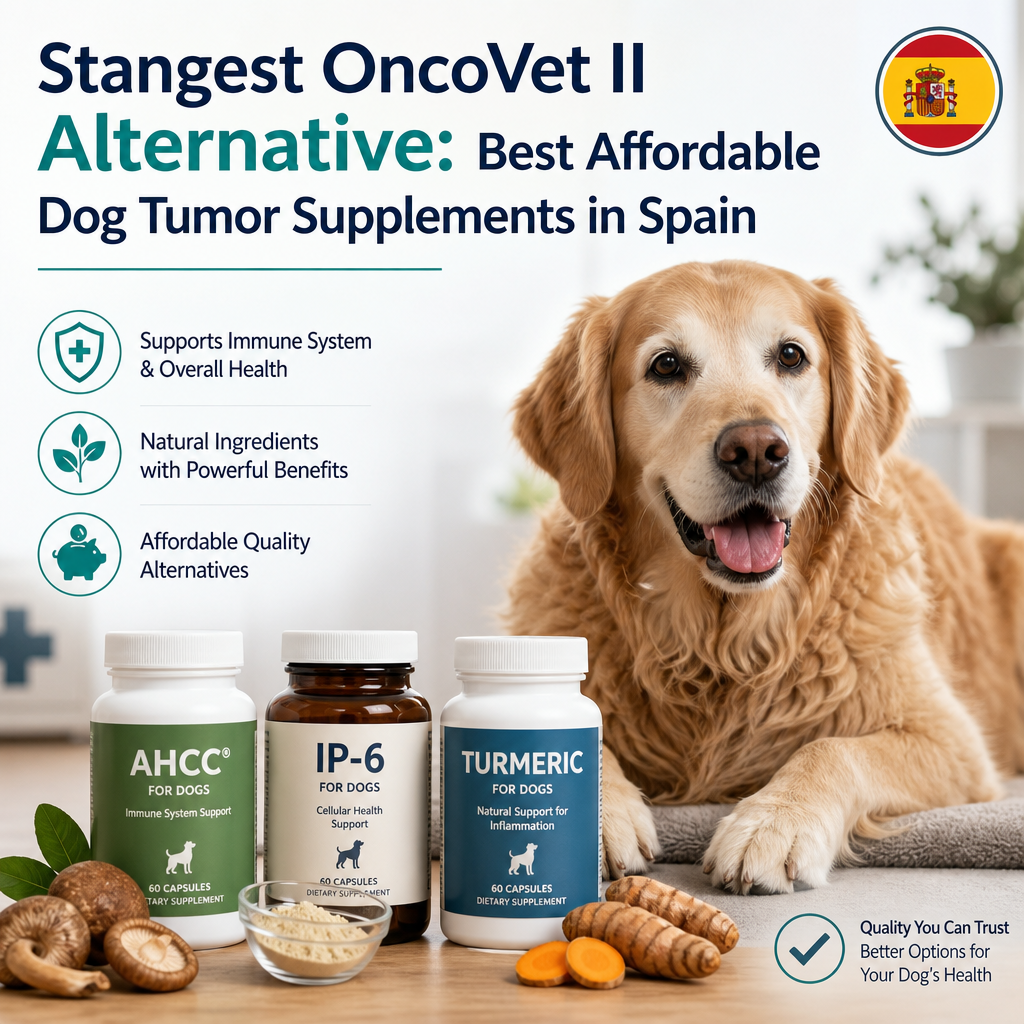
Stangest OncoVet II is known as a complementary nutritional product for dogs and cats requiring additional support during serious illness. However, availability, price, delivery times, and individual tolerance can lead owners to explore alternatives to Stangest OncoVet II.
Some dogs may also need a different formulation because they have difficulty swallowing tablets, digestive sensitivity, kidney or liver disease, or a treatment plan that limits certain ingredients. In Spain, the cost of long-term supplementation can be significant, particularly when combined with veterinary consultations, diagnostic imaging, surgery, chemotherapy, or prescription diets.
An alternative should therefore be chosen based on quality and suitability rather than marketing claims alone. A lower-cost product is useful only if it is safe, practical to administer, and compatible with the dog’s medical care. For many owners, the first goal is finding a Stangest OncoVet II alternative that fits the dog’s daily routine without adding stress.
There are also practical reasons to compare options. Some brands sell only through specific channels, while others may be easier to find in veterinary clinics, pharmacies, or reputable pet-health shops. A product that is consistently available can be easier to use long term, especially when treatment schedules are already demanding. In that sense, a Stangest OncoVet II alternative is not just about ingredients; it is also about reliability, ease of purchase, and the ability to keep the dog on a stable routine.
Owners often want a supplement that feels supportive but not overwhelming. A formula with too many ingredients can be difficult to assess, while a product with too few active components may not address the dog’s main needs. A careful review of the label is often the best starting point.
What should dog tumor supplements contain?
There is no single supplement that works for every canine cancer patient. Nevertheless, several nutrients are commonly considered in supportive care.
Omega-3 fatty acids
Fish oil provides EPA and DHA, two omega-3 fatty acids that may support a balanced inflammatory response and help maintain skin, coat, and general nutritional status. In some dogs, omega-3 supplementation is also considered alongside appetite and weight-management plans.
The product should clearly state the amount of EPA and DHA rather than listing only the total amount of fish oil. Dogs receiving blood-thinning medication or preparing for surgery may require special caution, so veterinary guidance is important.
For dogs with tumors, omega-3s are often valued because they are easy to pair with food and may fit into many daily feeding routines. A Stangest OncoVet II alternative built around omega-3 support can be especially useful when the dog still eats well but needs a simple nutritional boost. As with any supplement, the value depends on the actual dose, the dog’s tolerance, and whether the product can be used consistently.
Antioxidant nutrients
Vitamins such as vitamin E, selenium, and selected plant compounds may help protect cells from oxidative stress. However, more is not always better. High doses can be harmful, and some antioxidants may not be appropriate during certain chemotherapy or radiotherapy protocols.
Because cancer care can involve very different medications and procedures, antioxidant use should be discussed with the veterinary team. A formula marketed as a Stangest OncoVet II alternative may look appealing if it promises broad cellular protection, but the safer choice is the one that matches the dog’s treatment stage and medical history.
Medicinal mushrooms and botanical ingredients
Mushroom extracts, including beta-glucan-containing ingredients, are often marketed for immune support. Other formulas may include turmeric, green tea compounds, or medicinal herbs. The evidence for these ingredients varies, and product quality can differ greatly between manufacturers.
Botanical ingredients may interact with medicines or affect liver enzymes, blood clotting, or digestion. A veterinarian should review the full ingredient list before use. This is especially relevant if the dog is already taking prescription therapy and the owner is considering a new Stangest OncoVet II alternative with multiple plant-based ingredients.
Digestive and nutritional support
Probiotics, prebiotics, amino acids, and highly digestible nutrients may be valuable when a dog has a reduced appetite, diarrhea, weight loss, or treatment-related digestive problems. In some cases, a complete veterinary diet offers more meaningful nutritional support than a concentrated supplement.
When appetite is poor, a Stangest OncoVet II alternative may be less helpful than a carefully selected recovery diet, because the dog must actually eat enough for the plan to matter. Small, frequent meals and palatable textures can make a real difference.
Supportive ingredients only matter if they are absorbed and tolerated. That is why ingredient quality, digestibility, and the form of the product are just as important as the nutrient list. A powder that mixes easily into food may work better than a capsule that the dog refuses. The most useful supplement is usually the one the dog can take regularly without stress.
Choosing a Stangest OncoVet II alternative in Spain
When comparing dog tumor supplements Spain, consider the following factors.
First, check whether the product is legally marketed and supplied through a reputable veterinary clinic, pharmacy, or established pet-health retailer. Labels should provide clear information about ingredients, serving size, batch details, storage, and manufacturer contact information.
Second, calculate the real monthly cost. A product that appears inexpensive may require several capsules or scoops per day. Compare the cost per daily serving rather than the price of the package alone.
Third, choose a form the dog can tolerate. Powders mixed with food may be easier for some animals, while others accept liquid supplements or soft chews. Avoid forcing tablets if this causes stress, nausea, or food refusal.
Fourth, examine claims carefully. Supplements should be described as supportive products, not cures. Statements promising to shrink tumors, replace chemotherapy, or guarantee survival are warning signs. Cancer treatment should be based on a veterinary diagnosis and a clearly explained care plan.
For general supplement safety guidance, owners can also review the FDA’s pet food and treat information, which explains how to think about ingredients and product claims.
When owners ask for a practical Stangest OncoVet II alternative, the answer often depends on the dog’s biggest day-to-day problem. If the dog is eating less, the priority is a palatable nutrient source. If the dog has digestive upset, the focus should be on gut tolerance. If the dog is losing weight, calories and protein matter most. Matching the product to the problem is more useful than selecting the most heavily advertised formula.
Common types of alternatives to Stangest OncoVet II
A suitable alternative may belong to one of several categories. A veterinary omega-3 supplement can be useful when the main goal is nutritional and inflammatory support. A complete multinutrient formula may be considered for dogs with poor intake, although it must not create excessive levels of vitamins or minerals.
Immune-support formulas containing beta-glucans are another option, particularly when selected with professional advice. Digestive supplements may be more appropriate for dogs experiencing loose stools or appetite changes during treatment. In other cases, a calorie-dense veterinary recovery diet can provide greater benefit than a supplement because it supplies protein, energy, vitamins, and minerals in a balanced form.
These products are not interchangeable. A dog losing weight needs a different strategy from a dog with stable weight but mild digestive upset. The tumor’s location and treatment plan also matter.
Owners comparing a Stangest OncoVet II alternative should think about the dog’s biggest problem first: appetite, weight, digestion, recovery after treatment, or general supportive care. That practical approach is often better than choosing the product with the longest ingredient list.
Some dogs respond best to a simple approach: one high-quality supplement and one carefully planned diet change. Others need a more layered strategy that includes medication, feeding support, and routine monitoring. That is why a Stangest OncoVet II alternative should be viewed as part of a system rather than a standalone solution. The more complex the disease, the more important it is to keep the plan easy to follow.
If you are comparing several dog tumor supplements Spain has on the market, look at the entire treatment context. A product that seems promising in theory may be less suitable if it cannot be given with the dog’s current food, if it is too expensive for daily use, or if it conflicts with medication timing. Practical fit matters a great deal in long-term care.
How to compare labels and ingredient quality
One of the easiest ways to narrow the options is to read the label carefully. Look for the exact active ingredients, the amount per serving, the recommended weight range, and any warnings about drug interactions. Transparent labels make it easier to compare one Stangest OncoVet II alternative with another.
Quality also depends on manufacturing standards. Products made by established companies usually provide batch numbers, expiration dates, and customer support details. If a brand does not explain where the product is made or how quality is checked, that is a reason to be cautious.
It is also worth checking whether the supplement is intended for dogs specifically. Human supplements may contain flavorings, sweeteners, or dose levels that are unsuitable for pets. A veterinary product designed for dogs is usually easier to evaluate and safer to administer.
Good labeling should also help owners understand how to use the product in a realistic schedule. Some supplements need to be given with food, some away from certain medications, and some only at specific weight-based doses. The simpler the instructions, the easier it is to keep using the product correctly. A Stangest OncoVet II alternative is more likely to help if the owner can administer it consistently every day.
Look out for vague wording such as “proprietary blend” when the ingredient amounts are not clearly stated. While proprietary blends are not always a problem, they make comparison difficult. In supportive oncology care, clarity is valuable because the veterinary team needs to know exactly what the dog is receiving.
It is also sensible to review the flavoring agents and inactive ingredients. A palatable product may help with compliance, but some dogs are sensitive to certain additives. If a dog has a history of food allergies or gastrointestinal sensitivity, ingredient simplicity may be preferable to a long formula.
When a supplement is not enough
Sometimes the best support is not a capsule or powder at all. If a dog is losing weight quickly, vomiting repeatedly, or refusing food, veterinary intervention is more important than any supplement. Pain control, anti-nausea medication, hydration, and a proper feeding plan may be needed before supplementation becomes useful.
In advanced disease, the veterinary team may recommend changing the feeding strategy, adjusting medication, or switching to palliative care. In that setting, a supplement can still help, but only as part of a broader comfort-focused plan. A realistic Stangest OncoVet II alternative should support care, not distract from it.
There are cases where a dog appears to need a new supplement but actually needs a reassessment of the overall treatment plan. Loss of appetite may come from pain, nausea, constipation, anxiety, or medication side effects. A supplement cannot solve those problems on its own. The best results usually come when the supplement is selected after those underlying issues are addressed.
Owners sometimes expect immediate changes after starting a product, but supportive nutrition is usually more subtle than that. You may notice steadier eating, improved tolerance to meals, or fewer signs of fatigue over time rather than dramatic short-term improvement. Setting realistic expectations makes it easier to judge whether the product is genuinely helping.
Safety precautions for canine cancer supplements
Before starting any Stangest OncoVet II alternative, provide the veterinarian with the complete product label. This is especially important if the dog is receiving chemotherapy, corticosteroids, non-steroidal anti-inflammatory drugs, pain medication, anticoagulants, or seizure treatment.
Monitor for vomiting, diarrhea, constipation, itching, lethargy, loss of appetite, or unusual bleeding. Stop the supplement and contact the veterinary team if a concerning reaction develops. Introduce only one new product at a time so that any side effect can be identified more easily.
Supplements should also be stored securely. Some products contain ingredients that are safe at recommended doses but dangerous when consumed in large quantities. Keep containers away from children and pets, and do not share human supplements with dogs unless a veterinarian specifically approves them.
Owners should also remember that a supplement can interact with surgery planning. If a dog may need an operation soon, tell the clinic about every product being used so the team can decide whether it should be paused. This is especially relevant when considering a Stangest OncoVet II alternative with omega-3s, herbs, or concentrated antioxidants.
One more safety point is consistency. Switching between several products too quickly can make it hard to know which one helps and which one causes problems. If the dog is stable on a product, it is usually better to keep the routine steady unless the veterinarian recommends a change. Stability is often valuable in cancer care.
5 affordable options to consider as a Stangest OncoVet II alternative
If you are comparing affordable products, it helps to think in categories rather than expecting one supplement to do everything. The five most practical options often include an omega-3 supplement, a digestive support product, an immune-support formula, a multinutrient veterinary blend, and a recovery diet. Each has a different purpose, and each can be useful in the right context.
1. Omega-3 support formulas
These are often chosen when the goal is simple nutritional support. They can be easy to combine with food and may fit dogs that are otherwise eating reasonably well. A Stangest OncoVet II alternative in this category should clearly identify EPA and DHA levels and be easy to dose according to body weight.
2. Digestive support supplements
These products are worth considering if the dog has loose stools, reduced appetite, or difficulty tolerating food during treatment. They may include probiotics, prebiotics, or digestible nutrients. For some dogs, better digestion means better overall intake and fewer interruptions to daily feeding.
3. Immune-support formulas
Products with beta-glucans or other immune-related ingredients may appeal to owners looking for broader support. They should be chosen carefully and only after checking for interactions. In practice, this type of Stangest OncoVet II alternative is most useful when the vet believes immune support is appropriate for the specific case.
4. Veterinary multinutrient blends
Some dogs benefit from a more complete formula containing vitamins, minerals, amino acids, and other supportive nutrients. These products can be helpful when intake is reduced, but they must be balanced and not excessive. A good multinutrient blend should complement the diet rather than replace it.
5. Recovery diets
Although not always thought of as a supplement, a recovery diet may be the most effective and affordable route for some dogs. It can provide energy, protein, and essential nutrients in a form that is easier to eat when appetite is poor. In many households, a recovery diet is the most meaningful Stangest OncoVet II alternative because it solves the practical problem of inadequate food intake.
How to support dogs with tumors in everyday life
Supplement choice matters, but day-to-day care matters just as much. Dogs with tumors often do better when meals are predictable, stress is reduced, and the environment stays calm. Offering food at the times when the dog is naturally most interested can improve intake. Some dogs prefer warmed food, while others do better with smaller servings spread across the day.
Gentle routine helps too. Short walks, restful sleep, access to fresh water, and a quiet place to recover can all make life easier. If the dog becomes tired quickly, energy should be conserved rather than pushed. Good supportive care respects the dog’s comfort level.
Regular monitoring is equally important. Owners can track body weight, food intake, stool quality, hydration, and behavior. These observations help the veterinary team decide whether the current plan is working. If things change, adjustments can be made sooner rather than later.
It can also help to keep the supplement schedule simple. Too many products at once may create confusion or reduce adherence. In many cases, the best Stangest OncoVet II alternative is the one that fits naturally into the dog’s meals and can be used reliably day after day.
Supporting a dog beyond supplements
Nutritional support works best as part of a broader care plan. Regular veterinary reviews allow the team to monitor weight, hydration, pain, appetite, blood results, and treatment response. At home, owners can help by offering small, frequent meals, maintaining a quiet resting area, encouraging gentle activity when appropriate, and recording changes in behavior.
Quality of life is often the most important measure. A supplement may be worthwhile if it helps a dog eat more comfortably, maintain strength, or tolerate treatment. It is not worthwhile if it causes stress, digestive problems, or delays effective medical care.
If you are comparing a Stangest OncoVet II alternative, focus on the dog’s daily needs, not just the brand name. A well-chosen product should be practical, transparent, and consistent with the veterinary treatment plan. For some dogs, that means omega-3 support; for others, it means digestive help, extra calories, or a complete recovery formula.
The best dog tumor supplements Spain can offer are those selected responsibly, supported by transparent labeling, and integrated into veterinary supervision. Comparing ingredients, daily costs, administration methods, and possible interactions makes it easier to find a practical alternative to Stangest OncoVet II without placing unrealistic expectations on any nutritional product.
For readers who want a related guide on supportive options, see our internal article on Ocoxin Pets alternative 5 Powerful Ways to Support Dogs in Spain. It covers another supportive approach that may help owners compare complementary products more confidently.
In the end, the best Stangest OncoVet II alternative is not necessarily the most complex formula. It is the one that is safe, affordable, easy to give, and aligned with the dog’s veterinary care. When the supplement matches the dog’s actual needs, it becomes a practical part of everyday support rather than an extra burden. That is the most realistic way to choose a Stangest OncoVet II alternative in Spain, especially when long-term care, cost, and comfort all matter. If you are still comparing options, keep the discussion focused on ingredients, dosing, tolerance, and the dog’s current health goals, because those factors usually determine whether a Stangest OncoVet II alternative is truly useful.
by TCMVET | Aug 17, 2026 | Research and News
Suplementos linfoma perro es una búsqueda cada vez más frecuente entre las familias que desean apoyar a su mascota tras un diagnóstico de linfoma. Sin embargo, ningún suplemento sustituye la quimioterapia, la atención veterinaria ni los controles periódicos. Su utilidad puede encontrarse en complementar la alimentación, ayudar a mantener el peso y favorecer el bienestar general, siempre con una estrategia personalizada y segura.
En un caso de suplementos linfoma perro, el objetivo principal no debería ser “tratar” el cáncer por cuenta propia, sino sumar herramientas útiles para que el perro coma mejor, tolere mejor el tratamiento y conserve la mejor calidad de vida posible. Esa diferencia es esencial para tomar decisiones prudentes.
Qué es el linfoma en perros y por qué requiere un enfoque integral
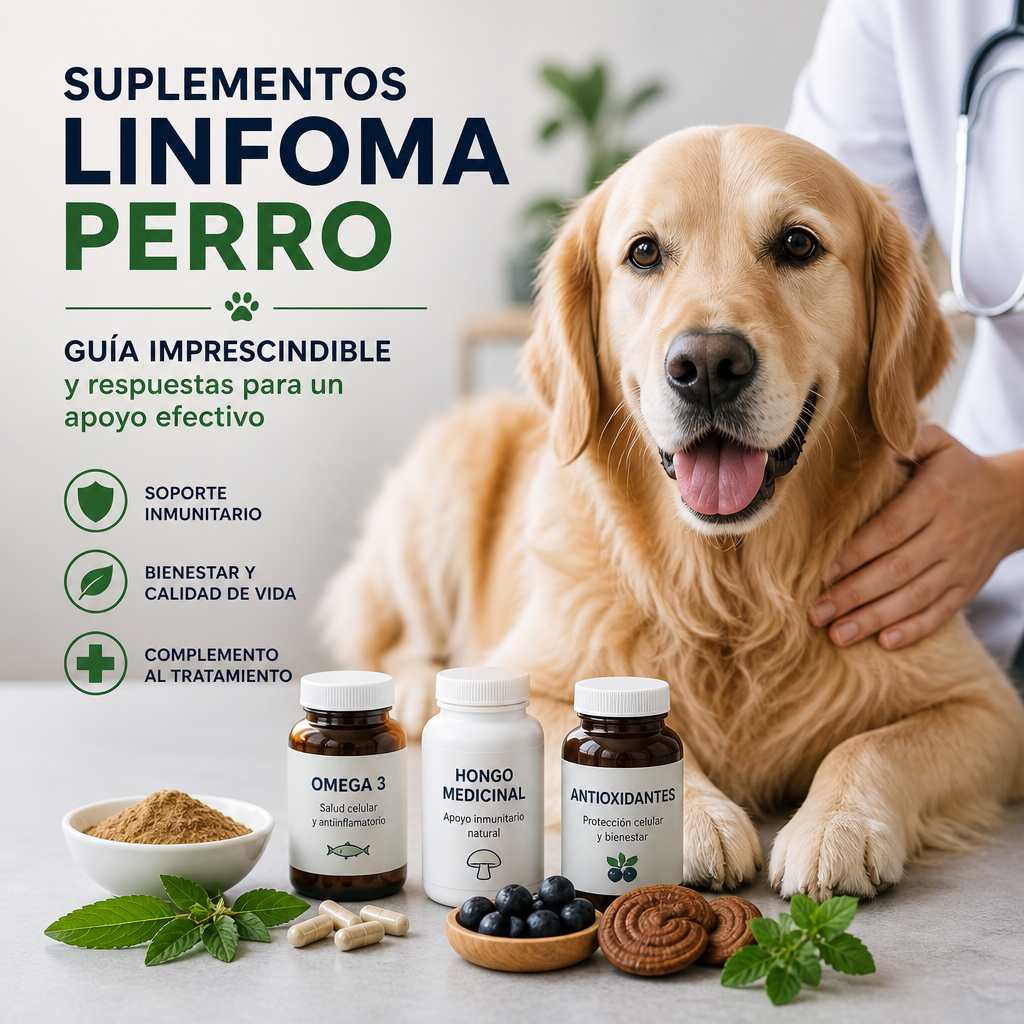
El linfoma es un cáncer que afecta a los linfocitos, células del sistema inmunitario. Puede aparecer en los ganglios linfáticos, el aparato digestivo, la piel, el bazo, el hígado u otros órganos. Los signos dependen de la localización y de la evolución de la enfermedad, pero pueden incluir ganglios aumentados de tamaño, pérdida de peso, cansancio, falta de apetito, vómitos, diarrea o dificultad respiratoria.
El tratamiento más habitual es la quimioterapia, aunque el protocolo depende del tipo de linfoma, la fase clínica, la edad del perro y su estado general. En algunos casos también pueden emplearse cirugía, radioterapia, corticoides u otros fármacos. Dentro de este contexto, los suplementos linfoma perro deben considerarse una herramienta de apoyo, no un tratamiento antitumoral independiente.
Un enfoque integral suele combinar el control médico con nutrición adecuada, manejo del estrés, vigilancia de síntomas y ajustes según la respuesta del paciente. Esa visión ayuda a decidir con más criterio qué complemento puede ser útil y cuál no aporta valor real.
Suplementos linfoma perro: qué objetivos pueden tener
Un suplemento para perro con linfoma puede plantearse con distintos objetivos. El primero es ayudar a cubrir necesidades nutricionales cuando el animal come menos o pierde masa muscular. El segundo consiste en apoyar la función digestiva, especialmente si aparecen náuseas, diarrea o cambios en el apetito. El tercero es contribuir al mantenimiento de la calidad de vida durante el tratamiento.
Es importante distinguir entre una ayuda nutricional y un producto que promete curar el cáncer. Las afirmaciones de “eliminar tumores”, “sustituir la quimioterapia” o “activar las defensas contra el linfoma” deben considerarse señales de alerta. El cáncer es una enfermedad compleja y no existe un suplemento universal capaz de reemplazar un protocolo veterinario.
En la práctica, los suplementos linfoma perro pueden ser útiles cuando se integran en un plan realista. Su valor suele estar en aliviar algunos efectos secundarios, apoyar el consumo de alimento o ayudar al perro a tolerar mejor la rutina del tratamiento, siempre bajo supervisión profesional.
También pueden tener una función preventiva secundaria: evitar pérdidas nutricionales importantes, sostener el interés por la comida y reducir el deterioro físico en periodos de menor ingesta. Cuando se usan con ese enfoque, el resultado suele ser mucho más medible y seguro.
Nutrientes y productos que pueden valorarse
Ácidos grasos omega-3
Los omega-3, presentes principalmente en aceites de pescado purificados, pueden formar parte de una dieta de apoyo. El veterinario puede considerarlos cuando busca mejorar el aporte de grasas específicas o contribuir al equilibrio inflamatorio del organismo. La dosis debe calcularse según el peso, la alimentación y el estado clínico del perro.
No todos los aceites son iguales. Es preferible elegir productos veterinarios con información clara sobre la cantidad de EPA y DHA, control de contaminantes y conservación adecuada. Además, deben utilizarse con precaución en animales con trastornos de coagulación, pancreatitis o determinados tratamientos.
Probióticos y apoyo digestivo
Los probióticos pueden ser útiles en algunos perros con alteraciones gastrointestinales, especialmente cuando existe diarrea relacionada con el estrés, cambios dietéticos o ciertos medicamentos. Su efecto no es idéntico en todos los animales y depende de las cepas utilizadas, la dosis y la causa del problema digestivo.
Un probiótico no debe emplearse para retrasar la consulta si el perro presenta vómitos persistentes, sangre en las heces, deshidratación o un deterioro rápido. La diarrea durante la quimioterapia puede necesitar medicación, fluidoterapia o ajustes en el tratamiento.
Si el veterinario lo aprueba, los probióticos pueden formar parte de una estrategia de soporte junto con dieta digestible y observación clínica. En ese contexto, los suplementos linfoma perro no actúan como solución aislada, sino como una pieza más del manejo del paciente.
Vitaminas y minerales
Las vitaminas y los minerales solo deberían suplementarse cuando existe una necesidad concreta o una recomendación profesional. Un exceso de vitaminas liposolubles, como A, D, E o K, puede acumularse y causar toxicidad. También es posible que determinados minerales interfieran con la absorción de otros nutrientes o con la función renal y hepática.
Una alimentación completa y equilibrada suele cubrir las necesidades básicas. Añadir múltiples productos sin supervisión puede desequilibrar la dieta en lugar de mejorarla.
En especial, cuando el perro ya recibe una dieta terapéutica, conviene confirmar si realmente hace falta añadir otro aporte nutricional. Muchas veces el mejor ajuste no es sumar más cápsulas, sino revisar la calidad de la comida y su tolerancia diaria.
Antioxidantes y extractos vegetales
Los antioxidantes y los extractos de plantas generan especial interés, pero requieren prudencia. Algunos podrían interferir con la acción de ciertos fármacos, modificar la coagulación o afectar al metabolismo hepático. El hecho de que un producto sea “natural” no significa que sea inocuo.
Antes de usar cúrcuma, equinácea, hongos medicinales, cardo mariano, cannabidiol u otros extractos, es fundamental informar al oncólogo veterinario. La evidencia disponible suele ser limitada, variable o basada en estudios de laboratorio que no siempre pueden extrapolarse a perros con linfoma.
Si quieres revisar un enfoque profesional sobre diagnóstico y manejo oncológico, puedes consultar la guía clínica de la WSAVA sobre linfoma canino como referencia de acompañamiento clínico.
Fórmulas de soporte nutricional
En algunos pacientes, el mayor beneficio no viene de un nutriente aislado, sino de una fórmula de soporte diseñada para la convalecencia o la enfermedad crónica. Estas presentaciones suelen concentrar energía, mejorar la palatabilidad y facilitar la administración diaria.
Cuando se eligen bien, pueden ayudar a que el perro mantenga mejor su ingesta y pierda menos peso. En ese escenario, los suplementos linfoma perro son útiles porque se integran con la dieta, no porque “combatan” el tumor por sí solos.
Cómo elegir un suplemento para perro con linfoma
La calidad del producto es tan importante como su composición. Conviene revisar la etiqueta, la concentración de principios activos, el fabricante, el número de lote, la fecha de caducidad y las instrucciones de conservación. También es recomendable elegir productos formulados para perros, ya que algunos suplementos humanos contienen xilitol, cafeína, dosis excesivas de ciertos nutrientes u otros ingredientes peligrosos.
El veterinario debe conocer todos los medicamentos y complementos que recibe el animal. Esta información permite detectar posibles interacciones y evitar duplicidades. Por ejemplo, un perro que ya consume una dieta terapéutica quizá no necesite un complejo vitamínico adicional, mientras que otro con pérdida de peso puede beneficiarse más de una estrategia nutricional completa que de un producto aislado.
Cuando se valoran suplementos linfoma perro, la regla más prudente es empezar por lo esencial: controlar síntomas, asegurar una ingesta adecuada y evitar combinaciones innecesarias. Menos productos, pero mejor seleccionados, suele ser una mejor estrategia que acumular cápsulas o polvos sin un objetivo claro.
También es buena idea comprobar si el producto cuenta con respaldo técnico, información clara de dosis y compatibilidad con tratamientos oncológicos. Cuanto más fácil sea entender qué aporta, más sencillo será decidir si realmente encaja en el plan del paciente.
Alimentación, hidratación y control del peso
El apoyo nutricional no depende únicamente de los suplementos. Mantener una ingesta suficiente de calorías y proteínas puede ser prioritario, siempre adaptándose a la función renal, hepática, digestiva y pancreática. Algunos perros toleran mejor varias comidas pequeñas, alimentos húmedos o una dieta con mayor palatabilidad.
La hidratación también es esencial. El agua debe estar disponible en todo momento y cualquier disminución marcada del consumo debe comunicarse al veterinario. El peso, la condición corporal y la masa muscular deberían controlarse con regularidad, ya que una pérdida progresiva puede indicar que es necesario ajustar el plan.
Nunca conviene forzar la alimentación sin orientación profesional. Si el perro deja de comer, vomita repetidamente, presenta diarrea intensa, está muy débil o respira con dificultad, necesita valoración veterinaria.
En algunos casos, el equipo veterinario puede priorizar una dieta más digestible, un aporte energético más concentrado o un cambio temporal de formato. Estos ajustes suelen ser más útiles que añadir muchos suplementos linfoma perro sin una necesidad definida.
La comida también cumple una función emocional. Mantener rutinas tranquilas, ofrecer la ración a horas previsibles y evitar cambios bruscos puede mejorar la aceptación del alimento. Ese tipo de medidas, aunque simples, suelen marcar una diferencia real.
Linfoma perro apoyo: señales de un buen plan
Un plan de linfoma perro apoyo debe centrarse en objetivos medibles y realistas: conservar el apetito, mantener un peso adecuado, controlar las molestias digestivas, reducir el estrés y preservar las actividades que el animal disfruta. El seguimiento permite saber si un suplemento aporta algún beneficio o si, por el contrario, causa efectos adversos.
Llevar un registro sencillo de apetito, deposiciones, vómitos, energía, peso y medicación puede ayudar mucho durante las revisiones. También facilita identificar cambios relacionados con la quimioterapia o con la incorporación de un nuevo producto.
También conviene valorar si el perro duerme mejor, se muestra más activo o mantiene una rutina de paseo más estable. Cuando un plan funciona, los beneficios suelen reflejarse en pequeños cambios sostenidos y no en promesas espectaculares.
Un buen seguimiento permite decidir con calma si un suplemento se mantiene, se ajusta o se retira. Esa reevaluación periódica es una de las formas más seguras de usar suplementos linfoma perro sin perder de vista el objetivo principal: bienestar y estabilidad clínica.
Preguntas importantes antes de empezar cualquier suplemento
Antes de dar un producto nuevo, ayuda hacerse algunas preguntas prácticas. ¿Cuál es el objetivo concreto? ¿Va a mejorar el apetito, la digestión o el peso? ¿Existe evidencia razonable para este caso? ¿Puede interferir con la medicación actual? ¿La dosis es apropiada para el tamaño del perro y su estado clínico?
También es útil preguntar si el suplemento es realmente necesario en este momento. A veces el mejor paso es esperar, observar la evolución o corregir primero la dieta. En otros casos, el veterinario puede indicar que una fórmula específica sí tiene sentido por los síntomas presentes.
Las familias que buscan suplementos linfoma perro suelen agradecer un criterio claro: introducir un solo cambio cada vez, evaluar su efecto y anotar cualquier reacción. Ese método reduce confusiones y facilita decisiones más seguras.
Conviene además revisar si el producto encaja con otros problemas de salud, como insuficiencia renal, pancreatitis, enfermedad hepática o alergias alimentarias. Lo que ayuda a un perro puede no ser adecuado para otro con antecedentes distintos.
Dudas frecuentes sobre apoyo nutricional
¿Los suplementos curan el linfoma?
No. Pueden apoyar la nutrición, el bienestar o ciertos síntomas, pero no sustituyen el tratamiento oncológico.
¿Puedo dar varios suplementos a la vez?
Solo si el veterinario lo considera adecuado. Combinar muchos productos aumenta el riesgo de interacciones, exceso de nutrientes y efectos adversos.
¿Los productos naturales son siempre seguros?
No. “Natural” no significa inocuo. Algunos extractos vegetales pueden interactuar con medicamentos o afectar al hígado, la coagulación o el aparato digestivo.
¿Qué pasa si mi perro no quiere comer?
La falta de apetito persistente merece revisión veterinaria. Puede ser necesario ajustar el tratamiento, tratar las náuseas o cambiar la estrategia nutricional.
¿Sirve de algo empezar pronto con el apoyo nutricional?
Sí, especialmente si el perro ya muestra pérdida de peso, menor apetito o intolerancia digestiva. Iniciar el apoyo de forma temprana puede facilitar una mejor adaptación al tratamiento y evitar deterioros más difíciles de revertir.
¿Cómo sé si un complemento está funcionando?
Lo ideal es comprobar si mejora el apetito, reduce molestias digestivas, mantiene el peso o ayuda a sostener la energía. Si no hay cambios positivos después de un periodo razonable, el veterinario puede plantear otra opción.
Cuándo suspender un producto y consultar de inmediato
Si tras iniciar un complemento aparecen vómitos, diarrea persistente, picor, hinchazón, apatía marcada o rechazo total del alimento, conviene suspenderlo y contactar con el veterinario. También hay que actuar con rapidez si el perro muestra signos de deshidratación, respiración anormal o debilidad intensa.
La seguridad debe estar por encima de cualquier expectativa. Un producto que empeora la tolerancia digestiva o interfiere con la medicación no merece mantenerse. En ese sentido, la prudencia es una parte importante del apoyo nutricional.
La importancia del acompañamiento veterinario
Cada perro con linfoma responde de manera diferente. Por eso, la selección de suplementos debe basarse en el diagnóstico, el protocolo utilizado, las analíticas y las enfermedades concurrentes. El veterinario puede recomendar no suplementar, introducir un único producto, modificar la dieta o priorizar el control de síntomas.
El objetivo principal no es administrar la mayor cantidad de complementos, sino ofrecer un apoyo seguro, razonado y compatible con el tratamiento oncológico. Una comunicación constante con el equipo veterinario permite tomar decisiones informadas y concentrarse en lo más importante: el bienestar y la calidad de vida del perro.
En resumen, los suplementos linfoma perro pueden ser una ayuda útil cuando se usan con criterio, expectativas realistas y seguimiento profesional. La combinación de tratamiento veterinario, nutrición adecuada y vigilancia de los síntomas sigue siendo la base de un apoyo realmente efectivo.
Si estás valorando opciones para tu mascota, recuerda que el mejor resultado suele venir de un plan sencillo, bien supervisado y adaptado al caso concreto. Con ese enfoque, los suplementos linfoma perro pueden sumar sin confundir el tratamiento principal ni crear riesgos innecesarios.
Para ampliar el cuidado integral, revisa también nuestra guía sobre cáncer en mascotas y opciones de apoyo veterinario antes de tomar decisiones sobre nuevos complementos. Así podrás comparar beneficios, prioridades y riesgos con una visión más completa.
Cuando el objetivo es acompañar a un perro con linfoma, la mejor estrategia suele ser la más clara: tratamiento veterinario, alimentación adaptada, hidratación, seguimiento y solo aquellos suplementos linfoma perro que aporten valor real. Ese enfoque sencillo, prudente y positivo ayuda a proteger su bienestar día a día.
by TCMVET | Aug 17, 2026 | Research and News
K9 Immunity is a nutritional supplement designed to support dogs whose immune systems may be under strain, including dogs being monitored for cancer or recovering from serious illness. For owners in Italy, understanding what this product can and cannot do is essential before adding it to a pet’s care plan. This K9 Immunity review examines its intended role, ingredients, potential benefits, safe use, and the importance of veterinary guidance.
What Is K9 Immunity?
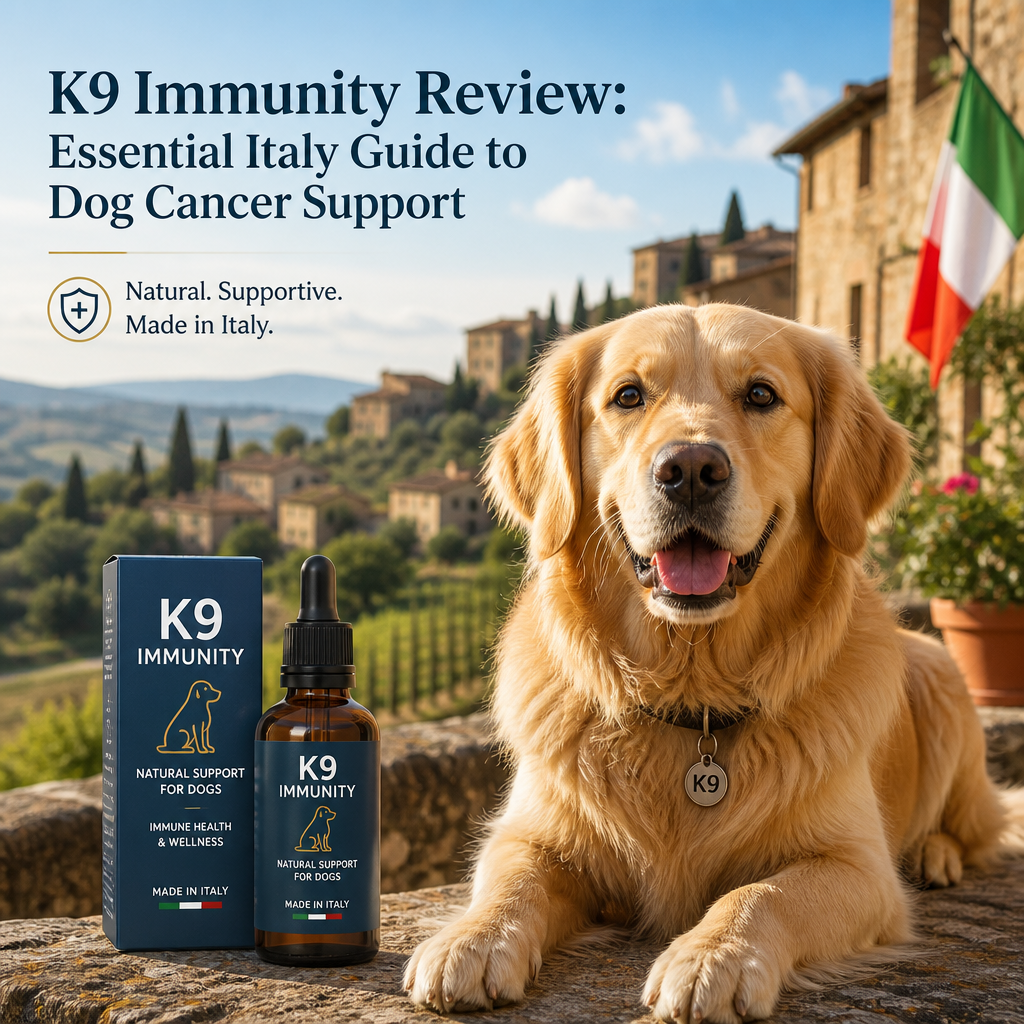
K9 Immunity is generally presented as a natural immune-support formula for dogs. Products in this category are usually intended to provide compounds such as medicinal mushrooms, antioxidants, vitamins, minerals, or plant-based ingredients that may help support normal immune function.
It is important to distinguish nutritional support from medical treatment. A supplement cannot replace surgery, chemotherapy, radiation therapy, prescription medication, diagnostic testing, or professional veterinary monitoring. Instead, it may be considered as part of a broader supportive-care strategy when a veterinarian believes it is appropriate.
Because formulas and serving instructions can change, Italian pet owners should check the current product label, manufacturer information, and import documentation before purchasing. The exact ingredient list, concentration, capsule or powder format, and recommended dosage should always be confirmed from the packaging.
What Benefits May It Offer?
The main reason owners investigate K9 Immunity is the possibility of supporting a dog’s natural defenses during periods of illness. A healthy immune system helps the body respond to infections, inflammation, and other biological challenges. Dogs with cancer may also experience reduced appetite, treatment-related stress, or changes in general condition, making nutritional support an important part of overall care.
Potential reasons a veterinarian might discuss an immune-support supplement include:
- Supporting normal immune-system activity
- Providing antioxidant compounds
- Helping maintain energy and general vitality
- Supporting appetite or nutritional status when a dog is recovering
- Complementing a balanced diet and conventional treatment plan
However, evidence for individual supplements varies considerably. Results seen in laboratory studies, small trials, or research on one ingredient do not automatically prove that a finished product will treat cancer or extend a dog’s life. Owners should be cautious about dramatic claims, guaranteed outcomes, or testimonials presented as medical evidence.
For readers looking for broader guidance on nutrition and supportive care, see our best supplements for dogs with cancer guide.
K9 Immunity Dog Cancer Support and Veterinary Care
K9 Immunity dog cancer support should be viewed as complementary rather than curative. Canine cancer includes many different diseases, such as lymphoma, mast cell tumors, osteosarcoma, hemangiosarcoma, and mammary tumors. Each condition can require a different diagnostic and treatment approach.
Before using a supplement, the veterinarian should know:
- The dog’s diagnosis, if one has been confirmed
- Current medications and chemotherapy drugs
- Any history of liver, kidney, or digestive disease
- Previous allergic or supplement reactions
- Whether surgery or another procedure is planned
- Changes in appetite, weight, stools, energy, or behavior
Some natural ingredients can affect blood clotting, blood pressure, liver enzymes, immune activity, or the absorption of medicines. These interactions may be particularly important before surgery or during chemotherapy. A veterinarian may recommend pausing a supplement at certain stages of treatment, even if the product is generally considered gentle.
To learn more about early warning signs and when to seek help, read recognizing dog cancer symptoms and early support.
Ingredients and Quality Considerations
When evaluating any K9 Immunity review, look beyond marketing language and examine the label carefully. A quality product should identify its active ingredients and provide clear information about amounts per serving. Vague “proprietary blends” can make it difficult to determine how much of each ingredient a dog receives.
Consider the following points:
- Ingredient transparency: The label should clearly list active and inactive ingredients.
- Dosage instructions: Serving guidance should account for the dog’s weight or size.
- Manufacturing standards: Look for information about production, testing, and quality control.
- Batch consistency: A reputable manufacturer should be able to explain how products are tested for purity and contamination.
- Storage guidance: Heat, moisture, and incorrect storage can reduce product quality.
- Expiration information: Do not use an expired supplement or one with damaged packaging.
Mushroom-based ingredients, botanical extracts, and concentrated antioxidants are often associated with immune-support products. They may be suitable for some dogs but not for every patient. A dog with an autoimmune disorder, sensitive stomach, or impaired liver function may require additional caution.
K9 Immunity Italy: Buying and Using It Responsibly
For owners researching K9 Immunity Italy, purchasing through a reliable source is especially important. Imported supplements may be sold through international websites, distributors, or marketplaces, but availability and labeling can differ by country. Check whether the seller provides a complete ingredient label, customer service details, shipping information, and a clear return policy.
Italian consumers should also consider:
- Whether the product can legally be imported and sold as a pet supplement
- Whether labels and instructions are available in a language the owner understands
- Potential customs charges or delivery delays
- Product authenticity and packaging security
- Whether the seller stores the supplement under suitable conditions
Avoid products with missing labels, unusually low prices, broken seals, or claims that sound too good to be true. A supplement marketed as a guaranteed cancer cure should be treated as a warning sign. Responsible companies should explain that their product is intended to support wellness and should not replace veterinary treatment.
If you prefer a holistic perspective on supportive care, this American Veterinary Medical Association overview of cancer in pets is a helpful educational resource.
Possible Side Effects and Precautions
Even natural products can cause adverse reactions. Some dogs may develop vomiting, diarrhea, reduced appetite, itching, or other signs of intolerance. If symptoms appear after starting K9 Immunity, stop giving the product and contact a veterinarian for advice.
Seek prompt veterinary attention if a dog experiences difficulty breathing, facial swelling, collapse, severe weakness, persistent vomiting, bloody stools, or a sudden decline in condition. Owners should also avoid introducing several new supplements at once, since doing so makes it difficult to identify the cause of a reaction.
Introduce any approved supplement according to professional advice and monitor the dog’s appetite, stool quality, energy, weight, and comfort. Keep a written record of all medications and supplements, especially when a dog is undergoing cancer treatment.
Owners who want more ideas for home support during treatment may also find effective ways to support weight gain in dogs undergoing cancer treatment useful.
Final Assessment
This K9 Immunity review supports a balanced conclusion: the product may be considered as nutritional support for some dogs, but it should not be presented as a standalone cancer treatment. Its suitability depends on the individual dog, the diagnosis, current therapy, ingredient profile, and veterinary assessment.
For families in Italy, the safest approach is to verify the product’s authenticity, review the label, purchase from a dependable source, and discuss its use with a veterinarian before administration. Supportive nutrition can be valuable, but the foundation of canine cancer care remains accurate diagnosis, appropriate treatment, regular monitoring, pain control, and attention to the dog’s quality of life.
by TCMVET | Aug 17, 2026 | Research and News
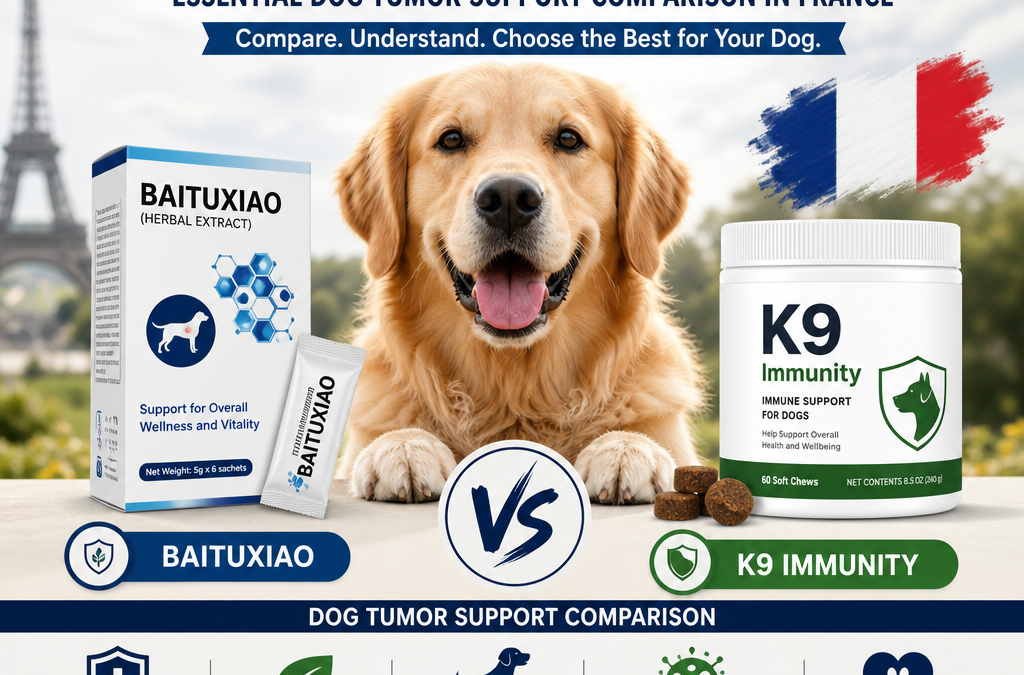
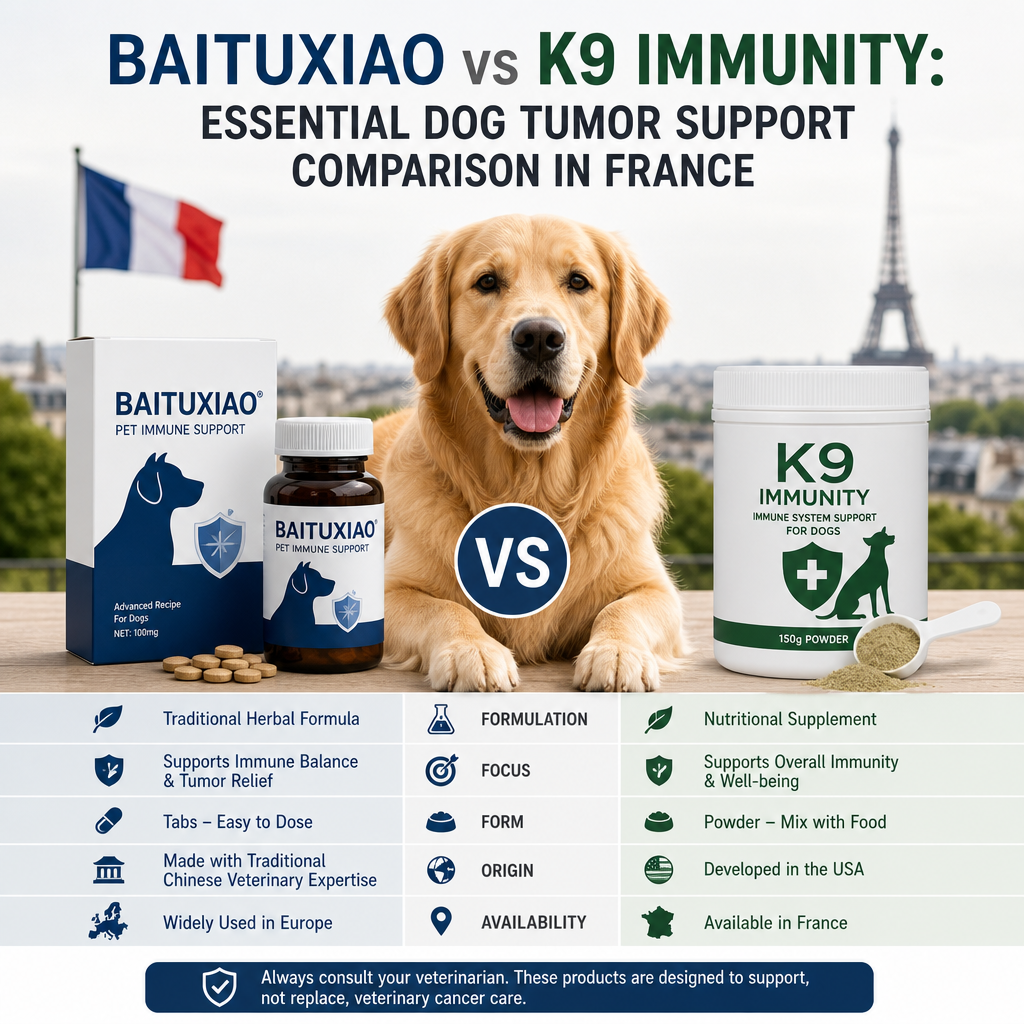
Baituxiao vs K9 Immunity is a comparison many French dog owners encounter when looking for additional support after a tumor diagnosis. Both products are discussed as complementary options, but they should not be treated as replacements for veterinary diagnosis, surgery, chemotherapy, radiation therapy, or other clinically recommended care. The right choice depends on the dog’s condition, treatment plan, overall health, and the quality and safety of the product.
Why dog tumor support requires careful evaluation
A tumor can be benign or malignant, localized or widespread, slow-growing or aggressive. Because of this variety, no supplement can be evaluated properly without knowing the diagnosis. A veterinarian may recommend imaging, biopsy, blood tests, or monitoring before deciding on treatment. In France, owners should also consider the importance of purchasing products through reliable channels and discussing any supplement with a veterinary professional.
Supportive products may be used with goals such as maintaining appetite, supporting normal energy levels, helping a dog cope with treatment, or providing nutritional assistance. However, claims about shrinking tumors, eliminating cancer, or replacing medical therapy require particular caution. A supplement’s marketing language is not equivalent to clinical evidence.
If you are comparing options after a diagnosis, Baituxiao vs K9 Immunity should be reviewed as part of a broader care plan rather than as a stand-alone decision. That perspective helps keep expectations realistic and reduces the risk of delaying needed medical treatment.
For trusted background on canine cancer and treatment planning, the Veterinary Practice News resource offers widely read clinical and practice-oriented articles that can help owners better understand current veterinary guidance.
What the comparison involves
The Baituxiao vs K9 Immunity discussion generally focuses on differences in formulation, intended use, evidence, administration, and suitability for individual dogs. Product formulas can change depending on the manufacturer and market, so owners should read the current label rather than relying solely on online descriptions.
Baituxiao is commonly presented as a traditional herbal-style supplement intended to provide broad support during serious illness. K9 Immunity is generally marketed as an immune-support product for dogs, often with an emphasis on nutritional ingredients and general wellness. These descriptions do not establish that either product treats cancer. They simply indicate how each product is positioned.
A meaningful comparison should examine:
- The complete ingredient list and amount of each ingredient
- Manufacturing standards and quality testing
- Directions for the dog’s weight and age
- Potential interactions with medication
- Suitability for dogs with liver, kidney, digestive, or immune problems
- Availability and labeling compliance in France
- The level of independent scientific evidence
For a useful Baituxiao vs K9 Immunity review, the label matters more than marketing claims. That is why it helps to compare the product facts line by line instead of judging by testimonials alone.
Owners often also compare these products with region-specific alternatives when availability changes. If you need another perspective, see the related guide on K9 Immunity Alternative: Best Affordable Dog Tumor Supplements in France.
A proper K9 Immunity comparison should begin with the current product label. Owners should identify whether the formula contains vitamins, minerals, mushrooms, herbs, enzymes, antioxidants, or other compounds. “Natural” does not automatically mean safe, especially for a dog receiving chemotherapy, corticosteroids, anti-inflammatory medication, anticoagulants, or drugs processed by the liver.
Some supplements contain ingredients that may affect digestion, blood clotting, blood pressure, or drug metabolism. Dogs can also react differently depending on breed, age, body size, and existing disease. Products with multiple active ingredients may be difficult to assess because an adverse reaction cannot easily be linked to one component.
Baituxiao should be assessed in the same way. Instead of judging by brand reputation or testimonials, compare the precise formula, dosage instructions, batch information, expiration date, and manufacturer transparency. A product with a long ingredient list is not automatically more effective than a simpler formula.
When French owners compare Baituxiao vs K9 Immunity, a practical question is whether the product fits the dog’s current treatment phase. A supportive supplement that seemed helpful during recovery may not be appropriate during a different stage of care.
It can also help to review basic veterinary nutrition and safety guidance from reputable references such as the VCA Animal Hospitals library, especially when checking ingredients that may affect digestion, appetite, or medication tolerance.
Evidence versus testimonials
Online testimonials may describe improvements in appetite, mood, mobility, or energy. These changes can be meaningful to an owner, but they do not prove that a supplement reduced tumor size or extended survival. A dog may feel better because pain is controlled, infection has improved, dietary intake has increased, or the disease is temporarily stable.
Scientific evidence should be considered separately from personal stories. Look for published research, clearly identified ingredients, appropriate studies in dogs, and information about dosage and safety. Evidence from laboratory experiments or human studies may provide useful background, but it cannot automatically be applied to canine cancer treatment.
Veterinary oncology is complex, and tumor response varies considerably. A supplement should therefore be viewed as a possible supportive measure, not as a guaranteed anti-cancer therapy. If a company claims otherwise, that claim should be treated with caution.
For French readers trying to compare Baituxiao vs K9 Immunity with a practical mindset, the safest approach is to ask whether any evidence exists for the exact formulation being sold, not just for an ingredient that appears in a broader category of supplements.
It is also wise to ask whether the product’s claims match what the evidence can realistically support. Many owners find that a calmer, more evidence-based view leads to better decisions and fewer regrets later.
How to compare safety, quality, and convenience
Beyond the label and evidence, a careful Baituxiao vs K9 Immunity decision should also include day-to-day use. A product can look appealing online but still be difficult to give consistently or unsuitable for a sensitive dog.
Helpful points to review include:
- How many capsules, tablets, or drops are needed each day
- Whether the product can be given with food
- Whether the flavor is likely to be accepted by picky dogs
- Whether the packaging protects the product from heat and moisture
- Whether the seller provides clear customer service and traceability
- Whether the cost is realistic for long-term use
It also helps to compare consistency. A supplement that is easy to source repeatedly is often more practical than one that is difficult to repurchase or frequently out of stock. For dogs with ongoing medical needs, steady supply can matter just as much as the marketing message.
Owners should also think about the dog’s comfort and routine. Some dogs do better with a product that is easy to split, mix, or hide in food, while others tolerate liquids or soft chews more easily. Convenience matters because a supplement that cannot be given reliably is unlikely to provide meaningful support.
For a broader look at how supportive pet products are discussed in European markets, you may also find this country-specific guide useful: Ocoxin Pets Alternative: 7 Best Affordable Dog Tumor Supplements in the UK.
Safety considerations for dogs in France
Before introducing either product, owners should provide the veterinarian with the full label and explain all other medications and supplements the dog receives. This is especially important before surgery or during chemotherapy. Some ingredients may interfere with clotting, sedation, immune activity, or the body’s ability to process medication.
Monitor for vomiting, diarrhea, loss of appetite, unusual tiredness, itching, swelling, breathing difficulty, or changes in thirst and urination. Stop the product and contact a veterinarian promptly if a serious reaction occurs. Never delay urgent care while waiting to see whether a supplement works.
French owners should also verify whether the product is legally marketed for animal use, whether labeling is available in French, and whether the seller provides traceability and customer support. Avoid products with unclear ingredients, exaggerated promises, missing batch details, or pressure to discontinue conventional veterinary care.
When in doubt, ask the veterinary team to review the label before the first dose. That simple step can prevent problems that are much harder to solve after a reaction has already started.
If a dog already has a complex medical history, this step is even more important. Dogs with cancer may also have liver, kidney, digestive, or immune concerns that change what is safe. In those cases, Baituxiao vs K9 Immunity should be reviewed only after the veterinarian confirms that the ingredients will not create avoidable risk.
How to compare safety, quality, and convenience
Owners often want a simple answer, but the best comparison is methodical. Start with the diagnosis, then check treatment goals, then look at the product details. That order keeps the decision grounded in the dog’s actual needs rather than in advertising language.
A practical checklist includes the following:
- Ask what the confirmed tumor type is and whether it is stable or progressing.
- Review all active ingredients and look for any that may affect clotting or digestion.
- Check the recommended dose for your dog’s weight and body condition.
- Look for clear storage instructions and batch or lot information.
- Confirm whether the product can be used alongside current medication.
- Observe the dog carefully during the first week of use.
A good Baituxiao vs K9 Immunity choice should be based on the product that fits your dog’s real situation, not the product with the loudest claims. If your dog is eating poorly, for example, a supportive supplement may matter less than changing the feeding approach, controlling nausea, or adjusting pain medication under veterinary supervision.
Cost is another practical factor. A supplement that seems affordable for a few weeks may become expensive if it must be used long-term. Compare the daily cost, not just the bottle price, so you know what ongoing support will actually require.
Finally, remember that “support” is only helpful if it does not distract from core care. That means regular checkups, symptom tracking, and prompt communication with the veterinary team remain essential.
Choosing the most appropriate support
The best dog tumor support comparison is individualized. A dog recovering from surgery may have different needs from a dog receiving chemotherapy or a dog receiving palliative care. Appetite, weight, hydration, pain control, stool quality, and emotional comfort may be more important immediate goals than adding multiple supplements.
Ask the veterinarian:
- What is the confirmed tumor type and stage?
- Could this product interact with the proposed treatment?
- Are the ingredients appropriate for the dog’s liver and kidney function?
- Is there a clear reason to use this supplement?
- Which signs should lead to discontinuation or urgent examination?
- How will progress be monitored?
Keeping a simple record of weight, appetite, activity, vomiting, stool quality, and medication can help identify whether a product is tolerated. It also prevents owners from attributing every change to the supplement.
French owners who are comparing Baituxiao vs K9 Immunity may also want to review broader canine tumor support resources and speak with their veterinarian about options that fit the dog’s diagnosis, age, and current treatment plan.
For additional background on tumor risk awareness in dogs, the article on Alaskan Malamute Cancer Risks: Essential Early Tumor Signs offers a helpful example of why early detection and monitoring matter.
Helpful questions before buying
Before you order either supplement, ask a few extra questions that can save time and reduce risk. Is the seller clear about returns and batch traceability? Does the product have enough information to show exactly what your dog will receive? Is the formula consistent from one purchase to the next?
These details matter because a supplement for a dog with cancer should be predictable. If the formulation changes without notice, it becomes harder to tell whether your dog is benefiting, tolerating the product, or reacting to a new ingredient.
It can also help to look for independent signs of quality rather than relying on polished marketing pages. Clear labeling, responsible instructions, and transparent contact details are more useful than dramatic promises. That is especially true when comparing Baituxiao vs K9 Immunity in a real-world care plan.
A balanced conclusion
Baituxiao vs K9 Immunity should not be viewed as a contest between two guaranteed cancer treatments. Both require careful review of ingredients, safety information, manufacturing quality, and compatibility with veterinary care. A responsible K9 Immunity comparison also recognizes that product claims may exceed the available evidence.
For French dog owners, the safest approach is to treat these products as optional complementary support only after consultation with a veterinarian. The foundation of care remains an accurate diagnosis, an appropriate treatment plan, pain and symptom management, good nutrition, and regular follow-up. Supplements may have a place in that plan, but informed decisions and professional oversight should come before brand preference.
In practice, Baituxiao vs K9 Immunity is less about finding a miracle product and more about choosing the safest, most appropriate support for one specific dog. That careful approach gives owners a better chance of helping their pet comfortably and responsibly.
When the discussion stays grounded in evidence, the comparison becomes clearer: Baituxiao vs K9 Immunity is best handled as a support decision, not a substitute for medical care. That perspective is the most helpful one for French owners who want to act quickly without overlooking safety.
For more context on canine cancer support options, Baituxiao vs K9 Immunity can be revisited alongside the dog’s diagnosis, age, and treatment plan. Used that way, Baituxiao vs K9 Immunity becomes a practical comparison instead of a marketing choice.
By keeping Baituxiao vs K9 Immunity tied to veterinary guidance, owners can make a clearer, safer decision for their dog’s long-term care. That is the most responsible outcome for any family facing a tumor diagnosis.
Ultimately, Baituxiao vs K9 Immunity should support, not replace, the veterinarian’s plan. If you remember that rule, the comparison stays useful, realistic, and focused on your dog’s well-being.
by TCMVET | Aug 17, 2026 | Research and News
Integratore linfoma cane è una ricerca sempre più frequente tra i proprietari che desiderano affiancare alle cure veterinarie un sostegno nutrizionale adeguato. Il linfoma è una patologia seria del sistema linfatico e richiede una diagnosi precisa, un piano terapeutico personalizzato e controlli regolari. Gli integratori non curano il tumore e non possono sostituire chemioterapia, farmaci o altre indicazioni del veterinario, ma in alcuni casi possono contribuire a sostenere appetito, stato nutrizionale, intestino e benessere generale.
Che cos’è il linfoma nel cane
Il linfoma è una neoplasia che colpisce i linfociti, cellule del sistema immunitario. Può manifestarsi nei linfonodi, nell’intestino, nella milza, nel fegato, nel midollo osseo o in altri organi. I sintomi dipendono dalla forma e dalla sede della malattia, ma possono includere linfonodi ingrossati, perdita di peso, stanchezza, scarso appetito, vomito, diarrea, aumento della sete o difficoltà respiratorie.
La diagnosi può richiedere esami del sangue, citologia, biopsia, ecografia, radiografie o altri accertamenti. Anche la scelta della terapia cambia in base al tipo di linfoma, allo stadio, all’età del cane e alle sue condizioni generali. Per questo, prima di scegliere qualsiasi prodotto, è fondamentale capire quali siano le reali necessità dell’animale. In questa fase, parlare di integratore linfoma cane ha senso solo se il prodotto viene valutato dentro un piano clinico completo.
Integratori cane linfoma: a cosa possono servire
Gli integratori cane linfoma vengono generalmente utilizzati come supporto, non come trattamento oncologico. Il loro possibile ruolo riguarda soprattutto il mantenimento delle condizioni fisiche durante il percorso terapeutico. Un cane sottoposto a chemioterapia può avere nausea, riduzione dell’appetito o alterazioni intestinali; in questi casi il veterinario può valutare sostegni mirati.
Tra gli obiettivi più comuni ci sono:
- sostenere l’apporto calorico e proteico;
- aiutare a mantenere il peso corporeo;
- favorire la regolarità intestinale;
- supportare l’idratazione;
- contribuire al normale funzionamento dell’organismo;
- migliorare la palatabilità della dieta quando il cane mangia poco.
Non tutti i cani hanno bisogno dello stesso integratore. Un animale con perdita di peso avrà esigenze diverse da uno che presenta diarrea, mentre un cane con problemi renali o epatici potrebbe non tollerare determinati ingredienti. Anche quando si cerca un integratore linfoma cane, la scelta migliore è sempre quella più adatta alla situazione specifica, non quella più pubblicizzata.
Quali sostanze vengono considerate più spesso
La scelta deve sempre essere personalizzata, ma alcune categorie di supporto vengono discusse più frequentemente in ambito veterinario.
Gli acidi grassi omega-3, presenti soprattutto nell’olio di pesce, possono essere valutati per il loro ruolo nel mantenimento di una risposta infiammatoria equilibrata e della condizione corporea. È importante utilizzare prodotti formulati per animali, controllarne la purezza e stabilire il dosaggio con il veterinario, soprattutto in presenza di disturbi della coagulazione o terapie concomitanti.
I probiotici e alcuni prebiotici possono essere utili quando la flora intestinale è alterata, per esempio dopo trattamenti farmacologici o in caso di feci irregolari. La loro efficacia dipende dal ceppo, dalla quantità e dalla situazione clinica; non tutti i prodotti commerciali sono equivalenti.
Gli integratori calorici o le mousse ad alta densità energetica possono aiutare nei cani che assumono poco cibo. In altri casi è preferibile una dieta veterinaria completa, formulata per pazienti oncologici o con specifiche esigenze digestive. L’obiettivo principale resta garantire nutrienti adeguati, non semplicemente aggiungere calorie.
Antiossidanti, vitamine ed estratti vegetali richiedono particolare prudenza. Alcune sostanze possono interferire con farmaci o protocolli oncologici, mentre dosi eccessive di vitamine liposolubili possono causare effetti indesiderati. “Naturale” non significa automaticamente sicuro. Se stai valutando un integratore linfoma cane, chiedi sempre se è compatibile con la terapia in corso.
Per approfondire una fonte autorevole sul tema delle neoplasie canine e della gestione clinica, puoi consultare anche le informazioni della Merck Veterinary Manual sul linfoma nel cane.
Linfoma cane supporto: l’importanza dell’alimentazione
Un linfoma cane supporto efficace parte spesso da una valutazione nutrizionale completa. Il cane dovrebbe ricevere un alimento completo e bilanciato, facilmente digeribile e sufficientemente appetibile. In presenza di perdita di peso, il veterinario può suggerire pasti più piccoli e frequenti, alimenti umidi o strategie per aumentare l’assunzione spontanea.
Non è consigliabile eliminare intere categorie di nutrienti o seguire diete casalinghe improvvisate. Un’alimentazione non bilanciata può peggiorare carenze già presenti e ridurre la capacità dell’organismo di affrontare la malattia. Le ricette casalinghe devono essere formulate da un veterinario esperto in nutrizione, con eventuali integrazioni precise.
Anche l’acqua è fondamentale. Vomito, diarrea, febbre o scarso consumo possono favorire la disidratazione. Segnali come gengive asciutte, debolezza marcata, occhi infossati o ridotta produzione di urina richiedono un contatto tempestivo con il veterinario. In molte situazioni, un integratore linfoma cane ha senso solo se migliora davvero assunzione di cibo, tolleranza digestiva e qualità della vita.
Integratore linfoma cane: domande da fare prima di usarlo
Prima di somministrare un prodotto, è utile chiedere:
- Qual è l’obiettivo concreto dell’integratore?
- È compatibile con la chemioterapia o con gli altri farmaci?
- Quale dose è adatta al peso e alle condizioni del cane?
- Per quanto tempo deve essere utilizzato?
- Ci sono controindicazioni in caso di problemi renali, epatici o gastrointestinali?
- Come si valuta se sta funzionando?
- Quali effetti indesiderati richiedono la sospensione?
È importante portare alla visita l’elenco completo di farmaci, alimenti complementari e prodotti già somministrati. Anche un integratore apparentemente innocuo può contenere sostanze non adatte a un animale in trattamento. Per questo, prima di scegliere un integratore linfoma cane, il confronto con il veterinario resta il passaggio più sicuro.
Errori da evitare
Un errore comune è considerare gli integratori una terapia alternativa. Ritardare o interrompere il trattamento prescritto può compromettere le possibilità di controllo della malattia. Un altro errore consiste nel combinare molti prodotti contemporaneamente, rendendo difficile capire quali siano utili e quali possano causare disturbi.
Bisogna inoltre evitare prodotti di provenienza incerta, dosaggi calcolati in autonomia e rimedi destinati all’uso umano. La formulazione, la concentrazione e gli eccipienti possono essere inadatti ai cani. Il veterinario oncologo può aiutare a distinguere un supporto ragionevole da una promessa commerciale priva di solide basi. Anche quando il nome sembra rassicurante, un integratore linfoma cane va scelto con attenzione e senza improvvisazioni.
Monitorare il cane durante il percorso
Il benessere del cane va osservato quotidianamente. Peso, appetito, quantità di acqua bevuta, aspetto delle feci, episodi di vomito, livello di energia e qualità del sonno forniscono informazioni preziose. Un semplice diario può aiutare il veterinario a modificare dieta, farmaci o integrazione.
Contattare rapidamente la clinica in caso di abbattimento intenso, difficoltà respiratoria, vomito persistente, diarrea importante, febbre, sanguinamenti, rifiuto prolungato del cibo o improvviso peggioramento. Il supporto nutrizionale è utile solo quando si inserisce in un programma medico completo e costantemente controllato.
Un integratore per il linfoma del cane, quindi, può avere un ruolo di affiancamento in situazioni selezionate, ma deve essere scelto con criterio. La priorità rimane una diagnosi accurata, una terapia oncologica personalizzata, un’alimentazione adeguata e una comunicazione continua con il veterinario. Quando il piano è ben costruito, anche un integratore linfoma cane può diventare parte di un supporto davvero utile e sicuro.
